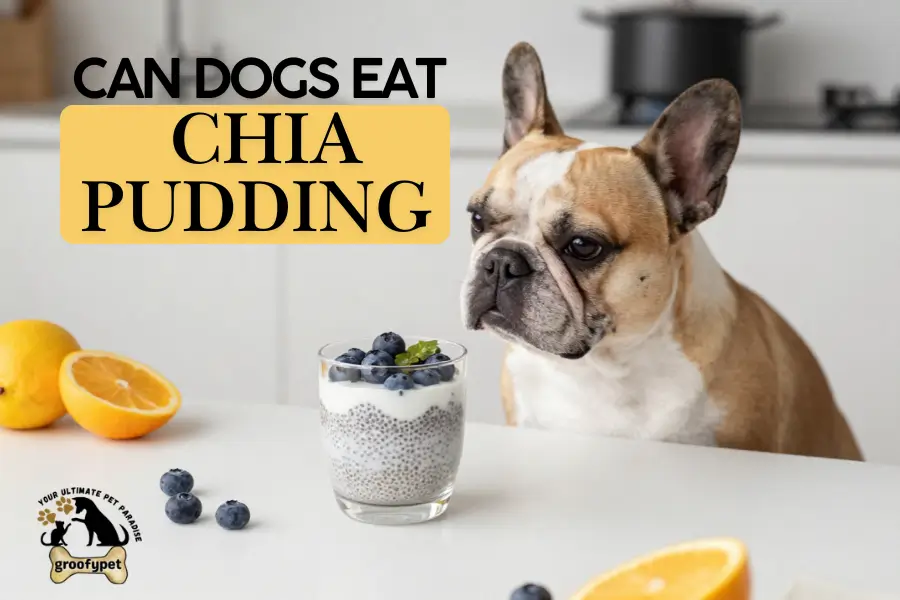
If you have ever scooped yourself a bowl of chia pudding in the morning and noticed your dog staring at you with those hopeful eyes, you are not alone. Chia pudding has become one of the most popular health foods for people, and naturally, dog owners start wondering whether this trendy breakfast is something their furry companion can share.
The short answer is this: plain, simply prepared chia pudding can be safe for dogs in small amounts, but the store-bought version or a recipe loaded with toppings is a different story entirely. Dogs have unique nutritional needs, and many ingredients that are perfectly healthy for humans can cause real harm to a dog.
In this guide, you will learn exactly what is safe, what is risky, how much your dog can eat, and how to make a dog-friendly version at home. By the end, you will know how to handle this question with confidence.
Can Dogs Eat Chia Pudding?
Yes, dogs can eat chia pudding, but only when it is plain and made with safe ingredients.
Plain chia pudding prepared with water or an unsweetened, dog-safe liquid and nothing else can be offered as an occasional treat without causing harm. The problem is that most chia pudding people actually eat is far from plain. It often contains dairy milk, sweeteners, chocolate, honey, fruit toppings, or flavored syrups. Any of those additions can quickly turn a harmless snack into something that makes your dog sick.
Dogs also vary quite a bit in how they respond to new foods. A large, healthy Labrador might handle a small spoonful without issue, while a small or sensitive dog could experience stomach upset from the same amount. Moderation is the most important rule here.
The safest way to offer chia pudding to your dog is to make it yourself using ingredients you know are safe, give only a small amount, and watch for any reaction before making it a regular treat.
Is Chia Seed Safe for Dogs?
Chia seeds themselves are not toxic to dogs. In fact, they contain several nutrients that can support your dog’s health when given in appropriate amounts. The key is preparation and portion size.
Health Benefits of Chia Seeds for Dogs
- Omega-3 fatty acids — Chia seeds are a plant-based source of omega-3s, which support healthy skin, reduce inflammation, and contribute to a shiny, smooth coat.
- Dietary fiber — The fiber in chia seeds supports healthy digestion and can help dogs that struggle with irregular stools.
- Protein — Chia seeds contain a modest amount of plant-based protein, which contributes to muscle maintenance.
- Calcium — These tiny seeds are surprisingly rich in calcium, which supports strong bones and teeth.
- Antioxidants — Antioxidants help fight cellular damage and may support your dog’s immune health over time.
- Satiety — Because chia seeds swell and absorb liquid, they can help a dog feel fuller for a little longer, which is useful for dogs that tend to overeat.
10 Genuine Benefits of Chia Seeds for Dogs
I want to be clear here; these benefits apply to plain, properly prepared chia seeds. Not the pudding you made for yourself last night.

1. Omega-3 Fatty Acids That Most Commercial Kibbles Don’t Provide
Here’s something most dog owners don’t know: standard dry kibble is heavily weighted toward omega-6 fatty acids. That ratio matters because omega-6s promote inflammation and omega-3s counteract it. Chia seeds contain alpha-linolenic acid (ALA), a plant-sourced omega-3 that helps regulate that balance.
It supports joint tissue, brain function, eye health in puppies, and immune response. For dogs eating nothing but dry food, adding chia is one of the simplest and cheapest ways to shift that ratio without overhauling the entire diet.
2. Soluble Fibre That Actually Fixes Digestive Inconsistency
If your dog oscillates between loose stools one week and constipation the next, their gut microbiome is probably struggling. The soluble fibre in soaked chia seeds forms a prebiotic gel that slows digestion and feeds beneficial gut bacteria directly.
It’s not a dramatic fix overnight, but owners who add chia consistently to their dog’s bowl tend to notice more stable stool quality within a few weeks. That’s the fibre doing its job as a substrate for a healthier microbiome.
3. Skin and Coat Improvements That Are Actually Visible
This is the one most dog owners mention first after adding chia. The combined effect of omega fatty acids and antioxidants — specifically quercetin, kaempferol, and chlorogenic acid — has a measurable impact on skin inflammation and coat condition.
Dogs prone to seasonal dermatitis, dry flaky patches, or a dull coat often show visible improvement within four to six weeks. It’s not magic. It’s just what happens when a dog chronically missing these nutrients finally gets them.
4. Sustained Energy Without the Sugar Spike
Chia seeds release energy slowly. The fibre slows digestion, the protein is moderate, and there’s no sugar to spike blood glucose rapidly. For working dogs, high-energy breeds burning through food quickly, or dogs recovering from illness who need caloric support without metabolic stress — this gradual energy profile is genuinely useful. And since chia seeds are nearly tasteless, they mix into any meal without the dog noticing.
5. Bone Mineral Support Especially Relevant for Large and Senior Dogs
Chia seeds contain calcium, magnesium, and phosphorus in meaningful quantities. An animal study examining long-term chia seed consumption found measurable increases in bone mineral density. For large-breed dogs susceptible to skeletal stress, or senior dogs managing early osteoarthritis, this is a noteworthy supplement. It won’t replace a full orthopaedic treatment plan, but as a consistent dietary addition it contributes something.
6. A Real Antioxidant Load for Dogs Under Environmental Stress
Free radicals accumulate faster in dogs with high environmental exposure — those who spend a lot of time outdoors, live in polluted urban areas, or eat lower-quality commercial food. The antioxidant compounds in chia seeds, myricetin, quercetin, and chlorogenic acid, work to neutralize those free radicals before they accelerate cellular aging and contribute to chronic disease. It’s the same reason antioxidant-rich foods appear in anti-cancer dietary protocols for dogs.
7. Cardiovascular Support in Breeds with Known Heart Vulnerabilities
Certain breeds carry genetic predispositions to cardiac disease, such as Cavalier King Charles Spaniels, Doberman Pinschers, and Boxers. The omega-3 profile and fiber content of chia seeds have both been associated with reduced systemic inflammation markers, including those linked to cardiovascular strain. This doesn’t position chia as a treatment, but as a preventive dietary measure in at-risk breeds, it’s worth discussing with your vet.
8. Immune Reinforcement That Compounds Over Time
Chia seeds deliver zinc, B vitamins, and antioxidant compounds that collectively support immune cell production and function. Dogs who catch infections easily, heal slowly, or suffer persistent seasonal allergy flares may benefit from the cumulative immune support of consistent supplementation. The key word is consistent — occasional servings don’t build the same effect as chia added regularly to meals over months.
9. A Practical Tool for Overweight Dogs Who Are Always Hungry
Chia seeds expand dramatically when they absorb liquid. A half teaspoon of seeds in wet food adds significant volume to the meal without meaningful caloric addition. For dogs who counter-surf, beg relentlessly, or need to lose weight before surgery, this is a legitimate satiety tool. It won’t solve the problem alone, but paired with controlled portioning, it genuinely helps dogs feel fuller longer.
10. A Gluten-Free Protein Source for Dogs with Grain Sensitivities
At 19 to 23% protein by weight, chia seeds offer a meaningful protein contribution for dogs on hypoallergenic or grain-free diets. For dogs with confirmed wheat sensitivities or inflammatory responses to cereal grains, chia functions as a clean, gluten-free supplement that integrates into any diet format—raw, home-cooked, kibble, or dehydrated, without triggering reactions.
10 Real Risks You Need to Know Before Sharing Chia Pudding
This is the part that matters most. None of these risks are about the seeds. Every single one involves what humans routinely add to their pudding before a dog gets near it.
1. Vanilla Extract Contains 35% Alcohol, and That’s Not Hyperbole
Pure vanilla extract is classified as ethanol at 35% alcohol by volume. A tablespoon of pudding made with even one teaspoon of vanilla extract delivers a clinically significant ethanol dose to a small dog. The signs of lethargy, vomiting, disorientation, dangerously low blood sugar, and, in severe cases, respiratory depression can develop within hours.
This is what happened with Biscuit. This is the most important risk on this list. Never share vanilla-flavored anything with your dog without verifying the ingredient source.
2. Xylitol Is a Medical Emergency, Not Just a “Bad Ingredient”
Xylitol, used in sugar-free puddings and many flavored plant milks, causes rapid and catastrophic insulin release in dogs. We’re talking hypoglycemia within 30 minutes of ingestion. Liver failure has been documented in certain cases. The dose required to cause harm is shockingly small relative to a dog’s body weight. Before using any sweetener, flavored milk, or sugar-free product near your dog’s food, read every label. Twice.
3. Dry Chia Seeds Can Cause Intestinal Obstruction
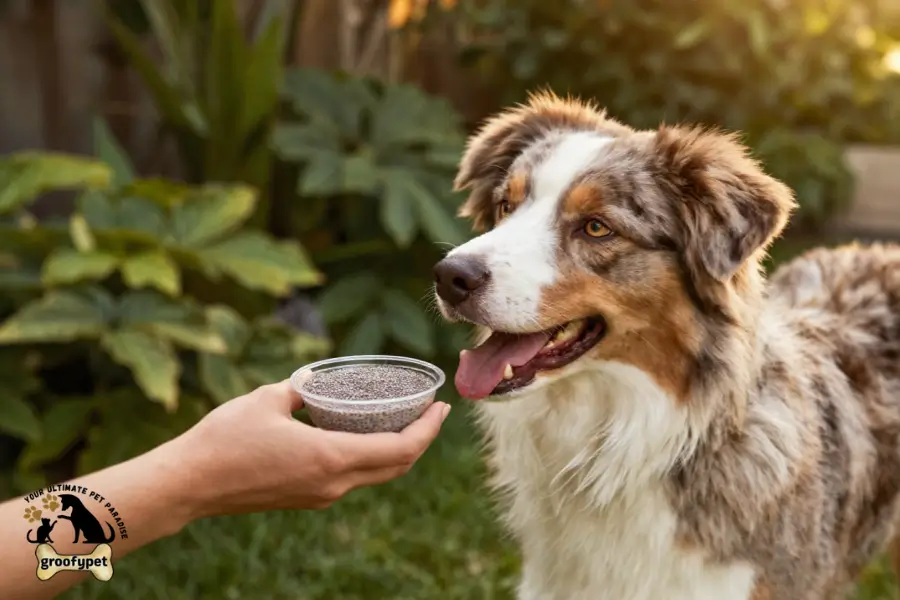
Unsoaked chia seeds don’t stay small once they hit moisture. They expand to roughly 10 to 12 times their dry volume upon contact with stomach fluid. If fed dry to a small-breed dog, they can swell mid-digestion and create a partial intestinal obstruction or severe bloating. Always — without exception — soak chia seeds fully before they come anywhere near your dog’s bowl.
4. Too Much Fibre Causes Its Own Problems
Chia seeds are exceptionally fiber-dense, and the canine gut doesn’t respond well to fibre overload. Exceeding the recommended serving size — even with the best nutritional intentions — causes excess gas production, abdominal bloating, and loose stools. The ceiling is roughly half a teaspoon per 10 kg of body weight per day. Going over that isn’t beneficial. It’s just uncomfortable for your dog.
5. Cow’s Milk Causes Digestive Upset in Most Adult Dogs
Lactase, the enzyme needed to digest lactose, is produced abundantly in puppies but drops significantly in most adult dogs. Chia pudding made with whole cow’s milk or cream can trigger soft stools, flatulence, or vomiting in lactose-intolerant dogs. This particularly affects breeds already prone to sensitive digestion: German Shepherds, Siberian Huskies, and Maltese among them.
6. Added Sugars Contribute to Dental Disease and Obesity
Honey, maple syrup, agave, and date syrup, all common in human chia pudding recipes, convert to glucose quickly and offer zero nutritional benefit to a dog. Excess dietary sugar accumulates as dental calculus, promotes weight gain, and can worsen insulin sensitivity in dogs predisposed to diabetes. There is no reason to sweeten a dog’s chia serving. None.
7. Chocolate Chia Pudding Is Actively Toxic
Chocolate chia pudding is a popular recipe variation. Cocoa contains theobromine and caffeine, both of which dogs metabolize far more slowly than humans. Even a small amount can cause vomiting, an elevated heart rate, muscle tremors, and, in sufficient quantities, seizures. If you’re making chocolate chia pudding for yourself, make a completely separate plain batch for your dog. Don’t assume proximity between the two bowls is fine.
8. Chia Seeds Can Interact with Blood Pressure Medications
Chia seeds have mild antihypertensive properties due to their omega-3 content. Dogs already prescribed blood pressure medications, not uncommon in dogs managing chronic kidney disease, may experience compounded hypotension if chia is added without veterinary oversight. This isn’t a reason to avoid chia in medicated dogs entirely, but it is a conversation to have with your vet before you start.
9. Allergic Reactions Are Uncommon but Documented
Chia seed allergies in dogs are relatively rare. When they do occur, signs include facial swelling, hives, excessive scratching, gastrointestinal distress, or, in severe cases, anaphylactic symptoms. If you’re introducing chia seeds for the first time, start at a quarter of the recommended dose and watch your dog closely for 48 hours before progressing. New food means new monitoring.
10. Abrupt Introduction Disrupts the Gut Microbiome
Even at the correct dose, introducing chia seeds too quickly triggers transient digestive upset as gut bacteria adjust to the new fiber load. This isn’t a reason not to use them; it’s a reason to go slowly. Start at a tenth of the target serving size and build up over two weeks. The dog’s gut will adapt. You just have to give it time.
How to Make Dog-Safe Chia Pudding?
Making a version of chia pudding that is actually safe for your dog is simple and takes almost no effort.
Basic Dog-Safe Chia Pudding Recipe
Ingredients:
- 1 tablespoon chia seeds
- ½ cup plain water (or unsweetened, plain oat milk)
Instructions:
- Combine chia seeds and water in a small bowl.
- Stir well to prevent clumping.
- Let the mixture soak for at least 2 hours, or overnight in the refrigerator.
- Stir once more before serving.
- Serve a small portion appropriate to your dog’s size.
No sweeteners. No toppings. No flavorings.
Optional Dog-Safe Add-Ins
If you want to make it a little more interesting for your dog, you can stir in small amounts of:
- Blueberries — Rich in antioxidants and safe for dogs in small amounts.
- Banana slices — A natural source of potassium; slice into small pieces and add sparingly.
- Plain pumpkin puree — Excellent for digestion and most dogs love the flavor. Make sure it is 100% plain pumpkin with no added sugar or spices.

Signs Your Dog Ate Too Much Chia Pudding
If your dog got into a larger portion than intended, or if the pudding contained ingredients you were not aware of, watch for these signs:
- Vomiting — Can occur within a few hours of eating something that disagrees with them.
- Diarrhea or loose stools — Common with too much fiber or dairy.
- Excessive gas — Chia seeds can cause gas when consumed in large amounts.
- Bloating — A distended belly that feels tight or uncomfortable.
- Drinking more water than usual — This can signal that something is off internally.
- Restlessness or whimpering — Signs that your dog is in discomfort.
Mild symptoms like soft stools or a little extra gas usually resolve on their own within 24 hours. Severe symptoms like persistent vomiting, blood in the stool, or signs of extreme distress need veterinary attention right away.
What To Do If Your Dog Ate Chia Pudding
Stay calm and take these steps:
- Check the ingredients. Was the pudding plain or did it contain chocolate, xylitol, raisins, or other harmful ingredients? This is the most important first step.
- Estimate how much was eaten. A lick is very different from half a bowl.
- Watch for symptoms. Mild stomach upset is manageable. Serious symptoms need a vet.
- Offer fresh water. Make sure your dog is hydrated.
- Call your vet or an animal poison control hotline if you know or suspect toxic ingredients were involved. Do not wait for symptoms to appear.
When in doubt, call your vet. It is always better to ask than to wait and see.
Best Alternatives to Chia Pudding for Dogs
If you want to give your dog something nutritious and satisfying without the complexity of chia pudding, these alternatives are simpler and very well tolerated by most dogs:
- Plain pumpkin puree — Great for digestion, low in calories, and dogs love it.
- Blueberries — Small, antioxidant-rich, and perfect as individual treats.
- Banana slices — A naturally sweet treat that most dogs enjoy.
- Plain yogurt — Opt for plain, unsweetened yogurt with live cultures if your dog tolerates dairy. The probiotics support gut health.
- Plain oatmeal — Cooked in water with no added sugar or flavoring. Soothing for sensitive stomachs.
- Frozen fruit treats — Blend safe fruits like bananas or blueberries, freeze in an ice cube tray, and serve as a refreshing summer snack.
How Much Chia Pudding Can a Dog Eat?
Portion size matters enormously. Chia seeds are fiber-dense and rich, so even for a healthy adult dog, less is more.
Small Dogs (under 20 lbs)
Offer no more than half a teaspoon of prepared chia pudding. Even this small amount provides a taste experience without overloading their digestive system.
Medium Dogs (20–50 lbs)
A small spoonful — roughly one teaspoon — is a reasonable one-time serving.
Large Dogs (over 50 lbs)
Large dogs can tolerate up to one tablespoon of plain chia pudding as an occasional treat.
Regardless of size, chia pudding should not be a daily treat. Once or twice a week at most, and only if your dog has shown it agrees with them. It should always be treated as a small addition to a complete, balanced diet rather than a meal replacement or regular snack.
Three to four times a week is enough for most dogs to see benefit. Daily is fine too, as long as you stay within the size-appropriate ceiling. And if your dog is managing any chronic condition kidney disease, cardiac issues, or diabetes, talk to your vet before starting.
Frequently Asked Questions
Can dogs eat chia pudding every day?
No. Even plain, safe chia pudding should only be an occasional treat. The high fiber content can cause digestive issues if consumed daily, and treats should never replace any portion of a balanced dog diet. Once or twice a week is more than enough.
Can dogs eat chia pudding with almond milk?
Unsweetened plain almond milk is not toxic to dogs in small amounts, but it offers no real nutritional benefit either. Many commercial almond milks contain added sugars, vanilla flavoring, or other additives. If you use almond milk as the base, check the label carefully and ensure it is completely plain and unsweetened. Water remains the safest option.
Can dogs eat chia pudding with honey?
Honey is not toxic to dogs, but it is high in natural sugar and calories. In very small amounts it is generally safe for healthy adult dogs, but it should not become a habit. Dogs with diabetes or weight problems should avoid honey entirely. Puppies should never be given honey due to the risk of Clostridium botulinum spores.
Can dogs eat chia pudding with fruit?
It depends entirely on the fruit. Dog-safe fruits like blueberries, banana, and plain pumpkin are fine in small amounts. Fruits like grapes, raisins, cherries, or anything with added sugar or artificial sweetener are not safe. Always know exactly which fruit is in the pudding before sharing.
Can dogs eat soaked chia seeds?
Yes, soaked chia seeds are safer than dry ones because the gel-like coating prevents them from expanding further in the digestive tract. If you want to offer chia seeds to your dog on their own, always soak them first in water for at least two hours, and serve a small, appropriate portion based on your dog’s size.
Final Thoughts
Chia pudding is not an off-limits food for dogs, but it is one that requires a little thought before sharing. The seeds themselves offer genuine nutritional value — omega-3s, fiber, calcium, and antioxidants — and can complement your dog’s diet when given appropriately.
The real risk does not come from chia seeds. It comes from everything else that typically goes into chia pudding: sweeteners, dairy, chocolate, artificial flavors, and toppings that are perfectly fine for humans but harmful to dogs.
When you make it plain, soak the seeds properly, and offer only a small serving suited to your dog’s size, chia pudding can be a perfectly safe occasional treat. But if you are ever uncertain about an ingredient, or if your dog has any existing health conditions, always check with your vet first.
Your dog’s health is always worth that extra step of caution. Safe, simple treats made with ingredients you understand will always serve them better than anything complicated.
Can Dogs Eat Dehydrated Apples? Healthy Treat or Hidden Risk!
Can Dogs Eat Onion Powder? A Must-Read Guide to Keep Your Dog Safe!