If you are a dog owner, then you probably share your food with your furry friend quite often. We all love giving our pets a small bite of what we eat at the dinner table daily. But not every human food is safe for dogs, and some foods can actually make them very sick.
One such food that raises a lot of questions among pet parents is agave. You may have seen agave nectar or agave syrup in your kitchen and wondered about its safety for dogs. So can dogs eat agave, and is it something you should worry about as a responsible pet owner today?
In this article we will break down everything you need to know about dogs and agave in simple terms. We will cover every angle so you can make the best choice for your pet’s health and safety going forward.
Many people know agave because it is used to produce tequila, which is a very popular alcoholic drink around the world today. But agave is also processed into a sweet liquid called agave nectar that many health-conscious people use as a sugar substitute. This sweetener looks a lot like honey and it has a mild sweet taste that works well in drinks and baked goods.
The agave plant has thick and pointy leaves that contain a sticky sap inside, which is where the sweetness comes from. Some people believe that agave is healthier than regular sugar but that claim does not always hold true for everyone. Now that you know what agave is let us look at whether it is safe for your dog to consume or not.
Can dogs eat agave?
This is the big question, and the answer is pretty straightforward for all dog owners out there right now. No dogs should eat agave in any form because it is not considered safe for them at all. The agave plant contains compounds like saponins and oxalic acid that can be very harmful to your dog’s body.
Even the processed forms like agave nectar and agave syrup are loaded with high fructose that dogs cannot handle well. Dogs have a very different metabolism than humans, and their bodies are not built to process large amounts of sugar safely. When a dog eats agave, it can lead to stomach upset and other digestive problems that can make your pet uncomfortable.

Many veterinarians and organizations like the ASPCA advise pet owners to keep agave away from their dogs completely. There is simply no good reason to give your dog agave when there are so many safer treat options available today. So if you were wondering can dogs eat agave the safest answer is always no and you should avoid it entirely.
Is agave nectar safe for dogs?
A lot of pet owners ask about agave nectar specifically because it is the most common form of agave found in kitchens. Agave nectar is a liquid sweetener that people add to tea, smoothies, pancakes, and many other recipes on a daily basis. It may look harmless, but agave nectar is actually very high in fructose, which is a type of sugar that can harm dogs.
When dogs consume foods with high sugar, their bodies struggle to break it down properly, and this leads to problems. Over time regular sugar intake can cause obesity in dogs along with dental problems and even diabetes in some cases. Your dog does not need any added sweeteners in their diet because their regular dog food already provides enough nutrition.
The sweet taste might attract your dog, but that does not mean it is good for their health or well-being at all. Some pet parents think that natural sweeteners are always safe, but that is not true when it comes to dogs specifically. Keep agave nectar away from your dog and choose dog-safe foods instead to keep them healthy and happy always.
Is agave syrup safe for dogs?
Many people get confused between agave syrup and agave nectar, but they are basically the same product with different labels. Agave syrup is just another name for the thick sweet liquid that comes from the agave plant after processing. Just like agave nectar, this syrup is packed with fructose and offers no nutritional value to your dog whatsoever.
Dogs do not benefit from eating sweet syrups, and in fact, these products can cause real harm to their digestive system. The sugar levels in agave syrup are actually higher than regular table sugar, which makes it even worse for your pet. If your dog accidentally licks a small drop of agave syrup, it may not cause an emergency, but it is still not recommended.
Repeated exposure to sugary foods like agave syrup can put stress on your dog’s pancreas and liver over time, slowly. Your dog’s digestive system is designed to handle protein and simple carbs, not concentrated sweeteners like agave syrup ever. Always store your agave syrup bottles in a safe spot where your curious dog cannot reach them or knock them over.
Is the agave plant toxic to dogs?
This is where things get even more serious because the raw agave plant is actually toxic to dogs in many ways. The leaves of the agave plant contain a compound called saponins, which is a natural chemical that protects the plant from insects. When dogs chew on agave leaves or come in contact with the sap these saponins can cause real harm very quickly.
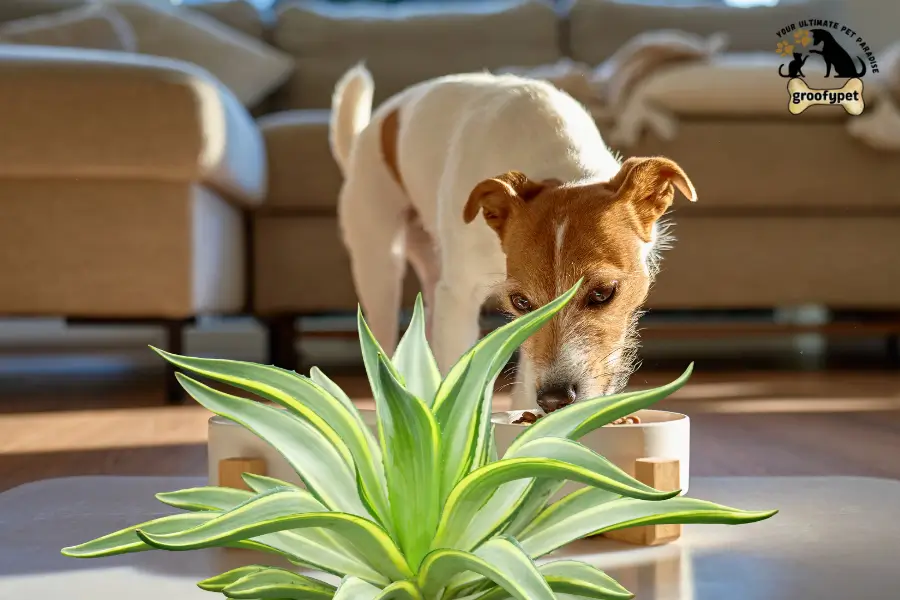
Dogs may experience skin irritation swelling redness and even blisters if the sap touches their skin or mouth area directly. The calcium oxalate crystals found in agave leaves can also cause pain and swelling inside the dog’s mouth and throat. If your dog eats a piece of the agave plant, it can lead to gastrointestinal distress, including vomiting and severe diarrhea, right away..
What happens if a dog eats agave?
If your dog manages to eat agave in any form, you need to know what could happen so you can act quickly and calmly. The first thing you might notice is that your dog starts vomiting or having diarrhea within a few hours of eating agave. These are the most common signs, and they happen because your dog’s stomach is trying to get rid of the harmful substance.
Your dog may also start drooling more than usual and might refuse to eat their regular food for some time after that. In more serious cases dogs can experience lethargy, which means they become very tired and do not want to move around or play. Some dogs develop swelling around their mouth and face, especially if they chewed on the raw agave plant leaves directly.
Risks of Agave for Dogs
If your dog ate a large amount of agave, there is a risk of liver damage because the high fructose puts extra pressure on it. The effects depend on the size of your dog and how much agave they consumed, so smaller dogs are at higher risk overall. Always keep a close eye on your pet and do not wait too long before calling your vet for professional advice and guidance.
1. Digestive Upset
Agave can quickly upset your dog’s stomach after even a small amount. Dogs may start vomiting or have loose stools within a short time. The irritation happens because their digestive system cannot handle the compounds inside agave. This can make your dog feel weak and uncomfortable. Some dogs may also stop eating due to nausea. Digestive upset is often the first warning sign of trouble.
2. Vomiting and Diarrhea
One of the most common risks is repeated vomiting and diarrhea. Your dog’s body tries to remove the harmful substance quickly. This can lead to dehydration if fluids are lost too fast. Small dogs are at higher risk because they lose fluids quicker. Continuous vomiting can also irritate the stomach lining further. This makes recovery slower and more stressful.
3. Mouth and Throat Irritation
Agave contains sharp crystals that can hurt your dog’s mouth and throat. These crystals cause burning and swelling almost instantly. Your dog may drool a lot or paw at their mouth. Eating or drinking becomes painful. In severe cases the throat can swell and make breathing harder. This is a serious condition that needs quick care.
4. High Sugar Problems
Agave syrup has very high sugar levels, which are not safe for dogs. Too much sugar can upset blood sugar balance. Over time it can lead to weight gain and obesity. It may also increase the risk of diabetes. Dogs do not need extra sugar in their diet. Even natural sweeteners can harm their health.
5. Risk of Dehydration
Vomiting and diarrhea can quickly lead to dehydration. Your dog may lose more fluids than they can replace. Signs include dry gums, low energy, and sunken eyes. Dehydration can become dangerous if not treated. It may require fluids from a vet. Keeping your dog hydrated becomes very important during this time.
6. Skin Irritation
If agave sap touches your dog’s skin it can cause redness and itching. Dogs may scratch or lick the area a lot. This can lead to further skin damage or infection. Sensitive dogs may react more strongly. The irritation can last for several days. Cleaning the area quickly can help reduce the reaction.
7. Breathing Problems
Severe swelling in the throat can make breathing difficult. This is rare but very dangerous. Your dog may show signs like wheezing or gasping. This requires immediate emergency care. Breathing problems can become life threatening very fast. Quick action can save your dog’s life.
8. Kidney Stress
The compounds in agave can affect kidney function in some cases. The body struggles to process these toxins. This puts stress on the kidneys over time. If untreated it can lead to serious health problems. Dogs with existing kidney issues are at higher risk. Regular exposure makes the risk worse.
9. Liver Strain
High sugar content and toxins can also affect the liver. The liver works hard to remove harmful substances. Too much stress can damage liver cells. This may lead to long term health issues. Signs may include low energy and poor appetite. Early treatment helps prevent lasting damage.
10. Risk for Puppies and Small Dogs
Puppies and small dogs face greater danger from agave. Even a tiny amount can cause strong reactions. Their bodies are smaller and more sensitive. Symptoms can appear faster and be more severe. They may need quicker medical care. Extra caution is needed to keep them safe.
Benefits of Agave for Dogs
👉 Important note: Agave is not recommended for dogs. These “benefits” are indirect or theoretical and do not outweigh the risks.
1. Natural Sweet Taste
Agave has a very sweet taste that may attract dogs. This can make it seem like a treat. However dogs do not need sweet foods. While the taste is appealing it offers no real health value. It is better to use safe fruits instead.
2. Easily Digestible for Humans
Agave is easy for humans to digest but not for dogs. Some pet owners assume it will work the same way. Dogs process foods differently. This highlights why human foods are not always safe for pets.
3. Energy Source
Agave contains sugars that provide quick energy. In theory this could boost energy levels. However this energy spike is unhealthy for dogs. It can lead to crashes and long term issues. Balanced dog food is a better energy source.
4. Plant Based Origin
Agave comes from a natural plant source. Many people prefer plant based foods. But natural does not always mean safe for dogs. Some plants are toxic to pets. Agave is one of them.
5. Used in Small Traces in Foods
Some dog owners worry about tiny traces in processed foods. Very small amounts may not always cause harm. Still it is best to avoid it completely. Reading labels helps keep your dog safe.
6. Lower Glycemic Index for Humans
Agave has a lower glycemic index compared to sugar for humans. This makes it popular in human diets. But dogs do not benefit from this feature. Their bodies react differently to sugars.
7. Flavor Enhancer in Foods
Agave is used to enhance flavor in many foods. Dogs may enjoy the taste if exposed. But flavor should never come at the cost of safety. Safe treats can provide enjoyment without risk.
8. Occasional Accidental Intake Recovery
Most dogs recover from small accidental intake with care. This shows their bodies can handle minor exposure. However this should not be seen as a benefit. Prevention is always better.
9. Raises Awareness in Pet Owners
Learning about agave risks helps owners become more careful. It encourages better food choices for pets. Awareness can prevent future accidents. This is an indirect benefit for pet safety.
10. Encourages Safer Alternatives
Knowing agave is unsafe pushes owners to choose better options. Fruits like apples and blueberries are safer choices. This leads to healthier diets for dogs. It improves long term wellbeing.
Symptoms of agave poisoning in dogs
Knowing the symptoms of agave poisoning in dogs can help you act fast and possibly save your dog from serious health issues. Every dog reacts differently so the symptoms can range from mild to severe depending on the amount eaten and the dog’s size.
1. Mild symptoms of agave poisoning
When a dog eats a small amount of agave the symptoms are usually mild but they still need your attention and care. The most common mild symptom is an upset stomach which can make your dog feel uncomfortable and restless for several hours. You might notice your dog having soft stool or mild diarrhea that goes away on its own within a day or two.
Mild drooling is another sign that your dog’s mouth or throat is irritated from the agave they just consumed recently. Some dogs may show a temporary loss of appetite and refuse to eat their meals for a short period of time after exposure. Your dog might also seem a little quieter than usual and may not want to play or go for walks right away.
These mild symptoms usually pass on their own but you should still monitor your dog closely and offer them plenty of fresh water. If the mild symptoms last more than 24 hours then it is a good idea to contact your veterinarian for further guidance and help.
2. Severe symptoms of agave poisoning
In some cases, especially when a dog eats a large amount of agave the symptoms can become serious and even life-threatening. Severe vomiting that does not stop is one of the first alarming signs that your dog needs emergency vet care right away. Your dog might also experience difficulty breathing, which is a very dangerous symptom that should never be ignored by any pet owner
. Tremors or shaking can happen when the toxic compounds in agave start affecting your dog’s nervous system and overall body function. Extreme lethargy where your dog cannot stand up or move around is another serious sign of agave toxicity in dogs. In rare cases dogs can suffer from liver damage or pancreatitis because of the high fructose content found in agave products.
Skin rashes and swelling around the face, mouth, and paws can also occur if the dog touched the raw agave plant directly. If you notice any of these severe symptoms, do not wait at home and rush your dog to the nearest animal hospital immediately. Quick action can make a huge difference and can help your vet treat your dog before the situation gets worse or becomes fatal.
What to do if your dog eats agave?
Finding out that your dog just ate agave can be scary, but staying calm is the first and most important thing you need to do. Take a moment to figure out exactly what type of agave your dog ate and try to estimate how much they consumed.
If it was agave nectar or agave syrup from a bottle, check how much is missing so you can tell the vet later.Remove any remaining agave from your dog’s reach immediately so they cannot eat more while you are figuring things out.
Call your veterinarian or the Pet Poison Helpline right away and describe exactly what happened and what symptoms you are seeing. Do not try to make your dog throw up at home unless your vet specifically tells you to do so because it can cause more harm.
Offer your dog small amounts of fresh water to help rinse their mouth and keep them hydrated during this stressful time. Watch your dog closely for any changes in behavior and write down the symptoms so you can share them with your vet clearly. Your vet will guide you on the next steps and may ask you to bring your dog in for a proper check-up and treatment.
Can dogs eat agave in small amounts?
Some dog owners wonder if a tiny amount of agave would be okay for their dog as an occasional treat or flavor boost. The truth is that even small amounts of agave are not recommended for dogs because there is no safe threshold established yet. Your dog’s body does not need added sugars at all and their regular balanced diet provides everything they need nutritionally.
Even a small lick of agave nectar introduces unnecessary fructose into your dog’s system, which serves no health purpose whatsoever. Over time even tiny amounts of sugar can add up and lead to weight gain and dental decay in your dog slowly. The risk is simply not worth it when there are so many other safe and healthy treat options available for your dog.
Think about it this way: your dog will be just as happy with a piece of banana or blueberry as a treat instead. Always choose treats that are made specifically for dogs or use vet-approved fruits and vegetables as a safer alternative always. So to answer clearly, can dogs eat agave in small amounts? No, they should not, and it is best to avoid it completely.
Why is sugar bad for dogs?
Understanding why sugar is bad for dogs helps explain why agave and other sweeteners should be kept away from your pets. Dogs have a different digestive system compared to humans, and their bodies process sugar in a much less efficient way overall. When dogs eat sugary foods, their blood sugar levels spike quickly and then crash, which can leave them feeling tired and weak.

Regular sugar consumption can lead to obesity in dogs, which is a growing health concern among pets in many countries today. Overweight dogs are more likely to develop joint problems heart disease and a shorter lifespan compared to dogs at a healthy weight.
Sugar also feeds harmful bacteria in your dog’s mouth, which leads to dental problems like cavities and gum disease over time.One of the most serious risks of too much sugar is diabetes in dogs, which requires lifelong management and can be very costly.
High fructose intake from products like agave can also put extra stress on your dog’s liver and pancreas, leading to long-term damage. So whether it is agave regular sugar or any other sweetener, the best choice is to keep all of them away from your dog.
Safe alternatives to agave for dogs
Now that you know agave is off the table, let us talk about some safe and healthy alternatives that your dog will actually love. There are plenty of natural sweeteners and whole foods that you can give your dog without worrying about harmful side effects at all.
1. Fruits dogs can eat safely
Fresh fruits are one of the best natural treats you can offer your dog and most dogs absolutely love the sweet taste. Bananas for dogs are a great option because they are soft, easy to digest and packed with potassium and vitamins too.
Blueberries for dogs are another wonderful choice because they are full of antioxidants and make a perfect small-sized treat.Watermelon for dogs is very refreshing especially during hot summer days but always remove the seeds and rind before serving.
for dogs are crunchy and sweet but you must remove the seeds and core because they contain harmful compounds inside. Strawberries are also safe for dogs in moderation and they provide vitamin C and fiber that support overall good health.
Pumpkin for dogs is not exactly a fruit but it is a fantastic treat that helps with digestion and keeps their gut healthy. Always wash fruits properly before giving them to your dog and cut them into small bite-sized pieces to prevent any choking hazard. Introduce one new fruit at a time so you can watch for any allergic reactions and make sure your dog tolerates it well.
2. Foods dogs should always avoid
While some foods are safe for dogs there are many common household foods that are extremely dangerous for dogs to eat. Chocolate is one of the most well-known toxic foods for dogs and even a small amount can cause serious health problems.
Grapes and raisins can cause sudden kidney failure in dogs and should never be given to them under any circumstances. Xylitol is an artificial sweetener found in gum candy and some peanut butters that is highly toxic to dogs and can be fatal.
Onions and garlic damage your dog’s red blood cells and can lead to a dangerous condition called “anemia” over time slowly. Alcohol, including drinks made from agave like tequila is extremely dangerous and can cause organ failure and death in dogs.
Caffeine found in coffee, tea, and energy drinks can cause rapid heartbeat seizures and other serious issues in dogs very quickly. Avocado contains a substance called persin that can cause vomiting and diarrhea in dogs, so it is best to avoid it.
Macadamia nuts are another food that is toxic to dogs and can cause weakness vomiting and tremors within hours of eating them.
Can dogs eat honey instead of agave?
Many dog owners look for a safer sweet treat and often wonder if honey for dogs is a better option than agave. The good news is that raw honey is generally considered safer for dogs compared to agave when given in very small amounts. Honey contains natural sugars along with small amounts of vitamins minerals and antioxidants that can offer some minor health benefits.
Some dog owners use a tiny bit of honey to soothe their dog’s sore throat or to help with seasonal allergies naturally. However honey still contains a lot of sugar so you should only give your dog a very small amount as an occasional treat. Too much honey can still cause weight gain and dental decay in dogs just like any other sugary food would over time.
Puppies and dogs with diabetes should never eat honey because their bodies cannot handle the sugar properly without serious consequences. Always talk to your veterinarian before adding honey or any new food to your dog’s regular diet just to be safe. So while honey is a better choice than agave it should still be given sparingly and never as a regular part of your dog’s meals.
Can agave cause allergic reactions in dogs?
Just like humans dogs can also have allergic reactions to certain foods and agave is no exception to this rule at all. Some dogs may be more sensitive to the compounds found in agave and can develop symptoms even from a small exposure amount.
Skin rashes itching and redness are common signs of an allergic reaction in dogs who come in contact with agave products.If your dog eats agave and then develops swelling around the face lips or eyes that is a strong sign of an allergic response.
Digestive symptoms like vomiting and diarrhea can also be part of an allergic reaction rather than just regular food intolerance issues. In rare cases a severe allergic reaction can cause difficulty breathing which is a medical emergency and needs immediate vet care right away.
If your dog has a known history of food allergies, then you should be extra careful about keeping agave out of their reach. Your vet can perform allergy testing to determine exactly what foods your dog is sensitive to and should avoid in the future.
The safest approach is to never give your dog agave and stick to foods that you already know are safe for them.
How to keep your dog safe around agave plants?
If you have agave plants in your home or garden then you need to take some extra steps to keep your dog safe around them. The first thing you should do is place indoor agave plants on high shelves or in rooms where your dog cannot access them.
For outdoor agave plants consider putting up a small fence or barrier around the plant area to block your curious dog completely. Training your dog with basic commands like “leave it” and “no” can also help prevent them from chewing on harmful plants.
Supervise your dog whenever they are outside in the yard, especially if you have multiple types of plants growing in the garden. Check your garden regularly and remove any fallen agave leaves or plant debris that your dog might pick up and chew on.
If you are planning to landscape your yard, choose dog-safe plants instead of agave to avoid any risk of accidental poisoning altogether. You can also spray a pet-safe bitter deterrent around the base of agave plants to make them less appealing to your dog naturally.
Remember that prevention is always better than treatment, so taking these simple steps can save you a lot of worry and vet bills.
How do vets treat agave poisoning in dogs?
If your dog does eat agave and shows serious symptoms, your vet will take quick action to treat the agave poisoning properly. The first step the vet usually takes is to assess your dog’s condition and check their vital signs like heart rate and breathing.
If the ingestion happened recently, the vet may induce vomiting to remove the agave from your dog’s stomach before it causes more harm. In some cases the vet will give your dog activated charcoal, which helps absorb the toxins in the stomach and prevents further absorption.
Your dog may receive IV fluids to keep them hydrated and to help flush the harmful substances out of their system faster. If your dog is experiencing skin irritation from contact with the raw agave plant, the vet will clean the area and apply soothing medication.
Blood tests may be done to check your dog’s liver function and make sure no serious internal damage has occurred from the agave.
Your vet will monitor your dog for several hours and may keep them overnight if the symptoms are severe or not improving quickly. Follow all of your vet’s instructions carefully after treatment and keep your dog on a bland diet for a few days to help recovery.
Frequently Asked Questions
Can puppies eat agave nectar?
No puppies should absolutely never eat agave nectar because their small bodies are even more sensitive to sugar and toxins than adult dogs. A puppy’s digestive system is still developing and even a small amount of agave can cause serious stomach problems and discomfort for them. Always stick to puppy-safe foods and treats that are specifically designed for their age and nutritional needs to keep them safe and healthy.
Is agave worse than regular sugar for dogs?
Both agave and regular sugar are bad for dogs but agave actually contains higher levels of fructose which can be harder on the liver. Regular sugar is mostly glucose while agave can be up to 90 percent fructose which puts more stress on your dog’s internal organs. Neither one should be given to dogs so it is best to avoid all types of sweeteners for your pet entirely and completely.
Can dogs eat agave-flavored foods?
Dogs should not eat agave-flavored foods because these products usually contain added sugars and artificial ingredients that are not safe for pets. Even if the agave content is small these foods are made for humans and are not suitable for your dog’s dietary needs at all. Always check the ingredient list on any food before sharing it with your dog and when in doubt just skip it.
How much agave is toxic to dogs?
There is no established safe amount of agave for dogs which means even a small quantity can potentially cause problems for your pet. The level of toxicity depends on your dog’s size weight and overall health condition so smaller dogs are at much greater risk. Since there is no safe threshold the best approach is to avoid giving your dog any amount of agave at all times.
Will a small lick of agave hurt my dog?
A single lick of agave nectar or agave syrup is unlikely to cause a major health emergency for most dogs right away. However it is still not a good idea to let your dog lick agave because even small tastes can encourage them to seek more. Prevention is always better than worrying after the fact so keep agave products sealed and stored away from your pet safely.
Can diabetic dogs eat agave?
No diabetic dogs should absolutely never eat agave because the high fructose content can cause dangerous spikes in their blood sugar levels. Diabetic dogs need a carefully controlled diet and adding any type of sweetener can interfere with their insulin management and overall health. Always consult your veterinarian about the best diet plan for a diabetic dog and never give them any form of sweetener without approval.
Final Thoughts
So can dogs eat agave and is it ever okay to share this sweetener with your furry best friend at home today. The answer is clear and simple no agave is not safe for dogs in any form whether it is nectar syrup or the raw plant itself. The agave plant contains saponins and calcium oxalate crystals that can cause serious harm to your dog’s mouth stomach and skin.
Processed forms like agave nectar and agave syrup are loaded with high fructose that dogs cannot handle well at all in their bodies. There are so many better and safer alternatives like bananas blueberries watermelon and pumpkin that your dog will enjoy just as much. Your dog does not need sweeteners in their diet and their regular balanced dog food already gives them all the nutrition they need daily.
If your dog ever eats agave by accident stay calm and contact your veterinarian or the Pet Poison Helpline for guidance right away quickly. As a loving and responsible pet owner the best thing you can do is keep harmful foods out of reach and choose treats wisely. Your dog trusts you to make the right food choices for them so always prioritize their health and safety above everything else today.
Can Dogs Eat Enchiladas?Risks,Benefits and Safe Alternatives!
Can Dogs Eat Surimi Full Guide to Risks Benefits and Better Choices!