When your dog on bland diet not pooping, it will be for worried pet owners who are hoping to help their furry friend feel better. A bland diet is a gentle remedy that pet owners use to soothe their pet’s stomachs. It offers a break from rich foods that might irritate the digestive system.
Using easily digestible ingredients like boiled chicken and rice, this diet is meant to be simple and reliable. However, while this approach generally works well for digestive troubles, sometimes it slows down bowel movements.
This may happen because simplicity in the diet means there’s less fiber, which can impact the regularity of your dog’s digestion. By turning to a bland diet, you may help your dog experience a calmer stomach, but if you notice they’re not pooping, a small addition of fiber or a visit to the vet could be the next step.
Common Ingredients for Bland Diet for Dogs
Here are some commonly used ingredients:
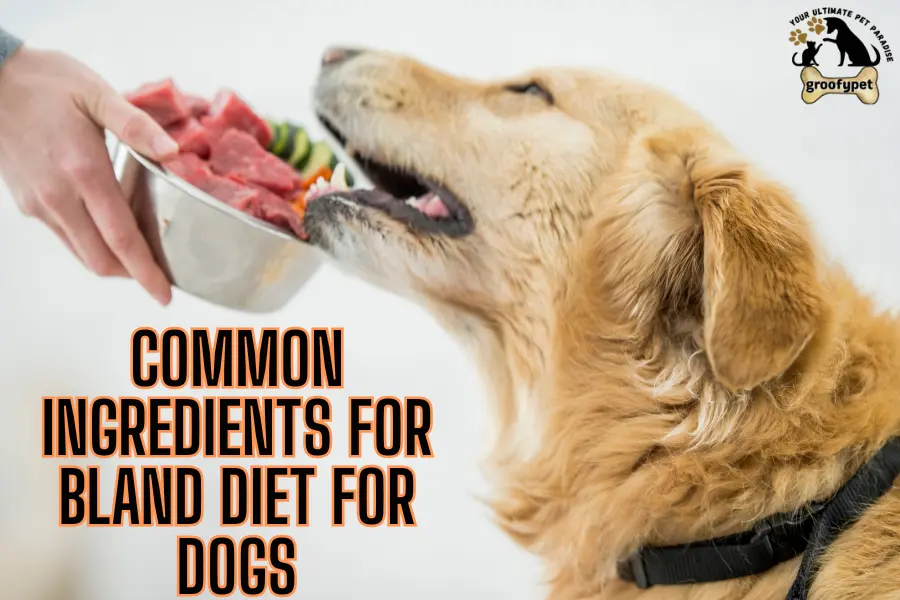
1. Boiled Chicken
- Served without skin or bones to avoid choking and digestion issues.
- Provides lean protein that’s gentle on the stomach.
2. White Rice
- A gentle carbohydrate source.
- Unlikely to irritate the stomach, making it ideal for sensitive digestion.
3. Plain Canned Pumpkin
- High in fiber which helps in digestion
- Regulate bowel movements providing relief from constipation
4. Sweet Potatoes
- Adds a mild sweetness dogs enjoy
- Rich in essential vitamins and gentle on the stomach
5. Plain Yogurt (in moderation)
- Contains probiotics to support gut health
- Helps to maintain a healthy balance of gut bacteria
These ingredients work together to create a gentle approach to nutrition for dogs helping the digestive system to recover without complex foods.
Reasons for Dog On Bland Diet Not Pooping after diarrhea
When a dog’s on a bland diet it’s usually to give the stomach rest and provide a soothing way to handle digestive issues. However, sometimes this approach can lead to constipation or irregular bowel movements, leaving the dog not pooping as expected.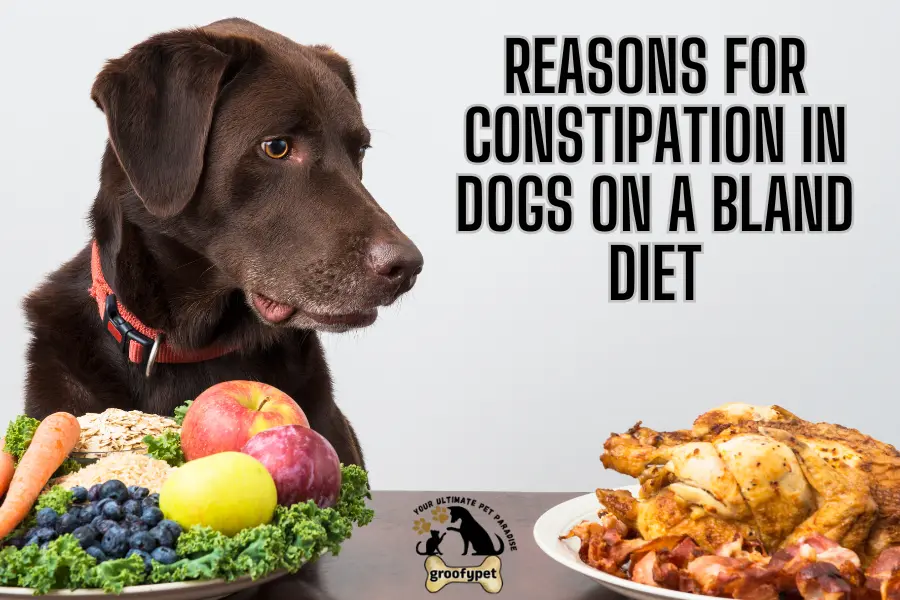
One of the main factors is a lack of fiber, which can affect how easily food moves through the system. While a bland diet can be safe and well-balanced, it might not provide everything needed for normal digestion, especially if fiber isn’t part of the meal.
1-Dietary Factors Affecting Bowel Movements in Dogs
A bland diet can help calm a dog’s digestive system, but sometimes it lacks the essential fibre that promotes smooth digestion. Many bland diets don’t include enough fibre-rich ingredients like pumpkin, which is known to aid in regular bowel movements.
In addition, dehydration or diarrhoea can also worsen the issue; if the dog isn’t drinking enough water alongside these meals, the low moisture can make it hard for stools to form and pass comfortably. Adjusting the diet slightly with more fibre and ensuring access to water may help prevent constipation in dogs on a bland diet.
2-Health Concerns Affecting Bowel Movements in Dogs
While a dietary change to a bland diet can help ease a dog’s stomach issues, there may be underlying medical conditions that affect its ability to have regular bowel movements. Certain health issues such as intestinal blockages, infections, or metabolic disorders significantly impact digestion causing constipation.
Additionally, some medications can have side effects that contribute to constipation, complicating the dog’s recovery process.
Suggestions for Relieving Constipation in Dogs on a Bland Diet
- If a dog on a bland diet is struggling with constipation, pet owners can make some helpful adjustments.
- Increase fiber by adding small amounts of fiber-rich foods like plain pumpkin or steamed green beans which help in digestion.
- Make sure your dog has constant access to fresh, clean water, as proper hydration is crucial for stool formation and easy passage.
- Consider offering a bit of plain yoghurt (if your dog tolerates it), as it contains probiotics that support gut health.
- If constipation persists, adding sweet potatoes in small portions offers additional fibre and essential nutrients.
- Monitor for other symptoms like discomfort, vomiting, or lethargy; these could signal a more serious issue needing veterinary attention.
- Consulting a veterinarian is always recommended if constipation lasts over 24 hours or other symptoms appear, to ensure there are no underlying health concerns impacting digestion.
Common Symptoms of a Dog on Bland Diet Not Pooping
When a dog is on a bland diet, the expectation is that it will help to keep away from gastrointestinal issues. However, if the dog is not pooping, it may exhibit several symptoms indicating potential problems. Below are the common symptoms associated with this condition.
1-Constipation Symptoms in Dogs on a Bland Diet
When a dog on bland diet not pooping, constipation can become a noticeable issue. The primary signs of difficulty include hard, pebble-like stools that are often dry and difficult to pass. Dogs may show visible discomfort, such as straining and vocalizing during efforts to defecate, or they might experience abdominal tensing.
In some cases, lack of defecation for a day or more can be a clear indication of constipation. If your dog is experiencing painful efforts to pass stool with little or no success, this could point to a serious issue. Moisture in the stool is often absent, making it more difficult and painful for the dog to produce a bowel movement.
2-Constipation Symptoms in Dogs on a Bland Diet
When your dog is on a bland diet, constipation can lead to gastrointestinal distress. A severe intestinal blockage may cause extra pressure on the digestive tract, leading to vomiting and even increased gas or flatulence. Dogs may pass only small amounts of liquid stool, which could be mixed with mucus, signalling a partial blockage or inflammation in the digestive system.
These signs may also cause your dog to appear bloated, and you might notice unpleasant odors more frequently than usual. If constipation becomes severe, the dog may show discomfort, and these issues can worsen if left untreated.
3-Possible Behavioral Changes in Your Dog
When your dog is on a bland diet and not pooping, it’s essential to pay close attention to potential behavioral changes. Lethargy and low energy are early signs that your dog might be experiencing discomfort or gastrointestinal issues. They may avoid engaging in their usual activities. It can lead to a loss of interest in eating.
You might notice behaviors like scooting, pacing, or even trying to relieve abdominal pressure by rubbing their rear on the ground. These signs indicate constipation or some form of gastrointestinal blockage, which causes your dog to feel restless and uncomfortable. If you observe any of these changes, it’s important to consult your vet to help alleviate the issue.
4-Physical Signs
When your dog is on a bland diet and faces constipation issues, it’s important to recognize the physical signs that may accompany this issue. One of the most common indications is abdominal disorder, where the stomach feels disturbed, firm, and even tender when touched.
This could be due to gas buildup, signaling that the digestive system is not functioning properly.Dog on bland diet not pooping if this issue persists, gastrointestinal discomfort leads to weight loss, as your dog eats less and misses out on essential nutrients, affecting their overall health and body condition.
If you notice your dog exhibiting these signs, it’s essential to monitor their behavior closely and consult a vet for further guidance.
5-Urgency and Inability to Poop
If your dog on bland diet not pooping and showing signs of constipation, they feel the urgency to poop. You notice your dog making several attempts to defecate squatting repeatedly without success. This behavior will be frustrating and uncomfortable.
In some cases, when stool is passed, it might be accompanied by mucus, which points to irritation or even inflammation in the intestines. If these signs continue, it’s important to consult your vet to address the issue and avoid further complications.
Frequently Asked Questions
What is a Bland Diet for Dogs?
A bland diet is a simple meal plan for dogs. It includes protein like boiled chicken or hamburger and carbohydrates like white rice or sweet potatoes.
Why Does My Dog Not Be Pooping on a Bland Diet?
If your dog isn’t pooping on a bland diet, it might be some reasons:
Low Fiber Content: Bland diets don’t have proper fiber which makes stools harder and leads to constipation.
Dehydration: Not drinking proper water causes dry stools, making it tough for your dog to poop. Always make sure it has fresh water.
Dietary Changes: A bland diet changes your dog’s digestive system.
How Long Does My Dog Stay on a Bland Diet?
Dogs should stay on a bland diet for three to five days. It’s important to talk to the vet to check up.
What Should I Do When My Dog is Constipated?
If your dog is constipated, you can try different things
Add Fiber: You add a small amount of pumpkin puree or canned dog food to its meal to help with digestion.
Consult Your Vet: If the constipation lasts more than 48 hours or if your dog seems uncomfortable call your vet for advice.
When Should I See a Veterinarian?
It’s a good idea to contact a vet if: Your dog has been on a bland diet for over five days without feeling better. Your dog shows signs of discomfort, like vomiting, low energy, or belly pain.
Can I Transition My Dog Back to Regular Food Right Away?
No, it’s better to ease your dog back to regular food slowly. Start by mixing a small amount, like 25%, of their regular food with a bland diet.
Final Thoughts
A bland diet will be a beneficial and short-term solution for dogs with gastrointestinal issues, it’s important for pet owners to closely monitor their dog’s bowel movements. Sometimes constipation occurs due to limited fibre, dehydration, or other underlying health issues.
Dog on a bland diet not pooping after diarrhoea is a problem for dog owners but by making small adjustments, like increasing fibre or ensuring adequate water intake, owners can help with constipation and support their dog’s digestive health. However, if issues persist or additional symptoms appear, consulting a veterinarian is crucial to rule out more serious conditions and ensure the best care for your pet.
Puppy Sleeps with Tongue Out: The Adorable Secret You Need to Know!