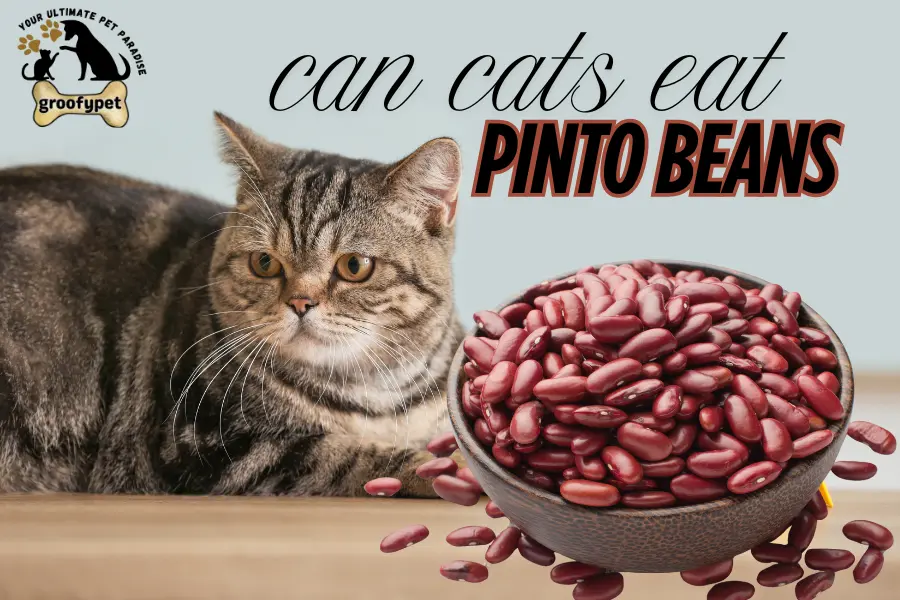
Can cats eat pinto beans? People eat beans all the time because they’re healthy and full of proteins. If you have a cat, you might wonder if it’s okay to share some beans with them. Cats need special food, so it’s good to know if beans are safe or not. Let’s talk about whether cats can eat beans and how to feed them right.
This guide answers that question in full. You will learn whether pinto beans are toxic to cats, how much your cat can safely eat, how to prepare beans the right way, which risks to watch for, and which foods make better everyday choices for your cat’s diet. Every section reflects how veterinarians and feline nutrition experts actually advise pet owners, so you can make a confident, informed decision rather than guessing.
Can cats eat pinto beans? Pinto beans have natural oils and compounds that can bother cats if they eat or touch them. These are part of the plant way of protecting itself, but they might cause discomfort for your cat. Beans have protein and fiber, which can be helpful for cats.Can cats eat pinto beans?
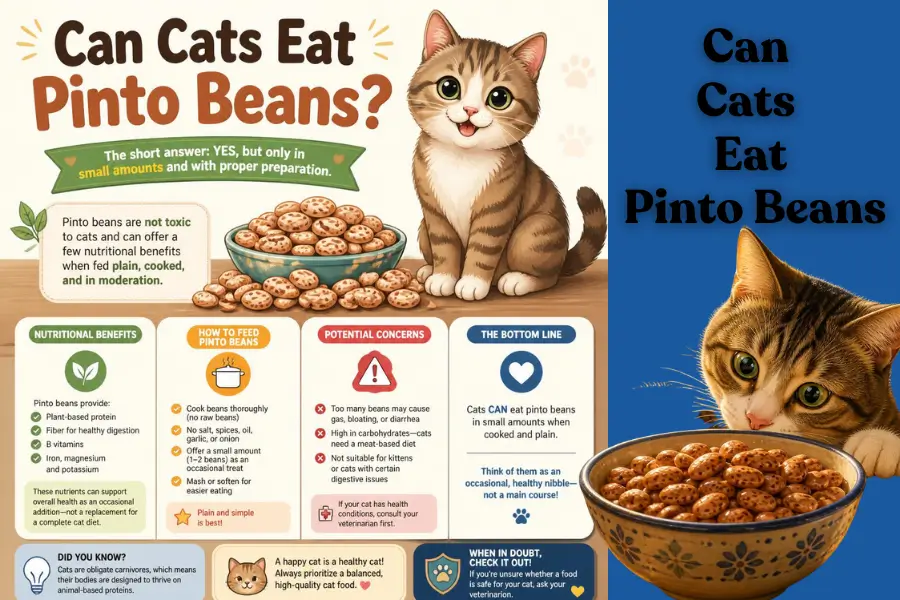
Yes, cats can eat pinto beans, but only in small amounts and only when the beans are plain, fully cooked, and free of salt, oil, onion, garlic, or other seasonings. Pinto beans are not toxic to cats, but they offer plant-based protein and fiber rather than the animal protein cats need to thrive. Pinto beans work best as an occasional treat, never as a meal replacement or a daily addition to your cat’s diet.
– Pinto beans are generally safe for cats when cooked plain and served in moderation.
– Cats are obligate carnivores, so beans cannot replace animal-based protein.
– A safe serving stays small: a teaspoon to a tablespoon, depending on your cat’s size.
– Avoid canned pinto beans unless you rinse them well, since most canned beans contain added sodium and preservatives.
– Raw or undercooked pinto beans contain natural compounds that irritate a cat’s digestive tract and should never be offered.
– Watch your cat after introducing pinto beans for the first time, and stop feeding beans if you notice vomiting, diarrhea, or unusual lethargy.
Nutritionally, pinto beans deliver a dense package of plant protein, dietary fiber, complex carbohydrates, and micronutrients such as iron, magnesium, potassium, and folate. For humans, this profile makes pinto beans a staple plant-based protein source. For cats, the picture looks different, since feline biology processes nutrients in a very different way than human biology does.
Why Do Pet Owners Consider Feeding Pinto Beans?
Cat owners usually start wondering about pinto beans for one of a few reasons:
– A cat snatched a bean off a plate or out of a bowl before anyone could react.
– An owner wants to stretch a commercial cat food budget with affordable, available pantry staples.
– An owner read that fiber supports digestion and wants to help a cat with occasional constipation.
– A cat seems curious about human food and begs at the table.
Each of these scenarios calls for a slightly different answer, which this guide covers in detail below.
Can Cats Digest Pinto Beans?
Cats are obligate carnivores. That single biological fact drives almost every recommendation in this article. Unlike dogs, which digest a wider range of plant matter comfortably, and unlike humans, who run on a flexible omnivorous digestive system, cats evolved to extract nearly all of their nutrition from animal tissue.
A cat’s digestive tract is short relative to body size, built for quickly processing meat, organs, and bone rather than fermenting plant fiber over a longer transit time. Cats also lack several enzymes that herbivores and omnivores use to break down complex plant carbohydrates efficiently.
Their bodies require specific nutrients, including taurine, arginine, and preformed vitamin A, that exist almost exclusively in animal tissue and that plant foods like beans cannot supply.
Protein keeps their muscles strong, and fiber helps their digestion. But cats are meant to eat mostly meat, so beans should only be a small treat now and then never replace their regular meat meals with beans.
Benefits of Pinto Beans for Cats
Pinto beans can provide cats with small amounts of plant-based protein, fiber, vitamins, and minerals when cooked and served plain. These nutrients may support healthy digestion and overall wellness when offered as an occasional treat.
1. Source of Plant Protein
Pinto beans contain meaningful plant protein, which adds a small nutritional boost on top of a cat’s primary animal-based diet, even though it cannot replace that animal protein.
2. Contains Dietary Fiber
The fiber content in pinto beans can support gut motility when fed in tiny amounts, helping move waste through the digestive tract.
3. Supports Digestive Regularity
For cats with occasional mild constipation, a vet-approved small taste of plain cooked beans may offer gentle digestive support, similar to how pumpkin is sometimes recommended.
4. Provides Essential Minerals
Iron, magnesium, and potassium in pinto beans contribute trace amounts of minerals that support normal bodily function, even though a complete cat food already supplies these nutrients in the correct ratios.
5. Low in Fat
Plain, unseasoned pinto beans contain very little fat, making them a low-calorie treat option for cats that need to maintain or lose weight, as long as portions stay small.
6. Can Add Variety to the Diet
Offering a tiny taste of a new, safe food occasionally can enrich a cat’s sensory experience, though variety should never come at the expense of nutritional balance.
7. May Help Some Cats Feel Full
The fiber and bulk in beans can create a feeling of fullness, which some owners use cautiously as part of a weight management plan, always under veterinary guidance.
Risks of Feeding Pinto Beans to Cats
- Digestive Upset: The most common problem cats experience after eating pinto beans involves the digestive tract directly.
- Gas: Bean fiber ferments in the colon, producing gas and a bloated feeling.
- Bloating: A cat’s abdomen may look or feel slightly swollen after eating too many beans.
- Diarrhea: Excess fiber and unfamiliar plant matter speed up intestinal transit and loosen stool.
- Excess Fiber Issues: While moderate fiber supports digestion, too much fiber overwhelms a cat’s shorter digestive tract, leading to cramping, loose stool, or even temporary appetite loss.
- Protein Quality Concerns: Plant protein lacks the complete amino acid profile that animal protein provides. Relying on beans for protein, even unintentionally through frequent treats, risks crowding out the higher-quality protein a cat actually needs.
- Allergic Reactions: Although uncommon, some cats show sensitivity to legumes, presenting as itching, mild swelling, or digestive distress. Any new food, including pinto beans, should be introduced in a tiny test portion the first time.
- Overfeeding Risks: Treats, including beans, should make up no more than about 10 percent of a cat’s daily caloric intake. Going beyond that threshold regularly can lead to nutritional imbalance or unwanted weight gain over time.
- Sodium and Seasoning Dangers: This risk category causes more harm than the beans themselves. Salt, onion powder, garlic powder, and spice blends commonly found in canned or restaurant-style beans pose real danger to cats. Onion and garlic in any form can damage a cat’s red blood cells and lead to a dangerous condition called hemolytic anemia.
Why does my cat smell like beans?
It’s usually because of what your cat is eating or where it’s been. Just like people, cats have scent glands, and their smell can change depending on their food or environment. Occasionally, it’s just their natural body odor. If the smell bothers you, try changing your cat’s diet and give them a bath after a couple of weeks. That should help clear up the smell.
Pinto beans have natural oils and compounds that can bother cats if they eat or touch them. These are part of the plant’s way of protecting itself, but they might cause discomfort for your cat.
How bad are pinto beans?
Can cats eat pinto beans? Pinto beans aren’t highly poisonous to cats but can cause mild to moderate irritation. If your cat shows discomfort, don’t panic—it’s usually not serious and can be handled easily. Knowing this helps you stay calm and act quickly if needed.
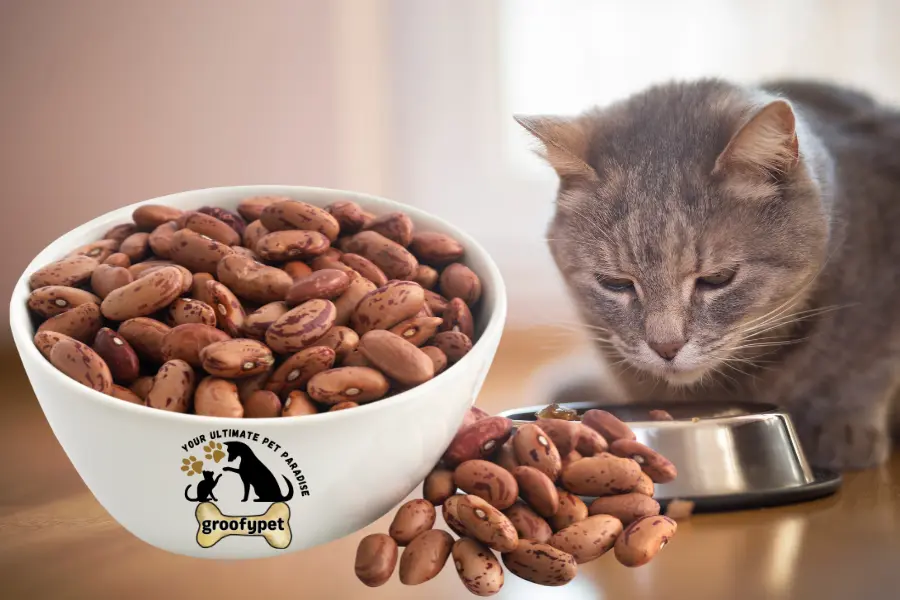
Can cats eat cooked pinto beans?
If your cat likes beans, you can offer a tiny bit as a rare treat. Just make sure the beans are fully cooked and plain—no salt, spices, or seasonings—because raw beans can be harmful to cats.
Are pinto beans easy to digest?
can cats eat pinto beans ?Smaller beans such as adzuki, lentils, mung beans, and peas tend to be easier on the digestive system as compared to pinto beans. In contrast, pinto beans, along with kidney, navy, black-eyed peas, garbanzo, lima, and black beans, are generally harder to digest and are best eaten in moderation. Among all, soybeans and black soybeans are the toughest to digest.
Why Are Raw Beans Unsafe?
Raw or undercooked beans can trigger significant gastrointestinal distress, including vomiting and diarrhea, in cats and humans alike. A cat’s smaller body size means even a small amount of raw bean material causes a proportionally larger reaction. Raw beans should never reach a cat’s bowl under any circumstance.
Signs Your Cat Likes Pinto Bean
Positive Signs
– Normal digestion and regular litter box habits
– Healthy, steady appetite at the next meal
– Good energy levels and normal activity
Signs of Problems
- Vomiting
- Diarrhea
- Excessive gas or visible bloating
- Refusal to eat at the following meal
If you notice any of these signs of problems, stop feeding pinto beans immediately and contact your veterinarian, especially if symptoms persist beyond a few hours or worsen.
If your cat has been near a pinto bean plant, there are some signs you might notice.
- One of the first things I saw with my cat was drooling more than usual, which usually means their mouth feels irritated.
- They might also start pawing at their mouth to remove the uncomfortable feeling.
- If they happened to nibble on the plant, you could see some mild vomiting—nothing too intense, but still a sign their tummy didn’t agree with it.
- And if they brushed up against the leaves, their skin might show some redness or a slight rash.
- These symptoms are generally mild, but it’s always a good idea to keep an eye on them and call your vet if you’re unsure.
Which Parts of the Pinto Bean Plant Can Bother Your Cat?
Can cats eat pinto beans? Some parts of the pinto bean plant can be irritating to cats. The seeds, whether raw or cooked, can cause problems if your cat eats them — they might show symptoms like stomach upset or other signs of discomfort.
The leaves and stems can also be an issue. If your cat brushes against them, it might lead to skin irritation or itching.
Knowing which parts of the plant can cause trouble helps you keep your cat safe. If your cat shows any unusual signs after contact with or eating the plant, it’s best to talk to your vet right away.
Can Cats Process Plant Foods?
Cats can process small amounts of plant material, including cooked beans, but their digestive systems handle this less efficiently than an omnivore’s system would. The carbohydrates and complex starches in pinto beans pass through a cat’s gut more slowly and tend to produce gas, bloating, or loose stool in cats rather than smooth digestion.
This difference explains why a small spoonful of plain pinto beans rarely causes a problem, while a large portion, a daily habit, or a seasoned dish creates real digestive stress.
How Can Cats Get Irritated by Pinto Bean Plants?
Cats can get irritated by pinto bean plants in two main ways
1) By eating them or touching them. If a cat chews on the leaves or seeds, it might upset their stomach. Even brushing against the plant can cause skin irritation because of the sap or oils on it.
2) Cats are very curious and often explore plants that move or have a fun texture. Pinto bean plants sway in the breeze, which can catch a cat’s eye and make them want to play with it. This can lead to licking, chewing, or rubbing on the plant, which might cause discomfort. Knowing this can help you keep your cat safe and away from the plant.
Nutritional Value of Pinto Beans for Cats
The table below shows the nutrient profile of cooked pinto beans (boiled, no added salt) per 100 grams, based on USDA nutrient data, along with how each nutrient relates to a cat’s needs.
| Nutrient | Amount per 100g (cooked) | Potential Benefit for Cats |
| Protein | 9.0 g | Supplemental plant protein, but not a substitute for animal protein |
| Dietary Fiber | 9.0 g | Supports digestive regularity in small amounts; excess causes loose stools |
| Magnesium | 50 mg | Supports muscle and nerve function |
| Potassium | 436 mg | Supports fluid balance and nerve signaling |
How to Safely Feed Pinto Beans to Cats?
- Step 1: Cook Thoroughly: Boil dried pinto beans in plain water until fully soft, with no firmness remaining.
- Step 2: Avoid Seasonings: Skip salt, oil, butter, onion, garlic, and any spice blend entirely.
- Step 3: Mash or Serve Soft: Mash the bean slightly or serve it whole and soft to make it easier for your cat to chew and digest.
- Step 4: Offer Small Amounts: Stick to the portion chart above, and start with an even smaller amount the very first time.
- Step 5: Monitor Your Cat: Watch your cat for several hours after the first taste, checking for normal energy, normal appetite, and normal litter box habits.
Feeding Checklist
- The bean is fully cooked and soft
- No added salt, oil, or seasoning
- The portion matches your cat’s size
- The first-time taste is smaller than the standard serving
- Fresh water is available
- You plan to observe your cat for the next several hours
Are Pinto Beans Toxic to Cats?
Plain, properly cooked pinto beans are not toxic to cats. The danger comes from how the beans are prepared, not from the bean itself.
Raw Pinto Beans vs Cooked Pinto Beans
Raw pinto beans, like other raw legumes, contain natural plant compounds called lectins that the cooking process breaks down. Cooking neutralizes these compounds and makes the bean digestible and safe in small portions.
Importance of Proper Cooking
Thorough cooking, meaning beans boiled until fully soft with no firm or chalky texture remaining, breaks down the lectins and starches into a form a cat’s digestive system tolerates far better.
Quick Safety Checklist
-Beans are fully cooked and soft, not raw or undercooked
– No salt added during cooking
– No onion, garlic, or spice blends in the recipe
– No oil, butter, or fat added
– Beans served plain, not as part of chili, refried beans, or a seasoned dish
– The portion stays small relative to your cat’s size
– This is your cat’s first time trying beans, so you are watching closely afterward
Can Cats Eat Canned Pinto Beans?
Canned pinto beans almost always include ingredients designed for human taste preferences, not feline safety.
– Salt: Most canned beans contain significant added sodium per serving.
– Preservative: Some canned beans include calcium chloride or other additives for texture and shelf stability.
– Onion powder: Found in many canned bean blends, especially seasoned or “ranch style” varieties.
– Garlic powder: Common in flavored or Southwestern-style canned beans.
Reading Ingredient Labels
Always check the ingredient label before offering canned beans to a cat. A safe canned bean lists only beans and water, with no added salt, flavoring, or aromatics. If the label lists anything beyond plain beans and water, skip it or rinse the beans thoroughly under running water before offering a small taste.
When to Call the Vet?
Can cats eat pinto beans? If your cat keeps vomiting or drooling after coming into contact with pinto beans, it’s best to reach out to your vet. You should also get help if you notice swelling, skin irritation, or any strange behavior that shows your cat might be in pain or distress.
Luckily, many mild reactions to pinto beans go away without treatment. Just keep a close eye on your cat and make sure they’re comfy while they heal. A little care and attention can go a long way.
Watching your cat closely and acting early when something seems off can make a big difference. It helps them feel better sooner—and shows just how much you care. Up next, let’s look at some simple ways to keep your curious cat away from pinto beans and other things that might not agree with them.
How to Keep Your Cat Safe from Pinto Beans?
Can cats eat pinto beans? Cats love to explore, but some plants, like pinto beans, can bother them, so it’s best to keep these plants out of reach. Try putting them up high on shelves or in places your cat can’t get to. Hanging planters or little barriers work great too — they keep the plants safe and add a nice touch to your home.
When your kitty is outside, it’s a good idea to keep an eye on them. That way, you can make sure they’re not chewing or rubbing against any plants that might upset them. You could also create a special safe spot outdoors for your cat, free from any plants that could cause irritation, so they can enjoy their adventures worry-free.
Also Read : Are snake plants safe for cats?
Cat-Friendly Plant Choices
Here are some safe plants you can have around your cat:
Spider Plant: This tough plant is safe for cats and easy to grow. Its long, arching leaves look nice in any room.
Cat Grass: Many cats love this grass. It’s great for indoor nibbling, helps with digestion, and keeps your kitty busy.
Boston Fern: This plant has soft, feathery leaves and looks great at home. It’s also safe for curious cats to be around.
If you’re looking for plants that look like pinto beans but are safe for your pets, there are some great options. For example, the spider plant has that same lovely, trailing vibe and works perfectly as a substitute. Choosing these plants lets you create a bright and cozy spot that’s friendly for your pet. Just keep an eye on your cat’s curiosity.
Can Kittens Eat Pinto Beans?
Kittens grow rapidly and need a calorie-dense, protein-rich diet built almost entirely around animal-based nutrition to support bone, muscle, and organ development.
Why Pinto Beans Are Not Ideal for Kittens?
A kitten’s digestive system is smaller, less mature, and more sensitive than an adult cat’s system. The fiber and plant starches in pinto beans can displace the calorie-dense nutrition kittens need and trigger digestive upset more easily than in adult cats.
Stick to a high-quality, age-appropriate kitten formula as the entire foundation of a kitten’s diet. Save any food experimentation, including pinto beans, until your cat reaches adulthood and only after consulting your veterinarian.
Can Senior Cats Eat Pinto Beans?
Some senior cats experience occasional constipation, and the gentle fiber boost from a tiny portion of plain cooked beans may offer mild support, similar to other fiber-based home remedies. Senior cats often have more sensitive digestive systems and a higher likelihood of underlying conditions such as kidney disease or diabetes, both of which call for caution with any new food.
Frequently Asked Questions
Final Thoughts
Can cats eat pinto beans? Here questions arise, so the best answer is cats can have a small amount of plain, cooked pinto beans as a treat; their main diet should always be balanced and suited to their needs. Always avoid giving them raw or seasoned beans to keep them safe and healthy.
Feline Hyperesthesia Life Expectancy: Truth About Lifespan and How You Can Help?
Why are Cats So Soft? The Secret Touch That Melts Your Heart!