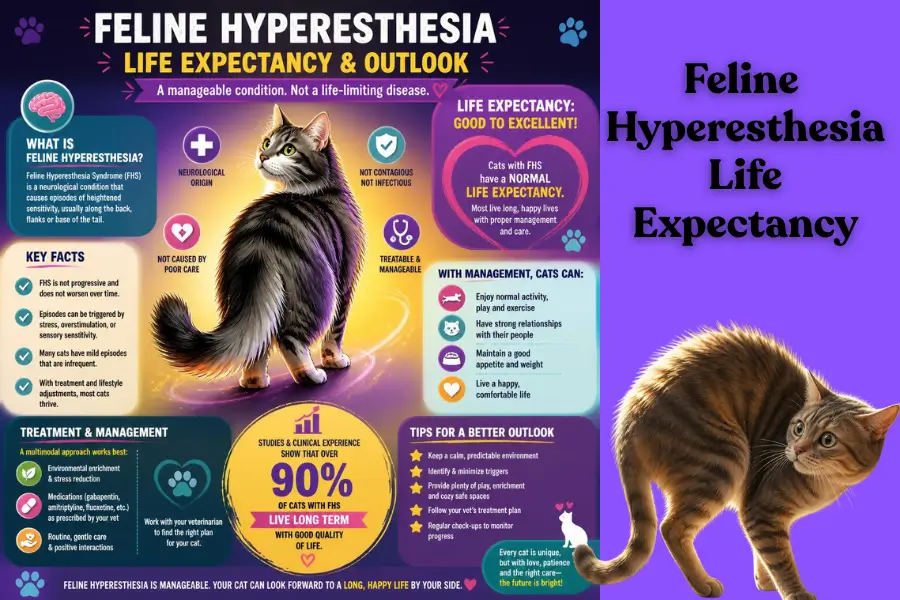
Feline hyperesthesia life expectancy is generally not reduced when the condition is properly treated and monitored. Most cats with Feline Hyperesthesia Syndrome respond well to a combination of environmental modifications, stress reduction techniques, and medication like anti-anxiety drugs or anticonvulsants.
Cats with Feline Hyperesthesia Syndrome can lead comfortable, happy lives despite their condition.Feline hyperesthesia syndrome, also called rolling skin syndrome or twitchy cat disease, is a condition that can affect cats, causing them to become extra sensitive, especially on their back. Here’s what you should know if you think your cat might have it.
Hyperesthesia syndrome in cats
Before diagnosing feline hyperesthesia syndrome, it’s important to rule out other conditions that match its symptoms. Cats with this syndrome usually experience short-lived episodes that last around 20 to 30 seconds. Common signs include
- Rippling or twitching skin along the lower back.
- You might also notice drooling.
- Excessive vocalization, unexpected urination,
- Behaviors like tail-chasing and intense biting or licking of the lower back, sides, hind paws, rear, or tail.
- Many cats show discomfort or pain when touched.
Your cat could react aggressively, and you can’t control it. When you spot your cat’s back twitching or notice any of the other warning signs mentioned earlier, the best thing you can do is stay calm and avoid handling them.
Hyperesthesia in cats
The exact cause of feline hyperesthesia syndrome remains unclear, as veterinary experts and researchers have yet to pinpoint a single reason behind it. Interestingly, since affected cats often respond to different treatments, it’s believed that multiple factors might contribute to this condition.

In some cases, feline hyperesthesia life expectancy appears alongside another health issue, complicating the diagnosis. Generally, the potential causes of feline hyperesthesia are grouped into three main categories: dermatological (related to skin conditions), neurological (involving the nervous system), and psychological (linked to behavioral or mental health concerns).
- Dermatological causes of FHS can include allergies, especially food hypersensitivity, and various immune-system-related diseases.
- Under Neurological Causes of FHS, conditions like seizures, neuropathic (nerve) pain, and
- IVDD (intervertebral disc disease/extrusions) is often noted.
- • On the psychological side, displacement behavior, compulsive behavior, and attention-seeking behavior are key factors.
- While feline hyperesthesia syndrome can develop in any breed,
- It appears more frequently in Abyssinian, Burmese, Persian, and Siamese cats and is typically seen more often in younger cats.
Feline Hyperesthesia Life Expectancy Overview
If your cat is showing mild to moderate signs of feline hyperesthesia syndrome (FHS), it’s best to call your vet within 24 hours to discuss what’s happening. But if your cat has a severe episode that lasts more than two or three minutes, especially if they’re hurting themselves, don’t wait—get them to an emergency vet right away.
The vet will usually start with a skin check to look for things like flea allergies, skin infections, food or environmental allergies, and other skin issues such as acral lick granulomas, even if your cat never goes outside.
They’ll likely run some blood tests too, mainly to rule out hyperthyroidism, which can make cats overgroom or act extra jumpy. Your vet may also want to check for pain or neurological problems, like spinal arthritis, to make sure nothing else is going on.
Feline hyperesthesia symptoms
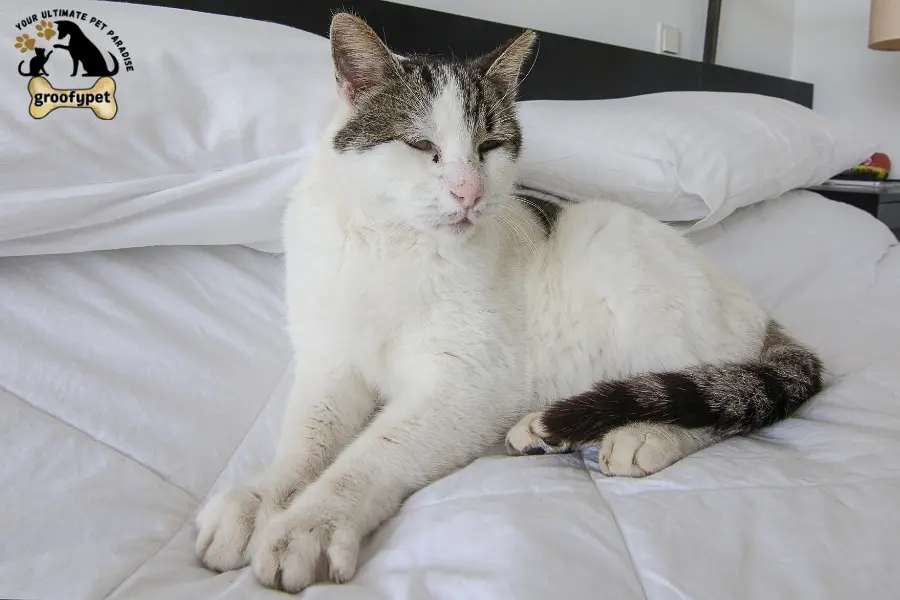
It’s hard for your cat to tell you what’s wrong, so pay attention to certain signs. Feline hyperesthesia symptoms you might notice are her skin twitching, strange meowing or drooling, and possibly chasing her tail.
Cats may also bite or lick their flanks, lower back, or tail, and they might even seem to be in pain when you pet them. If you notice these, it’s a good idea to check with your vet.
Feline hyperesthesia treatment
Hyperesthesia, along with other forms of neuropathic pain, can be challenging to manage. Feline hyperesthesia treatment may not always be completely curable; the symptoms are to be controlled. Treatment options may include lifestyle changes, minor surgical procedures, and medications such as pain relievers, antidepressants, topical treatments, or opioids, depending on your specific condition.- A behavioral assessment might be part of the process as well to see if something like obsessive-compulsive disorder (OCD) could be a factor.
- Sometimes vets try out medications to see how your cat responds—this can be really helpful since cats are great at hiding when they’re uncomfortable.
- Watching how they react to meds for pain or itchiness can give the vet more insight.
- It’s good to know that FHS often shows up alongside other issues.
- Even if your cat is diagnosed with something else, it doesn’t mean they don’t also have FHS.
- When your vet has ruled out other health issues and confirmed a diagnosis of feline hyperesthesia, they might recommend a well-planned plan.
One of the first things to tackle is the environment. Since FHS behaviors are concerned with stress or changes at home, your vet may suggest simple adjustments like setting up a quiet, cozy space where your cat feels safe especially away from kids, dogs, or loud areas.
Keeping litter boxes clean and easily accessible is also important, and if you’re making any big changes at home, it’s best to do them gradually. Sometimes adding a pheromone diffuser can help calm things down too.
Medication or supplements might be part of the mix as well. Many vets turn to gabapentin to help manage nerve pain and anxiety, and in some cases, they might recommend something like amitriptyline. Skin and anxiety supplements, such as omega-3 fatty acids, could also be helpful, but check with your vet before introducing anything new.
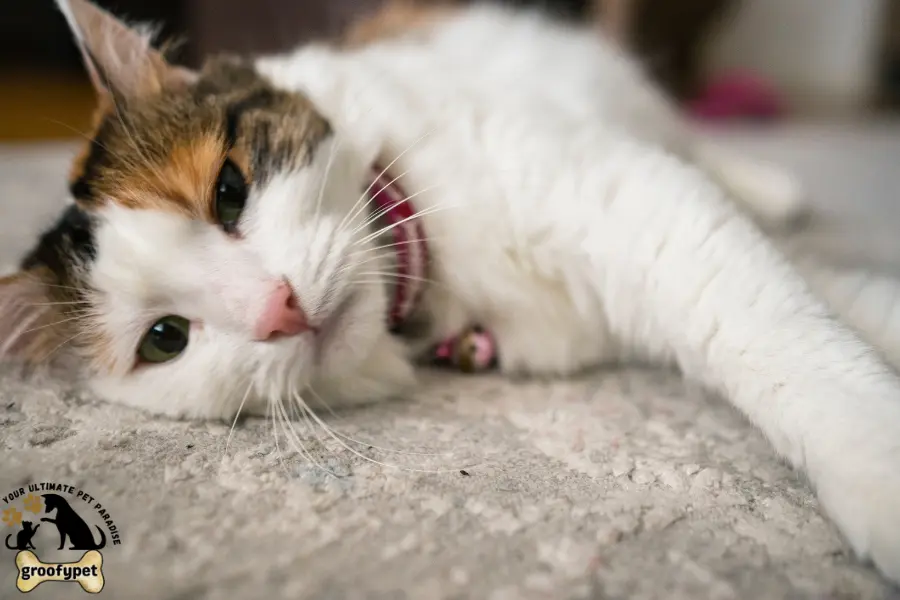
Behavior modification is another key piece. This usually involves helping your cat slowly get used to whatever is triggering their stress or teaching them new ways to cope. A behaviorist can walk you through techniques that not only reduce the number but also help your cat feel at ease overall.
Some cats also have food sensitivities that could contribute. This condition is most common in younger cats, especially those under seven, and it often starts around one year old. Certain breeds like Burmese, Persian, Abyssinian, and Siamese are more likely to develop it.
Must read : Why are Cats So Soft?
Recognizing the Signs: Common FHS Symptoms
Feline Hyperesthesia Syndrome FHS is often called twitchy skin syndrome. When an episode happens, it can look strange and even scary. These episodes usually last only a few seconds or minutes. They often stop just as suddenly as they begin.
Some of the most common signs include:
- Skin rippling or twitching: The skin along your cat’s lower back may move or ripple. It can look like something is crawling underneath it.
- Sudden intense grooming: Your cat may quickly start licking, biting, or chewing at their back tail or rear end. Nothing seems to be there, but the reaction is strong.
- Frantic running: After an episode many cats suddenly sprint around the house. They may look startled or out of control.
- Dilated pupils: During an episode your cat’s eyes may look very wide and dark. They can appear fixed or glassy.
- Sensitivity to touch: Gentle petting along the back may trigger twitching or aggression. In some cats it can start a full episode.
Is Feline Hyperesthesia Painful?
FHS appears to cause real discomfort. The strong nerve activity and sudden behavior suggest more than mild irritation. While cats cannot tell us how they feel, signs like crying, biting at the skin, and acting fearful point to physical distress. For many cats these episodes are upsetting and hard to ignore.
How to calm a cat with feline hyperesthesia?
If your cat is having an episode, try wrapping her gently in a towel and holding her to comfort her. It can help calm her down. A small amount, around 1/4 teaspoon in the morning and evening, may help, though not all cats react to catnip.
Feline Hyperesthesia Life Expectancy Insights
Feline hyperesthesia syndrome usually causes short episodes that last between 20 and 30 seconds. During these bursts, you might notice symptoms such as twitching or rippling of the skin on the lower back, which can happen after being touched or without any clear trigger, as well as dilated pupils.
Feline Hyperesthesia Syndrome
Feline hyperesthesia syndrome is a nervous system condition seen in cats. It affects how the skin and nerves react to touch. Many people call it twitchy skin syndrome. Cats with this condition may have sudden episodes where their back skin moves on its own.
They may bite their tail or run fast for no clear reason. The episodes often start and stop quickly. The condition can look scary, but it is not contagious.
Feline Hyperesthesia Life Expectancy Without Treatment
Feline hyperesthesia does not usually shorten a cat’s life. Most cats can live a normal lifespan even without treatment. However, the quality of life can suffer. Without care the episodes may become more frequent or more intense.
Some cats may hurt themselves by biting or scratching too hard. Stress and fear can also increase over time. While the condition is not deadly, untreated cats may live with ongoing discomfort. Early care helps improve comfort and daily life.
Feline Hyperesthesia Triggers
Many things can trigger feline hyperesthesia episodes. These triggers can differ from cat to cat.
- Touch on the back
Petting along the lower back is a common trigger. Even a gentle touch can start twitching or aggression. - Stress or anxiety
Changes in routine loud noises or new pets can increase episodes. Stress plays a big role in this condition. - Sudden sounds or movement
Fast movement or sharp noises may startle the cat and trigger a reaction. - Overstimulation
Too much petting or play can overwhelm sensitive nerves. This can lead to an episode. - Underlying health issues
Skin problems, nerve pain, or seizures may make symptoms worse. - Lack of mental stimulation
Boredom can increase anxiety. This can raise the chance of episodes.
How long do cats live with hyperesthesia?
Hyperesthesia is a lifelong condition, though the episodes typically last only one to two minutes. With proper management, including behavioral adjustments, medications, and alternative treatments, cats can live well with the syndrome—provided they don’t excessively self-mutilate.
Can Feline Hyperesthesia Cause Death?
Feline hyperesthesia does not directly cause death. Most cats with this condition live a normal lifespan. However, severe cases can lead to problems if left unmanaged. Some cats may injure themselves by biting or scratching too hard. High stress levels over time can also harm overall health. With proper care the risk of serious harm stays low.
Is Feline Hyperesthesia Curable?
There is no full cure for feline hyperesthesia. The condition can be managed very well. Many cats improve with the right care and treatment. Some cats may have fewer episodes as they age. Others may have lifelong symptoms that come and go. The goal is to reduce stress and control triggers.
Feline Hyperesthesia Treatment
Treatment focuses on comfort and control. A calm home environment helps a lot. Reducing stress is very important. Vets may recommend behavior changes. This can include structured play and mental enrichment.
In some cases medication helps control nerve activity or anxiety. Treating skin problems or pain can also reduce episodes. Every cat responds differently to treatment.
How Long Does a Feline Hyperesthesia Episode Last?
Most feline hyperesthesia episodes last a few seconds to a few minutes. In rare cases they may last longer. Episodes often stop as suddenly as they start. The cat may act normal right after the episode ends.
Does Feline Hyperesthesia Go Away?
Feline hyperesthesia does not usually go away completely. Some cats show fewer signs over time. Others may continue to have episodes throughout life. With good management, many cats live happy, comfortable lives. Early care and stress control make a big difference.
Can anxiety cause hyperesthesia?
When the body is pushed into a state of chronic stress or anxiety, it can become overly sensitized, leading to heightened senses and an overactive nervous system.
This overstimulation often results in increased sensitivity to touch, sound, or other sensory input, making the nervous system more reactive and contributing to symptoms of hyperesthesia.
Common signs of feline hyperesthesia include:
- Rippling or twitching skin along the back
- Sudden running or frantic behavior
- Excessive licking or biting at the tail or lower back
- Dilated pupils
- Vocalizing unexpectedly
- Sensitivity to touch
- Tail chasing
- Aggression during episodes
- Repetitive grooming that may lead to hair loss
Does Feline Hyperesthesia Affect Life Expectancy?
The short answer:
Feline hyperesthesia usually does not reduce life expectancy on its own.
Most cats with feline hyperesthesia can live a normal lifespan, especially when the condition is recognized early and managed with veterinary guidance. The syndrome itself is not generally considered fatal.
However, there are important exceptions:
A cat’s life expectancy may be indirectly affected if:
- The condition is severe and causes chronic stress
- Self-trauma leads to wounds or skin infections
- Underlying neurological issues are present
- Seizure-like activity is involved
- The cat’s quality of life declines significantly without treatment
So while feline hyperesthesia is not typically life-threatening, it should still be taken seriously.
Average Life Expectancy of a Cat With Feline Hyperesthesia
There is no specific shortened lifespan associated with feline hyperesthesia in most veterinary literature. In many cases, cats with this syndrome live just as long as other indoor cats, which is often 12 to 18 years or more, depending on overall health, breed, diet, environment, and access to veterinary care.
Factors that influence feline hyperesthesia life expectancy:
- Severity of symptoms
- Frequency of episodes
- Presence of underlying disease
- Stress levels in the home
- Response to treatment
- General health and age of the cat
A well-managed cat with mild or moderate symptoms often has an excellent long-term outlook.
What Causes Feline Hyperesthesia?
The exact cause of feline hyperesthesia syndrome remains unknown, but experts believe it may be linked to a combination of neurological, psychological, dermatological, and environmental factors.
Possible causes and contributing factors:
- Stress or anxiety
- Obsessive-compulsive behaviors
- Seizure disorders
- Skin irritation or allergies
- Pain along the spine or muscles
- Neurological sensitivity
- Environmental overstimulation
Because the causes can overlap, diagnosis usually involves ruling out other conditions first.
Conditions That Can Mimic Feline Hyperesthesia
Before diagnosing feline hyperesthesia, a veterinarian may want to rule out other problems that can cause similar symptoms.
Common look-alike conditions:
- Flea allergy dermatitis
- Skin infections
- Food or environmental allergies
- Arthritis or spinal pain
- Seizures
- Neurological disease
- Tail injury
- Overgrooming caused by anxiety
- Parasites such as mites or fleas
This is why a professional evaluation is essential if your cat starts showing strange skin twitching or sudden episodes of distress.
Symptoms That May Need Immediate Veterinary Attention
Although feline hyperesthesia itself is often manageable, some symptoms should never be ignored.
Contact a veterinarian promptly if your cat has:
- Open wounds from biting or scratching
- Sudden seizures or collapse
- Severe aggression
- Loss of appetite
- Rapid weight loss
- Signs of infection
- Constant pacing or distress
- Major behavioral changes
These symptoms could indicate a more serious problem or complications that affect your cat’s well-being.
How Is Feline Hyperesthesia Diagnosed?
There is no single test for feline hyperesthesia syndrome. Diagnosis is often based on:
- Your cat’s medical history
- A physical exam
- Skin evaluation
- Neurological assessment
- Ruling out parasites, allergies, and pain
- In some cases, blood work or imaging
Your vet may also ask you to record episodes on video, which can be very helpful in identifying patterns and triggers.
Treatment Options for Feline Hyperesthesia
Treatment depends on the severity of symptoms and whether an underlying cause is found. In many cases, a combination of environmental management, behavior support, and medication is most effective.
Common treatment approaches:
1. Stress reduction
Since stress can trigger episodes, reducing anxiety is often a major part of treatment.
Ways to reduce stress:
- Keep routines consistent
- Provide quiet resting spaces
- Avoid sudden environmental changes
- Offer enrichment and play
- Use puzzle feeders
- Add vertical spaces like cat trees
- Consider pheromone diffusers
2. Medication
Some cats benefit from medications prescribed by a veterinarian, such as:
- Anti-anxiety medication
- Anti-seizure medication
- Pain management drugs
- Behavioral medications
Never give your cat human medication unless specifically directed by a vet.
3. Treating skin or pain issues
If allergies, flea infestations, or pain are contributing to the symptoms, treating those issues may significantly improve your cat’s condition.
4. Behavioral support
In some cases, behavior modification and environmental enrichment can reduce episode frequency.
Can Cats Live Comfortably With Feline Hyperesthesia?
Yes, many cats with feline hyperesthesia live comfortably for years. The key is identifying triggers, following your veterinarian’s treatment plan, and monitoring for changes.
Tips to improve quality of life:
- Track episodes in a journal
- Avoid overstimulation
- Maintain flea prevention
- Provide interactive but calm enrichment
- Keep your cat indoors if possible
- Schedule regular vet checkups
- Watch for self-injury
A stable, low-stress environment can make a big difference.
Is Feline Hyperesthesia Progressive?
Not always. Some cats experience occasional mild episodes throughout life, while others may have more frequent flare-ups during stressful periods. For many cats, symptoms can be reduced or controlled with appropriate management.
Prognosis depends on:
- Whether another medical problem is present
- How early treatment begins
- How well triggers are controlled
- The cat’s individual temperament and health
The condition may fluctuate rather than steadily worsen.
When to Consider Quality of Life?
Even though feline hyperesthesia life expectancy is usually normal, quality of life still matters. If a cat is constantly distressed, self-mutilating, or unresponsive to treatment, your veterinarian may discuss advanced management strategies.
Questions to ask include:
- Is my cat eating, sleeping, and grooming normally?
- Are episodes becoming more frequent?
- Is my cat injuring itself?
- Does treatment seem to help?
- Is stress in the environment making things worse?
These discussions can help guide the best long-term care plan.
Feline Hyperesthesia Life Expectancy: Final Answer
To summarize:
- Feline hyperesthesia usually does not shorten life expectancy
- Most affected cats can live a normal lifespan
- Early diagnosis and management are important
- Severe untreated cases can reduce quality of life
- Veterinary care is essential to rule out more serious conditions
If your cat shows signs of feline hyperesthesia, the best step is to consult your veterinarian for a full evaluation and treatment plan.
Frequently Asked Questions
What does feline hyperesthesia syndrome mean?
Feline hyperesthesia syndrome is a condition that makes a cat’s skin and nerves overreact. It causes sudden twitching on the back and unusual behavior. Many owners notice it without warning.
Is feline hyperesthesia dangerous?
Feline hyperesthesia is not usually dangerous. It does not directly threaten life. Problems can happen only if a cat becomes very stressed or hurts itself.
Can feline hyperesthesia kill a cat?
No feline hyperesthesia does not cause death. Most cats live a full normal life. Proper care helps prevent complications.
Do cats feel pain during feline hyperesthesia?
Many cats seem uncomfortable during episodes. Some may cry bite or run suddenly. These actions suggest distress.
Can feline hyperesthesia be cured?
There is no permanent cure. Symptoms can be controlled. Many cats respond well to routine and calm surroundings.
What makes feline hyperesthesia worse?
Stress loud sounds sudden touch and too much stimulation can make symptoms worse. Every cat has different triggers.
How long do feline hyperesthesia episodes last?
Most episodes are short. They usually last a few seconds or minutes. Afterward the cat often acts normal.
Will feline hyperesthesia go away with time?
In some cats symptoms become less noticeable. In others the condition stays for life. Management makes a big difference.
What helps cats with feline hyperesthesia?
A peaceful home regular play and reduced stress help a lot. Some cats need medical support from a vet.
Can cats still enjoy life with feline hyperesthesia?
Yes cats can live happy relaxed lives. With understanding and care they adapt well.
Final Thoughts
While it isn’t life-threatening, feline hyperesthesia life expectancy makes your cat uncomfortable. If you think your kitty has it, see your vet. For mild cases, you can schedule an appointment, but if her symptoms are severe, it’s best to get help right away.
Your vet will run tests to confirm the diagnosis and make sure there aren’t other issues at play, like arthritis or infections. The good news is that treatment, often with medications, can help many cats feel better. Some may also benefit from behavioral therapy or changes in their environment.
If your cat has been diagnosed with feline hyperesthesia syndrome (FHS), one of the first questions you may ask is: does feline hyperesthesia affect life expectancy? The reassuring answer is that in most cases, feline hyperesthesia does not directly shorten a cat’s life. However, the condition can affect a cat’s comfort, behavior, and overall quality of life if it is not properly managed.
In this SEO-optimized guide, we’ll explain feline hyperesthesia life expectancy, symptoms, causes, treatment options, and how to help your cat live a long, comfortable life.
Cat Behavior Heat: An Essential Guide to Loving Your Cat!
How Much Should My Cat Eat? A Guide to Keeping Your Feline Healthy