Intact female cats (called queens) undergo a heat, or estrous, cycle to reproduce kittens. The estrous cycle in cats is vastly different from that of dogs and humans. It is vital to know cat behavior heat and how to recognize a cat in heat if you haven’t spayed your kitty yet.
When a cat is “in heat” (also called estrus or oestrus), she is in the fertile phase of her reproductive cycle and actively seeking a mate. Unlike humans, cats do not menstruate; instead, they are induced ovulators, meaning they only release eggs when they mate. This biological quirk is responsible for many of the dramatic and sometimes alarming behaviors cat owners notice.
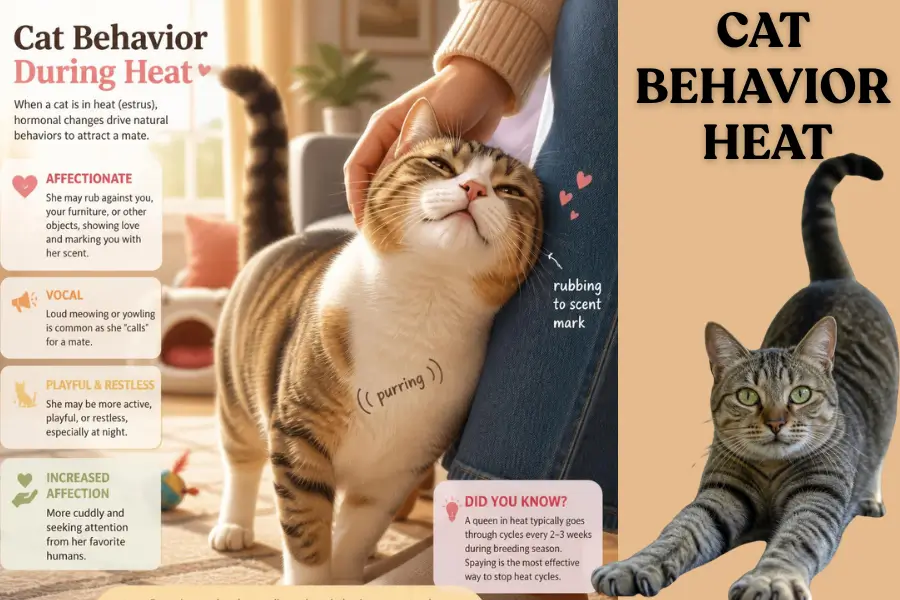
Female cats, called queens, can first come into heat as early as 4 to 6 months of age, though this varies by breed, body weight, and the amount of daylight they are exposed to. Longer days in spring and summer tend to trigger more frequent heat cycles, making these seasons particularly active for unspayed cats.
When Do Cats Start Going into Heat?
Heat cycles usually begin when cats are 5–9 months old. Some kittens begin cycling as early as three to four months of age, while others might not see their first heat until 18 months old.
So it is possible for cats to exhibit heat behavior, such as when she believes she needs to mate! If you have an unspayed female, she will ultimately go into heat, during which time, if she mates with a male, she will be capable of becoming pregnant. Here’s how to know if your cat is in heat, how to look after her, and how to prevent unwanted pregnancy.
Cats are seasonal breeders; the length of daylight influences their heat cycles. They can conceive and give birth at any time of the year but generally show signs of heat during seasons with longer days (spring and summer) and an inactive period when the days are the shortest (the final stretch of fall continuing into early winter).
How to care for a cat behavior heat?
Your kitty may require a little extra care during this time, as it is likely to be uncomfortable when it is in heat. A quiet environment is best for a cat in heat. Therefore, minimizing stressful environments such as noises or strangers in your house will support them during their heat. Hosting a party or undertaking an intense home renovation are probably not good ideas while your cat is in heat.
Also Read : how long to wait for grooming after spay?
A few ways you can help take care of your cat:
Set up a cozy spot: Your cat might enjoy a warm blanket straight out of the dryer or a heating pad. You might play some soft, relaxing music to relax.
Minimize the risk of accidents: Always keep your cat’s litter box as clean as you can to prevent spraying. It will promptly use the litter box.
Give her something else to focus on: More playtime can also help keep her mind off of things when she is in estrus. Make sure you have plenty of catnip, toys, and treats on hand and prepare to give some extra time entertaining your feline friend.
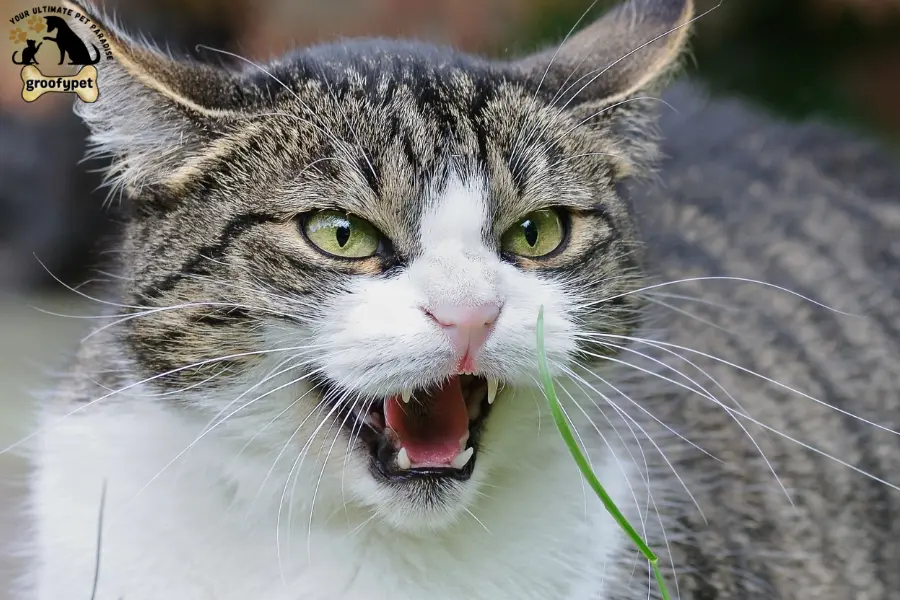
Cats in heat can have very sudden and dramatic cat behavior heat changes, some of which people might find a little annoying. It’s important to try to be patient with your cat, as this is just a change that she’s going through as a result of the hormones in her body.
If you are not interested in your female cat becoming pregnant, the first step is to ensure she does not have any access to intact male cats. That means you might have to separate the cats in your home, assuming you have both, or ensure she has no opportunity to get out of your home.
Many cats in heat can become quite affectionate, but some may also be more irritable and want to be left alone. Providing them with a quiet, comfortable place to sleep would likely be beneficial.”
- 4–6 months old when first heat begins
- 2–3 weeks per heat cycle
- 2–4x heat cycles per season
- 65 days: average feline gestation
A cat can become pregnant during her very first heat cycle. She can also become pregnant again just weeks after giving birth. One unspayed female cat and her offspring can produce dozens of kittens within just a few years.
Cat Heat Cycles
The proestrus stage is when the cat’s body is preparing for estrus. This can last anywhere from a day or two, and cats don’t often show signs, if at all. Attract males, but not accept them.
1) Estrus
Estrus (the time during which they are receptive to males) is when they can become pregnant. That’s when she’ll exhibit the clearest symptoms. Estrus itself averages seven days but can be as short as one day or as long as 21 days.
2) Anestrus
Anestrus is the period in between a cat’s heat cycles if the cat has not ovulated. It can be as short as two days or as long but it typically lasts about a week. At this stage, cats won’t exhibit any behavioral changes.
When the days are shortest, a period of hormonal inactivity between estrous cycles may not occur (anestrus). In the northern hemisphere, it is usually between October and December.
3) Diestrus
Diestrus, or the luteal phase, follows ovulation. If she does not end up pregnant. For 40 to 50 days, she is misdiagnosed as having a false pregnancy. Luckily, she probably won’t show during this period.
Cat in Heat Behavior (Female Cats)
When a female cat is in heat, her body is ready to mate. This is also called the estrus cycle.
Common signs of cat behavior heat
- Loud meowing – She cries more than usual to attract male cats
- Very affectionate – She rubs on you, furniture, and walls
- Rolling on the floor – This is a strong mating signal
- Raised back and tail to the side – This is called mating posture
- Restlessness – She cannot sit still and keeps moving
- Trying to escape outside – She wants to find a mate
- Licking private area often
- Loss of appetite in some cats
👉 This behavior can last 4 to 7 days, and it may repeat every few weeks if she does not mate.
Cat Heats (Estrus Cycle Explained)
Female cats do not have just one heat. They go through repeated cycles.
Stages of Cat Heats
- Proestrus – Mild signs start (1–2 days)
- Estrus (heat) – Strong mating behavior (4–7 days)
- Interestrus—Short rest if no mating
- Anestrus—Rest period (mainly in winter)
👉 Cats can go into heat as early as 5 to 6 months old.
Cat Heat Tips (How to Calm a Cat in Heat)
Dealing with a cat in heat can be stressful. These tips can help:
Simple Cat Heat Tips
- Give extra attention—pet and comfort her often
- Keep her indoors—prevent escape and unwanted pregnancy
- Play more—Tire her out with toys
- Use a warm towel—Some cats feel calm with gentle warmth
- Keep litter box clean—She may use it more often
- Reduce noise and stress in the home
- Separate from male cats
👉 Long-term solution: Spaying (removing ovaries) stops heat cycles completely.
Feliway (a synthetic feline pheromone diffuser) has helped some owners reduce stress-related behaviors during heat. Results vary, but it is safe and worth trying alongside other comfort measures.
Should you spay your cat?
Spaying, the surgical removal of a female cat’s ovaries and uterus, is the only permanent solution to heat cycles. Veterinary organizations worldwide recommend spaying for the following reasons:
- Health benefits: Spaying eliminates the risk of uterine infections (pyometra), which are life-threatening, and significantly reduces the risk of mammary (breast) cancer, especially when done before the first or second heat.
- Behavioral benefits: No more yowling, spraying, escape attempts, or restless nights. Spayed cats typically make calmer, more settled companions.
- Population control: Millions of cats are surrendered to shelters each year due to overpopulation. Spaying is one of the most impactful steps an owner can take.
The ideal age to spay is typically before the first heat — around 4 to 5 months — though adult cats can be safely spayed at any age. Speak with your vet about the right timing for your cat.
Male Cat Heat Signs
Male cats do not go into heat like females. But they react strongly when females are in heat.
Signs of Male Cat Heat Behavior
- Strong urine spraying – Marks territory with strong smell
- Trying to escape – Wants to find female cats
- Loud yowling – Calls out to females
- Aggressive behavior – May fight with other males
- Restlessness – Cannot stay calm
- Increased roaming
👉 These behaviors get stronger if a female in heat is nearby.
How to help your cat during heat?
You cannot stop a heat cycle once it has begun, but you can make your cat more comfortable and reduce the intensity of some behaviors:
Keep her indoors: An open door or window is an escape opportunity. Ensure all exits are secure to prevent unwanted mating.
- Offer warmth and comfort: A warm towel or heating pad on a low setting can soothe restlessness. Many cats are calmed by gentle warmth applied to their abdomen.
- Increase playtime: Engaging your cat in active play can redirect some of her energy and reduce vocalisation temporarily.
- Maintain routine: Keeping feeding times and interaction consistent reduces additional stress during an already unsettled period.
- Avoid punishment: Scolding or punishing a cat for heat-related behavior is ineffective and harmful. The behaviors are involuntary and hormonally driven.
- Consult your vet: In extreme cases, a vet may discuss short-term hormonal treatments, though these carry health risks and are not a long-term solution.
⚠️ Important Notes
- Female cats in heat can become very stressed
- Male cats can become aggressive and hard to manage
- Uncontrolled mating can lead to too many kittens
Understanding cat behavior helps you stay calm and prepared. Female cats show loud and loving behavior, while male cats become restless and noisy. The best long-term solution for both is spaying or neutering, which keeps your cat healthier and your home peaceful.
Must Read: Where to declaw my cat?
Frequently Asked Questions
How do I recognize when my cat is in heat?
You’ll see your cat being more vocal, rolling on the floor, rubbing up against everything, and holding her tail to the side while raising her hindquarters. These are typical indications that your cat is in heat and searching for a mate.
Why does my cat yowl so much when in heat?
She’s meowing non-stop as a way to attract male cats. This is a very normal behavior during heat, and it can look almost painful, but it just means that she’s calling for attention from potential mates.
How long can a cat be in heat?
Most female cats are in heat for approximately four to seven days, but if she doesn’t mate, then the cycle can continue every two to three weeks until she becomes pregnant or is spayed.
Can you soothe a cat in heat?
Yes! Gentle petting, some additional playtime, and warm blankets may calm her some. Unless you’re going to breed her, it is best to keep her indoors and away from the boys.
How to spay a cat to eliminate heat behavior?
Yes! Spaying your cat prevents the heat cycle from occurring, prevents unwanted litters, and decreases the risk of health issues such as uterine infections and cancer.
Final Thoughts
Finally, allow her to have space when she requires it. Back off if she uses her teeth or the whip of her tail when you try to pet or snuggle her. While your veterinarian may be able to prescribe medication to lessen the signs, the best way to prevent the cat behavior heat cycle is to have a cat spayed.
Once it is spayed, your cat’s behavior regarding heat will change; she won’t go into heat and will be much less territorial and much less likely to spray or scratch.
Are Maine Coon Kittens Hypoallergenic? Shocking Facts Revealed!