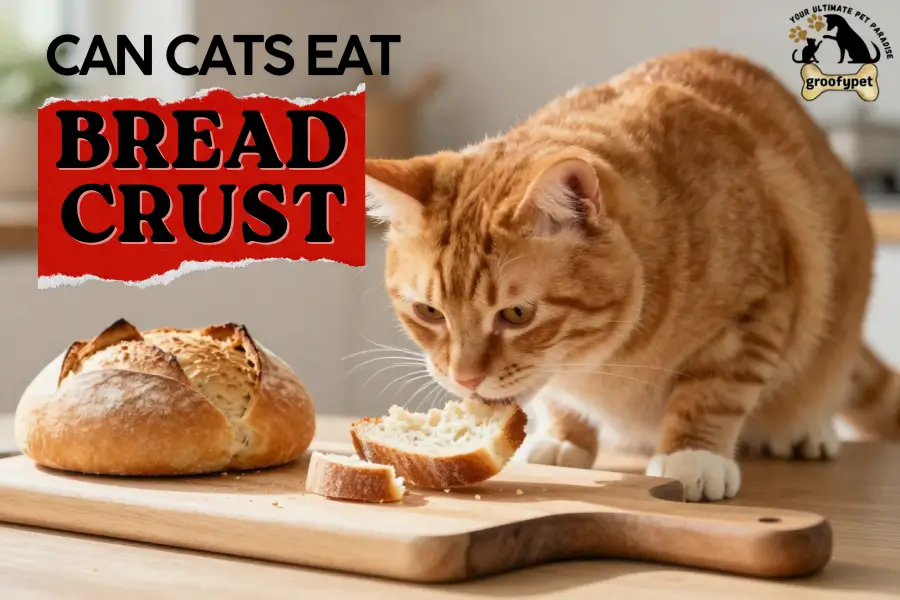
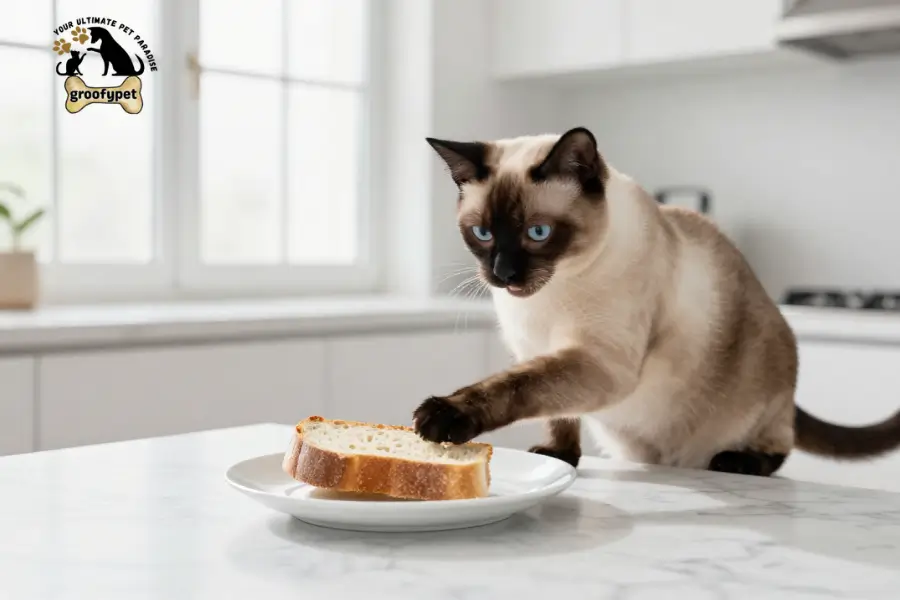
If you have ever been sitting at the kitchen table eating a sandwich and noticed your cat staring at you with those wide, unblinking eyes, you are not alone. Many cat owners have asked themselves at some point whether it is okay to toss their feline friend a small piece of bread crust.
It seems harmless enough right? After all bread crust is just baked dough. However when it comes to what cats can and cannot eat things are rarely as simple as they appear.
The quick answer is this: plain bread crust is not toxic to cats, but that does not make it a good snack for them. Cats have very different nutritional needs compared to humans and bread crust even plain unseasoned crust offers little to no real value for a cat’s health.
A tiny nibble on a rare occasion is unlikely to cause harm but feeding your cat bread crust regularly is something most veterinarians and pet nutritionists would advise against.
In this guide you will learn exactly what happens when cats eat bread crust which types of bread crust are more dangerous than others how much is considered safe what signs of trouble to watch for and what healthier alternatives you can offer your cat instead.
By the end you will have everything you need to make an informed confident decision the next time your cat comes sniffing around your breakfast plate.
Can Cats Eat Bread Crust?
Yes, cats can eat plain bread crust, but that does not mean they should do so regularly or in large amounts. To understand why it helps to know a little about feline biology. Cats are obligate carnivores. Unlike dogs or humans, cats are biologically designed to get almost all of their nutrition from animal-based proteins and fats.
Their digestive systems are not built to process large quantities of carbohydrates efficiently. Bread crust at its core is mostly carbohydrates with very little protein and it contains no taurine — an essential amino acid that cats must obtain from meat to survive.
So when your cat sniffs at your toast and begs for a piece they are acting on curiosity or attraction to the smell not on instinct telling them they need it. A small bite of plain baked bread crust is unlikely to hurt them but it should never become part of their regular diet.
The concern with bread crust goes up significantly the moment you add toppings seasonings or spreads. Garlic onion butter with added flavoring sweeteners or spices can all turn a seemingly innocent crumb into something that is genuinely harmful to your cat. Moderation and ingredient awareness are everything when it comes to bread crust and cats.
Is Bread Crust Safe for Cats?
Plain bread crust is usually safe for cats in very small amounts but it is not a healthy food for them.
Cats are obligate carnivores. Their bodies need nutrients from animal protein. Bread crust does not give them the nutrition they need. A tiny bite of plain baked bread crust once in a while will not harm most healthy adult cats. Still it should only be an occasional treat and not part of your cat’s regular meals.
Bread crust is safest when it is:
- Plain with no toppings or spreads
- Fully baked and soft
- Given in a very tiny piece
- Offered only once in a while
Bread crust can become unsafe when it contains added ingredients. Avoid giving your cat crust that has garlic onion butter sweet glaze or artificial sweeteners. These ingredients can upset your cat’s stomach or become toxic. Hard crust can also be a choking risk especially for kittens or older cats.
When Can Bread Crust Be Risky?
Bread crust crosses into dangerous territory under several conditions. You should avoid giving your cat bread crust if:
It contains garlic or onion—both are toxic to cats and can cause serious damage to red blood cells even in small amounts. Garlic bread is an absolute no.
It is buttered or oiled—added fats can upset the stomach and contribute to obesity or pancreatitis over time.
It is sweet or glazed—sugar is not necessary in a cat’s diet and can contribute to weight gain and dental problems. Worse sugar-free breads may contain xylitol which is extremely toxic to cats.
The crust is very hard—some artisan or sourdough crusts are very tough and chewy which can be hard for cats to manage. This raises a risk of choking or difficulty swallowing.
Large pieces were eaten—a large amount of bread crust can cause digestive upset bloating and discomfort in cats whose stomachs are much smaller than ours.
Do Bread Crusts Have Any Benefits for Cats?
Honestly very few. Let us be straightforward about this rather than overstating what bread crust can offer a cat.
1. Not Toxic When Plain
A plain baked bread crust without toppings is not toxic to cats. A tiny piece once in a while is usually safe for healthy adult cats.
2. Easy to Find
Bread is common in most homes. If your cat steals a crumb there is usually no need to panic if it is plain.
3. Small Energy Boost
Bread crust contains carbohydrates. These carbs can provide quick energy, though cats do not truly need it from bread.
4. Texture Enrichment
Some cats enjoy chewing crunchy foods. A soft piece of crust may feel interesting and different from regular food.
5. Curiosity Satisfaction
Cats often want to sniff or taste what their owners eat. A tiny plain crumb can satisfy curiosity.
6. Low-Cost Treat
Bread crust does not cost extra since many homes already have bread. It can seem like an easy occasional snack.
7. Trace Nutrients
Depending on the bread, it may contain tiny amounts of B vitamins and minerals. The amount is very small.
8. Social Bonding
Sharing a very small, safe bite may feel like a fun moment with your cat. Many cats enjoy being close during meals.
9. Soft Crust Can Be Easy to Chew
Fresh plain crust that is soft may be easier for some adult cats than crunchy treats.
10. Rare Small Amounts Usually Cause No Harm
For most healthy cats a very small plain piece once in a while passes through without causing problems.
Bread crust contains a small amount of carbohydrates, which can technically provide a brief burst of energy. It may also carry trace amounts of B vitamins depending on the type of flour used. Some whole wheat bread crusts contain slightly more fiber than white bread, which might marginally assist digestion in humans but cats do not need dietary fiber in the same quantities.
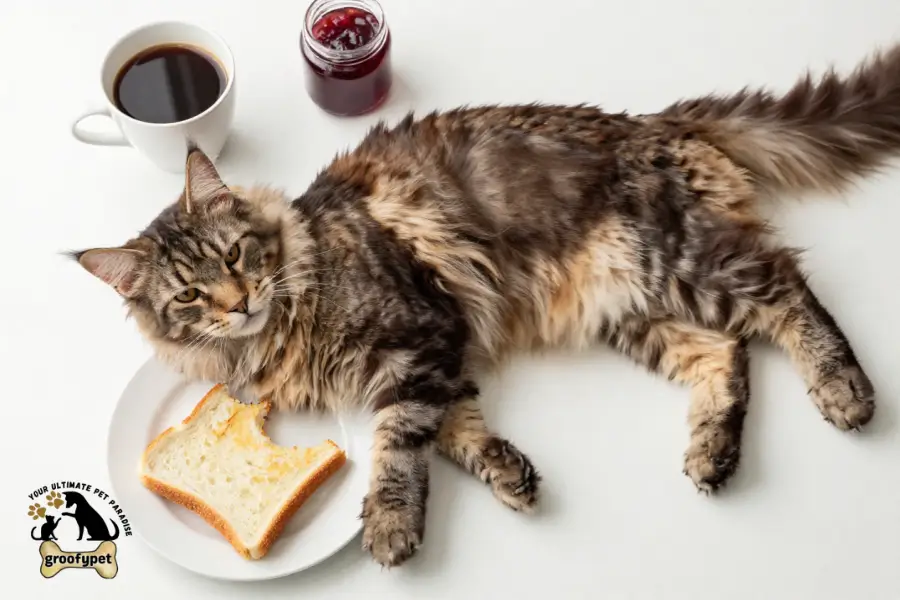
The problem is that none of these small benefits are things cats cannot get much more efficiently from their regular cat food. A balanced commercial cat diet whether wet or dry is specifically formulated to meet every nutritional need a cat has. Bread crust adds calories without adding meaningful nutrition. For cats it is essentially what nutritionists call “empty calories.”
If you are looking for a special treat to bond with your cat or reward good behavior there are far better options than bread crust. More on those later in this article.
Health Risks of Bread Crust for Cats
Understanding the potential risks helps you make better decisions. Here is what can go wrong when cats eat too much bread crust or eat the wrong way:
1. Upset Stomach
The most common problem is stomach upset. Cats are built to digest meat. Bread crust contains grains and starch that may feel heavy on the stomach. Some cats may feel uncomfortable after eating even a small piece.
2. Vomiting
A cat may vomit after eating bread crust especially if they eat too fast or swallow a large piece. The stomach may try to push out food it does not handle well.
3. Diarrhea
Some cats react to bread with loose stool. The extra starch can irritate digestion. This can happen more often in cats with sensitive stomachs.
4. Choking Hazard
Hard crust can be tough and chewy. Cats may struggle to break it down. A dry piece can get stuck in the throat and make swallowing difficult.
5. Weight Gain
Bread crust adds calories without giving important nutrients. If offered often those extra calories can lead to weight gain over time.
6. Blood Sugar Spikes
Bread contains carbohydrates. Carbs can raise blood sugar quickly. This may be harder for overweight cats or cats with diabetes.
7. Toxic Ingredients
Some bread crust has garlic onion raisins sweeteners or seasonings. These can be dangerous and in some cases toxic for cats.
8. Food Allergies
Cats can react badly to wheat or other ingredients used in bread. Signs may include itching, vomiting, or digestive upset.
9. Poor Nutrition
Bread crust can fill your cat’s stomach without giving protein or taurine. This may leave less room for healthy cat food.
10. Begging Habits
Giving table scraps often teaches cats to beg for human food. This can make mealtime harder and increase the chance they grab unsafe foods.
Toxic ingredient exposure is the most serious risk. Garlic and onion cause hemolytic anemia in cats. Xylitol causes a dangerous drop in blood sugar and can lead to liver failure. Even small exposures can be dangerous.
Can Kittens Eat Bread Crust?
Kittens require even more caution than adult cats when it comes to bread crust and in most cases the answer should simply be no.
Kittens are in a phase of rapid growth and development. Every calorie they consume needs to contribute something meaningful to their body’s development. Their small stomachs and still-developing digestive systems are far more sensitive than those of adult cats. A tiny crumb of bread crust is unlikely to cause an emergency but making a habit of feeding kittens bread crust is a bad idea for several reasons:
Kittens need very high-protein nutrient-rich diets to support bone and muscle development.
Their stomachs are small and easily upset by foods they are not designed to digest.
Hard bread crust poses a genuine choking risk for young cats.
Introducing human food habits early may make kittens more likely to beg for inappropriate foods as they grow.
If you want to give your kitten a special treat talk to your vet and choose a treat that is specifically formulated for kittens. These will support their nutritional needs without the risks that come with human food.
Can Cats Eat Different Types of Bread Crust?
Not all bread crusts are equal in the eyes of feline health. Here is a breakdown of the most common types:
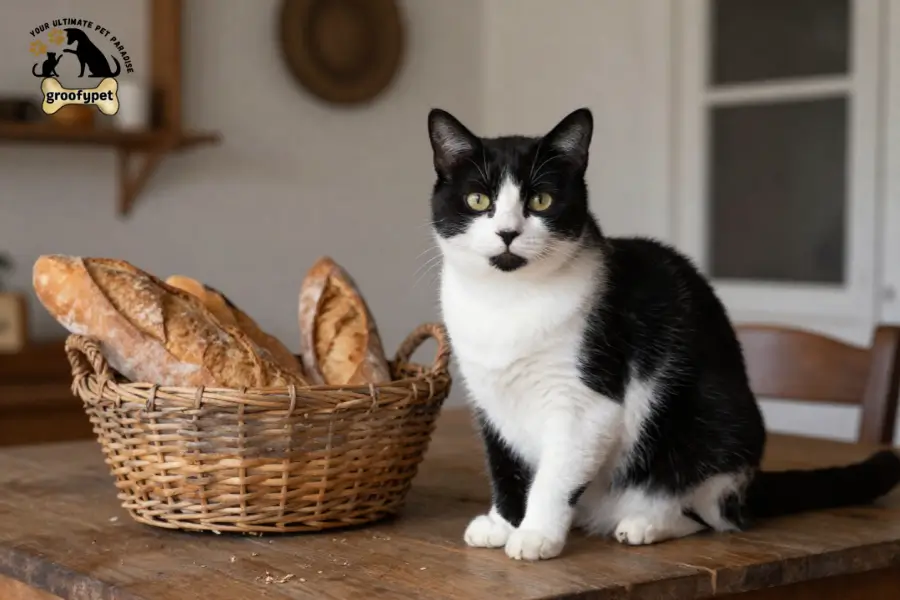
White Bread Crust
This is the safest of the bread crusts for cats as long as it is completely plain. White bread has a fairly simple ingredient list: flour, water, yeast, and a little salt and poses the lowest immediate risk. It still offers zero nutritional value and should only ever be given in tiny amounts.
Whole Wheat Bread Crust
Slightly more nutritious than white bread for humans but not significantly better for cats. Whole wheat bread crust has more fiber and slightly more nutrients but cats do not need dietary fiber in the amounts that whole wheat provides. It is still a low-value snack for felines. Plain whole wheat in tiny amounts is acceptable on an occasional basis.
Garlic Bread Crust
This is a hard no. Garlic is one of the most dangerous foods you can give a cat. Even small amounts can damage red blood cells and lead to hemolytic anemia. Never give your cat garlic bread in any form — not the bread, not the butter not a small lick of the surface.
Sweet Bread Crust
Avoid this too. Sweet breads glazed rolls brioche and similar items contain sugar dairy and often additional flavoring agents that are not suitable for cats. If the bread is sugar-free it may contain xylitol which is highly toxic. Keep all sweet bread away from cats entirely.
Toast Crust
Toasted bread crust is similar to plain bread crust from a safety standpoint. Toasting does not add harmful ingredients but it does make the crust harder and crunchier which increases the choking risk for cats. If your cat is curious about toast, a very small soft piece not the hard end crust is the safest choice.
What Happens If Your Cat Eats Bread Crust?
If you decide to let your cat have a taste of bread crust portion size matters a great deal.
If your cat managed to snag a piece of bread crust when you were not looking, here is what to do:
- Check how much they ate. A tiny crumb is very different from half a slice. Small amounts of plain bread crust are unlikely to cause serious harm.
- Look at the ingredients. Did the bread contain garlic, onion, xylitol, or other dangerous additives? If so, contact your veterinarian immediately regardless of the amount eaten.
- Watch your cat’s behavior. Over the next few hours observe them for signs of discomfort, vomiting, lethargy, or changes in bathroom habits.
- Offer fresh water. Bread is fairly dry and starchy. Encouraging your cat to drink water can help their digestive system process the food more comfortably.
- Contact your vet if symptoms appear. If your cat vomits more than once seems lethargic stops eating or shows signs of abdominal discomfort, it is time to call the vet.
Signs Your Cat May Not Feel Well After Eating Bread Crust
Keep an eye out for the following symptoms in the hours after your cat has eaten bread crust:
- Vomiting — One instance may be the stomach clearing itself. Multiple episodes need veterinary attention.
- Loose stool or diarrhea—Common if the bread crust disagreed with the digestive system.
- Belly discomfort—Your cat may seem hunched, reluctant to be touched on the abdomen or restless.
- Decreased appetite — If your cat refuses their next meal, something may be off.
- Difficulty swallowing — Signs of gagging or repeated swallowing after eating may indicate the crust got stuck.
- Lethargy or unusual tiredness — A cat that seems unusually low-energy after eating something new should be checked.
- Pale gums—This is a serious warning sign associated with anemia, which can occur if the cat ate garlic or onion. Seek emergency vet care immediately.
How Much Bread Crust Can Cats Eat?
Bread Crust Portion Size for Cats (Safe Guide)
| Cat Type | Weight Range | Safe Bread Crust Portion Size | Frequency | Notes |
|---|---|---|---|---|
| Kittens | Under 6 months | Not recommended | Avoid | High choking risk and sensitive digestion |
| Small Adult Cats | Under 8 lbs (3.5 kg) | Very tiny bite (pea-sized or smaller) | Rare only | Only plain bread crust, no seasoning |
| Average Adult Cats | 8–12 lbs (3.5–5.5 kg) | Small piece (fingernail size) | Occasional (1–2 times/month) | Must be soft and plain |
| Large Adult Cats | 12–15+ lbs (5.5–7+ kg) | Small bite (slightly larger than fingernail) | Rare only | Still no nutritional benefit |
| Senior Cats | 10+ years | Very small soft piece only | Rare only | Avoid if dental or digestive issues present |
| Cats with Health Issues | Any weight | Not recommended | Avoid | Includes diabetes, obesity, IBS, food allergies |
If you decide to let your cat have a taste of bread crust portion size matters a great deal.
Small or Young Cats
For smaller adult cats under about 8 pounds the maximum safe amount is a very tiny bite, roughly the size of a fingernail clipping. Even this small amount should only happen occasionally, not as a daily ritual.
Adult Cats
Healthy adult cats in the normal weight range (around 8–12 pounds) can safely handle a small piece of plain bread crust as a very occasional treat. Think of it as something you offer once every couple of weeks at most, not every day. The piece should be soft enough to chew easily and small enough to swallow without difficulty.
A good rule of thumb: treats of any kind, including bread crust should never make up more than 10% of a cat’s total daily caloric intake. Given that a slice of white bread alone covers about 20% of a cat’s daily calories even a small piece of crust adds up quickly.
Safe Alternatives to Bread Crust for Cats
If you want to give your cat a special treat that is both satisfying and actually good for them there are plenty of better options than bread crust:
- Cooked plain chicken is one of the best treats you can offer a cat.
- It is high in protein, easy to digest and something most cats go absolutely wild for.
- Make sure it is boneless skinless and cooked without any seasoning.
- Commercial cat treats are specifically formulated to meet feline nutritional needs.
- They come in flavors cats love and are portion-controlled to prevent overfeeding.
- Look for treats with real meat as the first ingredient.
- Plain tuna in water (not in oil or brine) is another cat favorite that provides real nutritional value.
- Keep it to small amounts as a treat; tuna should not replace a balanced diet but a spoonful as a reward is perfectly safe.
- Small pieces of cooked egg are protein-rich and digestible for most cats.
- A small piece of scrambled or hard-boiled egg with no salt or seasoning added is a wholesome treat option.
- Cat grass or catnip provides enrichment without caloric consequences.
- Many cats enjoy nibbling on cat grass which can actually aid digestion and satisfy the urge to chew on things.
How to Keep Cats Away From Bread?
Some cats are persistent bread bandits. If yours keeps going after your loaf here are practical ways to protect both your bread and your cat:
- Store bread in a sealed container or bread box. A cat can easily push aside a twist tie or pull a bag open. A solid container with a latching lid keeps curious paws out.
- Clean up crumbs immediately. Cats are often drawn to crumbs on the counter or table. A quick wipe-down after meals removes the temptation entirely.
- Keep counters clear when you are not around. If your cat is a known counter-surfer, do not leave bread rolls or baked goods unattended on the kitchen counter.
- Offer appropriate snacks at mealtimes. If your cat begs while you eat, redirect their attention with a proper cat treat. This satisfies their social urge to eat alongside you without giving them something inappropriate.
- Use deterrent mats or double-sided tape on counters. Cats dislike certain textures under their paws. Placing a mat or tape on the counter near where you keep bread can discourage them from jumping up.
Frequently Asked Questions
Can cats eat toasted bread crust?
Toasted bread crust is not toxic to cats if it is plain and unflavored. However, toasting makes the crust harder and crunchier which increases the choking risk. If your cat is curious about toast offer only a very tiny soft piece from the middle of the toast rather than the hard outer crust.
Can cats eat bread crust every day?
No. Even plain bread crust should not be a daily part of a cat’s diet. It provides empty calories with no nutritional benefit for cats. Feeding it daily can contribute to weight gain and may displace more nutritious foods in your cat’s diet.
Can cats eat crust from garlic bread?
Absolutely not. Garlic is toxic to cats and can cause hemolytic anemia even in small amounts. Never give your cat garlic bread in any form not even a tiny lick of the surface.
Why does my cat want bread crust?
Cats are attracted to bread primarily because of the smell of yeast. Yeast is also used in some cat nutritional supplements and flavor additives so the scent is appealing to many felines. The warmth of fresh toast can also draw their attention. It is curiosity- and smell-driven behavior, not a nutritional need.
What should I do if my cat ate a lot of bread crust?
Check the ingredient list of the bread immediately. If it contained garlic onion xylitol or other dangerous additives contact your veterinarian right away. If it was plain bread monitor your cat closely for the next several hours for vomiting diarrhea lethargy or discomfort. Offer fresh water and keep them calm. If any symptoms develop or persist call your vet.
Final Thoughts
Bread crust is one of those gray-area foods when it comes to cats: not immediately toxic in its plainest form but far from a healthy or recommended snack. Here is a quick recap of what you need to remember:
A plain baked bread crust in a very small amount is unlikely to harm a healthy adult cat on a rare occasion. However, it offers no meaningful nutrition, and the risks quickly multiply the moment toppings, seasonings, sweeteners, or hard textures get involved.
Avoid giving your cat any bread crust that contains garlic, onion, butter with additives, sugar, or artificial sweeteners. These ingredients are genuinely dangerous for cats and can cause serious health problems.
Always watch your cat after they eat anything unusual. Most cats will be fine after a tiny crumb of plain bread crust but every cat is different. Some have sensitive stomachs, food allergies, or underlying conditions that make even small exposures to non-cat food more consequential.
When in doubt, choose a cat-appropriate treat instead. Cooked chicken plain tuna in water commercial cat treats, or a small piece of egg will make your cat just as happy while actually supporting their health. Your cat will love you just as much for a piece of chicken as they would for a bit of bread crust and their body will thank you for it.
If you are ever unsure whether a specific food is safe for your cat, your veterinarian is always the best resource. They can give you guidance tailored to your cat’s individual health profile, weight, and dietary needs.
Can Cats Eat Clams?Risks,Benefits And Safe Alternatives!
Why Is My Cat Getting Fat? The UltimateGuide For Cat Parents!