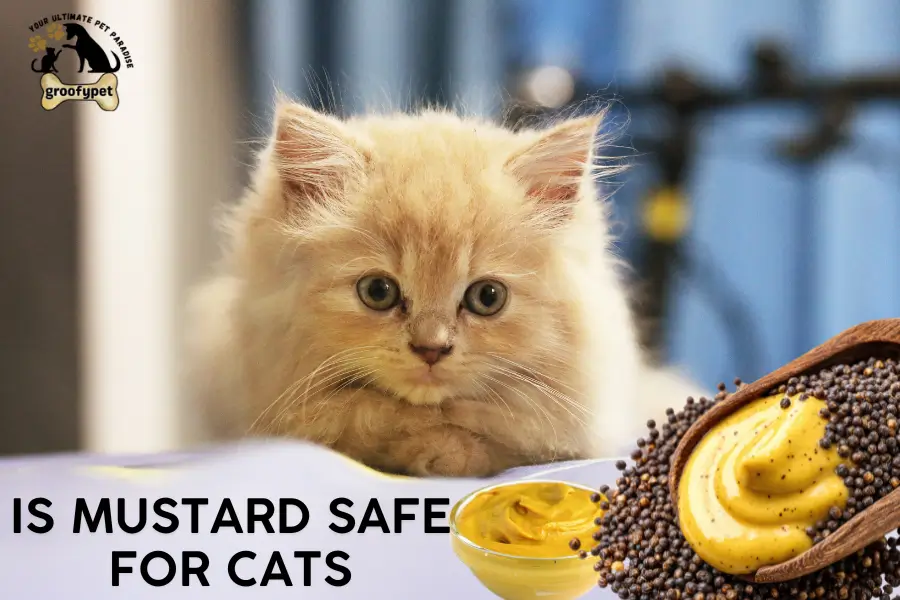
You’re probably asking yourself one urgent question: is mustard safe for cats? The short answer is no, mustard is not a safe food for cats, and it’s not something you should ever offer on purpose. But that doesn’t mean a single accidental taste is a five-alarm emergency either.
The good news is that most mustard encounters are manageable once you know what to look for and when to act.This guide walks you through exactly why mustard isn’t cat-friendly, what happens if a cat eats mustard, and what steps to take next without the scare tactics.
Cats should not eat mustard. Mustard is not considered a safe food for cats, and some mustard products contain ingredients that can cause gastrointestinal irritation or other health problems. A small accidental lick may not always cause serious poisoning, but you should monitor your cat closely and contact a veterinarian if symptoms appear or if a larger amount was consumed.
Let’s break this down properly.
Is Mustard Safe for Cats?
No, mustard is not safe for cats. It isn’t part of a natural feline diet, it offers no nutritional benefit to your cat, and depending on the recipe, it may contain ingredients that range from mildly irritating to genuinely dangerous.
Cats are obligate carnivores, meaning their bodies are built to run on meat, not condiments, spices, or plant-based flavorings. Their digestive systems aren’t equipped to process the vinegar, salt, seasonings, and pungent compounds found in most mustard, and even small amounts can throw off a sensitive stomach.
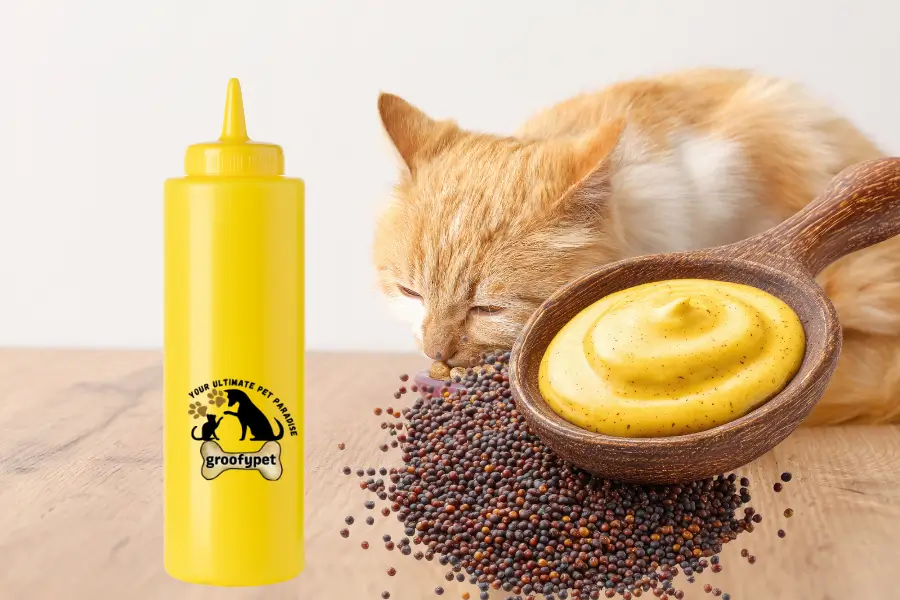
That said, there’s an important distinction to make here: a tiny, accidental lick off a plate is very different from a cat eating a spoonful of mustard straight from the jar.
- A tiny accidental lick: Usually a lower-concern situation. Most cats who steal one curious taste won’t experience anything beyond mild, short-lived stomach upset, if that.
- Eating a noticeable amount: This raises the risk of gastrointestinal symptoms and possible exposure to harmful ingredients like garlic or onion powder, which are genuinely toxic to cats even in small doses.
The takeaway: mustard and cats simply don’t mix, but the response should always match the situation. Don’t panic over a lick but don’t ignore a real ingestion either.
Is Mustard Toxic to Cats?
This is where a lot of pet parents get confused, and it’s worth untangling the difference between “toxic” and “unsafe.”
“Toxic” usually refers to a substance that contains a compound known to poison the body, sometimes even in small quantities. “Unsafe” is a broader term; it can include foods that aren’t outright poisonous but are still inappropriate for a cat’s diet because they cause irritation, digestive upset, or other health issues.
Plain mustard made from mustard seeds, water, and vinegar isn’t classified as a directly poisonous substance to cats in the same way that something like chocolate or xylitol is. However, mustard toxicity in cats can still happen indirectly, especially when:
- The mustard contains garlic powder or onion powder; both are toxic to cats and can damage red blood cells even in small amounts.
- The mustard is a “hot” or spicy variety containing capsaicin, which irritates the mouth, throat, and digestive tract.
- The product contains excess salt, which isn’t appropriate for a cat’s diet.
- The cat has an individual sensitivity to spices or a pre-existing digestive condition.
It’s also worth noting that mustard products vary enormously. A plain yellow mustard from a squeeze bottle is a very different product from a gourmet honey mustard sauce loaded with sugar, garlic, and preservatives. Because of this variation, it’s inaccurate to say all mustard affects cats the exact same way the specific recipe matters.
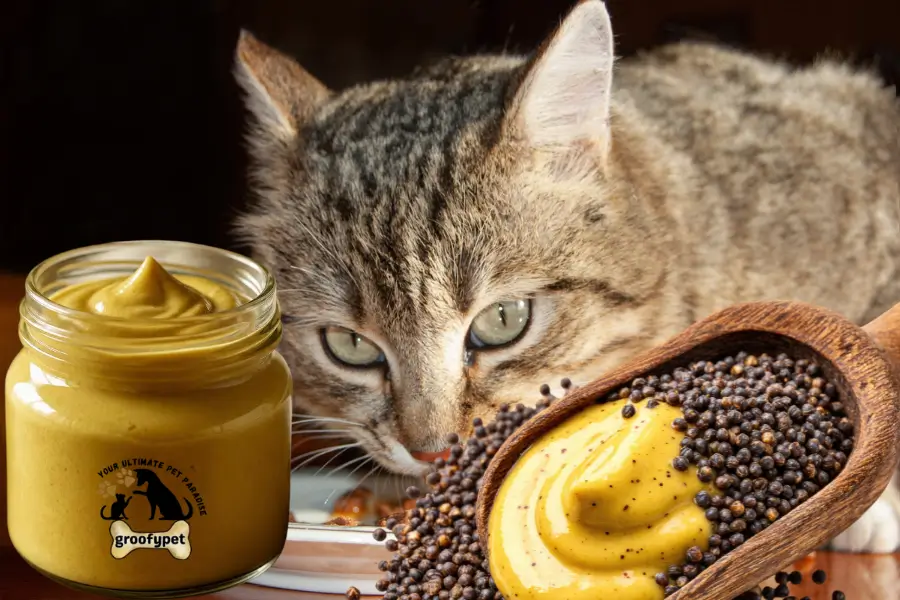
Why Is Mustard Bad for Cats?
Even setting aside the more serious risks from garlic or onion, mustard is simply hard on a cat’s system. Here’s why:
- Gastrointestinal irritation. The seeds themselves contain natural compounds that can irritate the stomach lining, leading to discomfort.
- Vomiting. A common response when a cat’s body is trying to reject something it doesn’t recognize as food.
- Diarrhea. Often follows vomiting, especially if the mustard contained vinegar, salt, or spices.
- Drooling. A classic sign of oral or digestive irritation in cats.
- Loss of appetite. Cats who feel nauseated or uncomfortable often skip meals temporarily.
- Abdominal discomfort. You might notice your cat hunching, avoiding being touched around the belly, or acting unusually still.
- Irritation from spicy ingredients. Capsaicin and strong spices can cause a burning sensation in the mouth and throat.
- Problems from additional ingredients. Many prepared mustards include extras like garlic, onion, wine, or preservatives that go well beyond the “just mustard seeds” concern.
None of this means every cat that tastes mustard will experience all or even any of these symptoms. But it explains why mustard isn’t a food worth the risk.
Can Cats Eat Yellow Mustard?
Plain yellow mustard is generally considered the mildest type, since it typically contains mustard seeds, vinegar, turmeric, and water. Turmeric itself isn’t considered dangerous to cats in small amounts. However, “mild” doesn’t mean “fine to feed.”
If your cat licked a small dab of yellow mustard off a plate or countertop, it’s reasonable to simply monitor them for the next several hours. Watch for vomiting, diarrhea, or reduced appetite. If your cat seems completely normal afterward, no treatment is usually necessary.
If the mustard came from a squeeze bottle with a longer ingredient list, some yellow mustards include garlic powder or paprika blends check the label. That’s the deciding factor in how concerned you should be.
Why Cats React Differently to Mustard Than Humans Do
It can be hard to understand why something as ordinary as mustard, a condiment humans eat without a second thought, could be a problem for cats. The answer comes down to basic biology.
Cats lack many of the metabolic pathways humans and even dogs have for breaking down certain plant compounds, spices, and alliums (the onion and garlic family). A compound that passes through a human digestive system without issue can build up or cause damage in a cat’s body instead.
On top of that, a cat’s stomach lining and gut microbiome are tuned for a diet that’s almost entirely animal protein and fat. Vinegar, salt, sugar, and pungent spice compounds like those found in mustard aren’t part of that equation, which is why even a “mild” condiment can trigger drooling, nausea, or diarrhea in a way it never would in a person.
This doesn’t mean every cat will react the same way. Age, body size, existing health conditions, and even individual sensitivity all play a role in how a cat responds to mustard exposure, which is part of why blanket toxicity claims aren’t accurate, but caution still makes sense.
Can Cats Eat Dijon Mustard?
Dijon mustard deserves its own conversation because its recipe is different from standard yellow mustard. Dijon is typically made with brown or black mustard seeds, white wine or wine vinegar, and sometimes additional seasonings.
The inclusion of wine is one reason Dijon mustard warrants extra caution alcohol, even in small cooking-level amounts, isn’t appropriate for cats. Dijon also tends to have a sharper, more pungent flavor than yellow mustard, which can mean more irritation to a cat’s mouth and stomach if ingested.
If your cat got into Dijon mustard, treat it the same way you would any other type: assess the amount, check for symptoms, and check the ingredient list for garlic, onion, or wine.
Also Read : Is Baking Soda Safe for Cats? Vet-Reviewed Facts
Can Cats Eat Honey Mustard?
No, honey mustard is not something you should give your cat, and it’s one of the flavored varieties owners should be extra cautious about. In addition to the base mustard ingredients, honey mustard typically contains added sugar, sometimes mayonnaise, and often garlic or onion powder for flavor depth.
The sugar content alone offers no benefit to a carnivorous animal, and the additional flavorings compound the ingredient concerns already present in plain mustard. If your cat licks a bit of honey mustard from a dipping sauce, the same monitoring guidance applies but flavored, sauce-style mustards are generally considered a bigger red flag than plain varieties because of what else might be mixed in.
Can Cats Eat Mustard Seeds?
Mustard seeds are the core ingredient in nearly every type of mustard, and they aren’t recommended for cats either, whether whole, ground, or sprouted. While a single stray seed accidentally swallowed isn’t likely to cause serious harm, mustard seeds can contribute to gastrointestinal upset, and there’s no nutritional reason to intentionally feed them to a cat.
If you’re an avid home cook and keep whole mustard seeds in your pantry, it’s a good idea to store them securely, the same way you would other spices, since a curious cat could knock over a jar or nibble on spilled seeds.
What Happens If a Cat Eats Mustard?
Every cat is different, and the presence and severity of symptoms depend on the amount eaten, the ingredients involved, and your cat’s individual sensitivity. Still, here are the most commonly reported signs after a cat eats mustard:
- Drooling
- Lip licking or smacking
- Vomiting
- Diarrhea
- Nausea (pawing at the mouth, lethargy, hiding)
- Reduced appetite
- Abdominal discomfort
Mild cases might resolve within a few hours with no lasting effects. More significant ingestions, especially involving garlic, onion, or spicy mustard varieties can cause symptoms that last longer or become more serious. This is why watching your cat’s behavior in the hours after exposure matters more than trying to guess how “toxic” the mustard was.
What Should I Do If My Cat Eats Mustard?
If you catch your cat mid-mustard-heist or discover the evidence after the fact, here’s a practical, step-by-step approach:
- Remove the mustard from your cat’s reach. Put the jar, bottle, or plate somewhere your cat can’t access it again.
- Determine approximately how much was eaten. A quick lick is very different from an empty condiment cup.
- Check the product label for ingredients. Look specifically for garlic, onion, or garlic/onion powder, as well as alcohol or excessive spice blends.
- Monitor your cat for symptoms. Keep an eye out over the next several hours for vomiting, diarrhea, drooling, or changes in appetite and energy.
- Contact a veterinarian if:
- A significant amount was consumed
- Symptoms appear or worsen
- The mustard contained garlic, onion, or other concerning ingredients
- Never induce vomiting at home unless a veterinarian specifically instructs you to. Doing so without professional guidance can cause additional harm.
If you’re ever unsure, it’s always reasonable to call your vet or an animal poison-control hotline for individualized advice based on your cat’s size, health history, and the amount consumed.
Must Read : Is Pine Sol Safe for Cats?Is It Safe Once Dry
How Much Mustard Can a Cat Eat?
There’s no officially established “safe serving size” of mustard for cats, and it wouldn’t be responsible to invent one mustard simply isn’t a food cats should be intentionally eating in any amount. That said, here’s a general guide to help you gauge the level of concern based on what happened:
| Amount | General Concern | What to Do |
|---|---|---|
| Tiny accidental lick | Usually lower concern | Monitor closely |
| More than a lick | Greater chance of stomach upset | Contact your veterinarian for advice |
| Large or unknown amount | Higher concern | Contact a veterinarian promptly |
| Symptoms present | Needs professional assessment | Contact a veterinarian |
This table is meant as general guidance only and isn’t a substitute for a professional veterinary opinion. When in doubt, a phone call to your vet costs far less than waiting out a situation that turns out to be more serious than expected.
When Should I Call a Veterinarian?
Some symptoms warrant a prompt call to your vet rather than a wait-and-see approach. Reach out if you notice:
- Repeated vomiting
- Severe or persistent diarrhea
- Excessive drooling
- Weakness or unusual lethargy
- Difficulty breathing
- Severe abdominal discomfort
- Refusal to eat
- Any symptom that seems to be rapidly worsening
These signs don’t automatically mean the mustard itself is the sole cause, but they do indicate your cat needs a professional evaluation rather than home monitoring alone.
What Ingredients in Mustard Should Cat Owners Watch For?
Because “mustard” isn’t a single standardized product, checking the label is one of the most useful things you can do after an exposure. Ingredients to look out for include:
- Garlic and garlic powder toxic to cats
- Onion and onion powder toxic to cats
- Alcohol or wine (common in Dijon-style mustards)
- Excess salt
- Capsaicin or hot pepper extracts (in spicy mustard varieties)
- Added sugars (in honey mustard and similar sauces)
- Preservatives or artificial flavorings
Not every ingredient in prepared mustard is automatically dangerous, and it’s not accurate to label the entire condiment as poison. But the presence of garlic or onion, specifically, should raise your level of concern and is worth mentioning to your vet if you call.
Safe Alternatives to Mustard for Cats
If your cat is drawn to your food out of curiosity, there are plenty of cat-appropriate options that satisfy that interest without the risk:
- Complete and balanced cat food formulated for your cat’s life stage
- Plain cooked meat (chicken, turkey, or fish) with no seasoning, oil, garlic, or onion
- Commercial cat treats specifically formulated for feline nutrition
- Fresh water, always available
Skip human condiments entirely mustard, ketchup, mayonnaise, and similar sauces aren’t designed with a cat’s digestive system in mind, no matter how harmless they seem on your plate.
Frequently Asked Questions
Can cats eat mustard?
No. Mustard isn’t a safe or necessary food for cats and offers no nutritional benefit.
Is yellow mustard safe for cats?
Plain yellow mustard is generally milder than other varieties, but it’s still not safe to feed intentionally. A tiny accidental lick is usually lower-risk, but you should monitor your cat afterward.
Is Dijon mustard toxic to cats?
Dijon mustard often contains wine and stronger spices, which adds extra risk compared to plain yellow mustard. It should also be kept away from cats.
What happens if my cat licks mustard?
A small lick may cause no reaction at all or mild drooling and stomach upset. Watch for vomiting, diarrhea, or appetite changes over the next few hours.
Can cats eat mustard seeds?
No. Mustard seeds can irritate a cat’s digestive system and offer no nutritional value.
Can cats eat honey mustard?
No. Honey mustard often contains added sugar and sometimes garlic or onion, making it a bigger concern than plain mustard.
How much mustard is dangerous for a cat?
There’s no fixed “safe amount.” Risk depends on the type of mustard, its ingredients, and your cat’s size and sensitivity. Larger amounts and spicier or flavored mustards carry more concern.
Should I make my cat vomit after eating mustard?
No. Never induce vomiting at home unless a veterinarian specifically tells you to.
When should I call a vet after my cat eats mustard?
Call if your cat ate a significant amount, the mustard contained garlic or onion, or your cat shows symptoms like repeated vomiting, diarrhea, lethargy, or difficulty breathing.
How to Prevent Future Mustard Mishaps
Since most mustard exposures happen by accident, a little prevention goes a long way:
- Clear plates promptly after meals, especially if condiments were used.
- Store mustard bottles and jars in the fridge or pantry rather than leaving them on the counter.
- Wipe down countertops and tables after cooking or eating, since cats are drawn to lingering smells.
- Keep trash and food wrappers in a covered bin, since discarded napkins or wrappers can still carry traces of mustard or other seasonings.
- Supervise mealtimes if your cat has a habit of jumping onto tables or counters.
These small habits reduce the odds of another accidental lick and apply just as well to other human foods that aren’t cat-safe.
Final Thoughts
Mustard shouldn’t be part of your cat’s diet, whether it’s a plain yellow squeeze-bottle variety, a spicier Dijon, or a sweeter honey mustard sauce. But a single accidental lick doesn’t automatically mean an emergency; it means it’s time to pay attention.
Remove access to the mustard, check the ingredient label, and monitor your cat closely over the next several hours. If your cat ate more than a small taste, the product contained garlic, onion, or other concerning ingredients, or your cat starts showing symptoms like repeated vomiting, diarrhea, or lethargy, contact your veterinarian right away.
When it comes to foods cats should avoid, mustard is an easy one to skip; your cat won’t miss it, and you’ll have one less thing to worry about the next time lunch is on the table.
Homemade Cat Food Guide for Scottish Fold Cats | Best Ingredients and Feeding Tips
Can Cats Eat Mustard Greens? Benefits, Risks and Safe Alternatives