
Can dogs have hazelnuts? Many pet parents wonder about this. While hazelnuts do contain omega-3 fatty acids and protein, the risks of giving them to your dog far outweigh any benefits. If you come across products called “hazelnut dogs” in a pet store, it’s most likely just a playful name based on their color or look—real hazelnuts themselves aren’t safe for dogs to eat!
Hazelnuts have become a popular snack for people, with products like hazelnut butter and spreads even surpassing peanut butter in some homes. While you may have shared peanuts or peanut butter with your dog before, you might wonder if it’s safe to share hazelnut products in the same way.
Hazelnuts and peanuts are quite different, and these differences should influence how you approach sharing them with your dog. Generally, nuts don’t provide significant nutritional benefits for dogs, making them less worthwhile as a treat.
Here’s what you should know about how hazelnuts compare to other nuts before offering them to your dog.
The nutritional benefits of nuts vary between humans and dogs. Humans, as omnivores, develop on a balanced diet that includes nuts like hazelnuts, which offer healthy fats, plant-based protein, vitamins, and minerals.
A small handful of nuts or a tablespoon or two of nut butter makes for a satisfying, nutrient-rich snack that can help to remove afternoon cravings without resorting to less healthy options like chips or vending machine snacks.
Dogs are primarily carnivores and don’t require the extra fats found in nuts. While some nuts are safe for dogs in small amounts,. Peanut butter, for example, is popular among dog owners for hiding medications or making homemade treats, but it’s not meant to be a regular part of a dog’s diet.
Are Hazelnuts Safe for Dogs?
While hazelnuts may seem like a tempting snack, they’re not an ideal treat for dogs. In small amounts, hazelnuts offer some benefits, such as omega-3 fatty acids.Hazelnuts are a source of omega-3 fatty acids, which can support your dog’s heart health and strengthen their immune system. Other Nutrients They also provide minerals and vitamins like magnesium, folic acid, iron, and vitamin E, all of which contribute to overall wellness.
Can dogs eat hazelnuts?However, eve n though eating one or two hazelnuts is usually not a reason to panic, it’s safest to keep them off your dog’s menu entirely. In this article, we look at the risks of giving hazelnuts to your dog.
Potential Risks of Feeding Hazelnuts to Dogs
Can dogs have hazelnuts? Are hazelnuts bad for dogs? Yes, and here’s why:
Choking Hazards and Digestive Blockages
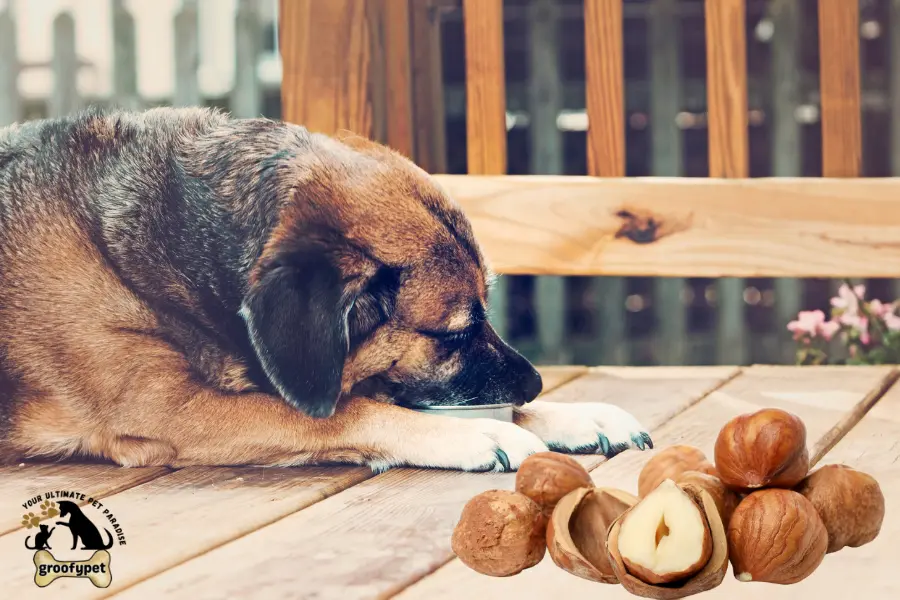
Hazelnuts, especially with their outer hard shells, can pose a serious choking risk, particularly for small dogs. If a dog swallows a whole hazelnut, the tough shell can’t be digested, potentially causing intestinal blockages. It may lead to health issues like constipation and other complications.
High Fat Content and Risk of Pancreatitis
Hazelnuts are packed with fat, which can contribute to weight gain and obesity in dogs if eaten in large amounts. Even worse, high fat can trigger pancreatitis, a painful and dangerous inflammation of the pancreas. Signs of pancreatitis include diarrhea, vomiting, belly pain, and loss of appetite.
Mold Contamination (Aflatoxins)
Hazelnut shells can carry harmful substances like mycotoxins and juglone, which may harm your dog. Juglone can create severe digestive problems, with symptoms such as diarrhea, panting, rapid heartbeat, tremors, and vomiting. If your dog consumes moldy hazelnuts, seek immediate veterinary care.
If you notice any of these symptoms after your dog eats hazelnuts, contact your vet right away, as untreated pancreatitis can become life-threatening.
Allergic Reactions in Dogs
- Hazelnuts may also cause allergic reactions in dogs, showing up as itching, vomiting, diarrhea, and swelling.
- Hazelnuts can be a safe occasional treat for your dog if offered in moderation.
- To feed hazelnuts safely, choose plain, roasted, and unsalted hazelnuts only.
- Stay away from any hazelnuts coated in chocolate, xylitol, garlic, or onion powder, as these can be extremely dangerous.
- Chocolate can cause kidney failure, and xylitol may trigger hypoglycemia (dangerously low blood sugar).
- It’s also important to avoid giving raw hazelnuts to your dog because they carry a high risk of mold contamination and potential toxicity.
- If a dog consumes contaminated raw hazelnuts, it could experience tremors, neurological problems, or even death.
- Dogs that use hazelnuts experience upset of the digestive system, showing signs like diarrhea, stomach pain, and vomiting.
- Raw hazelnuts carry a risk of mold contamination, which can lead to toxicity with symptoms such as sluggishness, heavy panting, trouble breathing, skin itching, and swelling.
- Hazelnuts coated with chocolate, xylitol, garlic, or onion powder can cause toxicity, leading to low blood sugar and kidney failure, with warning signs like weakness, tremors, seizures, and increased thirst or urination.
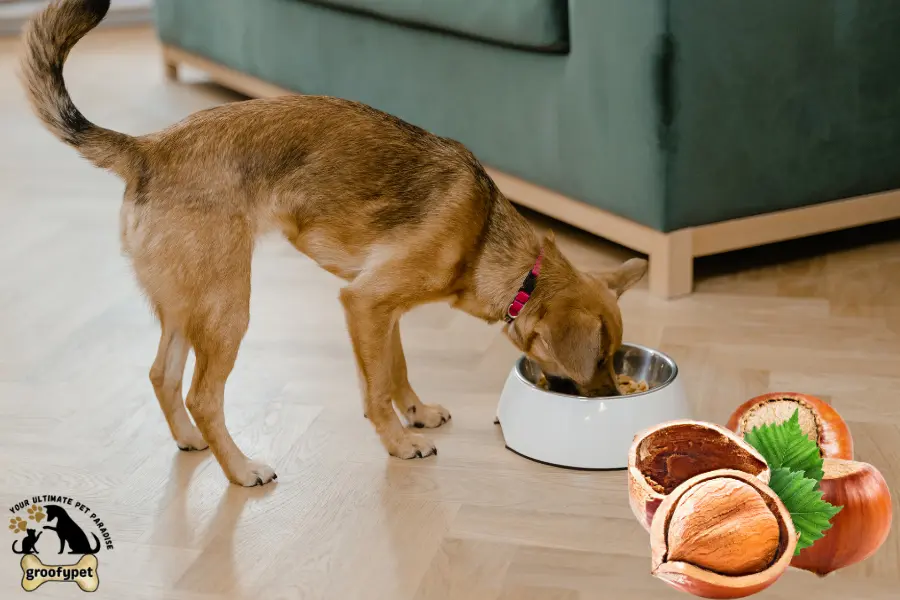
If your dog is crazy for nuts, it is important to keep away from mixed nuts. These snacks are risky for dogs because they are packed with salt, which can harm your dog’s kidneys. Mixed nuts are usually toxic to dogs, like walnuts, macadamia nuts, and pistachios. Eating these can lead to serious symptoms such as lethargy, seizures, loss of balance, increased heart rate, vomiting, and diarrhea. To keep your dog safe, it’s important to avoid mixed nuts with them.
- almonds
- peanuts
- cashews
Can dogs eat hazelnuts?
Can dogs have hazelnuts? While hazelnuts aren’t toxic to dogs, the risks often outweigh the benefits, so it’s best to avoid giving them to your pet. Some dog treats in pet stores may include hazelnuts, offering small amounts of omega-3 fatty acids for heart health, along with iron and vitamin E for overall wellness.
However, the high fat content of hazelnuts can raise the risk of pancreatitis and obesity, and they pose a choking hazard, particularly for small dogs. If your dog eats spoiled hazelnuts or mixed nuts or has a condition like pancreatitis and consumes hazelnuts, it’s important to contact your veterinarian for guidance.
Must Read : smells dogs hate to pee on

If your dog eats one or two hazelnuts without the shell, keep an eye on them. Most dogs will be fine, but watch for signs of nausea or stomach upset. If your dog shows any symptoms, call your vet for advice. If the symptoms become severe, take your dog to an animal hospital right away.
If your dog eats hazelnut butter, hazelnut spread, or hazelnut chocolate truffles, treat it as an emergency. Chocolate is very toxic to dogs, even in small amounts. It contains theobromine, a compound that can overstimulate your dog’s heart and nervous system, leading to a dangerously fast heart rate or seizures.
Even if your dog seems okay, don’t wait — symptoms of chocolate poisoning can take up to 12 hours to appear. Contact your vet as soon as you discover your dog has eaten chocolate. If your vet’s office is closed, go straight to the nearest animal emergency clinic.
Your vet will decide the best treatment, which may include giving fluids to prevent dehydration and using medication to make your dog vomit. Quick action is key, as the sooner the chocolate is removed from your dog’s system, the better their chances of recovery.
Also Read : my dog ate a chicken bone
Prioritize Your Dog’s health
It’s normal to want to share the foods you love with your dog. Your dog is a member of your family, and you want to be able to enjoy experiences like fun meals together. There are plenty of foods that you can safely feed your dog as an occasional treat, but it’s wise to pass on all nuts except for the occasional bit of natural, unsalted, unsweetened peanut butter or plain unsalted boiled peanuts with the shells removed.
Can Dogs Have Hazelnuts?
Yes, dogs can eat hazelnuts, but only in small amounts.
Hazelnuts are not toxic, but they are not a perfect treat. They contain a lot of fat. Dogs do not need that much fat in their diet. Too much fat can upset their stomach.
If a dog eats too many hazelnuts, you may notice:
- Vomiting
- Loose stool
- Stomach pain
Hazelnuts are also small and round. This makes them a choking risk, especially for small dogs.
👉 Safe rule:
Give only 1 or 2 plain, unsalted hazelnuts once in a while.
Can Dogs Eat Hazelnut Spread?
❌ No, dogs should not eat hazelnut spread.
Most hazelnut spreads contain theobromine because they include chocolate. Dogs cannot process this chemical.
Hazelnut spreads also contain:
- High sugar
- Oils
- Sometimes xylitol (very toxic for dogs)
Even a small amount can lead to:
- Upset stomach
- High blood sugar
- Poisoning in severe cases
👉 It is best to never give hazelnut spread to dogs.
Can Dogs Eat Hazelnut Chocolate?
🚨 No, this is dangerous.
Hazelnut chocolate is harmful because of chocolate.
Chocolate contains theobromine, which builds up in a dog’s body and causes toxicity.
Symptoms of chocolate poisoning include:
- Restlessness
- Fast heartbeat
- Panting
- Tremors
- Seizures
👉 Even small amounts can be risky, especially for small dogs.
Can Dogs Eat Hazelnut Ice Cream?
❌ Not recommended.
Hazelnut ice cream may seem harmless, but it has several problems:
- Sugar → leads to weight gain
- Dairy → many dogs cannot digest it well
- Sometimes chocolate → toxic
Dogs with lactose intolerance may get:
- Gas
- Bloating
- Diarrhea
👉 Avoid giving ice cream unless it is made for dogs.
Are Hazelnuts Poisonous to Dogs?
✅ No, hazelnuts are not poisonous.
But they can still be harmful in some cases.
Main risks:
- High fat → can cause pancreatitis
- Choking hazard
- Moldy nuts may contain toxins
Pancreatitis is serious. It can cause:
- Severe vomiting
- Pain
- Loss of appetite
👉 So, hazelnuts are safe but not ideal.
Can Dogs Eat Hazelnut Butter?
⚠️ Sometimes, but only if it is pure.
Hazelnut butter must be:
- Unsalted
- No sugar
- No xylitol
Even safe hazelnut butter should be given in tiny amounts because:
- It is very fatty
- It can upset digestion
👉 Use only as a rare treat.
Can Dogs Have Hazelnut Milk?
⚠️ Yes, but not the best choice.
Plain, unsweetened hazelnut milk is usually safe in small amounts.
But many brands add:
- Sugar
- Flavors
- Preservatives
Some dogs may still get:
- Mild stomach upset
- Loose stool
👉 Water is always the best drink for dogs.
Can Dogs Eat Hazelnut Yogurt?
❌ It is better to avoid it.
Hazelnut yogurt often contains:
- Sugar
- Artificial flavor
- Dairy
Dogs may have trouble digesting dairy, especially if they have lactose intolerance.
👉 If you want to give yogurt, choose plain and unsweetened.
Dog Ate Hazelnut Chocolate – What To Do?
This can be serious depending on how much your dog ate.
Step 1: Stay calm and check
- How much chocolate was eaten
- What type (dark chocolate is more dangerous)
Step 2: Watch for symptoms
- Vomiting
- Fast breathing
- Shaking
- Hyperactivity
Step 3: Act fast
- Call your vet immediately
- Do not wait for symptoms if the amount was large
👉 Chocolate poisoning can get worse quickly, so early action is very important.
- Hazelnuts are not toxic, but they are not the best snack
- Always avoid anything with chocolate or sugar
- Give only plain, small amounts if you must
👉 The safest choice is to stick with dog-friendly treats made for pets.
Frequently Asked Questions
Final Thoughts
Can dogs have walnuts? The short answer is no. Walnuts pose significant health risks to canines that far outweigh any potential benefits. Black walnuts contain toxins that can cause neurological problems, while any moldy walnuts may harbor dangerous mycotoxins, leading to tremors and seizures.
Even fresh, regular walnuts are problematic due to their high fat content that can trigger pancreatitis, along with presenting serious choking hazards and potential intestinal blockages.For your dog’s safety and health.
It’s best to avoid walnuts entirely and instead provide safer treat alternatives specifically designed for canine consumption or dog-safe human foods like lean meats and certain fruits and vegetables. Always prioritize your pet’s health by consulting with your veterinarian before introducing any new foods into their diet.
What to Do When Your Dog Hurts His Paw Pads? Proven Steps to Instant Relief
My Dog Ate a Chicken Bone – Dangerous or Safe? The Truth Revealed!