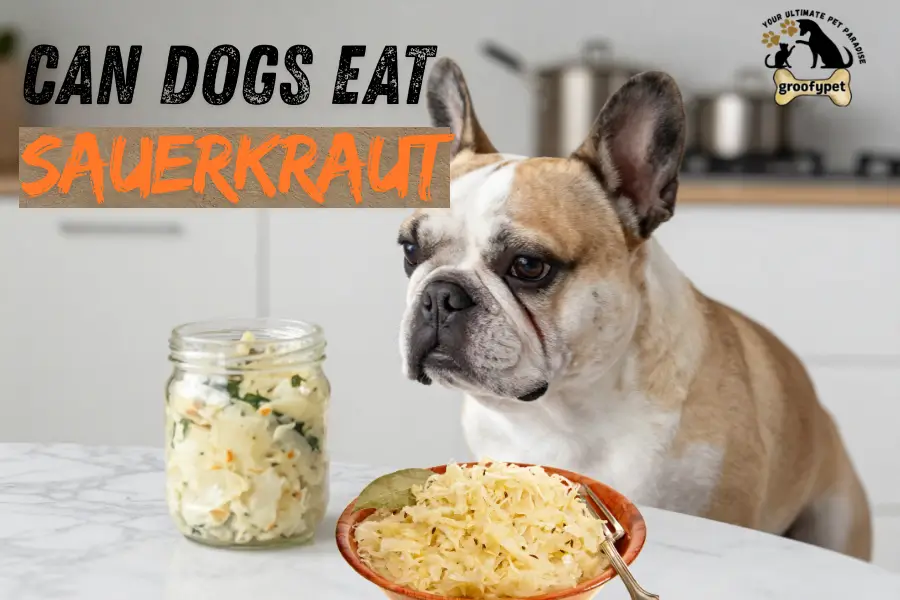
Sauerkraut is a tangy fermented cabbage dish enjoyed by millions of people around the world. Can dogs eat sauerkraut? As fermented foods grow in popularity for their numerous health benefits, many pet owners wonder whether their canine companion can enjoy them too.
If your dog gives you those big hopeful eyes while you eat a bratwurst topped with sauerkraut, you are probably asking yourself, can dogs eat sauerkraut? The short answer is yes. Plain sauerkraut can be a safe and healthy addition to your dog’s diet when served in moderation.
However, there are important things every pet owner needs to know before feeding sauerkraut to dogs. This guide covers everything from what sauerkraut is to its health benefits, risks, safe feeding tips, and the best probiotic alternatives for your dog.
Can Dogs Eat Sauerkraut?
Yes, dogs can eat sauerkraut. Plain, unseasoned sauerkraut is safe for dogs and can offer real health benefits when introduced the right way. This fermented food is packed with probiotics, vitamins, and minerals that support your dog’s digestive health.

However, not all sauerkraut is dog-friendly. The key difference is between plain sauerkraut and flavored sauerkraut. Plain sauerkraut contains only fermented cabbage and salt. Flavored varieties often include garlic, onions, caraway seeds, or spices, all of which can be toxic to dogs.
- Plain sauerkraut is safe for dogs in small amounts.
- It contains natural probiotics, vitamins C and K, iron, manganese, and fiber.
- Homemade sauerkraut is the safest option with no hidden additives or preservatives.
- High sodium is a concern; rinse before serving or choose low-sodium varieties.
- Never feed sauerkraut that contains garlic, onions, caraway seeds, or spices.
- Avoid all spicy or highly salted fermented foods like kimchi.
- Feed only occasionally, in moderation, and always monitor your dog’s response.
- Consult your veterinarian before adding sauerkraut or any new food to your dog’s diet.
So the bottom line is this: plain sauerkraut is safe for dogs in small amounts. Flavored or store-bought sauerkraut with harmful additives can cause serious health problems.
Sauerkraut is finely shredded fresh cabbage that has been fermented using lactic acid bacteria. The process behind its sour taste is called lacto-fermentation. During fermentation, the natural sugars in the cabbage break down in an acidic environment created by lactic acid bacteria.
This process preserves the cabbage and enriches it with beneficial bacteria, also known as probiotics. Traditional sauerkraut preparation requires only three ingredients: cabbage, water, and salt. The fermented cabbage is stored in a controlled environment, often a mason jar or fermentation crock, where the natural fermentation process takes place over several days or weeks.
Types of Sauerkraut
There are four main types of sauerkraut you may come across:
- Plain sauerkraut — The most basic and dog-safe variety. It contains only cabbage and salt with no additives.
- Store-bought sauerkraut — Can be safe if it has minimal ingredients, but many commercial brands have high sodium levels and additives. Always read the label.
- Homemade sauerkraut — The best option for dogs. You control every ingredient, so there are no hidden additives or preservatives.
- Flavored sauerkraut — Often contains garlic, onions, caraway seeds, or spices. These ingredients are toxic to dogs and must be avoided.
Is Sauerkraut Safe for Dogs?
Sauerkraut can be safe for dogs in very small amounts if it is plain, unseasoned, and given occasionally. It may even offer some probiotics that support digestion.

When Sauerkraut Is Safe
Sauerkraut is safe for dogs when it meets these conditions:
- It is plain and unseasoned with no garlic, onions, or spices.
- You serve it in small amounts appropriate for your dog’s size.
- You feed it occasionally as a treat, not as a daily food.
- You introduce it gradually to allow your dog’s digestive system to adjust.
Homemade raw sauerkraut is the most recommended variety because it contains zero additives and is rich in live probiotic cultures. If you buy sauerkraut from a store, choose refrigerated options with the fewest ingredients and the lowest sodium content.
When Sauerkraut Is Unsafe
Sauerkraut becomes unsafe for dogs under these circumstances:
- It contains garlic or onions, which are toxic to dogs and can damage red blood cells.
- It has high sodium content, which can cause dehydration or sodium ion poisoning.
- It contains artificial preservatives or sweeteners that harm your dog’s health.
- It includes spicy ingredients that can upset your dog’s stomach.
- You feed too much too quickly, causing digestive upset.
Always check ingredient labels carefully before feeding any store-bought sauerkraut to your dog. When in doubt, make your own at home.
Nutritional Value of Sauerkraut
Sauerkraut is a surprisingly nutrient-dense food. Here are the key nutrients it provides:
- Vitamin C — Supports immune function and acts as an antioxidant.
- Vitamin K — Supports healthy blood clotting and bone health.
- Fiber — Promotes healthy digestion and supports bowel regularity.
- Iron — Helps boost energy, supports metabolism, and improves blood circulation.
- Potassium — Supports heart health and proper muscle function.
- Probiotics — Beneficial bacteria that support gut health and improve digestion.
Sauerkraut is a low-calorie food, which makes it a guilt-free treat option for dogs. It is rich in beneficial bacteria that support a healthy gut microbiome. Because it is made from fermented cabbage, it also delivers plant-based nutrients that support your dog’s digestive health and immune system.
The fermentation process even increases the bioavailability of some nutrients, meaning your dog’s body can absorb them more efficiently.
Health Benefits of Sauerkraut for Dogs
Sauerkraut can support a dog’s digestion because it contains natural probiotics that help balance gut bacteria. It may also boost immune health and improve nutrient absorption when given in small, safe amounts.
1. Supports Gut Health
The probiotics in sauerkraut help maintain a healthy balance of beneficial bacteria in your dog’s gut. A healthy gut microbiome plays a critical role in your dog’s overall health, from digestion to immunity.
2. Provides Natural Probiotics
Sauerkraut is one of the most accessible and affordable sources of natural probiotics. These beneficial bacteria help populate your dog’s digestive tract with healthy cultures, which supports proper digestion and nutrient absorption.
3. Helps Maintain Healthy Digestion
The fiber content in sauerkraut supports smooth and regular bowel movements. It helps food move through the digestive system properly, which can reduce constipation and improve stool quality.
4. Supports Immune Function
A large portion of a dog’s immune system is connected to gut health. By supporting a healthy gut microbiome with probiotics, sauerkraut can indirectly help strengthen your dog’s immune function and resistance to illness.
5. Rich in Antioxidants
Vitamin C in sauerkraut acts as a powerful antioxidant. It helps protect your dog’s cells from oxidative stress and damage caused by free radicals, which can contribute to aging and disease.
6. Provides Essential Vitamins
Sauerkraut provides vitamins C and K, both of which play important roles in your dog’s health. Vitamin K supports healthy blood clotting, while vitamin C boosts immune defense and skin health.
7. May Improve Nutrient Absorption
The fermentation process breaks down compounds in the cabbage that would otherwise block nutrient absorption. This means your dog’s body may be able to absorb key minerals like iron and manganese more effectively from fermented cabbage than from raw cabbage.
8. Supports Healthy Bowel Movements
The dietary fiber in sauerkraut helps regulate bowel movements. Dogs with occasional constipation or sluggish digestion may benefit from small amounts of sauerkraut added to their diet.
9. Low-Calorie Treat Option
Sauerkraut is very low in calories. This makes it a smart treat option for dogs that are overweight or need a low-calorie addition to their diet without sacrificing nutrition.
10. Adds Variety to the Diet
Adding small amounts of sauerkraut to your dog’s meals introduces a new flavor and texture to their diet. This can be especially helpful for picky eaters or dogs that need extra encouragement to eat their regular food.
Risks of Feeding Sauerkraut to Dogs
Feeding sauerkraut to dogs can cause gas, bloating, diarrhea, or stomach discomfort, especially if given in large amounts. Its high salt content in some versions can also be harmful to dogs.
1. High Sodium
Many commercial sauerkraut brands have very high sodium levels. Too much salt can lead to dehydration or, in severe cases, sodium ion poisoning in dogs. Always choose low-sodium options or rinse sauerkraut with cold water before serving.
2. Stomach Upset
Some dogs have sensitive stomachs and may react poorly to fermented foods. Introducing sauerkraut too quickly can cause stomach upset and discomfort.
3. Diarrhea
Too much sauerkraut at once can cause loose stools or diarrhea in dogs. This is especially common when you introduce it without a gradual adjustment period.
4. Gas and Bloating
Fermented foods are known to produce gas. Dogs that eat too much sauerkraut may experience uncomfortable bloating and excessive flatulence.
5. Vomiting
If your dog is not used to fermented foods, they may vomit after eating sauerkraut. This is a sign that their digestive system is not tolerating the new food well.
6. Garlic Toxicity Risk
Many flavored sauerkraut products contain garlic. Garlic is toxic to dogs and can damage red blood cells, leading to anemia. Never feed your dog sauerkraut that contains garlic.
7. Onion Toxicity Risk
Like garlic, onions are toxic to dogs. They contain compounds that destroy red blood cells and can cause serious health problems. Always avoid any sauerkraut that contains onion or onion powder.
8. Allergic Reactions
Some dogs may be allergic to cabbage or other ingredients in sauerkraut. Watch for signs of an allergic reaction such as itching, swelling, or difficulty breathing, and contact your vet immediately if these occur.
9. Excessive Fermented Food Intake
While small amounts of fermented food support gut health, too much fermented food can overwhelm the digestive system and disrupt the balance of gut bacteria. Always feed sauerkraut in moderation.
10. Nutritional Imbalance
Sauerkraut should never replace a complete and balanced dog food diet. Feeding too much sauerkraut can displace more nutritionally important foods and lead to dietary imbalances over time.
Can dogs have sauerkraut?
Dogs can have sauerkraut in very small amounts if it is plain, unseasoned, and given occasionally. It may support digestion because it contains natural probiotics from fermentation. However, not all dogs tolerate it well, and it can cause gas, bloating, or diarrhea in some cases.
Sauerkraut with added salt, garlic, onion, or spices should always be avoided because these ingredients can be harmful to dogs. It is best to treat sauerkraut as an occasional supplement rather than a regular part of a dog’s diet.
Can Puppies Eat Sauerkraut?
Puppies have much more sensitive digestive systems than adult dogs. Their gut microbiome is still developing, and introducing fermented foods like sauerkraut too early can cause significant digestive upset.
The high sodium content in sauerkraut is also a concern for puppies, as their small bodies are more vulnerable to the effects of excess salt. The probiotics in sauerkraut, while beneficial, may be too strong for a puppy’s immature digestive tract.

If you want to introduce sauerkraut to a puppy, wait until they are older and always consult your veterinarian first. For young puppies, a vet-approved probiotic supplement is a safer alternative than fermented foods.
How Much Sauerkraut Can Dogs Eat?
Feeding Guide by Dog Size
| Dog Size | Suggested Amount |
|---|---|
| Small Dogs | 1 teaspoon |
| Medium Dogs | 1–2 teaspoons |
| Large Dogs | 1 tablespoon |
Feeding Frequency
Sauerkraut should be treated as an occasional supplement, not a daily food. Feeding it a few times per week is plenty to allow your dog to benefit from its probiotic and nutritional properties without the risk of overfeeding.
Start with a smaller portion than recommended and observe how your dog responds before increasing the amount. The goal is to introduce it gradually and monitor your dog’s reaction to make sure they tolerate it well.
What Happens If a Dog Eats Too Much Sauerkraut?
Can dogs eat sauerkraut? If your dog eats too much sauerkraut in one sitting, you may notice the following signs:
- Digestive upset — stomach discomfort and cramping
- Excessive thirst — caused by the high sodium content
- Loose stools or diarrhea — from too much fermented food at once
- Gas and bloating — especially common with larger amounts
- Sodium-related concerns — increased thirst, urination, or in extreme cases, lethargy and confusion from sodium ion poisoning
If your dog eats a large amount of sauerkraut with garlic or onions, contact your veterinarian immediately. These ingredients are toxic to dogs and require prompt medical attention.
Signs Your Dog Does Not Tolerate Sauerkraut
Digestive Symptoms
Watch for these signs that your dog’s digestive system is not handling sauerkraut well:
- Vomiting after eating
- Diarrhea or loose stools
- Excessive gas or flatulence
- Visible bloating or abdominal discomfort
Behavioral Symptoms
Beyond digestive signs, some dogs show behavioral changes that indicate they are not tolerating sauerkraut:
- Lethargy or low energy
- Reduced appetite or refusing food
- Restlessness or signs of discomfort
If you notice any of these symptoms, stop feeding sauerkraut and consult your veterinarian before trying again.
Can Dogs Eat Different Types of Sauerkraut?
Dogs should only eat plain, unseasoned sauerkraut in very small amounts. Flavored types with garlic, onion, spices, or preservatives can be harmful and should be avoided.

1. Homemade Sauerkraut
Yes — highly recommended. Homemade raw sauerkraut is the best option for dogs. You control every ingredient, so there is no risk of hidden additives or excessive salt. Use only cabbage, water, and a small amount of salt. Organically grown cabbage is even better since it eliminates the risk of pesticide exposure.
2. Store-Bought Sauerkraut
Yes, with caution. Choose refrigerated store-bought sauerkraut with minimal ingredients and low sodium. Always read the label to confirm it contains no garlic, onions, caraway seeds, or artificial preservatives.
3. Raw Sauerkraut
Yes, preferred. Raw sauerkraut contains live probiotic cultures, which provide the most digestive health benefits. Cooking sauerkraut destroys many of the beneficial bacteria, so raw is the better choice for maximum probiotic benefit.
4. Cooked Sauerkraut
Yes, but less beneficial. Dogs can eat cooked sauerkraut, but cooking destroys most of the live probiotic cultures. The vitamins and fiber remain, but the gut health benefits are significantly reduced.
5. Sauerkraut With Garlic
No, never. Garlic is toxic to dogs. Do not feed your dog any sauerkraut that contains garlic in any form, including garlic powder.
6. Sauerkraut With Onions
No — never. Onions are also toxic to dogs. Even small amounts can cause damage to red blood cells. Avoid all sauerkraut products that list onion or onion powder as an ingredient.
7. Sauerkraut With Spices
No — avoid. Spiced sauerkraut may contain caraway seeds, hot peppers, or other seasonings that can cause gastrointestinal upset in dogs. Stick to plain varieties only.
How to Prepare Sauerkraut for Dogs Safely?
Follow these steps to serve sauerkraut safely to your dog:
1. Choose Plain Sauerkraut
Always select plain, unseasoned sauerkraut. The simpler the ingredient list, the safer it is for your dog. Ideally, the only ingredients should be cabbage, water, and salt.
2. Check Ingredient Labels
Before buying store-bought sauerkraut, read every ingredient on the label. Look out for garlic, onions, caraway seeds, artificial sweeteners, and preservatives. If any of these appear, do not feed it to your dog.
3. Avoid Garlic and Onions
This cannot be stressed enough. Garlic and onions are toxic to dogs. Even trace amounts in commercial sauerkraut can be harmful, especially with regular feeding.
4. Rinse to Reduce Sodium
Place the sauerkraut in a colander and rinse it under cold water before serving. This removes much of the surface salt and reduces the overall sodium content, making it safer for your dog.
5. Serve Small Portions
Start with a very small amount, half a teaspoon for small dogs and one teaspoon for larger dogs, and observe your dog for 24 to 48 hours before offering more.
6. Mix With Regular Dog Food
Most dogs will not eat sauerkraut on its own because of its strong smell and tangy taste. Mix a small amount into your dog’s regular wet dog food to encourage them to eat it. You can also add a small portion of sardines or other fish to mask the strong fermented smell.
Best Alternatives to Sauerkraut for Dogs
If your dog does not tolerate sauerkraut or you want safer probiotic options, consider these alternatives:
1. Plain Pumpkin
Plain canned pumpkin is an excellent source of fiber and supports healthy digestion. It is gentle on the stomach, and most dogs love the taste.
2. Cooked Carrots
Cooked carrots are low in calories, rich in vitamins, and easy to digest. They make a great healthy treat that supports dental health too.
3. Green Beans
Plain green beans are a low-calorie, fiber-rich vegetable that supports digestive health and makes a crunchy, satisfying treat.
4. Plain Yogurt
Plain, unsweetened yogurt with no xylitol is a natural source of probiotics for dogs. It is gentler than sauerkraut, and most dogs enjoy the taste. Always choose full-fat or low-fat plain yogurt without any flavoring.
5. Sweet Potato
Cooked sweet potato is rich in fiber, vitamins, and antioxidants. It supports digestive health and is easy on the stomach.
Vet-Approved Probiotics
For dogs that need reliable gut health support, a vet-approved probiotic supplement is the safest and most effective option. These are specially formulated for dogs and contain the right strains of bacteria in the right amounts.
Fermented Foods Dogs Should Avoid
Not all fermented foods are safe for dogs. Avoid these fermented foods entirely:
Kimchi
Kimchi is a spicy Korean fermented vegetable dish that typically contains garlic, onions, and hot peppers, all of which are toxic or harmful to dogs.
Fermented Foods With Garlic
Any fermented food that contains garlic should be kept away from dogs. Garlic toxicity can develop even with small repeated doses.
Fermented Foods With Onions
Onions in any form raw, cooked, or fermented are dangerous for dogs and should never be included in their diet.
Highly Salted Fermented Vegetables
Some traditional fermented vegetables contain very high levels of salt. Excess sodium can lead to dehydration, high blood pressure, and sodium ion poisoning in dogs.
Spicy Fermented Foods
Spicy fermented foods can cause significant gastrointestinal upset in dogs. Their digestive systems are not designed to handle capsaicin or other spicy compounds.
How to Introduce Sauerkraut to Your Dog?
Introducing any new food to your dog’s diet requires patience and care. Follow these steps:
- Start with a tiny amount—Give your dog just a small pinch or less than half a teaspoon on the first day.
- Mix into regular food—Stir it into their regular wet or dry dog food so the new flavor is less overwhelming.
- Monitor digestive response — Watch for any signs of stomach upset, gas, diarrhea, or vomiting over the next 24 to 48 hours.
- Increase slowly if tolerated — If your dog shows no negative reaction, you can gradually increase to the recommended amount for their size over one to two weeks.
Never rush the introduction. A slow and careful approach helps your dog’s gut microbiome adjust to the new probiotic-rich food without causing digestive problems.
Veterinarian Advice on Dogs and Sauerkraut
Most veterinarians agree that plain sauerkraut can be a healthy addition to a dog’s diet when fed in moderation. However, they also emphasize the following:
- Always choose low-sodium options or rinse sauerkraut before serving to minimize salt intake.
- Avoid sauerkraut if your dog has pre-existing health conditions such as kidney disease, heart disease, or gastrointestinal disorders, as high sodium and fermented foods may worsen these conditions.
- Dogs with a known sensitivity to fermented foods should avoid sauerkraut entirely and use vet-approved probiotic supplements instead.
- Always consult your veterinarian before adding any new human food to your dog’s diet, especially if your dog has health conditions or takes medication.
The general recommendation is to treat sauerkraut as an occasional probiotic boost rather than a regular meal component.
Frequently Asked Questions
Can dogs eat sauerkraut safely?
Yes, dogs can eat plain sauerkraut safely in small amounts. It is important to avoid sauerkraut that contains garlic, onions, or high levels of sodium.
Is sauerkraut good for dogs?
Plain sauerkraut provides probiotics, vitamins C and K, iron, fiber, and manganese. These nutrients support gut health, immune function, and overall well-being in dogs.
Can puppies eat sauerkraut?
Puppies have sensitive digestive systems and are more vulnerable to sodium. It is best to wait until your puppy is older and always consult a veterinarian before offering fermented foods to young dogs.
How much sauerkraut can dogs eat?
Small dogs can have about 1 teaspoon. Medium dogs can have 1 to 2 teaspoons. Large dogs can safely have up to 1 tablespoon. Feed it only a few times per week at most.
Can sauerkraut cause diarrhea in dogs?
Yes. Introducing sauerkraut too quickly or feeding too much at once can cause loose stools or diarrhea. Always start with a very small amount and increase slowly.
Is homemade sauerkraut better for dogs?
Yes. Homemade sauerkraut is the best option because you control every ingredient. There are no hidden additives, preservatives, or excess sodium.
Can dogs eat cooked sauerkraut?
Yes, but cooking destroys most of the live probiotic bacteria. Raw sauerkraut provides more gut health benefits than cooked varieties.
What fermented foods are safe for dogs?
Plain sauerkraut and plain yogurt are the safest fermented foods for dogs. Avoid kimchi and any fermented food that contains garlic, onions, or spicy ingredients.
Final Thoughts
So, can dogs eat sauerkraut? Yes, plain sauerkraut can be a safe and nutritious treat for your dog when served in moderation. It is packed with natural probiotics, vitamins C and K, iron, manganese, and dietary fiber that support gut health, immune function, and overall well-being.
However, always keep the risks in mind. High sodium levels, toxic additives like garlic and onions, and overfeeding can all cause serious health problems. The safest choice is homemade sauerkraut with no additives or a refrigerated store-bought variety with minimal ingredients and low sodium.
Feed it occasionally and in small amounts appropriate for your dog’s size. Introduce it gradually and watch for any signs of digestive upset. And as always, consult your veterinarian before introducing any new food into your dog’s diet.
Can Dogs Eat Strawberry Yogurt? Risks, Benefits, and Safe Alternatives!
Can Dogs Eat Oat Bran? Risks, Benefits, and Safe Alternatives!