
Dogs explore the world through their noses and mouths. So when you slice open a tamarillo and your dog stares up at you with those eager eyes, you start to wonder, is this fruit safe to share? Tamarillos are becoming more popular in homes across the world. More dog owners are asking about exotic fruits, and tamarillos are showing up on that list.
Before you hand a piece to your pup, you need the facts. Can dogs eat tamarillos? Quick answer: Yes, dogs can eat fully ripe tamarillos in small amounts. However, unripe tamarillos, the seeds, and the entire tamarillo plant are toxic and must always be avoided.
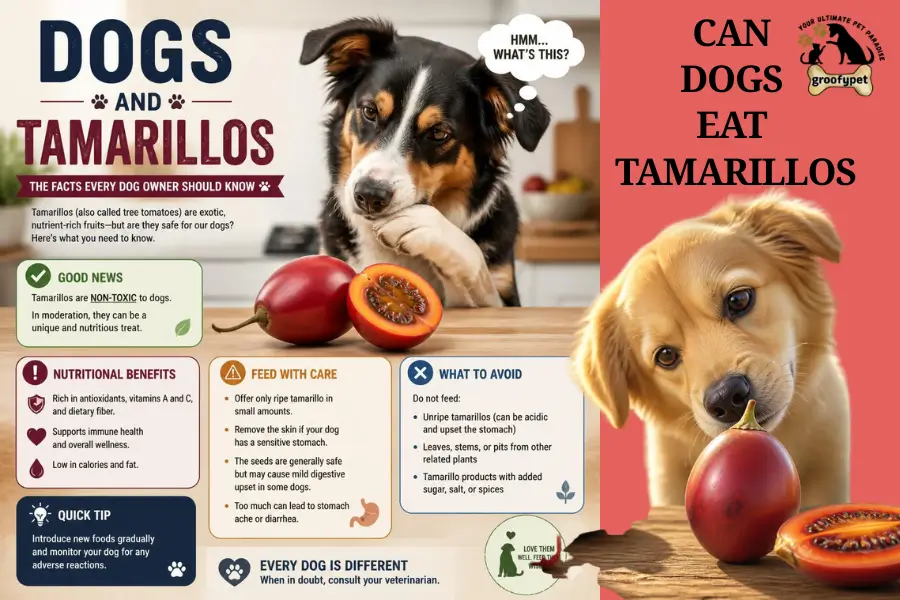
Safe fruit feeding matters. Even a fruit labeled “safe” can cause real harm if fed incorrectly. This guide covers everything you need: benefits, risks, serving sizes, and how to prepare tamarillos safely for your dog.
Can Dogs Eat Tamarillos?
Dogs can eat ripe tamarillo flesh in small, controlled amounts. The ripe fruit offers genuine nutritional value, including vitamins A and C, iron, calcium, and antioxidants. But the keyword here is ripe.
Unripe tamarillos contain solanine and tomatine, two toxic alkaloids that can harm your dog’s digestive system and nervous system. The tamarillo plant itself, including the leaves and stems, is poisonous to dogs and should never be accessible to them.
So the answer is not a simple yes or no. Ripe tamarillo flesh, prepared correctly and offered in moderation, is generally safe. But any other part of the fruit or plant carries real risk. Moderation matters even when the fruit is safe. Tamarillos contain natural sugars and acids.
Too much of any fruit can cause digestive upset, loose stools, or nutritional imbalance in your dog’s diet. The bottom line: benefits exist, but risks are real. Know both before you feed.

Most people know the tamarillo by its more common name, the tree tomato. It grows on a small shrub-like tree and looks like a large, elongated egg. The skin is smooth and comes in deep red, orange, or yellow, depending on the variety.
Slice one open and you find a firm, juicy flesh that tastes tangy-sweet with a slight bitterness near the skin. The flavor sits somewhere between a tomato and a passionfruit. The texture is dense and holds up well when cooked.
Tamarillos belong to the nightshade family (Solanaceae), which also includes tomatoes, eggplants, bell peppers, and potatoes. This classification matters for dog owners because nightshade plants contain alkaloids like solanine, which can be toxic to dogs in large quantities.
Common Uses of Tamarillos
Humans eat tamarillos raw, cooked, and processed into dozens of foods. The fruit appears in:
- Chutneys, salsas, and savory sauces
- Jams and marmalades
- Smoothies, juices, and cocktails
- Desserts and cakes
- Soups and stews as a flavor base
The skin is usually peeled before eating because it tastes very bitter. This bitterness is a signal — the skin contains higher concentrations of irritating compounds that dogs should not consume.
Nutritional Value of Tamarillos
Tamarillos pack real nutritional value into a small fruit. Here is what one medium tamarillo provides:
- Vitamin A — Supports eye health, skin condition, and immune function. Dogs need vitamin A for healthy coat growth and normal vision, especially in low light.
- Vitamin C — A powerful antioxidant that helps repair tissue and supports the immune system. Dogs produce their own vitamin C, but supplemental amounts from food can offer added support during stress or illness.
- Fiber — Aids digestive health and helps regulate bowel movements. A small amount of dietary fiber is beneficial for dogs, though too much causes loose stools.
- Potassium — Essential for healthy muscle function, nerve signaling, and heart health. Potassium deficiency in dogs causes weakness and lethargy.
- Antioxidants — Tamarillos contain chlorogenic acid and carotenoids that protect healthy cells against damage from free radicals. These compounds reduce cellular stress and may lower the risk of chronic disease.
- Iron — Supports red blood cell production and oxygen transport throughout the body.
Nutritional Benefits Overview
- Tamarillos are low in fat, making them a lean treat option
- They contain moderate sugar levels—safe in small amounts, problematic in excess
- High water content supports hydration, which is especially useful on hot days
- They are relatively low in calories compared to many commercial dog treats
Are Tamarillos Safe for Dogs?
Safe Parts of Tamarillos
The ripe flesh of a tamarillo is the only part you should offer your dog. Ripe fruit contains lower levels of solanine and tomatine compared to unripe fruit, making it much safer for canine consumption. Always choose fruit that is fully ripe.
A ripe tamarillo feels slightly soft when you press it gently. The skin has deepened in color, and the flesh inside is dark red or orange, not pale and firm. Wash the fruit thoroughly before cutting it. This removes pesticide residue, dirt, and surface bacteria.

Serve only small portions of the flesh, free from skin and seeds. Think of tamarillo as an occasional treat not a meal addition.
Unsafe Parts of Tamarillos
- Unripe tamarillo contains elevated levels of solanine and tomatine. These alkaloids cause gastrointestinal irritation and can trigger vomiting, diarrhea, and lethargy in dogs. Never offer green or firm tamarillos.
- Seeds contain cyanogenic glycosides. When a dog digests these, the body converts them into cyanide compounds. A single seed is unlikely to cause serious harm, but a handful of seeds could lead to difficulty breathing, weakness, and in severe cases, shock. Remove all seeds before serving.
- Skin is bitter and difficult to digest. It may contain higher concentrations of irritating alkaloids and can cause digestive discomfort. Always peel the tamarillo before offering it to your dog.
- The tamarillo plant’s leaves, stems, roots, and branches are entirely toxic. If you grow tamarillos in your garden, fence off the plant so your dog cannot access it.
Health Benefits of Tamarillos for Dogs
Tamarillos contain vitamin C, fiber, and antioxidants that may support immune health, digestion, and overall wellness in dogs when given in small amounts. Their high water content can also help with hydration.
1. Supports Hydration
Tamarillos have a high water content. Offering a few small pieces on a warm day adds extra moisture to your dog’s intake. This supports kidney function and helps prevent dehydration in active dogs.
2. Rich in Vitamin C
While dogs produce their own vitamin C, additional amounts from food can support immune health during illness, stress, or recovery from injury. Tamarillos provide a natural source of this important antioxidant vitamin.
3. Provides Natural Antioxidants
The chlorogenic acid and carotenoids in tamarillos fight oxidative stress at the cellular level. Antioxidants slow the aging process in cells, reduce inflammation, and may lower the long-term risk of disease.
4. Supports Immune Health
The combination of vitamin A, vitamin C, and antioxidants in tamarillos makes this fruit a modest immune booster. These nutrients support the body’s natural defense systems and help your dog fight off illness.
5. Aids Digestive Health
The dietary fiber in ripe tamarillo flesh supports healthy gut motility. Small amounts can help dogs with sluggish digestion move things along gently. This benefit only applies when you serve small portions; too much fiber does the opposite.
6. Low-Fat Treat Option
Many commercial dog treats are high in fat and calories. Ripe tamarillo flesh is low in fat, making it a lighter treat option for dogs who need to manage their weight. It satisfies the urge to share food with your dog without loading them with unnecessary fat.
7. Supports Skin Health
Vitamin A plays a direct role in skin and coat health. Dogs fed adequate vitamin A have shinier coats, less dryness, and fewer skin problems. Tamarillos contribute a small but meaningful amount of this nutrient.
8. May Help Eye Health
Vitamin A and the carotenoids in tamarillos support retinal function and general eye health. These nutrients are linked to better vision in low-light conditions and reduced risk of age-related eye issues in dogs.
9. Provides Natural Energy
The natural sugars in tamarillos give a quick energy boost. This can be a useful occasional reward for active working dogs or sporting breeds after exercise. Keep portions small to avoid a sugar spike.
10. Adds Variety to Diet
Variety in a dog’s diet supports both physical and mental health. Introducing small amounts of new safe foods keeps mealtimes interesting and can reduce food boredom in dogs who eat the same kibble every day.
Risks of Feeding Tamarillos to Dogs
Can dogs eat tamarillos?Feeding tamarillos to dogs can cause digestive issues like vomiting, diarrhea, or stomach discomfort, especially if eaten in large amounts or if the fruit is unripe. Some dogs may also have sensitivity to the acidic nature of the fruit.

1. Stomach Upset
Even ripe tamarillos contain natural acids. These can irritate a dog’s stomach lining, especially in dogs with sensitive digestion. Always start with a very small piece to test tolerance.
2. Diarrhea
Too much tamarillo triggers loose stools. The fiber and natural sugars ferment in the gut when consumed in large amounts, causing watery or frequent bowel movements. This passes in most cases but can cause dehydration in small dogs.
3. Vomiting
Dogs may vomit after eating tamarillo if they ate too much, ate unripe fruit, or if their system simply does not tolerate it. Vomiting is the body’s way of expelling something irritating. If vomiting continues beyond 12 hours, contact your vet.
4. Acidic Irritation from Unripe Fruit
Unripe tamarillos are much more acidic than ripe ones. This acidity burns the mucous membranes in the mouth and digestive tract. Even a small amount of unripe tamarillo can cause significant irritation and discomfort.
5. Allergic Reactions
Some dogs are allergic to nightshade family plants. Signs of an allergic reaction include facial swelling, hives, itching, difficulty breathing, and excessive drooling. Stop feeding immediately and call your vet if you notice these signs.
6. High Sugar Intake Risk
Tamarillos contain natural sugars. For dogs with diabetes, obesity, or pancreatic issues, even moderate sugar intake can cause blood sugar spikes or worsen existing conditions. Consult your vet before offering tamarillo to dogs with these health issues.
7. Choking Hazard from Seeds
Tamarillo seeds are small but firm. They can get lodged in the throat of small dogs or puppies. Always remove all seeds before serving. Cut the fruit open and scoop out the seeds with a spoon before slicing.
8. Digestive Sensitivity in Small Dogs
Small breeds have compact digestive systems that process food differently than large dogs. Even a portion appropriate for a medium dog can overwhelm a Chihuahua or Yorkshire terrier. Adjust portion sizes carefully for small breeds.
9. Overfeeding Issues
Feeding too much tamarillo too often causes cumulative problems excess sugar intake, chronic loose stools, reduced appetite for complete dog food, and nutritional imbalance. Treats should never exceed 10% of your dog’s total daily calorie intake.
10. Nutritional Imbalance
Tamarillos do not provide complete nutrition. Using fruit as a significant food source pushes out balanced dog food from the diet. Dogs need a complete and balanced diet as their foundation. Fruit is a treat, not a supplement.
Can Puppies Eat Tamarillos?
Puppies are more sensitive than adult dogs. Can dogs eat tamarillos? Their digestive systems are still developing, their immune systems are immature, and their bodies react more strongly to unfamiliar foods. The solanine and tomatine in tamarillos, even in ripe fruit, carry greater risk for puppies than for adult dogs.
A very small amount of ripe flesh may not cause immediate harm, but the risk of digestive upset is much higher. Most vets recommend waiting until a puppy reaches full adult digestive maturity before introducing exotic fruits like tamarillo. For most breeds, this is around 12 months of age.
If you do decide to try a tiny piece with an older puppy (over 8 months), give less than half the amount you would offer a small adult dog. Watch closely for vomiting, diarrhea, or lethargy for 24 hours after.
When in doubt, skip the tamarillo and offer a safer alternative like a small piece of banana or a blueberry.
How Much Tamarillo Can Dogs Eat?
Dogs can eat only a small amount of tamarillo as an occasional treat, depending on their size and tolerance. A few small, ripe pieces are usually enough for most dogs.
Serving Guide by Dog Size
| Dog Size | Weight Range | Recommended Amount |
|---|---|---|
| Small Dogs | Under 10 kg | 1–2 small pieces (pea-sized) |
| Medium Dogs | 10–25 kg | 2–4 small pieces |
| Large Dogs | Over 25 kg | 4–6 small pieces |
These portions refer to ripe, peeled, seed-free tamarillo flesh only. One “small piece” is roughly the size of a grape and no larger.
Feeding Frequency
Tamarillo is an occasional treat, not a daily food. Offer it once or twice a week at most if your dog tolerates it well. Daily feeding increases the risk of sugar overload, digestive sensitivity, and nutritional imbalance over time.
What Happens If a Dog Eats Too Much Tamarillo?
Most dogs who eat too much tamarillo show digestive symptoms within 2–6 hours. Common signs include:
- Soft or watery stools
- Increased gas and bloating
- Stomach gurgling or discomfort
- Loss of appetite for the next meal
- Mild lethargy
These symptoms usually resolve within 12–24 hours without treatment. Offer fresh water to prevent dehydration and withhold food for a few hours to let the stomach settle.
Contact your vet immediately if you notice:
- Repeated vomiting (more than 3 times in a few hours)
- Blood in the stool or vomit
- Severe lethargy or inability to stand
- Difficulty breathing or swallowing
- Signs of abdominal pain (hunching, whining, guarding the belly)
Signs Your Dog Does Not Tolerate Tamarillo
If a dog does not tolerate tamarillo, it may show symptoms like vomiting, diarrhea, gas, or stomach discomfort after eating it. Some dogs may also lose their appetite or appear unusually tired.
Digestive Symptoms
- Vomiting within 1–4 hours of eating
- Diarrhea (especially watery or frequent)
- Visible bloating or a hard, tight belly
- Excessive drooling or lip licking
Behavioral Symptoms
- Lethargy or unusual quietness after eating
- Loss of interest in food or water
- Whining, restlessness, or repeatedly looking at or biting the belly
- Reluctance to move or play
If your dog shows any of these signs after eating tamarillo, stop feeding this fruit entirely. Some dogs simply do not tolerate nightshade-family fruits, regardless of ripeness or portion size.
Can Dogs Eat Different Parts of Tamarillo?
Dogs should only eat the soft, ripe flesh of tamarillo, as other parts like the skin, seeds, and unripe fruit can be hard to digest or may cause stomach upset. These parts should always be removed before feeding.
Tamarillo Flesh
Yes,ripe flesh in small portions is the only safe part. Remove skin and seeds first.
Tamarillo Seeds
No, seeds contain cyanogenic glycosides that release cyanide compounds during digestion. Remove all seeds before serving.
Tamarillo Skin
No, the skin is bitter, difficult to digest, and contains higher concentrations of alkaloids. Always peel the fruit first.
Unripe Tamarillo
No, unripe fruit contains elevated solanine and tomatine levels. These cause vomiting, digestive irritation, and in larger amounts, more serious toxicity symptoms.
Cooked Tamarillo
Possibly, in very small amounts, cooking reduces some of the alkaloid content (similar to how cooking tomatillos reduces solanine). However, cooked tamarillo is often prepared with sugar, spices, or other ingredients that are unsafe for dogs. Plain, lightly cooked tamarillo flesh may be slightly safer than raw for sensitive dogs, but it is generally not worth the preparation effort.
Tamarillo Juice or Smoothies
No, juice concentrates the sugars and acids from multiple fruits into a small volume. It also usually contains added sugar, sweeteners, or other fruit ingredients. Xylitol, a common sweetener, is extremely toxic to dogs. Never offer tamarillo juice or smoothies.
How to Prepare Tamarillos for Dogs Safely?
To prepare tamarillos safely for dogs, choose ripe fruit and wash it thoroughly before removing the skin and seeds. Only the soft inner flesh should be used.
Choose Ripe Fruit Only
Pick tamarillos that feel slightly soft under gentle pressure. The skin should be deep red or orange, and the fruit should have a sweet fragrance. Avoid any fruit that is firm, pale, or smells sour.
Wash Thoroughly
Rinse the fruit under cool running water for at least 30 seconds. This removes surface pesticides, wax coatings, and bacteria. Even organic produce needs washing.
Remove Skin if Needed
Score the skin with a sharp knife and peel it back. The skin separates cleanly from the flesh on a ripe fruit. Discard all skin; do not let your dog eat it.
Remove Seeds if Possible
Cut the fruit in half and scoop out the seed pocket with a small spoon. You do not need to remove every microscopic seed, but remove all visible seed clusters.
Cut Into Small Pieces
Slice the flesh into small, bite-sized pieces appropriate for your dog’s size. Pieces should be no larger than a grape for medium dogs and smaller for small breeds.
Serve Plain Without Sugar or Spices
Never add sugar, honey, salt, cinnamon, or any spice to the fruit. Serve the plain flesh only. Keep it simple.
Best Fruit Alternatives to Tamarillos for Dogs
If you want to share fruit with your dog but feel unsure about tamarillos, these alternatives are safer and more reliably tolerated:
1. Apples
Remove the core and seeds. Apple flesh is crunchy, sweet, and full of vitamin C and fiber. Most dogs love the texture.
2. Blueberries
One of the safest fruits for dogs. Blueberries are small, easy to serve, low in sugar, and packed with antioxidants. They make excellent training treats.
3. Watermelon
Remove the rind and seeds. Watermelon is 92% water — excellent for hydration. The flesh is low in calories, and dogs generally love it.
4. Bananas
High in potassium and naturally sweet. Serve small pieces as an occasional treat. Bananas are higher in sugar, so keep portions small for weight-conscious dogs.
5. Strawberries
Rich in vitamin C and fiber. Remove the tops and slice them up. Strawberries are a crowd-pleaser for most dogs and very well tolerated.
6. Mango
Remove the pit and skin. Mango flesh is sweet and rich in vitamins A, C, and E, and most dogs enjoy it. Serve sparingly due to the higher sugar.
Fruits Dogs Should Never Eat
1. Grapes
Grapes are highly toxic to dogs. Even a small amount can cause acute kidney failure. The exact toxic compound is still debated, but the risk is so severe that grapes must never be given to any dog.
2. Raisins
Raisins are dried grapes the toxicity is the same but more concentrated. A single raisin can be dangerous for a small dog.
3. Cherries (with pits)
Cherry pits, leaves, and stems contain cyanogenic glycosides — the same compounds found in tamarillo seeds. The pits are also a serious choking hazard.
4. Avocado
Avocado contains persin, a fungicidal toxin that causes vomiting, diarrhea, and, in severe cases, heart and lung tissue damage in dogs.
5. Unripe Toxic Fruits
Any unripe nightshade-family fruit, including unripe tamarillo, unripe tomatoes, and tomatillos, contains solanine and should be kept away from dogs.
How to Introduce Tamarillos to Your Dog?
Start with a tiny portion, a single piece no larger than half a blueberry. Let your dog smell it first. Some dogs will turn it away immediately due to the tangy scent, which is a perfectly fine outcome.
If your dog eats the piece, watch closely for the next 4–6 hours. Look for signs of digestive upset, vomiting, lethargy, or unusual behavior.
If no reaction appears, you can offer a slightly larger portion on the next occasion (a few days later). Increase the amount gradually over several weeks, always watching for any signs of intolerance.
Stop immediately if your dog shows any digestive symptoms, behavioral changes, or signs of allergic reaction. Not every dog tolerates every fruit, and that is completely normal.
Veterinary Advice on Dogs and Tamarillos
Veterinary nutritionists consistently emphasize one principle when it comes to exotic fruits: moderation above all else. Dogs thrive on complete and balanced diets, and treats — even healthy ones — should never make up more than 10% of daily caloric intake.
Tamarillos are not a recognized part of standard canine nutrition guidelines. They offer some beneficial nutrients, but no nutrient in tamarillo is unavailable through a complete dog food. The benefits are supplementary, not necessary.
For dogs with pre-existing health conditions like diabetes, kidney disease, pancreatitis, or known food allergies, always consult your vet before introducing any new fruit or food.
A balanced diet remains the most important factor in your dog’s long-term health. Tamarillo can be a harmless and enjoyable treat for healthy adult dogs when prepared and served correctly, but it is never a substitute for complete nutrition.
Frequently Asked Questions
Can dogs eat tamarillos safely?
Yes, but only fully ripe tamarillo flesh in small amounts. Remove the skin and seeds, and always introduce it gradually to check for tolerance.
Are tamarillos toxic to dogs?
Unripe tamarillos are toxic because they contain solanine and tomatine. The tamarillo plant itself is also toxic. Ripe flesh in small portions is generally safe for healthy adult dogs.
Can puppies eat tamarillos?
It is best to avoid tamarillos for puppies. Their digestive systems are more sensitive, and the risk of upset or toxicity is higher. Wait until your dog reaches adulthood before trying exotic fruits.
How much tamarillo can a dog eat?
Small dogs: 1–2 pieces. Medium dogs: 2–4 pieces. Large dogs: 4–6 pieces. Offer occasionally, not daily.
Can tamarillos cause diarrhea in dogs?
Yes. Too much tamarillo, or feeding unripe fruit, can cause diarrhea. This is one of the most common reactions. If it persists beyond 24 hours, contact your vet.
Is tamarillo skin safe for dogs?
No. The skin is bitter, hard to digest, and contains higher levels of alkaloids. Always peel the fruit before offering it to your dog.
What fruits are safer than tamarillos?
Blueberries, watermelon, apples (seedless), strawberries, and bananas are all safer and more reliably tolerated options. They carry fewer risks and are better understood by veterinary nutritionists.
Can dogs eat tamarillo juice?
No. Tamarillo juice concentrates sugars and acids, and commercial versions often contain added sugar or sweeteners like xylitol, which is extremely toxic to dogs.
Final Thoughts
Can dogs eat tamarillos?Tamarillos are a fascinating exotic fruit with real nutritional value: vitamins A and C, antioxidants, iron, potassium, and fiber. Ripe tamarillo flesh, properly prepared and served in small amounts, is not dangerous for healthy adult dogs.
But the risks are genuine and specific. Unripe fruit, seeds, skin, and the entire tamarillo plant carry toxic compounds solanine, tomatine, and cyanogenic glycosides that can cause serious harm. Always choose fully ripe fruit, remove the skin and seeds completely, and serve only small, appropriate portions.
The benefits do not outweigh caution. Think of tamarillo as a rare treat, not a regular part of your dog’s diet. If your dog tolerates it well and enjoys it, there is no reason you cannot offer it occasionally. If your dog shows any signs of upset, stop and choose a safer alternative.
When in doubt, stick with the classics: blueberries, watermelon, or apple slices. Your dog will be just as happy, and you will have complete peace of mind.
Always consult your veterinarian before introducing new foods into your dog’s diet, especially if your dog has existing health conditions.
Can Dogs Eat Banana Bread? Risks, Benefits, and Safe Alternatives!
Can Dogs Eat Dino Nuggets? A Complete Guide for Dog Parents!