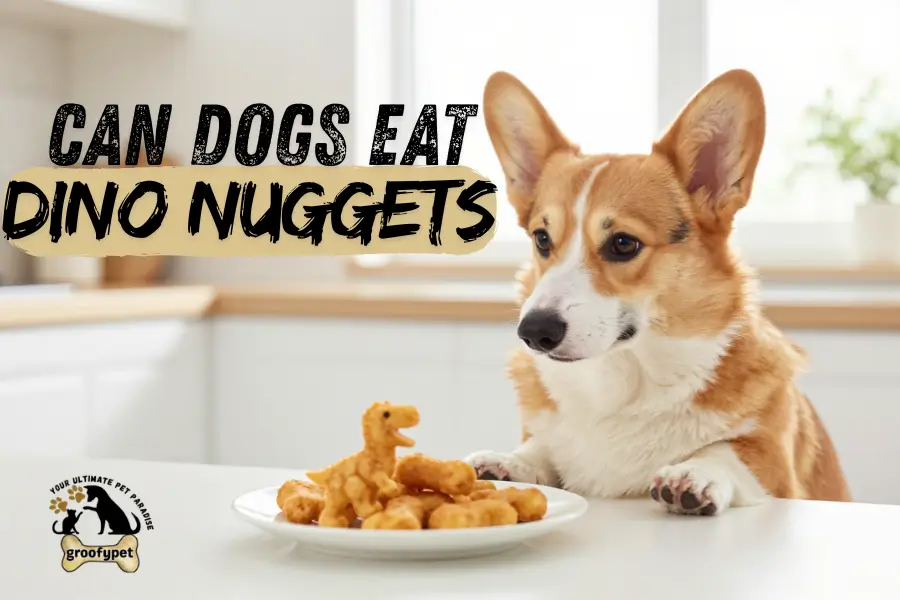
Dino Nuggets come out of the oven smelling incredible. The warm, salty, savory aroma fills the kitchen, and your dog picks up on it from the other room. Before you know it, they are right next to you, staring up with those impossible-to-ignore eyes. It feels natural to want to share something that smells that good.
Dino Nuggets are dinosaur-shaped frozen chicken nuggets, most commonly made by Tyson Foods and marketed toward children. They are crispy, fun to eat, and packed with salty, bold flavor. The problem is that bold flavor comes from a long list of ingredients: sodium, frying oil, artificial preservatives, and seasonings that were designed for human taste preferences, not canine health.
The quick answer is: no, dogs should not eat Dino Nuggets. They are not toxic in the immediate, emergency sense that grapes or xylitol are. But they carry a level of sodium, fat, and artificial additives that makes them a genuinely poor choice for dogs of any size.
A single accidental bite from a healthy adult dog is unlikely to cause lasting harm. Regular feeding is a different story entirely. Before you share any Dino Nugget with your dog, you need to understand what is actually inside them.
This article breaks down the ingredients, explains the risks, covers the situations where they are most dangerous, and gives you safer alternatives that deliver the same chicken flavor your dog loves without any of the problems.
Can Dogs Eat Dino Nuggets?
Dogs can technically eat a tiny piece of Dino Nugget without collapsing. That low bar does not make Dino Nuggets safe, and it does not make them worth sharing. The question that matters is not whether one bite causes an emergency but whether Dino Nuggets belong in your dog’s diet at all. The answer to that question is clearly no.
The difference between a one-time accidental bite and regular feeding is enormous. A large healthy dog that steals half a nugget off the floor one time is probably fine. That same dog getting two or three nuggets as a reward three times a week is building up sodium in their system, adding unnecessary fat to their diet, and regularly consuming artificial additives their body was never designed to process.
If you want to use a chicken-based treat as a reward or snack, plain cooked chicken achieves that goal without any of the risks. Dino Nuggets add nothing that your dog needs and several things that can hurt them over time. They should stay in the human food category, not the dog treat category.
Common Ingredients in Dino Nuggets
Reading the ingredient label on a bag of Tyson Dino Nuggets tells you exactly why they are not suitable for dogs. Here is what you typically find:

- Chicken meat—mechanically separated chicken, not clean whole breast cuts. The chicken is ground, processed, and mixed with other ingredients before being formed into shapes. The protein is real, but the preparation strips away much of the nutritional integrity of whole chicken.
- Breading and flour—made from enriched wheat flour, yellow corn flour, modified corn starch, and a blend of seasonings. This breading acts as a fat absorber during cooking, soaking up oil and dramatically increasing the calorie and fat content of each nugget.
- Vegetable oils—used both in the batter and for frying. These oils contribute heavily to the total fat content per serving. The frying process also produces compounds that add no nutritional value and place extra work on a dog’s digestive system.
- Salt and seasonings—Dino Nuggets contain a significant amount of added sodium per serving. They also frequently include onion powder and garlic powder as flavor enhancers. Both of these seasonings are toxic to dogs. Onion and garlic belong to the Allium family and cause damage to a dog’s red blood cells, leading to a condition called hemolytic anemia with repeated exposure.
- Preservatives and additives — sodium phosphate, autolyzed yeast extract, extractives of paprika, and various artificial flavor compounds all appear in the ingredient list. These are added to extend shelf life, maintain color, and boost flavor intensity. None of them have any place in a dog’s diet.
Nutritional Value of Dino Nuggets
Here is a breakdown of what a standard serving of four Dino Nuggets contains, compared to what a medium-sized dog actually needs daily:
| Nutrient | Per Serving (4 nuggets) | Dog’s Daily Need (med dog) | Risk Level |
| Sodium | 470–530 mg | ~200 mg | HIGH |
| Total Fat | 10–14 g | ~14 g (small allowance) | HIGH |
| Saturated Fat | 2–3 g | Very small amount | MODERATE |
| Calories | 180–220 kcal | ~600 kcal total | MODERATE |
| Protein | 10–13 g | Adequate in dog food | LOW |
The sodium column is the most alarming figure here. A serving of four Dino Nuggets can deliver 470 to 530 milligrams of sodium. A medium dog’s total daily sodium requirement sits at around 200 milligrams.
That means one serving of Dino Nuggets delivers more than double the daily sodium allowance for a medium dog and over five times the limit for a small dog. Salt toxicity is a real and serious risk when dogs eat high-sodium processed food repeatedly.
Are Dino Nuggets Safe for Dogs?
Dino nuggets are not toxic to dogs, but they are not a healthy choice. They often contain high amounts of salt, breading, oils, and seasonings that can upset a dog’s stomach. A small bite is unlikely to cause harm, but dogs should eat plain cooked chicken instead of dino nuggets whenever possible.
There is a narrow situation where a small amount of Dino Nugget is unlikely to cause a crisis. If a healthy adult dog with no known health conditions or food sensitivities eats a small piece of the plain chicken interior stripped of the breading and seasoning coating, the immediate risk is low. The inner chicken portion carries less sodium and fat than the coated whole nugget.
Size matters here. A 70-pound Labrador that eats half a nugget one time is a very different situation from a 12-pound Shih Tzu that eats two whole nuggets. Body weight and quantity together determine how much sodium and fat are entering the system relative to what the body can process safely.
When Can Dino Nuggets Be Dangerous?
There are four groups of dogs for whom even a small amount of Dino Nuggets poses a meaningful risk:
- Puppies—A puppy’s kidneys, liver, and digestive system are still developing. They cannot filter excess sodium efficiently. The fat content places strain on developing organs. Onion or garlic residue in the seasoning reaches toxic thresholds faster in a small, growing body. Puppies should never eat Dino Nuggets.
- Senior dogs—older dogs typically have reduced kidney and liver function. Their metabolism slows, meaning fat and sodium stay in the system longer and cause more stress. Senior dogs with pre-existing conditions like heart disease, kidney disease, or arthritis are particularly vulnerable to the effects of high-sodium, high-fat processed foods.
- Dogs with health conditions—dogs diagnosed with pancreatitis, kidney disease, heart disease, diabetes, or obesity should not eat Dino Nuggets under any circumstances. High fat triggers pancreatitis flares. High sodium worsens cardiac and kidney conditions. Added sugar and carbohydrate load destabilize blood sugar in diabetic dogs.
- Dogs with food sensitivities—the wheat flour, corn starch, and seasoning compounds in Dino Nuggets are among the most common allergens for dogs. A dog with an existing grain sensitivity or food allergy will often react to even a small amount of breading with skin irritation, itching, digestive upset, or ear problems.
10 Risks of Feeding Dino Nuggets to Dogs
1. High Sodium
Sodium toxicity in dogs is a well-documented veterinary concern. Veterinary references indicate that consuming more than 2 grams of sodium per kilogram of body weight can be lethal for dogs, and even well below that level, chronic high sodium intake causes dehydration, elevated blood pressure, kidney stress, and dangerous electrolyte imbalances
. Two Dino Nuggets can push a small dog over their entire daily sodium limit in one sitting. This is not a theoretical risk — it is the most immediate and serious concern with this food.
2. Too Much Fat
Dino Nuggets are coated in batter and fried, which means each nugget carries significant saturated fat per ounce of food. A dog’s digestive system is sensitive to sudden large fat loads. The pancreas, which produces fat-digesting enzymes, can become overwhelmed and inflamed when too much fat arrives at once.
Regular fat overload also raises cholesterol, contributes to cardiovascular strain, and leads to the gradual weight gain that shortens a dog’s lifespan.
3. Artificial Preservatives
Sodium phosphate, autolyzed yeast extract, and artificial flavor compounds extend the shelf life of Dino Nuggets for human convenience. For dogs, these additives arrive as compounds that the liver and kidneys must identify, process, and eliminate.
None of them provide nutrition. All of them add metabolic work. Regular consumption of preservative-heavy processed foods places a quiet but real burden on canine organ health over time.

4. Breaded Coating Can Upset the Stomach
The thick breading on Dino Nuggets contains enriched wheat flour, modified corn starch, seasoning blends, and oil residue from the frying process. This combination is heavy, greasy, and difficult for many dogs to digest smoothly.
Dogs with any level of grain sensitivity will react to the wheat and corn in the breading. Even dogs without known sensitivities can develop gas, bloating, and loose stools from eating a food this far outside their normal diet.
5. Risk of Obesity
One serving of four Dino Nuggets delivers 180 to 220 calories. For a 20-pound dog, the entire daily calorie requirement is roughly 325 to 400 calories. A single serving of Dino Nuggets accounts for more than half of that budget.
When treats like this become routine, calorie intake climbs above maintenance level and the result is gradual but persistent weight gain. Canine obesity increases the risk of joint disease, diabetes, heart problems and significantly shortens life expectancy.
6. Pancreatitis Risk
Pancreatitis inflammation of the pancreas is one of the most serious acute risks of high-fat food for dogs. When the pancreas is hit with more fat than it can handle, it becomes inflamed and may begin digesting itself.
Symptoms include severe stomach pain, repeated vomiting, a hunched posture, and extreme lethargy. Acute pancreatitis requires urgent veterinary treatment and can be fatal if ignored. Small dog breeds and dogs already carrying excess weight face the highest risk from fatty food triggers.
7. Digestive Problems
The combination of processed meat, heavy fried breading, salt, and preservatives is a significant departure from any dog’s regular balanced diet. The digestive system responds to this kind of sudden rich food introduction with vomiting, diarrhea, stomach cramping, and excessive gas.
The bigger the serving and the smaller or more sensitive the dog, the worse these symptoms become.
8. Allergic Reactions
Wheat, corn, soy derivatives, and certain seasoning compounds in Dino Nuggets are all common canine allergens. Food allergy symptoms in dogs often appear as skin problems rather than digestive ones, such as itching all over the body, red or inflamed skin, hot spots, recurring ear infections, or persistent paw licking.
If a dog eats Dino Nuggets repeatedly and develops any of these skin-related symptoms, an allergic response to one of the ingredients is a likely explanation.
9. Excess Calories
Beyond the fat-specific concern, Dino Nuggets are simply calorie-dense junk food with very little nutritional return. Every calorie your dog eats from a Dino Nugget is a calorie that did not come from something that actually supports their health.
The 10% treat rule where all treats combined should account for no more than 10% of daily caloric intake gets blown through quickly with a single serving of nuggets, leaving no room for other treats and pushing total intake into weight-gain territory.
10. Poor Nutritional Balance
Dino Nuggets offer processed fat, processed carbohydrate, and sodium-heavy protein. They contain no fiber, no meaningful vitamins, no antioxidants, and no minerals in amounts that support canine health. Feeding them as treats does not add anything useful to your dog’s nutritional picture. It only introduces risks. A dog’s diet should work toward health, not simply away from immediate harm.
Are There Any Benefits of Dino Nuggets for Dogs?
Being fair and complete: there are a small number of ways Dino Nuggets offer something marginal. None of them are strong arguments for feeding the food, but they are real.
1. Protein From Chicken
Chicken is a quality protein source for dogs. It provides essential amino acids that support muscle development, tissue repair, and immune function. The chicken inside Dino Nuggets does deliver protein, even in its processed form.
The problem is that this same protein comes packaged with all the sodium, fat, and additives that make the overall food inappropriate. Plain boiled chicken breast gives your dog every bit of this protein benefit without any of the packaging problems.
2. Quick Energy Source
The carbohydrates in the breading provide quick-burning energy. For a very active dog that needs a fast calorie source during extended physical activity, this could serve a marginal purpose. In practice, your dog’s regular balanced food covers all energy needs. There is no practical situation where Dino Nuggets are the best energy source available.
3. Appealing Taste
The salty, savory flavor of Dino Nuggets is highly appealing to most dogs. This makes them a high-value reward in training terms. High-value rewards are useful for teaching difficult behaviors or maintaining focus in distracting environments.
But this appeal transfers perfectly to plain boiled chicken, freeze-dried liver treats, or commercial single-ingredient chicken treats, all of which your dog will find equally exciting without the sodium and fat.
4. Easy to Eat Texture
The soft, moist interior of a Dino Nugget is easy to chew and swallow, which makes it practical for senior dogs with dental pain or puppies learning to eat solid food. Both of these groups, however, are also the most vulnerable to the sodium and fat content.
The texture benefit is immediately outweighed by the health risk for the exact dogs who would benefit most from it.
5. Convenient Snack in Emergencies
If your dog needs calories urgently, nothing dog-safe is available, and Dino Nuggets are the only option at hand, one small piece will not cause a crisis in a healthy adult dog. This is an emergency argument only. It is not a reason to keep Dino Nuggets on the treat rotation. Keep dog-safe protein treats at home so this scenario never applies.
Can Puppies Eat Dino Nuggets?
No. Puppies should not eat Dino Nuggets under any normal circumstances, and this is one area where the answer is firm without qualification.
A puppy’s digestive system is still developing and far more sensitive than that of an adult dog. Their kidneys cannot filter excess sodium effectively. Their liver is still maturing. Their gut microbiome is being established and is easily disrupted by rich, salty, processed food.
All of these factors combine to make high-sodium, high-fat processed food a genuine risk rather than a minor inconvenience. The onion and garlic powder commonly found in Dino Nuggets seasoning reaches toxic thresholds faster in a small puppy body.
A toxic dose of onion relative to body weight is much smaller than most people realize, and puppies reach that threshold with far less food than an adult dog would.Better treat options for puppies include small pieces of plain boiled chicken breast with no seasoning, small slices of banana, individual blueberries, or commercial puppy treats specifically formulated for young dogs.
These options give your puppy safe, appropriate flavors and textures without any of the risks that come with processed human food.
How Many Dino Nuggets Can a Dog Eat?
The honest answer is that the right number is zero in a planned feeding context. But dogs are dogs, and accidents happen. Use this guide to understand the risk level based on what your dog ate:
| Dog Size | Weight Range | Max Amount | How Often | Key Note |
| Extra Small | Under 10 lbs | Avoid entirely | Never | Sodium exceeds daily limit instantly |
| Small | 10–25 lbs | Half a nugget only | Once a month max | Remove all coating first |
| Medium | 25–60 lbs | 1 nugget (no coating) | Once a month max | Watch 24 hrs after eating |
| Large | 60–90 lbs | 1–2 nuggets max | Once a month max | Check for onion/garlic powder |
| Extra Large | Over 90 lbs | 2 nuggets max | Once a month max | Plain prep only, no seasoning |
Frequency Recommendations
Even for large healthy dogs, Dino Nuggets should never become a regular part of the treat rotation. Once a month is the absolute outer limit, and only if the specific variety contains no onion powder or garlic powder in the ingredient list, which you need to verify every time, since product formulations change.

The 10% treat rule applies to all treats combined, and one nugget already pushes most small and medium dogs to or past that daily limit. Regular nugget feeding will gradually build sodium levels, add excess fat, and push calorie intake above maintenance without providing any nutritional return.
What Happens If a Dog Eats Too Many Dino Nuggets?
If your dog ate more than one or two nuggets, especially if they are small, young, elderly, or have existing health conditions, watch closely for these symptoms over the next 6 to 12 hours:
- Vomiting—often the first response when the stomach is overwhelmed by rich, salty, processed food
- Diarrhea—loose or watery stools as the digestive system works to flush out an irritant
- Excessive thirst—a direct physiological response to the high sodium load; the body demands water to dilute the salt concentration
- Stomach pain—your dog may whine, hunch their back, press their belly to the floor, or refuse to stand or walk normally
- Lethargy — unusual tiredness, withdrawal, or unwillingness to engage with their environment, especially when combined with any of the above signs
When to Contact a Veterinarian?
Do not wait to see if things improve on their own in any of these situations. Call your vet or an emergency animal clinic right away if:
- Vomiting does not stop after two hours or becomes frequent and severe
- Diarrhea contains blood, mucus, or lasts more than 24 hours
- Your dog shows signs of extreme dehydration—dry, sticky gums, sunken eyes, loss of skin elasticity when you gently pinch and release
- You observe tremors, muscle weakness, disorientation, or seizures
- Your dog ate a very large quantity relative to their body weight
- Your dog has a pre-existing condition—pancreatitis history, kidney disease, heart disease, or diabetes
Early treatment always leads to better outcomes. A quick phone call to your vet costs nothing and removes the guesswork when you are not sure how serious the situation is.
Can Dogs Eat Different Types of Dino Nuggets?
Different types of dino nuggets may contain ingredients like extra salt, spices, cheese, or preservatives, which are not ideal for dogs. While a small plain nugget is unlikely to cause harm, most varieties should only be given rarely and in very small amounts.
1. Baked Dino Nuggets
Baking instead of frying reduces oil absorption, which lowers the total fat content per nugget compared to the traditionally prepared version. This is a marginal improvement. The sodium content, the breading composition, and the seasoning ingredients remain essentially unchanged in baked varieties. Baked Dino Nuggets are slightly less of a pancreatitis risk but carry all the same sodium and additive concerns.
2. Air-Fried Dino Nuggets
Air frying uses little to no added oil, which means the fat content stays close to what the raw nugget contains rather than absorbing extra frying fat. This makes air-fried Dino Nuggets the lowest-fat preparation method among the cooking options.
However, the base ingredients sodium, processed chicken, seasoning compounds, and preservatives do not change based on how you cook them. Air frying does not make Dino Nuggets safe for dogs.
3. Fried Dino Nuggets
Deep frying is the traditional preparation and adds the most fat of any method. The batter absorbs a significant amount of cooking oil, pushing fat content well above what baked or air-fried versions carry. Fried Dino Nuggets pose the highest pancreatitis risk and should be kept furthest from dogs of all the preparation styles.
4. Plant-Based Dino Nuggets
Plant-based nugget varieties use pea protein, soy, or other legume-based ingredients instead of chicken. The idea sounds healthier, but the ingredient concerns are the same. Plant-based nuggets carry comparable sodium levels and fat content to chicken versions.
Some plant-based seasonings include onion and garlic compounds. Read the full ingredient list of any plant-based nugget with exactly the same care you would apply to the original.
5. Spicy or Seasoned Dino Nuggets
Any variety with added spice, hot sauce coating, smoky seasoning, or enhanced flavor blends is completely off the table for dogs. Capsaicin from chili peppers causes intense irritation and pain in a dog’s mouth, throat, and digestive tract.
Spiced varieties also tend to carry higher concentrations of garlic and onion compounds. Never give your dog any spicy or heavily seasoned nugget variety.
Healthier Alternatives to Dino Nuggets for Dogs
Every appeal that Dino Nuggets have for dogs savory chicken flavor, soft texture, and satisfying smell—is available in better forms. These options deliver what your dog actually enjoys without the sodium, fat, and additives:
1. Plain Cooked Chicken
Plain boiled or baked boneless skinless chicken breast with absolutely no seasoning is the best chicken treat you can give a dog. It provides lean protein, essential amino acids, vitamin B6, phosphorus, and selenium with virtually no sodium and minimal fat.
Cut it into small pieces, and it works as a training reward, meal topper, or standalone treat. This is the direct replacement for Dino Nuggets in every practical situation.
2. Boiled Turkey
Plain boiled turkey breast offers similar nutrition to chicken with a slightly different flavor that many dogs find exciting and new. Use only unseasoned turkey with no skin, no butter, and no herbs.
Turkey is particularly useful as an occasional special treat and a good option for dogs that have developed a sensitivity to chicken-based foods.
3. Lean Beef
Small pieces of plain cooked lean ground beef cooked and thoroughly drained of fat, or small cubes of plain boiled stew meat, give dogs a rich, deeply savory flavor they love. Keep portions small, use no seasoning of any kind, and trim all visible fat before serving. Beef provides complete protein and iron in a form dogs find highly rewarding.
4. Dog-Safe Chicken Treats
Many well-established pet nutrition brands make commercial chicken treats specifically formulated for dogs with canine sodium tolerances and digestive needs in mind. Look for products with a short, clean ingredient list—ideally just chicken with minimal processing. Single-ingredient dried or freeze-dried chicken options are among the cleanest choices on the market.
5. Homemade Chicken Bites
The homemade recipe in the next section gives you complete control over every ingredient and produces a batch of chicken bites that most dogs prefer over commercial products. They cost almost nothing to make and store well in the refrigerator or freezer.
6. Freeze-Dried Chicken Treats
Freeze-drying removes moisture from raw chicken without cooking it, preserving the natural protein structure, flavor, and nutrient content. The result is a shelf-stable treat with no preservatives, no added sodium, and no artificial ingredients needed.
Freeze-dried chicken treats are highly palatable to dogs, break easily into small training pieces, and are accepted enthusiastically by even picky eaters. They are the most direct substitute for the high-value reward appeal of Dino Nuggets.
How to Prepare Chicken Treats for Dogs at Home?
This five-ingredient recipe makes a batch of soft, protein-rich chicken bites that are completely free of sodium, artificial additives, and every ingredient that makes Dino Nuggets problematic. The prep time is under 10 minutes, and the oven does the rest.
| Ingredient | Amount |
| Boneless skinless chicken breast (raw) | 1 pound |
| Rolled oats—plain, no added flavoring | 1 cup |
| Egg — large | 1 whole |
| Plain pumpkin puree — no spices or sugar | ¼ cup |
| Water | 2 tablespoons |
Simple Step-by-Step Recipe
- Preheat your oven to 375°F (190°C). Line a large baking sheet with parchment paper and set it aside.
- Cut the chicken breast into rough cubes and pulse in a food processor until finely minced. Alternatively, purchase pre-ground chicken from your butcher or grocery store.
- Add the rolled oats, egg, pumpkin puree, and water to the minced chicken in a mixing bowl. Stir everything together until a thick, scoopable dough forms. It should hold its shape when you drop a spoonful.
- Drop heaped tablespoon-sized rounds onto the prepared baking sheet, spacing them about one inch apart. Press each one down lightly with the back of a spoon or your fingers to flatten them slightly.
- Bake for 20 to 25 minutes until the treats feel firm when pressed in the center and the edges are lightly browned. The interior should be cooked through with no pink remaining.
- Remove from the oven and transfer to a wire rack. Allow to cool completely before giving any to your dog (at least 30 minutes). The inside of baked treats holds heat longer than the surface suggests.
Storage Tips
- Store in an airtight container in the refrigerator for up to five days
- Freeze individual treats on a baking sheet first, then transfer to a Ziploc freezer bag for up to six weeks
- Thaw frozen treats in the refrigerator overnight before serving never microwave them
- Label every batch with the date so you always know exactly how fresh they are
- Do not leave treats at room temperature for more than two hours
Signs Your Dog Does Not Tolerate Dino Nuggets Well
Not every dog reacts the same way to processed food. Some dogs show immediate digestive symptoms while others develop slower, subtler signs over repeated exposures. Watch for all of these in the 24 hours following any Dino Nugget consumption:
- Digestive upset — vomiting, loose stools, diarrhea, or noticeably more frequent trips outside than usual
- Itching or skin irritation—scratching at the body, rubbing the face on furniture, licking the paws repeatedly, or developing red patches, hives, or hot spots on the skin
- Excessive gas—frequent flatulence, audible stomach gurgling, or a visibly bloated belly that feels tight and uncomfortable
- Changes in appetite—refusing the next regular meal, eating much more slowly than usual, or showing anxiety around food that was not there before
- Unusual behavior—restlessness, pacing, whining, hiding, reluctance to lie down, or any sign of abdominal discomfort that changes your dog’s normal patterns
If you notice two or more of these signs together after your dog ate Dino Nuggets, stop giving them immediately and do not reintroduce them. Repeated exposure to a food that triggers these responses sensitizes the immune system and digestive tract over time, making future reactions worse.
What Should You Do If Your Dog Accidentally Eats Dino Nuggets?
If your dog eats a small amount of dino nuggets, monitor them for signs of stomach upset such as vomiting, diarrhea, or excessive thirst. Contact your veterinarian if your dog ate a large quantity or develops unusual symptoms, especially if they are a small dog or have existing health issues.
1, Monitor Symptoms
Note the time your dog ate the nuggets and watch them closely for the next four to six hours. Most digestive reactions show up in this window. Keep your dog calm, limit their activity, and pay attention to changes in energy level, behavior, bathroom habits, and comfort. If symptoms appear and worsen rather than plateau, that is your signal to move to the next step.
2. Provide Fresh Water
Make sure your dog has immediate and unrestricted access to fresh water. The high sodium content in Dino Nuggets triggers the body’s demand for water to dilute the salt concentration. Do not add anything to the water no broth, no flavor, no supplements. Plain fresh water is what the body needs to process the sodium load.
3. Watch Portion Size
Use the portion guide table above to assess the risk based on how many nuggets your dog ate and how much they weigh. A large dog eating one small nugget is a low-concern situation. A small dog eating several whole nuggets is a higher-concern situation that warrants closer monitoring and possibly a vet call even before symptoms appear.
4. Contact a Vet if Necessary
Call your veterinarian or an emergency animal clinic if you observe any serious symptoms, if your dog ate a large quantity, if your dog has a pre-existing health condition, or if they are a puppy or senior. Do not wait for symptoms to escalate before making the call. A brief phone conversation with your vet provides clarity and professional guidance that removes the guesswork and anxiety from the situation.
Frequently Asked Questions
Can dogs eat frozen Dino Nuggets?
No. Frozen Dino Nuggets carry all the same ingredient risks as cooked ones: the same sodium content, the same seasoning compounds, and the same fat levels. Raw frozen nuggets also carry a potential bacterial contamination risk from uncooked poultry. Never give your dog raw or frozen uncooked Dino Nuggets.
Can dogs eat Tyson Dino Nuggets?
Tyson is the most widely available Dino Nuggets brand, and the same answer applies to their product specifically. Tyson Dino Nuggets contain mechanically separated chicken, enriched flour, vegetable oil, salt, and seasoning ingredients that often include onion and garlic derivatives. Check the current Tyson ingredient label each time you buy a new bag, as formulations do change without prominent notice on the packaging.
Can dogs eat air-fried Dino Nuggets?
Air-frying is the lowest-fat cooking method for Dino Nuggets, which is a marginal step in the right direction for fat content. However, the base ingredients—the sodium, the seasoning compounds, the artificial preservatives, and the breading additives are completely unchanged by the cooking method. Air-fried Dino Nuggets are slightly less of a pancreatitis risk but are not a safe dog treat.
Can dogs eat breaded chicken nuggets?
Homemade breaded chicken nuggets made without salt, onion powder, garlic powder, or artificial additives are significantly safer than any commercial variety. Store-bought breaded nuggets from any brand carry the same sodium, fat, and seasoning concerns as Dino Nuggets. If you want to give your dog a nugget-style chicken treat, make them yourself using the recipe above and you control exactly what goes in.
Can dogs eat chicken nuggets from fast food restaurants?
Fast-food chicken nuggets are among the worst options you could give a dog. They carry higher sodium levels than most frozen brands, heavy seasoning that consistently includes garlic and onion compounds, high frying oil fat content, and often additional sauce residue if they were served with dipping sauces. McDonald’s, Wendy’s, Chick-fil-A, and other chain nuggets were formulated exclusively for human taste preferences. Keep all fast-food chicken items away from your dog.
What should I do if my dog eats a whole bag of Dino Nuggets?
Treat this as a veterinary emergency, especially for small or medium dogs. A whole bag delivers a sodium load that can cause acute sodium ion toxicity a serious condition with neurological symptoms. Call your veterinarian or an emergency animal clinic immediately. Have the bag available so you can read them the ingredient list and serving size. Tell them your dog’s weight and give as accurate an estimate as possible of how many nuggets were consumed. Do not induce vomiting without specific instructions from your vet.
Final Thoughts
Dino Nuggets are not safe treats for dogs. The dinosaur shape is endearing, the smell is irresistible, and your dog will eat every single one you put in front of them, but none of that changes what the ingredient label says.
High sodium, high saturated fat, artificial preservatives, and seasoning compounds that include onion and garlic powder make Dino Nuggets a processed human food that dogs should not eat regularly or in significant quantities.
A single accidental bite from a healthy adult dog is unlikely to cause a medical emergency. But there is no version of Dino Nuggets that is not baked, not air-fried, not plant-based, not brand-name, or not off-brand that becomes a safe regular dog treat. The core ingredient problems do not disappear with different preparation methods or different packaging.
Balanced canine nutrition starts with complete, vet-approved dog food as the foundation and treats that genuinely support health rather than simply staying below the emergency threshold. Keep Dino Nuggets in the human food category, keep plain cooked chicken in the dog treat category, and your dog’s long-term health will reflect that decision.
Can Dogs Eat Blood Sausage? Eye Opening Risks and Smart Feeding Tips!
Can Dogs Eat Sherbet? Dangerous or Delightful Treat? Find Out Now!