
If you have ever prepared a tempeh stir-fry and noticed your cat eyeing your plate with curiosity, you are not alone. Many cat owners wonder, can cats eat tempeh? whether the human foods they enjoy every day are safe to share with their feline companions.
Tempeh, a fermented soybean product that has grown in popularity as a plant-based protein source, is one food that comes up frequently in pet nutrition discussions.
✅ Quick Answer
Cats can eat a very small amount of plain, unseasoned tempeh without immediate harm but it is not recommended as a regular food or treat. Tempeh is not toxic to cats in tiny quantities, but it offers minimal nutritional value for obligate carnivores. Tempeh with seasonings, garlic, onions, soy sauce, or excessive salt can be dangerous. Always consult your veterinarian before introducing any new food to your cat.
In this comprehensive guide, written from a feline nutrition and veterinary perspective, we will explain exactly what tempeh is, how it affects cats, which types of tempeh to avoid completely, what symptoms to watch for, and what healthier protein alternatives you can offer your cat instead.
Tempeh is a traditional Indonesian fermented food made from whole soybeans that have been cooked, mixed with a fungal starter culture called Rhizopus oligosporus, and left to ferment for 24 to 48 hours. The result is a firm, dense cake of bound soybeans with a nutty, slightly earthy flavor and a firm texture.
Unlike tofu, which is made from soy milk, tempeh uses whole soybeans, which means it retains more fiber, protein, and vitamins. Because it is fermented, it also contains beneficial probiotics and is easier for humans to digest than unfermented soy products.
Common ingredients in plain tempeh:
- Whole soybeans
- Water
- Rhizopus mould (starter culture)
- Sometimes rice, barley, flaxseed, or other grains are added
Commercial tempeh products, however, often contain additional ingredients such as salt, garlic, spices, marinades, soy sauce, herbs, and cooking oils. These additions significantly change the safety profile of tempeh for cats.
Nutritional Profile of Tempeh (per 100g)
| Nutrient | Amount in Tempeh | Relevance to Cats |
| Protein | 19–20g | Present but incomplete for felines |
| Fat | 10–11g | Moderate; fried versions much higher |
| Fibre | 7–9g | Too high for cats; may cause loose stools |
| Calcium | 111mg | Beneficial in small amounts |
| Iron | 2.7mg | Important mineral; cats get it from meat |
| Zinc | 1.7mg | Supports immune function |
| Vitamin B12 | Trace (fermented) | Cats normally obtain this from meat |
| Taurine | None | CRITICAL: Cats must get taurine from meat |
| Arachidonic acid | None | Essential for cats; absent in soy |
Can Cats Eat Tempeh?
The direct answer is technically yes in a very small amount of plain tempeh, but it is not recommended. Tempeh is a plant-based food, and cats are obligate carnivores. Their digestive systems and metabolic pathways have evolved over millions of years to extract nutrition from animal flesh.

Soy protein, however high-quality it may be for humans, is not a complete protein source for cats. It lacks the critical amino acids, taurine and arginine, that cats must obtain from animal protein to survive.
Veterinary consensus: Most veterinarians advise against feeding soy products to cats on a regular basis. While the occasional tiny piece of plain tempeh will likely pass through your cat’s digestive system without incident, it adds no meaningful nutritional value and carries real risks depending on what else the tempeh contains.
Why Are Cats Obligate Carnivores?
Unlike dogs and humans, cats are obligate (or “strict”) carnivores. This means their bodies require nutrients that are only found in animal tissues and that they cannot synthesise themselves. This is not a dietary preference; it is a biological necessity shaped by millions of years of evolution.
Here is what cats must get from animal sources:
- Taurine: An amino acid essential for heart function, vision, and reproduction. Cats cannot synthesise taurine from other amino acids and must consume it directly from meat.
- Arginine: Critical for the urea cycle. Even a single meal without arginine can cause ammonia toxicity in cats.
- Arachidonic acid: A fatty acid cats cannot produce from linoleic acid (as dogs and humans can). They must get it from animal fat.
- Vitamin A (preformed): Cats cannot convert beta-carotene from plants into vitamin A. They need preformed vitamin A from animal liver.
- Vitamin D3: Cats have limited ability to synthesize vitamin D from sunlight and need dietary sources, primarily from animal tissue.
Feeding a cat a plant-based diet, or supplementing their diet heavily with plant proteins like tempeh, risks creating serious nutritional deficiencies over time, particularly taurine deficiency, which can lead to dilated cardiomyopathy (heart disease) and blindness.
Is Tempeh Safe for Cats?
Can cats eat tempeh? Plain tempeh with no salt, no seasoning, no added flavors, and no sauces is considered relatively safe for cats in very small, occasional amounts. The fermentation process breaks down some of the enzyme inhibitors present in raw soybeans, making it slightly easier to digest than unfermented soy.
A pea-sized piece as a one-off treat is unlikely to cause harm in a healthy adult cat. However, even plain tempeh is high in fiber (around 7–9g per 100g), and cats are not designed to digest large amounts of plant fiber. Too much fiber can lead to digestive upset, diarrhea, gas, and bloating.
Fermented Soy and Its Effects on Cats
Fermentation partially reduces the levels of phytic acid and trypsin inhibitors in soybeans, which are anti-nutritional compounds that interfere with mineral absorption and protein digestion. This is why fermented soy (tempeh and miso) is generally considered more digestible than unfermented soy for both humans and animals.
That said, fermented or not, soy still contains isoflavones (phytoestrogens) such as genistein and daidzein. Research has linked regular soy consumption in cats to potential interference with thyroid function. One study cited by veterinary nutritionists estimates that approximately 1 in 300 cats may be affected by soy-linked hypothyroidism.
Digestibility and Portion Size
A cat that eats a small nibble of plain tempeh roughly 2–5 grams will most likely show no symptoms at all. A larger amount, particularly in a cat with a sensitive digestive system or a soy intolerance, may lead to the following:
- Loose stools or diarrhoea
- Gas and bloating
- Vomiting
- Reduced appetite
Can Kittens Eat Tempeh?
No. Kittens should not be fed tempeh under any circumstances. Kittens have even more demanding nutritional requirements than adult cats, and their digestive systems are far more sensitive. During the first year of life, kittens require the following:
- High levels of animal-sourced protein for muscle and organ development
- Taurine for brain and eye development
- Adequate arachidonic acid for healthy skin and coat
- High calories from animal fat to support rapid growth
Soy products like tempeh cannot meet any of these requirements. Additionally, the phytoestrogens in soy may interfere with hormonal development in young cats. If a kitten accidentally eats a small piece of plain tempeh, monitor for digestive upset and contact your vet if symptoms appear. Do not intentionally feed tempeh to kittens.
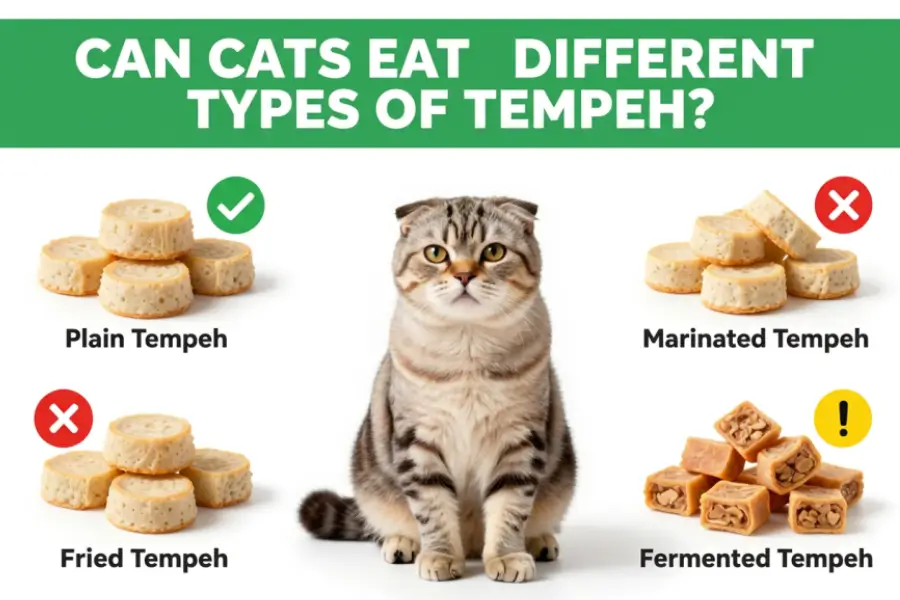
Can Cats Eat Different Types of Tempeh?
|
Type of Tempeh |
Safe? |
Notes |
| Plain tempeh | Marginally | Tiny amounts only. No nutritional benefit for cats. |
| Cooked plain tempeh | Marginally | Slightly easier to digest than raw. Still not recommended. |
| Raw tempeh | Risky | Higher in anti-nutritional factors. Avoid. |
| Fried tempeh | No | High fat often contains salt and spices. Can cause pancreatitis. |
| Smoked tempeh | No | Smoke compounds and added salt are harmful. |
| Marinated tempeh | No | It usually contains garlic, onion, soy sauce, and vinegar, all dangerous for cats. |
| Seasoned tempeh | No | Spices, including chili, pepper, and curry are toxic to cats. |
| Frozen plain tempeh | Marginally | Check ingredients before thawing. Treat it the same as plain tempeh. |
Risks and Side Effects of Tempeh for Cats
1. Digestive Upset
Even plain tempeh can cause digestive issues in cats due to its high fibre content and the presence of oligosaccharides called raffinose and stachyose. Cats lack the intestinal enzymes needed to break these sugars down, which means gut bacteria ferment them instead, producing gas, bloating, and loose stools.
2. Soy Allergy and Intolerance
Soy is one of the most common dietary allergens in cats. Approximately 10% of all food-related allergic reactions in cats are attributed to soy. Symptoms of a soy allergy in cats can include:
- Vomiting and diarrhoea
- Excessive scratching and skin irritation
- Hair loss, particularly on the back, neck, and head
- Red, swollen, or itchy ears
- Weight loss in chronic cases
3. Thyroid Interference
Phytoestrogens in soy, particularly isoflavones, have been linked to thyroid disruption in cats. Regular soy consumption may suppress thyroid hormone production, potentially leading to hypothyroidism, a condition that causes weight gain, lethargy, cold intolerance, and skin problems.
4. Unbalanced Nutrition
If a cat replaces any portion of their meat-based diet with tempeh, they risk becoming deficient in taurine, arginine, arachidonic acid, vitamin A, and other essential nutrients. These deficiencies can cause serious, sometimes irreversible health problems, including heart disease, blindness, and reproductive failure.
5. Kidney Concerns
Cats with pre-existing kidney disease or reduced kidney function may have difficulty processing the plant protein load in soy products. Always consult your veterinarian before offering any new food to a cat with a known health condition.
6. Weight Gain from Fried Tempeh
Fried tempeh absorbs significant amounts of cooking oil during preparation. High-fat foods can contribute to obesity and may trigger pancreatitis in cats, a painful and potentially life-threatening inflammation of the pancreas.
Can Dogs Eat Tempeh?
Yes, dogs can eat plain, fully cooked tempeh in small amounts, but it should be an occasional treat rather than a regular part of their diet. Tempeh is made from fermented soybeans and provides plant-based protein, fiber, and several nutrients.
However, not every type of tempeh is suitable for dogs. Flavored or seasoned tempeh may contain garlic, onion, chili, excessive salt, sauces, or other ingredients that can be harmful to dogs.
Is Tempeh Safe for Dogs?
Plain tempeh is generally safe for most healthy dogs when served properly. Start with a very small portion because soy and fermented foods can cause digestive problems in some dogs.
Foods Often Mixed With Tempeh That Are Dangerous for Cats
The biggest risk with tempeh is not the tempeh itself but the ingredients it is cooked or seasoned with. The following common tempeh accompaniments are toxic or harmful to cats:
|
Ingredient |
Toxicity Level |
Effect on Cats |
| Garlic | HIGH — Toxic | Damages red blood cells; causes haemolytic anaemia even in small doses |
| Onion | HIGH — Toxic | Contains thiosulphates that destroy red blood cells |
| Soy sauce | HIGH — Harmful | Extremely high sodium; can cause salt toxicosis, tremors, and seizures |
| Chilli / chilli powder | Moderate | Causes oral and gastrointestinal irritation |
| Black pepper | Moderate | Irritates mucous membranes and digestive tract |
| Curry powder | Moderate | Contains spices (and often garlic/onion) harmful to cats |
| Vinegar / acids | Mild | Can cause gastric irritation in sensitive cats |
| Excess salt | HIGH | Excessive sodium causes dehydration, high blood pressure, and kidney damage |
| Cooking oils | Moderate | High fat content; risk of pancreatitis and obesity |
| Artificial sweeteners (xylitol) | SEVERE — Toxic | Potentially fatal; causes hypoglycaemia and liver failure |
What Happens If a Cat Eats Tempeh?
If Your Cat Ate a Small Bite of Plain Tempeh
There is no need to panic. A pea-sized piece of plain, unseasoned tempeh is very unlikely to cause serious harm in a healthy adult cat. Your cat may show mild digestive symptoms such as softer stools or temporary gas, but these typically resolve on their own within 24 hours. Monitor your cat closely and ensure fresh water is available.
If Your Cat Ate a Large Amount of Plain Tempeh
A larger quantity of tempeh can overwhelm your cat’s digestive system, particularly due to the high fiber and oligosaccharide content. You may see vomiting, diarrhea, abdominal bloating, or reduced appetite. Offer small amounts of water frequently and withhold food for a few hours if vomiting occurs. Contact your vet if symptoms persist beyond 24 hours.
If Your Cat Ate Seasoned, Marinated, or Fried Tempeh
This is a more urgent situation, particularly if the tempeh contained garlic, onions, soy sauce, large amounts of salt, or artificial sweeteners. Even small amounts of garlic and onion are toxic to cats. Contact your veterinarian or an emergency pet poison helpline immediately.
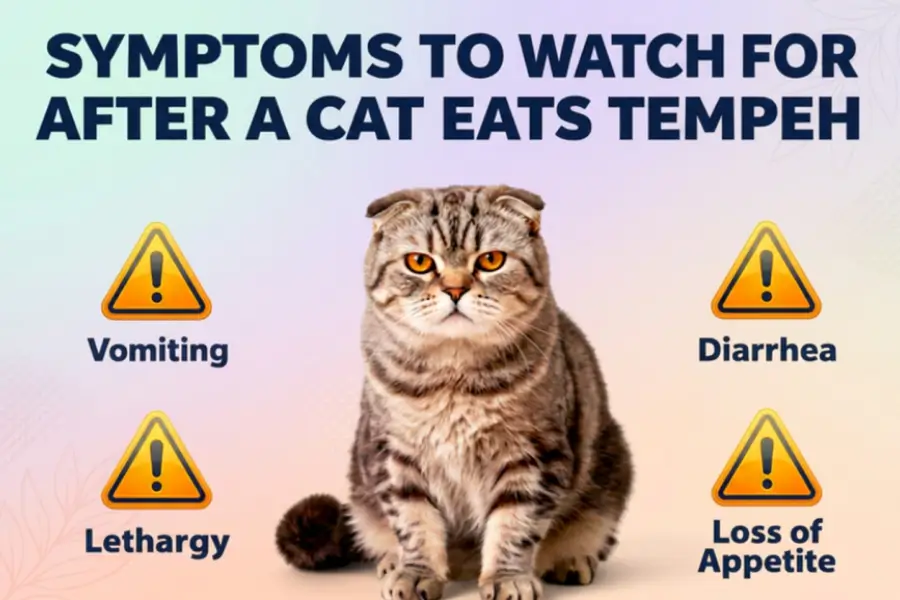
Symptoms to Watch For After a Cat Eats Tempeh
After your cat eats any amount of tempeh, watch closely for the following symptoms over the next 24 to 48 hours:
|
Symptom |
Likely Cause |
Action Required |
| Vomiting | Digestive upset / intolerance | Monitor; contact vet if persists over 24 hours |
| Diarrhoea | High fibre / soy intolerance | Withhold food briefly; ensure hydration, and call vet if bloody |
| Gas and bloating | Raffinose / stachyose fermentation | Usually resolves; monitor for abdominal pain |
| Loss of appetite | Nausea / digestive irritation | Monitor for 24 hours; contact vet if continues |
| Lethargy / weakness | Possible toxin exposure | Contact vet promptly |
| Excessive thirst / urination | High sodium intake | Provide water; contact vet |
| Pale or yellow gums | Possible haemolytic anaemia (garlic/onion) | EMERGENCY — Contact vet immediately |
| Difficulty breathing | Severe allergic reaction | EMERGENCY — Contact vet immediately |
| Tremors / seizures | Salt toxicosis or toxic seasoning | EMERGENCY — Contact vet immediately |
What Should You Do If Your Cat Eats Tempeh?
Follow these steps calmly and methodically:
- Step 1 — Determine how much was eaten: A small nibble is very different from a large portion. Try to estimate the quantity.
- Step 2 — Read the full ingredient list: Check the packaging or recall what was in the tempeh dish. Look for garlic, onion, soy sauce, salt, spices, or artificial sweeteners.
- Step 3 — Watch for symptoms: Monitor your cat closely for the next 24–48 hours. Note any vomiting, diarrhea, lethargy, or behavioral changes.
- Step 4 — Provide fresh water: Ensure your cat has access to clean, fresh water at all times. This is especially important if high sodium content was involved.
- Step 5 — Contact your veterinarian: Call your vet if the tempeh contained harmful ingredients, if your cat ate a large amount, or if any symptoms develop. For emergencies involving garlic, onion, or soy sauce, contact a pet poison control hotline immediately
When Should You Call a Veterinarian?
Contact your veterinarian without delay if any of the following apply:
- Your cat ate tempeh containing garlic, onion, soy sauce, or artificial sweeteners
- Your cat is showing persistent vomiting (more than twice in an hour)
- Diarrhoea is severe, bloody, or has continued for more than 24 hours
- Your cat is lethargic, weak, or unable to stand
- Your cat has pale, white, or yellow-tinged gums
- You notice swelling of the face or throat, suggesting an allergic reaction
- Your cat is experiencing tremors or has had a seizure
- The affected cat is a kitten, a senior cat, or a cat with a pre-existing health condition such as kidney disease, diabetes, or hyperthyroidism
Healthier Protein Alternatives for Cats
If you want to give your cat a high-protein treat, there are far better options than tempeh that align with their biological needs as obligate carnivores. Here are the best alternatives:
|
Protein Source |
Safe for Cats? |
Key Benefits |
| Cooked chicken breast | ✅ Yes | Lean animal protein; high in taurine; easy to digest |
| Cooked turkey | ✅ Yes | Excellent amino acid profile; low fat; cats love it |
| Cooked salmon | ✅ Yes | Rich in omega-3 fatty acids; supports skin and coat health |
| Canned tuna (occasionally) | ⚠️ Occasional | Good protein source; limit due to mercury and tuna addiction risk |
| Cooked eggs | ✅ Yes | Complete protein; high in essential amino acids including taurine |
| Cooked shrimp | ✅ Yes | High protein; low fat; excellent occasional treat |
| Commercial cat treats | ✅ Yes | Formulated for feline nutrition; complete and balanced |
| Raw diet (vet-supervised) | ✅ Yes (supervised) | Biologically appropriate; must be nutritionally complete |
Always serve protein treats plain and unseasoned. Cooked is preferred over raw for food safety. Treats should make up no more than 10% of your cat’s total daily calorie intake, with the remaining 90% coming from a complete and balanced commercial cat food.
Pros and Cons of Tempeh for Cats
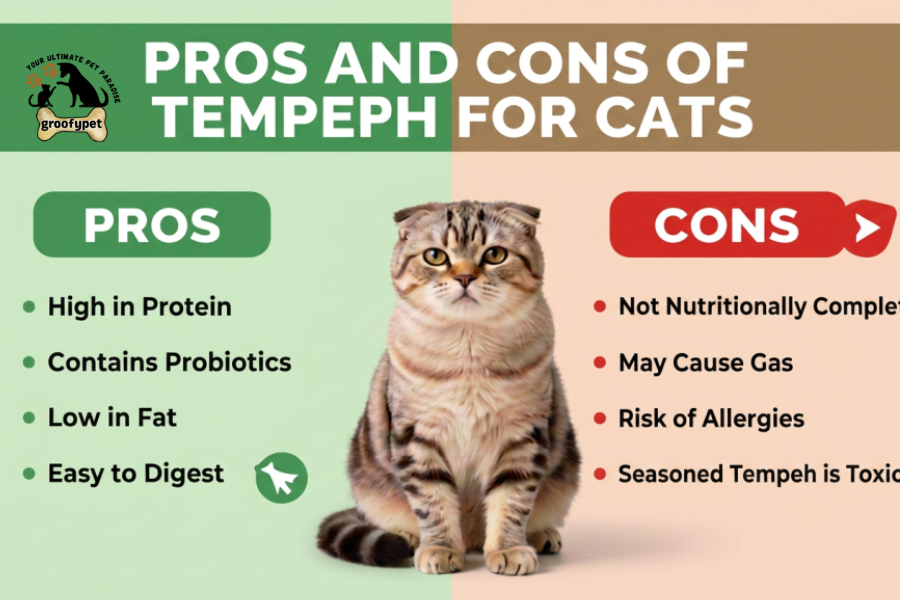
- High in plant protein (19–20g per 100g)
- Contains iron, calcium, zinc, and B vitamins
- Fermentation reduces anti-nutritional factors
- Low in sugar
- Plain, tiny amounts unlikely to be toxic
- Common allergen in cats (10% of food allergies)
- Not a complete protein source for cats
- Missing essential taurine, arginine, and arachidonic acid
- High fibre causes digestive upset in cats
- Commercial tempeh contains harmful seasonings
Frequently Asked Questions
Can cats eat plain tempeh?
Yes, but only in a very small amount and only occasionally. Plain, unseasoned tempeh with no additives is unlikely to harm a healthy adult cat in a tiny portion (2–5 grams). It offers no meaningful nutritional benefit, however, and should not be offered regularly.
Is fermented soy safe for cats?
Fermented soy such as tempeh is slightly more digestible than unfermented soy due to reduced anti-nutritional factors. However, it still lacks essential amino acids cats need and contains phytoestrogens that may affect thyroid function. It is not considered a safe regular food for cats.
Can kittens eat tempeh?
No. Kittens should not eat tempeh. Their developing digestive systems and critical nutritional needs make soy products particularly inappropriate for young cats. Do not intentionally feed tempeh to kittens at any age.
Can cats eat cooked tempeh?
Cooked plain tempeh is slightly easier to digest than raw. A very small amount of cooked, unseasoned tempeh is marginally safer than raw tempeh. However, it is still not recommended as a regular treat.
Can cats eat fried tempeh?
No. Fried tempeh is high in fat and often contains salt, spices, and other seasonings. The high fat content increases the risk of pancreatitis, and added seasonings (particularly garlic or onion) can be toxic. Avoid fried tempeh for cats completely.
Is soy bad for cats?
Soy is not immediately toxic to cats, but it is not a beneficial food for them either. Small amounts in commercial cat food (where it serves as a filler or protein supplement) are generally considered acceptable by veterinary nutritionists, but intentional soy feeding is not recommended.
How much tempeh can a cat eat?
If you choose to let your cat try plain tempeh at all, limit it to no more than 2–5 grams (roughly the size of a small pea) as a one-off curiosity. Do not offer it more than once, and never offer it in place of a regular meal. Tempeh is not a treat worth the potential downsides.
What happens if my cat eats tempeh?
If your cat ate a small amount of plain tempeh, they will likely be fine. Monitor for digestive symptoms. If your cat ate a large amount, or if the tempeh was seasoned, marinated, or contained garlic or onion, contact your veterinarian promptly.
Can cats eat tempeh regularly?
No. Even if your cat tolerates small amounts of plain tempeh without symptoms, regular consumption is not advisable. Ongoing soy intake risks thyroid disruption, nutritional imbalances, and the development of soy intolerance or allergy over time.
What is the best protein source for cats?
The best protein sources for cats are animal-based: cooked chicken, turkey, salmon, cooked eggs, and shrimp are all excellent choices. These provide complete amino acid profiles, including taurine and arginine, which cats cannot obtain from plant proteins.
Final Thoughts
Cats are obligate carnivores, so can cats eat tempeh? Tempeh offers no meaningful nutritional benefit for cats and carries real risks from soy allergies and thyroid interference to the near-certain presence of harmful seasonings in real-world tempeh dishes.
The best approach is to keep tempeh off your cat’s plate entirely and offer them a small piece of plain cooked chicken instead. If your cat accidentally eats a small amount of plain tempeh, monitor for 24–48 hours. If the tempeh contains garlic, onion, soy sauce, or excessive salt or your cat develops concerning symptoms, contact your veterinarian immediately.
Can Cats Eat Acorn Squash? Benefits, Risks, and Safe Feeding Guide