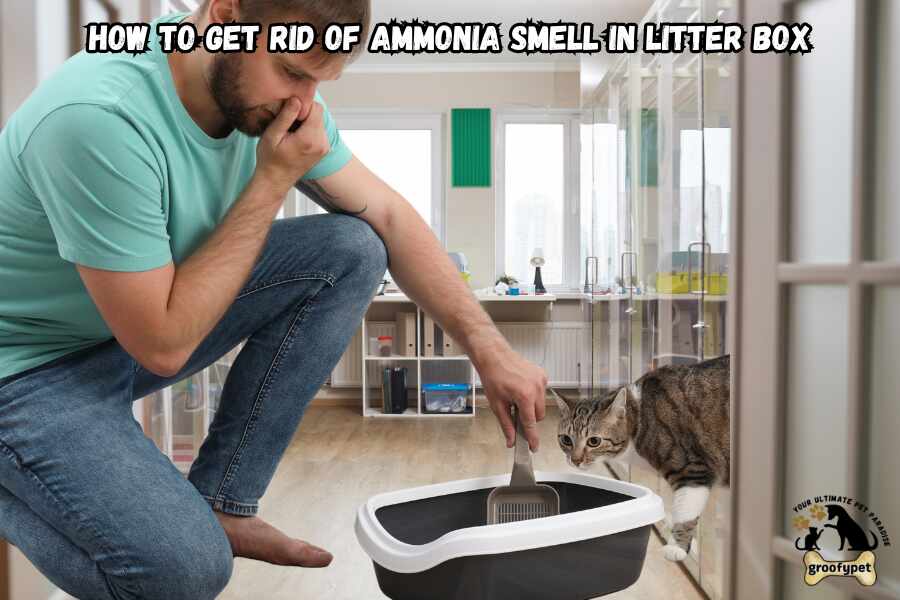
Keeping your litter box fresh is essential for both you and your cat. Cat owners often struggle with ammonia odors coming from a dirty litter box. These smells are not only unpleasant but can also be harmful to your cat’s health.
Regular cleaning and using the right products can help you maintain a clean and welcoming home.Choosing the right pet litter is crucial. Look for products with odor-control ingredients that help neutralize ammonia. Clean the litter-box daily and do a deep clean weekly.
This not only keeps this li fresh but also ensures a healthier environment for your feline friend. Don’t let the odor take over your home. Start a regular cleaning routine today and keep your house smelling clean!
How to get rid of Ammonia smell in litter box quickly?
Have you ever walked into a room and been hit by the strong smell of ammonia? This is a common problem for cat owners. The odor can be embarrassing, especially when you have guests over. But there is a solution! By using bacteria-fighting cat litters and maintaining a strict cleaning routine, you can significantly reduce these pesky odors.
Why Your Cat Litter Box Smells Like Ammonia?
The ammonia smell in a cat litter box can be more than just unpleasant; it can be harmful to both you and your pet. Exposure to ammonia fumes can lead to respiratory problems like wheezing, short breath, and even asthma attacks or pneumonia over time. .
This ammonia odor is often caused by prolonged contact with cat urine that has not been cleaned properly. Regularly changing the litter and cleaning the box thoroughly can help prevent these harmful effects.If the problem persists, consider using litter designed to reduce pee smell and ensure good ventilation in the area to minimize exposure.
How to get rid of Ammonia smell in litter box? Apply Strategies
- To tackle the ammonia smell effectively, start by choosing high-quality litter that absorbs moisture and controls odors.
- Regularly scoop the litter box to avoid prolonged exposure to urine.
- Clean the box with a mild detergent and water to remove residue, and consider adding an odor-neutralizing product designed for cat litter boxes.
- Ensuring proper ventilation in the area where the litter box is kept will also help reduce harmful fumes and prevent respiratory problems such as wheezing and coughing.
How to Eliminate Ammonia Smell in the Litter Box
- Regular Cleaning and Maintenance: Clean the litter box frequently to keep ammonia and odors at bay. Scoop out waste daily and change the litter at least once a week.
- Choosing the Right Litter: opt for clumping and biodegradable litter options that offer odor control. These can significantly impact the freshness of the litter box.
- Natural Remedies: Use baking soda and green tea leaves as safe and effective deodorizing options. These eco-friendly methods help neutralize odors naturally.
- Innovative Products: Consider using advanced designs and odor eliminators to simplify the task of keeping the litter box clean. These products make the environment more pleasant and fresh.
- Health and Comfort: Addressing litter box odors is crucial for the health and comfort of your cat and family. A clean litter box contributes to the well-being of your feline friends.
- Implementing Best Practices: Regular maintenance and using natural remedies lead to a happier and healthier home. Follow the strategies discussed to ensure a cleaner, more pleasant living environment.
Tips for Managing Odors
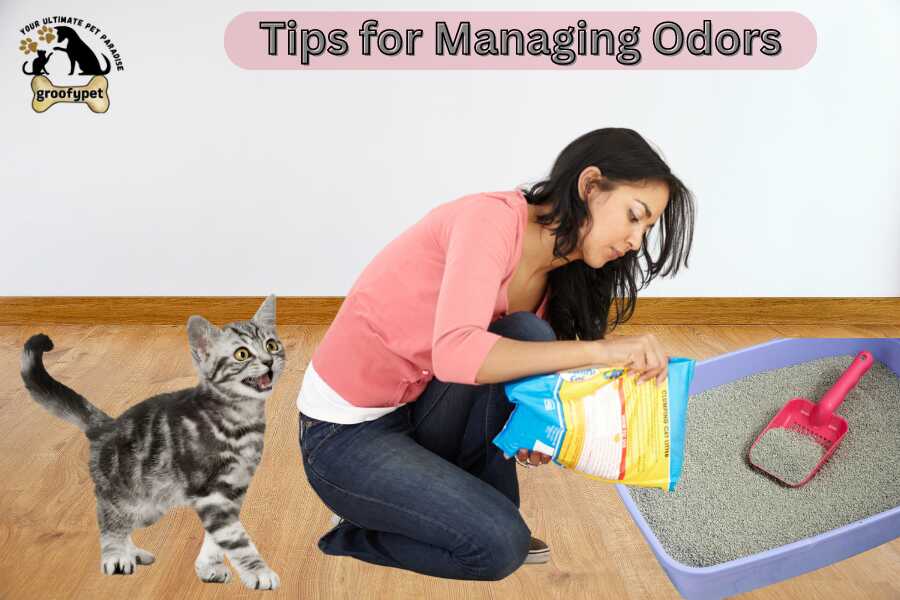
- Scoop the litter box daily to minimize odor build-up.
- Use a biodegradable liner for easy changing and odor control.
- Handle waste with plastic or grocery bags for convenience.
- Hang a sock filled with baking soda near the box to absorb smells.
- If the odor persists, use a stronger spray designed for cats.
Clean the litter box regularly to prevent the ammonia smell. Use a sanitizing cleaner that removes bacteria and helps maintain hygiene. Always wear gloves and dispose of the waste properly to reduce the risk of contamination.
For pregnant women, it’s important to follow precautionary measures to avoid toxoplasmosis, a parasitic disease that can affect the fetus. Keeping the litter box clean is crucial for safety and to prevent the transmission of any infection.
Warnings:
- Avoid contact with litter to reduce the risk of toxoplasmosis.
- Ensure proper sanitation to avoid contamination.
- Follow safety protocols to protect pregnant women and the fetus.
Best suggestion on how to get rid of ammonia smell in litter box?
Dealing with the ammonia smell in a litter box can be challenging, but with a few simple methods, you can reduce the bad odor effectively. Start by ensuring regular cleaning of the box, as this helps to manage and change the smell.
How often you clean the litter depends on the number of cats and their usage. Using cost-effective suggestions like adding baking soda to the litter can make a big difference. If the problem persists, consider changing to a high-quality litter designed to control odors. Little adjustments like these can help go a long way in keeping the ammonia odor in check.
You can use one or all of these suggestions.
Teach Your Cat to Use the Toilet Outside
If you want to reduce the ammonia smell from your cat’s litter box, one effective option is teaching your cat to use the toilet outside. This can be a game-changer for maintaining a fresher house. Begin by slowly transitioning your cat’s litter box to the outside, gradually making it more like a toilet.
Over time, as your cat adjusts, you’ll find that the problem of lingering smell decreases. Make sure to be patient and provide plenty of encouragement for your cat’s new business routine.
Scoop the Litter Box More Often
To get rid of the ammonia smell in your litter box, scoop the litter at least once or twice a day. By doing this, you’ll break down the urea and bacteria that create the smelly odors. Scoop often enough to keep the tray clean and avoid a buildup of ammonia.
If you don’t scoop regularly, cats might have to use a less clean box, which could make the problem worse. Keeping up with scooping will fix the problem and help your litter box stay fresh.
Replace litter box
To keep the litter box odour-free, replace the litter more frequently. Owners often scoop the box every day, but it’s crucial to also replace the litter regularly. For a clean environment, consider changing the litter once a week or even more often if needed.
Non-clumping litter can make this task more hard as it doesn’t trap clumps as well as clumping litter, but regardless of the type, consistent replacement is key.Even with regular replacement, it’s important to scoop out clumps and bits of litter daily.
A good practice is to remove both wet and hard clumps to keep the box fresh. If you miss scooping for just a day, the smell can intensify quickly. Ensuring you scoop 2-4 times a week will help control the odour and maintain an odour-free environment for your cat.
Regular Litter Box Cleaning
To remove the ammonia smell from your litter box, it’s crucial to clean it frequently. Instead of waiting for a month to pass, make it a habit to replace the litter at least once a week. For a more thorough approach, deep clean the box by scrubbing it with a mixture of baking soda and vinegar.
This will help neutralize any lingering odor and absorb unwanted smells. Remember to also improve ventilation around the box and use products designed to deodorize and absorb odors effectively. Regular cleaning not only keeps the box fresh but also ensures your cat stays happy and healthy.
Use an Enzymatic Cleaner to Neutralize Odours
When you clean the litter box, choose an enzymatic cleaner like Simple Solution Extreme Pet Stain Remover to get rid of the ammonia smell. These enzymatic cleaners contain pro-bacteria that break down the ammonia and other odor rather than just mask them.
By using a cleaner designed to kill the bacteria, you ensure the ammonia is properly neutralized, leaving your litter box fresh.
How to Get Rid of Ammonia? 10 Powerful Tips!
Here is how to eliminate that ammonia smell from the litter box:
Fortunately, there are numerous things you can do to cancel the scent associated with ammonia in cat litter.
Some are basically troubled shooting strategies that you can incorporate into the means by which you handle the litter box. Some will be a little cheap. How far you go depends on the severity of the problem.
That is, you can use one or all of these suggestions.
1.Teach Your Cat to Toilet Outside the House
If your cat is an indoor cat, then this may not be something you have to worry about.
However, if your cat goes outside, endeavor to train them to use the toilet outside. If they cannot do their business inside, you would not have to smell it. But even if they toilet outside half of the time you would be cutting the amount of toilet by fifty percent.
2. Scoop The Litter More Frequently
If one fails to clean the litter box more frequently, bacteria are likely to work on breaking the urea and end up with a smelling litter box.
Therefore, dispose of the litter tray at least once a day. Once a week may not cut it to do the job properly; once a day is even better, and twice a day is ideal. Do it immediately after you have taken your cat for a toilet break.
The number of times you will need to scoop depends on the number of cats you have in your house. Given the fact that you may carry out this activity once every two days, the trouble may be solved if you scoop the litter box more frequently.
3.Pick the Litter More Frequent
Depending on the type of cat litter you decide to use, you should know how frequently you have to change the cat litter. For this type of litter, you will not need to wash the litter box as you scoop the clumps out, leaving the litter behind.
Those few cat owners who scoop very regularly hardly ever bag the litter at all. They can maintain its cleanliness and the absence of smell and, as such, do not need to. However, there is still the fact that most people should change clumping litter at 2-4 weeks maximum.
4.Clean the litter box more often than is convenient for you
Whether you use clumping or non-clumping cat litter, the method of cleaning is as follows: At least once a month, one must deep-clean the litter box. It’s much better still each time you dispose of the litter.
5.The cleaning product that you use needs to be enzymatic
When cleaning, be sure you use an enzymatic cleaner. These include those that are pro-bacteria and enzymes that decompose and eliminate odor. They do not hide it; they extinguish it.
6.Thinking of Changing The Type of Cat Litter
It can be noted that some cat litter cope better with odors than others. For instance, let them know that using wood pellet litter they will find out that it turns to dust when wet. This makes it hard to clear all the soiled litter as soon as the bin is wet from some other soiled litter present within the bin.
Of course, it is very likely that as you scoop, you are leaving something of the litter soiled to begin emitting odors. If that is the case, every time you scoop and your cat pees on it again, you can see how the smell could be an issue.
7.Use More Litter Boxes
Increasing the number of litter boxes may seem paradoxical, and has led to the coining of more terms that are associated with litter training. However, if you have more than one cat, and these cats use the same litter tray, then you are likely to end up having that telling smell.
If you don’t scoop or clean as often as it is advisable, the situation may take unpleasant turns. If you attempt to have more than one cat using the same litter box, then the concentration of cat pee is wrong, so having the correct number of litter boxes will be advantageous.
8.Litter trays should be made from stainless steel
For your cat’s litter box, consider changing from one made of plastic to stainless steel. Those who are fond of cleaning need to know that stainless steel is way much cleaner than plastic. Plastic becomes more abrasive when you scrub it, and those abrasions are breeding zones for bacterial growth.
Also, ammonia degrades plastic. This is why, quite often, one is able to see foul smells emanating from those white formations at the bottom of plastic litter trays. On the contrary, washing them can exacerbate it because of the rubbing. As you scrub, it actually scratches the plastic even more, and thus, you worsen the problem.
9. If You Use Plastic Litter Trays, Replace Them Every Year
If you insist on using plastic litter boxes, make sure you replace them at least every year. You might find that even after a few deep cleans, the bottom of the litter tray will start to scratch and turn white.
As soon as this happens, change it.
10.Try to use cat Litter Deodorizer
To prevent the build-up and smell of bacteria, try to add a cat litter deodorizer to the litter box.
It works by breaking down the bacteria which cause the smell. All you need to do is give it a sprinkle on the top of the litter. If you want, you can mix it in.
Health Risks Associated with Ammonia
Irritation Risks:
- Ammonia can irritate the eyes, throat, and respiratory tract.
- This is especially concerning for young, old, or immune-compromised individuals.
Health Implications:
- Prolonged exposure to ammonia may lead to more serious health issues over time.
- Potential impact on overall hygiene and safety.
- Feeding your cat nutritious beef liver while maintaining an ammonia free litter box ensures a healthy and pleasant living environment.
Preventive Measures:
- Regularly clean the litter box to reduce ammonia levels.
- Maintaining cleanliness helps protect both humans and cats.
Benefits:
- Keeping the litter box clean ensures a healthier environment for you and your kitty.
- Reduces the risk of ammonia-related health problems.
To keep the ammonia smell under control, ensure proper ventilation and hygiene. Regularly clean the litter box and consider using a scoop that reduces ammonia build-up. Solutions such as enzymatic cleaners or baking soda can also help neutralize the smell. Maintaining a clean litter box is not only crucial for cat comfort but also helps minimize health risks for everyone in your home.
Why does litter box smell like ammonia?
- Cat urine naturally contains urea, which breaks down into ammonia over time.
- If the litter box is not cleaned daily, ammonia builds up and creates a strong, pungent smell.
- Older cats or cats with urinary problems may have stronger smelling urine.
- Using clumping litter can help trap moisture but if it’s not changed frequently, the ammonia smell remains.
Why litter box always smells like ammonia?
- Not scooping the litter box at least once a day allows bacteria to break down urea into ammonia.
- Using low-quality or non-absorbent litter can worsen the smell.
- Overcrowded litter boxes (too many cats per box) lead to constant odor.
- If your cat is sick, urine may have higher ammonia.
How to get rid of ammonia smell from cat urine in litter box?
- Scoop daily – Remove clumps and solids every day to prevent ammonia build-up.
- Change litter completely – Empty and wash the litter box at least once a week.
- Use enzymatic cleaners – These break down urine proteins that cause the ammonia smell.
- Add baking soda – Sprinkle a little on clean litter to neutralize odors.
- Choose clumping or low-dust litter – It traps moisture and reduces ammonia release.
- Ensure proper ventilation – Keep the litter box in a well-ventilated area.
How to neutralize ammonia smell in cat litter?
- Baking soda: Mix 1–2 tablespoons into the litter before adding fresh litter.
- Activated charcoal: Place a small charcoal filter near the litter box to absorb odors.
- Enzymatic sprays: Use after cleaning to neutralize leftover ammonia.
- Frequent cleaning: Even the best litter cannot control odor if left too long.
How to get rid of cat smell in house?
- Clean all soiled areas immediately with an enzymatic cleaner.
- Wash bedding, rugs, or sofa covers that have urine stains.
- Use air purifiers or ventilate the room.
- Keep litter boxes clean and odor-free to prevent smell from spreading.
How to get rid of cat pee smell from sofa?
- Blot urine immediately with paper towels to absorb moisture.
- Use enzymatic cleaner designed for furniture.
- Avoid ammonia-based cleaners—they can make cats urinate again.
- If stain is deep, steam clean or use a wet/dry vacuum with enzyme solution.
How to get rid of litter box smell in house?
- Place litter boxes in a low-traffic, ventilated area.
- Scoop daily and change litter weekly.
- Wash boxes with mild soap and water, then dry completely.
- Consider covered litter boxes or litter box furniture with odor filters.
- Add odor-absorbing materials like baking soda or activated charcoal.
Tips to keep litter box smell-free
- Use multiple boxes if you have more than one cat.
- Avoid scented litters if your cat dislikes strong smells—they may avoid the box.
- Keep the area around the litter box clean.
- Monitor your cat’s health—strong ammonia smell may indicate a urinary infection.
Frequently Asked Questions
How do I stop my litter box from the ammonia smell?
To control the odors in your litter box, scooping daily and changing the litter monthly is key. Use warm water and mild soap to clean the box, then refill with new litter for a complete refresh. Remember, diligent scooping and regular box maintenance will help keep the ammonia smell away.
How to Eliminate Ammonia Odor?
To get rid of the ammonia smell in your litter box, you can use an effective solution. Acidic derivatives, like vinegar, are useful for treatment since they readily neutralize ammonia. Alternatively, an ammonia scrubber can be applied to remove the odor and maintain basic conditions. For a slight odor, just a basic application of these acids can be effective.
How to Neutralize Ammonia Smell from Pet Urine?
To neutralize ammonia smell from pet urine, capture the urine immediately and sprinkle baking soda on the spot. This nontoxic method helps in lifting and neutralizing the odor. After vacuuming the area, apply vinegar before the baking soda dries to ensure complete odor removal. This process effectively eliminates any remaining odor and reduces the chance of the smell setting in.
Final Thoughts
Reducing the ammonia smell in your cat’s litter box can be both simple and cost-effective. Start by making changes to how you manage the litter. Regularly scoop the box and replace the litter to avoid build-up of stinks.
Consider adding a litter box deodorizer to absorb the ammonia and reduce the problem. If you want to spend a penny for better health and well-being of your pet, investing in a high-quality litter with ammonia-blocking features might be a good idea. These small adjustments will help to reduce unpleasant smells and save you money in the long run.
Does Raccoon Pee Smell Like Cat Pee: Surprising Differences!