Can cats eat sea moss? Sea moss is rich in iodine, magnesium, potassium, and a long list of vitamins and minerals; this red algae has earned its reputation as a natural health booster for humans. But as pet owners, we tend to want the best for our cats too.
Sea moss has taken the wellness world by storm. Walk into any health food store or scroll through social media, and you will find sea moss gel, sea moss capsules, and sea moss powder being promoted as the ultimate superfood supplement. When something is praised for its nutritional benefits in people, the natural next question is, can cats eat sea moss as well?
The short answer is yes, cats can eat sea moss in very small, occasional amounts, and most experts consider it generally safe when given properly. However, there are important caveats. Cats are obligate carnivores with very different nutritional needs from humans.
Sea moss is not a natural or necessary part of a feline diet. Before adding any supplement to your cat’s meals, understanding both the potential benefits and the real risks is essential. This guide covers everything you need to know from the nutritional profile of sea moss to safe serving sizes, health benefits, risks, and what veterinarians recommend.
Can Cats Eat Sea Moss?
Yes, cats can eat sea moss, but only in very small quantities and not as a regular dietary staple. Sea moss, also known as Irish moss or by its scientific name Chondrus crispus, is a type of red algae found along the Atlantic coastlines of Europe and North America.
It is also commonly harvested as Gracilaria, a related species popular in Asian countries, including Japan, South Korea, and China. Sea moss is not inherently toxic to cats. In tiny doses, it can offer some trace minerals that support feline health.
However, cats do not naturally seek out or require seaweed or algae in the wild. Their bodies are designed to derive nutrition almost entirely from animal protein. This means sea moss should always be treated as an occasional supplement, never a food replacement.
Moderation is the key word here. What makes sea moss potentially helpful in small amounts — its high iodine content, mineral density, and polysaccharides — is exactly what makes it potentially harmful in large amounts. Too much sea moss can overwhelm a cat’s system, particularly its thyroid gland, which is highly sensitive to iodine fluctuations.
Is Sea Moss Safe for Cats?
Sea moss is generally safe for cats in very small amounts when it is plain and free from added sugars, flavors, or other ingredients. It contains minerals and nutrients that may support overall health.
When Sea Moss May Be Safe
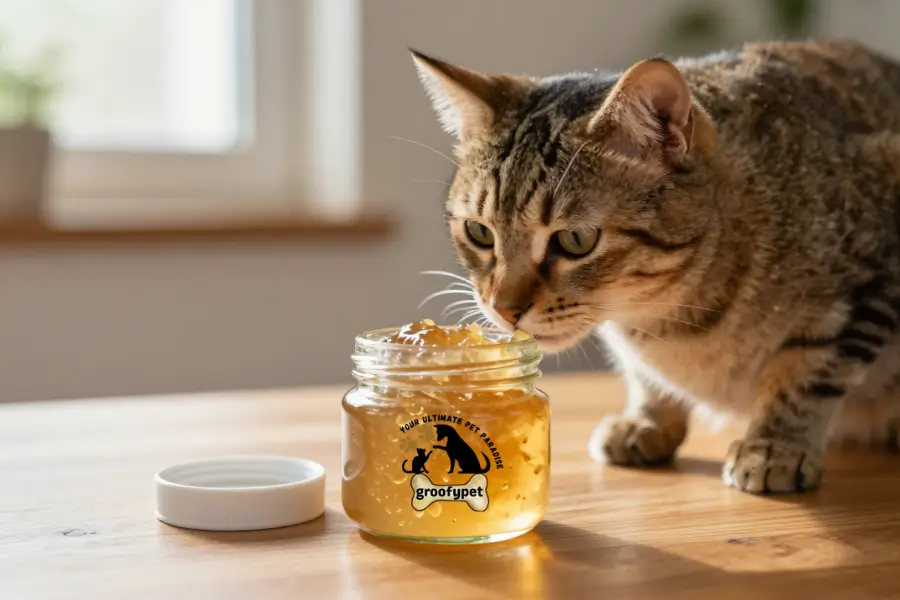
Sea moss is considered safe for cats under specific conditions. Feeding a small, occasional amount, like a pea-sized portion of sea moss gel mixed into wet food, is generally tolerated by healthy adult cats. The sea moss should be clean, properly processed, and free of additives, salt, seasoning, or artificial flavors.
Vet-approved sea moss supplements formulated specifically for pets are the safest route. These products are dosed appropriately for animal body weight and processed to remove contaminants. When a veterinarian gives the go-ahead and recommends a reputable product, sea moss can be incorporated as a minor nutritional supplement.
When Sea Moss May Not Be Safe
Sea moss becomes risky in several scenarios. Raw or poorly processed sea moss may contain heavy metals, microbial contaminants, or environmental toxins absorbed from ocean water. It should never be sourced casually or fed without knowing its origin.
Overuse is another serious concern. Feeding sea moss daily or in large doses can cause iodine overload, which directly impacts thyroid function in cats.
Cats with existing thyroid conditions, particularly hyperthyroidism, which is already one of the most common feline health disorders, should not be given sea moss without explicit veterinary approval. Poor-quality supplements from unverified brands may also contain unlisted additives that are harmful to cats.
Nutritional Value of Sea Moss
- Sea moss is genuinely nutrient-dense. Here is what it contains that may be relevant to feline health:
- Iodine — Supports thyroid function, but excess iodine is dangerous for cats. This is the most critical nutrient to monitor.
- Iron — Plays a role in oxygen transport and energy production. Relevant to feline health but already present in balanced cat food.
- Magnesium — Important for muscle function and nerve signaling. Cats do need magnesium, though excessive amounts can contribute to urinary tract issues.
- Calcium — Supports bone health and muscle contraction. Again, cats that eat balanced commercial diets typically get sufficient calcium.
- Potassium — An essential electrolyte for heart and kidney function. Potassium deficiency can cause weakness and lethargy in cats.
- Vitamin A—a fat-soluble vitamin essential for vision and immune health. Cats cannot synthesize vitamin A from beta-carotene like humans, so preformed vitamin A is important.
- Vitamin C — Cats produce their own vitamin C, so supplementation is rarely needed.
- Vitamin E — An antioxidant that supports immune health and cell membrane integrity.
- Vitamin K — Important for blood clotting.
Sea Moss Nutrition Overview
Beyond individual vitamins and minerals, sea moss contains a meaningful amount of dietary fiber in the form of polysaccharides, including carrageenan. Carrageenan acts as a natural thickener and has mild prebiotic effects that can support gut health in small doses. However, degraded carrageenan (also called poligeenan) has been associated with gastrointestinal inflammation.
Sea moss is low in calories, which makes it non-threatening from a weight perspective. It also has high water content, which can contribute marginally to hydration, particularly beneficial when mixed into dry cat food. However, hydration should never be managed through sea moss alone.
Health Benefits of Sea Moss for Cats
Sea moss contains vitamins, minerals, and antioxidants that may help support your cat’s immune system, skin health, and overall well-being. It also provides small amounts of fiber, which may help support healthy digestion.
1. Supports Immune System
The antioxidants, vitamins, and trace minerals in sea moss — particularly vitamins A, C, and E — can contribute to a stronger immune response. In small amounts, these compounds help neutralize free radicals and support the body’s ability to fight off infection and disease.
2. Provides Trace Minerals
Commercial cat food covers the macronutrient bases, but trace mineral content can vary by brand and formulation. Sea moss offers a natural source of iodine, iron, zinc, magnesium, and selenium in a food-form matrix, which may be more bioavailable than isolated synthetic minerals.
3. May Support Skin Health
The combination of vitamins A and E in sea moss supports skin cell turnover and barrier function. Cats that suffer from dry, flaky, or irritated skin may benefit marginally from the anti-inflammatory polysaccharides found in sea moss.
4. Promotes Healthy Coat
Omega-3 fatty acids are typically the go-to supplement for a shiny coat, but the trace minerals in sea moss — particularly iodine and sulfur compounds — also contribute to coat health by supporting the health of the follicle and skin beneath the fur.
5. Helps Digestion in Small Amounts
Sea moss is a natural prebiotic. Its fiber content can gently support the growth of beneficial gut bacteria in small doses. Some cat owners report that mixing a tiny amount of sea moss gel into food helps with mild digestive irregularity, though this should not substitute for a vet-evaluated digestive plan.
6. Supports Hydration
Sea moss gel has a high water content. When mixed into dry kibble, it can slightly increase moisture intake. Since cats are notoriously poor drinkers and urinary tract health is a significant concern in felines, any increase in moisture content in the diet is generally a positive thing.
7. May Improve Energy Levels
The iron and B vitamins found in sea moss support red blood cell production and oxygen transport. In cats that are slightly deficient in these nutrients, adding a small amount of mineral-rich sea moss may contribute to better energy and vitality.
8. Antioxidant Properties
Sea moss contains natural antioxidants including beta-carotene and vitamin E. These compounds help protect cells from oxidative stress, which is associated with aging and chronic disease. While cats produce some antioxidants internally, dietary support from whole-food sources can be beneficial.
9. Supports Overall Wellness
When used correctly, sea moss acts as a holistic wellness supplement. The combination of minerals, vitamins, and polysaccharides supports multiple body systems simultaneously — immune, digestive, hormonal, and dermatological — making it more comprehensive than many single-nutrient supplements.
10. Nutrient Supplement in Tiny Doses
For cats that are picky eaters or that consume limited-variety diets, sea moss can help fill small nutritional gaps. It is especially useful as a supplement bridge when transitioning between cat food brands or during periods when appetite is reduced.
Risks of Feeding Sea Moss to Cats
Sea moss contains high levels of iodine, and feeding too much can affect your cat’s thyroid health. Some cats may also experience digestive upset, such as vomiting, diarrhea, or stomach discomfort after eating sea moss.
1. Iodine Overload
Sea moss is one of the most iodine-rich foods in nature. While iodine is essential, cats require it in very small quantities. Excess iodine disrupts the thyroid gland and can trigger serious hormonal imbalances. This is the single greatest risk associated with sea moss in cats.
2. Thyroid Imbalance
Closely related to iodine overload, regular sea moss consumption can destabilize a cat’s thyroid function. Hyperthyroidism is already prevalent in middle-aged and older cats. Adding high-iodine supplements to their diet can exacerbate existing conditions or potentially trigger new ones.
3. Digestive Upset
Even in healthy cats, introducing a new food can cause temporary digestive upset. Sea moss, with its fiber and polysaccharide content, can irritate the gastrointestinal tract if given in amounts the cat’s system is not used to.
4. Diarrhea
Excessive or sudden introduction of sea moss commonly causes diarrhea in cats. The soluble fiber draws water into the intestines, which loosens stools. This is one of the first warning signs that a cat is receiving too much sea moss.
5. Vomiting
Some cats react to sea moss with vomiting, particularly if the texture or smell is aversive or if the amount given exceeds what their digestive system can handle. Vomiting after sea moss introduction is a clear signal to stop immediately.
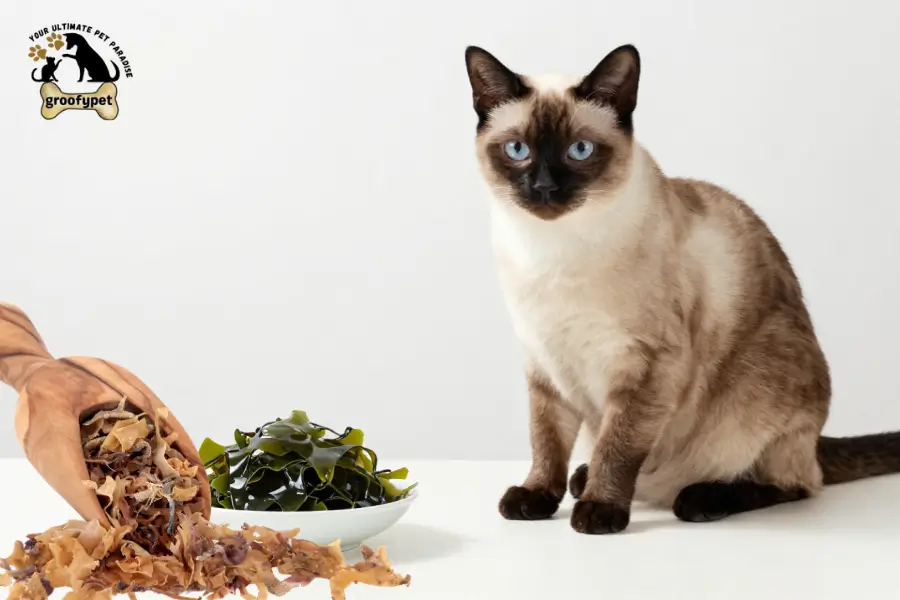
6. Heavy Metal Contamination Risk
Sea moss is a marine organism that absorbs minerals, including heavy metals, from the water in which it grows. Poorly sourced sea moss may contain elevated levels of arsenic, mercury, cadmium, or lead. Always choose sea moss from reputable, third-party-tested suppliers.
7. Allergic Reactions
Although rare, some cats may have an allergic response to seaweed or algae proteins. Symptoms can include skin irritation, itching, swelling, or respiratory distress. Any signs of allergic reaction require immediate cessation and veterinary attention.
8. Poor Quality Supplements
The supplement industry is not uniformly regulated. Many sea moss products marketed for pets or humans contain undisclosed additives, artificial flavors, salt, or other ingredients toxic to cats. Only use products with a clean, transparent ingredient list.
9. Over-supplementation Risks
Cats that are already on veterinary-prescribed supplements or eating nutritionally complete commercial diets do not need additional supplementation. Adding sea moss on top of a complete diet can tip the balance of certain nutrients, particularly iodine, calcium, and magnesium, into excess territory.
10. Nutritional Imbalance
Relying on sea moss as a significant part of a cat’s nutritional intake creates imbalance. Cats are obligate carnivores and require animal-derived protein, taurine, and arachidonic acid that sea moss cannot supply. Using sea moss as a substitute for proper cat food is harmful.
Can Kittens Eat Sea Moss?
Kittens should not be given sea moss. Young cats are in a rapid growth phase and require a very specific nutritional profile: high animal protein, adequate taurine, DHA for brain development, and carefully calibrated mineral levels. Their systems are more sensitive and less capable of processing novel supplements.
The iodine in sea moss is particularly concerning for kittens, as their thyroid glands are actively developing. Even small disruptions in thyroid hormone levels can have lasting effects on growth and development.
If you are concerned about your kitten’s nutrition, speak to a veterinarian about age-appropriate high-quality kitten food rather than supplementing with sea moss. Safer alternatives for nutritional support in young cats include species-appropriate wet food and vet-recommended kitten multivitamins.
How Much Sea Moss Can Cats Eat?
Cats should only eat a very small amount of sea moss because they need far less iodine and fiber than humans. A tiny pinch or less than 1/8 teaspoon occasionally is usually enough for most cats.
Suggested Serving Guide by Cat Size
| Cat Size | Recommended Amount |
|---|---|
| Small cat (under 4 kg) | Tiny pinch or single drop of gel |
| Medium cat (4–6 kg) | Small pinch or up to ¼ teaspoon gel |
| Large cat (over 6 kg) | Up to ⅛ teaspoon (rare, occasional use only) |
These are absolute maximum amounts for occasional use, not daily targets. Starting with even less than these amounts and observing your cat’s reaction is always the safest approach.
How Often Can Cats Eat Sea Moss?
Sea moss should be given occasionally at most once or twice per week, and ideally less frequently than that. It is not suitable for daily feeding. Even if your cat tolerates it well, cumulative iodine intake from regular sea moss use can become problematic over time.
Veterinary guidance is important before establishing any supplement routine. A veterinarian can assess your specific cat’s health status, review existing medications or conditions, and determine whether sea moss has any place in their diet at all.
What Happens If a Cat Eats Too Much Sea Moss?
If a cat consumes too much sea moss, either in a single sitting or cumulatively over time several health problems can emerge. Digestive issues are the first and most common sign, presenting as vomiting, diarrhea, or gas.
More serious consequences include thyroid disruption. An overworked or overstimulated thyroid can cause weight loss, increased thirst, and restlessness or, conversely, lethargy and reduced appetite, depending on whether the gland becomes over- or underactive.
In cases of heavy metal contamination from poor-quality sea moss, the symptoms may be more severe and systemic, including neurological signs, kidney dysfunction, or prolonged vomiting.
If your cat has eaten a large quantity of sea moss or is showing concerning symptoms after consumption, contact your veterinarian immediately. Do not wait to see if symptoms resolve on their own when thyroid or toxin involvement is possible.
Signs Your Cat Does Not Tolerate Sea Moss
If your cat does not tolerate sea moss, you may notice signs such as vomiting, diarrhea, gas, stomach discomfort, or a loss of appetite. Some cats may also seem tired or less interested in their normal activities.
Digestive Symptoms
- Vomiting shortly after eating
- Loose stools or diarrhea
- Excessive flatulence
- Refusal to eat normal food after exposure
Behavioral Symptoms
- Unusual weakness or lethargy
- Reduced interest in food or water
- Hiding, agitation, or unusual behavior
- Excessive thirst or urination (a potential sign of thyroid disruption)
Any of these symptoms after introducing sea moss means you should stop immediately and consult your vet. Do not reintroduce the supplement without professional clearance.
Can Cats Eat Different Forms of Sea Moss?
Cats can eat some forms of sea moss, including plain sea moss gel and natural dried sea moss that has been properly prepared. These forms should be free from added sugar, flavorings, preservatives, or other ingredients that may be harmful to cats.
Raw Sea Moss
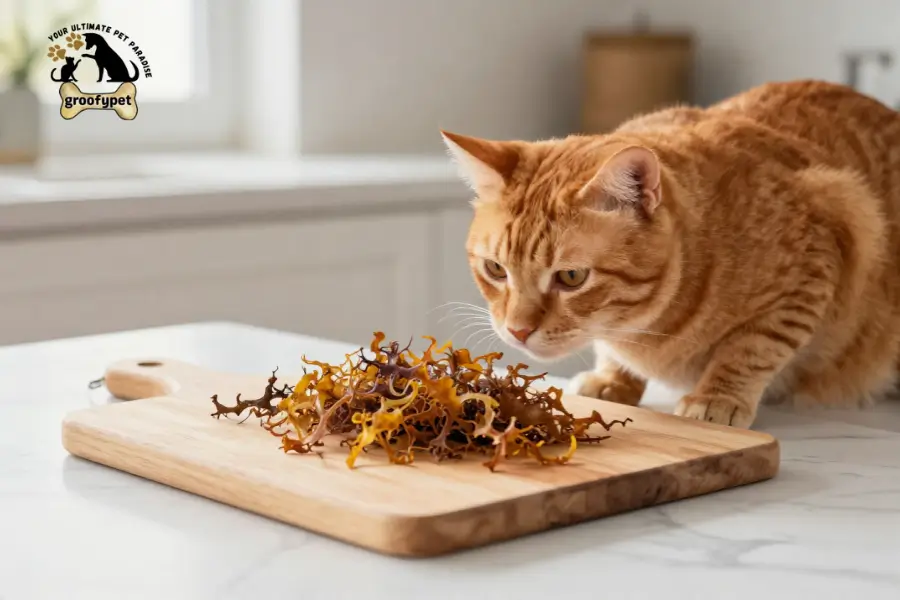
Raw, unprocessed sea moss is the riskiest form for cats. It may harbor bacteria, environmental contaminants, or heavy metals. It also has a strong oceanic smell and slimy texture that many cats will reject outright.
Sea Moss Gel
Sea moss gel is the most popular and practical form. It is easy to mix into wet food, has no strong flavor of its own, and is pre-processed to remove surface contaminants. It is the most cat-friendly form when sourced from a reputable supplier with no added ingredients.
Sea Moss Powder
Sea moss powder is more concentrated than gel. Because potency is higher per gram, dosing is trickier and the risk of iodine overload increases. Use with extra caution and only use amounts smaller than you would of gel.
Sea Moss Capsules
Capsules designed for humans are not appropriate for cats. The dosage is calibrated for human body weight and iodine tolerance, which far exceeds what is safe for a cat. Pet-specific capsules from veterinary-approved brands are a safer option if supplementation in this form is preferred.
Sea Moss Supplements in Cat Food
Some premium pet food brands have begun incorporating small amounts of seaweed or sea moss extract into their formulations. These products are formulated with appropriate dosing and are generally safe, as the concentration is controlled by the manufacturer. Always check ingredient lists and look for AAFCO-compliant labeling.
How to Safely Feed Sea Moss to Cats?
Start with a very small amount of plain sea moss gel mixed into your cat’s regular food and watch for any signs of digestive upset or allergic reactions. Choose a high-quality product that contains no added sugars, flavors, or artificial ingredients.
Choose High-Quality Sources
Only purchase sea moss from brands that provide third-party lab testing results. Look for wildcrafted sea moss that is harvested from clean ocean environments and processed without added chemicals.
Avoid Additives and Flavors
Plain, unflavored, unsalted sea moss only. Flavored sea moss products designed for human consumption frequently contain garlic, onion, citrus, or artificial sweeteners all of which are toxic to cats.
Start With Very Small Amounts
Begin with a single tiny drop of sea moss gel mixed into your cat’s regular food. Observe for 24 to 48 hours before offering again. Gradually increase to the size-appropriate amount only if no adverse reactions occur.
Mix With Regular Food
Never feed sea moss on its own. Always mix it into a complete, balanced cat food, ideally a high-quality wet food. This dilutes the concentration, makes it more palatable, and ensures the sea moss is not displacing proper nutrition.
Monitor Health Reactions
Keep a simple log of when you give sea moss, how much, and how your cat behaves in the following days. Watch stool consistency, energy levels, appetite, and water intake. Any changes are meaningful data.
Best Alternatives to Sea Moss for Cats
If you want to give your cat extra nutrients, safer alternatives to sea moss include veterinarian-approved omega-3 supplements, fish oil, or high-quality cat foods that already contain balanced vitamins and minerals. These options can support skin, coat, and overall health.
Fish Oil
Omega-3 fatty acids from fish oil are one of the most well-researched and veterinarian-recommended supplements for cats. They support coat health, reduce inflammation, and promote joint mobility with a strong safety record.
Cooked Fish
Plain cooked fish, salmon, sardines, or mackerel provides many of the same trace minerals as sea moss, including iodine, without the risk of contamination or dosing uncertainty.
High-Quality Cat Food
A nutritionally complete, AAFCO-approved cat food from a reputable brand is the single most impactful thing you can do for your cat’s health. It eliminates the need for most supplementation.
Veterinary Multivitamins
If your cat has specific nutritional gaps, a veterinarian can recommend species-appropriate multivitamins calibrated for feline physiology.
Omega-3 Supplements
Dedicated omega-3 supplements formulated for cats offer anti-inflammatory and skin-supporting benefits similar to some of sea moss’s claimed advantages with far more clinical evidence behind them.
Supplements Cats Should Avoid Instead of Sea Moss
Cats should avoid supplements that contain excessive iodine, caffeine, xylitol, or ingredients designed for humans, as these can be harmful to their health. Some herbal supplements may also be unsafe because they have not been properly tested for use in cats.
Human Herbal Supplements
Products like ashwagandha, turmeric blends, or adaptogenic mushroom powders are formulated for human metabolism. Many contain compounds that cats cannot safely metabolize. Never give your cat a supplement designed for human use without explicit veterinary guidance.
High-Iodine Products
Any supplement or food marketed as high in iodine — kelp tablets, concentrated spirulina, or certain algae powders — carries the same thyroid disruption risks as excessive sea moss. Avoid all high-iodine supplementation in cats unless specifically prescribed.
Unregulated Natural Powders
“Natural” does not mean safe for cats. Many herbal powders available online lack quality control, dosage guidance, and safety testing for companion animals.
Detox Products
Detox supplements, cleanses, and activated charcoal products are not appropriate for cats and can interfere with normal digestion and medication absorption.
How to Introduce Sea Moss to Your Cat?
Introduce sea moss slowly and deliberately. On day one, add a single drop of plain sea moss gel to your cat’s food. If they eat it without issue and show no digestive changes over the next 24 to 48 hours, you can offer it again at the same tiny amount.
Over the following two weeks, you may very gradually increase the amount if there are no negative reactions. Watch specifically for vomiting, diarrhea, changes in water intake, or behavioral shifts. If any concerning signs appear, stop immediately and consult your veterinarian before trying again.
Some cats will simply refuse sea moss due to its oceanic smell and gelatinous texture. That is a perfectly acceptable outcome; do not force it.
Veterinarian Advice on Cats and Sea Moss
Most veterinarians emphasize the same fundamental message: cats thrive on balanced, species-appropriate nutrition, and supplementation should fill real gaps rather than follow trends. Sea moss has genuine nutritional value, but the risk of iodine overload and thyroid disruption means it is not a supplement to use casually or without oversight.
The greatest danger veterinarians identify is over-supplementation particularly among well-meaning cat owners who read about sea moss benefits online and assume that more is better. In cats, the opposite is often true.
A small, infrequent amount of a clean, well-sourced product may offer modest benefits. Daily use, even in small doses, can accumulate into problematic iodine levels over time.
Always consult your veterinarian before introducing sea moss or any new supplement into your cat’s routine. Share information about your cat’s current diet, health conditions, age, and any medications they are taking. This gives your vet the context to make an informed recommendation specific to your cat.
Frequently Asked Questions
Is sea moss safe for cats?
In very small, occasional amounts, sea moss is considered generally safe for healthy adult cats. It should not be given daily or in large doses, and vet consultation is recommended before use.
Can cats eat sea moss gel?
Yes, sea moss gel is the most practical form for cats. Mix a tiny amount into wet food. Ensure it contains no additives, salt, or flavoring.
How much sea moss can cats have?
Start with a drop or pea-sized amount. Small cats should receive less than a quarter teaspoon; larger cats, no more than an eighth of a teaspoon, and only occasionally.
Can sea moss help cats’ skin?
The vitamins A and E and anti-inflammatory polysaccharides in sea moss may support skin health in small amounts. However, fish oil or omega-3 supplements are better-researched alternatives for this purpose.
Can sea moss cause thyroid problems in cats?
Yes. Sea moss is very high in iodine. Excessive or regular consumption can disrupt thyroid hormone production, particularly in cats already prone to hyperthyroidism.
Is sea moss toxic to cats?
Plain, clean, additive-free sea moss is not toxic in small amounts. However, contaminated, heavily processed, or seasoned sea moss products can be harmful.
Can kittens eat sea moss?
No. Kittens have sensitive developing systems and should not be given sea moss. Their nutritional needs are best met through high-quality, age-appropriate kitten food.
What is the safest way to give sea moss to cats?
Use plain, wildcrafted sea moss gel from a reputable third-party-tested source. Mix a tiny amount into wet food no more than once or twice a week, and always monitor your cat for any adverse reactions.
Final Thoughts
Sea moss is not harmful to cats in small, carefully managed doses, but it is also not necessary.Can cats eat sea moss? Cats are obligate carnivores with precise nutritional needs that are best met through high-quality, species-appropriate food, not plant-based supplements.
When weighing the benefits against the risks, the risks are more consequential. Iodine overload, thyroid disruption, digestive upset, and heavy metal contamination are real concerns, especially when sea moss is sourced casually or used too frequently.
The benefits of trace minerals, antioxidants, and mild prebiotic support are real but modest, and many can be achieved through safer, better-studied alternatives like fish oil or omega-3 supplements.
If you are curious about sea moss for your cat, the most important step is to speak with your veterinarian first. Every cat is different, and a professional who knows your cat’s health history is the best person to advise on whether sea moss has any place in their diet.
When in doubt, keep it simple: feed your cat what they are biologically designed to thrive on, and use supplements only when there is a clear, vet-identified reason to do so.
Can Cats Eat Bread Crust? Risks, Benefits and Safe Alternatives!
How to Hydrate a Cat That Won t Drink Water: What Should I Do?