Water is one of the most important things your cat needs every single day to stay healthy and active. How to hydrate a cat that won t drink water?Many cat owners do not realize that their cat is not drinking enough water until the problem becomes serious. Cats are naturally quiet animals, and they do not always show clear signs when something is wrong with them.
A cat that stops drinking water can become dehydrated very quickly and this can affect their kidneys, digestion and overall organ function. If you are searching for how to hydrate a cat that won’t drink water, you are already doing the right thing by looking for answers early.
Some cats are just picky about water and others may have a health issue that needs a vet’s attention. Either way, understanding the problem is the first step toward fixing it. This article will walk you through every reason, every symptom and every solution in a simple and easy way so you can help your cat feel better fast.
How much water does a cat need every day?
Every cat needs a different amount of water based on their body weight and daily diet. A general rule is that a cat needs about 3.5 to 4.5 ounces of water for every 5 pounds of body weight each day. So if your cat weighs 10 pounds, they should be drinking around 7 to 9 ounces of water daily to stay properly hydrated.
Cats that eat wet food get a lot of their water from their meals because wet food contains up to 80% moisture. But cats that eat only dry food need to drink much more water throughout the day to make up for the low moisture in kibble. Indoor cats also tend to move less and may not drink enough water if their bowl is in the wrong place or if the water is not fresh.
Knowing how much your cat should drink helps you notice early when something is off with their water intake. If your cat is consistently drinking less than they should, it is a sign that you need to make some changes at home or visit a vet.
Cats evolved as desert animals. Their ancestors obtained most of their moisture from prey, not standing pools of water which means their thirst drive is naturally weak compared to dogs or humans. A domestic cat’s instincts haven’t caught up with the modern lifestyle of dry kibble and ceramic water bowls.
This biological quirk makes feline dehydration surprisingly common, and it can quietly contribute to urinary tract infections, kidney disease, and bladder crystals — all of which rank among the most frequent reasons cats visit the vet.
How to hydrate a cat that won t drink water?
When your cat will not drink water, finding safe ways to boost hydration quickly is important to protect their health and energy.
1. Switch to wet food or add water to dry food
One of the simplest and most effective ways to hydrate a cat that won’t drink water is to switch from dry food to wet canned food. Wet food contains up to 80% moisture, which means your cat gets a significant amount of their daily water needs directly from their meals.
Even if you cannot switch fully to wet food, adding a few tablespoons of warm water or low-sodium chicken broth to dry kibble can increase your cat’s moisture intake significantly. Many cats actually enjoy the soupy consistency that watered-down food creates and will eat it happily.
You can also try mixing a small amount of wet food into your cat’s dry food gradually so they get used to the texture and taste over time. Serving smaller and more frequent meals throughout the day can also encourage your cat to drink more because eating naturally triggers thirst in cats.
This approach is gentle, easy and does not require any expensive products or complicated routines. It is one of the most recommended methods by vets for increasing cat water intake in picky drinkers.
2. Use a cat water fountain
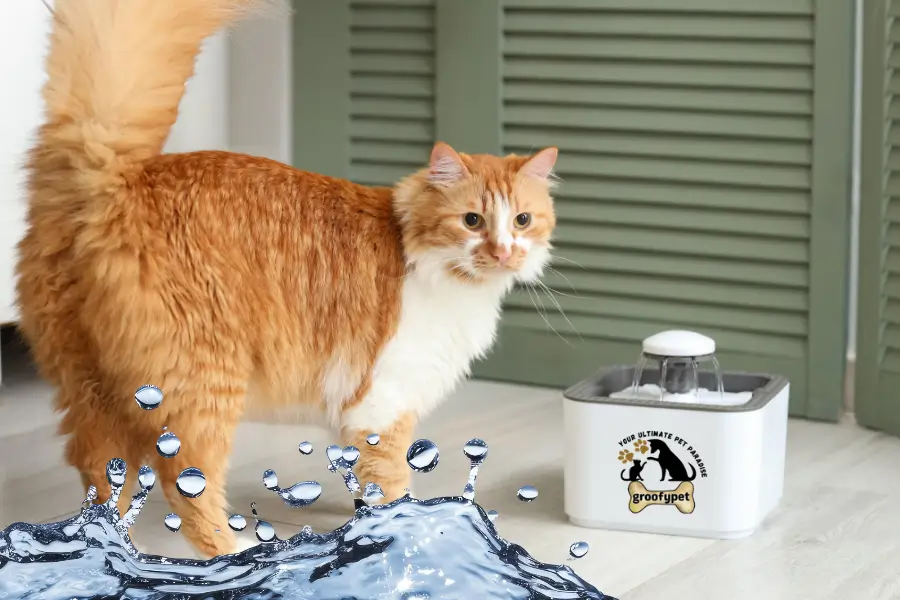
A cat water fountain is one of the best tools you can use to encourage a cat that refuses to drink from a still bowl. Cats are naturally attracted to moving water and a fountain mimics the experience of drinking from a fresh stream in nature.
The constant circulation of water also keeps it cooler and cleaner which makes it more appealing to a picky cat. Many cat owners report that their cats started drinking significantly more water within just a few days of switching to a fountain.
When choosing a fountain, look for one that is easy to clean, has a quiet motor and uses a filter to remove impurities from the water. Place the fountain in a quiet and comfortable spot where your cat already likes to spend time during the day.
Clean the fountain at least once a week to prevent the buildup of slime or bacteria that could deter your cat from using it. This one change alone can completely transform your cat’s daily hydration habits for the better.
3. Place multiple water bowls around the house
Placing multiple water bowls in different locations around your home is a simple and very effective way to encourage your cat to drink more water. Cats are territorial animals and they like having resources in different areas so they do not have to travel far to get what they need. Try placing one bowl in the bedroom, one in the living room and one in a quiet hallway where your cat likes to walk.
Make sure each bowl is always filled with fresh, clean water and wash all of them daily to prevent bacterial growth. Some cats drink more when they stumble upon a water bowl naturally during their daily roaming rather than going to one specific spot.
Wide and shallow bowls work best because they prevent whisker fatigue, which happens when a cat’s sensitive whiskers touch the sides of a deep bowl while drinking. Keeping water available in multiple locations removes any excuse for your cat to skip drinking throughout the day. This strategy works especially well in multi-cat households where one cat may be dominating the main water source.
4. Add flavor to the water with safe ingredients
Adding a little bit of flavor to your cat’s water is a great way to make it more appealing to a cat that ignores plain water completely. Low-sodium chicken broth or fish broth are the most popular options, and most cats find the smell and taste of these broths very attractive. You can also use a small amount of tuna juice from a can of tuna packed in water to add a mild fishy flavour that many cats love.
Make sure to avoid broths that contain onion, garlic or any added seasonings, as these ingredients are toxic to cats. There are also specially made cat water enhancers available at most pet stores that are safe and designed to encourage drinking.
Start with just a small amount of flavor in the water and increase it slowly based on how your cat responds to the new taste. You can also make homemade chicken broth ice cubes and add them to the water bowl as a fun and hydrating treat. This approach makes drinking feel more like a reward for your cat rather than a boring daily chore.
5. Try ice cubes and frozen treats
Some cats are attracted to ice cubes in their water bowl and enjoy licking or playing with them which also helps increase their water intake. The cold temperature of ice water is especially appealing to cats during warm weather or in homes with central heating that dries out the air.
You can make special frozen treats at home by freezing low-sodium chicken broth in an ice cube tray and offering them as a fun snack. Cats will lick the frozen cube and get both hydration and a tasty flavor at the same time without even realizing they are drinking.
Frozen wet food is another option that provides moisture while also giving your cat something interesting to explore and eat. Start by just placing one or two ice cubes in the regular water bowl and see how your cat reacts to the change.
Some cats are curious enough to investigate and start licking or drinking right away while others may take a few days to warm up to the idea. This is a simple and inexpensive trick that many cat owners swear by for increasing daily cat hydration.
6. Use a syringe for sick or very weak cats
If your cat is very sick, weak or recovering from a medical procedure, they may not be able to drink water on their own at all. In this case, using a small oral syringe to give your cat water directly is a safe and effective method recommended by many vets. You should use a 1ml or 2ml syringe and gently place the tip at the side of your cat’s mouth near the back teeth.
How to hydrate a cat that won t drink water?Release the water very slowly so your cat has enough time to swallow it safely without choking or inhaling any liquid. Never force a large amount of water into your cat’s mouth at once, as this can cause aspiration pneumonia, which is very dangerous.
Aim to give small amounts every 15 to 20 minutes to slowly build up your cat’s hydration levels without causing stress or discomfort. Always warm the water slightly to room temperature before giving it because cold water can be uncomfortable and shocking for a sick cat.
If your cat is too weak to swallow or is resisting strongly, stop immediately and take them to the vet for subcutaneous fluids.
7. Use a syringe for sick or very weak cats
Homemade cat broth is a wonderful and natural way to keep your cat hydrated, especially when they are recovering from illness or going through a picky eating phase. To make a simple and safe cat broth, boil plain chicken in water without any salt, onion, garlic or spices until the meat is fully cooked and tender.
Remove all the chicken pieces and bones from the pot and let the broth cool down to room temperature before offering it to your cat. You can serve the broth on its own in a small bowl or mix it into your cat’s wet or dry food to add extra moisture and flavor.
Most cats find the smell of chicken broth irresistible and will eagerly drink it without any hesitation at all. You can store the broth in the refrigerator for up to three days and warm it slightly before each serving so it releases its full aroma.
Offering broth two or three times a day is a safe and effective way to significantly increase your cat’s daily fluid intake. This is one of the most affordable and natural home remedies for cat dehydration that you can prepare easily in your own kitchen.
Warning signs your cat is dehydrated
Dehydration can range from mild to life-threatening. Learn to spot the early signs before they become an emergency.
- Dry, sticky or pale gums instead of moist pink tissue
- Sunken or dull-looking eyes
- Lethargy, weakness, or loss of appetite
- Reduced or dark-coloured urine output
- Dry nose and coat appearing rough or unkempt
Methods to hydrate a cat that won’t drink
Simple methods to help hydrate a cat that will not drink can support their health and prevent dehydration.
1. Switch to wet food (or add it to the diet)
This is the single most impactful change you can make. Feeding wet food — even one meal per day — substantially increases your cat’s total water intake without requiring any behavioral change from them. Look for high-quality pâté or broth-based formulas with named protein sources as the first ingredient.
2. Add a pet water fountain
Cats are instinctively drawn to moving water, which in the wild signals freshness and safety. A recirculating pet fountain can dramatically increase how much a reluctant drinker consumes. Stainless steel or ceramic models are easier to keep clean than plastic, which can harbor bacteria and impart odors cats dislike.
3. Use multiple water stations
Place water bowls in several locations throughout your home — away from the food bowl and litter box. Cats prefer to drink away from where they eat and eliminate. A bowl in a quiet corner of a bedroom or hallway often gets used more than the one next to the food dish.
Broth topper:Add a tablespoon of unsalted chicken or bone broth to food or a separate bowl. Irresistible to most cats.
Water in food:Mix a small amount of warm water into wet food to create a gravy and boost moisture content further.
Ice cubes:Some cats love batting and licking ice cubes. Drop one into their water bowl or serve it plain.
Tuna water:A teaspoon of water from canned, unsalted tuna can tempt even the most stubborn drinker. Use sparingly.
5. Try different bowl materials
Some cats refuse plastic bowls due to the smell or because whiskers touching the rim cause discomfort a phenomenon called whisker fatigue. Switch to wide, shallow stainless steel or ceramic bowls and observe whether drinking improves.
6. Serve filtered or refrigerated water
Chlorine, fluoride, and mineral buildup in tap water can be detectable to cats’ sensitive noses. Try filtered water or let tap water sit overnight before serving. Some cats also prefer cold water — keep a jug in the fridge.
7. Flavor the water lightly
A very small splash of no-salt chicken broth or clam juice diluted in water can make the bowl far more inviting. Start with just a teaspoon per cup of water. Dedicated “cat water enhancers” are also available at pet stores.
8. Offer cat-safe hydrating treats
Hydrating treats like commercially made cat bone broth, lickable pouches (e.g., Churu or similar), and moisture-rich freeze-dried food rehydrated with water are excellent tools. These work especially well for cats that are unwell and reluctant to eat or drink normally.
9. Keep bowls scrupulously clean
Cats are fastidious and will avoid a dirty bowl. Wash water dishes daily with mild soap and rinse thoroughly. Biofilm — the invisible slippery layer that forms inside bowls — develops quickly and is off-putting to cats even when the bowl looks clean to us.
10. Warm the water slightly
Lukewarm water (around body temperature) can be more appealing to some cats, especially seniors or those recovering from illness. This is a simple trick worth trying if cold and room-temperature water aren’t working.
11. Drip faucet method
Let a faucet drip slowly and allow your cat to drink directly from it. This works for many cats who are drawn to the movement. You can then transition them to a fountain that mimics the same flowing water experience.
12. Subcutaneous fluids (vet-administered or at-home)
For cats with kidney disease or chronic dehydration, your vet may recommend subcutaneous fluid therapy, delivering a sterile saline solution under the skin. Many owners learn to do this at home after a brief vet demonstration.
This is a medical intervention, not a first-line home remedy, but it can be life-changing for senior cats with compromised kidneys. Try offering fresh water often, wet food, low-sodium broth, or water from a pet fountain to encourage drinking, but contact your vet if your cat refuses fluids for more than a day.
Reasons why won’t my cat drink water
Many cats avoid drinking water due to stress, illness, dirty bowls, or simply personal preference, making it important to find the cause early.
1. The water bowl is not clean enough
Cats are very clean animals, and they will refuse to drink from a bowl that has dust, hair or bacteria in it. Most cat owners think that changing the water once a day is enough, but cats can smell even tiny amounts of bacteria that humans cannot detect.
A dirty bowl is one of the most common reasons a cat stops drinking water from their regular bowl. You should wash your cat’s water bowl with soap and warm water every single day to keep it fresh and odour-free. Stainless steel and ceramic bowls are much easier to keep clean compared to plastic bowls.
Plastic bowls absorb smells over time, and cats find this very unpleasant, so they avoid drinking from them. Switching to a stainless steel or ceramic bowl can make a big difference in how much your cat drinks. Keep the bowl in a spot where dust and fur cannot fall into it easily throughout the day.
2. The water bowl is placed near the litter box
Cats have a strong natural instinct to keep their eating and drinking areas separate from where they use the bathroom. If your cat’s water bowl is placed near the litter box, your cat will likely avoid drinking from it even if they are thirsty. This is not just a preference; it is actually a survival instinct that cats carry from their wild ancestors.
In the wild, cats avoided water sources near waste areas because those sources were likely to be contaminated and unsafe. Moving the water bowl to a different room or at least far away from the litter box can quickly encourage your cat to start drinking again. Many experts recommend placing water bowls in quiet, low-traffic areas of the home where your cat feels safe and relaxed.
You can even place multiple bowls in different rooms so your cat always has a clean option nearby. A simple change in location can sometimes solve the problem of cat not drinking enough water without any other changes needed.
3. Your cat prefers running water over still water
Many cats have a natural preference for running water and they will ignore a still bowl completely even when they are thirsty. In nature, moving water is usually cleaner and safer than standing water so cats are naturally drawn to it.
This is why you may have noticed your cat trying to drink from a dripping faucet or a running tap in your home. A cat water fountain is one of the best solutions for cats that prefer moving water because it constantly circulates fresh water. The sound of flowing water also attracts cats and can encourage them to drink more throughout the day.
Cat water fountains come in many sizes and price ranges, so you can easily find one that fits your home and budget. Once a cat gets used to a fountain, it usually starts drinking significantly more water than it did from a still bowl. This small investment can make a huge difference for cats that consistently avoid still water.
4. Stress and anxiety reduce water intake
How to hydrate a cat that won t drink water? Stress is one of the less obvious but very real reasons a cat may stop drinking water regularly. Cats are creatures of habit, and any big change in their environment can cause them to feel anxious and withdrawn. Moving to a new home, getting a new pet, loud noises or even rearranging furniture can trigger stress in sensitive cats.
When a cat is stressed, they often eat and drink less than usual and spend more time hiding away from people and other animals. You may notice your cat avoiding their water bowl along with other signs like excessive grooming, hiding or changes in litter box habits.
Reducing stress in your cat’s environment is important for their overall health and hydration. Try to keep routines consistent, give your cat a quiet space to relax and use calming products like Feliway diffusers if needed. Once the stress is reduced, most cats naturally return to their normal drinking habits without any additional help.
5. Dental pain makes drinking uncomfortable
Dental pain is a hidden and often overlooked reason why many cats stop drinking water or drink much less than they should. Drinking cold water can be very uncomfortable for a cat that has a sore tooth, gum disease or mouth ulcer.
If your cat approaches the water bowl, sniffs it and then walks away without drinking, dental pain may be the reason. Other signs of dental issues include drooling, pawing at the mouth, bad breath and difficulty eating hard kibble. Many cat owners do not realise that dental disease is one of the most common health problems in cats, and it directly affects their water intake.
A vet visit is necessary to properly diagnose and treat any dental issues your cat may be experiencing. After treatment, most cats return to normal drinking levels because they are no longer in pain when they approach the bowl. Do not ignore mouth-related symptoms, as they can lead to more serious dehydration over time.
When should you take your cat to the vet?
Knowing when to stop trying home remedies and take your cat to the vet is one of the most important things a responsible cat owner can do. If your cat has not drunk any water for more than 24 hours or is showing severe signs of dehydration, you need to call your vet immediately without delay. S
Signs that require urgent vet attention include extreme lethargy, vomiting that will not stop, sunken eyes and skin that does not return to normal after the skin turgor test. Your vet can give your cat subcutaneous fluids, which are fluids injected under the skin to rehydrate them quickly and safely.
In very severe cases, your cat may need to be hospitalised and given IV fluids directly into their vein for faster rehydration. Underlying conditions like kidney disease, diabetes or hyperthyroidism can all cause chronic dehydration in cats and need proper medical treatment. A vet will run blood tests and urine tests to identify the root cause of your cat’s poor water intake and create a treatment plan.
Do not wait too long because organ failure from dehydration can develop within 72 hours in a cat that is not drinking at all.
How to prevent dehydration in cats long-term?
- Preventing dehydration is always easier than treating it once it becomes a serious problem for your cat.
- Start by building a daily routine around keeping fresh clean water available in multiple locations throughout your home at all times.
- Check your cat’s water bowls every morning and evening to make sure they are clean, full and free from dust, hair or debris.
- Consider investing in a cat water fountain if your cat tends to prefer running water over still water in a regular bowl.
- Feed your cat a diet that includes wet food at least once a day to ensure they are getting extra moisture from their meals on a regular basis.
- Schedule regular vet checkups at least once or twice a year so any underlying health conditions that affect hydration can be caught early before they become serious.
- Keep an eye on your cat’s litter box habits because changes in urination frequency or color can be one of the first signs of a hydration problem.
- A proactive approach to your cat’s hydration needs will help them live a longer, healthier and more comfortable life.
Best foods to keep your cat hydrated
- The food you choose for your cat plays a massive role in how well hydrated they stay throughout the day.
- Wet canned food is by far the best dietary choice for hydration because it contains up to 80% water and keeps your cat’s body moisture levels stable.
- Cats that eat only dry kibble need to drink significantly more water from their bowl to stay properly hydrated, which many picky cats simply will not do.
- You can also offer small amounts of water-based foods like tuna packed in water, sardines in water or watermelon as occasional snacks to add extra moisture.
- Some brands make specially formulated high-moisture cat food or hydration supplements that can be added to meals to increase daily fluid intake.
- If your cat refuses to eat wet food, try warming it slightly in the microwave for a few seconds to release the aroma which often tempts picky eaters.
- Gradually mixing wet food into dry food over a period of one to two weeks is a gentle way to transition a stubborn cat to a more hydrating diet.
- Remember that every meal is an opportunity to add a little more moisture to your cat’s daily intake, and every small step counts.
Frequently Asked Questions
Can I give my cat Pedialyte for dehydration?
You can give your cat unflavoured Pedialyte in very small amounts in an emergency situation when a vet is not immediately available to help. Pedialyte can help replace electrolytes that are lost during dehydration, but it should never replace proper veterinary care for a seriously ill cat.
How long can a cat survive without drinking water?
A cat can survive without water for approximately three to four days, but serious damage to their organs can begin much sooner than that. Signs of dehydration usually start appearing within the first 24 hours of a cat not drinking any water or consuming any moisture from food. After 48 hours, the cat’s kidneys and other vital organs begin to be seriously affected by the lack of water in their bodies.
Is it safe to mix water into cat food every day?
Yes, mixing water into your cat’s food every single day is completely safe and actually very beneficial for their overall health and hydration. Adding warm water to dry kibble or wet food helps increase your cat’s daily fluid intake without requiring them to drink separately from a bowl.
Why does my cat drink from the tap but not the bowl?
Many cats prefer drinking from a running tap because moving water feels fresher and safer to them based on their natural instincts as wild hunters and survivors. Still water in a bowl can appear stagnant to a cat and they may associate it with unsafe or contaminated water sources from their instinctive memory.
Can dehydration cause kidney failure in cats?
Yes, chronic dehydration is one of the leading causes of kidney disease and kidney failure in cats over time. The kidneys rely on a consistent supply of water to filter waste products from the blood and produce urine properly every day.
Final Thoughts
Learning how to hydrate a cat that won t drink water takes a little patience, but it is absolutely worth the effort for your cat’s long-term health and happiness. Start with simple changes like switching to wet food, adding low-sodium broth to meals or placing a cat water fountain in a spot your cat already loves.
Pay close attention to the signs of dehydration, like dry gums, sunken eyes and the skin turgor test, so you can catch any problems early before they become serious. Most cats will respond positively to small and thoughtful changes in their environment and diet without needing expensive treatments or complicated routines.
If you have tried everything at home and your cat is still refusing to drink water or showing signs of serious dehydration, please do not wait and call your vet as soon as possible. Your cat depends entirely on you to notice when something is wrong and to take the right steps to help them feel better.
With the right knowledge, a little creativity and a lot of love, keeping your cat properly hydrated is something every cat owner can successfully do every single day.
Can Cats Eat Quinoa? Risks, Benefits And Safe Alternatives!
Can Cats Eat Honey Ham? Risks Benefits and safe Alternatives!