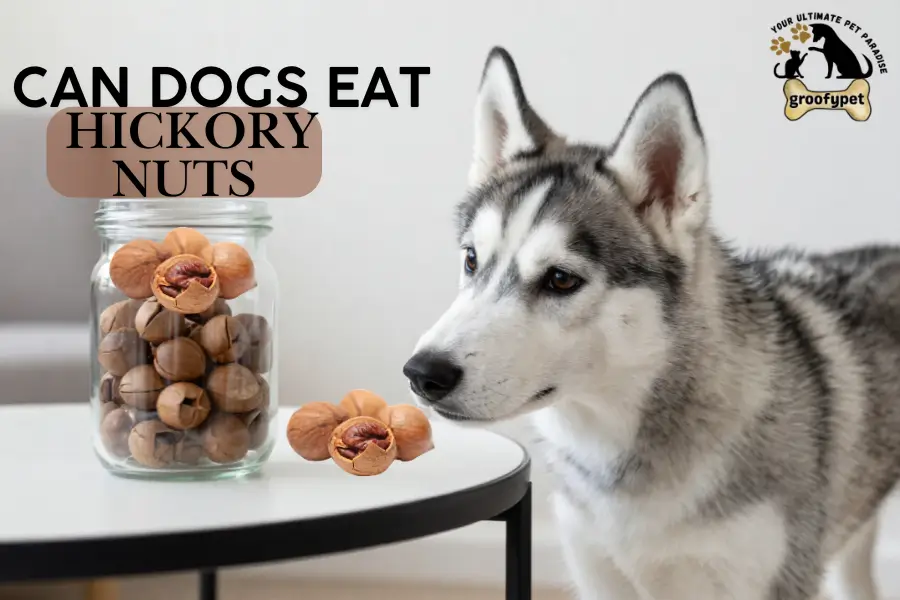
Can dogs eat hickory nuts? This is a question many dog owners ask, especially those who live near hickory trees. The short answer is no. Dogs should not eat hickory nuts. While hickory nuts are not directly poisonous to dogs, they still cause serious health problems.
They are high in fat, hard to digest, and can carry dangerous molds. In some cases, eating hickory nuts can send a dog to the vet. If your dog just ate one or two hickory nuts off the ground, try not to panic. But you do need to know what to watch for.
In this guide, you will learn exactly what hickory nuts can do to your dog, what symptoms to look out for, and what to do if your dog eats them. We cover everything in plain, simple language so you can keep your furry friend safe.
- Hickory nuts are not directly toxic to dogs, but they cause serious digestive problems and other health risks.
- The shells contain juglone, a chemical that is mildly toxic to dogs.
- Moldy hickory nuts are especially dangerous and can cause tremors, seizures, and neurological damage.
- Eating hickory nuts in large amounts can lead to pancreatitis, obesity, and intestinal obstruction.
- Puppies and small dogs face higher risks than large adult dogs.
- Always contact your vet if your dog eats a large number of hickory nuts or shows any symptoms.
- There are many safer snack alternatives you can offer your dog instead.
What Are Hickory Nuts?
Hickory nuts come from hickory trees, which belong to the Carya genus. These trees grow naturally across North America, especially in the eastern United States. The nuts look similar to walnuts and pecans, which makes sense; they are all part of the same tree family.
Types of Hickory Trees
There are several types of hickory trees that produce nuts. The most common ones include:
- Shagbark hickory (Carya ovata)
- Shellbark hickory (Carya laciniosa)
- Pignut hickory (Carya glabra)
- Bitternut hickory (Carya cordiformis)
All of these trees drop nuts on the ground in autumn. If you have a hickory tree in your yard, your dog may find and eat the fallen nuts before you even notice.
What Do Hickory Nuts Look Like?
Hickory nuts have a very hard outer shell. Inside, the meat looks similar to a walnut. The outer husk is green when fresh and turns brown and black as it dries. The shells are thick and tough. Dogs sometimes chew on the shells or swallow pieces whole, which creates its own set of risks.
Are Hickory Nuts Used in Human Food?
Yes. People eat hickory nuts. They have a rich, buttery flavor. Some people use them in baking or eat them as a snack. However, just because something is safe for people does not mean it is safe for dogs. Dogs have a very different digestive system, and their bodies handle fat and protein in a completely different way.
Can Dogs Eat Hickory Nuts?
No. Dogs should not eat hickory nuts. Even though hickory nuts are not classified as directly toxic to dogs, they still pose several real dangers. Vets strongly recommend keeping hickory nuts away from dogs at all times.
Quick Answer Hickory nuts are not directly poisonous to dogs, but they are unsafe. They are high in fat and can cause vomiting, diarrhea, pancreatitis, and intestinal blockage. The shells contain a mildly toxic chemical called juglone. Moldy hickory nuts are especially dangerous and can cause seizures. Dogs should not eat hickory nuts.
Nutritional Value of Hickory Nuts
Let’s take a quick look at what is inside a hickory nut. This helps explain why they cause problems for dogs.
Hickory Nut Nutrition (Per 1 oz / 28g)
| Nutrient | Amount | Effect on Dogs |
|---|---|---|
| Calories | 186 kcal | Very high — leads to weight gain |
| Total Fat | 18g | Triggers pancreatitis risk |
| Protein | 3.6g | Hard to digest for dogs |
| Carbohydrates | 5.2g | Moderate |
| Phosphorus | 75mg | Can strain kidneys |
| Sodium | 0mg | Low — not a concern |
| Fiber | 1.8g | Moderate |
As you can see, hickory nuts are extremely high in fat. One small ounce contains 18 grams of fat. That is a massive amount for a dog’s body to process. Even a handful of nuts could push a dog’s daily fat intake far beyond what is healthy.
Health Benefits of Hickory Nuts for Dogs
Here is the honest truth: there are no real health benefits of feeding hickory nuts to dogs. Any nutrient found in a hickory nut like protein or fiber can be found in far safer foods that are much better for your dog.
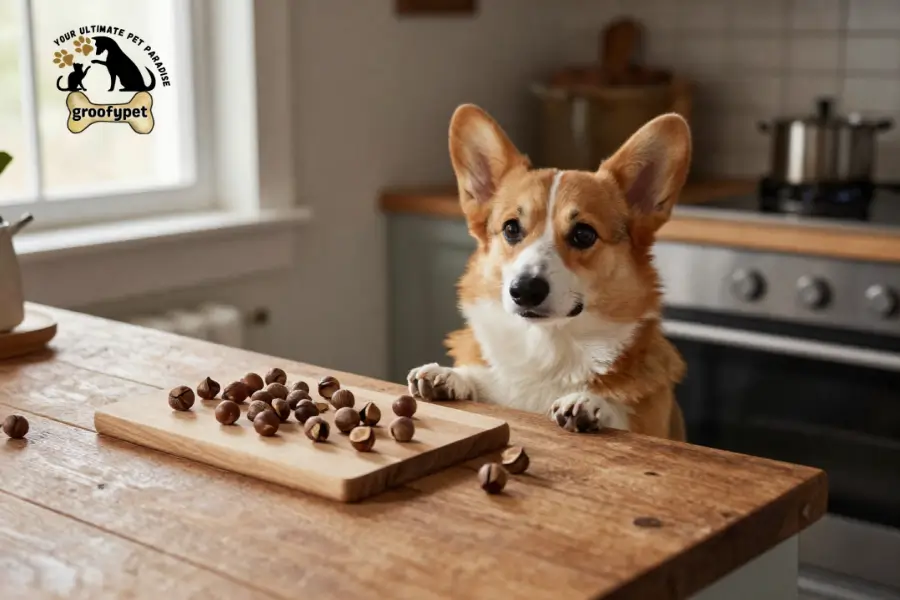
Can dogs eat hickory nuts? Some people point out that hickory nuts contain healthy fats. That is true for humans. But dogs already get the right kinds of fats from their regular dog food. Adding extra fat from nuts does more harm than good.
There is simply no good reason to offer your dog hickory nuts when there are so many safer and healthier snack options available.
Risks of Feeding Hickory Nuts to Dogs
This is the most important section of this article. The risks are real, and every dog owner should know them clearly.
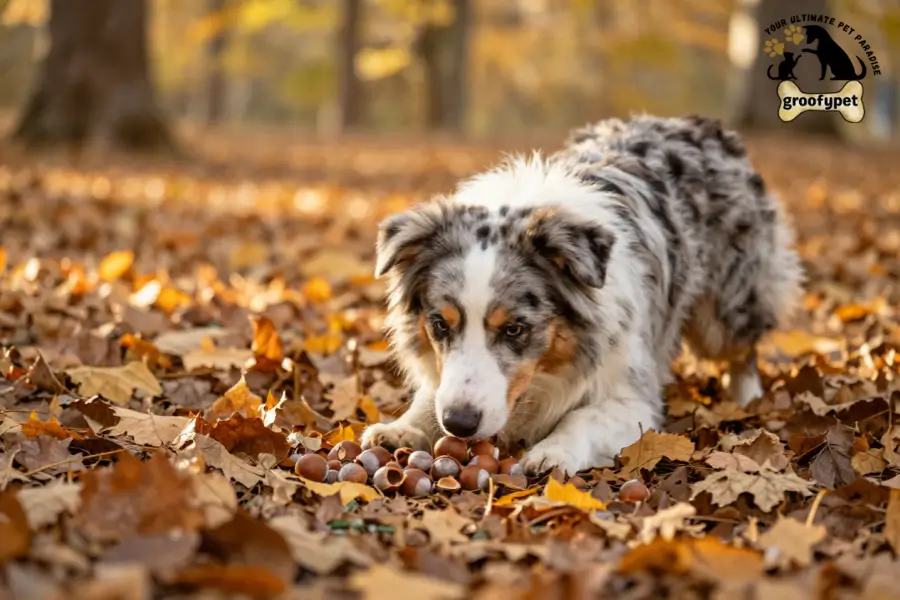
1. Pancreatitis
Pancreatitis means the pancreas becomes inflamed. The pancreas helps your dog digest food. When a dog eats too much fat too quickly, the pancreas goes into overdrive. This causes painful inflammation. Pancreatitis can range from mild to life-threatening. Dogs with pancreatitis need vet care right away. In severe cases, they need hospitalization.
2. Gastrointestinal Distress
Even without pancreatitis, hickory nuts cause gastrointestinal distress. This means an upset stomach. You may see vomiting, diarrhea, stomach pain, and loss of appetite. These symptoms can show up within hours of eating the nuts.
3. Intestinal Obstruction
The hard shell pieces can get stuck inside a dog’s digestive tract. This causes an intestinal obstruction. Signs include vomiting, bloating, and the inability to poop. This is a serious emergency. An obstruction can be fatal without treatment.
4. Obesity
Dogs that eat high-fat foods regularly gain weight fast. Obesity in dogs leads to joint pain, heart problems, diabetes, and a shorter life. Even small amounts of nuts fed often over time can tip a dog toward unhealthy weight gain.
5. Tremorgenic Mycotoxins from Mold
This is the most dangerous risk of all. When hickory nuts grow mold, they produce tremorgenic mycotoxins. These toxins cause neurotoxicosis, a condition that affects the nervous system. A dog that eats a moldy hickory nut can develop tremors, uncontrolled shaking, dilated pupils, seizures, and even collapse. This is a true emergency.
6. Juglone Toxicity from Shells
The shells contain juglone, which is mildly toxic. Eating the shells or husks can cause digestive irritation and discomfort. While juglone is not as dangerous as the mold toxins, it still adds to the overall risk profile of hickory nuts for dogs.
7. Kidney and Bladder Stress
High phosphorus content in nuts can put stress on a dog’s kidneys over time. Dogs with existing kidney disease or bladder problems are at even higher risk. Frequent nut consumption may contribute to bladder stones.
Symptoms to Watch For
⚠️ Warning Signs After Your Dog Eats Hickory Nuts
If your dog eats hickory nuts, watch closely for these symptoms. Some appear within hours; others take a day or two.
Mild to Moderate Symptoms:
- Vomiting
- Diarrhea
- Loose or greasy-looking stool
- Loss of appetite
- Excessive drooling
- Stomach pain or bloating
- Lethargy (tiredness or low energy)
- Dehydration
Severe Symptoms—Go to the Vet Immediately:
- Tremors or uncontrolled shaking
- Seizures
- Dilated pupils
- Uncontrolled eye movement
- Difficulty breathing
- Collapse or inability to stand
- Foaming at the mouth
- Swollen or very hard abdomen
- Blood in vomit or stool
- Fever
Expert Tip: If your dog shows any severe symptoms, do not wait to see if they pass. Head to an emergency vet right away. Time matters a lot with tremorgenic mycotoxin poisoning and intestinal obstruction.
What Does Mycotoxin Poisoning Look Like?
Mycotoxin poisoning from moldy hickory nuts looks frightening. Your dog may start to shake or tremble. Their eyes may move rapidly and seem uncontrolled. They may struggle to walk straight or stumble. Some dogs become very stiff. This can escalate to full seizures if left untreated.
How Much Can Dogs Eat?
Can dogs eat hickory nuts?The safest answer is zero. Dogs should not eat hickory nuts at all. However, if your dog accidentally ate one small piece of unshelled, clean hickory nut, they will likely be fine. Observe them closely for 24–48 hours.
General Risk Scale by Amount
| Amount Eaten | Risk Level | What to Do |
|---|---|---|
| 1 small piece (unshelled) | Low | Monitor for 24 hours |
| 2–3 whole nuts | Moderate | Call your vet for guidance |
| Several nuts or shells | High | Visit the vet |
| Many nuts or moldy nuts | Very High | Emergency vet visit immediately |
Size of Dog Matters Too
A large Labrador Retriever eating two nuts may show mild stomach upset. A tiny Yorkshire Terrier eating the same amount could experience a much more serious reaction. Small dogs are always at higher risk because their bodies handle even small amounts of fat or toxins much less easily.
How to Safely Handle the Situation?
Quick Answer: There is no safe way to feed hickory nuts to dogs. If your dog eats hickory nuts by accident, check for symptoms, call your vet, and monitor them closely. If symptoms appear, go to the vet.
What to Do If Your Dog Eats Hickory Nuts?
Follow these steps right away:
- Stay calm. Panicking does not help your dog.
- Check what they ate. Were the nuts moldy? Did they eat the shells? How many?
- Call your vet or an animal poison control hotline. The ASPCA Animal Poison Control Center can help. Have your dog’s weight and breed ready.
- Watch for symptoms. Monitor your dog for the next 24–48 hours.
- Do not induce vomiting unless a vet tells you to. This can sometimes make things worse.
- Remove access to the nuts. If you have a hickory tree in your yard, sweep up fallen nuts regularly.
Prevention Tips
- Rake or sweep fallen hickory nuts from your yard often, especially in autumn.
- Keep your dog on a leash near hickory trees during walks.
- Train your dog with a “leave it” command so they drop items on your signal.
- Use physical barriers like garden fencing around hickory trees.
- Check under outdoor furniture or in corners of the yard where nuts collect.
Can Puppies Eat Hickory Nuts?
Absolutely not. Puppies are at much higher risk than adult dogs. Their digestive systems are still developing. Their bodies are smaller. Even a small nut can cause a serious blockage in a puppy’s smaller intestines.
Puppies also tend to chew on everything they find. If you have a puppy and a hickory tree nearby, you need to be extra careful. Keep a very close eye on them outdoors, especially in autumn when nuts fall.
The risks for puppies include:
- Choking on the whole nut or shell pieces
- Intestinal blockage requiring emergency surgery
- Faster and more severe reaction to fat overload
- Higher sensitivity to tremorgenic mycotoxins
If your puppy eats a hickory nut, call your vet right away — do not wait for symptoms to appear.
Can Dogs Eat Different Forms of Hickory Nuts?
Different forms of hickory nuts can affect dogs in different ways. Raw, roasted, salted, or flavored hickory nuts may all pose risks because they are high in fat and can contain mold toxins or added ingredients that are unsafe for dogs.
1. Raw Hickory Nuts
Raw hickory nuts are unsafe. They carry the same risks as all other forms — high fat, juglone in the shells, and possible mold growth.
2. Roasted or Cooked Hickory Nuts
Roasting the nut removes some bacteria, but it does not remove the fat. It also does not neutralize juglone. Roasted nuts may also have added salt, sugar, or seasonings that are harmful to dogs. Never give seasoned nuts to your dog.
3. Hickory Nut Shells
The shells are particularly dangerous. They contain juglone, they are hard enough to break teeth, and they are the right size to cause choking or intestinal obstruction. The shells should never be given to dogs.
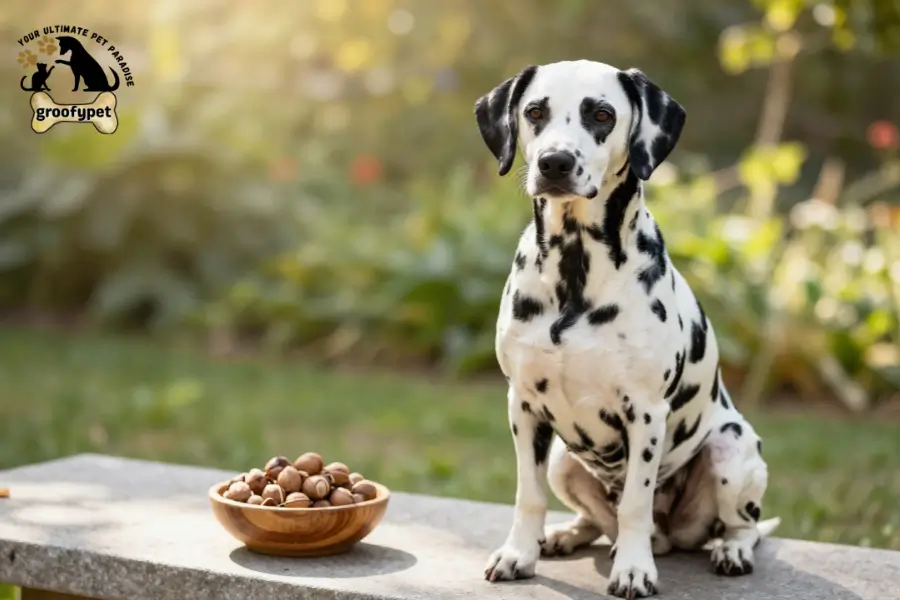
4. Hickory Nut Pieces or Fragments
Broken pieces of nuts or shells are still dangerous. Smaller pieces may be easier to swallow, but they still carry fat and toxin risks. They can also collect in the gut and cause a blockage over time.
5. Moldy Hickory Nuts
This is the most dangerous form. Never let your dog anywhere near moldy hickory nuts. If you see black or green spots on fallen nuts, pick them up and dispose of them before your dog gets to them.
6. Hickory-Flavored Foods
Some pet treats or foods are labeled “hickory smoked.” The flavor itself does not carry the same risks as actual hickory nuts. However, always check the ingredients list. If a treat contains actual hickory nut pieces, avoid it. If it just uses natural hickory smoke flavor, read the rest of the ingredients for any other harmful additives.
Comparison: Hickory Nuts vs. Other Nuts for Dogs
Not all nuts are equal when it comes to dogs. Here is a simple comparison to help you understand where hickory nuts sit.
| Nut | Safe for Dogs? | Key Concern |
|---|---|---|
| Hickory nuts | ❌ No | High fat, juglone, mold toxins |
| Macadamia nuts | ❌ No — toxic | Causes weakness, tremors, fever |
| Black walnuts | ❌ No — toxic | Juglone, mold toxins |
| Pecans | ❌ No | Mold toxins, high fat |
| Walnuts | ❌ No | Mold toxins, large size |
| Cashews | ⚠️ Rarely okay | High fat, ok in tiny amounts |
| Peanuts (unsalted) | ✅ Yes, in small amounts | Not a tree nut — a legume |
| Pistachios | ⚠️ Rarely okay | High fat, shell danger |
| Almonds | ❌ No | Hard to digest, blockage risk |
As you can see, most tree nuts are unsafe for dogs. Peanuts (which are technically legumes, not tree nuts) are the safest nut option in very small, unsalted amounts.
Best Alternatives to Hickory Nuts
If you want to give your dog a healthy, crunchy snack, there are many safer options. Here are some great alternatives that dogs actually enjoy:
Healthy Snacks for Dogs
- Baby carrots—crunchy, low-calorie, great for teeth
- Apple slices (no seeds) — sweet and full of fiber
- Blueberries — packed with antioxidants
- Watermelon (no seeds or rind) — hydrating and refreshing
- Plain cooked chicken — high in protein and very digestible
- Green beans — low calorie and filling
- Sweet potato (cooked, plain) — full of vitamins
- Cucumber slices — cool and hydrating
- Pumpkin puree (plain, no spices) — great for digestion
- Unsalted peanuts or peanut butter — in tiny amounts only
These options give your dog something tasty to enjoy without the risks that come with hickory nuts or other tree nuts.
Myths vs. Facts About Hickory Nuts and Dogs
Let’s clear up some common misunderstandings.
Myth 1: “Hickory nuts are toxic to dogs.”
Fact: Hickory nuts are not directly classified as toxic. However, they are still very unsafe because of their high fat content, the juglone in their shells, and the mold they can grow.
Myth 2: “One or two nuts won’t hurt a small dog.”
Fact: Even a small amount can cause gastrointestinal distress or an obstruction. For small dogs, even one nut is a risk. If the nut is moldy, any amount is dangerous.
Myth 3: “If my dog has eaten hickory nuts before with no problem, it’s safe.”
Fact: Past luck does not mean future safety. Mold levels change from nut to nut. Repeated exposure to high-fat foods builds up risk for pancreatitis over time. Do not assume safety based on previous experiences.
Myth 4: “Roasting the nuts makes them safe for dogs.”
Fact: Roasting does not remove fat, does not eliminate juglone, and does not prevent all mold risks. Roasting may also add salt or other seasonings that are harmful to dogs.
Myth 5: “My dog eats nuts in the wild all the time, so it must be fine.”
Fact: Wild dogs and wolves are exposed to many natural hazards. That does not mean those things are healthy. Domestic dogs are not designed to digest the fat content found in tree nuts.
When to Call a Veterinarian
Call Your Vet If:
- Your dog ate more than 1–2 hickory nuts
- Your dog ate any moldy hickory nuts
- Your dog ate hickory nut shells
- Your dog is small, elderly, or already unwell
- Your dog is a puppy
- You notice any symptoms after they ate the nuts
- Your dog has a history of pancreatitis
Go to an emergency vet right away if:
- Your dog shows tremors or seizures
- Your dog collapses or cannot stand
- Your dog has a swollen or rigid abdomen
- Your dog is vomiting repeatedly and cannot keep water down
- Your dog shows signs of severe dehydration
- Your dog has blood in their stool or vomit
What the Vet May Do
When you visit the vet, they may:
- Perform a physical examination and check for abdominal pain
- Run a blood panel or CBC to check organ function
- Do a urine analysis to check kidney health
- Use an abdominal ultrasound to check for blockages
- Administer IV fluids to treat dehydration
- Give anti-nausea medication or stomach protectants
- Prescribe muscle relaxants if tremors are present
- Recommend hospitalization in severe cases
The sooner you bring your dog in, the better the outcome will be.
Common Mistakes Pet Owners Make
Many dog owners make well-meaning mistakes when it comes to nuts and dogs. Here are the most common ones to avoid:
- Assuming “natural” means safe. Hickory nuts are natural, but that does not make them safe for dogs.
- Waiting too long to call the vet. Symptoms can get worse fast, especially with mold toxins.
- Inducing vomiting without vet guidance. This can sometimes cause more harm.
- Leaving fallen nuts in the yard. Raking regularly in autumn is essential.
- Giving dogs human trail mix. Many trail mixes contain hickory nuts, macadamia nuts, or raisins, all dangerous for dogs.
- Ignoring mild symptoms. Mild vomiting can turn into a serious blockage quickly.
- Not telling the vet everything. Always tell your vet exactly what and how much your dog ate.
Expert Tips for Dog Owners
Here are some practical tips from pet care professionals:
- Train the “leave it” command early. This one command can save your dog’s life near hickory trees.
- Use puzzle feeders to give your dog healthy snacks in a fun way so they are less likely to seek out random food on the ground.
- Do a yard check every morning in autumn. Fallen nuts accumulate overnight.
- Talk to your vet about a low-fat diet if your dog has had pancreatitis before. High-fat foods like nuts are especially risky for these dogs.
- Save the nut. If you can, bring a sample of what your dog ate to the vet. It helps with diagnosis — especially if mold is present.
Frequently Asked Questions
Can dogs eat hickory nuts safely?
No. Dogs cannot eat hickory nuts safely. These nuts are high in fat and can cause vomiting, diarrhea, and pancreatitis. The shells contain juglone, which is mildly toxic. Moldy hickory nuts are especially dangerous and can cause seizures and neurological damage. There is no safe amount of hickory nuts for dogs, and vets recommend keeping them away from pets entirely.
What happens if a dog eats a hickory nut?
If a dog eats a hickory nut, it may experience vomiting, diarrhea, stomach pain, and lethargy. These are signs of gastrointestinal distress. If the nut were moldy, the dog may develop tremors, uncontrolled eye movement, or seizures due to tremorgenic mycotoxins. Shell pieces can also cause an intestinal obstruction. Always monitor your dog closely and call your vet if you see any symptoms.
Are hickory nuts toxic to dogs?
Hickory nuts are not classified as directly toxic, but they are still unsafe. The shells contain a chemical called juglone that is mildly toxic. More importantly, moldy hickory nuts produce tremorgenic mycotoxins, which are highly dangerous and can cause severe neurological symptoms. The high fat content also puts dogs at serious risk of pancreatitis and digestive problems.
What should I do if my dog ate hickory nuts?
First, check how many nuts they ate and whether the nuts showed any signs of mold. Then call your vet or the ASPCA Animal Poison Control Center. Watch your dog closely for the next 24–48 hours. Look for vomiting, diarrhea, tremors, or difficulty breathing. If any severe symptoms appear, go to an emergency vet right away. Do not try to induce vomiting without vet guidance.
Can puppies eat hickory nuts?
No. Puppies should never eat hickory nuts. Their digestive systems are still developing, and their small bodies are much more vulnerable to the fat overload, juglone toxicity, and mold toxins found in hickory nuts. A single nut can cause choking or intestinal blockage in a puppy. If your puppy eats even one hickory nut, call your vet immediately without waiting for symptoms.
How do I stop my dog from eating hickory nuts in the yard?
The best approach is to regularly rake and remove fallen nuts, especially in autumn. Install a barrier like a garden fence around hickory trees. Teach your dog the “leave it” command, which can stop them from picking up harmful items. Supervise outdoor time closely during nut-falling season. You can also use outdoor dog playpens to keep your dog in a nut-free zone of the yard.
Are hickory nut shells dangerous for dogs?
Yes. Hickory nut shells are especially dangerous. They contain juglone, which is mildly toxic to dogs. They are hard enough to crack teeth. Swallowed shell pieces can cause choking or intestinal obstruction. Never allow your dog to chew on hickory nut shells, and pick up any shell fragments in your yard or on walks.
What nuts can dogs eat safely?
The safest option is plain, unsalted peanuts in very small amounts. Peanuts are actually legumes, not tree nuts, so they carry fewer risks. Some vets allow very small amounts of cashews or pistachios on rare occasions. However, most tree nuts, including hickory nuts, macadamia nuts, black walnuts, pecans, and almonds, are unsafe for dogs. When in doubt, skip the nuts and offer fruits or vegetables instead.
Can dogs eat hickory-smoked food?
It depends on the product. If a food is flavored with natural hickory smoke but contains no actual hickory nut pieces, it is generally not a direct nut risk. However, smoked meats often contain high salt content, which is also harmful to dogs. Always read the full ingredient list and keep portions small. If in doubt, choose a product made specifically for dogs.
My dog eats hickory nuts all the time and seems fine. Should I be worried?
Yes. Repeated exposure to hickory nuts increases the risk of pancreatitis over time, even if your dog shows no immediate symptoms. Dogs can look fine on the outside while internal damage builds up slowly. Additionally, the mold risk changes with each batch of nuts. Your dog may have been lucky so far, but the risk is real. Talk to your vet and take steps to prevent future exposure.
Final Thoughts
So, can dogs eat hickory nuts? The clear answer is no. Hickory nuts are not safe for dogs. They may not be directly poisonous, but they carry too many real dangers to ever justify giving them to your pet. The high fat content can lead to pancreatitis and obesity. The shells contain juglone, a mildly toxic chemical. And moldy hickory nuts can cause life-threatening neurological damage from tremorgenic mycotoxins.
As a dog owner, your job is to keep your pet safe. That means knowing which foods to avoid, and hickory nuts are firmly on the avoid list. The good news is that there are plenty of safe, tasty alternatives. Carrots, blueberries, apple slices, and plain cooked chicken all make wonderful snacks that your dog can enjoy without any health risks.
If your dog eats hickory nuts, whether it is one nut or a whole pile, take it seriously. Watch for symptoms, call your vet, and act fast if things get worse. Prevention is always better than treatment. A quick rake of the yard each morning in autumn can save you a very expensive and stressful vet visit.
Your dog depends on you to make smart choices for them. Armed with the information in this guide, you can keep your furry friend happy, healthy, and far away from hickory nuts.