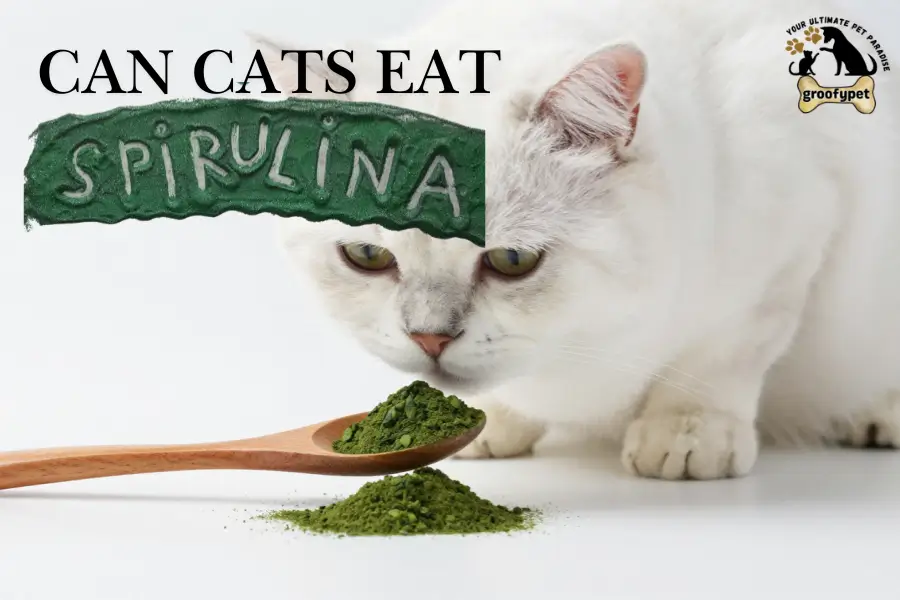
Spirulina has become one of the most popular superfoods in recent years. You probably see it in human smoothies, powders, and health supplements. But as a cat owner, you may wonder, can cats eat spirulina too?
Spirulina is a type of blue-green algae, or more precisely, a cyanobacteria called Arthrospira platensis. It grows in warm, alkaline freshwater and is packed with protein, vitamins, minerals, and antioxidants.
Many pet owners now add spirulina supplements to their cat’s diet hoping to boost immunity, improve coat health, or add extra nutrients. The idea sounds good. But before you sprinkle any green powder into your cat’s bowl, you need the full picture.
The short answer is yes, cats can eat spirulina in small, controlled amounts. But quality matters a lot. And moderation is key. This guide covers everything you need to know about spirulina for cats: the benefits, the risks, how much to give, and when to avoid it entirely.
Can Cats Eat Spirulina?
Yes, cats can eat spirulina. It is not toxic to cats when given in the right amount. Small servings of high-quality spirulina are generally safe for healthy adult cats.
Spirulina is not a natural part of a cat’s diet. Cats are obligate carnivores. That means they need animal-based protein to survive. They cannot meet their full nutritional needs from plant-based ingredients alone. Spirulina is not a replacement for meat-based cat food.
However, spirulina can work as a supplement, a small nutritional add-on to an already balanced diet. When you feed the right dose of clean, tested spirulina, it may support your cat’s immune system, digestion, coat, and energy.
But not all spirulina is the same. Low-quality products can contain heavy metals, harmful toxins, and contaminating bacteria. These can hurt your cat. That is why quality and moderation matter more than almost anything else when feeding spirulina to cats.
Is Spirulina Safe for Cats?
Spirulina is generally safe for cats when given in small amounts and as a high-quality supplement. It contains vitamins, minerals, antioxidants, and protein that may support your cat’s overall health.
When Spirulina Is Safe
Spirulina is safe for cats when you follow a few important rules:
- You choose a high-quality, organic spirulina product made specifically for pets or verified as safe for animals
- You feed only small serving sizes, a tiny pinch to no more than 1/8 teaspoon depending on your cat’s size
- Your cat is a healthy adult with no known medical conditions
- You introduce it slowly and watch for any reactions
Scientific research supports this. One peer-reviewed study found that spirulina was a well-tolerated supplement for cats when given at amounts ranging from 0.4g to 1.2g daily for six weeks. No significant harmful changes were found.
When Spirulina May Not Be Safe
Spirulina is not safe for every cat in every situation. You should avoid it or consult your vet first if:
- The product is low quality, untested, or sourced from uncontrolled environments
- Your cat has kidney disease, liver problems, or a chronic illness
- Your cat is on medication; spirulina may interact with certain drugs
- You feed too much; overfeeding can cause digestive issues and nutritional imbalances
- Your cat shows signs of an allergic reaction after trying it
Always consult your veterinarian before adding any supplement to your cat’s diet.
Nutritional Value of Spirulina
Spirulina is rich in protein, vitamins, minerals, and antioxidants that help support overall health. It contains nutrients such as iron, B vitamins, beta-carotene, and essential amino acids.
Key Nutrients Found in Spirulina
Spirulina is unusually dense in nutrients. Here is what it contains:
- Protein — over 60% protein by weight, with all essential amino acids
- Amino acids—includes lysine, methionine, and taurine precursors
- Iron — one of the richest plant-based sources of iron
- Vitamins — B1 (thiamine), B2 (riboflavin), B3 (niacin), B6, B12, and vitamin K
- Antioxidants — especially phycocyanin, the blue-green pigment with strong anti-inflammatory effects
- Minerals — calcium, magnesium, potassium, and zinc
- Essential fatty acids — including gamma-linolenic acid (GLA)
- Chlorophyll — supports detoxification
Spirulina Nutrition Chart
The following table shows the approximate nutritional content of 1 teaspoon (about 3g) of dried spirulina powder:
| Nutrient | Amount per 3g | Benefit for Cats |
| Calories | ~8 kcal | Low-calorie supplement |
| Protein | ~1.8g | Muscle support |
| Iron | ~2mg | Blood health |
| Vitamin B12 | ~0.5mcg | Nerve function |
| Phycocyanin | High | Antioxidant, anti-inflammatory |
| Calcium | ~8mg | Bone health |
| Magnesium | ~5mg | Enzyme function |
| GLA (Omega-6) | Trace | Skin and coat |
Health Benefits of Spirulina for Cats
Spirulina may provide several health benefits for cats when fed in small and appropriate amounts.
1. Rich Source of Protein
Spirulina contains over 60% protein by weight. That is higher than beef or chicken by the same measure. While cats still need animal-based protein as their main food source, spirulina adds a concentrated amino acid boost to their diet. This can help support muscle mass, especially in older cats.
2. Supports Immune Health
Spirulina stimulates immune function. Research on cats found that a water-soluble extract of Arthrospira platensis increased macrophage phagocytic activity, the ability of immune cells to detect and destroy harmful invaders. In dogs fed spirulina-supplemented diets, vaccine response and fecal IgA levels both improved. Similar benefits are likely in cats.
3. Contains Powerful Antioxidants
Phycocyanin is the compound that gives spirulina its deep blue-green color. It is also one of the most powerful natural antioxidants. Antioxidants fight free radicals — harmful molecules that damage cells and speed up aging. Regular antioxidant support can reduce the risk of chronic disease and support long-term health in cats.
4. May Promote Healthy Skin
Spirulina contains gamma-linolenic acid (GLA), an omega-6 fatty acid that supports the skin barrier. Cats with dry, flaky, or itchy skin may benefit from the anti-inflammatory effects of GLA and phycocyanin. Some pet owners report visible improvements in skin condition after a few weeks of spirulina supplementation.
5. Supports Coat Quality
The combination of protein, fatty acids, vitamins, and minerals in spirulina supports coat health. These nutrients support the growth of strong, shiny fur. Cats with dull or thin coats may see improvement over time with consistent supplementation at the right dose.
6. Provides Essential Nutrients
Spirulina delivers vitamins B1, B2, B3, B6, B12, and K, along with iron, calcium, magnesium, potassium, and zinc. Many of these nutrients support energy metabolism, nerve function, and cellular repair. This makes spirulina a broad-spectrum nutritional supplement in a very small serving.
7. Supports Energy Levels
B vitamins play a direct role in how the body converts food into energy. Cats that seem low energy or sluggish — especially senior cats — may benefit from the B-vitamin content in spirulina. The iron content also supports healthy red blood cells, which carry oxygen through the body and affect energy levels.
8. May Support Digestive Health
Spirulina contains chlorophyll, which helps clear the gastrointestinal tract of harmful bacteria. Some studies suggest spirulina may also support beneficial gut bacteria and reduce gut inflammation. A healthier gut means better nutrient absorption and more stable digestion overall.
9. Helps Overall Wellness
Spirulina supports detoxification by helping the liver and kidneys process and remove toxins. Cats are exposed to everyday toxins through food, water, and the environment. Chlorophyll and other compounds in spirulina assist the body’s natural detox processes and may reduce the toxic load on vital organs over time.
10. Can Complement a Balanced Diet
Spirulina works best as a complement to high-quality cat food, not as a replacement for it. When your cat already eats a nutritionally balanced diet, a small amount of spirulina adds an extra layer of nutritional support. Think of it as a well-chosen topper that fills in small nutritional gaps.
Risks of Feeding Spirulina to Cats
While spirulina is generally safe in small amounts, some cats may experience digestive upset such as vomiting, diarrhea, or stomach discomfort if they eat too much. Poor-quality spirulina products may also contain contaminants that could be harmful to your cat.
1. Digestive Upset
The most common side effect of spirulina in cats is mild digestive upset. When you introduce it too quickly or give too much, the digestive system reacts. Always start with a tiny amount and build up gradually.
2. Vomiting
Some cats vomit after eating spirulina, especially when given a large amount for the first time. If your cat vomits once or twice after starting spirulina, reduce the dose or stop and try again more slowly. If vomiting continues, stop use and speak to your vet.
3. Diarrhea
Loose stools and diarrhoea are another common reaction to spirulina. This usually happens when the dose is too high. Reduce the amount and monitor your cat’s stool closely. Persistent diarrhoea needs veterinary attention.
4. Allergic Reactions
While rare, some cats are sensitive to spirulina or the compounds within it. Signs of an allergic reaction include itching, swelling, hives, or respiratory changes. Stop feeding spirulina immediately if you notice any of these signs and contact your vet.
5. Contaminated Supplements
This is the biggest risk of all. Low-quality spirulina can be contaminated with microcystins (liver-damaging toxins), neurotoxins, haemotoxins, lead, mercury, and arsenic. These toxins accumulate in the body and can cause serious long-term harm. Always buy from brands that provide third-party testing certificates.
6. Excess Nutrient Intake
Spirulina is nutrient-dense. Giving too much over a long period can push certain nutrients above safe levels. Excess iron, for example, can cause toxicity. Stick to recommended amounts and do not treat spirulina as an unlimited supplement.
7. Drug Interactions
Spirulina may interact with certain medications. It has mild blood-thinning properties and can affect immune-modulating drugs. If your cat takes any prescription medication, consult your vet before adding spirulina to the diet.
8. Poor Product Quality
Not all spirulina sold for pets meets safety standards. Some products use other blue-green algae species — like Aphanizomenon flos-aquae (AFA) — and mislabel them as spirulina. AFA is more likely to contain dangerous toxins. Only buy products that clearly state Arthrospira platensis on the label.
9. Overconsumption Risks
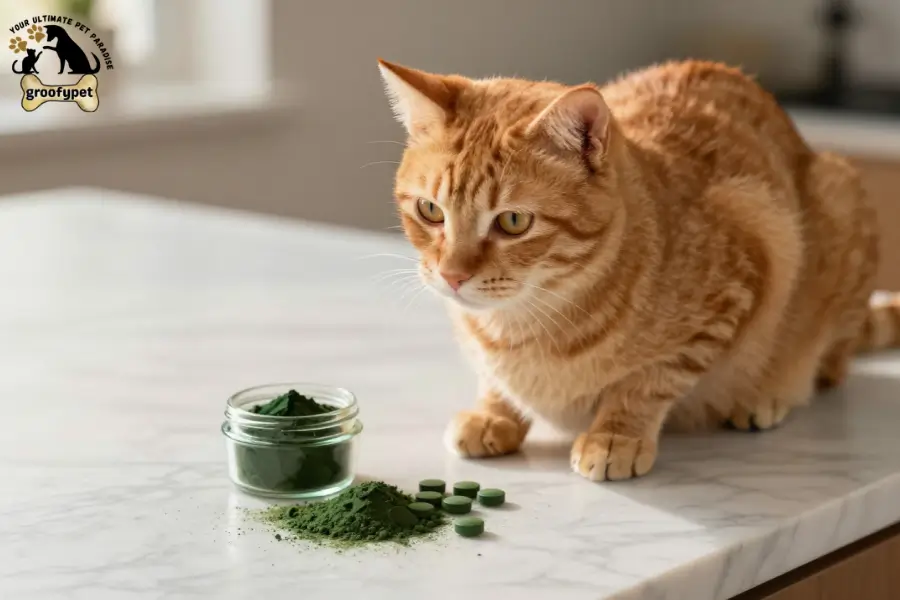
If a cat accidentally eats a large quantity of spirulina tablets or powder — as sometimes happens when supplements are left accessible — the risk of digestive upset and toxin overload increases sharply. Store all supplements securely away from pets.
10. Nutritional Imbalance
Cats need a very specific balance of nutrients. Overusing supplements — even beneficial ones — can disrupt that balance. Spirulina should make up a tiny fraction of your cat’s daily intake. It should support a good diet, not try to replace it.
Can Kittens Eat Spirulina?
Kittens have very different nutritional needs from adult cats. They are growing rapidly and need precise amounts of protein, fat, calcium, and other nutrients to develop properly. Their digestive and immune systems are also more sensitive.
Most veterinarians do not recommend giving spirulina to kittens. The potential risks outweigh the benefits at this stage of development. Kittens should eat a complete, balanced kitten-specific food that meets all their growth requirements.
If you want to support your kitten’s health with a supplement, talk to your vet first. There are cat-safe options formulated specifically for kittens that pose less risk than spirulina.
Safe alternatives for kittens include high-quality kitten formula food, DHA-rich fish oil designed for kittens (with vet guidance), and age-appropriate probiotics. Always follow veterinary advice before giving any supplement to a young cat.
How Much Spirulina Can Cats Eat?
Cats only need a very small amount of spirulina as a supplement. Most owners start with a pinch or follow the serving guidelines provided on a pet-safe spirulina product.
Feeding Guide by Cat Size
The right amount depends on your cat’s body weight. Start at the lower end and increase only if your cat tolerates it well with no side effects.
| Cat Size | Weight Range | Suggested Amount |
| Small Cat | Under 4 kg (9 lbs) | Tiny pinch (~0.1g) |
| Medium Cat | 4–6 kg (9–13 lbs) | Small pinch (~0.2–0.4g) |
| Large Cat | Over 6 kg (13 lbs) | Up to 1/8 teaspoon (~0.4–0.6g) |
How Often Can Cats Eat Spirulina?
You do not need to give spirulina every day. Start with 2 to 3 times per week. This gives your cat’s body time to adjust and allows you to monitor for any negative reactions. Once you confirm your cat tolerates it well, you can increase to daily use if desired, but always stick to the small serving sizes above.
More is not better with spirulina. Consistent, modest amounts over time provide the benefits. Larger amounts do not multiply the benefits but do increase the risk of side effects.
What Happens If a Cat Eats Too Much Spirulina?
If your cat eats too much spirulina — whether by accident or from overfeeding — watch for these symptoms:
- Vomiting
- Diarrhea or loose stools
- Reduced appetite or refusal to eat
- Lethargy or decreased activity
- Stomach bloating or discomfort
These symptoms usually appear within a few hours of eating too much. Most cases resolve on their own with rest and access to fresh water. Remove any remaining spirulina from reach and do not offer any more until your cat fully recovers.
Contact your veterinarian if symptoms last more than 24 hours, if your cat is very young or elderly, if you suspect a highly contaminated product, or if your cat becomes severely lethargic, collapses, or shows neurological signs. In these cases, get veterinary help right away.
Signs Your Cat Does Not Tolerate Spirulina
If your cat does not tolerate spirulina, you may notice signs such as vomiting, diarrhea, stomach upset, or a loss of appetite after consumption. Some cats may also become less active or show signs of discomfort.
Digestive Symptoms
Watch for any change in your cat’s bathroom habits after you introduce spirulina:
- Vomiting — one or more times shortly after eating spirulina
- Diarrhea — loose, watery, or unusually frequent stools
- Gas — unusual bloating or flatulence
Physical Symptoms
Physical signs of intolerance or an allergic reaction may include:
- Itching — scratching the face, neck, or body more than usual
- Lethargy — sleeping more, less interested in play or movement
- Reduced appetite — refusing food or eating much less than normal
If you notice any of these signs, stop the spirulina immediately. Wait a few days to see if symptoms clear. If they do not resolve, see your vet. Keep a record of when you started, how much you gave, and what symptoms appeared. This helps your vet diagnose the issue quickly.
Can Cats Eat Different Forms of Spirulina?
Cats can eat spirulina in several forms, including powder, tablets, capsules, and pet supplements, as long as the product is high quality and free from harmful additives. Powdered spirulina is often the easiest form to mix into cat food.
Spirulina Powder
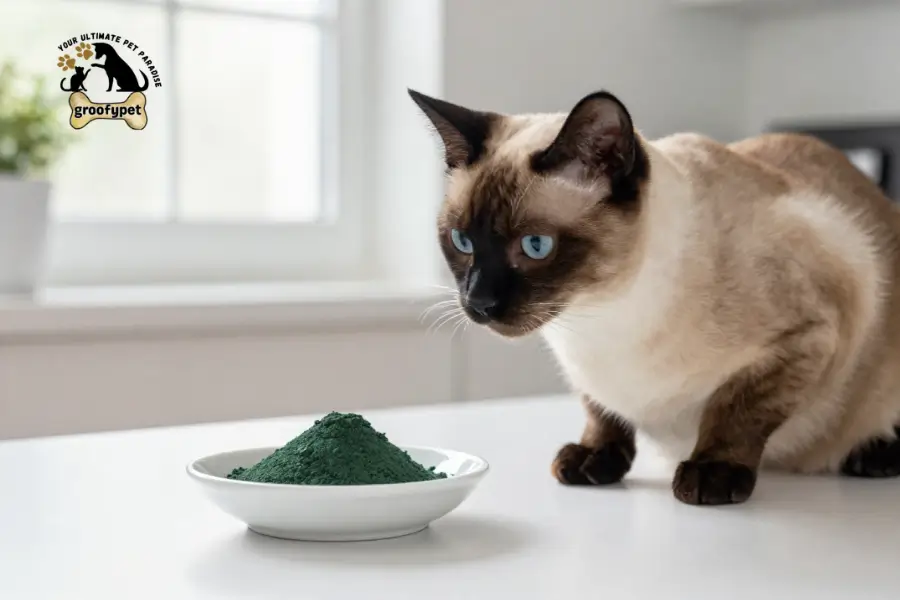
Spirulina powder is the easiest form to use for cats. You can measure a precise, tiny amount and mix it directly into wet food. It blends well, and most cats do not notice it when mixed with food they enjoy. This is the recommended form for most cat owners.
Spirulina Tablets
Tablets can work but require a different approach. Most cats will not voluntarily eat a tablet placed in an empty bowl. Studies show that only about 20% of cats eat a spirulina tablet without hesitation. You may need to crush the tablet and mix the powder into food, or hide it inside a treat.
Spirulina Capsules
Capsules contain the same powder as a loose supplement. You can open the capsule and use the powder inside. This makes capsules functionally the same as powder. Make sure the capsule contains only spirulina with no fillers, additives, or other herbs that could harm cats.
Spirulina Treats
Some pet food companies make cat treats with spirulina included. These can be a convenient way to supplement. Check the ingredient list carefully. Look for whole-food ingredients, no artificial additives, and a clear statement of spirulina species and sourcing. Treats tend to contain lower spirulina concentrations, which makes them a gentler introduction.
Spirulina Mixed With Cat Food
Mixing a small amount of spirulina powder into wet cat food is the most reliable way to ensure your cat consumes it. Use wet food with a strong smell that your cat already enjoys. Start with the smallest possible amount so you can confirm acceptance before building up the dose.
How to Safely Feed Spirulina to Cats?
To safely feed spirulina to cats, start with a very small amount and mix it into their regular food so your cat can adjust slowly. Use only high-quality, pet-safe spirulina with no additives or harmful ingredients.
Choose High-Quality Products
Only buy spirulina that is clearly labelled as Arthrospira platensis. Look for certified organic options when possible. The product should come with a certificate of analysis from an independent third-party lab showing it has been tested for heavy metals, microcystins, and other contaminants. If the company does not provide this information, choose a different brand.
Start With Small Amounts
Begin with the smallest possible serving — a tiny pinch of powder mixed into food. Keep this level for at least one week while you watch for any reactions. Only increase the amount gradually once you are confident your cat handles it well.
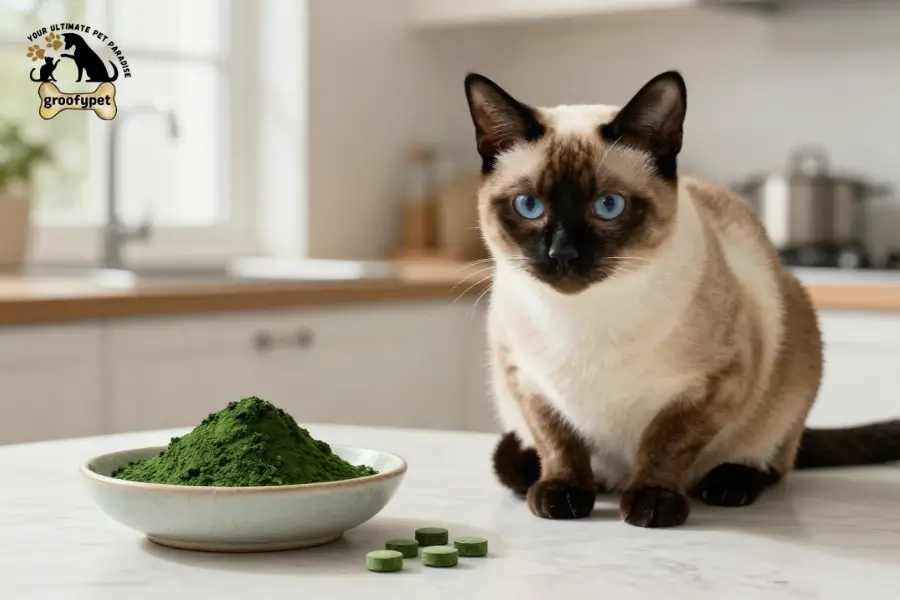
Mix With Food
Always mix spirulina into your cat’s regular food. Never give it on its own. Mixing it with wet food makes it easier to consume and reduces the chance of digestive upset. Use a food your cat already likes so they are more likely to eat the full portion.
Monitor for Reactions
Observe your cat closely for the first two weeks of supplementation. Note any changes in digestion, energy, coat, or behavior. Keep a simple log if it helps. If anything changes negatively, reduce the dose or stop entirely.
Follow Dosage Guidelines
Never exceed the amounts listed in the feeding guide above. More is not better. Stick to small, consistent servings. If you want to use spirulina long-term, take a break every few months and discuss ongoing use with your vet during routine checkups.
Best Alternatives to Spirulina for Cats
Good alternatives to spirulina for cats include high-quality animal-based proteins and supplements like fish oil, which support skin, coat, and overall health. Cat-safe probiotics can also help improve digestion and immune function.
Fish Oil
High-quality fish oil (such as salmon or sardine oil) provides omega-3 fatty acids that support skin, coat, joint, and brain health. Many vets recommend it as a safe, well-researched supplement for cats. Start with a small amount and choose a product free from heavy metal contamination.
Cooked Fish
Plain cooked fish like salmon or sardines (in water, no salt) is a natural whole-food source of omega-3s and protein. Feed as an occasional treat, not as a daily meal replacement. Avoid raw fish, which can contain parasites.
Freeze-Dried Cat Treats
Single-ingredient freeze-dried treats made from chicken, turkey, or fish are a clean, minimally processed supplement to your cat’s diet. They add protein and palatability without the risks associated with algae-based supplements.
Cat-Safe Multivitamins
Veterinary-formulated cat multivitamins provide a broad range of nutrients in doses calibrated for feline biology. These are often a safer and more targeted option than general-purpose superfoods like spirulina, especially for cats with specific health needs.
High-Quality Cat Food
The single most effective supplement for most cats is simply switching to better cat food. A nutritionally complete, high-meat-content, low-filler diet meets the vast majority of a cat’s needs without any additional supplements.
Supplements Cats Should Avoid
Cats should avoid supplements that contain toxic herbs, high doses of vitamins, or ingredients not formulated for feline use, as these can harm their liver, kidneys, or digestion. Human supplements are especially risky because cats process nutrients differently.
Human Weight-Loss Supplements
Never give weight-loss supplements designed for humans to cats. These often contain stimulants, diuretics, or appetite suppressants that are toxic to felines. Even small amounts can cause heart problems, seizures, or organ damage.
Excess Vitamin Supplements
Cats can overdose on certain vitamins, especially vitamin A and vitamin D. Too much vitamin A causes bone deformities. Too much vitamin D causes calcium to build up in the blood and damages organs. Only supplement vitamins if your vet identifies a specific deficiency.
Herbal Products Without Veterinary Approval
Many herbal supplements safe for humans are toxic to cats. Garlic, onion, aloe vera, and tea tree oil are just a few examples. Never give your cat any herbal product unless a vet who knows your cat’s medical history has specifically approved it.
Unknown Dietary Supplements
If a supplement does not have a clear ingredient list, species-specific safety data, and independent testing, do not give it to your cat. Unverified supplements carry the highest risk of contamination, mislabeling, and harmful interactions.
How to Introduce Spirulina to Your Cat
Follow these steps to introduce spirulina safely and gradually:
- Week 1 — Add a tiny pinch (about 0.1g) of spirulina powder to wet food once every two to three days. Watch carefully for any digestive or physical reactions.
- Week 2 — If your cat shows no negative signs, increase to once daily at the same small amount. Continue monitoring.
- Week 3 and beyond — If all is well, you may slightly increase the amount toward the dose appropriate for your cat’s size. Never exceed the maximum amounts in the feeding guide.
Mix spirulina into a food your cat loves. The strong smell of good wet food masks the earthy taste of spirulina, which many cats find off-putting at first. Never force your cat to eat something they consistently refuse. If your cat rejects spirulina consistently, choose a different supplement instead.
Veterinarian Advice on Cats and Spirulina
Most veterinarians agree that spirulina can be safe for healthy adult cats when you use a high-quality product at a low dose. However, most also point out that cats eating a complete, balanced diet do not necessarily need additional supplements at all.
The main concerns vets raise are product quality and dose control. Contaminated spirulina is a real danger. Without third-party testing, you have no way to know if a product contains harmful toxins. Vets strongly recommend asking for a certificate of analysis before buying any spirulina supplement.
If your cat has any health condition, kidney disease, liver issues, digestive disorders, or immune problems, talk to your vet before starting spirulina. Cats on medication should also get a vet review first to check for interactions.
Balanced nutrition always comes before supplementation. The best foundation for your cat’s health is high-quality, complete cat food. Supplements like spirulina work best as a complement to a great diet — not as a shortcut to replace one.
Frequently Asked Questions
Can cats eat spirulina every day?
Yes, healthy adult cats can eat spirulina daily as long as you stick to small doses and use a high-quality, tested product. Start every 2 to 3 days before moving to daily use.
Is spirulina toxic to cats?
Pure, high-quality spirulina (Arthrospira platensis) is not toxic to cats at proper doses. However, low-quality or contaminated spirulina can contain harmful toxins like microcystins, heavy metals, and neurotoxins that are dangerous to cats.
Can kittens eat spirulina?
Veterinarians generally do not recommend spirulina for kittens. Kittens need precise nutrition for development, and their systems are more sensitive. Consult your vet before giving any supplement to a kitten.
How much spirulina can cats have?
Small cats can have a tiny pinch (about 0.1g). Medium cats can have a small pinch (0.2 to 0.4 g). Large cats can have up to 1/8 teaspoon (0.4 to 0.6 g). Always start at the low end and increase gradually.
Can spirulina cause diarrhea in cats?
Yes. Diarrhea is one of the most common side effects of spirulina in cats, especially when the dose is too high or introduced too quickly. Reduce the amount if diarrhea occurs. If it persists more than 24 to 48 hours, see your vet.
Is spirulina powder safe for cats?
Spirulina powder is safe for cats when it comes from a reputable source, is third-party tested, and is fed in small amounts. It is the most convenient form to use because you can easily measure and mix precise amounts into food.
What are the benefits of spirulina for cats?
The main benefits include immune system support, antioxidant protection, digestive health, healthier skin and coat, energy support, and a broad spectrum of essential vitamins and minerals. Benefits build over time with consistent, moderate use.
Are spirulina supplements necessary for cats?
No. Cats eating a nutritionally complete, high-quality diet do not need spirulina. Spirulina is an optional supplement that may offer additional support. It is not a substitute for a balanced diet and is not required for a healthy cat.
Final Thoughts
Cats can eat spirulina, and it can offer real nutritional benefits when you use it correctly. The key points to remember are these:
- Spirulina is safe for healthy adult cats in small, controlled amounts
- Quality is everything; only buy from brands that provide third-party testing and clearly label the product as Arthrospira platensis
- Start slow, monitor closely, and never exceed the recommended dose for your cat’s size
- Spirulina is a supplement, not a meal. It works best alongside a complete, balanced cat food
- Kittens and cats with health conditions need veterinary guidance before starting any supplement
Spirulina is not a magic solution. It is one small tool in a larger approach to your cat’s wellbeing. The foundation is always good food, clean water, regular vet checkups, and a safe environment.
If you want to try spirulina for your cat, start with a tiny amount of a verified, high-quality product. Watch your cat closely. And when in doubt, ask your veterinarian. They know your cat best and can give you the most accurate guidance for your cat’s specific needs.