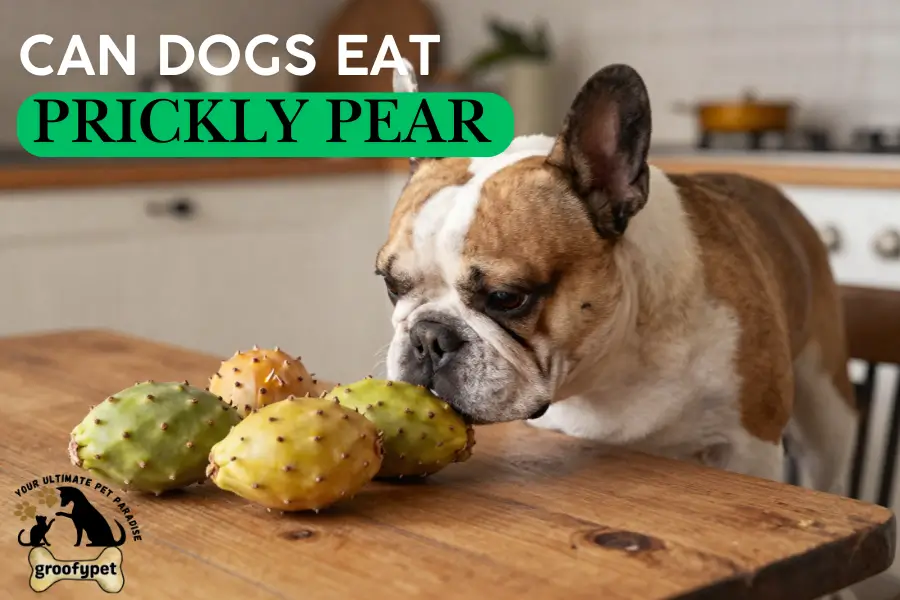
Prickly pear is a vibrant, nutrient-rich fruit that grows on the Opuntia ficus-indica cactus, native to Mexico and now widely cultivated across the Mediterranean basin, the American Southwest, and beyond.
Known as a superfood for humans, this spiny cactus fruit has caught the attention of pet owners who wonder whether it is safe to share with their canine companions. As dog owners explore healthier treat options, fruits like prickly pear naturally come up as a question.
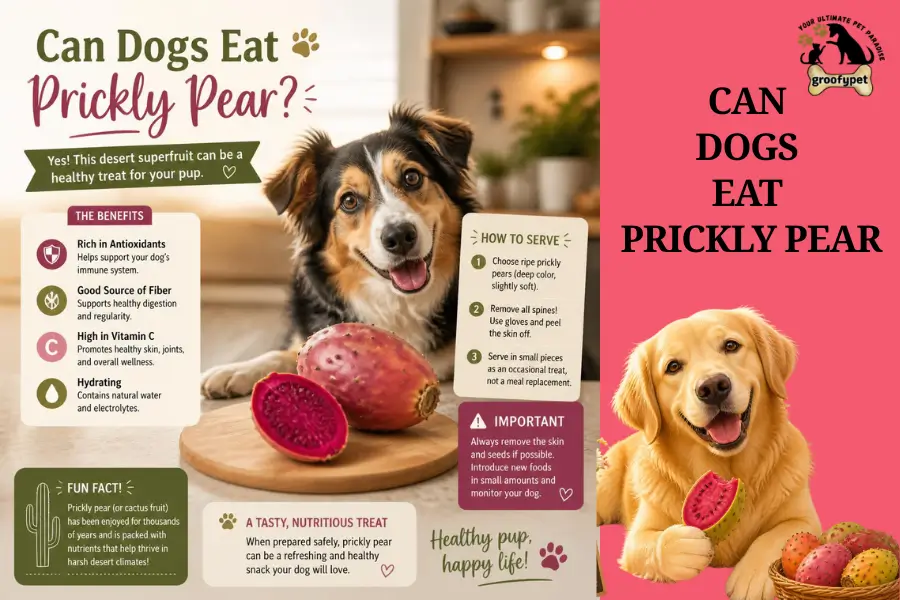
Can Dogs Eat Prickly Pear?
Yes, dogs can eat prickly pear fruit in small amounts. The flesh of a ripe, properly prepared prickly pear is non-toxic to dogs and is confirmed as such by the ASPCA Poison Control database, which classifies prickly pear cactus (Opuntia humifusa and related species) as non-toxic to dogs, cats, and horses.
That said, “non-toxic” does not mean “risk-free.” The fruit itself is safe, but the sharp spines, tough outer skin, and hard seeds all present physical and digestive hazards that require attention. The cactus pads, known as nopales, are also edible in small cooked amounts.
Though raw nopales contain oxalic acid, which can form calcium oxalate crystals and potentially contribute to kidney damage if consumed in excess. Moderation is the governing principle here. Prickly pear should be treated as an occasional snack, not a dietary staple, and always introduced carefully to watch for individual sensitivities.
Is Prickly Pear Safe for Dogs?
Prickly pear is generally safe for dogs when it is properly prepared by removing all spines, skin, and seeds. Only the ripe fruit flesh should be offered in small amounts.
When Prickly Pear Is Safe
Prickly pear is safe for dogs under specific conditions. Feeding only ripe fruit is essential. Ripe prickly pears are deep red, purple, or golden in color and give slightly when pressed. The outer skin and all visible spines (including the fine, hair-like glochids that are difficult to see) must be thoroughly removed before serving.
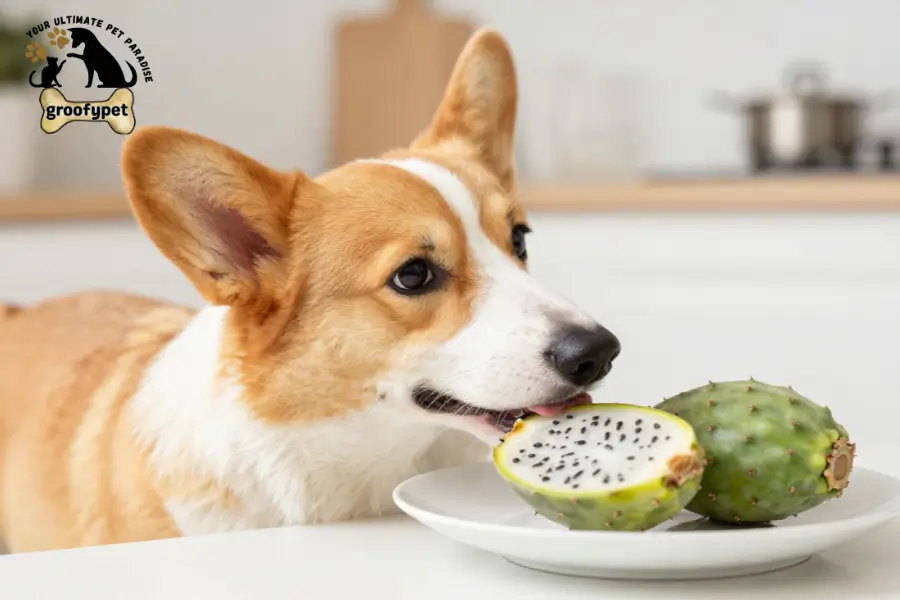
Cutting the fruit into small, manageable pieces reduces the risk of choking, and keeping serving sizes small, especially for a first introduction, minimizes any potential digestive upset.
When Prickly Pear May Be Unsafe
Unripe prickly pear fruit may contain compounds that irritate the digestive tract. Any fruit served with spines still attached poses a serious physical hazard; the spines can puncture a dog’s mouth, tongue, throat, and digestive lining, causing pain, swelling, and potential infection.
Dogs with sensitive stomachs or known digestive issues should be given prickly pear only with veterinarian approval. Excessive consumption, even of properly prepared fruit, can lead to diarrhea, vomiting, and gastrointestinal distress due to the high fiber and sugar.
Nutritional Value of Prickly Pear
Prickly pear is rich in vitamin C, fiber, antioxidants, and essential minerals like magnesium and potassium, which support overall health. It also has a high water content, making it a hydrating fruit option.
Important Nutrients in Prickly Pear
Prickly pear is considered a superfood by nutritionists, including researchers at the University of Nevada, Reno, and for good reason. It delivers a meaningful range of nutrients in a relatively low-calorie package.
- Vitamin C supports immune function and acts as an antioxidant that neutralizes free radicals. While dogs synthesize their own vitamin C, supplemental amounts from whole fruit are generally beneficial.
- Dietary fiber promotes healthy bowel movements, helps prevent constipation and bloating, and supports the digestive system. However, excess fiber from overconsumption can cause the opposite effect: loose stools and gas.
- Magnesium plays a role in muscle and nerve function, energy production, and bone health.
- Potassium supports heart function, muscle contraction, and fluid balance — all important for an active dog’s overall wellness.
- Antioxidants, including betalains (the pigments that give prickly pear its deep red-purple color), help reduce oxidative stress and inflammation at the cellular level.
- Water is exceptionally high in prickly pear, roughly 85–88%, making it a hydrating treat, particularly useful during warm weather.
Prickly Pear Nutrition Chart
The following values are approximate per 100 g of raw prickly pear fruit:
| Nutrient | Amount |
|---|---|
| Calories | ~41 kcal |
| Carbohydrates | ~9.6 g |
| Dietary Fiber | ~3.6 g |
| Sugar | ~5.9 g |
| Protein | ~0.7 g |
| Fat | ~0.5 g |
| Vitamin C | ~14 mg |
| Calcium | ~56 mg |
| Magnesium | ~85 mg |
| Potassium | ~220 mg |
| Water | ~87.6 g |
Health Benefits of Prickly Pear for Dogs
Prickly pear contains fiber, vitamin C, antioxidants, and water, which may support digestion, hydration, and overall immune health in dogs. It can also provide a light, low-fat treat when given in small amounts.
1. Supports Hydration
With nearly 88% water content, prickly pear is one of the most hydrating fruits a dog can eat. Offering a few cubes on a hot day supports fluid intake, particularly for dogs that do not drink enough water independently. It makes a refreshing, natural alternative to commercially processed treats.
2. Rich in Antioxidants
The betalains and flavonoids found in prickly pear are powerful antioxidants that help combat oxidative stress. Chronic oxidative damage is linked to aging-related conditions in dogs, including joint degeneration and certain immune disorders. Regular small amounts of antioxidant-rich foods may support long-term cellular health.
3. Provides Vitamin C
Although dogs produce vitamin C endogenously (within their own bodies), additional vitamin C from whole fruit sources provides anti-inflammatory and immune-supporting benefits. Vitamin C also aids in collagen synthesis, which is important for joint, skin, and connective tissue health.
4. Supports Immune Function
The combination of vitamin C, antioxidants, and anti-inflammatory compounds in prickly pear contributes to a stronger immune response. For older dogs or those recovering from illness, an occasional prickly pear treat may offer a gentle nutritional boost alongside their regular diet.

5. Contains Beneficial Fiber
Dietary fiber supports a healthy gut microbiome, regulates bowel movements, and helps prevent constipation. For dogs prone to sluggish digestion, the moderate fiber content in small amounts of prickly pear can be mildly beneficial. Cooked nopales (cactus pads) are also high in dietary fiber and can help prevent bloating when given in small cooked quantities.
6. May Support Digestive Health
The soluble fiber in prickly pear acts as a prebiotic, feeding beneficial gut bacteria. A healthy gut microbiome is associated with improved digestion, better nutrient absorption, and stronger immunity. Small, consistent amounts of fiber-rich fruit can contribute to overall gastrointestinal health.
7. Low in Fat
Prickly pear contains less than 0.5 g of fat per 100 g, making it an excellent low-fat snack for dogs on weight management diets or those prone to pancreatitis. Compared to many commercially available dog treats, the fat footprint is negligible.
8. Helps Promote Healthy Skin
The fatty acids and vitamin E found in prickly pear seed oil used in canine coat supplements are known for their revitalizing, hydrating, and soothing properties. While the whole fruit does not contain the concentrated oil, regular consumption of the flesh still contributes to skin health through antioxidant support and hydration.
9. Supports Overall Wellness
The magnesium, potassium, and calcium content in prickly pear collectively support bone density, muscle function, and heart health. For aging dogs or spayed dogs that may have different nutritional needs, these trace minerals offer gentle supplementary support.
10. Can Be a Refreshing Summer Treat
Beyond nutrition, prickly pear is simply a fun, colorful, and flavorful snack. Its taste, slightly sweet and reminiscent of watermelon and bubblegum, tends to be well-received by dogs. Served chilled or frozen into small cubes, it becomes an enjoyable summer treat that supports hydration and adds variety to a dog’s diet.
Risks of Feeding Prickly Pear to Dogs
Feeding prickly pear to dogs can cause digestive issues like diarrhea, vomiting, or stomach discomfort, especially if eaten in large amounts or not properly prepared. The seeds and skin may also pose a choking or blockage risk.
1. Choking Hazard From Seeds
Prickly pear contains numerous small, hard seeds throughout the flesh. While a few seeds are unlikely to cause problems in large dogs, the seeds can pose a choking hazard for small breeds and may contribute to digestive blockages, particularly in dogs with narrower digestive tracts. Always remove excess seeds before serving.
2. Digestive Upset
Dogs have sensitive digestive systems, and any new food introduced too quickly can cause upset. The combination of fiber and natural sugars in prickly pear may trigger nausea, discomfort, or irregular bowel movements, especially in dogs not accustomed to fruit in their diet.
3. Diarrhea
Excess fiber and sugar from prickly pear can accelerate intestinal transit, resulting in loose stools or outright diarrhea. This is one of the most commonly reported reactions when dogs eat prickly pear in quantities beyond what their system can process comfortably.
4. Vomiting
Some dogs may vomit after eating prickly pear, particularly if they consumed it too quickly, ate too much, or have an underlying sensitivity. Vomiting paired with lethargy or signs of abdominal pain warrants a call to the veterinarian.
5. Excess Sugar Intake
Despite being a natural fruit, prickly pear contains approximately 5.9g of sugar per 100g. For diabetic dogs, dogs on restricted-calorie diets, or those prone to blood sugar fluctuations, even natural fruit sugars should be introduced cautiously and only after consulting a veterinarian.
6. Stomach Pain
The high fiber content, seeds, and acidity of prickly pear can irritate the stomach lining in sensitive dogs, causing cramping or abdominal discomfort. Signs include restlessness, hunching over, refusal to eat, or whimpering when the abdomen is touched.
7. Allergic Reactions
While rare, some dogs may exhibit an allergic response to prickly pear. Symptoms include itching, hives, facial swelling, and excessive scratching. If any of these signs appear after a first feeding, discontinue immediately and contact your veterinarian.
8. Risk From Sharp Spines
This is arguably the most serious physical risk. Prickly pear cactus spines, including the nearly invisible glochids can puncture a dog’s mouth, tongue, throat, and digestive tract. The spines can cause pain, swelling, drooling, difficulty swallowing, and,, in severe cases, internal injuries requiring surgical intervention. Thorough spine removal is non-negotiable.
9. Weight Gain From Overfeeding
Like any calorie-containing food, too much prickly pear can contribute to weight gain over time. While the fruit is low in fat, the natural sugars and carbohydrates add up when fed in excess. Weight management is especially important for breeds predisposed to obesity.
10. Nutritional Imbalance
Fruit should never replace a nutritionally balanced dog food. Overreliance on treats — even healthy ones — can displace essential macronutrients and micronutrients that dogs require in precise ratios. Prickly pear is a supplement to a complete diet, not a substitute for it.
Can Puppies Eat Prickly Pear?
Puppies have considerably more sensitive digestive systems than adult dogs. Their gut flora is still developing, and any new food introduction carries a higher risk of causing upset. Prickly pear is not recommended as a regular treat for puppies, particularly those under six months of age.
If you do wish to introduce prickly pear to a puppy, wait until they are at least six months old and have been established on a complete puppy diet. Start with the tiniest possible amount, a single small cube with all spines, skin, and seeds removed, and observe closely for 24 to 48 hours before offering more.

Because puppies are smaller, the risks of choking from seeds and digestive blockage are proportionally higher. The safe serving recommendations for small dogs apply more or less, and veterinarian guidance is strongly advised before introducing any new fruit to a puppy’s diet.
How Much Prickly Pear Can Dogs Eat?
Dogs can eat prickly pear only in small, occasional amounts, depending on their size and tolerance. A few small, peeled pieces are usually enough as a treat.
Serving Guide by Dog Size
| Dog Size | Recommended Amount |
|---|---|
| Small Dogs (under 10 kg) | 1–2 small cubes |
| Medium Dogs (10–25 kg) | 2–4 small cubes |
| Large Dogs (over 25 kg) | 4–6 small cubes |
A “small cube” refers to approximately a 1–2 cm piece of peeled, seed-reduced, spine-free prickly pear flesh.
How Often Can Dogs Eat Prickly Pear?
Prickly pear should be offered no more than two to three times per week, and ideally less frequently when first introducing it. The widely recommended “10% treat rule” in veterinary nutrition states that treats, including healthy fruits, should make up no more than 10% of a dog’s total daily caloric intake.
For most small dogs, this means a treat budget of 20–40 calories per day, which prickly pear fits comfortably within when served in appropriate amounts.
What Happens If a Dog Eats Too Much Prickly Pear?
If a dog eats too much prickly pear in a single sitting, the most likely outcomes are gastrointestinal in nature. Common symptoms include loose stools, diarrhea, vomiting, excess gas, and abdominal discomfort. These symptoms are typically mild and self-resolving within 24 hours, provided the dog remains hydrated and no spines are ingested.
More serious symptoms, persistent vomiting, blood in stool, signs of pain when touching the abdomen, lethargy lasting more than a day, or obvious mouth injury from spines warrant prompt veterinary attention.
Do not induce vomiting at home, as this could drive any ingested spines further along the digestive tract and cause additional injury. Contact your veterinarian or an emergency animal clinic for guidance.
Signs Your Dog Does Not Tolerate Prickly Pear
If a dog does not tolerate prickly pear, it may show symptoms like vomiting, diarrhea, gas, or stomach discomfort after eating it. Some dogs may also become less active or lose their appetite.
Digestive Symptoms
Some dogs simply do not tolerate prickly pear well, regardless of how carefully it is prepared. Watch for vomiting within a few hours of eating, diarrhea or noticeably loose stools, and visible bloating or gas. A single episode is not necessarily cause for alarm, but recurring symptoms each time prickly pear is offered suggest the fruit does not agree with your dog.
Physical Symptoms
Beyond the gut, intolerance or mild allergic reactions may manifest as itching or scratching, particularly around the face, paws, or ears, as well as lethargy and general disinterest in food or activity. Loss of appetite following prickly pear consumption is a signal to avoid the fruit going forward and to consult your vet if the appetite does not recover within a normal mealtime cycle.
Can Dogs Eat Different Parts of Prickly Pear?
Dogs should only eat the soft, peeled flesh of ripe prickly pear, as other parts like the skin, spines, and seeds can be harmful or difficult to digest. These parts may cause choking, irritation, or stomach issues.
Prickly Pear Fruit
The ripe flesh of the prickly pear fruit is the safest and most appropriate part to offer dogs. Once peeled and with seeds reduced, it is mildly sweet, hydrating, and nutritionally beneficial in small amounts.
Prickly Pear Skin
The outer skin of the prickly pear should not be fed to dogs. It harbors glochids fine, barbed spine-like hairs that are extremely difficult to fully remove and can embed themselves in soft tissue. Always peel the skin completely before serving.
Prickly Pear Seeds
The seeds are hard, numerous, and a potential choking hazard, particularly for small dogs. While a small number of seeds passing through the digestive tract is unlikely to cause harm in healthy adult dogs, it is best practice to remove as many as possible before serving.
Prickly Pear Cactus Pads (Nopales)
Cooked nopales are edible and safe for dogs in small amounts. Dogs enjoy their cucumber-like flavor and green bean texture. However, raw nopales contain oxalic acid, which can contribute to calcium oxalate crystal formation and kidney stress when consumed in excess. Always cook nopales before offering them to dogs, and keep portions small.
Dried Prickly Pear
Dried prickly pear is significantly more concentrated in sugar and calories than fresh fruit. It can also contain additives or preservatives depending on the product. Dried prickly pear is not recommended for dogs; the sugar concentration makes it inappropriate as a regular treat.
Prickly Pear Juice
Plain, unsweetened prickly pear juice may be offered in very small quantities (a teaspoon or two) as an occasional treat. However, most commercially available prickly pear juices contain added sugars, artificial flavors, or other ingredients that are unsuitable for dogs.
Always check labels carefully, and avoid any product containing xylitol, which is highly toxic to dogs and can be fatal even in small amounts.
How to Prepare Prickly Pear for Dogs Safely?
To prepare prickly pear safely for dogs, carefully remove all spines, peel the outer skin, and take out any seeds before serving. Only the soft, ripe flesh should be used.
Remove All Spines Carefully
Use tongs or thick gloves to handle the fruit. Hold it over a flame briefly to singe fine glochids, then use a knife or vegetable brush to scrub the exterior thoroughly under running water. Never handle raw prickly pear barehanded.
Peel the Outer Skin
Slice off both ends of the fruit, then score the skin from top to bottom and peel it away completely. The flesh underneath should be smooth, free of any spine remnants, and brightly colored.
Remove Excess Seeds
Slice the flesh open and use a spoon to scoop out the denser seed clusters from the center. You will not be able to remove every seed, but reducing the seed load minimizes choking and digestive blockage risk.
Cut Into Small Pieces
Dice the clean flesh into small, bite-sized cubes appropriate for your dog’s size. Small dogs should receive pieces no larger than 1 cm. This also helps you control portions easily.
Serve Fresh and Plain
Serve immediately after preparation. Do not add sugar, honey, or any sweeteners. Do not mix it with other foods the first time you introduce it. Fresh is always better than frozen for a first feeding, so you can observe texture tolerance and reactions more accurately.
Best Fruit Alternatives to Prickly Pear for Dogs
Safer fruit alternatives to prickly pear for dogs include apples, blueberries, bananas, watermelon, and strawberries. These fruits are easier to digest and widely accepted as dog-friendly treats.
1. Apples
Apples (without seeds or core) are high in fiber and vitamin C and widely accepted as one of the safest dog-friendly fruits. Remove the seeds, which contain trace amounts of cyanogenic compounds.
2. Blueberries
Blueberries are low in calories and exceptionally rich in antioxidants, making them one of the best superfood alternatives for dogs. Their small size makes them a natural bite-sized treat.
3. Strawberries
Strawberries offer vitamin C, fiber, and natural enzymes that may help whiten teeth. They are low in calories and enjoyed by most dogs. Remove the stems and slice for smaller dogs.
4. Watermelon
Watermelon is 92% water, making it the ultimate hydrating treat. Remove the rind and seeds before serving. It is low in calories and contains lycopene, a powerful antioxidant.
5. Bananas
Bananas are high in potassium, magnesium, and vitamin B6. They are more calorie-dense than other fruit options, so keep servings small. A few slices are ideal.
6. Mango
Ripe mango flesh (with skin and pit removed) is rich in vitamins A, C, B6, and E. The pit is a serious choking hazard and must always be removed. Mango is a natural energy booster for active dogs.
Fruits Dogs Should Never Eat
Some fruits like grapes, raisins, cherries (with pits), and unripe fruits can be toxic or harmful to dogs. These may cause serious health issues such as kidney failure, choking, or digestive problems.
1. Grapes
Grapes are severely toxic to dogs and can cause acute kidney failure even in small amounts. The toxic mechanism is not fully understood, but no amount of grapes or grape products should ever be given to a dog.
2. Raisins
Dried grapes are even more concentrated in the compounds that cause kidney failure. A single raisin can be dangerous to a small dog. Keep raisins, grape juice, and all grape-derived products entirely out of reach.
3. Avocado Pit
The avocado pit is a choking hazard and contains persin in concentrated amounts, which is toxic to many animals. The flesh in small amounts may be less harmful, but the pit should never be accessible to dogs.
4. Cherry Pits
Cherry flesh itself is not highly toxic, but the pits contain cyanogenic glycosides that release hydrogen cyanide when chewed. Pits also pose a choking and intestinal blockage risk.
5. Unripe Fruit With Toxins
Several fruits contain higher concentrations of natural toxins such as solanine, tomatine, or unripe lectins when unripe. Always serve only fully ripe fruit to dogs and discard anything that is green, hard, or underripe.
How to Introduce Prickly Pear to Your Dog?
Begin with the absolute smallest amount possible — a single 1 cm cube for a medium-sized dog. Offer it as a treat separate from their regular meal so any reaction can be attributed clearly to the prickly pear. Observe your dog for 24 to 48 hours for any signs of digestive upset, allergic reaction, or behavior change. If no reaction occurs, you may gradually increase the amount on subsequent offerings, up to the serving size recommendations for your dog’s weight class.
Never mix prickly pear with other sugary foods or treats on the same day, as the combined sugar load could exceed what the digestive system can handle comfortably. If at any point your dog shows discomfort, discontinue and do not reintroduce without veterinary advice.
Veterinarian Advice on Dogs and Prickly Pear
Licensed veterinarians consistently emphasize moderation when it comes to fruit in a dog’s diet. Prickly pear is confirmed non-toxic by the ASPCA, but the risks associated with improper preparation, particularly spine ingestion, are real and avoidable only through careful handling.
Expert recommendations align on several key points: always remove spines and skin entirely; serve only ripe, fresh fruit; keep portions small; and treat prickly pear as a supplement, never a replacement for a nutritionally complete and balanced dog food. Treats, including healthy fruits, should never exceed 10% of a dog’s daily caloric intake.
For dogs with pre-existing conditions such as diabetes, kidney disease, or gastrointestinal disorders, consult your veterinarian before introducing any new fruit, including prickly pear. What is safe for a healthy adult dog may not be appropriate for a dog managing a chronic health condition.
Frequently Asked Questions
Can dogs eat prickly pear fruit?
Yes. The ripe flesh of prickly pear, properly peeled with all spines and seeds removed, is safe for dogs in small amounts. It is non-toxic according to the ASPCA.
Is prickly pear toxic to dogs?
No. Prickly pear cactus is classified as non-toxic to dogs, cats, and horses by the ASPCA. However, the spines pose a serious physical hazard, and raw cactus pads contain oxalic acid, which can be harmful in large quantities.
Can puppies eat prickly pear?
It is best to avoid prickly pear for puppies under six months. Their digestive systems are still developing, and the risk of choking, digestive blockage, and upset is higher. Always consult your vet before introducing fruit to a puppy.
Can dogs eat prickly pear seeds?
A small number of seeds are unlikely to cause serious harm in healthy adult dogs, but seeds present a choking hazard and potential blockage risk, especially in small breeds. Remove as many seeds as possible before serving.
How much prickly pear can dogs eat?
Small dogs: 1–2 cubes. Medium dogs: 2–4 cubes. Large dogs: 4–6 cubes. Offer no more than two to three times per week, keeping total treat intake within the 10% daily calorie guideline.
Can prickly pear cause diarrhea in dogs?
Yes. Excessive consumption of prickly pear due to its high fiber and natural sugar content can cause loose stools and diarrhea. Keep servings within the recommended amounts and observe your dog after each feeding.
Can dogs drink prickly pear juice?
Plain, unsweetened prickly pear juice may be offered in teaspoon quantities. Avoid any commercial product with added sugar, artificial flavor, or xylitol. Xylitol is extremely toxic to dogs.
What fruits are safer than prickly pear for dogs?
Blueberries, watermelon (seedless), apples (seedless), strawberries, and bananas are widely accepted as safer and simpler alternatives. They require less preparation and carry fewer physical hazards.
Final Thoughts
Prickly pear is a nutritious, non-toxic fruit that dogs can safely enjoy in small amounts but only when prepared correctly. The fruit’s natural benefits, including hydration, antioxidants, dietary fiber, vitamin C, and trace minerals, make it an appealing occasional treat.
At the same time, the risks associated with improper preparation, spine ingestion, seed-related blockage, excess sugar intake, and digestive upset are real and entirely preventable with careful handling.
The key takeaways are simple: always remove spines and skin completely, use only ripe fresh fruit, keep servings small and infrequent, and follow the 10% treat rule to maintain balanced nutrition. Introduce prickly pear slowly, observe your dog’s response, and stop immediately if any adverse symptoms appear.
When in doubt, consult your veterinarian. Every dog is different, and what works well for one may not suit another. Prickly pear, when treated as an occasional refreshing treat rather than a dietary staple, can be a safe and enjoyable addition to a healthy dog’s life.
Can Dogs Eat Strawberry Yogurt? Risks, Benefits, and Safe Alternatives!
Can Dogs Eat Oat Bran? Risks, Benefits, and Safe Alternatives!