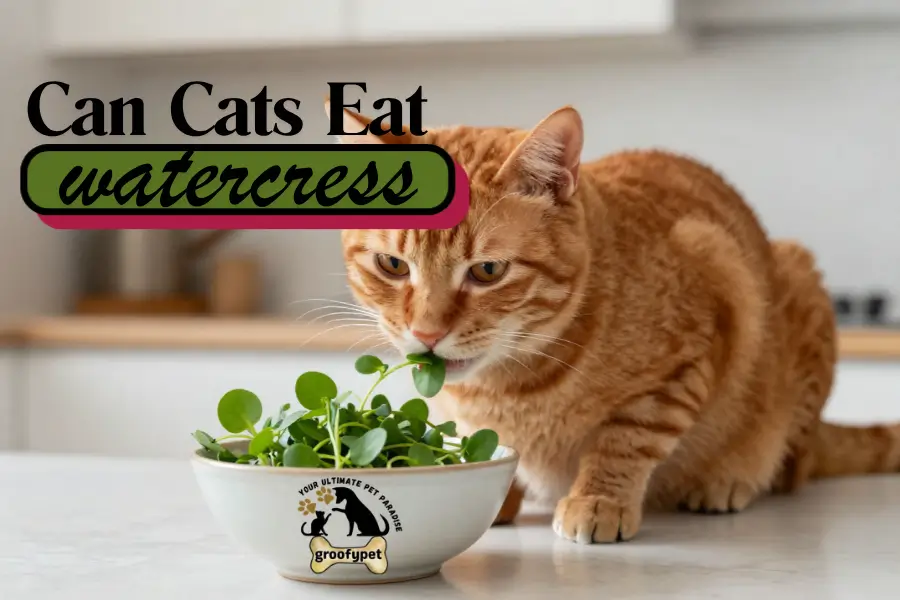
Watercress is a peppery leafy green that humans love to add to salads, soups, and sandwiches. It is packed with vitamins, minerals, and antioxidants. Cat owners often wonder whether their feline companions can safely enjoy it too.
Watercress, known scientifically as Nasturtium officinale, belongs to the Brassicaceae family. It grows in and around water. Its distinct peppery flavor and impressive nutritional profile make it a popular superfood for people. But what works for humans does not always work for cats.
Some cat owners consider adding leafy greens to their cat’s diet. They want to offer variety, provide extra nutrients, or replace high-calorie treats. Watercress catches their attention because it is low in calories and full of vitamins. However, before offering it to your cat, you need to understand how it affects feline health.
The quick answer is cats can eat watercress in very small amounts, but it carries risks. The ASPCA classifies watercress as mildly toxic to cats. Glucosinolates, oxalates, and nicotinic acid in watercress can cause health problems when cats eat too much. Moderation and proper preparation are essential.
This guide explains everything you need to know. You will learn about the nutritional value, the real benefits, the genuine risks, and how to feed watercress safely if you choose to offer it at all.
Can Cats Eat Watercress?
Cats can eat watercress in very small quantities, but it is not a recommended food for felines. The ASPCA lists watercress as mildly toxic to cats, dogs, and horses. This classification means it acts primarily as a gastrointestinal irritant rather than a lethal poison.
A cat that nibbles one or two small leaves is unlikely to suffer serious harm. However, eating a larger amount causes vomiting, diarrhea, and digestive discomfort. The toxic compounds in watercress, including glucosinolates, oxalates, and nicotinic acid, affect cats differently than they affect humans.
Watercress should only ever be a very occasional and tiny treat. It is not a dietary staple. Cats are obligate carnivores. Their bodies require animal protein to survive and thrive. They cannot manufacture certain essential nutrients from plant-based foods.
Taurine, arachidonic acid, and preformed vitamin A must all come from meat. No leafy green can replace these vital nutrients. If you decide to offer watercress, treat it as a rare nibble rather than a regular snack. Always prepare it carefully, serve it plain, and watch your cat closely for any adverse reactions.
Is Watercress Safe for Cats?
Watercress is generally considered safe for cats when given in small amounts and in its plain, fresh form. It is not toxic, but it should only be offered as an occasional treat.
When Watercress Is Safe
Watercress is relatively safe for cats under these specific conditions:
- Fresh and clean watercress: Always use fresh, thoroughly washed watercress. Wild watercress may carry liver fluke parasites and harmful waterborne bacteria. Store-bought, washed watercress is the safer choice.
- Small serving sizes: One or two tiny leaves is the maximum you should offer. A small amount minimizes exposure to the toxic compounds found in this plant.
- Healthy adult cats: Adult cats without pre-existing health conditions have a better chance of tolerating a tiny amount of watercress. Their digestive systems and organs are fully developed and better equipped to handle occasional plant matter.
When Watercress May Not Be Safe
Avoid giving watercress to your cat in these situations:
- Cats with digestive sensitivities: Cats with irritable bowel syndrome, inflammatory bowel disease, or a history of stomach problems react more severely to GI irritants like watercress. Even a small amount can trigger significant discomfort.
- Cats with kidney issues: The oxalates in watercress bind with calcium and form calcium oxalate crystals. These crystals contribute to kidney stone formation. Cats already dealing with kidney disease or urinary concerns face heightened risk.
- Watercress treated with pesticides: Conventionally grown watercress may carry pesticide residue. Pesticides are toxic to cats. Always choose organic watercress or wash it very thoroughly.
- Overfeeding concerns: Feeding watercress regularly or in large amounts leads to oxalate buildup, nicotinic acid poisoning, liver damage, and nutritional imbalance. Never make it a daily habit.
Nutritional Value of Watercress
Watercress contains several nutrients that benefit humans. Some of these nutrients also offer limited value to cats when consumed in tiny amounts:
- Vitamin A: Watercress contains beta-carotene, which converts to vitamin A in some animals. Cats, however, cannot efficiently convert beta-carotene to vitamin A. They need preformed vitamin A from animal sources.
- Vitamin C: Watercress is rich in vitamin C. Unlike humans, cats can synthesize their own vitamin C. This makes the vitamin C in watercress largely redundant for feline health.
- Vitamin K: This fat-soluble vitamin plays a role in blood clotting and bone metabolism. Watercress provides a meaningful amount of vitamin K.
- Calcium: Watercress contains calcium, which supports bone strength and nerve function. However, the oxalates in watercress bind to calcium and reduce absorption significantly.
- Iron: Watercress provides a small amount of iron. Iron supports red blood cell production. Cats typically get adequate iron from their meat-based diet.
- Antioxidants: Watercress is rich in antioxidants including glucosinolates and phenolic compounds. These combat oxidative stress in cells, though their benefit for cats at small serving sizes is minimal.
Watercress Nutrition Chart (Per 100g Fresh Watercress)
| Nutrient | Amount per 100g | Relevance for Cats |
| Calories | 11 kcal | Very low — good for weight management |
| Water content | 95 g | Supports hydration |
| Protein | 2.3 g | Minimal; cats need animal protein |
| Fiber | 0.5 g | Small amount; aids digestion gently |
| Vitamin K | 250 mcg | Blood clotting support |
| Vitamin C | 43 mg | Cats synthesize own; less important |
| Vitamin A (beta-carotene) | 3191 IU | Poor conversion in cats |
| Calcium | 120 mg | Reduced by oxalate binding |
| Iron | 0.2 mg | Cats get this from meat |
| Potassium | 330 mg | High amounts can affect liver |
| Oxalates | ~60 mg | Risk factor for kidney stones |
Health Benefits of Watercress for Cats
Watercress contains vitamins, minerals, antioxidants, and a high water content that may provide some nutritional value when offered in small amounts. These nutrients can help support overall health and add variety to your cat’s diet.
1. Low-Calorie Treat Option
Watercress contains only 11 calories per 100 grams. This makes it one of the lowest-calorie plant foods available. If your cat is overweight or on a calorie-restricted diet, a single leaf of watercress provides almost no caloric impact. It can satisfy a curious cat’s urge to nibble on something green without adding unwanted calories to their daily intake.
2. Rich in Antioxidants
Watercress is one of the most antioxidant-dense vegetables available. It contains glucosinolates, phenolic acids, and flavonoids. These compounds help neutralize free radicals in cells. Free radical damage contributes to aging and disease. A tiny amount of watercress delivers some antioxidant benefit to cats, though the effect at very small serving sizes is modest.
3. Supports Immune Health
The vitamins and antioxidants in watercress contribute to a healthy immune system. Vitamin K, beta-carotene, and phenolic antioxidants all support cellular health. A small nibble of watercress adds trace immune-supporting compounds to your cat’s system. This benefit is limited, but it is present in a healthy adult cat that tolerates the plant.
4. Contains Beneficial Vitamins
Watercress provides vitamin K, vitamin C, vitamin A precursors, and several B vitamins. While cats cannot use all of these efficiently, vitamin K does support normal blood clotting function. Cats that receive adequate vitamin K maintain healthier coagulation responses. A small amount of watercress contributes to this intake alongside their primary diet.
5. Helps Hydration Due to High Water Content
Watercress is approximately 95 percent water. Cats are naturally prone to mild chronic dehydration, especially those eating dry kibble. Offering a small leaf of watercress introduces a trace amount of additional moisture into their diet. This is a very minor hydration benefit, but any moisture-rich food can help cats that do not drink enough water throughout the day.
6. Provides Small Amounts of Fiber
Watercress contains a small amount of dietary fiber. Fiber supports regular bowel movement and helps maintain a healthy gut environment. Cats do not need large amounts of fiber, but trace fiber from occasional plant matter can promote gentle digestive motility. One or two small leaves provides a negligible but non-zero fiber contribution.
7. Supports Healthy Skin
The beta-carotene and vitamin C in watercress support skin cell health and collagen production. While cats convert beta-carotene poorly, small amounts of these compounds still reach the skin. Cats with dull coats or dry skin may benefit from the trace antioxidants in watercress, though dedicated omega-3-rich foods like cooked salmon provide far greater skin and coat support.
8. Supports Vision Health
Watercress contains beta-carotene and lutein, both of which support eye health. Cats require taurine, not beta-carotene, as their primary vision nutrient. However, lutein and antioxidants in watercress can support retinal cell health in a supplementary capacity. The vision benefits from watercress are secondary to the taurine cats receive from their meat-based diet.
9. May Promote Digestive Health
In very small amounts, the fiber and water content in watercress can gently support digestive health. Some cats nibble on plant matter when they feel digestive discomfort. A tiny leaf of watercress may satisfy this urge while providing mild digestive support. However, if a cat regularly seeks plant matter, consult your vet; it can signal nutritional deficiency or gastrointestinal issues.
10. Offers Environmental Enrichment
Cats benefit from mental stimulation and variety in their environment. Introducing small amounts of new textures, smells, and tastes enriches their sensory experience. Letting a curious cat sniff or take a tiny nibble of watercress provides environmental enrichment. This kind of positive sensory engagement supports a cat’s mental well-being alongside their physical health.
Risks of Feeding Watercress to Cats
While watercress is not considered toxic to cats, feeding too much can lead to digestive upset and discomfort. Some cats may experience vomiting, diarrhea, gas, or stomach irritation after eating it.
1. Stomach Upset
Watercress acts as a gastrointestinal irritant in cats. The glucosinolates and isothiocyanates it contains irritate the lining of the stomach. Even a moderate amount causes cramping, bloating, and visible abdominal discomfort. Cats show stomach upset through restlessness, hunching, and reluctance to eat their regular food.
2. Vomiting
Vomiting is one of the most common reactions cats have to watercress. The GI irritant compounds trigger the cat’s stomach to expel the contents. Repeated vomiting leads to dehydration and electrolyte imbalance. If your cat vomits after eating watercress, stop offering it immediately and ensure they have access to fresh water.
3. Diarrhea
Diarrhea follows vomiting as a frequent consequence of watercress ingestion in sensitive cats. Loose or watery stools indicate that the cat’s digestive system is rejecting the plant material. Diarrhea lasting more than 24 to 48 hours causes dehydration. Contact your veterinarian if diarrhea persists or becomes severe.
4. Gas and Bloating
Watercress belongs to the Brassicaceae family, also known as the cruciferous vegetables. Cruciferous vegetables are notorious for producing gas during digestion. Cats that eat watercress may experience uncomfortable intestinal gas and bloating. This causes visible distension of the abdomen and audible stomach gurgling.
5. Choking Risk From Large Leaves
Whole watercress leaves can pose a choking risk for cats, particularly kittens or small adults. The fibrous texture of larger leaves can clump together in the throat. Always cut watercress into very small pieces before offering any to your cat. Never leave a cat unsupervised with a full bunch of watercress.
6. Pesticide Exposure
Commercially grown watercress is often treated with pesticides. Pesticide residue on watercress can cause neurological symptoms, excessive drooling, tremors, and organ damage in cats. Always wash watercress very thoroughly. Better yet, choose certified organic watercress to minimize pesticide exposure for your pet.
7. Allergic Reactions
Some cats develop allergic reactions to plant proteins found in watercress. Symptoms include skin irritation, itching, facial swelling, and digestive distress. Allergic reactions can range from mild to severe. Introduce watercress in the tiniest possible amount on first exposure, and watch for any signs of an allergic response over the following 24 hours.
8. Excess Fiber Intake
While small amounts of fiber benefit digestion, too much fiber disrupts a cat’s digestive tract. Cats are not designed to process large amounts of plant fiber. Excess fiber intake interferes with nutrient absorption, causes chronic loose stools, and may contribute to weight loss in cats that eat watercress frequently. Cats need far less fiber than humans.
9. Possible Urinary Concerns
The oxalates in watercress bind to calcium in the digestive tract. These calcium oxalate complexes can contribute to the formation of urinary crystals and kidney stones. Cats are already prone to urinary tract issues. Feeding watercress to a cat with a history of bladder stones, urinary crystals, or kidney disease significantly increases their risk of painful urinary blockage.
10. Nutritional Imbalance if Fed Too Often
Watercress should never replace any portion of a cat’s balanced diet. Cats need precise amounts of taurine, arginine, arachidonic acid, and preformed vitamin A all found only in animal-based foods. Regular feeding of watercress displaces these essential nutrients with plant-based calories that provide far less bioavailable nutrition. Over time, this creates dangerous nutritional deficiencies.
Can Kittens Eat Watercress?
Kittens should not eat watercress. Growing kittens have nutritional needs that differ significantly from adult cats. They require high levels of animal protein, fat, taurine, and specific vitamins to support their rapid development of muscles, bones, organs, and immune systems.
Kittens also have immature and sensitive digestive systems. Even compounds that cause only mild irritation in a healthy adult cat can produce severe gastrointestinal distress in a kitten. The glucosinolates and oxalates in watercress are more dangerous for their smaller, developing bodies.
If you want to give your kitten a special treat, choose safer options instead. Tiny pieces of plain cooked chicken or turkey are species-appropriate and nutritionally valuable. Kitten-specific commercial treats formulated by veterinary nutritionists are also excellent choices. These options provide real nutritional benefit without the risks associated with watercress.
Always consult your veterinarian before introducing any new food to a kitten’s diet. A vet considers your kitten’s age, weight, health status, and current diet before recommending any treats. This personalized guidance protects your kitten during their most important growth stage.
How Much Watercress Can Cats Eat?
Feeding Guide by Cat Size
| Cat Size | Body Weight | Suggested Amount | Maximum Frequency |
| Small Cat | Under 8 lbs | 1 small leaf or less | Once every 1–2 weeks |
| Medium Cat | 8–12 lbs | 1–2 small leaves | Once a week at most |
| Large Cat | 12 lbs+ | 2–3 very small pieces | Once a week at most |
How Often Can Cats Eat Watercress?
Treat watercress as a very rare addition to your cat’s life not a regular treat. The mildly toxic classification from the ASPCA means that repeated exposure raises the cumulative risk of oxalate buildup, gastrointestinal irritation, and liver or kidney stress.
Once every one to two weeks is the absolute maximum frequency for healthy adult cats. Many veterinarians recommend avoiding watercress entirely given the availability of safer treat alternatives. If your cat shows any intolerance after their first exposure, do not offer it again. Moderation is not just recommended — it is essential.
What Happens If a Cat Eats Too Much Watercress?
If your cat eats a significant amount of watercress, watch for these symptoms:
- Digestive discomfort: The cat shows signs of abdominal pain, restlessness, hunching, and reluctance to move within hours of eating.
- Vomiting: The stomach expels its contents. Repeated vomiting leads to dehydration and exhaustion.
- Changes in stool: Loose stools, watery diarrhea, or unusually frequent trips to the litter box indicate GI irritation.
- Loss of appetite: Nausea from the GI irritation causes the cat to refuse their regular food. Prolonged appetite loss causes weight loss and weakness.
- Excessive thirst: The high potassium content in larger quantities of watercress can trigger increased thirst and urination as the kidneys work to excrete excess minerals.
- Lethargy: A cat experiencing discomfort or mild toxicity becomes unusually tired, quiet, and disengaged from normal activities.
Most symptoms from mild overconsumption resolve within 24 to 48 hours. Provide fresh water to prevent dehydration. If symptoms are severe, persist beyond 48 hours, or your cat shows signs of extreme distress, call your veterinarian right away. Remove all remaining watercress from the cat’s environment immediately.
Signs Your Cat Does Not Tolerate Watercress
Some cats may not tolerate watercress well and can develop digestive problems after eating it. Common signs include vomiting, diarrhea, gas, stomach discomfort, or a sudden loss of appetite.
Digestive Symptoms
- Vomiting: Any vomiting after eating watercress — even just one leaf — is a clear sign the cat’s body rejected it. Do not offer watercress again.
- Diarrhea: Loose or watery stools indicate GI irritation. If diarrhea lasts more than 24 hours, contact your vet.
- Excess gas: Audible stomach gurgling, flatulence, or a visibly bloated abdomen signal that the cruciferous compounds are fermenting uncomfortably in the gut.
Physical Symptoms
- Lethargy: Unusual tiredness or a reluctance to engage with you and the environment after eating watercress suggests the cat feels unwell.
- Drooling: Excessive salivation or lip licking indicates nausea. Watercress ingestion in sensitive cats often triggers these early signs of stomach upset.
- Reduced appetite: A cat that refuses their regular food after tasting watercress is likely experiencing nausea or abdominal discomfort. Monitor their food intake carefully.
Can Cats Eat Different Forms of Watercress?
Cats can eat small amounts of plain watercress, but not all forms are equally suitable. Raw and lightly cooked watercress are generally safer options, while soups, salads, and seasoned dishes may contain ingredients that are harmful to cats.
Raw Watercress
Raw watercress is the form most people encounter. It retains all its nutrients but also retains all its irritant compounds at full strength. If you offer any watercress to your cat, raw is acceptable only in the tiniest amounts and only after thorough washing. Remove tough stems and cut leaves into small pieces.
Cooked Watercress
Cooking watercress reduces some of its glucosinolate content. This makes cooked watercress slightly less irritating to the GI tract than raw. However, cooking also destroys most of its vitamins. The result is a less nutritious and marginally safer form. Plain, lightly steamed watercress without any seasoning is the safest cooked option if you choose to offer it.
Watercress Soup
Never give your cat watercress soup. Commercial or homemade watercress soups typically contain onions, garlic, cream, butter, salt, or other seasonings that are toxic or harmful to cats. Onions and garlic are extremely dangerous for felines and cause Heinz body anemia. Even a small sip of watercress soup poses serious risk.
Watercress Salad
Avoid sharing watercress salad with your cat. Salads contain dressings, vinegars, oils, cheeses, or other ingredients that are unsafe for felines. Even a plain watercress salad may contain lemon juice or seasoning. Only offer plain, isolated watercress leaves, never salad as a dish.
Dried Watercress
Dried watercress concentrates both the nutrients and the toxic compounds. A dried leaf contains proportionally more oxalates and glucosinolates than a fresh leaf of the same apparent size. Avoid dried watercress as a cat treat entirely. The risk-to-benefit ratio is worse than fresh watercress.
Watercress Supplements
Watercress supplements (capsules, powders, or tinctures formulated for human use) should never be given to cats. These products contain concentrated doses of watercress compounds, often far exceeding what a cat can safely handle. Some also contain additives, alcohol, or other ingredients that are harmful to felines. Always consult your vet before giving your cat any supplement.
How to Prepare Watercress for Cats Safely
Before offering watercress to your cat, wash it thoroughly to remove dirt, bacteria, and any pesticide residue. Choose fresh leaves and remove any damaged parts.
Wash Thoroughly
Rinse watercress under cold running water for at least 30 seconds. Scrub gently with your fingers to remove surface pesticides, bacteria, and any debris. If possible, soak it briefly in a bowl of fresh water first. Store-bought organic watercress still requires washing before you offer it to your cat.
Remove Tough Stems
The stems of watercress are tougher and more fibrous than the leaves. They also contain higher concentrations of irritant compounds. Remove all stems and offer only the tender leaf portions. Stems also pose a greater choking risk due to their rigid, stringy texture.
Cut Into Small Pieces
Tear or cut the leaf into very small pieces, no larger than your thumbnail. Small pieces prevent choking and limit the total amount your cat can consume in one sitting. Place just one or two small pieces in a clean bowl so you can monitor exactly how much your cat eats.
Serve Plain
Never add salt, oil, seasoning, butter, lemon, or dressing to watercress before offering it to your cat. Plain, unseasoned watercress is the only safe form. Any added ingredient multiplies the risk significantly. Cats are extremely sensitive to salt and many common flavorings that humans use routinely.
Introduce Gradually
On the first occasion, offer just one tiny piece of watercress. Watch your cat carefully for 24 hours. Look for vomiting, diarrhea, lethargy, drooling, or loss of appetite. If no adverse reaction occurs, you may offer the same tiny amount again on a future occasion. If any reaction occurs, stop immediately and do not offer watercress again.
Best Alternatives to Watercress for Cats
If your cat does not enjoy watercress or has trouble digesting it, there are several safer alternatives to try. Cat grass, small amounts of cooked pumpkin, steamed green beans, and cooked carrots can provide variety while being gentle on your cat’s stomach.
1. Cat Grass
Cat grass, typically wheat grass, barley grass, or oat grass, is one of the safest and most appropriate green treats for cats. It satisfies a cat’s natural urge to nibble on plant matter, supports digestive health, and is non-toxic. Most cats enjoy chewing on cat grass, and it is widely available at pet stores in ready-to-grow kits.
2. Cooked Pumpkin
Plain, cooked pumpkin without spices or sugar is an excellent digestive aid for cats. It is low in calories, high in fiber and water, and fully safe for feline consumption. A teaspoon of plain cooked pumpkin puree helps cats with constipation or mild diarrhea. It is far safer than watercress and provides genuine digestive benefit.
3. Steamed Green Beans
Plain steamed green beans are safe for cats in small amounts. They are low in calories and provide a crunchy texture that some cats enjoy. Green beans contain no compounds that are toxic to cats. Serve them plain, without any seasoning, and cut them into small pieces to prevent choking.
4. Cooked Carrots
Plain cooked carrots are another safe option for cats. They are soft, easy to chew, low in calories, and contain beta-carotene. While cats convert beta-carotene poorly, carrots are non-toxic and unlikely to cause any adverse reactions. Serve small, soft pieces of plain boiled or steamed carrot without any seasoning.
5. Small Amounts of Lettuce
Plain romaine lettuce or iceberg lettuce leaves are safe for cats in small amounts. These lettuces are very high in water content and very low in compounds that could harm cats. Many cats enjoy the cool, crisp texture of a small piece of fresh lettuce. Avoid dressings, seasonings, or flavored varieties.
6. Cat-Friendly Herbs
Catnip and valerian are well-known cat-safe herbs that provide enrichment and pleasure. Silver vine, cat thyme, and lemongrass are also generally safe for cats in controlled amounts. These herbs offer behavioral enrichment and mild health benefits without the toxic risks associated with watercress.
Foods Cats Should Never Eat Instead of Watercress
Some foods are dangerous for cats and should never be offered as alternatives to watercress. Onions, garlic, chocolate, grapes, raisins, and alcohol can cause serious health problems and may even be toxic to cats.
Onions
Onions are severely toxic to cats. They contain organosulfur compounds that destroy red blood cells and cause Heinz body hemolytic anemia. Even small amounts of onion — raw, cooked, powdered, or in any form — can be life-threatening. Never offer your cat any food that contains onions.
Garlic
Garlic is even more toxic than onions for cats. The thiosulfate compounds in garlic damage feline red blood cells at very low doses. Garlic poisoning causes lethargy, pale gums, rapid breathing, and collapse. Never give your cat garlic in any form, including garlic bread, garlic butter, or seasoned foods.
Chives
Chives belong to the same allium family as onions and garlic. They carry the same toxic organosulfur compounds. Any allium plant including chives, leeks, shallots, and scallions poses a serious toxicity risk for cats. Keep all allium herbs and vegetables completely away from your cat.
Chocolate
Chocolate contains theobromine and caffeine, both of which are toxic to cats. Cats lack the enzyme needed to metabolize theobromine. Even a small amount of chocolate causes vomiting, a rapid heart rate, seizures, and, in severe cases, death. Dark chocolate and baking chocolate are particularly dangerous.
Grapes and Raisins
Grapes and raisins cause acute kidney failure in cats. The toxic compound is not yet fully identified, but even a single grape has been linked to serious kidney damage. Never offer grapes, raisins, or any product containing them to your cat under any circumstances.
Alcohol
Alcohol is extremely dangerous for cats. Even tiny amounts of ethanol can cause severe intoxication, liver damage, breathing difficulties, and death. Never let your cat consume beer, wine, spirits, or any food or beverage containing alcohol. Cats are far more sensitive to alcohol than humans.
How to Introduce Watercress to Your Cat
Follow this step-by-step approach if you choose to introduce watercress:
- Start with tiny portions: Offer one very small, clean piece of watercress leaf no larger than your thumbnail. This minimizes the risk of adverse reactions on first exposure.
- Observe for reactions: Watch your cat closely for 24 hours after the first exposure. Look for vomiting, diarrhea, lethargy, excessive drooling, or reduced appetite. Note any behavior changes.
- Mix with regular food if needed: Some cats refuse plain watercress. You can place one small piece alongside their regular food. Do not mix it into their food, as this makes it harder to monitor exactly how much they consumed.
- Stop feeding if symptoms appear: If your cat shows any sign of digestive upset or discomfort after eating watercress, stop immediately. Do not offer it again. Switch to a safer treat alternative instead.
Veterinarian Advice on Cats and Watercress
Most veterinarians recommend extreme caution or outright avoidance of watercress for cats. The mildly toxic ASPCA classification means that while watercress is not immediately lethal, it consistently causes GI irritation and carries cumulative risks with repeated feeding.
Veterinary experts consistently remind cat owners that cats are obligate carnivores. Their digestive and metabolic systems evolved to process animal protein and fat, not plant matter. Leafy greens provide no essential nutritional benefit that a complete and balanced cat food does not already deliver more safely.
If you want to add variety to your cat’s diet, veterinarians suggest species-appropriate protein treats as a far better option. Plain cooked chicken, turkey, or commercial treats formulated by veterinary nutritionists support feline health without introducing unnecessary risks.
The general treat guideline from veterinary nutritionists applies here: treats should never exceed 10 percent of a cat’s daily caloric intake. Given that watercress is mildly toxic, it should occupy far less than that limit if it features in your cat’s diet at all. When in doubt, consult your veterinarian before introducing any new food.
Frequently Asked Questions
Is watercress toxic to cats?
Yes, the ASPCA classifies watercress as mildly toxic to cats. It acts primarily as a GI irritant. It contains glucosinolates, oxalates, and nicotinic acid compounds that cause vomiting, diarrhea, and potentially kidney and liver damage in larger amounts. It is not immediately lethal in small quantities, but it is not safe to feed regularly.
Can kittens eat watercress?
No. Kittens should not eat watercress. Their digestive systems are immature and far more sensitive to irritant compounds. The oxalates and glucosinolates in watercress pose greater risks for developing kittens than for healthy adult cats. Stick to kitten-specific food and vet-approved treats for young cats.
How much watercress can a cat eat?
If you choose to offer watercress at all, limit it to one or two very small leaf pieces at a time. A small cat should receive no more than one tiny leaf. A larger cat can tolerate two to three small pieces. Never offer a whole leaf, a full bunch, or multiple servings.
Can cats eat watercress every day?
No. Cats should never eat watercress every day. Daily feeding increases oxalate accumulation, raises the risk of kidney stone formation, and exposes the cat to repeated GI irritation. Even if your cat tolerates a small amount once, daily feeding causes cumulative harm. Once every one to two weeks is the absolute maximum.
What are the benefits of watercress for cats?
In tiny amounts, watercress offers trace antioxidants, a very small amount of fiber, high water content for hydration, and vitamin K. However, the risks of GI irritation, oxalate buildup, and kidney stress outweigh these minor benefits for most cats. Safer foods provide similar or greater benefits without the risks.
Can watercress cause diarrhea in cats?
Yes. Watercress is a known GI irritant. It frequently causes diarrhea in cats, especially those with sensitive stomachs. The glucosinolates and cruciferous compounds disrupt normal gut motility. If your cat develops diarrhea after eating watercress, stop offering it and provide fresh water to prevent dehydration.
Is cooked watercress better than raw watercress?
Cooked watercress is slightly less irritating than raw because cooking breaks down some glucosinolates. However, cooking also destroys most of the vitamins, making cooked watercress less nutritious. The safest approach is to offer neither cooked nor raw watercress and choose a safer treat alternative instead.
What leafy greens are safe for cats?
Cat grass (wheat grass, barley grass, and oat grass) is the safest leafy green option for cats. Small amounts of plain romaine or iceberg lettuce are also generally safe. Cooked spinach in tiny amounts is tolerated by most cats. Avoid all allium plants, and always serve any leafy green plain; washed; and in small pieces.
Final Thoughts
Watercress is a nutritious superfood for humans, but it is mildly toxic to cats according to the ASPCA. The glucosinolates, oxalates, and nicotinic acid in watercress cause GI irritation, vomiting, and diarrhea and, in larger quantities, kidney and liver stress in felines.
Cats can tolerate a single tiny leaf of plain, washed watercress on rare occasions without severe harm. The key word here is rare. A nibble every week or two by a healthy adult cat is unlikely to cause lasting damage. But regular feeding, large amounts, or offering watercress to kittens or cats with health conditions creates serious risk.