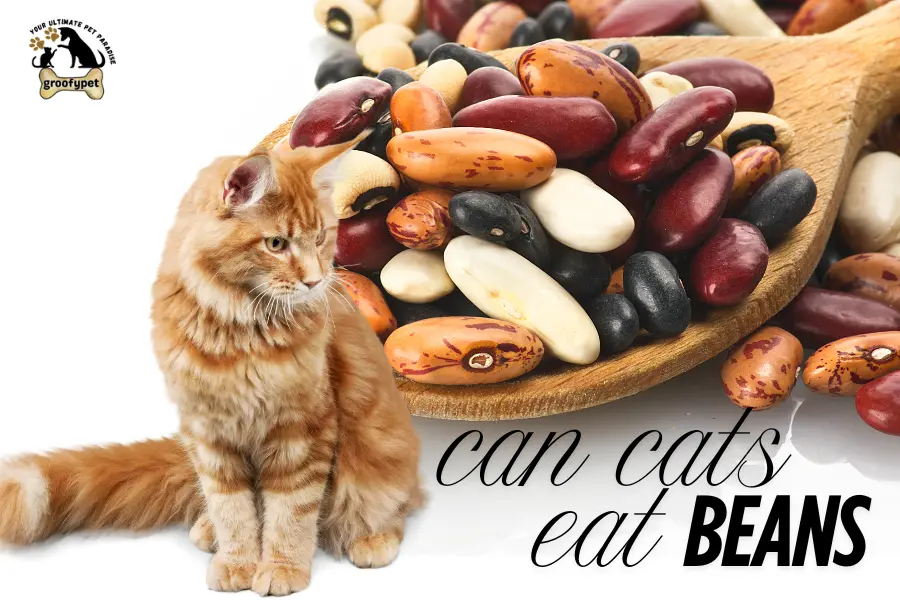
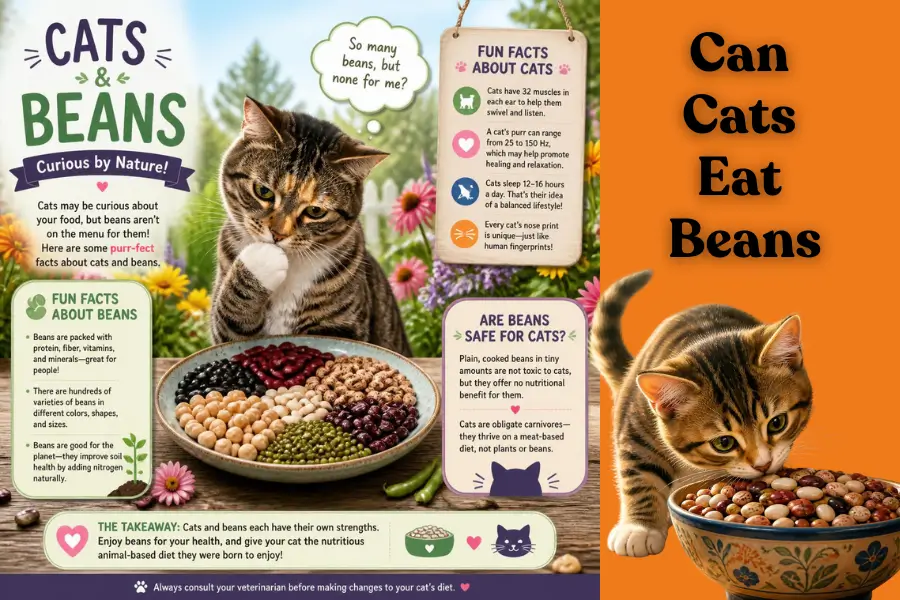
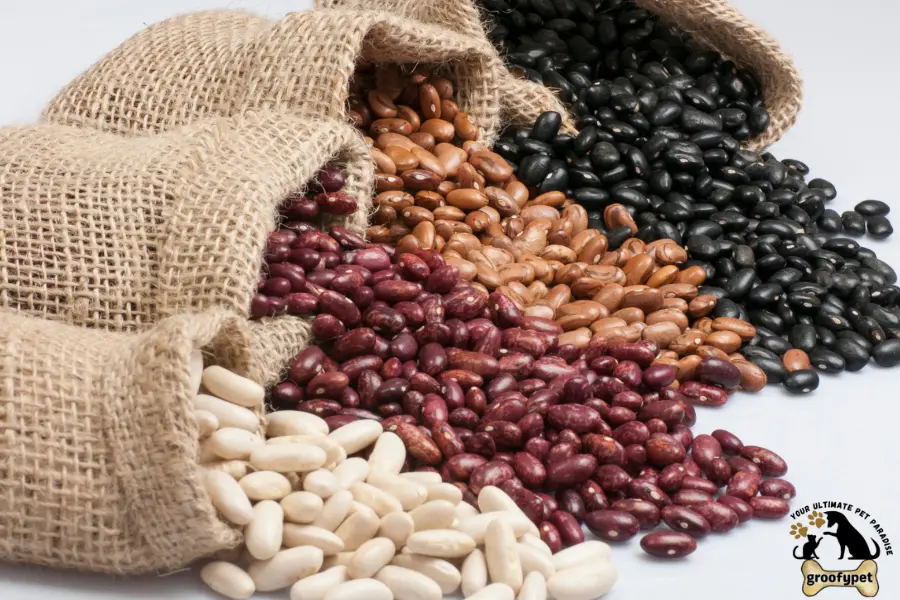
Beans are a common part of many people’s meals and are packed with nutrients. If you have a cat, you might wonder if it’s okay to share some with them. Can cats eat beans? Cats have very specific dietary needs; it’s helpful to know the pros and cons of feeding them beans.
Beans contain protein and fiber, which are both important for your cat—protein helps with muscles, and fiber can aid digestion. But cats are obligate carnivores, which means they need animal-based protein to stay healthy. So while a small amount of beans can be a safe treat now and then, they should never take the place of meat in your cat’s diet.
Cats can eat green beans?
It contains certain benefits because green beans are low in calories; like spinach, it is the best option for cats that need to lose weight. They also contain important vitamins and minerals like vitamin C, vitamin K, and manganese, which are also found in cucumbers.
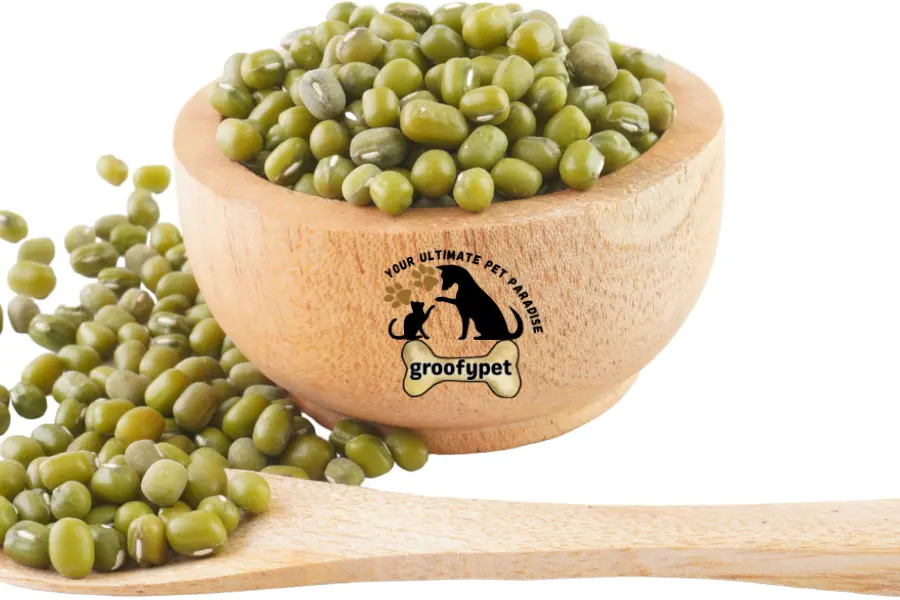
The fiber in green beans helps keep a cat’s digestion moving smoothly and can prevent constipation. In general, green beans are safe for cats and don’t cause any problems.
Can cats eat black beans?
Yes, black beans contain nutrients like folate, potassium, and iron that can support a cat’s health. They provide a plant-based protein that can add to the animal proteins cats usually get from meat. However, some cats might find black beans hard to digest because of their fiber and complex carbs (similar to how peanuts also contain carbohydrates).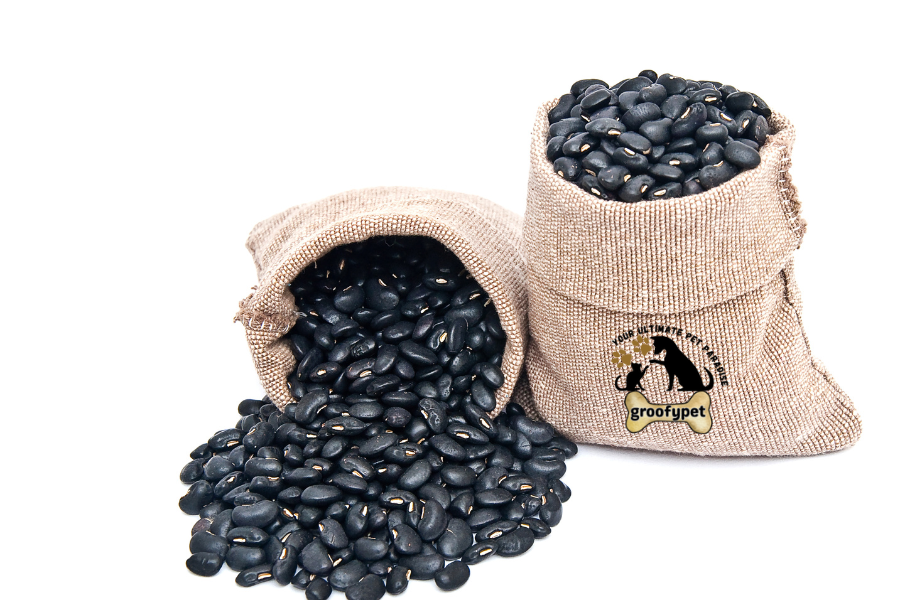
If you want to give black beans to your cat, it’s best to introduce them slowly and in small amounts to prevent any digestive issues like gas, bloating, or diarrhea.
Can cats eat garbanzo beans?
Garbanzo beans, or chickpeas, are a popular legume enjoyed by people in many dishes around the world. If you want to share them with your cat, make sure the beans are fully cooked and served plain, without any seasonings or spices.
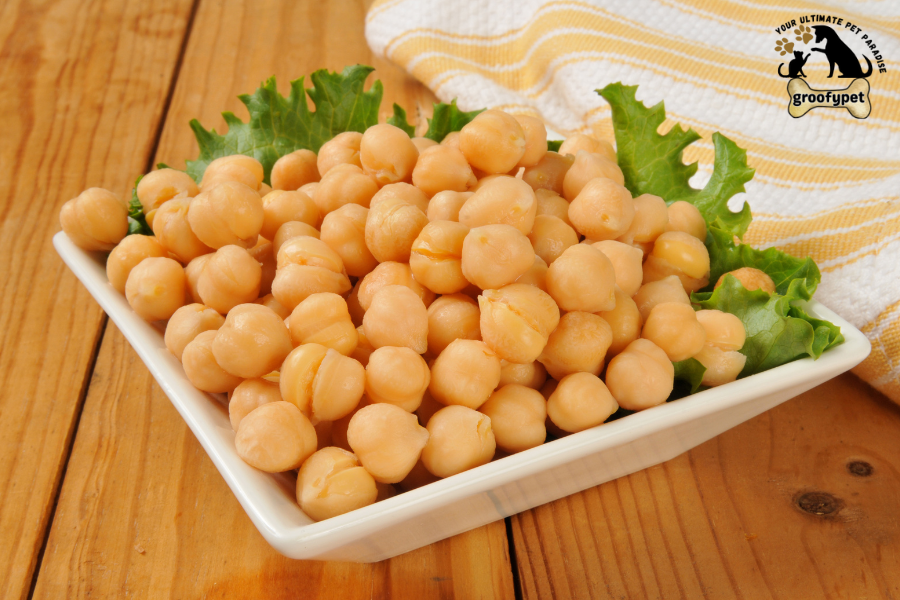
Ingredients such as onions, garlic, salt, or spices like cinnamon can be harmful to cats and must be avoided. Garbanzo beans should only be given as an occasional treat, not as a main part of your cat’s diet.
Can cats eat refried beans?
Refried beans, common in Mexican and Latin American dishes, are made by cooking and mashing beans like pinto or black beans, often flavored with onions, garlic, and spices—ingredients that aren’t safe for cats.
Can cats eat beans? If you’re thinking about sharing with your kitty, it’s best to hold off. Many store-bought refried beans have added salt, which can be harmful to cats. Too much salt can cause dehydration, upset their electrolyte balance, and even strain their kidneys. So, while it might seem like a harmless treat, refried beans aren’t a good choice for your feline friend.
Cats can eat pinto beans?
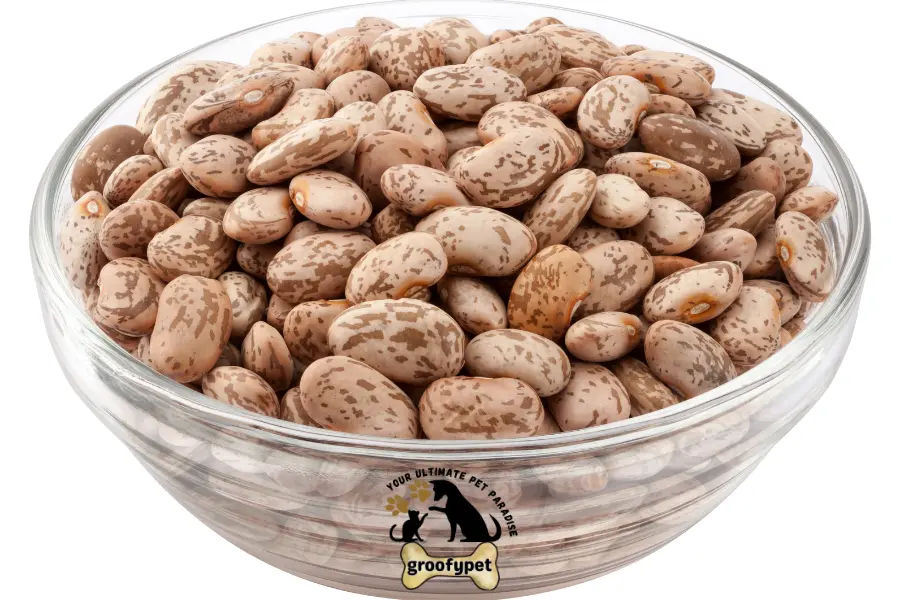
Cats can eat pinto beans but take in small amounts. Pinto beans themselves aren’t toxic, but they contain lectins and phytates that might make it hard for your cat to digest. It is important to give a small amount and see how your cat reacts.
Can cats eat baked beans?
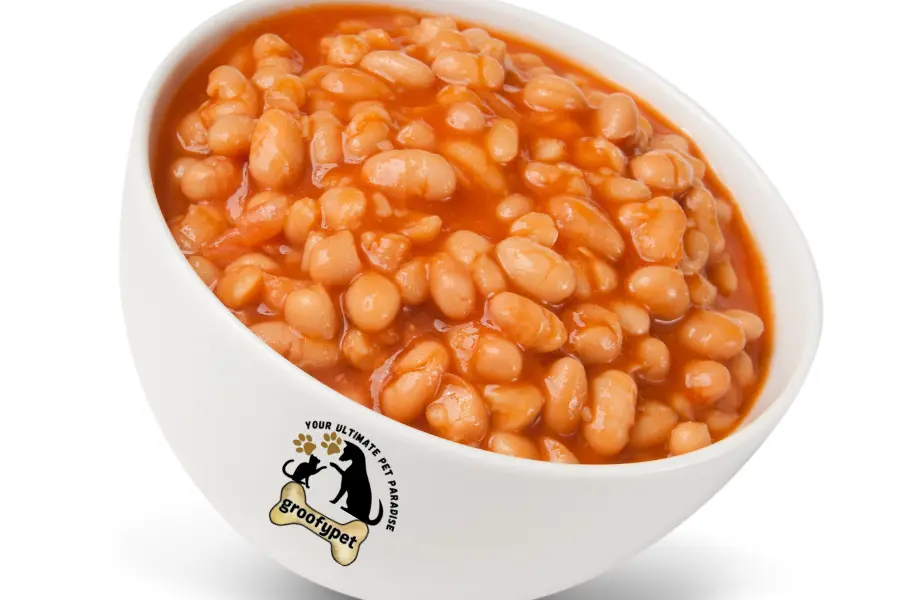
Baked beans aren’t really for cats. They contain things like tomato sauce, sugar, salt, and spices, which can be harmful to cats and might cause dehydration or other health problems. The bean itself is not toxic; the extra ingredients in baked beans are unsafe for your feline friend, so it’s better not to take them as a diet for your cat.
Can cats eat kidney beans?
Kidney beans aren’t really the best food for cats. It is a type of legume called Phaseolus vulgaris and has been eaten by people around the world for a long time because it’s nutritious. But kidney beans are hard, which could be risky for cats if they try to swallow them whole without chewing.
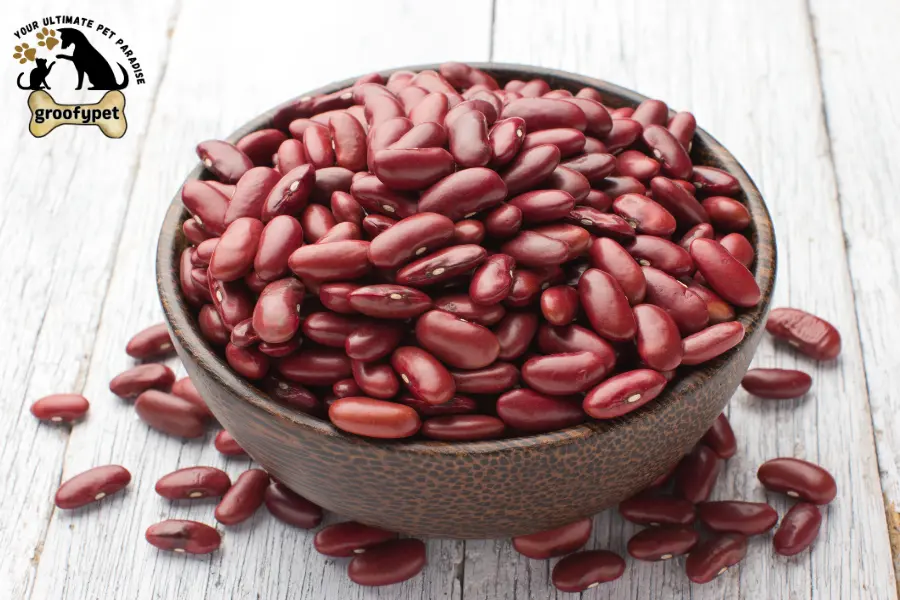
If you want to give your cat kidney beans, it’s safer to mash or puree them first. It makes the beans easy to eat and digest for your furry friend.
Can cats eat lima beans?
Yes, cats can eat lima beans (also known as butter beans) in small amounts, but they’re not always the best choice. These beans contain complex carbs and fiber, which can lead to gas and bloating in cats. While it’s not usually dangerous, it can make your cat uncomfortable—and let’s be honest, no one enjoys a gassy cat.
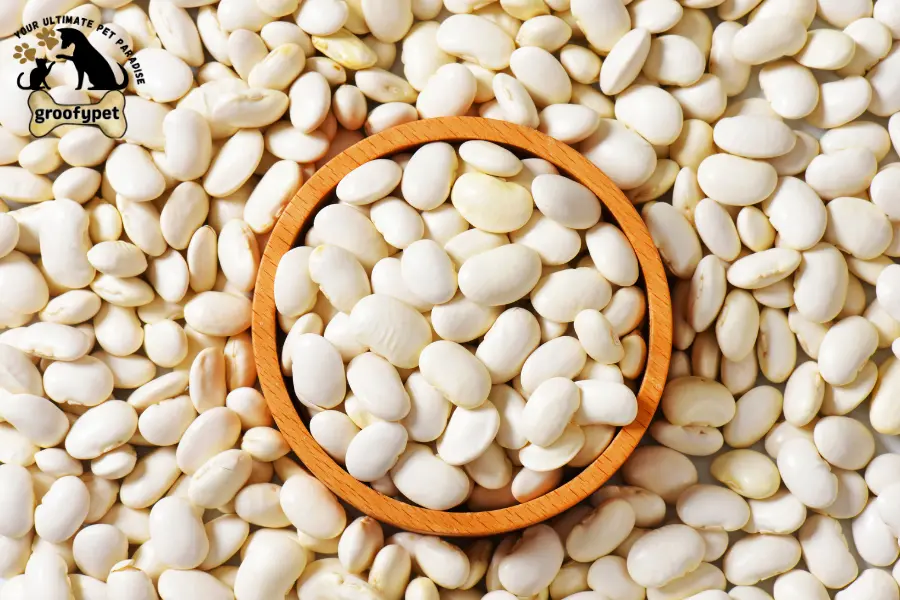
Can cats eat beans? If you decide to offer a few cooked, plain lima beans as a treat, keep an eye on your cat afterward to make sure they don’t have any bad reactions.
Can cats eat rice and beans?
Yes, cats can eat rice and beans in small amounts, but it should only be an occasional treat. Cooked rice is safe and often used as a bland food for cats with stomach issues like vomiting or diarrhea. While both rice and beans are not harmful in tiny portions, they don’t provide the essential nutrients cats need. Cats are obligate carnivores, so their main diet should always be meat-based and specially made for their nutritional needs.
Can cats eat string beans?
Yes, cats can eat string beans, and they can actually be a smart little treat—especially for cats dealing with weight issues. These veggies are low in calories but still pack a punch with nutrients like vitamins C, K, and B, plus manganese and potassium, all of which can support your cat’s health.
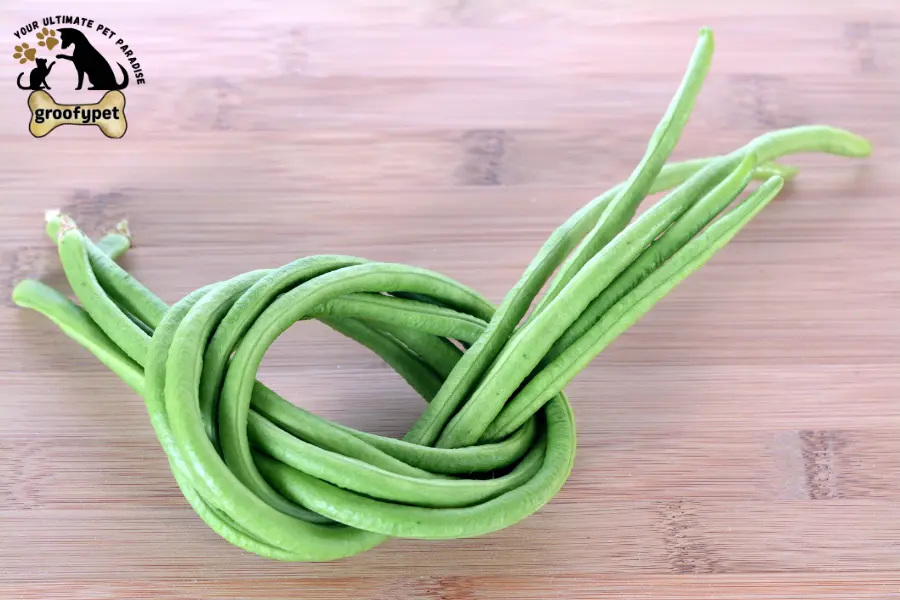
Just make sure to steam or boil the beans until they’re soft, and then cut them into tiny, manageable pieces. Skip the raw ones, though—they’re tough to digest and could upset your cat’s stomach.
Can cats eat raw green beans?
Sure, cats can eat raw green beans every now and then, and they might actually enjoy the crunch. They’re full of water, which is best for keeping your cat hydrated—something that really helps with kidney health. The texture can also be surprisingly helpful for their teeth; that little crunch can scrape off some plaque and give them something safe to chew on.
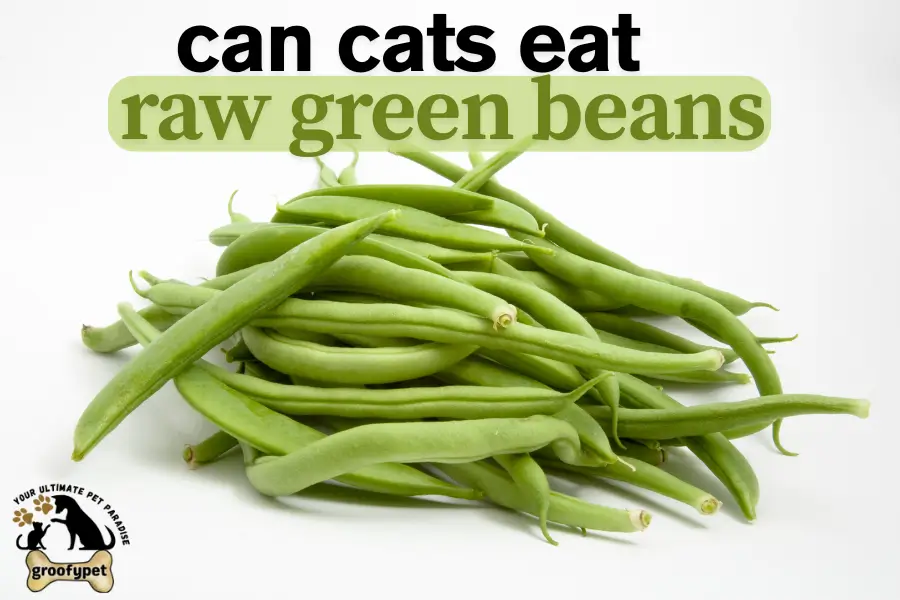
Can cats eat beans? I’ve offered my cat a few raw green bean pieces out of curiosity, and she gave them a few thoughtful chews before deciding they weren’t too bad. Just make sure you rinse them well first—no one wants to deal with leftover pesticides or dirt, especially when it’s going in your cat’s mouth.
Also Read : Can Cats Eat Ice Cream
Can cats eat canned green beans?
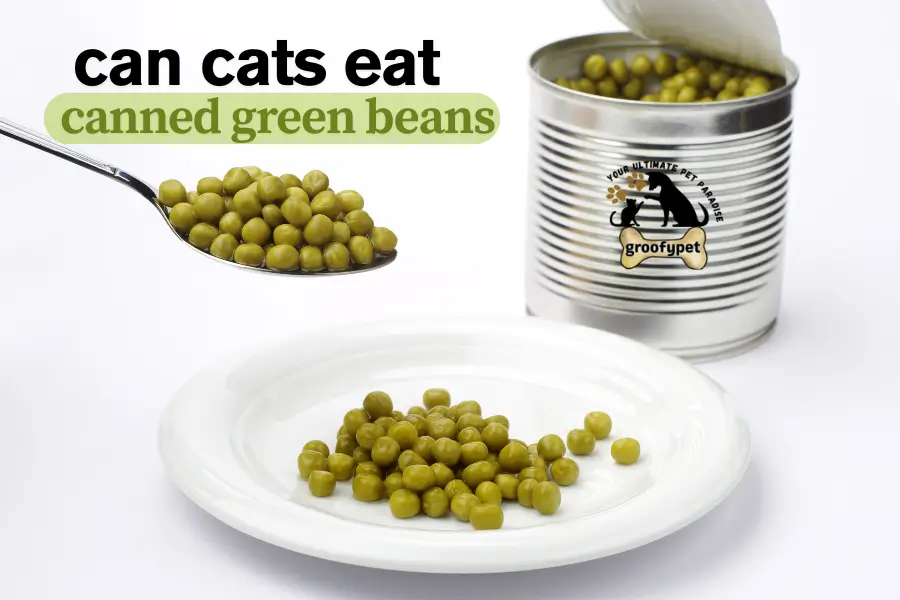
Yes, but it’s not the best option. Canned green beans often have added salt or preservatives that aren’t good for cats. They also lose some nutrients during the canning process. If you really want to give your cat canned beans, check the label and choose ones with no added salt.
The Real Danger Isn’t Always the Bean; It’s What’s Cooked Into It
Across almost every case of “bean poisoning” in cats, the actual culprit isn’t the bean itself; it’s the seasoning. The most common offenders:
- Garlic and onion (and the wider allium family, leeks, shallots, and chives): contain thiosulfates that damage a cat’s red blood cells and can trigger hemolytic anemia
- High sodium content: common in canned beans and baked or refried beans
- Herbs and spices: nutmeg, thyme, and rosemary can irritate a cat’s digestive system
- Refried beans and baked beans: frequently made with garlic, onion, or heavy seasoning avoid canned versions entirely; homemade, unseasoned versions in small amounts are safer
Raw or unwashed beans can also carry bacteria such as E. coli or cause staph-related digestive upset, which is another reason cooking and rinsing matter.
Rule of thumb: if you wouldn’t eat the bean plain with no salt, sauce, or spice, don’t give it to your cat.
How Many Beans Can Cats Eat?
Cats can eat small amounts of plain, fully cooked beans as an occasional treat. Beans should never replace their balanced cat food.
| Cat Size | Safe Amount of Cooked Beans | Frequency |
|---|---|---|
| Kitten | 1–2 small pieces | Rarely |
| Small adult cat | 2–3 small pieces | 1–2 times/week |
| Medium adult cat | 3–5 small pieces | 1–2 times/week |
| Large adult cat | 5–6 small pieces | 1–2 times/week |
| Overweight/sensitive cat | 1–2 small pieces | Occasionally |
Safer Alternatives to Beans for Cat Treats
If you want to treat your cat without the bean-related guesswork, consider:
- Plain, cooked chicken
- Plain, cooked turkey
- Plain, cooked eggs
- Plain pumpkin
- A small sprinkle of catnip
- A light drizzle of olive oil for healthy fat
- Commercial cat treats formulated for feline nutrition
How to Safely Prepare Beans for Your Cat
- Choose the right bean. Green beans, black beans, chickpeas, and lentils are the safest starting points.
- Cook them fully. Never feed raw or undercooked beans; this is non-negotiable for kidney beans, especially.
- Skip the seasoning. No garlic, onion, salt, or spice blends of any kind.
- Rinse canned beans thoroughly to remove excess sodium and preservatives, or opt for fresh/frozen when possible.
- Serve in moderation. A small piece or spoonful as an occasional treat, not a daily addition to their diet.
- Consult your vet before introducing new foods, especially if your cat has existing digestive sensitivities, kidney issues, or urinary tract problems.
Health Risks of Feeding Cats Too Many Beans
Even properly cooked, plain beans aren’t risk-free if overfed. Common issues linked to excessive bean consumption in cats include:
- Hyperkalaemia — too much potassium, which is linked to urinary tract infections (UTIs), cystitis, and bladder stones
- Nutrient imbalances — filling up on beans means less room for a nutritionally complete cat food
- Digestive upset — bloating, gas, and gastrointestinal distress from fiber cats aren’t built to process
- Allergic reactions — some cats may show itching, swelling, or digestive upset after eating beans for the first time
- Blood sugar spikes — carbohydrates from beans convert to sugar, forcing the pancreas to release more insulin than a carnivore’s diet typically requires
Frequently Asked Questions
Are kidney beans safe for cats?
Only if fully cooked. Raw or undercooked kidney beans contain high levels of lectins (phytohaemagglutinin) and are toxic to cats.
Can cats eat raw beans?
No. Raw beans of nearly any variety contain lectins that can cause vomiting, diarrhea, and abdominal pain. Cooking neutralizes most of this toxicity.
What happens if a cat eats beans?
Cooked, plain beans in small amounts usually cause no issues. Raw or seasoned beans (especially those with garlic or onion) can cause digestive upset, hemolytic anemia, or lectin toxicity depending on the type and amount eaten.
Are green beans good for cats?
Yes, green beans are one of the safest and most commonly recommended bean treats for cats when served fresh or frozen and unseasoned.
Can cats eat refried beans?
Only if homemade without garlic, onion, or added spices. Canned refried beans almost always contain seasonings that are unsafe for cats and should be avoided.
Is lectin dangerous for cats?
Yes, in raw form. Lectins are glycoproteins found in many plant foods, not just beans, and are especially concentrated in raw kidney beans. Cooking destroys most active lectins.
Can cats eat canned beans?
Only if thoroughly rinsed to remove excess sodium and only if the product contains no added garlic, onion, or preservatives. Fresh or home-cooked beans are safer.
How many beans can cats eat?
A small amount — a spoonful or a few pieces — served occasionally, not as a regular part of their diet. Treats overall should stay under 10% of daily caloric intake.
Final Thoughts
Can cats eat beans? Sometimes, but only in small amounts. Make sure the beans are well-cooked and plain with no salt, spices, or sauces. Before giving your cat any new food, talk to your vet to make sure it’s safe for them.
Cats can eat beans, but beans will never be an important part of a cat’s diet the way they are for humans. Green beans, black beans, chickpeas, and lentils are the safest choices when cooked plain and served in moderation.
Kidney beans require extra caution because raw or undercooked versions are toxic due to lectins. And regardless of the bean type, the biggest danger usually comes from what’s added to it garlic, onion, salt, and seasoning are far more likely to harm your cat than the bean itself.
When in doubt, keep it plain, keep it cooked, keep it occasional, and when introducing any new food, check with your veterinarian first.
Are Cherries Toxic to Cats? The Truth About Cherries and Cats!
Are Snake Plants Safe for Cats? What Every Pet Owner Should Know!