
You’re standing at the counter cutting up ingredients for a pot of navy bean soup, and there they are those big eyes staring up at you, tail thumping against the cabinet, absolutely convinced that one of those little white beans is meant for them. It’s a familiar scene for anyone who cooks with dogs underfoot. Beans end up on kitchen floors more often than people expect, whether from a dropped handful or a determined dog raiding a bowl left within reach.
So can dogs eat navy beans, or should you be sweeping them up before your dog gets any ideas? The short version: plain, fully cooked navy beans are generally fine for most healthy dogs in small amounts. The catch is in that word “plain.” Navy beans on their own aren’t the problem; it’s everything that often comes along with them, from salt and seasoning to onion and garlic, that turns a harmless bean into something you’d rather keep off your dog’s plate.
Let’s go through what navy beans actually offer, what forms are safe, and how to handle it if your dog gets into more than a polite nibble.
Can Dogs Eat Navy Beans?
Yes, plain, fully cooked navy beans can generally be offered to healthy dogs in small amounts as an occasional addition to their diet. Raw or undercooked beans, canned varieties loaded with sodium, and seasoned dishes like baked beans or navy bean soup should be avoided. Introduce them slowly, since too much fiber at once can cause gas or digestive upset.
What Are Navy Beans?
Navy beans are small, oval, creamy-white beans that belong to the common bean family (Phaseolus vulgaris), the same broad group that includes black beans, pinto beans, and kidney beans. They’re sometimes called white beans or haricot beans, and you’ll see them in everything from Boston baked beans to hearty winter soups and stews.
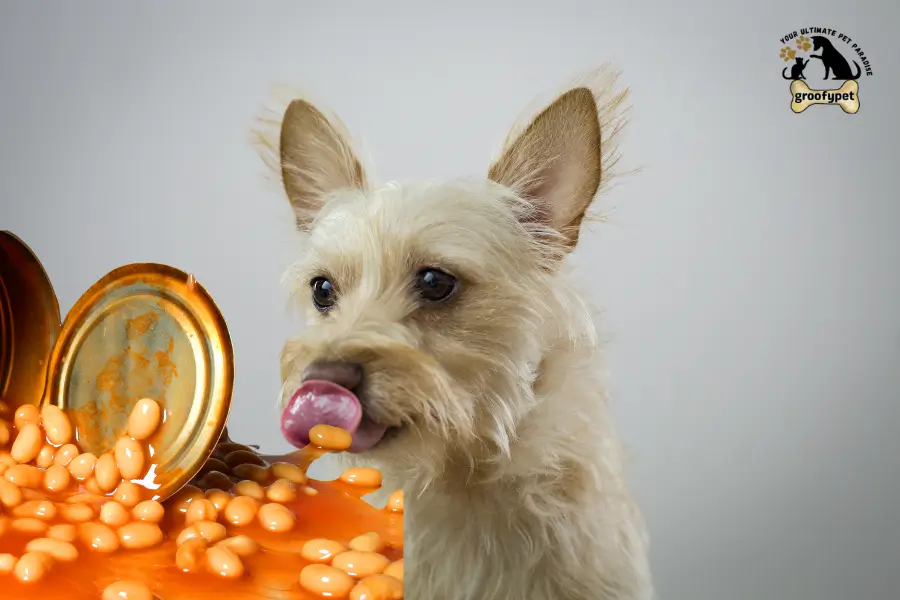
Their name actually comes from history; rather than the color of the U.S. Navy, they relied on them as a shelf-stable, affordable staple for sailors, and the name stuck. For cooking purposes, navy beans are prized because they hold their shape when simmered gently but soften into a creamy texture that works well in soups, casseroles, and mashed bean dishes.
Nutritionally, they’re a solid source of plant-based protein and fiber for humans, which is exactly why they show up so often in home cooking and why dogs so often want a taste.
Are Navy Beans Safe for Dogs?
In general, yes. Plain, properly cooked navy beans can be offered to many healthy dogs in moderation without much concern. The key word here is “plain.” A navy bean that’s been boiled in water with nothing else added is a very different food from navy beans simmered into a pot of soup with onion, garlic, salt, and sausage.
This distinction matters more than people often realize. The bean itself isn’t usually the issue; it’s what gets cooked alongside it. Plain cooked navy beans are simple: soft, mild-tasting, and low in fat. Navy beans prepared as part of a human meal often carry ingredients that have nothing to do with the bean but everything to do with why a dish might not be dog-safe.
So when you’re deciding whether to share, ask two separate questions: Is this a plain bean? And is it fully cooked? If the answer to both is yes, you’re generally in safe territory for a small serving.
Are Navy Beans Toxic to Dogs?
Plain, properly cooked navy beans are generally not considered toxic to dogs. They aren’t on the list of foods that cause acute poisoning the way grapes, chocolate, or xylitol can.
That said, “not toxic” doesn’t mean “safe in unlimited amounts.” Beans are dense in fiber and carbohydrates, and dogs’ digestive systems aren’t built to process large quantities of either without some pushback. Overdoing it, even with plain beans can lead to:
- Gas
- Bloating
- Loose stool
- Diarrhea
- Vomiting
- General stomach discomfort
None of that means your dog is in danger. It usually just means they ate more than their gut was ready to handle. The line between “fine treat” and “bad idea” with navy beans is almost always about quantity and preparation, not the bean being inherently harmful.
Can Dogs Eat Cooked Navy Beans?
Yes, and this is the form you should be sticking to. Cooking matters for a few reasons. First, it softens the bean enough that it’s actually digestible. Dogs don’t chew the way humans do, and a hard, undercooked bean is both a choking risk and hard on the stomach. Second, cooking breaks down compounds in raw beans that can otherwise cause digestive irritation.
When preparing cooked navy beans for a dog:
- Cook them thoroughly until soft, not just heated through
- Skip the salt, butter, and seasoning entirely
- Let them cool to room temperature before serving
- Offer a small portion, not a full serving
- Introduce them gradually rather than all at once
Cooked navy beans should never be treated as a meal replacement. They’re a supplement to a complete and balanced dog food, not a substitute for one.
Can Dogs Eat Raw Navy Beans?
No, raw or improperly prepared navy beans should be avoided. Uncooked legumes are tough for dogs to digest and can cause significant stomach upset. Proper cooking is what makes beans digestible and safe to offer in the first place, so skipping that step isn’t a shortcut worth taking.
If your dog happens to snatch a single raw bean off the counter, it’s unlikely to cause a major problem, but it’s not something to make a habit of. Stick to fully cooked beans every time.
Can Dogs Eat Dried Navy Beans?
Not as they come out of the bag. Dried navy beans need to go through proper preparation before they’re anywhere near dog-safe. The general process looks like this:
- Sort the beans and remove any debris or damaged pieces.
- Rinse them well under cool water.
- Soak them when appropriate, following standard bean-soaking practices.
- Cook them thoroughly until soft.
- Allow them to cool completely.
- Serve a small, plain portion.
One thing worth being clear about: soaking dried beans is not the same as cooking them. Soaking softens beans and shortens cook time, but it doesn’t make them digestible on its own. Dried navy beans still need to be fully cooked before they’re appropriate for a dog.
Can Dogs Eat Canned Navy Beans?
This one requires a closer look at the label. Canned beans are convenient because they’re already cooked, but many canned products come with added salt, sauces, seasonings, or preservatives that aren’t ideal for dogs.
If you want to offer canned navy beans:
- Check the ingredient label first
- Choose plain, low-sodium, or no-salt-added varieties when they’re available
- Rinse the beans thoroughly under water before serving to wash away surface sodium
- Offer only a small amount
Not every canned product is automatically off-limits plenty of plain canned beans exist. The point is to actually read the label rather than assume, since sodium content varies a lot between brands and products.
What Nutrients Do Navy Beans Provide?
Navy beans bring a reasonable nutritional profile to the table, though it’s worth keeping expectations realistic. They generally contain:
- Protein
- Carbohydrates
- Dietary fiber
- Folate
- Various minerals
- Other micronutrients in smaller amounts
For humans, navy beans are often highlighted as a healthy plant-based protein source. For dogs, the picture is a bit different dogs have their own nutritional requirements, and a food that’s considered a nutritional powerhouse for people isn’t necessarily filling the same role in a canine diet.
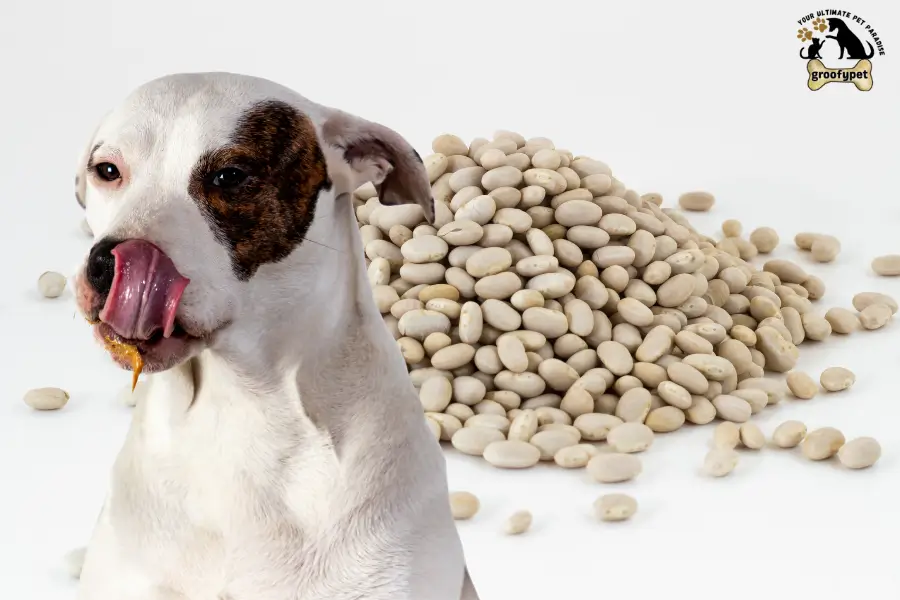
Navy beans can contribute some nutrients as part of a treat or topper, but they aren’t required for a dog to be healthy, and they shouldn’t be expected to replace the nutrients a complete and balanced dog food is formulated to provide.
Potential Benefits of Navy Beans for Dogs
When offered appropriately, navy beans may bring a few realistic upsides.
Fiber
Dietary fiber can support normal digestive function when introduced in reasonable amounts. It contributes to regular bowel movements and can be a useful addition for some dogs’ diets.
Plant-Based Protein
Navy beans do contain protein, but this comes with a caveat,dogs still need complete sources of essential amino acids from their main diet. A plant-based protein like this can add to a dog’s intake, but it isn’t a substitute for the animal-based protein most dog foods are built around.
Nutrient Variety
Offering small amounts of a new, safe food like navy beans can add some variety to a dog’s routine. Many owners like rotating in different dog-safe treats simply to keep mealtime and snack time interesting.
Satiety
Fiber and carbohydrates can contribute to a feeling of fullness. This doesn’t make navy beans a weight-loss tool, but it’s worth knowing if you’re looking for a lower-calorie treat option compared to fattier alternatives.
None of this should be read as navy beans curing, preventing, or treating any disease. They’re a modest nutritional addition, not a supplement with medicinal properties.
How Much Navy Beans Can Dogs Eat?
The right serving size depends on several factors: your dog’s size, age, activity level, overall diet, digestive sensitivity, and any existing health conditions. A tiny toy breed and a large working dog obviously shouldn’t be getting the same portion.
Here’s a practical starting point:
| Dog Size | Suggested Starting Amount |
|---|---|
| Toy dogs | 1–2 teaspoons |
| Small dogs | 1–2 tablespoons |
| Medium dogs | 2–3 tablespoons |
| Large dogs | ¼ cup |
| Extra-large dogs | Up to about ⅓ cup |
These are general starting amounts, not veterinary prescriptions. The first time you offer navy beans to your dog, go smaller than the table suggests and watch how they handle it before offering more in the future. Every dog’s tolerance is different, and there’s no benefit to feeding a large portion just because your dog seems to want more.
Can Dogs Eat Navy Beans Every Day?
Daily feeding generally isn’t necessary. Navy beans work best as an occasional addition rather than a routine part of your dog’s meals. A dog doesn’t need beans every day or really any day to get adequate nutrition, since a complete and balanced dog food is already designed to cover those needs.
Feeding beans too frequently, or in large amounts, raises the odds of digestive upset over time. If you enjoy sharing beans with your dog, treat it as an occasional bonus rather than a daily habit, and make sure it isn’t displacing their regular meals.
Also Read : Can Dogs Eat Santol? Benefits, Risks and Feeding Guide
Can Puppies Eat Navy Beans?
Puppies have developing digestive systems, and complete puppy nutrition should always come first. If you want to introduce navy beans to a puppy, do it slowly and in very small amounts think a taste, not a serving.
Watch closely for any signs that the food didn’t sit well, including:
- Diarrhea
- Vomiting
- Gas
- Abdominal discomfort
- Reduced appetite
If you notice any of these, it’s reasonable to hold off on beans and stick to your puppy’s regular diet. Navy beans aren’t necessary for healthy puppy development, so there’s no rush to include them, and no harm in skipping them altogether.
Can Senior Dogs Eat Navy Beans?
Older dogs can sometimes handle new foods differently than they did when younger. A few things worth considering with senior dogs include:
- More sensitive digestion overall
- Dental issues that make chewing certain textures harder
- Weight-management needs that may call for closer calorie tracking
- Veterinary-directed diets for dogs managing specific health conditions
Because individual circumstances vary so much among senior dogs, it’s hard to make a blanket recommendation. A senior dog on a prescription diet or managing a chronic condition is a different situation than a healthy senior dog with no dietary restrictions. When in doubt, loop in your veterinarian before adding anything new.
Are Navy Beans Good for a Dog’s Digestion?
Fiber can support normal bowel function, and navy beans do contain a fair amount of it. But there’s a real difference between “fiber can help digestion in reasonable amounts” and “more fiber is always better.” Suddenly adding a large amount of a high-fiber food can backfire, leading to:
- Gas
- Loose stool
- Diarrhea
- Bloating
The safest approach is gradual introduction a small taste first, then slightly more over subsequent servings if your dog tolerates it well. Navy beans shouldn’t be treated as a fix for constipation or any digestive condition. If your dog has an ongoing digestive issue, that’s a conversation for your veterinarian rather than a bean-based home remedy.
Risks of Feeding Navy Beans to Dogs
Gas and Bloating
Beans are known for causing gas in humans, and dogs aren’t immune to the same effect. The fiber and certain carbohydrates in beans can ferment in the gut, leading to gas and a bloated feeling, especially with larger portions.
Diarrhea
A sudden increase in fiber, or simply too much of a new food at once, can loosen stool. This is one of the more common reactions dogs have to overdoing it on beans.
Vomiting
Some dogs react poorly to unfamiliar foods in general, and a large or unfamiliar portion of navy beans can trigger vomiting, particularly in dogs with sensitive stomachs.
Choking
Beans need to be soft enough for your dog’s size and eating style. A dog that gulps food quickly, or a very small dog, faces a higher choking risk from beans that aren’t properly softened.
Excess Calories
Treats and food extras add up. Even a healthy food like navy beans contributes calories, and it’s easy to overlook that when portioning out a “just a little” treat regularly.
Added Ingredients
Most of the real risk with navy beans doesn’t come from the bean; it comes from what’s mixed in. Recipes made for human consumption often include ingredients that range from unnecessary to genuinely unsafe for dogs.
Also Read : Can Dogs Eat Salsify? Benefits, Risks and Serving Tips
Can Dogs Eat Salted Navy Beans?
Heavily salted beans aren’t a good choice for dogs. Dogs need far less sodium than humans do, and foods prepared with generous amounts of added salt, like canned beans in salty brine or beans cooked into a salty dish, can be harder on their systems than the plain version.
This doesn’t mean a tiny, accidental amount of salt is cause for panic. A dog that licks a slightly salted bean off the floor isn’t likely to have a serious reaction. But that’s different from regularly feeding beans that have been deliberately salted for human taste. Stick with plain beans, and if you’re using canned beans, look for low-sodium or no-salt-added options.
Can Dogs Eat Seasoned Navy Beans?
Seasoned navy beans carry more risk than plain ones, and the risk usually comes from the seasoning rather than the bean itself. Common ingredients in seasoned bean dishes include:
- Onion
- Garlic
- Excess salt
- Spicy seasonings
- Rich sauces
- Fatty meats
Onion and garlic in particular are worth being cautious about, and rich, fatty additions like bacon or sausage grease can upset a dog’s stomach even if nothing else in the dish is problematic. When you separate the bean from everything cooked around it, the bean is usually the least concerning part of a seasoned dish.
Can Dogs Eat Navy Bean Soup?
This depends entirely on what’s in the pot. Homemade navy bean soup made for human consumption often includes ingredients that aren’t dog-friendly, such as:
- Onion
- Garlic
- Salt
- Broth (sometimes seasoned or high in sodium)
- Sausage
- Bacon
- Additional spices
- Excess fat from meat
If you want your dog to enjoy something bean-based, it’s much simpler to prepare a plain, dog-safe version separately beans cooked in plain water, with nothing else added, rather than assuming a bowl of your soup is safe to share.
Can Dogs Eat Navy Beans With Ham?
This popular human combination isn’t an ideal treat for dogs. Ham brings a few concerns of its own:
- High sodium content
- Significant fat, which can be hard on digestion
- Seasonings used in curing or preparation
- The fact that it’s a heavily processed meat
Between the ham and whatever else the beans were cooked with, this dish tends to carry more risk than reward for a dog. Plain navy beans on their own are a much safer bet if you want to share something from this meal.
Can Dogs Eat Mashed Navy Beans?
Plain mashed navy beans can actually be easier for some dogs to eat, especially smaller dogs or those who have some trouble with whole foods. The key is keeping the mash plain:
- No onion
- No garlic
- No excessive salt
- No butter-heavy preparation
- No spicy seasonings
A simple approach is to cook plain navy beans until soft, then mash them with a fork and let them cool before offering a small spoonful. This can be a good option if you’re introducing beans for the first time or serving a dog that prefers softer textures.
How to Prepare Navy Beans for Dogs
If you want to do this properly, here’s a straightforward method:
- Choose plain navy beans dried or canned, as long as there’s no added seasoning.
- Rinse them thoroughly.
- If using dried beans, soak and prepare them according to standard practice.
- Cook until fully soft.
- Do not add salt, butter, or seasonings of any kind.
- Allow the beans to cool completely before serving.
- Mash them or serve whole, depending on your dog’s size and how they eat.
- Start with a small portion smaller than you think they need.
- Monitor your dog afterward for any signs of digestive upset.
This process isn’t complicated, but skipping steps, especially the cooking and cooling, is where most problems start.
Raw vs. Cooked Navy Beans for Dogs
| Navy Bean Form | Suitable for Dogs? | Notes |
|---|---|---|
| Raw navy beans | No | Avoid |
| Dried, uncooked navy beans | No | Must be properly prepared and cooked |
| Plain cooked navy beans | Yes, in moderation | Best simple option |
| Plain mashed navy beans | Yes, in moderation | Avoid unsafe additions |
| Canned plain navy beans | Potentially, in small amounts | Check ingredients and rinse |
| Salted canned navy beans | Avoid | Too much added sodium |
| Seasoned navy beans | Avoid | Ingredients may be unsafe |
| Navy bean soup | Depends on ingredients | Human recipes often contain unsafe additions |
What Happens If a Dog Eats Too Many Navy Beans?
If your dog gets into more navy beans than they should have, keep an eye out for:
- Gas
- Bloating
- Loose stool
- Diarrhea
- Vomiting
- General stomach discomfort
In most cases, these symptoms are uncomfortable but not dangerous, and they tend to resolve on their own within a day or so as the excess fiber works its way through. Keep your dog hydrated, watch their behavior, and hold off on other rich foods or treats until things settle.
That said, use your judgment about severity. Mild, short-lived symptoms are different from something more serious or prolonged, and it’s always reasonable to reach out to your veterinarian if you’re uncertain.
When Should You Contact a Vet?
Reach out to your veterinarian if any of the following apply:
- Vomiting continues beyond a single episode
- Diarrhea is severe or doesn’t improve after a day
- Your dog seems unusually weak or lethargic
- Your dog refuses food or water
- Your dog shows significant abdominal discomfort or pain
- Your dog ate a large quantity of seasoned beans
- The beans in question contained onion or garlic
- Your dog has an existing medical condition or is on a veterinarian-prescribed diet
None of this is meant to be alarming; most bean-related incidents resolve without incident. But onion and garlic exposure, or a dog with an underlying health condition, are situations where it’s worth getting professional input rather than waiting things out.
Navy Beans vs. Other Beans for Dogs
| Bean | General Suitability | Main Consideration |
|---|---|---|
| Navy beans | Generally suitable when cooked plain | Moderate portions |
| Black beans | Generally suitable when cooked plain | Avoid seasoning |
| Kidney beans | Require proper cooking | Never feed raw |
| Pinto beans | Generally suitable when cooked plain | Watch portion size |
| Chickpeas | Generally suitable when cooked plain | Avoid hummus |
| Lentils | Can be suitable in moderation | Introduce gradually |
This table is a general reference, not a substitute for guidance from your veterinarian, especially if your dog has specific dietary needs.
Common Mistakes When Giving Navy Beans to Dogs
- Feeding raw beans instead of properly cooked ones
- Giving dried beans without cooking them first
- Offering too much at once, especially on the first try
- Using heavily salted canned beans instead of plain, low-sodium versions
- Giving seasoned leftovers straight from a family meal
- Adding onion or garlic to a “dog-safe” bean preparation
- Feeding soup or stew that contains unsafe ingredients
- Introducing beans too quickly instead of starting small
- Letting beans replace portions of a complete and balanced diet
Signs Your Dog May Not Tolerate Navy Beans
Watch for:
- Excessive gas
- Loose stool
- Diarrhea
- Vomiting
- Reduced appetite
- Abdominal discomfort
These signs can have plenty of causes beyond navy beans, so don’t automatically assume beans are the culprit if your dog shows one of them, especially if they eat a varied diet. If symptoms show up consistently after eating beans, or if they’re severe, that’s a good reason to get a professional evaluation rather than guessing.
Frequently Asked Questions
Can dogs eat navy beans?
Yes, plain and fully cooked navy beans can generally be given to healthy dogs in small amounts. Avoid raw, dried, heavily salted, or seasoned versions, and introduce them gradually to see how your dog’s digestion handles them.
Are navy beans toxic to dogs?
No, plain cooked navy beans aren’t considered toxic. They can still cause digestive upset like gas or diarrhea if a dog eats too many, but that’s different from true toxicity.
Can dogs eat cooked navy beans?
Yes, this is the recommended form. Cook them thoroughly, skip the salt and seasoning, let them cool, and offer a modest portion appropriate to your dog’s size.
Can dogs eat raw navy beans?
No, raw or undercooked beans should be avoided. They’re harder to digest and can cause more significant stomach upset than properly cooked beans.
Can dogs eat dried navy beans?
Not without preparation. Dried beans need to be rinsed, soaked as needed, and thoroughly cooked before they’re appropriate to offer a dog.
Can dogs eat canned navy beans?
Cautiously, yes. Choose plain, low-sodium options, check the label for added ingredients, and rinse the beans well before serving a small amount.
Can puppies eat navy beans?
Small amounts can be introduced carefully, but puppy nutrition should center on a complete puppy food. Watch closely for any digestive reaction when trying something new.
Can senior dogs eat navy beans?
It depends on the individual dog. Senior dogs with sensitive digestion, dental issues, or prescribed diets may need a different approach than a healthy senior with no restrictions.
How much navy beans can a dog eat?
It varies by size, roughly a teaspoon or two for toy breeds up to about a third of a cup for extra-large dogs, starting smaller on the first try and adjusting based on tolerance.
Can dogs eat navy beans every day?
It’s not necessary and generally better treated as an occasional addition. Daily feeding raises the chances of digestive upset and isn’t needed for good nutrition.
Can dogs eat navy bean soup?
Only if every single ingredient in the soup is dog-safe and the dish is plain. Most homemade soups contain onion, garlic, salt, or fatty meats that make them unsuitable.
Can dogs eat navy beans with ham?
It’s not an ideal combination due to the sodium, fat, and seasoning typically found in ham. Plain navy beans on their own are the safer option.
Can dogs eat seasoned navy beans?
It’s best to avoid seasoned versions. Ingredients like onion, garlic, and excess salt are usually the actual concern, not the bean itself.
Can dogs eat mashed navy beans?
Yes, as long as the mash is plain, with no added butter, salt, onion, or garlic. This can be an easier texture for some dogs to eat.
Final Thoughts
Plain, properly cooked navy beans can generally be given to healthy dogs in moderation without much concern. The bean itself isn’t the risky part raw or improperly prepared beans should be avoided, canned versions need a label check, and anything mixed with onion, garlic, excessive salt, or rich seasonings is better left off your dog’s plate.
Start with a small portion, especially the first time, and watch how your dog’s digestion responds. Navy beans should complement your dog’s diet, not replace a complete and balanced food formulated for their needs. And if your dog has a health condition or specific dietary requirements, it’s worth checking with your veterinarian before making beans a regular part of their routine.
Handled this way, navy beans can be a perfectly reasonable occasional treat, just not the main event.
Can Dogs Eat Fonio? Benefits, Risks and Safe Serving Guide
Can Dogs Eat Cannellini Beans? Benefits, Risks and Safe Serving Guide