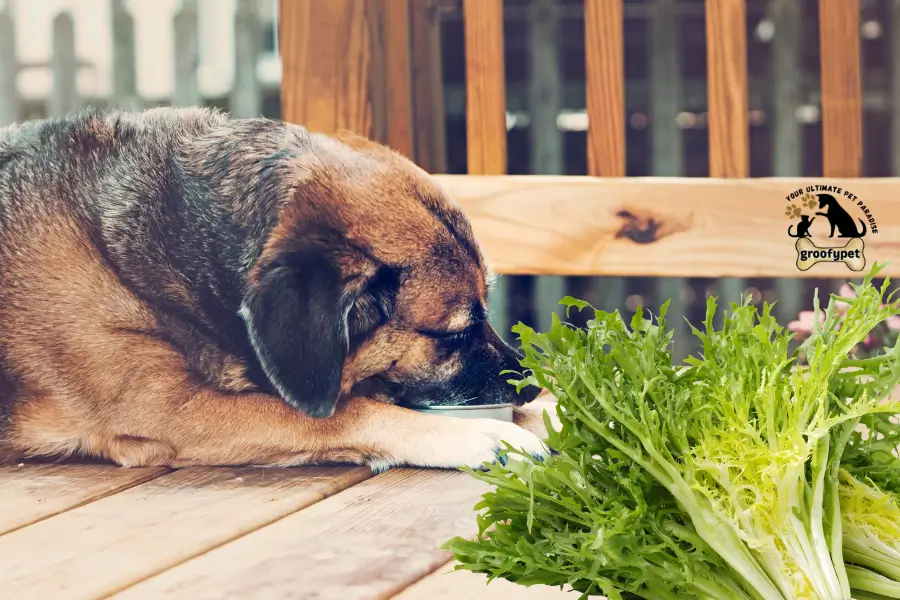
Your dog is sitting at your feet while you rinse a head of escarole for tonight’s soup. A stray leaf falls to the floor, and before you can grab it, your dog has already snapped it up. Now you’re wondering if you need to worry or if you should just go ahead and share a few pieces on purpose. The short answer is that plain escarole is generally fine for dogs in moderation, but there are a few details worth knowing before you make it a regular habit.
Can Dogs Eat Escarole?
Yes, dogs can eat plain escarole in moderation. It is not generally considered toxic to dogs, and it can be served raw or lightly cooked as long as it’s washed properly and offered in small amounts. Escarole prepared with onion, garlic, salt, or heavy dressings should be avoided, since these additions, not the vegetable itself, are what create risk.
What Is Escarole?
Escarole is a leafy green vegetable that belongs to the endive family, closely related to curly endive, frisée, and Belgian endive. It has broad, slightly ruffled green leaves and a milder, less bitter flavor than some of its chicory relatives, which is why it’s often used as a lettuce substitute in salads, soups, and braised side dishes.
People typically cook escarole into soups (escarole and beans is a classic example), sauté it with garlic, or toss raw leaves into salads. For dog owners, the appeal is simple: it’s a leafy green that’s already in the kitchen, and many pet parents like offering vegetables for lettuce for dogs and leafy greens for dogs as an occasional treat instead of processed snacks.
Compared to romaine lettuce or iceberg, escarole has a slightly heartier texture and a touch more bitterness, but nutritionally it fits into the same general category: low in calories, moderate in fiber, and mostly water.
Is Escarole Safe for Dogs?
Plain escarole washed, unseasoned, and served in a reasonable portion is generally safe for dogs. The safety picture changes, though, once you look at how a dish is actually prepared rather than just the vegetable on its own.
A few things matter here:
- Plain preparation. Escarole served on its own, without sauces or seasoning, is the safest option.
- Moderate portions. Even safe vegetables can cause problems if a dog eats too much at once.
- Proper washing. Fresh produce can carry dirt, pesticide residue, or bacteria if it isn’t rinsed well.
- Individual sensitivity. Some dogs handle new vegetables without issue, while others get a mildly upset stomach from almost any dietary change.
It’s worth repeating this distinction because it trips up a lot of well-meaning owners: “Escarole,” the vegetable, and “escarole soup” from last night’s dinner are not the same thing. A dish can contain unsafe ingredients even when its main vegetable is perfectly fine.
Is Escarole Toxic to Dogs?
No, escarole is not considered toxic to dogs. But “not toxic” is not the same as “safe in unlimited amounts,” and that distinction matters more than people often assume.
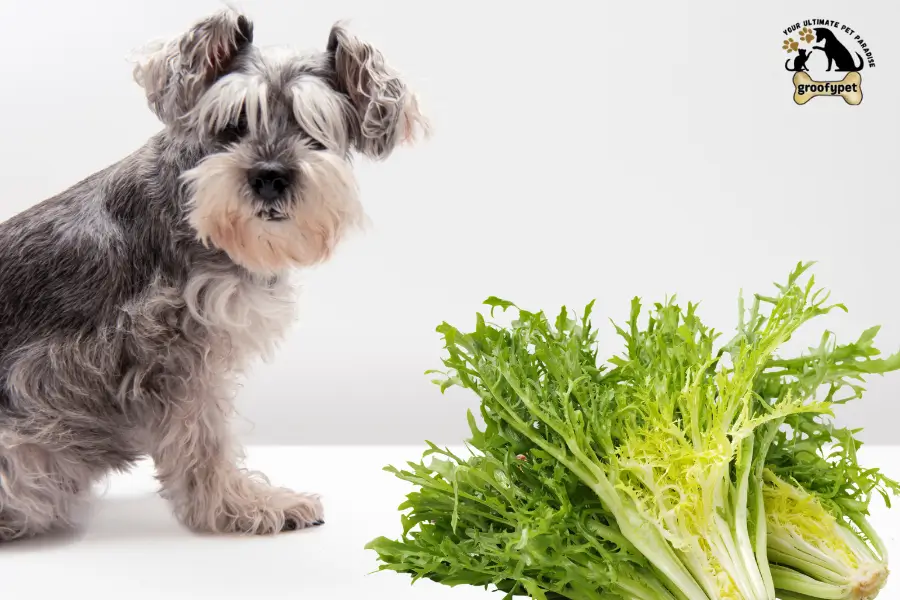
Almost any food, including vegetables that are normally well tolerated, can cause problems if a dog eats too much of it or eats it too quickly after being introduced to it for the first time. With escarole specifically, overdoing it can lead to:
- Gas
- Loose stool
- Vomiting
- General stomach discomfort
- A temporary drop in appetite
These reactions are usually mild and tied to portion size rather than any inherent danger in the plant itself.
Can Dogs Eat Raw Escarole?
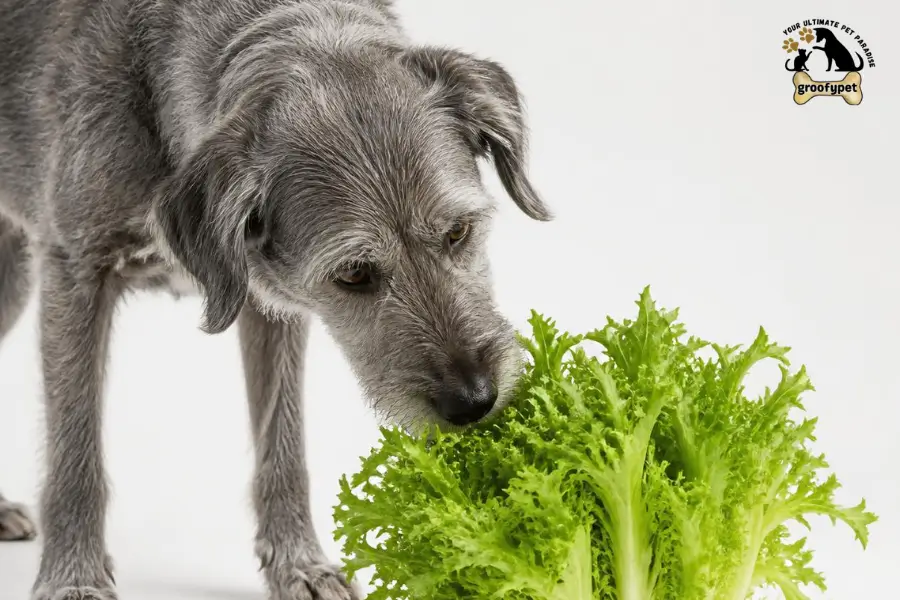
Yes, raw escarole can generally be offered to dogs. If you want to share a piece straight from the cutting board, keep these basics in mind:
- Wash the leaves thoroughly under running water.
- Remove any wilted, damaged, or discolored sections.
- Chop the leaves into small, manageable pieces.
- Start with a very small amount the first time.
- Watch your dog over the next several hours for any digestive changes.
Some dogs take to raw escarole right away, while others turn their nose up at the slightly bitter flavor and firmer texture. That’s normal—taste preference varies as much in dogs as it does in people. Raw vegetables also tend to be a bit tougher on digestion than lightly cooked ones for some dogs, simply because the plant fibers haven’t been softened. That doesn’t mean cooking is automatically the “healthier” choice; it just means texture and digestibility can differ between the two.
Can Dogs Eat Cooked Escarole?
Yes, plain cooked escarole is a suitable option as well. Light steaming is one of the simplest ways to prepare it:
- Steam the leaves until they’re soft.
- Let them cool completely before offering any to your dog.
- Skip the butter, oil, salt, sauces, onion, garlic, and any spicy seasoning blends.
This last point deserves emphasis. Many human escarole recipes especially the classic sautéed or soup versions are built around garlic, onion, and salty broth. Those recipes are made for human taste buds, not canine digestive systems, so it’s best to prepare a separate, plain batch if you want to share.
Can Dogs Eat Escarole Stems?
The stems can be offered in small amounts, but they need a bit more attention than the leafy parts. Escarole stems are thicker and more fibrous, which means:
- They should be washed just as thoroughly as the leaves.
- They should be cut into small, bite-sized pieces to reduce choking risk.
- Very tough or thick sections are best left out entirely, especially for small dogs.
- Lightly cooking the stems can make them easier to chew and digest than serving them raw.
If your dog has a habit of gulping food without much chewing, it’s safer to focus on the leaves and skip the stems altogether.
Also Read : Can Dogs Eat Rose Hips? Benefits, Risks and Safe Feeding Guide
What Nutrients Does Escarole Provide?
Escarole is mostly water, which makes it a naturally low-calorie food. Beyond that, it contains:
- Fiber, which supports normal digestive movement
- Vitamins, including those associated with immune function and general cellular health
- Minerals such as calcium, potassium, iron, and magnesium
- Plant compounds that contribute to its slightly bitter flavor
None of this means escarole should replace a dog’s regular food. It’s a supplementary vegetable, not a nutritional foundation. Complete and balanced commercial dog food is formulated specifically for canine needs, and escarole should sit alongside that diet as an occasional extra rather than a substitute for it. It’s also worth being clear that escarole doesn’t prevent or treat any disease—it’s simply a low-calorie vegetable with some nutritional value.
Potential Benefits of Escarole for Dogs
Hydration
Because escarole is largely made of water, it can contribute a small amount of extra hydration, particularly helpful for dogs that aren’t big water drinkers.
Fiber
The fiber in escarole may support normal digestive function when introduced gradually and in modest amounts.
Variety
Rotating in small amounts of different vegetables can add some dietary variety, which many owners like as a way to keep mealtime interesting.
Micronutrients
Leafy greens like escarole contain a range of vitamins and minerals that can contribute to a well-rounded diet, though they shouldn’t be relied on as a primary nutrient source.
These are realistic, modest benefits—not medical claims. Escarole may provide some nutritional value, but it’s not a supplement or a treatment for any condition.
How Much Escarole Can Dogs Eat?
There’s no single portion size that works for every dog, since body size, age, activity level, and individual digestion all play a role. As a general starting point:
| Dog Size | Suggested Starting Portion |
|---|---|
| Toy dogs | 1–2 small pieces |
| Small dogs | About 1–2 teaspoons chopped |
| Medium dogs | About 1–2 tablespoons chopped |
| Large dogs | About 2–3 tablespoons chopped |
| Extra-large dogs | A small handful |
These are general starting portions, not veterinary prescriptions. Start smaller than you think you need to, watch how your dog handles it, and only increase the amount over time if there’s no digestive reaction.
Also Read : Can Dogs Eat Plumcots? Safety, Benefits, Risks and Feeding Guide
Can Puppies Eat Escarole?
Puppies can try tiny amounts of escarole, but caution matters more here than with adult dogs. A puppy’s digestive system is still developing, and their nutritional needs should be met primarily through a complete puppy food formulated for growth.
If you want to introduce escarole to a puppy:
- Offer only a very small taste at first.
- Wait and watch for any reaction before offering more.
- Watch closely for diarrhea, vomiting, gas, abdominal discomfort, or reduced appetite.
- Contact your veterinarian if any of these signs appear or persist.
New foods should always be introduced one at a time and gradually with puppies, so it’s easier to identify the cause if something doesn’t agree with them.
Can Senior Dogs Eat Escarole?
Older dogs can generally eat escarole too, but a few age-related factors are worth considering. Senior dogs sometimes have more sensitive digestion, dental issues that make chewing harder, or specific dietary restrictions set by a veterinarian.
For senior dogs, softer preparation tends to work better lightly steamed and finely chopped escarole is usually easier to manage than raw, firmer leaves. If your senior dog is on a veterinary-directed diet for kidney function, weight management, or another condition, check with your vet before adding any new vegetable, escarole included.
Can Dogs Eat Escarole Every Day?
Small amounts of escarole aren’t likely to cause harm for many healthy dogs, but daily feeding isn’t necessary and isn’t the goal. Dogs thrive on a balanced diet built around a complete dog food, and leaning too heavily on any single vegetable—no matter how safe—can throw off that balance or lead to digestive upset over time.
Think of escarole as an occasional topper or training-adjacent treat rather than a daily addition. Variety across different dog-safe vegetables is generally a better approach than repeating the same one every day.
Risks of Feeding Escarole to Dogs
Digestive Upset
Sudden dietary changes, including adding a new vegetable, can temporarily disrupt a dog’s digestion, especially if the amount offered is too large right away.
Gas
Some dogs experience mild gas after eating unfamiliar vegetables, escarole included, simply because their gut bacteria need time to adjust.
Diarrhea
Feeding too much escarole at once can loosen stools, particularly in dogs with sensitive stomachs.
Choking
Large, unchopped leaves or thick stem pieces can pose a choking risk, especially for small dogs or dogs that don’t chew thoroughly.
Food Contamination
Unwashed produce can carry dirt, residue, or bacteria, so thorough washing before serving is a simple but important step.
Individual Sensitivity
Every dog is different. Some handle new vegetables with no issue at all, while others react to almost any change in their usual diet.
Can Dogs Eat Escarole With Seasoning?
Plain escarole and a fully seasoned human dish are two very different things when it comes to dog safety. Ingredients commonly used in escarole recipes that can be genuinely unsafe for dogs include:
- Onion
- Garlic
- Excess salt
- Spicy seasoning blends
- Rich or creamy sauces
- Excess butter
- Heavy cooking oils
Not every seasoning carries the same level of risk—a light dusting of a dog-safe herb isn’t comparable to a garlic-and-onion-based broth—but onion and garlic in particular are worth avoiding altogether, since they’re known to cause problems for dogs even in fairly small amounts over time.
Can Dogs Eat Escarole Salad?
The escarole itself in a salad may be fine, but the rest of the salad often isn’t built with dogs in mind. Common salad additions to watch for include:
- Dressing (often high in oil, sugar, or salt)
- Onion or shallots
- Garlic
- Cheese
- High-fat toppings like bacon or croutons cooked in oil
- Assorted spices or seasoning blends
Rather than letting your dog sample a fully dressed escarole salad, it’s simpler and safer to set aside a small portion of plain escarole before adding any dressing or extras.
Can Dogs Eat Escarole Soup?
It depends entirely on how the soup is made. Classic escarole soup recipes often include:
- Onion
- Garlic
- Excess salt
- Rich, seasoned broth
- Various spices
- Fatty ingredients like sausage or heavy cream
Given how many of these ingredients are unsuitable for dogs, it’s much simpler to skip sharing the soup altogether and instead offer a small portion of plain, separately cooked escarole.
How to Prepare Escarole for Dogs
- Choose fresh, crisp escarole.
- Remove any wilted or damaged leaves.
- Wash thoroughly under running water.
- Drain and pat dry.
- Chop into small, manageable pieces.
- Serve raw, or lightly steam it first.
- Let cooked escarole cool completely before serving.
- Offer a small amount to start.
- Monitor your dog for the next several hours.
Skip the salt, oil, butter, garlic, onion, and any sauces or dressings. The simpler the preparation, the safer the treat.
| Preparation | Generally Suitable? | Important Consideration |
|---|---|---|
| Plain raw escarole | Yes, in moderation | Wash and chop |
| Plain steamed escarole | Yes | Let it cool |
| Escarole with garlic | No | Garlic is unsafe for dogs |
| Escarole with onion | No | Onion is unsafe for dogs |
| Escarole with heavy dressing | Avoid | Ingredients may be unsuitable |
| Very salty escarole | Avoid | Excess salt is inappropriate |
What Happens If a Dog Eats Too Much Escarole?
If your dog gets into more escarole than intended, mild digestive symptoms are the most likely outcome. Watch for:
- Gas
- Loose stool
- Diarrhea
- Vomiting
- General stomach discomfort
In most cases, these symptoms are temporary and resolve on their own within a day or so. Keep an eye on your dog, make sure they still have access to fresh water, and hold off on other new foods until things settle down.
When Should You Call the Vet?
Reach out to your veterinarian if:
- Vomiting happens repeatedly rather than just once.
- Diarrhea is severe, bloody, or doesn’t improve within a day.
- Your dog seems weak, unusually tired, or not themselves.
- Your dog refuses food or water.
- Other concerning symptoms appear alongside the digestive upset.
- The escarole your dog ate contained onion or garlic.
- Your dog is on a medically restricted diet for an existing health condition.
Most cases of mild overindulgence resolve without intervention, but it’s always reasonable to call your vet if you’re unsure or if something feels off.
Escarole vs. Other Leafy Greens for Dogs
| Vegetable | General Suitability | Main Consideration |
|---|---|---|
| Escarole | Generally suitable in moderation | Serve plain |
| Romaine lettuce | Generally suitable | Wash thoroughly |
| Endive | Generally suitable | Small portions |
| Spinach | Requires more caution | Not ideal as a frequent food |
| Kale | Small amounts | Can cause digestive issues in some dogs |
| Arugula | Small amounts | Peppery taste |
This isn’t a veterinary diet plan—just a general comparison. Escarole fits comfortably alongside other dog-safe leafy greens like romaine lettuce and endive, all of which share a similar profile of being low-calorie, high-water vegetables that work best as occasional additions.
Common Mistakes Dog Owners Make When Feeding Escarole
- Giving a large portion the first time instead of starting small
- Skipping the washing step
- Offering large, unchopped leaves that are hard to chew
- Sharing seasoned leftovers instead of a plain, separate batch
- Adding onion or garlic during cooking
- Assuming that because one vegetable is safe, all vegetables are automatically safe
- Replacing balanced dog food with vegetables instead of using them as a supplement
- Introducing several new foods at the same time, making it hard to identify a reaction
Avoiding these missteps makes it much easier to enjoy sharing escarole without any unwanted surprises.
Frequently Asked Questions
Can dogs eat escarole?
Yes, plain escarole can be given to dogs in moderation. It isn’t considered toxic and can be offered raw or lightly cooked.
Is escarole toxic to dogs?
No, escarole is not generally considered toxic. Problems are more likely to come from overfeeding or unsafe added ingredients like onion and garlic.
Can dogs eat raw escarole?
Yes. Wash it well, chop it into small pieces, and start with a small amount.
Can dogs eat cooked escarole?
Yes, as long as it’s plain. Light steaming with no salt, butter, or seasoning works well.
Can dogs eat escarole stems?
In small, well-chopped amounts, yes. Very tough or thick stems are best avoided, especially for small dogs.
Can puppies eat escarole?
A small taste is generally fine, but puppies should get most of their nutrition from a complete puppy food, and new foods should be introduced slowly.
Can senior dogs eat escarole?
Yes, though softer, finely chopped, or lightly cooked escarole tends to be easier for older dogs to manage.
How much escarole can dogs eat?
It depends on the dog’s size, but a good starting point ranges from a teaspoon for small dogs to a small handful for extra-large dogs.
Can dogs eat escarole every day?
It’s not necessary and isn’t the best approach. Occasional feeding, alongside a balanced diet, is preferable to daily servings.
What leafy greens are safe for dogs?
Escarole, romaine lettuce, endive, and small amounts of arugula are generally considered dog-safe leafy greens when served plain.
Final Thoughts
Plain escarole is generally safe for dogs when it’s offered in moderation and prepared simply. Wash it thoroughly, serve it raw or lightly cooked, and skip the onion, garlic, heavy sauces, and excess seasoning that often show up in human recipes. Whether you’re feeding a curious puppy, an adult dog, or a senior with more sensitive digestion, starting small and watching how your dog responds is the safest approach.
Escarole can be a nice occasional addition to your dog’s routine, adding a bit of hydration, fiber, and variety. It shouldn’t replace a complete and balanced dog food, though—that should always remain the foundation of your dog’s diet, with vegetables like escarole playing a supporting role.
My Dog Is Walking Weird Back Legs: Causes, Warning Signs & What to Do
Can Dogs Eat Bilimbi? Safety, Benefits, Risks, and Feeding Guide