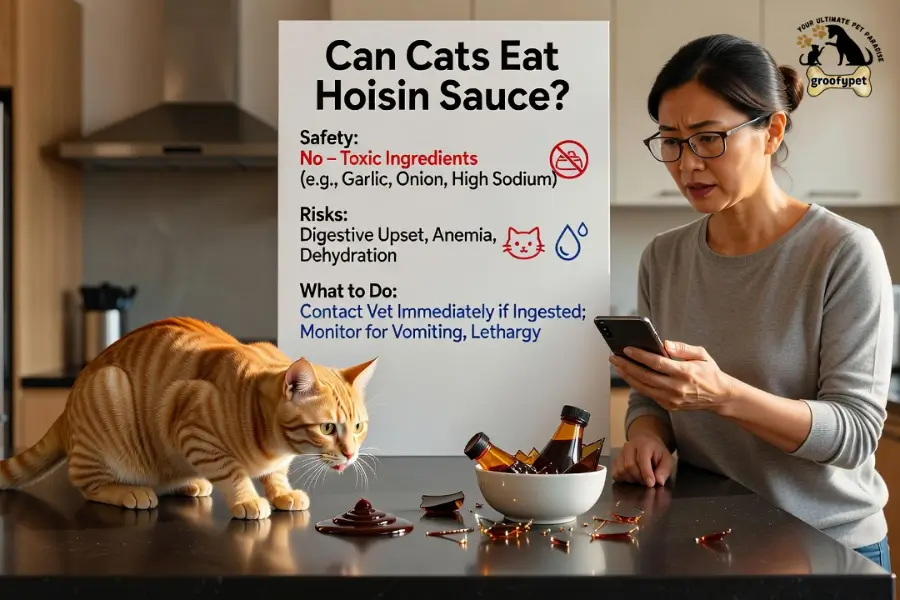
Cats should not eat hoisin sauce because it often contains high amounts of salt, sugar, and seasonings that are unsuitable for them. Some recipes also contain garlic or onion, which can damage a cat’s red blood cells and cause serious health problems. If your cat has licked a little sauce, do not panic. Check the ingredients and contact your veterinarian if potentially harmful ingredients are present.
Hoisin sauce is a popular condiment used in stir-fries, marinades, dipping sauces, and Asian-inspired dishes. Although it adds a sweet and savory flavor to human food, it does not provide any nutritional benefit that cats need.
If your cat has stolen a bite of chicken coated in hoisin sauce or licked sauce from your plate, the next step depends on the ingredients and quantity consumed. Understanding the possible risks can help you make a safer decision for your pet.
Is Hoisin Sauce Safe for Cats?
No, hoisin sauce is not recommended for cats. It is a seasoned condiment designed for human meals, not a food formulated to meet feline nutritional needs.
Many commercial hoisin sauces contain fermented soybean paste, sugar, salt, vinegar, and various seasonings. Some recipes also include garlic, chili, or other ingredients that may be harmful or irritating to cats.
Here is what cat owners should know:
- Garlic and onion: These ingredients can damage red blood cells and cause anemia in cats.
- Salt: Excessive sodium intake can cause serious health problems.
- Sugar: Added sugar offers cats no meaningful nutritional benefit.
- Spices: Certain seasonings may irritate the digestive system.
- Soy ingredients: Soy is not automatically toxic to cats, but it is not necessary in their diet and may cause digestive upset in some animals.
A small lick does not automatically mean your cat will become ill. However, hoisin sauce should never be deliberately offered as a treat, and exposure to garlic or onion deserves particular attention.
What Is Hoisin Sauce Made Of?
Hoisin sauce is a thick, dark condiment commonly used in Chinese-inspired cooking. It has a sweet, salty, and savory taste that works well in marinades, stir-fries, and dipping sauces.
Although recipes differ, common ingredients include the following.
| Ingredient | Why It Matters for Cats |
|---|---|
| Fermented soybean paste | Not automatically toxic, but unnecessary in a cat’s diet |
| Sugar | Offers no essential nutritional benefit |
| Salt | Excessive amounts can be dangerous |
| Vinegar | May irritate the digestive system in some cats |
| Garlic | Toxic to cats and can damage red blood cells |
| Onion | Toxic to cats and may cause anemia |
| Chili and spices | May cause digestive irritation |
| Sesame oil or other oils | Can contribute to digestive upset when consumed in excess |
Not every brand contains every ingredient listed above. Some recipes use different seasonings, sweeteners, or flavor enhancers.Always check the ingredient label on the exact product your cat ate. Garlic and onion may appear as powders or concentrated seasonings, so look beyond the main ingredients.
Why Is Hoisin Sauce Bad for Cats?
Hoisin sauce creates several potential problems for cats. The level of risk depends on the ingredients, the amount consumed, and your cat’s size and health.
1. Garlic Can Be Toxic to Cats
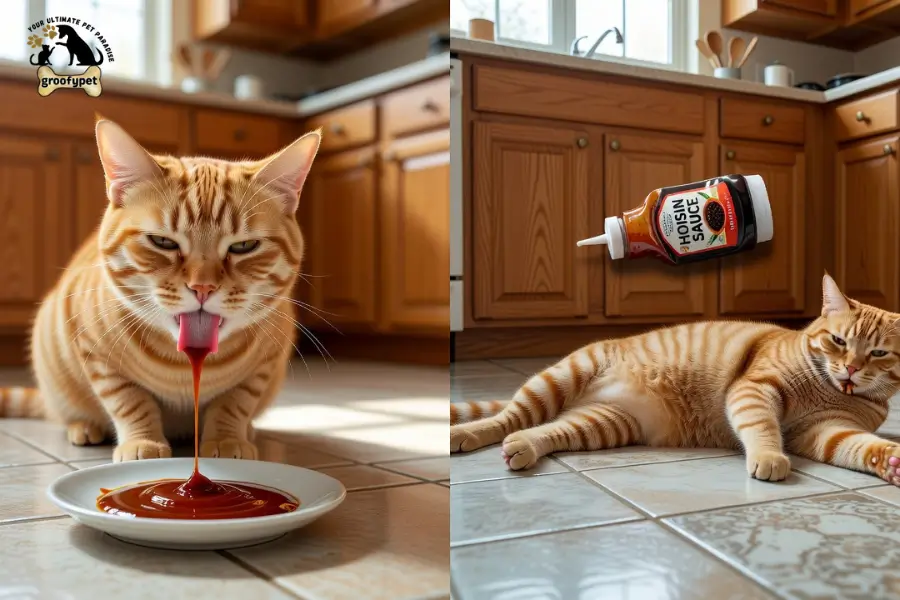
Garlic is one of the most important ingredients to watch for in seasoned sauces. It belongs to the Allium family, which also includes onions, leeks, and chives.Garlic can damage red blood cells, reducing their ability to carry oxygen throughout the body. This condition can lead to hemolytic anemia, a potentially serious illness.
Garlic powder and other concentrated forms are also concerning. A cat may appear normal shortly after exposure, even if symptoms develop later.If your cat eats hoisin sauce containing garlic, contact your veterinarian promptly for advice. Do not wait for symptoms to appear before seeking guidance.
2. Onion Can Damage Red Blood Cells
Some sauces and prepared foods contain onion or onion powder. These ingredients are toxic to cats and can cause red blood cell damage. Possible signs of onion poisoning include weakness, pale gums, reduced appetite, and unusual tiredness. In more serious cases, a cat may develop rapid breathing or dark-colored urine.
Because symptoms can be delayed, a cat that seems fine immediately after eating onion-containing sauce may still need veterinary assessment.
3. Too Much Salt Can Be Dangerous
Hoisin sauce often contains a considerable amount of sodium. Cats need small amounts of sodium for normal body functions, but excessive salt intake can be harmful.Consuming too much salt may cause vomiting, diarrhea, increased thirst, weakness, tremors, or seizures in severe cases.
The risk depends on the quantity eaten and the cat’s body size and health. Never assume a sauce is safe simply because your cat consumed only a small spoonful of food containing it.
4. Added Sugar Provides No Real Benefit
Hoisin sauce often contains sugar or another sweetening ingredient to create its characteristic flavor.Cats do not need added sugar in their diet. They obtain the nutrients they require from properly formulated cat food, which should provide an appropriate balance of protein, fats, vitamins, and minerals.
A little sugar is not the same as a toxic ingredient such as garlic. However, sugary sauce is still an unsuitable treat and may contribute to digestive upset.
5. Spices May Irritate the Digestive System
Some hoisin sauce recipes contain chili, pepper, or other strong seasonings. These ingredients may irritate a cat’s mouth or digestive tract.After eating seasoned food, a cat may develop vomiting, loose stools, drooling, or reduced appetite. Oils and rich ingredients in the surrounding meal may also contribute to stomach upset.
Not every cat will experience symptoms, but there is no good reason to expose your pet to these unnecessary ingredients.
6. Soy Ingredients May Cause Digestive Problems
Soybeans and fermented soybean paste are common components of hoisin sauce. Soy is not automatically poisonous to cats, but some cats may be sensitive to particular ingredients. Possible digestive reactions include gas, vomiting, or diarrhea. The overall sauce remains unsuitable because of its salt, sugar, and potentially harmful seasonings.
Remember that an ingredient being non-toxic does not automatically make the complete product safe for cats.
What Happens If a Cat Licks Hoisin Sauce?
If your cat licks a tiny amount of hoisin sauce, it may experience no noticeable effects. However, you cannot judge the risk by the amount alone because the ingredients also matter. For example, a small taste of a sauce containing garlic or onion deserves more attention than a lick of a product without those ingredients.
Possible signs of digestive upset or illness include:
- Vomiting or diarrhea.
- Drooling or lip licking.
- Reduced appetite.
- Abdominal discomfort.
- Unusual tiredness or weakness.
- Increased thirst.
- Pale gums or rapid breathing.
- Dark or reddish-brown urine.
Some symptoms, particularly those associated with damage to red blood cells, may take time to develop. Do not rely on immediate symptoms to decide whether an exposure is harmless.
Contact a veterinarian promptly if the sauce contains garlic or onion, your cat ate a substantial or unknown amount, or you notice concerning symptoms. Seek emergency veterinary care for severe weakness, breathing difficulties, collapse, seizures, or other serious signs.
My Cat Ate Hoisin Sauce. What Should I Do?
Discovering that your cat has eaten human food can be worrying. The best approach is to remove access to the sauce, identify its ingredients, and determine whether your cat needs veterinary attention.
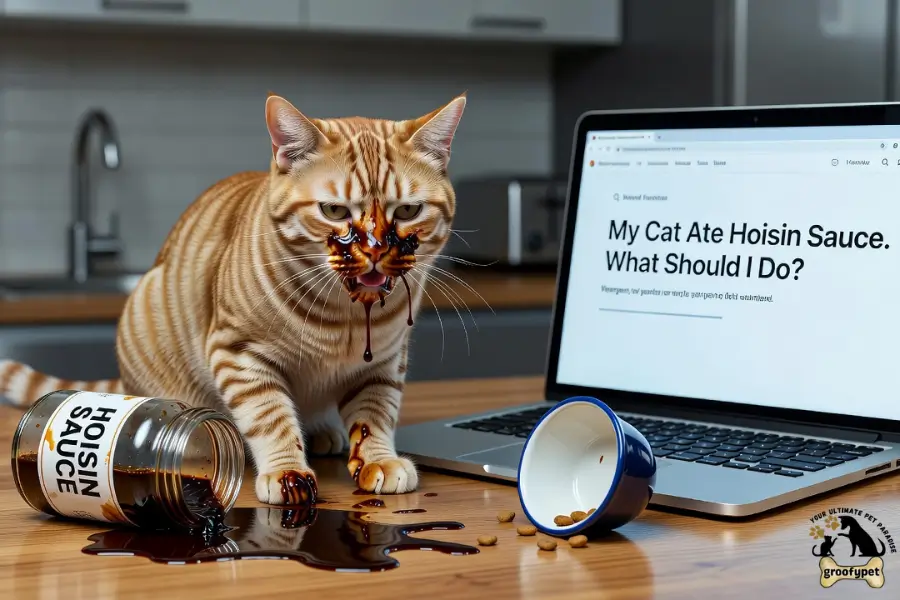
Follow these steps.
Step 1: Remove the Sauce
Take the sauce and any contaminated food away from your cat. Prevent further licking, and gently wipe any sauce from the fur or paws if necessary to stop your cat from grooming it off.
Step 2: Check the Ingredient Label
Look for garlic, onion, garlic powder, onion powder, and other potentially harmful seasonings. If the sauce came from a restaurant, you may need to ask about its ingredients.
If you cannot determine what the sauce contains, tell your veterinarian that the ingredients are uncertain.
Step 3: Estimate How Much Your Cat Ate
Try to work out whether your cat took one lick, ate a piece of coated meat, or consumed a larger quantity of sauce.
Note approximately when the exposure occurred. This information helps a veterinarian assess the potential risk and recommend the appropriate next step.
Step 4: Contact Your Veterinarian When Needed
Seek prompt veterinary advice if garlic or onion is listed, your cat ate a significant amount, or you are unsure about the quantity or ingredients.
Do not wait for symptoms if a potentially toxic ingredient was involved. Your veterinarian can determine whether monitoring, examination, or treatment is appropriate.
Step 5: Avoid Home Remedies
Do not induce vomiting or give your cat milk, oil, salt water, or other home remedies. These methods can cause additional harm.
If your cat develops vomiting, weakness, pale gums, breathing problems, or other concerning signs, seek veterinary care rather than trying to manage the problem at home.
Hoisin Sauce Risk Guide for Cat Owners
| Situation | Recommended Action |
|---|---|
| Your cat sniffed the sauce without licking it | Prevent access; ingestion is not expected if none was swallowed |
| Your cat took one tiny lick | Check the ingredients and monitor for changes; seek advice if garlic or onion is present |
| Your cat ate sauce containing garlic or onion | Contact a veterinarian promptly, even if your cat seems normal |
| Your cat ate a large or unknown quantity | Seek prompt veterinary guidance |
| Your cat develops weakness, pale gums, breathing problems, or seizures | Seek emergency veterinary care |
This table provides general guidance, not a guarantee that any particular exposure is safe. A veterinarian can assess your cat’s individual risk based on the product and quantity involved.
Can Cats Eat Chicken Covered in Hoisin Sauce?
No. Chicken covered in hoisin sauce is not a suitable meal or treat for cats.
Plain, fully cooked chicken can be an occasional treat for many healthy cats when it contains no bones, skin-heavy portions, sauces, or seasonings. However, chicken coated in hoisin sauce may expose your cat to excessive salt, sugar, garlic, onion, or other ingredients.
If your cat steals a small piece of chicken from your plate, check whether the meat was thoroughly coated in sauce or prepared with additional seasonings.
A plain piece of cooked chicken is a better choice than leftover takeout food. Even then, treats should complement a complete and balanced cat food rather than replace it.
Can Cats Eat Fried Rice With Hoisin Sauce?
Fried rice containing hoisin sauce is not recommended for cats. In addition to the sauce, the dish may contain garlic, onion, soy sauce, cooking oil, and other seasonings.
Plain cooked rice is not inherently toxic to cats, but it provides limited nutritional value compared with a balanced feline diet. Fried rice is often unsuitable because of its added salt, fats, and seasonings.
If your cat eats a few grains of plain rice, that is different from eating a portion of seasoned fried rice. Consider the complete ingredient list when assessing an accidental exposure.
Can Cats Eat Noodles With Hoisin Sauce?
Cats should not be deliberately fed noodles covered in hoisin sauce. The noodles themselves may not be toxic when plain and cooked, but the accompanying sauce can introduce potentially harmful ingredients.
Restaurant noodles may also contain garlic, onion, chili, salt, and oil. Some dishes include additional ingredients that create separate risks.
If you want to share a little food with your cat, choose a small piece of plain, fully cooked meat without sauce or seasoning instead.
Also Read : Can Cats Eat Lucky Charms? Why This Sweet Cereal Is a Dangerous Choice for Cats!
Are There Any Benefits of Hoisin Sauce for Cats?
Hoisin sauce offers no meaningful benefit that cats cannot obtain from a suitable, balanced diet. Although some ingredients contain nutrients, the complete sauce is not designed to meet a cat’s nutritional needs.
Cats are obligate carnivores, meaning they rely on nutrients found in animal-based foods to meet important dietary requirements. They need appropriate amounts of animal protein, essential amino acids such as taurine, fats, vitamins, and minerals.
Adding hoisin sauce to a cat’s food does not make the meal healthier. It simply introduces unnecessary ingredients and possible safety concerns.
If your cat seems interested in your dinner, offer an appropriate cat treat or a small piece of plain, cooked meat instead.
Safe Alternatives to Hoisin Sauce for Cats
If your cat wants to taste what you are eating, you have safer options that do not contain heavily seasoned sauces.
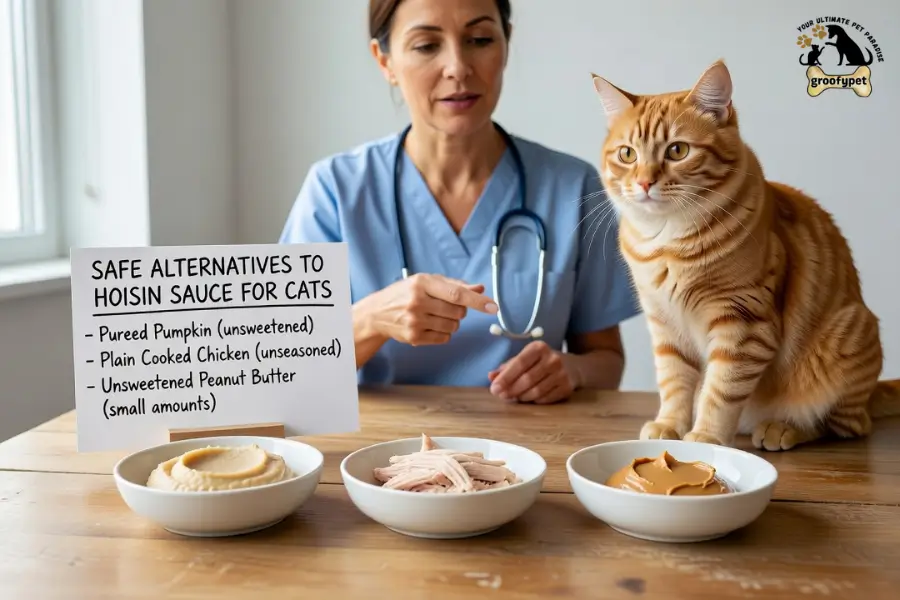
| Alternative | How to Offer It |
|---|---|
| Plain cooked chicken | Offer a small piece without bones, skin-heavy portions, or seasoning |
| Plain cooked turkey | Serve fully cooked, boneless meat without added salt or sauces |
| Commercial cat treats | Follow the package feeding instructions |
| Complete and balanced wet cat food | Serve according to your cat’s nutritional needs |
| Regular cat food | Use as the main source of daily nutrition |
Introduce unfamiliar treats gradually, and consider your cat’s allergies, digestive sensitivities, and medical conditions. Treats should generally account for no more than 10% of daily calories, with at least 90% coming from complete and balanced food.
Avoid sharing seasoned leftovers, even when the main ingredient is meat. Garlic, onion, sauces, and excess salt can make an otherwise suitable food inappropriate for cats.
How Much Hoisin Sauce Can Cats Eat?
There is no recommended serving size of hoisin sauce for cats because it is not an appropriate food for them.
Do not use a teaspoon, a lick, or a small spoonful as a standard safe amount. The risk depends on the sauce’s ingredients, the quantity consumed, and your cat’s size and health.
If your cat accidentally consumes a tiny amount, check the label and assess the situation rather than automatically assuming the worst. If the sauce contains garlic or onion, or you cannot determine what was eaten, contact your veterinarian for individualized advice.
Kittens, older cats, and cats with existing health problems may require particular care when assessing food exposures.
Read This : Can Cats Eat Cinnamon Toast Crunch? The Complete Guide to Protecting Your Cat’s Health
Frequently Asked Questions
Can cats lick hoisin sauce?
Cats should not be allowed to lick hoisin sauce intentionally. A single tiny lick may not cause noticeable illness, but the risk depends on the product’s ingredients. Check for garlic and onion, remove the sauce, and contact a veterinarian if potentially toxic ingredients are present.
Is hoisin sauce toxic to cats?
Hoisin sauce is not suitable for cats, but its toxicity depends on its ingredients and the amount consumed. Garlic and onion are particularly concerning because they can damage red blood cells. High sodium intake can also cause serious problems. Check the label and seek veterinary advice when needed.
Does hoisin sauce contain garlic?
Some hoisin sauce recipes contain garlic, while others may not. Commercial formulations differ, so check the specific product’s ingredient list. Garlic powder and concentrated garlic ingredients are also important to identify because garlic can be toxic to cats.
Can cats eat food cooked with hoisin sauce?
Cats should not be deliberately fed food prepared with hoisin sauce. Chicken, rice, or noodles coated in the sauce may contain garlic, onion, excess salt, and other seasonings. Plain, fully cooked, unseasoned meat is a more suitable occasional treat for most healthy cats.
What happens if my cat eats a small amount of hoisin sauce?
A cat may experience no symptoms after a tiny taste, but that does not guarantee the exposure is harmless. The ingredients matter, especially if garlic or onion is present. Check the label, estimate the quantity, and contact your veterinarian if there is a potential toxic exposure.
How long after eating garlic sauce can symptoms appear?
Symptoms of garlic-related red blood cell damage may be delayed for several days. A cat can appear normal initially and become unwell later. Do not wait for symptoms before seeking veterinary advice if your cat has eaten sauce containing garlic or onion.
What should I do if my cat eats hoisin sauce with garlic?
Remove the remaining food, check how much your cat consumed, and contact a veterinarian promptly. Garlic can damage red blood cells, and symptoms may be delayed. Do not induce vomiting or try home remedies unless a veterinarian specifically directs you to do so.
Can cats eat soy sauce or other Asian sauces?
Soy sauce and many other Asian sauces are not suitable treats for cats because they may contain high levels of sodium, garlic, onion, sugar, or spices. The risks vary by product. Avoid deliberately feeding these sauces and check the ingredients if accidental ingestion occurs.
What sauces are safe for cats?
The safest approach is to avoid adding sauces to your cat’s food. Many human sauces contain salt, sugar, spices, garlic, or onion. Instead, offer plain, fully cooked meat without seasoning or use commercial cat treats formulated for feline consumption.
Final Thoughts
So, can cats eat hoisin sauce? No, hoisin sauce is not a recommended food for cats. Its salt, sugar, seasonings, and potentially toxic ingredients make it an unsuitable treat.A tiny accidental lick does not automatically mean your cat will become seriously ill. However, garlic and onion can cause dangerous red blood cell damage, and symptoms may not appear immediately.
If your cat has eaten hoisin sauce, check the ingredient label, estimate the amount consumed, and contact your veterinarian when toxic ingredients or significant exposure are involved. Avoid home remedies and seek urgent care if serious symptoms develop.For everyday treats, stick to plain, unseasoned cooked meat or cat-specific treats. Your cat can enjoy a healthy, balanced diet without human sauces.
Can Cats Eat Salsa Safely? Surprising Benefits and Scary Risks Explained!
Can Cats Eat Albacore Tuna? The Ultimate Guide to Feline Nutrition and Safety!