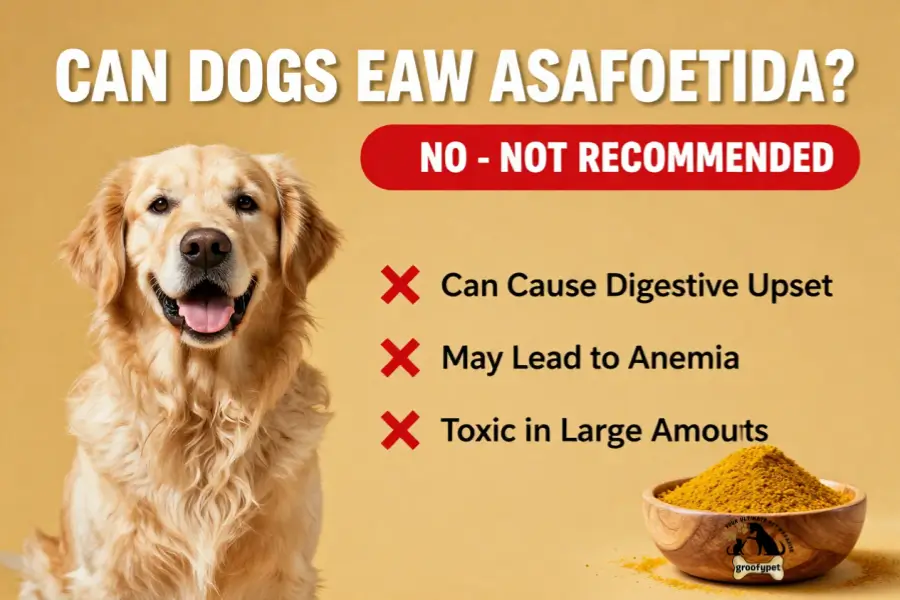
can dogs eat asafoetida? No, dogs should not be fed asafoetida (hing) on purpose. A tiny accidental taste of pure asafoetida from a dropped pinch of food is unlikely to cause serious harm, but asafoetida is not a dog-safe spice.
It offers no real nutritional benefit to dogs and can irritate the digestive tract, and commercial hing powder often contains salt, wheat flour, rice flour, and other additives that make it even riskier. If your dog eats a meaningful amount, especially commercial hing powder, watch for vomiting, diarrhoea, or stomach pain and call your veterinarian if symptoms develop or a large amount was consumed.
Asafoetida is a strong-smelling resin used in Indian, Pakistani, and Middle Eastern cooking, where a pinch goes a long way. Many pet owners ask about it because it’s a kitchen staple that sits within easy reach of a curious dog’s nose and because some Ayurvedic traditions use tiny amounts of it for digestive support in animals, which understandably creates confusion about whether it’s actually safe.
This guide breaks down exactly what asafoetida is, whether pure versus commercial hing powder is different, what symptoms to watch for, what to do if your dog eats some, and which herbs are genuinely safe alternatives.
Can Dogs Eat Asafoetida?
Dogs should not be intentionally fed asafoetida. While it isn’t classified as a severe toxin the way onion, garlic, or chocolate are, it is not formulated for canine digestion and isn’t part of a nutritionally balanced dog diet.
Is a small amount dangerous?
In most cases, no. If your dog licks a plate that had a trace of dal or curry seasoned with hing, this is unlikely to cause more than mild, temporary stomach upset, if anything at all. The amount used in cooking is usually a pinch, and the pungent smell often discourages dogs from eating much of it voluntarily.
Why It Is Not Recommended
- It has a very strong, sulphurous odour that most dogs find unpleasant.
- It can irritate the gastrointestinal (GI) lining, especially in dogs with sensitive stomachs.
- Commercial powders frequently contain salt, anti-caking agents, and grain fillers not meant for pets.
- There’s no established “safe daily dose” of asafoetida for dogs in veterinary literature, so any recommendation is guesswork.
- Some sources note that asafoetida-based sprays are actually marketed as dog and cat repellents because of how strongly dogs dislike the smell which tells you a lot about how appealing (or unappealing) it is to them.
Veterinary Opinion
Most veterinarians classify asafoetida as a “food not formulated for dogs” rather than an acute poison. The general veterinary guidance for any human spice including hing is the same: a small accidental taste is rarely an emergency, but spices should never be added to a dog’s diet without a veterinarian’s input, since dogs metabolise many plant compounds differently than humans do.
What Is Asafoetida (Hing)?
Where It Comes From
Asafoetida is a dried resin (gum) extracted from the rhizomes and taproots of Ferula plant species, most notably Ferula assa-foetida and Ferula foetida. These plants are native to Iran and Afghanistan and are now also cultivated in parts of India.
How It Is Made
The plant’s root is cut, and the milky sap that oozes out is collected and dried into a hardened gum resin. This raw resin is intensely pungent; the name “asafoetida” literally comes from Latin roots meaning “stinking gum”. Because the raw resin is so concentrated, it’s almost never sold or used in that form for everyday cooking.
Common Culinary Uses
In the kitchen, asafoetida is used in extremely small amounts, often just a pinch, to:
- Add a savory, umami-like depth to lentil dishes (dal), curries, and pickles
- Replace onion and garlic flavor in cooking for people who avoid the allium family for religious or dietary reasons
- Aid digestibility of legumes and beans, according to traditional Ayurvedic practice
- Mellow into a flavor resembling cooked onion or garlic once it hits hot oil
Types of Asafoetida Available
| Form | Description |
|---|---|
| Raw resin (lump) | Pure, unprocessed, extremely strong-smelling and rarely used directly |
| Compounded/commercial powder | Resin ground and blended with wheat flour, rice flour, or gum arabic as a carrier/anti-caking agent |
| “Pure” or “100%” hing powder | Less common, no fillers, but still highly concentrated |
Most jars labelled “hing” or “asafoetida powder” sold in grocery stores are the compounded version, not the pure resin.
Is Asafoetida Safe for Dogs?
Pure Asafoetida
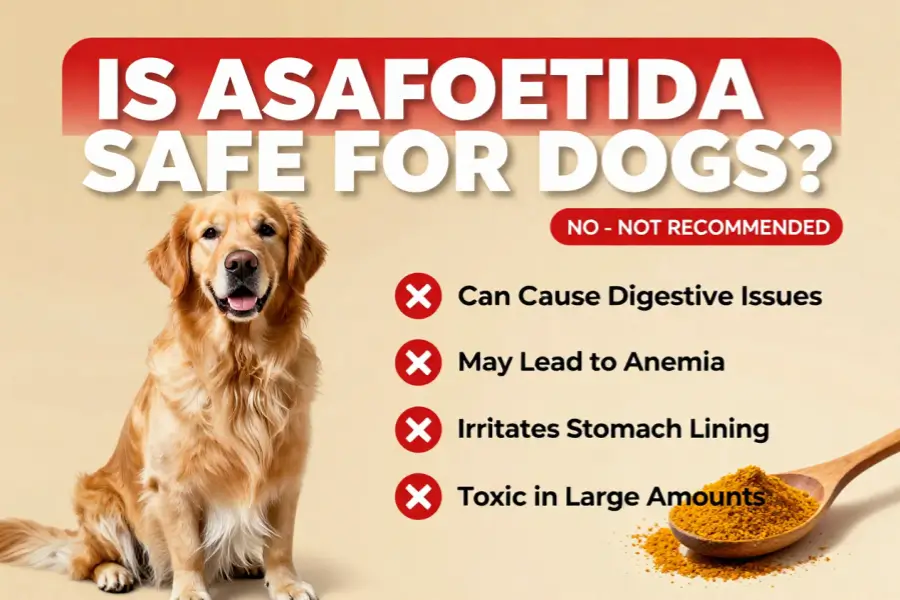
Pure asafoetida resin, in the tiny quantities used in cooking, isn’t considered a major toxin for dogs. However, “not a major toxin” is different from “safe and beneficial”. Its strong sulphur compounds can still irritate a dog’s stomach lining, and because it’s so concentrated, even a small amount can pack a disproportionate digestive punch for a dog’s body size compared to a human’s.
Commercial Hing Powder
This is where the real caution comes in. Commercial hing powder is rarely pure. It’s typically diluted with:
- Wheat flour or rice flour (a carrier/filler)
- Gum arabic (a thickening/binding agent)
- Added salt
- Sometimes turmeric, for color
Small Amount vs. Large Amount
| Exposure Level | Likely Outcome |
|---|---|
| Lick of a plate, trace amount | Usually no effect, or very mild, short-lived stomach upset |
| A teaspoon or more of pure resin | Possible vomiting, diarrhea, or abdominal discomfort |
| A tablespoon or more of commercial powder | Higher risk of GI upset, plus sodium and additive exposure, warrants a vet call |
Why Do Dogs Process Spices Differently?
Can dogs eat asafoetida? Dogs have a shorter digestive tract and a different gut microbiome than humans, and many spices that are mild for people can be disproportionately strong for a 20–80 lb animal. Dogs also lack the dietary history of regularly eating concentrated plant resins, so their GI tract has no “practice” handling compounds like the sulphur-based ones found in asafoetida.
Can Puppies Eat Asafoetida?
Greater Sensitivity
Puppies should never be given asafoetida intentionally. Their digestive systems are still developing, and they’re far more sensitive to anything outside of a consistent, balanced puppy diet.
Digestive Concerns
A puppy’s gut lining is more permeable and reactive than an adult dog’s, which means:
- Vomiting and diarrhea can develop more quickly
- Dehydration is a faster-moving risk in small, young bodies
- Even mild GI upset can disrupt appetite and energy during a critical growth period
Veterinary Recommendations
If a puppy accidentally ingests asafoetida, even a small amount, most veterinarians recommend contacting them or a pet poison hotline proactively rather than waiting to “see what happens”, simply because puppies have less physiological reserve than adult dogs.
Nutritional Value of Asafoetida
Plant Compounds
Asafoetida contains several bioactive compounds, including:
- Coumarins — natural compounds that can have mild blood-thinning effects
- Sulfur compounds — responsible for its pungent smell and some of its traditional digestive uses
- Ferulic acid derivatives — antioxidant plant compounds
Minerals
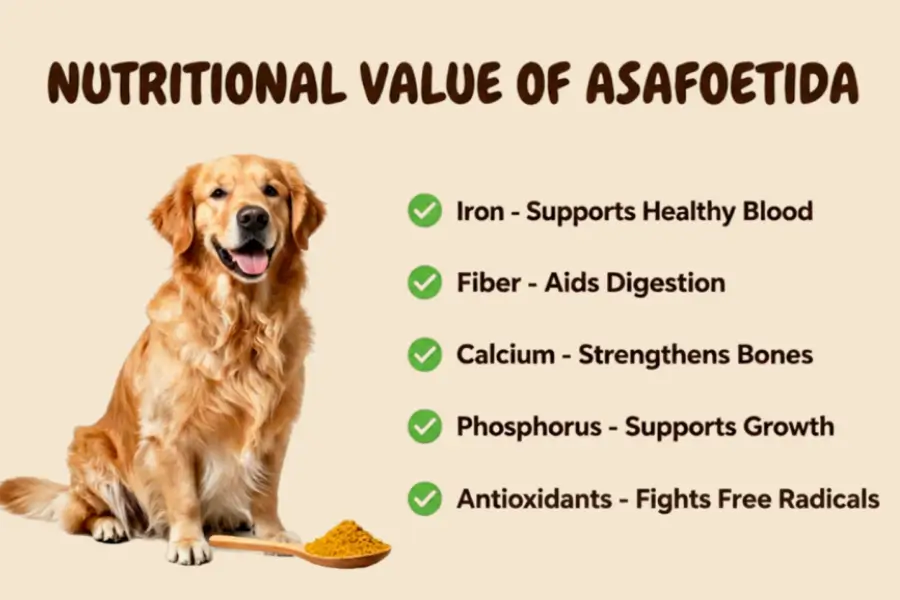
In trace amounts, asafoetida contains small quantities of minerals like calcium and iron, but the quantity used in any dish (a pinch) is far too small to contribute meaningfully to a dog’s mineral intake.
Antioxidants
Some laboratory research has explored antioxidant activity in asafoetida extracts, but this research is generally conducted in the context of human health, not canine nutrition, and shouldn’t be extrapolated into feeding recommendations for dogs.
Traditional Uses
In Ayurveda, asafoetida has historically been used in tiny doses for digestive complaints, gas, and bloating in humans and is occasionally referenced for animals in traditional veterinary Ayurveda (sometimes called ‘Hastayurveda’ for larger animals).
However, traditional use is not the same as a modern, evidence-based safety profile, and traditional doses were typically calibrated for humans or livestock, not companion dogs.
Why It Has Little Nutritional Value for Dogs
A complete, balanced commercial dog food already provides everything a healthy dog needs. Asafoetida is used in such minuscule amounts in cooking that, even with its trace plant compounds, it cannot meaningfully supplement a dog’s diet. Any “benefit” would be purely incidental, not a reason to add it on purpose.
Pros and Cons of Asafoetida for Dogs
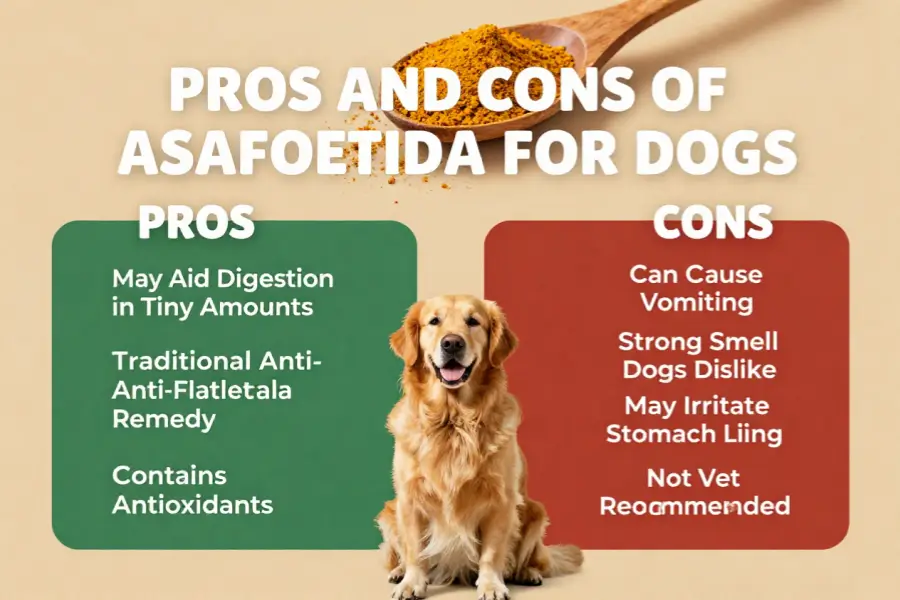
- Used safely in traditional cooking for centuries (for humans)
- Contains natural plant compounds with some documented antioxidant activity
- Small accidental amounts are unlikely to cause severe toxicity
- Very low in calories
- Its strong flavor and smell mean most dogs naturally eat very little of it on their own
- Can upset a dog’s stomach
- Not a natural or necessary part of a dog’s diet
- Commercial products often contain salt, wheat, rice flour, or gum arabic
- May trigger vomiting, diarrhea, or abdominal discomfort
- Offers no meaningful nutritional benefit for dogs
- No established “safe dose” exists in veterinary literature
Potential Risks of Asafoetida for Dogs
| Risk | Why It Happens |
|---|---|
| Stomach irritation | Sulfur compounds and strong resin oils can irritate the GI lining |
| Vomiting | The body’s response to an unfamiliar, pungent irritant |
| Diarrhea | GI tract reacting to a substance outside the normal diet |
| Gas and bloating | Some traditional sources claim it eases gas, but in dogs unaccustomed to it, ingestion can just as easily cause it |
| Excess salt (commercial products) | Many hing powders contain added salt, which is a concern for dogs with heart or kidney issues |
| Additives and fillers | Wheat or rice flour and gum arabic may not suit dogs with grain sensitivities |
| Allergic reactions | As with any new ingredient, individual dogs can react unpredictably |
| Large quantity ingestion | Higher resin concentration raises the chance of more significant GI distress |
| Existing health conditions | Dogs with liver, kidney, or clotting disorders may be more vulnerable due to asafoetida’s mild blood-thinning compounds |
| Medication interactions | Asafoetida may theoretically interact with blood pressure medications or blood thinners, based on documented effects in humans |
What Happens If a Dog Eats Asafoetida?
A dog that licks a plate or grabs a small bite of food seasoned with hing will most likely show no symptoms at all, or perhaps brief lip-licking and mild drooling due to the strong taste and smell.
Moderate Amount
If a dog eats a noticeable amount — for example, getting into a dish that’s heavily seasoned — mild vomiting, loose stool, or a temporary loss of appetite are the most likely outcomes.
Large Ingestion
If a dog manages to eat a significant quantity of raw resin or a substantial amount of commercial powder (for example, knocking over and consuming part of a spice container), this is the scenario that warrants prompt veterinary attention. Larger amounts increase the likelihood of:
- More persistent vomiting and diarrhea
- Abdominal pain
- Dehydration from fluid loss
- Possible interaction with sodium intake or pre-existing conditions
What Symptoms May Appear
Symptoms generally appear within a few hours of ingestion and most commonly involve the digestive system rather than other body systems.
Symptoms to Watch For
Keep an eye out for the following after any suspected asafoetida ingestion:
- Vomiting
- Diarrhea
- Excessive drooling
- Loss of appetite
- Abdominal pain (a hunched posture, restlessness, or a tender belly)
- Lethargy
- Weakness
- Tremors (rare, and more likely tied to a large ingestion or a sensitive individual dog)
Most of these symptoms are mild and resolve within 24 hours. Symptoms that are severe, persistent, or involve weakness and tremors should always be treated as a reason to call your vet promptly.
What Should You Do If Your Dog Eats Asafoetida?
- Step 1: Determine how much was eaten. Try to estimate the quantity and whether it was pure resin/powder or part of a cooked dish.
- Step 2: Check the ingredient label. If it was a commercial hing powder, look for added salt, onion, or garlic in the ingredient list — these change the risk picture significantly.
- Step 3: Monitor your dog closely. Watch for the symptoms listed above over the next 12–24 hours.
- Step 4: Offer fresh water. Keep your dog hydrated, but don’t force feeding or extra treats while you’re monitoring them.
- Step 5: Contact your veterinarian if symptoms develop or a large amount was consumed. Don’t wait until symptoms become severe — especially with puppies, senior dogs, or dogs with existing health conditions. If you’re unsure, a quick call to your vet or an animal poison control hotline is always the safer choice.
Why Commercial Asafoetida Powder May Be More Harmful
Pure asafoetida resin is concentrated but at least chemically “just” asafoetida. Commercial powders introduce additional variables:
- Wheat flour — a common filler that can trigger issues in grain-sensitive dogs
- Rice flour — generally milder, but still an unnecessary additive for a dog’s diet
- Gum arabic — a thickening agent that, in large amounts, can affect digestion
- Salt — added for flavor and shelf stability, but a concern for dogs prone to sodium-sensitive conditions
- Artificial preservatives — some lower-cost brands include preservatives not intended for pet consumption
In short: even if pure asafoetida in tiny amounts isn’t a major hazard, the commercial powder sitting in most kitchen cabinets is a different, riskier product altogether.
Safe Herbs for Dogs
If you’re looking to add flavour or mild digestive support to your dog’s food, these are generally considered safer choices, always introduced gradually and in small amounts.
| Herb | Safe? | Benefits |
|---|---|---|
| Basil | Yes | Antioxidants, mild anti-inflammatory properties |
| Dill | Yes | Digestive support, may ease gas |
| Parsley (curly leaf only) | Yes | Freshens breath, vitamin A and C |
| Cilantro/Coriander | Yes | Vitamins, antioxidants |
| Rosemary | Small amounts | Antioxidants |
| Thyme | Small amounts | Mild flavor, antimicrobial properties in lab studies |
Always confirm with your veterinarian before introducing any new herb, especially for dogs with existing health conditions.
Spices Dogs Should Avoid
- Asafoetida (in large or regular amounts)
- Garlic powder
- Onion powder
- Nutmeg
- Chili powder
- Black pepper (in large amounts)
- Mustard powder
Garlic and onion powder deserve special mention: unlike asafoetida, these are well-documented toxins for dogs due to thiosulphate compounds that can damage red blood cells and cause haemolytic anaemia, even in concentrated powder form.
Nutritional Comparison Table
| Item | Safe for Dogs? | Main Concern |
|---|---|---|
| Pure Asafoetida | Small accidental amounts only | Digestive upset |
| Commercial Hing Powder | Not recommended | Salt and additives |
| Basil | Yes | Generally safe herb |
| Parsley | Yes | Safe in moderation |
| Garlic Powder | No | Toxic — hemolytic anemia risk |
| Onion Powder | No | Toxic — hemolytic anemia risk |
When Should You Contact a Veterinarian?
Call your veterinarian (or a pet poison control hotline) if your dog experiences any of the following:
- Persistent vomiting (more than once or twice)
- Severe or bloody diarrhea
- Noticeable weakness or wobbliness
- Excessive drooling that doesn’t subside
- A large ingestion of resin or powder, rather than a trace amount
- Your dog is a puppy
- Your dog is a senior dog
- Your dog has liver, kidney, or digestive disease, or is on blood-thinning or blood pressure medication
When in doubt, it’s always better to make the call than to wait and see.
Frequently Asked Questions
Can dogs eat pure asafoetida?
Pure asafoetida in a tiny, accidental amount is unlikely to cause serious harm, but it should never be fed intentionally. It offers no real nutritional value for dogs and can still irritate the digestive system.
Is hing toxic to dogs?
Asafoetida is not classified as a severe toxin like onion, garlic, or chocolate. However, it isn’t safe to feed regularly, and large amounts, especially of commercial powder, can cause vomiting, diarrhoea, and stomach discomfort.
Can puppies eat asafoetida?
No. Puppies have more sensitive digestive systems and less physiological reserve, so even small amounts carry more risk. Contact your veterinarian if a puppy ingests any amount of asafoetida.
What if my dog licked food containing hing?
A single lick of a dish lightly seasoned with hing is unlikely to cause more than mild, temporary stomach upset, if symptoms occur at all. Monitor your dog and offer fresh water.
Is asafoetida powder worse than pure asafoetida?
Often, yes. Commercial hing powder typically contains wheat flour, rice flour, gum arabic, and added salt – ingredients that introduce extra risk on top of the asafoetida itself.
What herbs are safer for dogs?
Basil, dill, curly-leaf parsley, and cilantro are generally considered safer options in small amounts. Always check with your veterinarian before introducing a new herb.
How much asafoetida is dangerous for dogs?
There is no officially established toxic dose of asafoetida for dogs. As a general rule, a teaspoon or more of pure resin, or a tablespoon or more of commercial powder, is enough to warrant close monitoring or a call to your veterinarian.
Should I call my veterinarian if my dog eats asafoetida?
If it was a trace amount from a cooked dish, monitoring at home is usually sufficient. Call your veterinarian if your dog eats a large amount; shows symptoms like persistent vomiting or diarrhoea; is a puppy or senior dog; or has an existing health condition.
Final Verdict
Can dogs eat asafoetida? No, asafoetida is not a food you should intentionally feed your dog. If you want to add flavour or digestive support to your dog’s meals, stick to genuinely dog-safe options like small amounts of basil, parsley, or dill, and always check with your veterinarian first.
If your dog eats a significant amount of asafoetida or develops symptoms like persistent vomiting, diarrhoea, weakness, or drooling, contact your veterinarian right away, especially if your dog is a puppy, a senior, or has an existing health condition.
Can Dogs Eat Hickory Nuts? Benefits, Risks and Warning Signs