
Snapper is a popular fish on dinner tables, and many dog owners wonder if they can share a bite with their pup. This guide gives you clear, simple, and complete answers about feeding snapper fish to dogs. You will learn what snapper is, why it can be healthy, what risks to watch for, how much to feed, and what to do if your dog reacts badly.
Every section below gives a fast answer first, then more details, so you get the facts you need without digging through long paragraphs.
Can dogs eat snapper?
Yes, dogs can eat plain cooked snapper in small amounts. Snapper gives dogs lean protein, omega-3 fatty acids, vitamin B12, and selenium. You must remove every bone first. Never add salt, oil, butter, or spices. Never feed raw snapper. Cooked, boneless, and plain snapper is the safest way to share this fish with your dog.
Here are the most important facts about feeding snapper to dogs. Read this list first if you are short on time.
- Snapper is safe for most dogs when it is cooked the right way.
- Snapper gives dogs lean protein, omega-3 fats, and important vitamins.
- You must take out every bone before you feed snapper to a dog.
- Raw snapper can carry parasites and bacteria, so always cook it fully.
- Never add salt, butter, oil, garlic, onion, or spices to snapper for dogs.
- Feed snapper in small amounts as a treat, not as a main meal.
- Watch your dog closely the first time you give them snapper in case of allergies.
- Call your vet right away if your dog swallows a bone or eats raw fish.
What Is Snapper Fish?
Snapper is a type of saltwater fish that lives in warm ocean waters near reefs and rocky coastlines. People enjoy snapper because it has a mild, sweet taste and a firm, flaky texture. Cooks bake it, grill it, steam it, or fry it.
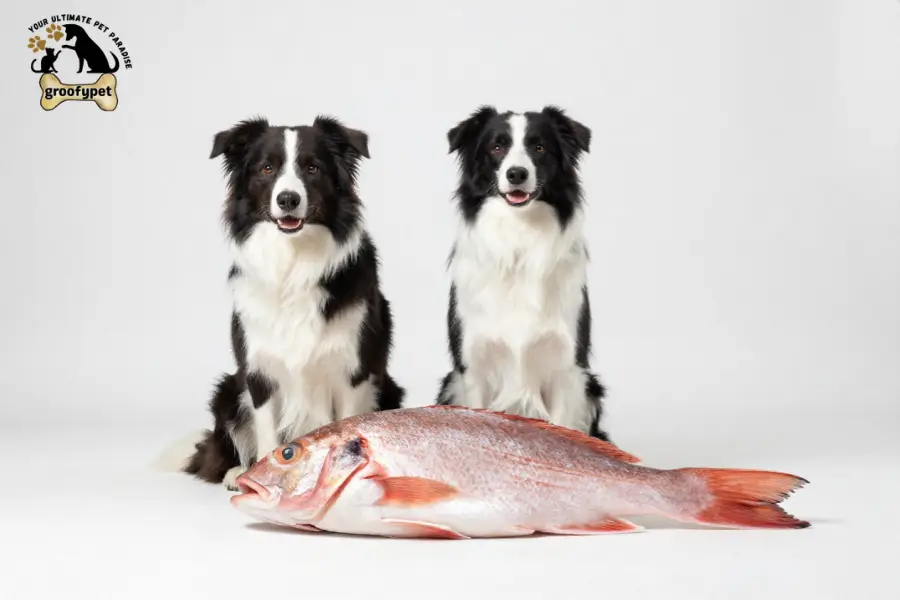
Snapper shows up often in restaurants, fish markets, and home kitchens, which is why so many dog owners end up asking if their pup can have a piece too.
Types of Snapper
There is not just one kind of snapper. Many different species share the name “snapper,” and they all belong to the fish family called Lutjanidae. The most common types you will find at a grocery store or restaurant include:
- Red snapper, the most popular type sold in the United States
- Yellowtail snapper, known for its bright yellow stripe and mild flavor
- Mangrove snapper, often caught near coastal mangrove forests
- Mutton snapper, a larger fish with a slightly stronger taste
- Lane snapper, a smaller fish common in the Gulf of Mexico
Each type of snapper has a similar nutrition profile, so the safety rules for dogs stay the same across all of them.
Where Does Snapper Come From?
Snapper lives in tropical and subtropical waters around the world. You can find wild snapper near the coasts of the United States, Mexico, the Caribbean, and parts of Asia and Australia. Most snapper sold in stores is wild-caught, though some farms now raise snapper too. Where the fish comes from can affect mercury levels and the risk of a toxin called ciguatera, which we explain later in this guide.
Why Do People Eat Snapper?
People eat snapper because it is tasty, low in fat, and packed with protein. It is also a good source of omega-3 fatty acids, which support heart and brain health. Because snapper is easy to cook and pairs well with many recipes, it has become a kitchen favorite. This popularity is also why dogs often beg for a taste when their owners cook snapper for dinner.
Is Snapper Safe for Dogs?
Snapper is safe for the vast majority of healthy adult dogs when it is prepared simply. The fish itself is not toxic to dogs. The real dangers come from how the fish is cooked, what is added to it, and whether the bones are removed. A small piece of plain, steamed snapper is very different from a fried, seasoned snapper fillet from a restaurant plate, and only the first option is dog-safe.
Veterinary Perspective
Veterinarians generally agree that fish, including snapper, can be part of a healthy dog diet when fed correctly and in moderation. Many commercial dog foods already use fish as a protein source because it is easy to digest and rich in nutrients.
Vets caution owners about three main concerns: bones, raw fish parasites, and toxins like ciguatera that can build up in certain reef fish. If you have a dog with a known fish allergy, a sensitive stomach, or a chronic illness, talk to your veterinarian before adding snapper or any new food to their diet.
Why Proper Preparation Matters
Preparation is the single biggest factor in whether snapper helps or harms your dog. Cooking kills most parasites and bacteria that live in raw fish. Removing bones stops choking and internal injuries. Skipping salt, butter, and spices protects your dog’s stomach and avoids problems like sodium poisoning or pancreatitis. When you prepare snapper the right way, you turn a risky table scrap into a safe, healthy snack.

Nutritional Value of Snapper for Dogs
Snapper is more than just a tasty treat. It carries real nutrients that support your dog’s body. Below is a simple breakdown of what snapper offers and why each nutrient matters.
1. Protein
Snapper is high in lean protein. Protein builds and repairs muscles, supports a healthy immune system, and gives your dog steady energy throughout the day. Because snapper is low in fat compared to red meat, it offers protein without piling on extra calories.
2. Omega-3 Fatty Acids
Snapper contains omega-3 fatty acids, which are healthy fats that support skin, coat, joints, and brain function. Omega-3s can also help calm inflammation in the body, which may benefit dogs with joint stiffness or skin irritation.
3. Vitamin B12
Vitamin B12 helps your dog’s body make red blood cells and supports a healthy nervous system. Dogs need a steady supply of B12 from their diet, and fish like snapper is a natural source.
4. Selenium
Selenium is a mineral that supports immune health and helps protect cells from damage. Snapper contains a useful amount of selenium, though too much selenium over time can be harmful, which is one more reason to feed fish in moderation.
5. Potassium
Potassium supports muscle function and helps your dog’s nerves send signals properly. It also plays a role in keeping fluid levels balanced inside the body.
6. Phosphorus
Phosphorus works closely with calcium to build strong bones and teeth. It also helps the body store and use energy efficiently. Snapper naturally contains phosphorus, adding another small nutritional boost to your dog’s diet.
The table below sums up the main nutrients in snapper and how each one helps your dog’s body.
| Nutrient | Benefit for Dogs |
| Protein | Muscle health and steady energy |
| Omega-3 fatty acids | Healthy skin and shiny coat |
| Selenium | Immune system support |
| Vitamin B12 | Energy production and nerve health |
| Potassium | Muscle function and fluid balance |
| Phosphorus | Strong bones and teeth |
Health Benefits of Snapper for Dogs
When fed the right way, snapper can support several parts of your dog’s health. Here are ten benefits backed by what we know about fish nutrition and canine health.
1. High-Quality Protein
Snapper offers complete protein with all the amino acids your dog’s body needs. This protein supports nearly every system, from muscles to hormones.
2. Supports Muscle Growth
Active dogs, growing puppies, and senior dogs trying to maintain muscle mass can all benefit from the protein found in snapper.
3. Promotes Healthy Skin
The omega-3 fatty acids in snapper help keep skin moisturized from the inside, which can reduce dryness and flaking.
4. Improves Coat Condition
Many owners notice a shinier, softer coat in dogs that regularly eat small amounts of fish rich in omega-3s.
5. Supports Brain Health
Omega-3 fats, especially DHA, support brain function. This can help with memory and focus in both puppies and senior dogs.
6. Supports Joint Function
The anti-inflammatory effects of omega-3 fatty acids may ease joint stiffness, which is helpful for older dogs or active breeds.

7. Boosts Immune Health
Selenium and other nutrients in snapper help support a strong immune system, which helps your dog fight off illness.
8. Supports Heart Function
Omega-3 fatty acids are linked to heart health benefits, including support for healthy blood flow and normal heart rhythm.
9. Easy to Digest
Cooked, plain fish like snapper is gentle on the stomach, which makes it a good option for dogs with sensitive digestion.
10. Low in Saturated Fat
Compared to fatty cuts of red meat, snapper is leaner, making it a smart treat for dogs that need to watch their weight.
Snapper provides lean protein, omega-3 fatty acids, vitamins, and minerals that support muscle development, skin health, coat quality, brain function, and overall wellness when fed safely and in moderation.
Risks of Feeding Snapper to Dogs
Snapper is not risk-free. Knowing these dangers helps you avoid the most common mistakes dog owners make when sharing fish.
1. Fish Bones
Snapper bones are thin and sharp. They can get stuck in your dog’s throat, mouth, or stomach, causing pain or serious injury.
2. Choking Risk
Even small bone fragments can block your dog’s airway, especially in small breeds and puppies.
3. Digestive Upset
Too much fish, or fish cooked with oil and butter, can lead to an upset stomach, vomiting, or loose stools.
4. Food Allergies
Some dogs are allergic to fish. Watch for itching, swelling, or stomach issues after the first time your dog eats snapper.
5. Raw Fish Parasites
Raw snapper can carry parasites such as flukes or tapeworms that cause illness in dogs.
6. Bacterial Contamination
Raw or undercooked fish may carry harmful bacteria like salmonella or listeria, which can make your dog sick.
7. Fried Fish Dangers
Fried snapper is coated in oil and often breading, both of which can upset a dog’s stomach and add unhealthy fat and calories.
8. Excess Salt
Restaurant snapper or seasoned snapper often contains too much salt for dogs, which can lead to excessive thirst, vomiting, or in rare cases, sodium poisoning.
9. Excessive Oil Consumption
Butter, olive oil, and cooking oils add unnecessary fat that can cause digestive upset or contribute to pancreatitis in some dogs.
10. Overfeeding
Feeding too much snapper, even when it is plain and cooked, can throw off your dog’s balanced diet and lead to weight gain over time.
The biggest risks include bones, choking hazards, parasites in raw fish, digestive upset, allergies, and harmful seasonings. Feeding cooked, boneless, plain snapper in small amounts greatly reduces these risks.
Can Dogs Eat Raw Snapper?
No, raw snapper is not a safe choice for dogs. While some pet owners follow raw food diets, raw snapper carries higher risks than many other proteins because it is a reef fish that can host parasites, bacteria and in rare cases, natural toxins.
1. Parasite Risks
Raw fish, including snapper, may contain parasites such as roundworms, tapeworms, or flukes. These parasites can cause vomiting, diarrhea, weight loss, and other health problems in dogs.
2. Bacterial Risks
Bacteria like salmonella and listeria can live in raw fish. These bacteria can cause food poisoning in dogs, leading to vomiting, lethargy, and stomach pain.
3. Nutritional Concerns
Beyond germs, raw fish can be harder for some dogs to digest fully, and there is no added nutritional benefit over cooked fish. Cooking does not remove the protein, omega-3s, or vitamins in a meaningful way, so there is little reason to take on the extra risk of feeding it raw.
Raw snapper is not recommended. It may contain parasites and harmful bacteria that can make dogs sick. Cooking snapper thoroughly kills these dangers and makes the fish much safer for your dog to eat.
Can Dogs Eat Cooked Snapper?
Yes, cooked snapper is the best and safest way to feed this fish to your dog. Cooking kills parasites and harmful bacteria, which removes most of the major health risks tied to raw fish.
Best Cooking Methods
Choose simple cooking methods that do not require oil, butter, or seasoning. The best options for dogs include:
- Boiled snapper, which is gentle and easy to prepare
- Baked snapper, cooked plain on parchment paper or foil
- Steamed snapper, which keeps the fish moist without added fat
Cooking Methods to Avoid
Some cooking styles turn a healthy fish into a risky treat. Avoid giving your dog:
- Fried snapper, which is high in unhealthy fat
- Breaded snapper, which often contains salt, garlic, or onion powder
- Spicy snapper, which can irritate your dog’s stomach
Plain cooked snapper without bones, seasoning, or oils is the safest way to feed this fish to dogs. Boiling, baking, and steaming are the best cooking methods.
Can Dogs Eat Snapper Skin?
Can dogs eat snapper? Snapper skin is not toxic, but it is not the best part to share with your dog. The skin can be tough and may carry more fat than the rest of the fillet, especially if it was cooked with oil or seasoning.
Potential Benefits
Plain, well-cooked snapper skin can offer a small amount of extra protein and healthy fat, similar to other parts of the fish.
Potential Risks
Skin is more likely to hold onto seasoning, oil, or grill char, all of which can upset your dog’s stomach. It can also be chewy and harder to digest than the soft fillet meat. If you choose to offer skin, make sure it is plain, fully cooked, and cut into small, manageable pieces.
Can Dogs Eat Snapper Bones?
No, dogs should never eat snapper bones. This is one of the most important safety rules in this entire guide.
Why Are Fish Bones Dangerous?
Snapper bones are thin, brittle, and sharp. When a dog chews or swallows them, the bones can splinter into small, jagged pieces. These pieces can get stuck in the throat, scratch the inside of the mouth, or cause damage as they pass through the stomach and intestines.
Signs of Bone Injury
Watch for these warning signs after your dog eats fish, especially if you are not sure all the bones were removed:
- Gagging, coughing, or pawing at the mouth
- Drooling more than normal
- Refusing to eat or swallow
- Vomiting, especially with blood
- Pain when touched near the belly
- Lethargy or signs of distress
Snapper bones can splinter and cause choking, mouth injuries, intestinal damage, or blockages. Always remove every bone before feeding snapper to your dog, no matter how small the piece looks.
How Much Snapper Can Dogs Eat?
The right amount of snapper depends on your dog’s size. A general rule many vets recommend is that treats, including fish, should make up no more than 10 percent of your dog’s daily food intake.
Small Dogs
Small dogs, such as Chihuahuas or Yorkies, need only a tiny portion of snapper. A bite or two is plenty, since their stomachs are much smaller.
Medium Dogs
Medium dogs, like Beagles or Border Collies, can safely handle a slightly larger portion without upsetting their daily diet.
Large Dogs
Large dogs, such as Labradors or German Shepherds, can eat a bigger serving, but it should still stay small compared to their regular meals.
| Dog Size | Serving Size |
| Small (under 20 lbs) | 1 to 2 ounces |
| Medium (20 to 50 lbs) | 2 to 4 ounces |
| Large (over 50 lbs) | 4 to 6 ounces |
For example, imagine you cooked a snapper fillet for dinner, and your 15-pound terrier is staring at your plate. A piece about the size of two dice, plain and boneless, is a safe portion for that meal.
How to Safely Feed Snapper to Dogs?
Follow these steps every time you share snapper with your dog to keep the experience safe and enjoyable.
1. Remove Bones
Check the fillet carefully with your fingers, running them along the meat to feel for any leftover bones, even tiny ones.
2. Cook Thoroughly
Cook the snapper until it is fully done all the way through. The flesh should look opaque and flake apart easily with a fork.
3. Avoid Seasonings
Set aside a plain piece of snapper for your dog before you add salt, butter, garlic, lemon, or any spices for the human portion.
4. Feed Small Portions
Stick to the serving sizes listed above based on your dog’s weight, and treat snapper as an occasional extra, not a daily habit.
5. Observe Reactions
After the first time your dog tries snapper, watch them closely for several hours for any signs of an upset stomach or allergic reaction.
Can Puppies Eat Snapper?
Puppies can eat small amounts of cooked, boneless snapper, but extra caution is needed because their bodies are still developing.
Benefits for Growth
The protein and omega-3 fatty acids in snapper can support healthy muscle and brain development in growing puppies.
Feeding Guidelines
Offer only a very small taste at first, smaller than what you would give an adult dog of the same size, since puppies have more sensitive stomachs.
Safety Precautions
Always check with your veterinarian before adding new foods to a puppy’s diet, since puppies need carefully balanced nutrition to grow properly. Never give a puppy raw or seasoned snapper.
Signs Your Dog Does Not Eat Snapper
Some dogs may react poorly to snapper even when it is prepared correctly. Knowing the warning signs helps you respond quickly.
Vomiting
Throwing up shortly after eating snapper can signal an upset stomach or an allergic reaction.
Diarrhea
Loose or watery stools after eating fish may mean your dog’s digestive system did not handle it well.
Itching
Excessive scratching, licking paws, or rubbing the face can point to a food allergy.
Swelling
Swelling around the face, lips, or eyes is a more serious allergic reaction and needs prompt veterinary attention.
Ear Infections
Some dogs with food allergies develop recurring ear infections, which can show up after eating a new protein like snapper.
Best Fish Alternatives to Snapper
If you want to rotate proteins or you are unsure about snapper, several other fish make great dog-safe options.
Salmon
Salmon is rich in omega-3 fatty acids and widely used in commercial dog food, though it must always be fully cooked to avoid parasites.
Sardines
Sardines are small, easy to cook, and packed with healthy fats. Choose versions packed in water rather than oil.
Cod
Cod is a mild white fish that is gentle on the stomach and a common ingredient in many dog foods.
Pollock
Pollock is another mild whitefish that offers lean protein with a low risk of high mercury levels.
Whitefish
General whitefish varieties are often used in limited-ingredient dog foods because they are easy to digest and rarely trigger allergies.
The comparison table below shows how snapper stacks up against other popular fish choices for dogs.
| Fish | Safe for Dogs | Omega-3 Level |
| Snapper | Yes, cooked and boneless | Moderate |
| Salmon | Yes, cooked only | High |
| Sardines | Yes, in water | High |
| Cod | Yes, cooked and boneless | Moderate |
| Pollock | Yes, cooked and boneless | Moderate |
When to Contact a Veterinarian?
Most dogs handle a small piece of plain, cooked snapper without any trouble. Still, certain situations call for a quick call to your vet.
Bone Injuries
If you suspect your dog swallowed a bone, or you see gagging, drooling, or pain, contact your veterinarian right away, even if your dog seems fine at first.
Allergic Reactions
Facial swelling, hives, or trouble breathing after eating snapper is an emergency. Seek veterinary help immediately.
Severe Digestive Symptoms
Repeated vomiting, bloody stool, or signs of dehydration after eating fish should be checked by a vet as soon as possible.
Raw Fish Consumption
If your dog accidentally eats raw snapper, call your veterinarian for advice, since they may want to monitor for parasites or bacterial illness over the following days.
Expert Tips for Feeding Fish to Dogs
These simple habits help you feed fish safely to your dog every time.
- Choose fresh, high-quality fish whenever possible.
- Remove every bone completely before serving.
- Cook the fish all the way through with no pink or translucent spots.
- Skip salt, butter, oil, garlic, and other seasonings.
- Offer fish only occasionally, not as a daily meal replacement.
Common Mistakes Dog Owners Make
Avoid these frequent errors when sharing snapper or other fish with your dog.
- Feeding fish with bones still inside
- Sharing fried or breaded fish from a restaurant plate
- Using seasoned fish meant for human meals
- Giving portions that are too large for the dog’s size
- Feeding raw or undercooked fish
Myths vs Facts
Many dog owners believe things about fish and dogs that are not actually true. Here are some common myths next to the real facts.
| Myth | Fact |
| Dogs can eat any type of fish | Some fish, like tuna or swordfish, carry high mercury levels and are unsafe in large amounts |
| Raw fish is healthier for dogs | Raw fish may contain parasites and bacteria, making cooked fish the safer choice |
| Fish bones are harmless because they are soft | Fish bones can splinter and cause choking, cuts, or blockages |
Frequently Asked Question
Can dogs eat red snapper?
Yes, dogs can eat red snapper the same way they can eat other snapper species, as long as it is fully cooked, boneless, and free of seasoning.
Can puppies eat snapper?
Puppies can eat very small amounts of cooked, boneless snapper, but you should check with your veterinarian first since puppies need carefully balanced nutrition.
Is cooked snapper safe for dogs?
Yes, cooked snapper is safe for most dogs when it is plain, fully cooked, and free of bones, salt, and oil.
Can dogs eat frozen snapper?
Dogs should not eat frozen snapper that has not been cooked, since freezing does not fully kill all bacteria and parasites. Always cook the fish first.
Is snapper better than salmon?
Both snapper and salmon are safe, cooked fish options for dogs. Salmon contains more omega-3 fatty acids, while snapper offers a leaner protein source.
Can dogs eat snapper skin?
Dogs can eat plain, fully cooked snapper skin in small amounts, but it is tougher to digest and may carry more fat than the fillet meat.
Can dogs eat snapper every day?
No, snapper should be an occasional treat, not a daily food, so it does not unbalance your dog’s regular diet.
What fish should dogs avoid?
Dogs should avoid raw fish, fried fish, and high-mercury fish like tuna, shark, and swordfish, especially in large or frequent amounts.
Can dogs eat raw snapper?
No, raw snapper is not recommended because it can carry parasites and bacteria that may make your dog sick.
How much snapper can dogs eat?
Small dogs can have about 1 to 2 ounces; medium dogs, about 2 to 4 ounces; and large dogs, about 4 to 6 ounces, served occasionally.
Final Thoughts
So can dogs eat snapper? Snapper can be a healthy, occasional treat for most dogs when you serve it the right way. Always cook it fully, remove every bone, and skip the salt, oil, and seasoning. Feed small portions based on your dog’s size, and watch closely for any signs of an upset stomach or allergy the first time you offer it.
When in doubt, especially with puppies or dogs with health conditions, check with your veterinarian before adding snapper or any new food to your dog’s diet.
Can Dogs Eat Marionberries? A Complete Guide for Dog Owners
Can Dogs Eat Oat Bran? Risks, Benefits, and Safe Alternatives!