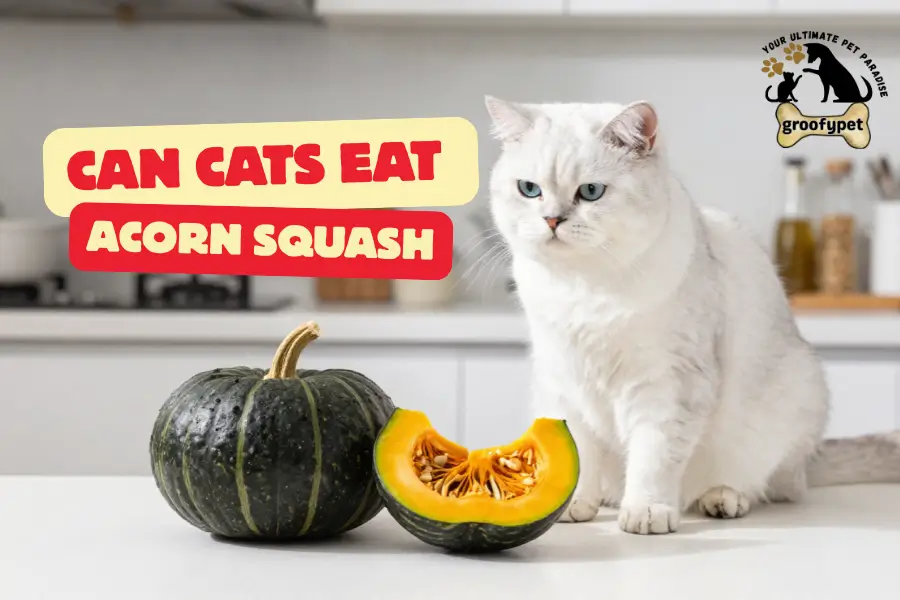
Acorn squash is a popular winter squash with dark green skin and sweet orange flesh. It belongs to the Cucurbit plant family and is widely eaten by humans across North America, the Mediterranean, and beyond. Many cat owners wonder whether their feline companions can safely enjoy this vegetable too.
Cat owners often look for healthy treat options beyond commercial cat food. Vegetables like acorn squash seem like a natural, wholesome choice. But cats have very different nutritional needs compared to humans, and not every healthy human food is right for cats.
- Acorn squash is non-toxic and generally safe for cats when cooked and served plain.
- It provides vitamin A, vitamin C, dietary fiber, potassium, and antioxidants.
- It may support digestion, hydration, immune health, and hairball management in small amounts.
- Too much acorn squash can cause digestive upset, diarrhea, and nutritional imbalance.
- Never feed raw acorn squash or squash prepared with seasoning, butter, salt, garlic, or onions.
- Remove the seeds and tough skin before serving to avoid choking or digestion issues.
- Offer acorn squash only as an occasional treat alongside a complete and balanced cat diet.
- Consult your veterinarian before introducing acorn squash to kittens under six months or cats with health conditions.
The quick answer is yes, cats can eat acorn squash in small amounts. However, proper preparation is essential. Raw squash, seasoned squash dishes, and large portions can all cause problems. Moderation and correct cooking methods make all the difference between a safe treat and a digestive disaster.
This guide covers everything cat owners need to know, from nutrition and health benefits to risks, preparation steps, and safe serving sizes.
Can Cats Eat Acorn Squash?
Yes, cats can eat acorn squash. It is not toxic or dangerous to them. Many cats even enjoy its mild, slightly sweet flavor.
That said, acorn squash is not a natural part of a cat’s diet. Cats are obligate carnivores. Their bodies are designed to get nutrition from animal protein and fat. They do not need vegetables to survive or thrive. Unlike humans and dogs, cats cannot efficiently digest large amounts of plant-based food.
So while acorn squash will not poison your cat, it also does not provide the amino acids, taurine, or animal-based nutrients that cats need most. Think of it as an optional bonus — not a dietary requirement.
Here is a quick overview:
- Non-toxic according to the ASPCA
- Safe when cooked, plain, and served in small amounts
- Provides fiber, vitamins, and antioxidants
- Should only be an occasional treat
- Raw squash and seasoned dishes are not safe
- Seeds and skin can cause choking or digestive problems
Is Acorn Squash Safe for Cats?
Start with a small amount of cooked acorn squash and watch for any digestive changes. Always serve it plain without salt, spices, butter, or other added ingredients.
When Is Acorn Squash Safe?
Acorn squash is safe for cats under the right conditions. Follow these guidelines and you will have nothing to worry about.
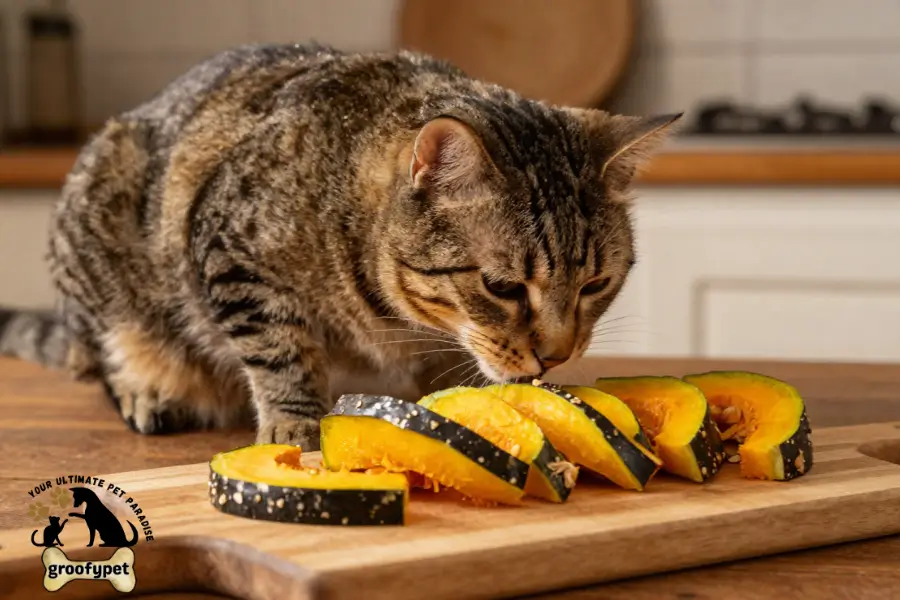
- Plain cooked squash is the safest option. Boiling, steaming, or baking plain acorn squash breaks down the tough fibers. This makes it much easier for a cat’s digestive system to process. Never add butter, oil, salt, or spices.
- Small serving sizes keep things safe. Cats have small stomachs and sensitive digestive systems. A teaspoon or two is more than enough for most cats. Larger portions increase the risk of digestive upset.
- Healthy adult cats tolerate acorn squash best. Cats without underlying health conditions, digestive sensitivities, or dietary restrictions are the best candidates for trying new foods like acorn squash.
- Properly prepared squash means seeds removed, skin peeled, and flesh cooked until soft. Cut it into small pieces before serving. Never offer large chunks that could be a choking hazard.
When Acorn Squash May Not Be Safe?
Some situations make acorn squash unsafe for cats. Watch out for these scenarios.
- Raw squash is difficult for cats to digest. The tough fibers in uncooked acorn squash can irritate the digestive tract and cause stomach pain, gas, and loose stools. Always cook the squash first.
- Seasoned squash dishes are a definite no. Many popular acorn squash recipes include butter, brown sugar, cinnamon, nutmeg, or garlic powder. These ingredients are harmful or even toxic to cats. Stick to plain, unseasoned flesh only.
- Squash with butter, sugar, or spices falls into the same category. Pumpkin pie filling, glazed acorn squash, and roasted squash with seasoning blends are all off-limits for cats.
- Cats with digestive sensitivities should avoid acorn squash unless a veterinarian approves it. Cats with irritable bowel syndrome, inflammatory bowel disease, or food allergies are more vulnerable to digestive upset from new foods.
Nutritional Value of Acorn Squash
Acorn squash packs a solid range of nutrients into a low-calorie package. Here is what it contains and why each nutrient matters for cats.
- Vitamin A supports healthy vision, immune function, and skin health. Cats need vitamin A in their diet since they cannot convert beta-carotene into vitamin A. Acorn squash provides a small amount of preformed vitamin A, which is helpful.
- Vitamin C is an antioxidant that supports immune health and reduces oxidative stress. Cats produce their own vitamin C, but a small dietary boost from whole food sources does not hurt.
- Potassium supports heart function, muscle contraction, and fluid balance. It is an important mineral for active cats and senior cats alike.
- Magnesium plays a role in nerve function, muscle health, and energy production. Cats need magnesium in balanced amounts; too much can contribute to urinary issues in cats prone to crystals, so moderation matters.
- Dietary fiber is one of the biggest reasons cat owners add acorn squash to a cat’s diet. Fiber supports healthy bowel movements, helps prevent constipation, and can assist with hairball management by moving hair through the digestive tract more efficiently.
- Antioxidants, including lutein, alpha-carotene, and beta-carotene, protect cells from damage caused by free radicals. These compounds support skin health, eye health, and long-term cellular wellness.
Acorn Squash Nutrition Chart
The following values are based on approximately 100g of plain cooked acorn squash:
| Nutrient | Amount (per 100g) |
|---|---|
| Calories | ~40 kcal |
| Carbohydrates | ~10.5 g |
| Dietary Fiber | ~1.5 g |
| Sugar | ~2.3 g |
| Protein | ~0.9 g |
| Fat | ~0.1 g |
| Vitamin A | ~9% DV |
| Vitamin C | ~11% DV |
| Potassium | ~347 mg |
| Magnesium | ~43 mg |
| Water Content | ~88% |
Health Benefits of Acorn Squash for Cats
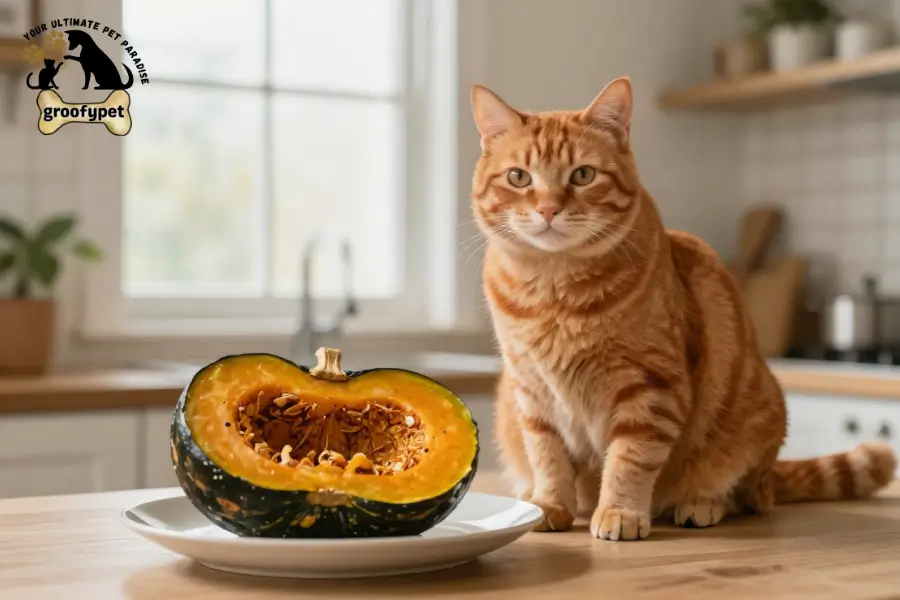
Acorn squash can be a healthy occasional treat for cats because it contains fiber that may support smooth digestion and help with mild constipation. It also provides vitamins and antioxidants that can support overall immune health when given in small, safe amounts.
1. Low-Calorie Treat Option
Acorn squash contains around 40 calories per 100g. This makes it one of the lowest-calorie treat options available. Cats prone to weight gain can enjoy a small serving without a significant caloric impact. It is a much better choice than high-fat commercial treats.
2. Rich in Antioxidants
Acorn squash contains lutein, alpha-carotene, and beta-carotene. These antioxidants fight free radical damage at the cellular level. Oxidative stress contributes to aging-related conditions in cats. Regular small amounts of antioxidant-rich foods may slow cellular damage over time.
3. Supports Immune Health
The combination of vitamin C and antioxidants in acorn squash strengthens the immune system. A stronger immune system helps cats fight off infections and recover from illness faster. Senior cats and those with weakened immunity may benefit the most.
4. Contains Beneficial Vitamins
Acorn squash provides vitamin B6, vitamin E, folate, thiamine, niacin, and pantothenic acid alongside the better-known vitamins A and C. These B vitamins support energy metabolism, brain function, and red blood cell production. They make acorn squash one of the more nutrient-dense vegetables a cat can safely eat.
5. Supports Healthy Vision
Vitamin A and lutein both play direct roles in eye health. Vitamin A deficiency can cause night blindness and other serious vision problems in cats. While commercial cat food covers vitamin A requirements, a small boost from natural food sources supports long-term ocular health.
6. May Promote Digestive Health
The dietary fiber in acorn squash supports regular bowel movements and a healthy gut environment. Fiber acts as a prebiotic, feeding beneficial gut bacteria. A balanced gut microbiome improves nutrient absorption, reduces inflammation, and contributes to overall digestive well-being. Small amounts of cooked acorn squash can help cats that suffer from occasional constipation.
7. Provides Hydration Support
Cooked acorn squash contains approximately 88% water. Cats are notoriously poor water drinkers, and dehydration is a common issue, especially in cats that eat primarily dry kibble. Offering a small amount of high-moisture food like acorn squash contributes to daily fluid intake. This is particularly beneficial during warm weather.
8. Supports Healthy Skin
The vitamin E, antioxidants, and moisture content in acorn squash all support skin health. Antioxidants reduce inflammation at the skin level. Vitamin E promotes skin elasticity and coat shine. Adequate hydration keeps skin from drying out. Together, these factors make acorn squash a mild but genuine contributor to a cat’s coat and skin condition.
9. Adds Variety to the Diet
Food variety is psychologically enriching for cats. Introducing new textures and flavors — in safe, controlled amounts — supports mental stimulation and appetite interest. Mashed acorn squash mixed into regular cat food gives familiar meals a new dimension without disrupting nutritional balance.
10. May Help With Hairball Management
Dietary fiber helps move ingested hair through the digestive tract before it accumulates into hairballs. Many commercial hairball-control cat foods use added fiber as their primary mechanism. Acorn squash provides natural dietary fiber that can supplement this effect. It is not a cure for chronic hairball issues, but it is a useful dietary tool when fed consistently in small amounts.
Risks of Feeding Acorn Squash to Cats
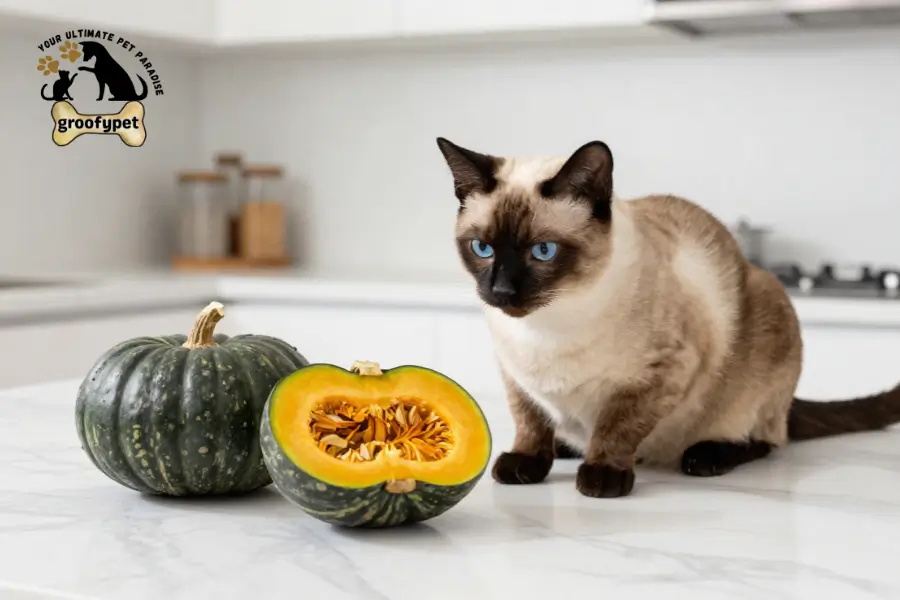
Feeding too much acorn squash can cause digestive issues in cats, including diarrhea, gas, or stomach upset due to its fiber content. It may also lead to nutritional imbalance if it replaces a portion of a complete and balanced cat diet.
1. Digestive Upset
Any new food can disrupt a cat’s digestive system. Acorn squash is no exception. The fiber content and plant-based compounds can irritate a sensitive digestive tract, especially when introduced too quickly or in too large an amount. Start small and increase gradually.
2. Vomiting
Some cats vomit after eating acorn squash for the first time. This can happen if the cat ate too much, ate it too fast, or has an underlying sensitivity to new foods. A single episode of vomiting is usually not serious. Repeated vomiting is a reason to stop feeding acorn squash and consult a vet.
3. Diarrhea
Excess fiber from acorn squash speeds up intestinal transit. This leads to loose stools and diarrhea in some cats. This risk is higher when large amounts are given or when the squash is introduced abruptly. Reduce the serving size and introduce the food slowly to minimize this risk.
4. Gas and Bloating
The plant-based fibers and carbohydrates in acorn squash can ferment in the gut. This produces gas, which causes bloating and discomfort. Cats with sensitive stomachs are especially prone to this reaction. If your cat seems uncomfortable after eating acorn squash, reduce the amount or stop offering it altogether.
5. Choking Hazard From Large Pieces
Large chunks of even soft cooked squash can be a choking hazard, particularly for small cats and kittens. Always cut the cooked flesh into small, bite-sized pieces. Mashing the squash eliminates this risk entirely.
6. Problems With Raw Squash
Raw acorn squash is tough, fibrous, and difficult to chew. It is much harder for cats to digest than cooked squash. Feeding raw squash increases the risk of gastrointestinal irritation, vomiting, and constipation. Always cook the squash thoroughly before offering it to your cat.
7. Added Seasonings Can Be Harmful
Many human acorn squash recipes include garlic, onion powder, salt, cinnamon, or butter. Garlic and onion are toxic to cats and can cause hemolytic anemia. Salt leads to sodium toxicity in high amounts. Butter adds unnecessary fat. Always prepare acorn squash separately for your cat using absolutely no seasonings, oils, or additives.
8. Excess Fiber Intake
While fiber supports digestive health, too much fiber disrupts it. Excess fiber intake can interfere with the absorption of key nutrients like protein and fat. Since cats are obligate carnivores, their digestive systems are not designed to process large amounts of plant fiber. Keep servings very small to avoid this problem.
9. Allergic Reactions
Although rare, cats can develop an allergic response to acorn squash. Signs include facial swelling, excessive itching, hives, and respiratory changes. If you notice any of these symptoms after a first feeding, stop immediately and contact your veterinarian.
10. Nutritional Imbalance if Overfed
Cats need a precise ratio of protein, fat, amino acids, and micronutrients. Replacing too much of a cat’s regular food with vegetables like acorn squash disrupts this balance. The most dangerous deficiency in cats is taurine, an amino acid found only in animal tissue. Taurine deficiency leads to heart disease and blindness. Acorn squash should always be a small supplement, never a meal replacement.
Can Kittens Eat Acorn Squash?
Kittens have different nutritional needs than adult cats. They need higher levels of protein, fat, calcium, phosphorus, and specific amino acids to support rapid growth and development. Their digestive systems are also more sensitive and less developed.
Acorn squash is not recommended for kittens under six months of age. The risk of digestive upset, choking, and nutritional disruption is higher in young cats. Even after six months, kittens should remain on a complete and balanced kitten formula as their primary diet.
If you want to introduce acorn squash to a kitten older than six months, start with the tiniest possible portion, less than half a teaspoon of plain mashed cooked squash. Watch closely for 24 to 48 hours. Any sign of vomiting, diarrhea, or unusual behavior means acorn squash is not suitable for that kitten.
Always consult your veterinarian before adding any new food to a kitten’s diet. A vet can assess your kitten’s health status and confirm whether the introduction is appropriate at their current stage of development.
How Much Acorn Squash Can Cats Eat?
Cats should only eat a small amount of cooked acorn squash as an occasional treat. A teaspoon or two is usually enough for most cats and helps avoid digestive upset
Feeding Guide by Cat Size
| Cat Size | Recommended Amount |
|---|---|
| Small Cat (under 4 kg) | 1 teaspoon |
| Medium Cat (4–6 kg) | 1–2 teaspoons |
| Large Cat (over 6 kg) | Up to 1 tablespoon |
These amounts refer to plain cooked acorn squash flesh, mashed or cut into small pieces, with no seeds, skin, seasonings, or additives.
How Often Can Cats Eat Acorn Squash?
Acorn squash is an occasional treat — not a daily food. Offering it two to three times per week is sufficient. Some cat owners offer it once a week as a dietary supplement.
Follow the standard veterinary treat guideline: treats should make up no more than 10% of your cat’s total daily calorie intake. For most cats, this means a treat budget of 15 to 30 calories per day. A teaspoon of cooked acorn squash contains fewer than 5 calories, so it fits comfortably within this budget.
What Happens If a Cat Eats Too Much Acorn Squash?
If a cat eats too much acorn squash, the effects are usually digestive. Expect loose stools, mild diarrhea, stomach upset, and excess gas. These symptoms typically resolve on their own within 24 hours, as long as your cat stays hydrated.
A cat that overeats acorn squash may also show a reduced appetite for their regular food. This is a concern because it means the cat is missing out on the protein and essential nutrients their body actually needs.
Watch for these warning signs that require veterinary attention:
- Vomiting that lasts more than 24 hours
- Blood in the stool
- Signs of abdominal pain (hunching, reluctance to be touched)
- Severe lethargy lasting more than a day
- Refusal to eat for more than 24 hours
If any of these signs appear, contact your veterinarian promptly. Do not wait to see if symptoms resolve on their own.
Signs Your Cat Does Not Tolerate Acorn Squash
Digestive Symptoms
Some cats simply do not tolerate acorn squash, no matter how carefully it is prepared. The most common signs of intolerance are vomiting within a few hours of eating, diarrhea or noticeably loose stools, and visible excess gas or bloating. If these symptoms appear consistently every time you offer acorn squash, the fruit is not a good fit for your cat. Stop offering it and choose a safer alternative.
Physical Symptoms
Intolerance can also show up as physical symptoms beyond the gut. Watch for increased lethargy and low energy levels after eating acorn squash. Drooling beyond normal levels can signal nausea or an early allergic response. Loss of appetite following acorn squash consumption suggests the cat’s system is rejecting the food. If your cat skips their next regular meal after eating acorn squash, hold off on offering it again.
Can Cats Eat Different Forms of Acorn Squash?
Raw Acorn Squash
Not recommended. Raw acorn squash is fibrous, hard, and difficult for cats to chew and digest. It can cause stomach irritation, gas, and constipation. Always cook the squash before serving.
Cooked Acorn Squash
Yes, this is the safest option. Thoroughly cooked plain acorn squash is soft, easy to chew, and much gentler on the digestive system. Boiling, steaming, or baking all work well.
Steamed Acorn Squash
Steaming is one of the best preparation methods. It preserves more nutrients than boiling while still softening the flesh to a digestible consistency. Serve plain with no added salt or butter.
Roasted Acorn Squash
Plain roasted acorn squash is safe for cats as long as no seasonings or oils are added. Avoid recipes that use olive oil, brown sugar, garlic, or spice blends. Plain roasted flesh served at room temperature is fine.
Acorn Squash Puree
Pureed acorn squash is an excellent option for cats. It is easy to eat, eliminates choking risk, and can be mixed into regular cat food. Use plain homemade puree only, never canned products with added sugar, salt, or spices.
Acorn Squash Soup
Commercial acorn squash soups are not safe for cats. They typically contain onion, garlic, cream, salt, and other ingredients that are harmful to felines. Homemade plain squash broth with no additives can be safe in very small amounts, but it is easier and safer to stick to plain cooked flesh.
How to Prepare Acorn Squash for Cats Safely?
Wash the acorn squash thoroughly, remove the seeds and tough skin, then cook it until it becomes soft and easy to mash. Serve plain, unseasoned squash in small portions and allow it to cool before offering it to your cat.
Wash Thoroughly
Wash the outside of the acorn squash under running water before cutting. This removes pesticide residue, dirt, and surface bacteria that could contaminate the flesh during cutting.
Remove Seeds
Cut the squash in half and scoop out all seeds with a spoon. Acorn squash seeds can be a choking hazard and are harder to digest than the flesh. Remove every seed before cooking.
Peel if Necessary
The skin of acorn squash is tough, even after cooking. It can cause digestive irritation and is a choking risk. Peel the squash before or after cooking, and serve only the soft inner flesh.
Cook Without Seasonings
Boil, steam, or bake the squash at a moderate temperature until the flesh is completely soft. Do not add salt, butter, oil, sugar, garlic, cinnamon, or any other ingredient. The squash should be completely plain when it reaches your cat’s bowl.
Cut Into Small Pieces
Once cooked and peeled, cut the flesh into small bite-sized pieces appropriate for your cat’s size. Alternatively, mash it with a fork to a smooth consistency. Serve immediately or store in the refrigerator for up to two days.
Best Alternatives to Acorn Squash for Cats
If your cat does not enjoy acorn squash, you can offer small amounts of plain cooked pumpkin, butternut squash, or sweet potato instead. These alternatives are soft, easy to digest, and provide similar nutrients when served in moderation.
Pumpkin
Plain canned pumpkin (not pumpkin pie filling) is one of the most commonly recommended vegetables for cats. It is high in fiber, supports digestive health, and helps with hairball control. Many vets actively recommend a teaspoon of plain pumpkin puree for cats with constipation.
Cooked Sweet Potato
Plain cooked sweet potato provides beta-carotene, vitamin B6, and dietary fiber. It is low in fat and naturally sweet, which many cats enjoy. Always serve it plain and cooked — never raw or seasoned.
Steamed Carrots
Steamed carrots are safe for cats and provide beta-carotene, vitamin K, and potassium. They are low in calories and have a satisfying crunchy texture when lightly steamed. Cut into small pieces to prevent choking.
Green Beans
Plain cooked or steamed green beans are low in calories and high in fiber. They are one of the most popular vegetable treats for cats on weight management diets. Many cats enjoy the mild flavor and texture.
Cat Grass
Cat grass, typically wheat grass, barley grass, or oat grass, is specifically grown for feline consumption. It provides natural fiber, supports digestion, and satisfies a cat’s natural instinct to chew grass. It is widely available at pet stores and easy to grow at home.
Cooked Zucchini
Zucchini is a summer squash closely related to acorn squash. It is safe for cats when cooked and served plain. It has an even lower calorie content than acorn squash and a mild flavor. Steamed or boiled zucchini slices work well as a cat treat.
Foods Cats Should Never Eat Instead of Acorn Squash
Some foods are far more dangerous for cats than acorn squash and should never be fed under any circumstances. Avoid onions, garlic, chocolate, grapes, raisins, alcohol, and foods containing xylitol, as they can cause serious health problems.
Onions
Onions contain thiosulfate compounds that destroy red blood cells in cats. Even small amounts cause hemolytic anemia. Never feed your cat any food containing onion in any form — raw, cooked, or powdered.
Garlic
Garlic is even more toxic than onions to cats. It causes oxidative damage to red blood cells and can trigger severe anemia, weakness, and collapse. Garlic powder in seasoning blends is especially dangerous because it is highly concentrated.
Chives
Chives belong to the same Allium family as onions and garlic. They carry the same toxicity risk. Any food in the Allium family — including leeks and shallots — should stay completely out of your cat’s diet.
Grapes and Raisins
Grapes and raisins are highly toxic to cats and dogs. They can cause acute kidney failure, even in small amounts. The exact toxic mechanism is not fully understood, but no safe amount has been established. Keep all grape products away from cats at all times.
Chocolate
Chocolate contains theobromine and caffeine, both of which are toxic to cats. Dark chocolate and baking chocolate are the most dangerous. Even small amounts can cause vomiting, diarrhea, rapid breathing, muscle tremors, and seizures.
Alcohol
Alcohol is extremely toxic to cats, even in tiny amounts. It causes rapid intoxication, respiratory distress, and potentially fatal central nervous system depression. Never allow a cat access to any alcoholic beverage or food containing alcohol.
How to Introduce Acorn Squash to Your Cat?
Start with the smallest possible amount. Give your cat less than half a teaspoon of plain cooked mashed acorn squash on the first try. This allows you to observe any reaction without overwhelming the digestive system.
Mix it into your cat’s regular food rather than serving it separately. This helps cats that are hesitant about new textures or flavors accept the squash more easily. Keep the proportion tiny — the squash should be barely noticeable in the bowl.
Watch your cat closely for the next 24 to 48 hours. Look for signs of digestive upset, unusual behavior, or any physical changes. If nothing unusual happens, you can gradually increase the amount on the next offering.
If your cat tolerates it well, build up slowly to the recommended serving size for their weight. Never jump straight to a full tablespoon. Take a week or two to reach the target serving size. Avoid mixing acorn squash with other new foods at the same time, so any reaction can be clearly traced to the squash.
Veterinarian Advice on Cats and Acorn Squash
Veterinarians consistently agree that acorn squash is safe for healthy adult cats in small amounts. The ASPCA confirms its non-toxic status, and many vets acknowledge its fiber and vitamin content as mildly beneficial for cats that tolerate it well.
However, vets also emphasize that cats are obligate carnivores. Their core nutrition must come from a complete and balanced commercial cat food or a vet-approved raw diet. Vegetables like acorn squash should never replace protein-based nutrition.
The most important expert recommendations are these: always cook the squash, never add seasonings, keep portions small, and treat acorn squash as an occasional supplement rather than a regular feature of the diet.
For cats with pre-existing health conditions, kidney disease, diabetes, inflammatory bowel disease, or urinary tract issues, consult your vet before introducing any new food, including acorn squash.
The 10% treat rule applies here as it does with all cat treats. No more than 10% of your cat’s daily calorie intake should come from treats or supplemental foods. For most cats, this translates to a very small amount of acorn squash two to three times per week at most.
Frequently Asked Questions
Can cats eat acorn squash safely?
Yes. Acorn squash is non-toxic to cats according to the ASPCA. When cooked plain and served in small amounts, it is a safe occasional treat for healthy adult cats.
Is acorn squash toxic to cats?
No. Acorn squash is not toxic to cats. It is classified as a safe food by the ASPCA Poison Control Center. The main risks come from improper preparation. Seeds, raw flesh, and seasonings are the primary concerns.
Can kittens eat acorn squash?
It is best to avoid acorn squash for kittens under six months. Their digestive systems are still developing, and their nutritional needs are different from adult cats’. Always check with your vet before introducing new foods to a kitten.
Can cats eat raw acorn squash?
No. Raw acorn squash is too fibrous and tough for cats to digest properly. It can cause stomach irritation, gas, and constipation. Always cook the squash thoroughly before serving.
How much acorn squash can cats eat?
Small cats should get about 1 teaspoon. Medium cats can have 1 to 2 teaspoons. Large cats can have up to 1 tablespoon. Serve no more than two to three times per week as an occasional treat.
Can acorn squash cause diarrhea in cats?
Yes, if given in large amounts. The dietary fiber and natural sugars in acorn squash can speed up intestinal transit and cause loose stools. Keep servings small and introduce the food gradually to avoid this.
Is cooked acorn squash better than raw for cats?
Yes, always. Cooked acorn squash is significantly safer. Cooking breaks down tough plant fibers, making the flesh much easier for a cat’s digestive system to process. It also softens the texture and reduces choking risk.
What vegetables are safest for cats?
Plain cooked pumpkin, steamed carrots, cooked zucchini, green beans, and cooked sweet potato are all among the safest vegetable options for cats. Cat grass is also a widely recommended natural fiber source. Always cook vegetables before serving and avoid all seasonings.
Final Thoughts
Cats can eat acorn squash. It is safe, non-toxic, and mildly nutritious when prepared correctly. The fiber, vitamins, antioxidants, and hydration it provides are genuine benefits — as long as portions stay small and the squash stays plain.
The risks are real too. Raw squash, large portions, seeds, skin, and seasoned recipes all create problems. Choking hazards, digestive upset, and nutritional imbalance are avoidable with careful preparation and sensible portion sizes.
The most important rules are simple: always cook it, never season it, remove seeds and skin, cut into small pieces, and serve only occasionally alongside a complete and balanced cat diet.
Cats are obligate carnivores, and acorn squash will never be a dietary necessity for them. But as an occasional treat, a small, colorful addition to the bowl on a few days each week, it is a perfectly safe and enjoyable option for most healthy adult cats.
Can Cats Eat Chicharrones or Is This Crunchy Snack a Silent Danger!
Can Cats Eat Chicharrones or Is This Crunchy Snack a Silent Danger!