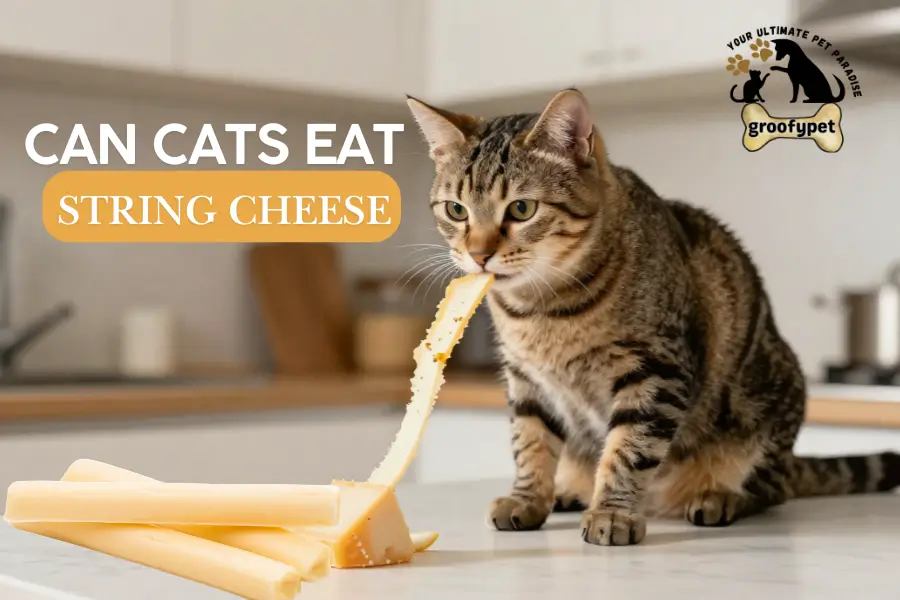
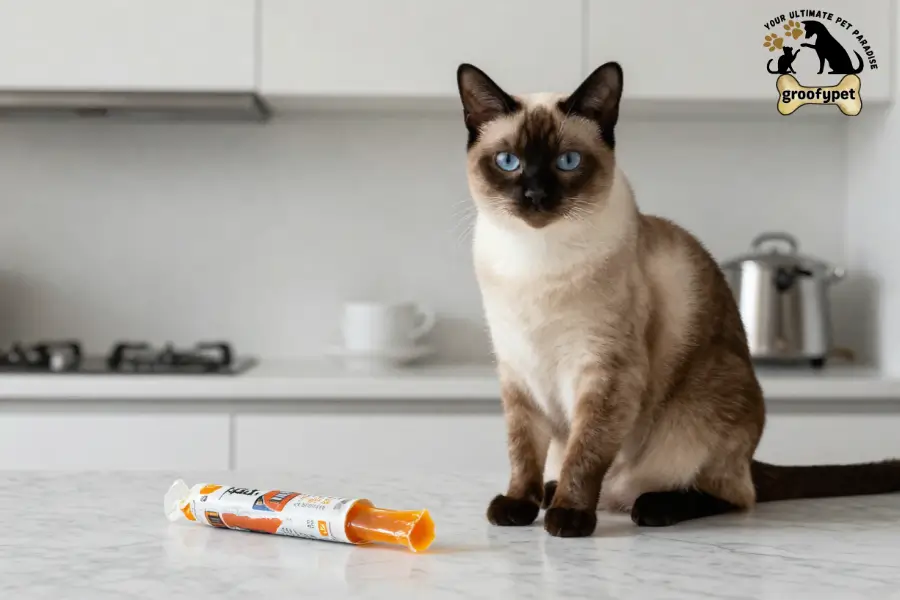
String cheese is one of the most popular snack foods found in households around the world. It is convenient, rich in protein, and easy to eat on the go. Can cats eat string cheese? if you share your home with a feline companion, you may have noticed your cat sniffing around or even begging for a piece of your string cheese.
This raises a very important question: can cats eat string cheese, and is it safe for them? String cheese is typically made from mozzarella or provolone, two types of cow’s milk cheese that are pulled and stretched during production to create their distinctive chewy, stringy texture.
While string cheese is a nutritious snack for humans, its effects on cats are more complicated due to the nature of feline digestion and the dairy content of the product. Cats are naturally drawn to dairy products because of the rich fat content and the strong, savory aroma.
As obligate carnivores, cats are highly sensitive to fat and protein-rich smells, which explains why the scent of cheese can be so appealing to them. However, an attraction to a food does not automatically mean that food is good for them.
The quick answer is yes, cats can eat string cheese in very small amounts, but only as an occasional treat. String cheese is not toxic to cats, but it comes with a set of health considerations that every cat owner should understand before offering it to their pet.
Moderation is absolutely essential. A tiny bite of plain string cheese now and then is unlikely to cause harm to a healthy adult cat, but regular or large-quantity feeding can lead to digestive upset, weight gain, and other long-term health problems.
In this comprehensive guide, we cover everything you need to know about cats and string cheese — including its nutritional value, the benefits and risks for felines, safe feeding guidelines, and healthier alternatives to consider.
Can Cats Eat String Cheese?
Yes, cats can eat string cheese, but only in very small amounts and only as an occasional treat. String cheese is not toxic to cats. It does not contain any immediately dangerous ingredients such as onions, garlic, chocolate, or grapes—foods that are known to be seriously harmful to felines.
This means that if your cat sneaks a nibble of your string cheese, there is generally no cause for immediate alarm. That said, string cheese should never be a dietary staple for cats. Cats are obligate carnivores, meaning their bodies are designed to derive all essential nutrients from animal meat rather than dairy products.
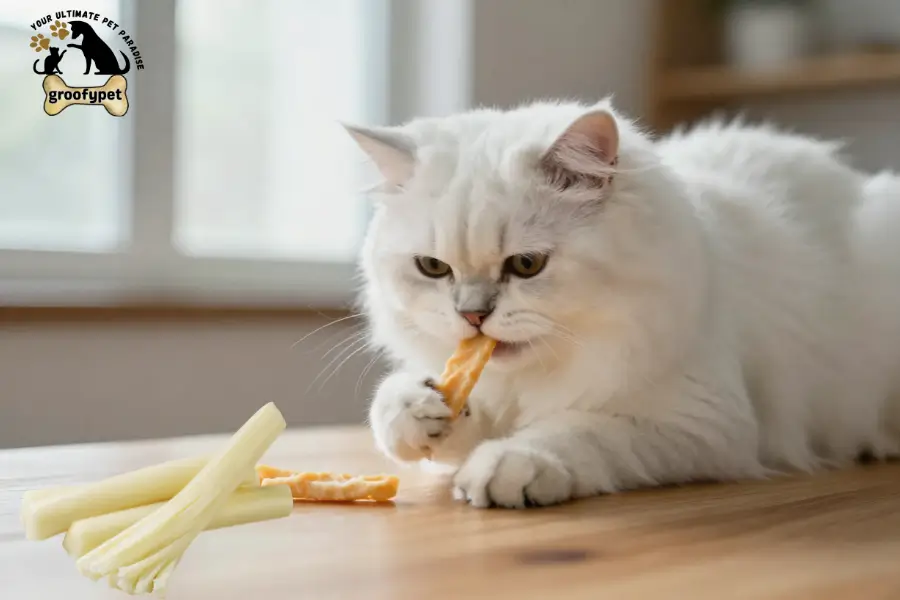
The feline digestive system is not optimized to process lactose, the naturally occurring sugar found in cow’s milk and most dairy products, including string cheese.String cheese is also relatively high in fat and sodium, both of which can contribute to health complications when consumed in excess.
A small piece of plain string cheese given as an occasional treat is unlikely to cause harm in a healthy adult cat. However, regular feeding, large portions, or offering it to cats with underlying health conditions can lead to digestive upset, lactose intolerance symptoms, unnecessary weight gain, and even more serious metabolic conditions over time.
The key takeaway is that string cheese can be a safe and enjoyable occasional treat for cats when given responsibly and in appropriate portions. It should complement and never replace a complete and balanced diet that is specifically formulated for feline nutritional needs.
Is String Cheese Safe for Cats?
When Is String Cheese Generally Safe?
String cheese is generally considered safe for cats under the following conditions:
- Small portions: Offering a bite-sized piece, roughly the size of a pea or small cube, is generally well tolerated by most healthy adult cats. The smaller the portion, the lower the risk of digestive upset or excessive calorie intake.
- Healthy adult cats: Cats that do not have pre-existing health conditions such as kidney disease, diabetes, heart disease, pancreatitis, or inflammatory bowel disease are better equipped to handle an occasional cheese treat without serious adverse effects.
- Plain string cheese without additives: String cheese that contains only basic ingredients — milk, cheese cultures, salt, and enzymes — is the safest choice. Always check the label carefully and avoid flavored varieties that may contain herbs, spices, garlic powder, or onion powder, as these ingredients can be toxic to cats even in small quantities.
When String Cheese May Not Be Safe
String cheese can pose health risks in the following situations:
- Lactose-intolerant cats: A significant number of adult cats are lactose intolerant. They lack sufficient levels of lactase, the enzyme needed to break down lactose. For these cats, even a small amount of string cheese can trigger uncomfortable and sometimes severe gastrointestinal symptoms.
- Overweight cats: String cheese is calorie-dense and rich in saturated fat. Feeding it to a cat that is already carrying excess body weight can contribute to further weight gain and the health complications associated with feline obesity.
- Cats with digestive issues: Cats that suffer from sensitive stomachs, irritable bowel syndrome (IBS), or inflammatory bowel disease (IBD) are more susceptible to gastrointestinal distress from dairy products and should avoid string cheese altogether.
- Cats with dairy allergies: Some cats are allergic to the proteins found in cow’s milk. These cats may experience skin reactions, chronic digestive problems, or other allergy symptoms when exposed to any dairy product, including string cheese.
Nutritional Value of String Cheese
While cats are not designed to rely on dairy for nutrition, string cheese does contain several nutrients that offer some value for felines in very small amounts. Here is a closer look at the key nutrients present in string cheese:
- Protein: String cheese contains a moderate amount of animal protein derived from cow’s milk. Protein is the most critical macronutrient for cats, supporting cell repair, immune function, enzyme production, and virtually every physiological process in the feline body.
- Calcium: String cheese is a good source of calcium, a mineral that is essential for maintaining strong bones and healthy teeth in cats. Calcium also plays an important role in proper nerve signal transmission and muscle contraction.
- Phosphorus: This mineral works in close partnership with calcium to maintain bone density and support healthy kidney function. The calcium-to-phosphorus ratio in a cat’s diet is important for long-term skeletal health.
- Vitamin A: Present in small amounts in string cheese, vitamin A is a fat-soluble vitamin that supports healthy vision, immune system function, and skin and coat condition in cats.
- Vitamin B12: An important water-soluble vitamin found in string cheese, B12 plays a vital role in maintaining a healthy nervous system and supporting the production of red blood cells. B12 deficiency in cats can lead to lethargy, gastrointestinal symptoms, and neurological problems.
- Fat content: String cheese contains saturated fats, which provide a source of energy. However, excessive fat intake can contribute to weight gain, obesity, and pancreatitis in cats over time.
Nutritional Chart of String Cheese (Per 1 oz / 28g Serving)
| Nutrient | Amount per 1 oz (28g) | Notes for Cats |
| Calories | 80 kcal | High for small treats |
| Protein | 7 g | Beneficial in small amounts |
| Total Fat | 6 g | Saturated; limit intake |
| Calcium | 200 mg | Supports bone health |
| Sodium | 150 mg | High; limit for kidney/heart cats |
| Carbohydrates | 1 g | Minimal; mostly from lactose |
| Lactose | ~0.5 g | Can cause intolerance symptoms |
| Vitamin B12 | ~0.4 mcg | Supports nervous system |
Health Benefits of String Cheese for Cats
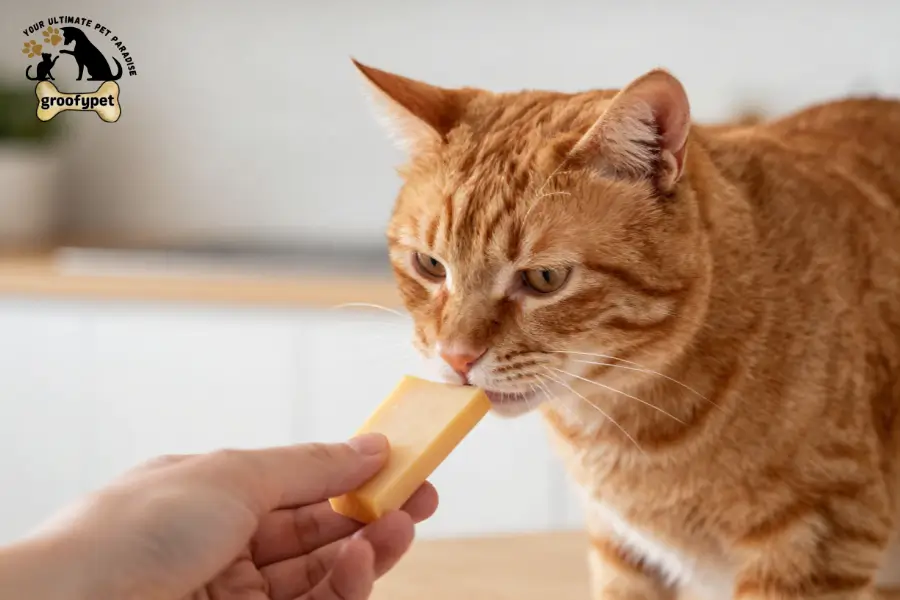
1. High-Quality Protein
String cheese provides a source of high-quality animal-derived protein. Can cats eat string cheese?For cats, protein is not just important; it is essential for survival. Cats require significantly more protein in their diet than most other domesticated animals.
Every bit of quality protein can support cellular repair, immune health, and the production of vital enzymes and hormones. While meat remains the ideal source, a small amount of additional protein from cheese does not go to waste.
2. Supports Muscle Development
The amino acids and protein content in string cheese contribute to muscle maintenance and lean muscle development in cats. This can be particularly relevant for active cats, senior cats experiencing age-related muscle loss, or cats recovering from illness or surgery, though it is important to note that dedicated high-protein cat food should always be the primary source of this nutritional support.
3. Provides Calcium for Strong Bones
String cheese is naturally rich in calcium, a mineral that plays a foundational role in building and maintaining strong, healthy bones in cats. Adequate calcium intake helps prevent conditions such as metabolic bone disease and supports the density and structure of the feline skeleton throughout their lives. It also plays an important role in proper nerve function and muscle contraction.
4. Helps Maintain Healthy Teeth
Calcium and phosphorus, both found in string cheese, are the primary minerals involved in maintaining the integrity of tooth enamel and preventing dental erosion in cats. While string cheese should never be considered a dental health product, the minerals it provides can complement a broader approach to feline dental hygiene that includes regular veterinary dental checkups and appropriate dental treats.
5. Contains Essential Amino Acids
String cheese contains several essential amino acids, including leucine, isoleucine, and valine, the branched-chain amino acids that are critical for muscle repair, immune health, and energy metabolism. Cats cannot synthesize essential amino acids on their own and must obtain them through their diet. While the amounts provided in a small piece of string cheese are minimal, they contribute to overall amino acid intake.
6. Provides Energy
The combination of fat and protein in string cheese provides a quick and reasonably sustained source of energy for cats. In small amounts, this energy boost can be useful for active cats or those that are recovering from physical exertion.
However, because the fat in cheese is saturated and relatively difficult for the feline digestive system to process, this benefit must be kept in perspective and portion sizes kept small.
7. Rich in Vitamin B12
String cheese is a meaningful source of vitamin B12, also known as cobalamin. This essential vitamin is critical to the health of a cat’s nervous system and plays a key role in the production of healthy red blood cells.
Cats that are deficient in vitamin B12 can develop lethargy, weight loss, vomiting, and neurological symptoms. Any dietary source of B12, including the small amount in a piece of string cheese, can contribute to meeting this important nutritional requirement.
8. Supports Nervous System Function
Beyond vitamin B12, string cheese also contains riboflavin (vitamin B2) and other B-complex vitamins that support healthy nervous system function in cats. These vitamins help maintain proper nerve signal transmission, support cognitive health, and play an important role in energy metabolism at the cellular level.
While the amounts in a small piece of string cheese are modest, they contribute to an overall pattern of nutritional support.
9. Can Be Used as a Training Treat
String cheese can serve as a highly motivating training reward for cats that respond well to food incentives. Its strong aroma, rich flavor, and satisfying texture make it particularly appealing to most cats, which can make it effective in reinforcing desired behaviors.
When used in this context, the key is to keep piece sizes extremely small, no larger than a pea, so that the total amount consumed during a training session remains negligible in terms of calories and lactose intake.
10. Appeals to Picky Eaters
Some cats are notoriously selective about what they will eat, which can make medication administration a real challenge. A tiny piece of string cheese wrapped around an oral medication can be an effective and practical solution for pet owners who struggle to get their cats to take pills.
The appealing taste and aroma of string cheese can mask the smell and taste of medications that cats would otherwise refuse to consume, making it a useful tool in a cat owner’s care toolkit.
10 Risks of Feeding String Cheese to Cats
String cheese may seem like a harmless snack, but it is not an ideal food for cats. While a small amount is unlikely to cause serious harm, regular feeding can lead to health problems over time.
1. Lactose Intolerance
Lactose intolerance is one of the most significant risks associated with feeding string cheese to cats. Unlike kittens, most adult cats produce very little lactase the enzyme responsible for breaking down lactose.
When lactose passes through the digestive system undigested, it ferments in the large intestine and causes uncomfortable and sometimes severe gastrointestinal symptoms. Studies suggest that a majority of adult cats have some degree of lactose intolerance, making dairy products a common dietary concern.
2. Upset Stomach
Even cats that are not completely lactose intolerant may develop digestive discomfort after consuming string cheese. The combination of lactose, saturated fat, and unfamiliar dairy proteins can irritate the gastrointestinal tract, particularly in cats that are not accustomed to eating dairy products.
Signs of an upset stomach include gurgling sounds, abdominal bloating, restlessness, and a reluctance to move comfortably.
3. Diarrhea
Diarrhea is one of the most common adverse reactions cats experience after consuming string cheese. The undigested lactose in cheese draws excess water into the intestines through a process called osmosis, resulting in loose, watery, or unusually frequent stools.
If diarrhea persists for more than 24 to 48 hours, there is a risk of dehydration, which can become a serious health concern, particularly in kittens, senior cats, and cats with pre-existing health conditions.
4. Vomiting
Vomiting is another common sign that a cat has not tolerated string cheese well. Some cats will vomit within a few hours of eating cheese, especially if they consumed a larger amount or have a particularly sensitive digestive system.
Vomiting after eating cheese is a clear signal from the cat’s body that the food is not being processed well, and it should serve as a definitive indicator to discontinue dairy treats going forward.
5. High Fat
String cheese contains a significant amount of saturated fat. While cats do require dietary fat as a source of energy and for the absorption of fat-soluble vitamins, excessive fat intake places a considerable burden on the feline pancreas and liver.
Over time, a diet too high in fat can contribute to obesity, fatty liver disease, and metabolic complications that are difficult to reverse once established.
6. Weight Gain
Regular feeding of string cheese can contribute meaningfully to unwanted weight gain in cats. At approximately 80 calories per ounce, string cheese is a calorie-dense food. For a typical domestic cat with a daily caloric requirement of 200 to 250 calories, even a small piece of cheese adds up quickly relative to their overall intake.
Feline obesity is a serious and widespread health issue associated with diabetes, joint disease, cardiovascular disease, and significantly reduced life expectancy.
7. Risk of Pancreatitis
Pancreatitis, inflammation of the pancreas, can be triggered by a high-fat diet in cats. The elevated fat content in string cheese makes it a potential risk factor for this condition, particularly in cats that are already predisposed to pancreatic disease or those fed fatty foods on a regular basis.
Pancreatitis can range from mild and self-limiting to severe and life-threatening, and cats diagnosed with this condition require strict dietary management going forward.
8. High Sodium Levels
A one-ounce serving of string cheese contains approximately 150 milligrams of sodium. While this is a modest amount for humans, it is disproportionately high for a cat. Cats have significantly lower sodium tolerances than people, and excess sodium in a cat’s diet can lead to increased thirst, frequent urination, elevated blood pressure, and, in extreme cases, sodium ion toxicity.
Cats with pre-existing kidney disease, heart disease, or hypertension are at particularly high risk from the sodium content of string cheese.
9. Choking Hazard from Large Pieces
The stringy, fibrous texture of string cheese can pose a genuine choking hazard when offered in large pieces to cats. Larger chunks can become lodged in the throat or esophagus and, in rare cases, may cause intestinal obstruction if swallowed whole.
To eliminate this risk, always cut or tear string cheese into very small, pea-sized pieces before offering it to your cat, and never leave them unsupervised with a large portion.
10. Nutritional Imbalance if Overfed
Cats have precise and well-defined nutritional requirements that are best met through a complete and balanced diet specifically formulated for felines. When string cheese is offered in excess or too frequently, it displaces more nutritious food with empty calories and creates dietary imbalances.
Over time, this can lead to deficiencies in essential nutrients such as taurine, arachidonic acid, and preformed vitamin A nutrients that cats cannot synthesize on their own and must obtain from their primary diet.
Can Kittens Eat String Cheese?
Kittens have very specific and sensitive dietary needs that are quite different from those of adult cats. During the early weeks of life, kittens are entirely dependent on their mother’s milk or a specially formulated kitten milk replacer for all of their nutritional needs.
After weaning, they require a high-protein, high-fat diet specifically designed to support their rapid growth, bone development, and immune system maturation. Feeding string cheese to kittens is not recommended. Although kittens produce lactase while they are nursing and therefore can process their mother’s milk efficiently, they begin to lose this ability after weaning.
By the time they are fully weaned, many kittens have already started to develop reduced lactase production, making them susceptible to lactose intolerance when exposed to cow’s milk dairy products like string cheese.
The high sodium content and concentrated fat in string cheese are also particularly problematic for developing kittens, whose organs, particularly the kidneys and liver, are still immature and not equipped to handle dietary excesses.
If you want to give your kitten a treat, safer options include tiny pieces of plain cooked chicken, turkey, or kitten-specific commercial treats. Always consult your veterinarian before introducing any new food into your kitten’s diet.
A veterinarian can help you identify treats that are age-appropriate, nutritionally balanced, and safe for your specific kitten’s developmental stage and health status.
How Much String Cheese Can Cats Eat?
Cats should only eat string cheese in very small amounts and only as an occasional treat. A tiny bite or a small piece once in a while is usually enough for most healthy adult cats.
Feeding Guide by Cat Size
| Cat Size | Body Weight | Recommended Portion | Max Frequency |
| Small Cat | Under 8 lbs | One pea-sized piece (~2–3g) | Once a week |
| Medium Cat | 8 – 12 lbs | 1–2 small bite-sized pieces (~4–5g) | Once or twice a week |
| Large Cat | 12 lbs and up | 2–3 small pieces (~6–8g) | Once or twice a week |
How Often Can Cats Eat String Cheese?
String cheese should be treated as a rare occasional indulgence rather than a routine part of your cat’s diet. The widely accepted guideline among veterinary nutritionists is that treats of any kind should account for no more than 10%of a cat’s total daily caloric intake.
Since a single ounce of string cheese contains approximately 80 calories, even a small piece can represent a significant portion of that 10 percent limit. In practical terms, feeding string cheese once a week or even less frequently is the safest approach for most healthy adult cats.
If your cat shows any signs of digestive intolerance such as loose stools, gas, or vomiting after eating cheese, reduce the amount even further or eliminate cheese treats from their diet altogether. Each cat is an individual, and their tolerance for dairy products varies considerably.
What Happens If a Cat Eats Too Much String Cheese?
If a cat consumes an unusually large amount of string cheese, for instance, an entire string cheese stick or multiple pieces at once, you can expect to see some or all of the following symptoms, typically appearing within a few hours of consumption:
- Digestive upset: Stomach gurgling, bloating, cramping, and visible abdominal discomfort are common early signs that too much string cheese has been consumed.
- Diarrhea: Loose, watery, or very frequent stools are one of the most predictable effects of lactose overconsumption in cats. Severe or prolonged diarrhea can lead to dehydration.
- Vomiting: Some cats will vomit as their digestive systems attempt to expel the offending substance. Repeated vomiting can also contribute to dehydration.
- Excessive thirst and urination: The elevated sodium content in string cheese can cause your cat to drink more water than usual and urinate more frequently as the kidneys work to excrete the excess sodium.
- Lethargy: A cat that is experiencing digestive distress may become unusually quiet, inactive, or reluctant to engage in normal activities.
- Loss of appetite: Nausea and gastrointestinal discomfort can cause a cat to temporarily lose interest in their regular food.
In most cases of mild overconsumption, symptoms will resolve on their own within 24 to 48 hours with no lasting effects. Ensure your cat has access to plenty of fresh water to help prevent dehydration. However, if symptoms are severe, persist beyond 48 hours, or your cat appears to be in significant distress, particularly if they are lethargic, unable to keep any food or water down, or showing signs of abdominal pain, contact your veterinarian promptly.
Cats with underlying conditions such as kidney disease, diabetes, or heart disease warrant especially careful monitoring and should receive veterinary attention sooner rather than later.
Signs Your Cat Does Not Digest String Cheese
If your cat does not digest string cheese well, you may notice symptoms such as diarrhea, vomiting, gas, bloating, or stomach discomfort shortly after eating it. These signs often indicate lactose intolerance or sensitivity to dairy products.
Digestive Symptoms
- Diarrhea: Loose, watery, or unusually frequent stools occurring within a few hours of eating string cheese are a primary indicator of lactose intolerance or dairy sensitivity in cats.
- Gas: Audible stomach gurgling, flatulence, and visible abdominal bloating indicate that undigested lactose is fermenting in the gut rather than being properly broken down and absorbed.
- Vomiting: Any episode of vomiting after consuming string cheese should be taken seriously. If your cat vomits even after eating a very small piece, it is a strong sign that dairy products do not agree with their digestive system.
Behavioral Symptoms
- Lethargy: Unusual tiredness, lack of interest in play, or a tendency to hide after eating cheese may indicate that your cat is experiencing nausea or general discomfort as a result of dairy consumption.
- Loss of appetite: If your cat turns away from their regular food following a cheese treat, digestive upset or nausea is likely the underlying cause. Persistent loss of appetite warrants a call to your veterinarian.
- Discomfort: Signs such as a hunched posture, a visibly tucked abdomen, reluctance to be touched around the belly, restlessness, or repeated position changes may indicate abdominal pain or cramping following cheese consumption.
Can Cats Eat Different Types of Cheese?
Can cats eat string cheese? Cats can eat small amounts of some cheeses, such as cheddar, mozzarella, or string cheese, but only as an occasional treat. Many cheeses contain fat, salt, and lactose, which may cause digestive problems in some cats.
Mozzarella Cheese
Mozzarella is the most common base ingredient in commercial string cheese products. As a fresh, soft cheese, mozzarella is relatively high in lactose compared to aged varieties, which makes it more likely to cause digestive upset in lactose-sensitive cats.
If you choose to give your cat string cheese, look for varieties that include provolone rather than pure mozzarella when possible, as provolone is a slightly aged cheese with a somewhat lower lactose.
Cheddar Cheese
Cheddar is an aged, hard cheese with a significantly lower lactose content than mozzarella. This makes it a slightly safer option for cats that enjoy cheese treats. The aging process breaks down much of the lactose, reducing the risk of gastrointestinal upset.
Plain, unflavored sharp cheddar in very small amounts is generally one of the better cheese options for cats among the common varieties.
Cottage Cheese
Cottage cheese is a soft, fresh cheese that has a higher moisture and lactose content than most aged cheeses. While some cats tolerate small amounts without obvious symptoms, the relatively high lactose content makes it a less ideal choice as a feline treat.
Its bland flavor also makes it less appealing to many cats compared to stronger-tasting cheese varieties.
Cream Cheese
Cream cheese is not recommended for cats. It is a soft, unaged cheese with a very high fat and relatively high lactose content. The combination of elevated fat and lactose significantly increases the risk of both gastrointestinal upset and excess caloric intake.
Flavored cream cheese varieties that contain herbs, spices, or vegetables are even more potentially dangerous for cats and should be avoided entirely.
Swiss Cheese
Swiss cheese is an aged, semi-hard cheese that is lower in lactose than many other varieties. The extended aging process substantially reduces the lactose content, making Swiss cheese one of the more tolerable dairy options for cats with mild lactose sensitivity.
In very small portions, plain Swiss cheese is considered relatively safe for most healthy adult cats.
Goat Cheese
Goat cheese naturally contains less lactose than cow’s milk cheese, which can make it a somewhat more digestible dairy option for some cats. However, it is still a dairy product that carries risks, particularly in cats with dairy allergies or severe lactose intolerance.
Goat cheese should still be offered only in the smallest possible portions and is not suitable as a regular treat.
Best Alternatives to String Cheese for Cats
Healthier alternatives to string cheese include small pieces of cooked chicken, turkey, fish, or commercial cat treats made specifically for feline nutrition. These options provide protein without the extra lactose, fat, and sodium found in cheese.
Cooked Chicken
Plain, boneless, skinless cooked chicken is one of the most nutritionally appropriate treats you can offer your cat. It is high in lean animal protein, low in fat, completely free of lactose, and species-appropriate for obligate carnivores.
Most cats find the taste and texture of chicken highly palatable, making it an excellent and healthier alternative to string cheese. Always ensure the chicken is fully cooked and contains no seasoning, garlic, onion, or other additives.
Turkey
Cooked turkey offers a nutritional profile very similar to chicken — high in lean protein, low in fat, and entirely free of lactose. It is an ideal feline treat that aligns well with the natural carnivorous diet of cats.
Plain, unseasoned turkey breast in small amounts is a great way to reward your cat without the dietary risks associated with dairy products. Avoid processed or deli turkey, which tends to be very high in sodium and preservatives.
Freeze-Dried Cat Treats
The freeze-dried cat treat market has expanded considerably in recent years, offering a wide range of single-ingredient protein options, including chicken, salmon, beef, shrimp, and duck. These treats are minimally processed to preserve their natural nutrition and are virtually free of additives.
They are specifically formulated to be safe and appropriate for feline consumption. They are also easy to portion and store, making them a convenient everyday alternative to cheese.
Cooked Fish
Small amounts of plain cooked fish — particularly salmon, sardines, or cod — can be a healthy and highly appealing treat for cats. Fish is an excellent source of omega-3 fatty acids, which support healthy skin and coat condition, reduce systemic inflammation, and promote cardiovascular health.
Always ensure fish is thoroughly cooked, completely boneless, and served plain without any seasoning, butter, or oil.
Commercial Cat Snacks
High-quality commercial cat snacks are formulated by veterinary nutritionists to meet feline dietary standards while providing a safe, enjoyable treat experience. They come in a wide variety of textures, flavors, and formats, from soft chews and crunchy biscuits to liquid lickable treats.
When selecting commercial cat snacks, prioritize products from reputable brands that list a named animal protein as the first ingredient and avoid artificial colors, flavors, and preservatives.
How to Safely Feed String Cheese to Your Cat?
If you choose to give your cat string cheese, offer only a tiny piece and make sure it is plain with no added seasonings or flavorings. Cut it into small bites to reduce the risk of choking.
Choose Plain Cheese
The most important step when selecting string cheese for your cat is to choose a completely plain variety. Read the ingredient list carefully and avoid any product that contains added flavors, herbs, spices, garlic powder, onion powder, or any other seasonings.
These additives are common in flavored cheese products and can be toxic to cats even in very small amounts. The safest choice is a standard mozzarella or provolone string cheese with a minimal, clean ingredient list.
Cut Into Small Pieces
Never offer your cat an entire string cheese stick or even a large piece. Always cut or tear the cheese into very small, bite-sized pieces no larger than a pea before offering it to your cat. This practice reduces the risk of choking, controls the total amount of cheese consumed in a single sitting, and makes it easier to monitor how much your cat is eating. Small pieces are also easier for cats to chew and swallow safely.
Introduce Slowly
If your cat has never had string cheese or any other dairy product before, it is important to introduce it gradually. Offer a single very small piece no larger than a pea and then wait 24 hours before offering any more.
During this observation period, watch your cat carefully for any signs of digestive upset, including changes in stool consistency, vomiting, or behavioral changes. A gradual introduction allows you to assess your cat’s individual tolerance before committing to string cheese as a regular treat.
Monitor for Reactions
After offering string cheese for the first time, observe your cat closely for any adverse reactions over the following 24 to 48 hours. Key symptoms to watch for include diarrhea, vomiting, excessive gas, lethargy, loss of appetite, and signs of abdominal discomfort.
If any of these symptoms occur, even in mild form, discontinue string cheese treats entirely and consider consulting your veterinarian, particularly if symptoms persist or worsen.
Limit Treat Portions
Maintain a strict limit on the total amount of string cheese your cat consumes. Treats of all kinds — including string cheese should never exceed 10 percent of your cat’s total daily caloric intake. For most adult cats, this equates to no more than 20 to 25 calories from treats per day.
Given that a single ounce of string cheese contains approximately 80 calories, even a small piece represents a meaningful portion of this daily treat allowance. Track the amount carefully and adjust your cat’s regular food intake accordingly on days when treats are offered.
When Should You Avoid Giving String Cheese Completely?
Can cats eat string cheese? There are specific health conditions and circumstances that make string cheese entirely inappropriate for certain cats, regardless of portion size:
- Cats with obesity: The calorie-dense, high-fat nature of string cheese is particularly problematic for overweight cats. Continuing to offer calorie-rich treats to an obese cat can worsen their condition, increase the risk of diabetes and joint disease, and shorten their lifespan.
- Cats with pancreatitis: Dietary fat is a primary trigger for episodes of pancreatitis in cats. Any cat that has been diagnosed with this condition, whether acute or chronic, should have all high-fat foods, including string cheese, permanently removed from their diet.
- Dairy-sensitive cats: Cats that have a documented allergy or strong intolerance to cow’s milk proteins should never be offered string cheese or any other cow’s milk dairy product. Even very small amounts can trigger allergic reactions or significant gastrointestinal distress in these individuals.
- Cats on prescription diets: If your cat has been placed on a prescription veterinary diet for the management of kidney disease, urinary tract health, diabetes, heart disease, or any other medical condition, do not deviate from that diet by offering treats such as string cheese without explicit veterinary approval.
Veterinarian Advice on Cats and String Cheese
The consensus among veterinarians and board-certified veterinary nutritionists is clear: while string cheese is not toxic to cats, it is far from an optimal treat, and the potential risks outweigh the modest benefits in many situations.
Most veterinary experts recommend caution and strict moderation when it comes to offering any dairy product to cats.Veterinary guidance consistently emphasizes the 10 percent rule: treats should account for no more than 10 percent of a cat’s daily caloric intake.
This guideline applies to all treats, including string cheese. For a typical domestic cat, this means the total daily treat allowance is only 20 to 25 calories, a modest amount that is quickly reached with even a small piece of calorie-dense string cheese.
Veterinarians also stress the critical importance of maintaining a complete and balanced diet formulated specifically for cats. The nutritional benefits provided by string cheese protein, calcium, and B12 are all available in far more appropriate and bioavailable forms through properly formulated cat food.
String cheese offers no unique nutritional value that cannot be obtained more safely through species-appropriate food sources. If you are ever uncertain about whether a specific food is appropriate for your cat, the most reliable course of action is to consult your veterinarian before offering it.
A vet who knows your cat’s individual health history, body weight, age, and specific nutritional requirements is uniquely positioned to give you personalized, evidence-based advice on what treats are safe and appropriate for your pet.
Frequently Asked Questions
Can cats eat mozzarella string cheese?
Yes, cats can eat plain mozzarella string cheese in very small amounts as an occasional treat. However, mozzarella is a fresh cheese with a higher lactose content compared to aged cheeses, which means it is more likely to cause digestive upset in lactose-sensitive cats. Always use plain, unflavored mozzarella and monitor your cat carefully for any adverse reactions after the first feeding.
Can kittens eat string cheese?
No, kittens should not eat string cheese. Although kittens can process lactose during their nursing period, their ability to do so diminishes significantly after weaning. At that stage, cow’s milk dairy products like string cheese can cause substantial gastrointestinal distress. The high fat and sodium content of string cheese is also inappropriate for the developing bodies of kittens. Stick exclusively to kitten-specific food and veterinarian-approved treats.
How often can cats eat string cheese?
Cats should eat string cheese no more than once or twice a week and only in very small portions. Treats of any kind should represent no more than 10 percent of a cat’s total daily caloric intake. Because string cheese is calorie-dense, a single small piece is more than sufficient as a treat portion. If your cat shows any signs of dairy intolerance, reduce the frequency further or eliminate string cheese entirely.
Why does my cat like cheese?
Cats are attracted to cheese primarily because of its high fat content and strong savory aroma. As obligate carnivores, cats are highly sensitive to the smell of animal fats and proteins, and the scent of cheese closely resembles the fatty portions of meat that cats are naturally drawn to. Interestingly, cats cannot taste sweetness, but they are very responsive to umami and fatty flavor profiles, which cheese delivers in abundance.
Can string cheese cause diarrhea in cats?
Yes, string cheese can cause diarrhea in cats, particularly in those with lactose intolerance. The lactose in string cheese ferments in the large intestine when it cannot be properly digested, drawing excess water into the gut and resulting in loose or watery stools. If your cat develops diarrhea after eating cheese, stop offering it immediately and ensure they have access to plenty of fresh water to prevent dehydration.
What cheese is safest for cats?
Aged, hard cheeses with naturally lower lactose content are the safest choices for cats. These include cheddar, Swiss, gouda, provolone, parmesan, and colby jack. The extended aging process significantly reduces the lactose content of these cheeses, making them generally easier for cats to digest. Soft cheeses such as mozzarella, cream cheese, brie, ricotta, and cottage cheese have higher lactose levels and should be given in even smaller amounts or avoided altogether.
Is string cheese toxic to cats?
No, plain string cheese is not toxic to cats. It does not contain any ingredients that are known to be immediately dangerous to felines. However, flavored string cheese that contains garlic powder, onion powder, or certain spice blends can be toxic and should never be offered to cats under any circumstances. Always check the ingredient label carefully before offering any cheese product to your cat.
Can cats eat low-fat string cheese?
Low-fat string cheese still contains lactose and sodium, which are the primary concerns for cats consuming dairy products. While it provides somewhat fewer calories and less saturated fat than regular string cheese, low-fat varieties are not meaningfully safer for cats and should still be offered only in very small amounts and only occasionally. The reduction in fat does not eliminate the risk of lactose intolerance symptoms.
Final Thoughts
Can cats eat string cheese? String cheese is not toxic to cats and can be offered as a rare occasional treat in very small amounts to healthy adult cats. It contains protein, calcium, vitamin B12, and other nutrients that have some value for felines, and it can serve a practical purpose as a training treat or medication disguise.
However, the health risks associated with string cheese, including lactose intolerance and digestive upset, high sodium and fat, the potential for weight gain and pancreatitis, and the risk of nutritional imbalance if given too frequently, make it a food that requires thoughtful and disciplined management.