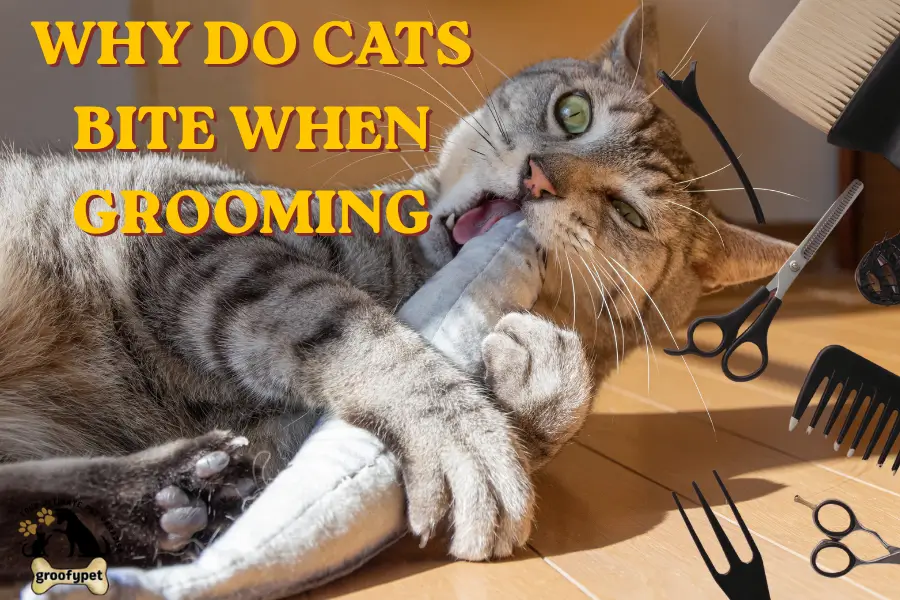
Cats are adorable little creatures that fill our homes with joy and endless entertainment every single day. If you own a cat then you already know they have some really interesting and sometimes confusing habits. One of the most common things cat owners notice is that their why do cats bite when grooming cat ?suddenly bites them during grooming sessions.
You might be sitting on the couch and your cat starts licking your hand gently and everything feels wonderful. Then out of nowhere your cat gives you a quick little bite and you are left wondering what just happened there. This behavior is actually very normal and most cats around the world do this for many different interesting reasons.
In this article we will explore every possible reason behind why do cats bite when grooming in complete detail. We will also share helpful tips on how to handle this behavior and build a better bond with your furry little friend. By the end of this guide you will understand your cat so much better and feel more confident during grooming time together.
Why do cats bite when grooming each other?
Cats often groom each other when they feel safe and close in the same home. This behavior is called allogrooming and it helps cats build trust and comfort together. During this grooming time one cat may suddenly give a small bite to the other cat. In most cases this bite is normal and it does not mean a serious fight will start.
The bite can be part of cleaning because cats use both their tongue and teeth during grooming. It can also happen when one cat gets overstimulated and wants the session to stop. Some cats also bite to show control or set limits during social bonding moments.
If both cats stay calm and there is no crying or chasing then the behavior is usually harmless. If the biting becomes hard or leads to fighting then you should separate them and watch more closely.
Why cats do this during social grooming?
Cats bite while grooming each other for several simple reasons that relate to instinct and communication.
- First they may be removing loose fur or dirt because teeth help with deeper cleaning.
- Second the bite may act like a message that says move a little or stop now.
- Third one cat may become too excited and switch from grooming to rough play very fast.
- This is common in younger cats that still have a lot of energy every day.
- Some cats also use a small bite to show they want space after a few licks.
- This does not always mean anger because cats often mix affection and boundaries together.
- Watch their ears tail and body posture to understand the meaning of the bite.
- Calm body language usually means the bite is normal and part of healthy cat interaction.
Why does my cat lick me then bite me?
Many cat owners ask why does my cat lick me then bite me because this behavior feels sweet and confusing at the same time. In most cases your cat is grooming you and treating you like part of its family group.
Cats lick to show love trust and closeness and then they may bite as part of natural grooming behavior. A gentle bite after licking can be a love bite and it usually does not hurt or break skin. Sometimes the bite happens because your cat gets overstimulated after too much touch in one place.
In other cases your cat may move from grooming into play mode and start nibbling your hand. The answer to why does my cat lick me then bite me often depends on timing body language and the strength of the bite. If your cat looks calm and relaxed then it is likely affection and not aggression. If the bite feels hard and your cat looks tense then it may be stress pain or overstimulation.
What the lick and bite pattern usually means?
The lick and bite pattern usually has a simple meaning once you understand cat behavior a little better. Licking is often a sign of bonding and your cat may be placing its scent on you. The bite that follows can be part of the same grooming pattern because cats groom with both tongue and teeth.
Some cats also bite lightly because they feel happy and connected during close moments with their owner. If your cat suddenly bites after many licks then it may mean the petting has gone on too long. This is very common in cats that have a low tolerance for repeated touch.
A playful cat may also lick your hand first and then bite because it wants to start a game. Watch for tail flicking ear changes and skin twitching because these signs often appear before a bite. Once you learn the pattern you can stop the session early and avoid stronger bites.
Cat biting himself no fleas
If you notice a cat biting himself no fleas are visible then the cause may be something other than parasites. Many cats bite their own body because of dry skin allergies stress or hidden pain under the fur. Even when you do not see fleas there could still be flea bites from an earlier problem causing lasting irritation.
Food allergies and environmental allergies are also common reasons for self-biting in cats. Some cats bite themselves because of anxiety and this can happen after changes at home or loud stressful events. Skin infections can also make the fur and skin feel itchy sore and uncomfortable all day.
In some cases arthritis or deeper body pain can make a cat bite one area again and again. If your cat biting himself no fleas problem keeps happening then a vet visit is the best next step. A proper exam can rule out skin disease allergies pain and other hidden health problems.
What to check when fleas are not the issue?
When fleas are not the issue you should look at your cat’s skin and behavior very carefully. Check for redness bald spots scabs dryness or small bumps under the coat. These signs may point to allergies in cats or a skin infection that needs treatment.
Think about any new food litter cleaning spray or fabric that entered your home recently. Cats can react to small changes and their skin often shows the first signs of trouble. Also notice whether your cat is stressed because emotional stress can lead to overgrooming in cats.
If your cat bites one exact spot then pain may be the reason and not itchiness. Joint pain or an injury can make a cat focus on one body area during grooming. A vet can help find the cause and stop the biting before it becomes a bigger skin problem.
Why do cats bite their fur off?
When people ask why do cats bite their fur off the answer usually connects to itchiness stress or pain in the body. Cats may pull and bite out their fur when the skin feels irritated and they want quick relief. Fleas are a common cause but they are not the only reason this happens in many cats.
Allergies can make a cat chew at its fur until bald spots start to appear on the belly legs or sides. Some cats also remove their own fur because of stress and anxiety especially after changes in routine or environment. This is called psychogenic alopecia and it happens when emotional stress leads to repeated overgrooming.
Pain in the back hips or belly can also make a cat target one spot and bite the fur away there. The behavior may look like a grooming habit but it often points to a deeper issue that needs attention. If you are asking why do cats bite their fur off then a vet check is important before the problem gets worse.
Signs the fur biting needs medical attention
- Fur biting needs medical attention when you see bald patches red skin scabs or open sores on the body.
- These signs show that normal grooming has turned into a harmful pattern that your cat cannot stop alone.
- If your cat keeps returning to the same spot every day then the area may be painful or badly irritated.
- Watch for hair loss in cats along the belly tail base inner legs and lower back because these are common problem areas.
- If your cat seems restless hides more or acts upset while grooming then stress may be part of the problem too.
- A vet may check for allergies mites fungal infection pain or compulsive grooming behavior.
- Treatment depends on the cause and it may include diet changes medicine flea control or stress support.
- Do not wait too long because skin damage can spread and become harder to treat later.
- Early care can help your cat feel calm comfortable and healthy again.
Why do cats bite themselves when you pet them?
If you wonder why do cats bite themselves when you pet them the reason is often overstimulation or skin sensitivity. Some cats enjoy petting at first but their skin becomes too sensitive after repeated touch on one area. When this happens they may turn and bite their side leg or back because the feeling becomes too intense.
This reaction can look strange but it is a real response to stimulation on the skin and nerves. In other cases the petting touches a sore spot and the cat reacts by biting itself near the painful area. Cats with allergies or skin irritation may also become more reactive during petting because their body already feels itchy.
You may notice rippling skin on the back before the self-biting starts and this can be a clue that your cat is uncomfortable. Some cats with stress or feline hyperesthesia may also bite themselves suddenly when touched. If this keeps happening often then your cat should be checked by a vet to find the exact cause.
When petting triggers a strong skin reaction?
Petting can trigger a strong skin reaction when your cat’s nerves are extra sensitive in certain body areas. The lower back near the tail is a common place where many cats dislike repeated touching. A few strokes may feel nice but too many can cause discomfort and a fast self-biting response.
This is one reason behind why do cats bite themselves when you pet them during calm moments. Watch for signs like tail lashing sudden turning skin twitching or a stiff body. These signals mean your cat is close to its limit and needs the petting to stop.
Try shorter petting sessions and focus on safer spots like the head chin or cheeks. If the reaction is strong and happens often then medical causes should be ruled out. A vet can check for pain skin disease or sensory sensitivity in cats.
Why do cats bite their owners?
Many people ask why do cats bite their owners because biting can happen during petting grooming play or quiet cuddle time. Cats do not bite for one single reason and the meaning depends on the moment and the cat’s body language. Some bites are gentle and loving while others are warnings that your cat wants space right away.
One common reason is overstimulation when too much petting makes your cat feel uncomfortable very quickly. Another reason is play because some cats especially kittens use their mouth during rough games with hands or feet. Cats may also bite their owners when they feel scared stressed cornered or surprised by sudden movement nearby.
Pain is another major cause and a cat that hurts may bite if touched where the body feels sore. Sometimes why do cats bite their owners comes down to poor social learning because the cat was taught that biting hands is part of play. The best way to understand the bite is to look at the full situation and learn what your cat is trying to say.
Common reasons behind owner biting
- Cats bite their owners for several common reasons and each one needs a different response from you.
- A soft nibble during cuddles may be a love bite and usually means affection and bonding.
- A fast bite during petting often means your cat has reached its touch limit and wants the contact to stop.
- A bite during play can happen when your hands move too much and your cat treats them like prey.
- Fear bites happen when a cat feels trapped and does not see a safe way to escape the moment.
- Pain bites happen when you touch a sore area and the cat reacts to protect its body.
- Some cats also bite to get attention if they learned that biting makes people respond quickly.
- To reduce this behavior use toys instead of hands for play and stop petting when warning signs appear.
- Understanding why do cats bite their owners helps you build trust and avoid bites in the future.
Grooming also helps cats regulate their body temperature and keep their skin healthy and free from irritation or dryness. But grooming is not just about staying clean because it also serves as a way for cats to calm themselves down.
When cats feel stressed or anxious they often start grooming themselves as a self-soothing and comforting behavior pattern. Cats also groom other cats and even their human owners as a sign of trust and affection toward them.
This social grooming behavior is called allogrooming and it plays a big role in building strong bonds between cats. Understanding cat grooming behavior is the first step to figuring out why your cat might bite you during these sweet tender moments.
How do cats groom themselves?
Cats have a very specific and detailed routine when it comes to cleaning their own body every single day consistently. They use their rough tongue which has tiny hook-like structures called papillae to comb through their fur and remove debris.
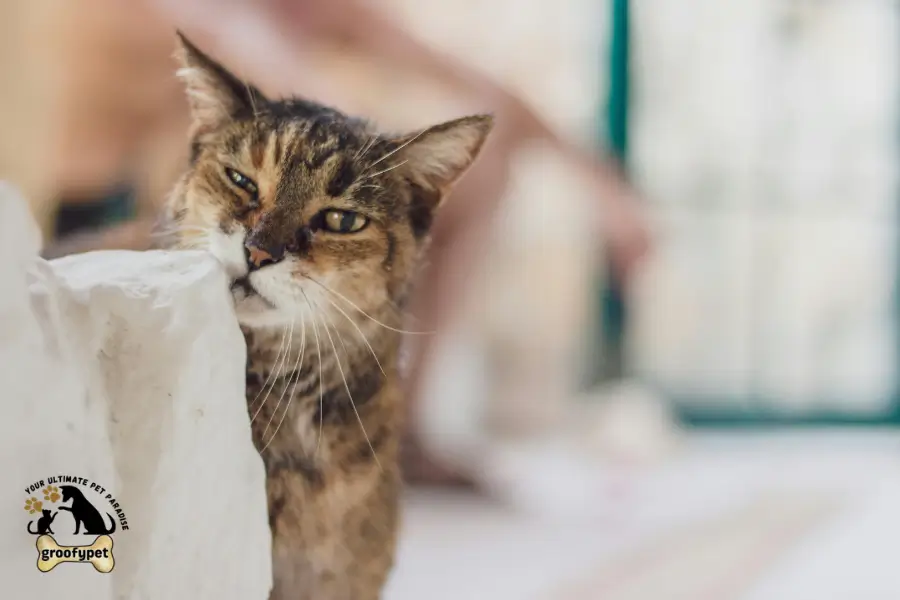
A cat will usually start grooming by licking its front paws and then using those wet paws to clean its face area. After the face they move on to the shoulders chest back legs and tail in a very organized and methodical way. Cats also use their teeth to nibble at spots where there are tangles or small pieces of dirt stuck in the fur.
This nibbling behavior during self-grooming is actually one reason why cats also bite during grooming sessions with their owners. Most cats spend about 30 to 50 percent of their waking hours grooming themselves which shows how important this activity really is.
If you notice your cat grooming excessively it could be a sign of stress or skin problems that need attention from a vet. Normal grooming is healthy but too much grooming combined with biting can sometimes point to an underlying issue worth checking out.
How do cats groom other cats?
When cats live together in the same household they often groom each other as a way to strengthen their social bond. This behavior is called allogrooming and it is mostly seen between cats that trust each other and feel comfortable being close together.
Usually one cat will lick the head neck and ear area of the other cat because those spots are hard to reach alone. Allogrooming is not just about cleaning because it also helps cats mix their scents and create a shared group smell identity.
Sometimes during allogrooming one cat will suddenly bite the other cat and this is completely normal and expected behavior between felines. The bite can mean the grooming cat wants to take control or it could simply be part of their natural cleaning process routine. Cats that groom each other and include gentle bites are usually very bonded and comfortable with each other in the household.
This same behavior transfers to humans when your cat licks and then bites you because it sees you as part of its family. Understanding social grooming in cats helps explain a lot about why do cats bite when grooming their favorite humans at home.
Why do cats bite when grooming?
This is the big question that every cat owner asks at some point and the answer is not just one simple thing. There are actually many different reasons why do cats bite when grooming and each reason depends on the situation and context. Sometimes the bite is a sign of love and other times it means your cat is feeling overwhelmed or overstimulated by touch.
Cats communicate through body language and biting is just one of the many tools they use to express their feelings clearly. Some cats bite because they are being playful while others bite because they feel pain or discomfort in a certain body area. The key to understanding this behavior is to pay close attention to your cat’s body language before and during the bite moment.
Look at the ears tail eyes and overall posture of your cat to get clues about what it is trying to tell you. In the following sections we will break down each reason in detail so you can figure out exactly what your cat means. Knowing the reason behind the bite will help you respond in the right way and keep grooming time enjoyable for both of you.
1. It is a natural part of grooming
One of the simplest reasons cats bite during grooming is that it is just a natural part of how they clean and groom. When cats groom themselves they use their teeth to remove knots tangles and stubborn dirt from their fur regularly. So when your cat is grooming you it might bite your skin simply because it is treating you like another cat in the family.
This type of bite is usually very gentle and it feels more like a soft nibble than an actual painful aggressive bite on your skin. Your cat is not trying to hurt you at all and it genuinely thinks it is helping you stay clean and well-groomed properly.
This instinctive grooming behavior has been passed down through generations of cats and it is deeply rooted in their natural habits. Kittens learn this behavior from their mother cat who grooms and nibbles them from the very first days of their tiny lives.
If your cat gives you a soft nibble while licking you then it is most likely just following its natural grooming instincts and nothing more. You should feel honored because it means your cat sees you as a close and trusted member of its inner family circle.
2. Your cat is showing love and affection
Cats have their own unique ways of showing love and one of the sweetest ways is through gentle love bites during grooming. A love bite is a soft and light nibble that your cat gives you while it is feeling happy relaxed and content near you. Mother cats often nibble their kittens while grooming them and your cat is repeating this same loving behavior with you as its owner.
When your cat licks you and then gives a gentle bite it is basically saying that it loves you and feels safe around you. These affectionate bites are never hard and they should not leave any marks or cause any real pain on your skin at all. You will notice that your cat looks very calm and its body is relaxed with slow blinking eyes during these loving moments together.
Love bites are one of the many ways cats express their deep bond and emotional connection with the people they trust the most. If your cat gives you love bites regularly then congratulations because your cat truly adores you and considers you very special indeed. Understanding the difference between a love bite and an aggressive bite is important so you can respond to your cat appropriately and lovingly.
3. Your cat is overstimulated
Overstimulation in cats is one of the most common reasons why cats bite during grooming and petting sessions at home. When you pet or groom your cat for too long the nerve endings in its skin can become overwhelmed and highly sensitive to touch.
Your cat might enjoy the grooming at first but after a while the repeated touching in the same spot becomes too much to handle.The bite is your cat’s way of clearly telling you that it needs a break and wants the touching to stop right now immediately.
Before the bite happens your cat will usually show several warning signs that many cat owners accidentally miss or overlook completely. These signs include tail flicking ear flattening skin twitching dilated pupils and a sudden stiffness in the body posture of your cat.
If you learn to spot these warning signs early you can stop grooming before your cat reaches the point of biting you hard. Overstimulation does not mean your cat is angry or does not love you because it simply means its body has had enough stimulation. Keeping grooming sessions short and paying attention to cat body language will help you avoid overstimulation bites in the future easily.
4. Your cat is playing with you
Cats are naturally playful animals and sometimes a grooming session can quickly turn into an exciting play session for them. This is especially true for kittens and young cats who have a lot of energy and love to play at every possible opportunity they get. Your cat might be enjoying the grooming and then suddenly see your moving hand as a fun toy to chase and bite playfully.
A playful bite is usually quick light and your cat might pounce wiggle its body or chase your hand right after the bite happens. You can tell the difference between a playful bite and an aggressive bite by looking at your cat’s overall mood and energy level.
A playful cat will have bright eyes a wagging tail and a bouncy energetic body language that looks fun and not threatening at all. To redirect this playful biting you can offer your cat a toy or start an interactive play session to burn off that extra energy.
It is important not to use your hands as toys because this can teach your cat that biting human hands is an acceptable and fun activity. Providing plenty of interactive cat toys and daily play sessions will reduce playful biting during grooming time and keep your cat happy and entertained.
5. Your cat wants to control the grooming session
Cats are independent creatures and they like to have control over their environment and interactions with others including their owners. During grooming your cat might bite you as a way to take charge and decide how the grooming session should go from that point forward.
Some cats prefer to be the one doing the grooming rather than being groomed and the bite is their way of switching roles with you. This is more common in dominant cats who like to set the rules and show that they are the boss in the relationship dynamic.
Your cat might bite your hand gently and then start licking you to show that it wants to groom you instead of being groomed by you. This behavior is not aggressive and it is just your cat’s way of expressing its natural need for control and independence during bonding time.
Respecting your cat’s preferences and letting it take the lead sometimes can strengthen your bond and make grooming time less stressful for both. Understanding cat dominance behavior will help you navigate these moments without conflict and keep the grooming experience positive and enjoyable for everyone involved.
If your cat wants to groom you back then let it because this is actually a beautiful sign of trust and mutual love between you two.
6. Your cat is feeling stressed or anxious
Stress and anxiety can affect your cat’s behavior in many ways and biting during grooming is one of the clearest signs to watch. When a cat feels stressed it may groom itself excessively and this compulsive grooming can sometimes include biting as a way to cope with emotions.
Common stressors for cats include loud noises new pets in the house changes in routine moving to a new home or visitors coming over. If your cat is feeling anxious it might tolerate grooming for a very short time and then bite because its patience is already very low.
A stressed cat may also show other signs like hiding more than usual eating less excessive meowing or avoiding contact with family members altogether. Creating a calm and predictable environment for your cat can help reduce stress and make grooming sessions more peaceful and bite-free over time.
Using calming products like pheromone diffusers or providing a safe quiet space can also help your anxious cat feel more secure and relaxed at home. If your cat’s stress seems severe or the biting is getting worse then a visit to the vet or an animal behaviorist is a good idea.
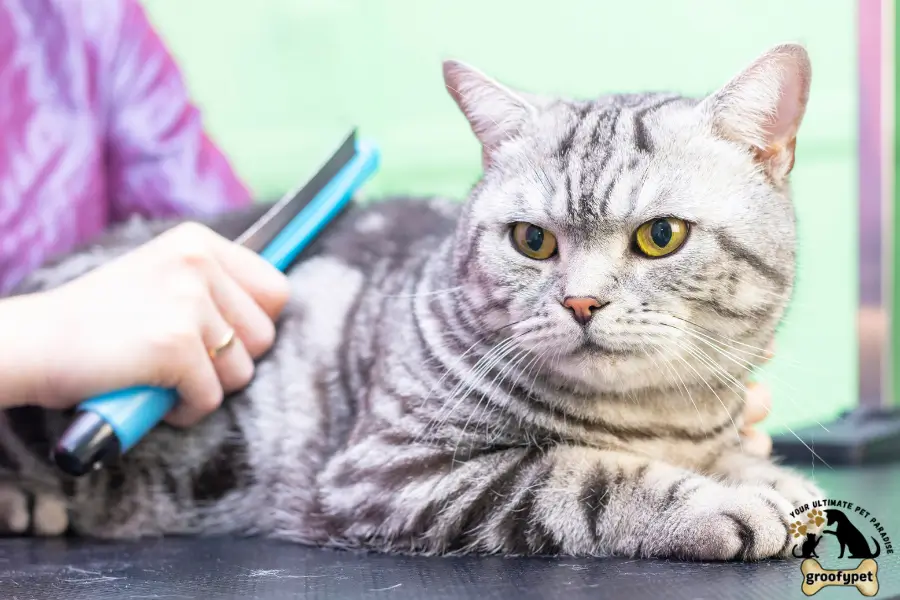
Addressing the root cause of stress will not only reduce biting during grooming but also improve your cat’s overall health and happiness significantly.
7. Your cat has a skin problem or pain
Sometimes when a cat bites during grooming it is not about emotions or behavior but about physical discomfort or actual pain in its body. If your cat bites you when you touch a specific area it could mean that spot is sore irritated or affected by a skin condition that hurts.
Common skin problems in cats include flea infestations allergies fungal infections dry skin hot spots and other dermatological issues that cause itching. A cat in pain will often react by biting when you accidentally touch the painful area because it is trying to protect itself from more hurt.
You might also notice your cat licking or biting the same spot on its own body repeatedly which is a clear sign something is wrong there. Other signs of pain include changes in appetite reduced activity hiding more than usual and vocalizing when the affected area is touched gently.
If you suspect your cat is biting during grooming because of pain or a skin issue then please take it to the vet right away. A vet can diagnose the problem and provide proper treatment like medication or special shampoos to relieve your cat’s discomfort and pain quickly.
Never ignore pain-related biting because early treatment can prevent the problem from getting worse and help your cat feel comfortable and happy again.
8. Your cat is setting boundaries
Cats are very clear about their personal boundaries and biting during grooming is one way they communicate those limits to you directly. Your cat might enjoy being groomed for a few minutes but then it decides it has had enough and wants you to stop touching it now.
The bite is a polite but firm message from your cat saying that it needs some personal space and alone time to relax and recharge. Every cat has a different tolerance level for grooming and petting and some cats can only handle a few minutes before needing a break.
Respecting your cat’s boundaries is very important because it builds trust and shows your cat that you listen to its needs and feelings always. If you ignore the bite and keep grooming your cat may escalate to a harder bite or scratch to make its message even clearer next time.
Learning to recognize when your cat is reaching its limit will make grooming sessions shorter but much more pleasant and enjoyable for both parties. A cat that trusts you to respect its boundaries will actually become more affectionate and open to grooming over time with patience and understanding.
Understanding cat boundaries is one of the most important things you can do to build a loving and lasting relationship with your feline companion.
What does a cat love bite look like?
A cat love bite is a gentle and soft nibble that your cat gives you during moments of affection bonding and closeness together. It feels like a light pinch on your skin and it should never break the skin or cause any real pain or bleeding at all.
When your cat gives you a love bite its body will be relaxed its eyes will be soft and it may even be purring at the same time. The love bite usually comes after a series of licks and your cat will continue to look calm and happy after giving the nibble to you.
An aggressive bite on the other hand is very different because it is hard fast and often comes with hissing growling or flattened ears and a tense body. Aggressive bites can break the skin and they usually happen when a cat is scared angry or in pain and feels the need to defend itself.
The body language before an aggressive bite includes dilated pupils a puffed-up tail arched back and a stiff and rigid body posture throughout. Knowing the difference between a love bite and an aggressive bite helps you respond correctly and keep your relationship with your cat healthy and strong. If your cat gives you love bites regularly it is a wonderful sign that your cat feels safe loved and deeply connected to you as its person.
How to tell if your cat is about to bite during grooming?
Learning to read your cat’s body language is the best way to predict when a bite is coming during grooming and petting sessions. Cats always give warning signs before they bite but many owners do not know what to look for and miss these important signals completely.
The most common warning signs include tail movements ear position skin reactions eye changes and vocal sounds your cat makes before biting you. A cat that is about to bite will usually become tense and its body language will shift from relaxed and happy to stiff and uncomfortable.
If you notice any of these signs it is best to stop grooming immediately and give your cat some space to calm down on its own terms. Over time you will learn your specific cat’s unique warning signs and be able to prevent bites before they even happen during grooming sessions.
Paying attention to these signals shows your cat that you respect its feelings and this builds a deeper and more trusting relationship between you two. Prevention is always better than reaction so take the time to study your cat’s body language and become an expert at reading its mood.
The more you understand your cat’s signals the more enjoyable and peaceful your grooming sessions will become for both of you in the long run.
How to stop your cat from biting during grooming?
Stopping your cat from biting during grooming is not about punishment or force because those methods will only make the problem much worse. Instead it is about understanding your cat’s needs respecting its boundaries and making grooming a positive experience every single time you do it.
The best approach is to keep grooming sessions short and sweet so your cat does not have time to become overstimulated or frustrated during the process. Use positive reinforcement like treats and gentle praise to reward your cat for staying calm and relaxed while you groom its beautiful fur.
Avoid touching sensitive areas like the belly paws and tail base because these spots can trigger a bite even in the most patient calm cats around. If your cat starts showing warning signs like tail flicking or ear flattening then stop grooming right away and let your cat walk away freely.
Never punish your cat for biting because cats do not understand punishment and it will damage the trust between you and your beloved pet badly. You can also redirect biting by offering a toy or chew item when your cat starts to nibble on your hand or fingers during grooming time.
With patience consistency and love you can train your cat to enjoy grooming sessions without biting and make it a bonding experience for you both.
Do all cats bite when grooming?
Not all cats bite during grooming but it is a very common behavior that many cat owners experience at some point in their lives. Some cats are naturally more mouthy than others and certain cat breeds like Siamese and Bengal cats tend to be more vocal and bitey during interactions.
A cat’s personality past experiences and socialization as a kitten all play a role in whether it will bite during grooming sessions or not. Cats that were handled gently and socialized well as kittens are usually less likely to bite compared to cats with limited early human contact experiences.
Older and more relaxed cats tend to bite less during grooming because they have lower energy levels and a higher tolerance for being touched calmly. Kittens and young cats on the other hand are much more likely to bite during grooming because they are playful curious and full of boundless energy.
If your cat has never bitten during grooming then you are lucky but do not be surprised if it happens someday because it is part of normal feline behavior patterns. Every cat is unique and understanding your individual cat’s personality and preferences will help you create the best possible grooming experience tailored just for them.
Why do cats bite when grooming?Whether your cat bites during grooming or not the most important thing is that you build a relationship based on trust respect and love with your furry companion.
Why does my cat lick me then bite me?
The lick and bite combo is one of the most puzzling and frequently reported cat behaviors that owners everywhere talk about and wonder about daily. When your cat licks you and then bites you it can mean several different things depending on the situation and your cat’s current mood and state.
One common reason is that your cat is grooming you and the bite is simply a natural part of its cleaning routine just like it does to itself. Another reason is that your cat is showing affection through licks and then gives a love bite to express just how much it really cares about you
. Sometimes the lick-bite pattern happens because your cat becomes overstimulated and the bite is a signal that it wants the interaction to stop now. Playful cats might lick you to get your attention and then bite because they want to start a fun and exciting play session with you right away.
The context matters a lot so pay attention to what was happening before the lick and bite sequence to understand your cat’s true intentions and feelings. If the bite is gentle and your cat seems happy then it is most likely a positive behavior that shows love trust and strong bonding between you and your cat. But if the bite is hard and your cat seems tense or upset then it might be overstimulation stress or pain that needs your attention and possibly a vet visit.
Frequently Asked Questions
Why does my cat bite me softly while I pet her?
Soft bites during petting are almost always love bites and they mean your cat is feeling happy safe and loved in your presence right now. Your cat is showing affection in the way cats naturally do and you should feel good knowing your cat trusts you this much genuinely.
Should I stop petting my cat when it bites?
Yes you should stop petting your cat gently and give it some space because the bite is your cat’s way of saying it has had enough. Continuing to pet after a bite can lead to a harder bite and can make your cat feel like its boundaries are not respected by you.
Why does my cat groom me and then attack me?
This sudden switch usually happens because of overstimulation or redirected energy and your cat goes from calm to excited very quickly in that moment. It does not mean your cat is mean and it just means your cat’s mood shifted rapidly and it needs a different outlet for its energy now.
Do cats bite when they are happy?
Yes cats can absolutely bite when they are happy and these gentle nibbles are called love bites that express contentment and deep affection toward their owner. A happy cat will look relaxed with soft eyes a gently swaying tail and a calm body while giving you these sweet little love bites.
How can I tell if my cat’s bite is aggressive?
An aggressive bite is hard and fast and it usually comes with warning signs like hissing growling flattened ears dilated pupils and a puffed-up tail. If your cat bites hard enough to break the skin and shows defensive body language then it is likely an aggressive bite that needs attention.
Final Thoughts
Understanding why do cats bite when grooming is an important part of being a responsible and loving cat owner who cares about their pet. As we have explored in this detailed guide there are many reasons behind this behavior including love overstimulation playfulness pain stress and boundary setting.
The most important thing you can do is learn your cat’s unique body language and communication signals so you can respond to its needs properly. Keep grooming sessions short and positive and always use treats and praise to make the experience enjoyable for your cat and yourself together.
Never punish your cat for biting because it will only create fear and damage the precious trust your cat has placed in you as its caretaker. If the biting seems unusual aggressive or related to pain then please visit a vet to rule out any health problems or medical conditions quickly.
We hope this guide has helped you understand your cat better and given you the tools to make grooming a wonderful bonding experience every time.
when do kittens balls drop? simple signs that show your kitten is healthy!
Cat Gurgling Sound Breathing: When to Worry and How to Help Fast!