Hello, cat lovers! Let’s explore how to keep your furry friends safe and cozy while they snuggle under blankets. From ensuring proper air circulation to picking the right blanket, we’ve got everything covered to help your cat feel secure and comfortable.

Do you often find your cat restless or struggling to settle down? The solution might be as simple as the right blanket! A blanket tailored to your cat’s needs soft, breathable, and warm can transform their sleeping area. Cats need comfort and blankets not only provide that but also improve air circulation and make sure to stay cozy and cool.
Opt for materials like fleece or cotton, which are gentle and safe for sensitive paws. Wondering where to start? Try incorporating a soft blanket into your cat’s favorite lounging spot, and watch the transformation. Give your cat the cozy experience they deserve find the perfect blanket today!
Why Do Cats Love Blankets? Cozy Comfort for Feline Friends
Cats are naturally drawn to warm and enclosed spaces where they feel safe and secure. A blanket creates the same cozy feeling as the spots they instinctively seek in the wild, offering them a private retreat.
My cat loves curling up in a soft throw, which provides a sense of security that mirrors their love for hiding in small nooks. This comfort isn’t just about staying warm, it connects to their primal desire for protected spaces, reminding them of the natural safety they search for in the wild.
Instincts of Comfort and Solitude
When cats hide under blankets, it mimics their instinct to burrow into safe spaces for protection. This behavior is especially common in indoor cats, who often feel the need to create a quiet retreat.
My cat, for instance, enjoys slipping under a soft throw, as it provides the comfort and solitude. This habit reflects their deep-rooted survival instincts, helping them feel secure while seeking a sense of calm away from the bustle of their surroundings.
Are Blankets Safe for Cats?
Cats enjoy curling up under blankets because they provide warmth and a sense of security. However, it’s important to make sure the material allows proper airflow to avoid the risk of discomfort. I’ve noticed my cat loves soft, breathable fabrics, which keep her cozy without restricting her breathing.
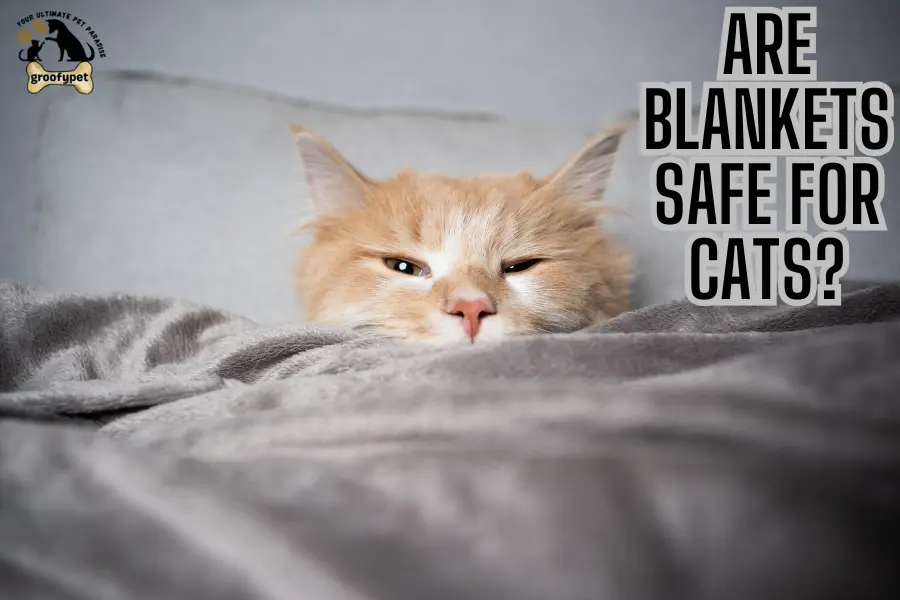
Cats’ natural adaptability lets them settle into tight spaces, but ensuring their safety under blankets by choosing lightweight options is essential to keep them comfortable and relaxed.
Understanding Cat Breathing
Cats have a natural ability to adapt to confined spaces, thanks to their small lungs that require less air compared to larger animals. My cat often seeks out cozy spots under blankets, curling up without trouble. While their breathing is usually efficient in such snug places, it’s important to choose blankets that allow for proper airflow to ensure they stay comfortable and safe.
Safe Blanket Choice
When choosing blankets for cats, I’ve found that lightweight fabrics like cotton or linen work best because they are soft and cozy while allowing proper airflow. These breathable fabrics keep your furry friend comfortable and relaxed.
Avoid synthetic materials, as they might trap heat and make your cat feel uneasy. My cat’s favorite blanket is a light cotton one, which she snuggles into without any hesitation, enjoying both warmth and comfort.
The Sweet Reason Your Cat Keeps Pressing Their Paws
Many cats show kneading behavior by rhythmically pressing their paws on blankets, soft furniture, or even on your lap. This starts in kittenhood when they stimulate milk production during nursing, creating a deep connection between kneading and feelings of comfort. As adults, cats continue this behavior to feel calm and relaxed, often kneading right before sleep, just like wild cats do when they tamp down bedding. Some cats even suckle on blankets, reflecting the strong link to their early days with their mother cat’s pheromones.
But it’s not just about comfort—cats also mark territory when they knead, using the scent glands in their paws. It’s a gentle way of saying “this is mine,” whether it’s a blanket, a spot on the couch, or you! Kneading can also help stretch muscles, ease tension, and release dopamine for that feel-good sensation. If your cat starts kneading excessively, it might be due to stress, anxiety, or even physical discomfort like arthritis. It’s smart to talk to your vet, who might recommend tools like a Feliway diffuser or Purina Calming Care. With a little help and patience, you can support your cat’s natural way of showing affection and staying cozy.
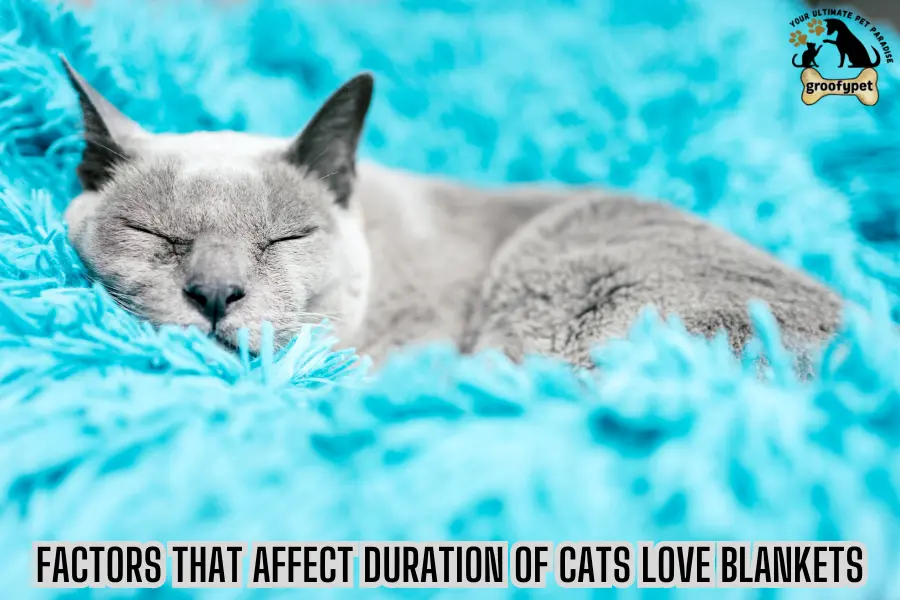
Factors That Affect Duration of Why Cats Love Blankets
Your cat’s size, age, health, and even the type of blanket play a role. Older cats or those with respiratory issues may not tolerate prolonged time under a blanket as well as younger, healthier ones.
1-Size
A cat’s size can impact how long it stays under a blanket. Larger cats may feel more restricted and uncomfortable with the weight of the blanket, causing them to move or shift more frequently. Smaller cats, on the other hand, may feel more cozy and secure, leading them to stay under the blanket longer.
2-Age
The age of your cat also plays a significant role in how long they can stay under a blanket. Kittens and younger cats are generally more active and can tolerate the warmth and confinement of a blanket for longer periods. Older cats may become overheated more quickly, or they may simply prefer not to stay under the blanket as long due to joint pain or discomfort.
3-Health
A cat’s overall health is crucial when it comes to how long they remain under a blanket. Cats with respiratory issues, heart conditions, or other medical conditions may struggle to tolerate the warmth and restricted breathing that can come from being under a blanket. Healthy cats, however, may find comfort in the extra warmth and security provided by a blanket.
Type of Blankets
The type of blanket can also influence how long a cat stays under it. Lightweight, breathable blankets are less likely to make a cat feel too warm or restricted, while heavy, thick blankets might cause discomfort and prompt the cat to leave sooner.
How Cat Breathing System Work under Blankets?
Cats are truly impressive creatures, with respiratory systems that’s quite different from ours. Understanding how a cat breathes is a key part of knowing why they find comfort in hiding under blankets. Cats often seek warmth and security, and the way their sensitive respiratory system functions makes these cozy spaces feel safe.
When I observe my cat nestled under her favorite blanket, it’s clear she’s enjoying not just physical warmth but also a sense of calm that aids her breathing rhythm. This behavior highlights how important comfort is for their respiratory health.
Why Do Cats Love Blankets? Cats Unique Breathing Anatomy
Cats often seek out blankets because they are naturally drawn to cozy and enclosed spaces. Their respiratory system is designed to handle rapid changes in breathing, which is different from humans.
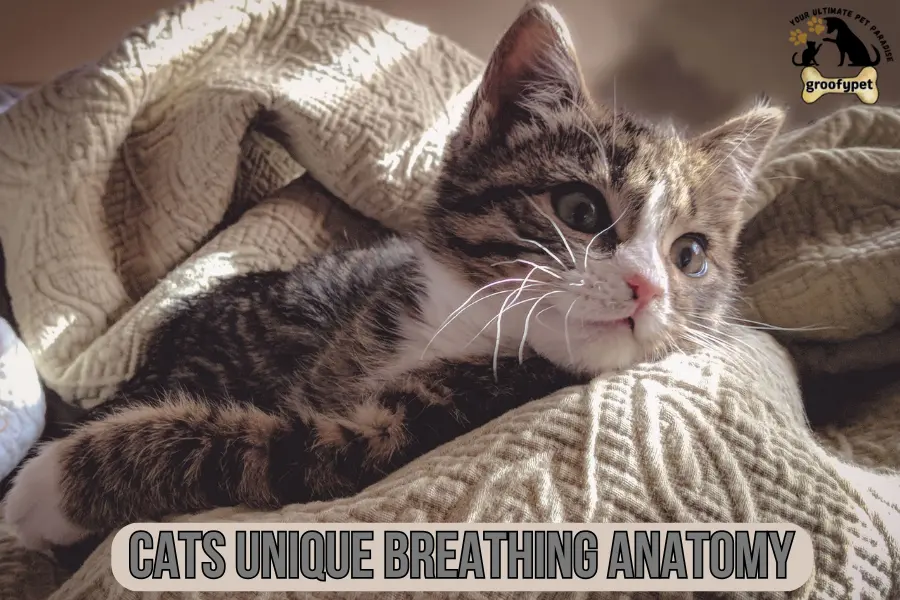
While we typically breathe at a rate of about 12-20 breaths per minute, cats tend to breathe more quickly, around 20-30 breaths per minute, allowing them to regulate their oxygen intake efficiently. This faster breathing process is crucial for their ability to rest and feel secure in their environment.
The lung capacity of cats is also more efficient, helping them manage their energy levels in these comfortable, enclosed spaces. When snuggled under a blanket, the confined space offers them a sense of safety, making it easier to breathe and relax, which is why many cats seem to love curling up in these spots.
The Fascinating Comfort of Blankets for Cats
Cats have an incredible instinct for seeking comfort, and one of their favorite places to find it is under a blanket. When they dive under the soft layers, they’re not just trying to get cozy, but also satisfying a deep-rooted behavior that brings them security. It’s as if a blanket becomes the best thing to help them feel safe and hidden, much like they would in the wild.
While they may sometimes turn out to be a little mischievous, the act of crawling under a blanket is often a way for them to seek warmth and comfort—essential for their well-being.
Even when you might be enjoying a snack like tuna, your cat might prefer to dive into a blanket rather than share. It’s all about creating the ideal, comforting environment that meets their instincts and helps them unwind. This simple yet fulfilling act turns out to be one of the things they love the most.
Temperature Regulation in Cats
Their ideal temperature range for comfort is around 85–100°F (29–38°C). Blankets provide a cozy spot where they feel secure and maintain their body temperature more easily, especially when the air in the home gets cool. I’ve noticed that my cat loves to burrow into a blanket as soon as the temperature drops. It seems that this instinctive behavior helps them feel safe and comfortable, especially in the cold months.
Can Cats Safely Breathe Under Blankets?
Cats have a natural love for blankets, and many often find themselves burrowing under them to snuggle up. But you might wonder, can cats safely breathe under blankets? While most cats breathe just fine when snuggled beneath a cozy blanket, there are a few exceptions to consider.
Also Read: Why is my male cat kneading and biting me?
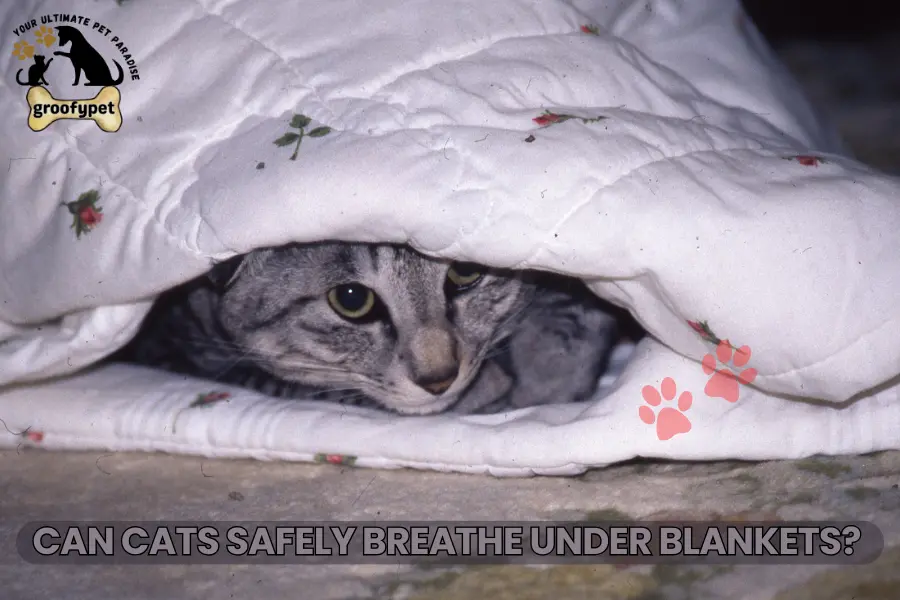
In general, a breathable blanket will allow them to get enough air but certain materials make it harder for them to breathe comfortably. It’s important to make sure the blanket is not too heavy or tight, as this could potentially cause your cat to break their rest or have trouble getting enough oxygen. Still, in most cases you observe your cat’s comfort, they will be safe.
How to Tell if Your Cat is in Distress?
While most cats know when to get out from under a blanket, it’s important to recognize signs of trouble.
Common Warning Signs
Look for signs like heavy breathing, meowing, or frantic movements. These indicate your cat may need immediate help. If your cat shows signs of distress gently lift the blanket to free them.
Encouraging Safe Blanket Behavior
You don’t have to ban blankets from your cat’s life. Instead, focus on creating a safe, comfortable environment.
Choosing the Right Blanket
Opt for lightweight, breathable blankets. Avoid heavy materials, especially if your cat loves burrowing.
Alternatives to Blanket Hiding
Offer cozy alternatives like cat caves, soft beds, or enclosed spaces where your pet can feel safe and warm.
Also Read : why does my cat lick me after a shower?
Wrapping Up on Cats and Blankets
At the end of the day, your cat’s love for blankets is both adorable and instinctual. You’re mindful of their safety and health; there’s no need to worry. Let your feline friend enjoy their rest time!
Do cats like blankets?
Yes—many cats enjoy blankets. Soft, warm fabric feels like a safe, sheltered spot, and anything that carries your scent adds extra comfort. That your cat “loves blanket” is very typical. Some cats will simply curl up on top, while others burrow underneath for a snug den. A minority of cats prefer cool, firm surfaces, so individual preference matters.
Why blankets feel so good to cats?
Blankets provide gentle, steady warmth and a bit of insulation from drafts, which suits a cat’s love of cozy microclimates. The texture invites kneading—a leftover kitten behavior tied to comfort and bonding—while also letting them mark the area with scent from glands in their paws and cheeks. Your scent on the fabric can reduce stress and make the blanket their go‑to napping base.
Are cotton blankets a good choice?
Cotton is an excellent, cat-friendly option. It’s breathable, easy to wash, and tends to hold less static than synthetics. In warmer rooms or for heat‑sensitive cats, a tight‑weave cotton or muslin blanket keeps things comfortable without overheating.
For cooler rooms, cotton flannel adds cozy warmth while staying breathable. The main downside is that loose or chunky knits can snag claws, so stick to a tighter weave to avoid pulls and threads.
Other fabrics compared
Fleece and microfiber are ultra‑soft and warmly insulating, making them great in colder spaces. They do trap hair and can build static, especially in dry winter air, so a quick tumble with wool dryer balls helps.
Wool and sherpa are very warm and regulate moisture well, but some cats find them itchy or too heavy; they also require gentler washing. Avoid heavy weighted blankets on top of a cat, as well as tassels or looped knits that can tangle claws or tempt chewers.
How to tell your cat enjoys a blanket?
Content cats will return to the same blanket repeatedly, knead with their paws, purr, slow‑blink, and curl into a relaxed loaf or side sprawl. Burrowers will nose under a corner to make a little tent. Longer, deeper naps are a good sign the fabric and temperature feel just right.
Tips to make the blanket irresistible
Place the blanket where your cat already likes to nap—on a sofa corner, window perch, or inside a box or carrier to make it feel den‑like. Wash with unscented detergent, since strong fragrances can put cats off. Keeping a bit of your scent on one “special” blanket can make it extra appealing. If static is an issue, raise room humidity slightly, use wool dryer balls in the dryer, or give the blanket a very light spritz of water before setting it out. In cold weather, layer a thin cotton blanket under a fleece throw to balance breathability and warmth.
Safety and health notes
Always let your cat move freely—don’t fully cover them or tuck the blanket in tightly. Kittens, seniors, and cats with respiratory or mobility issues do best with lighter, breathable fabrics. If your cat chews or shows pica tendencies, choose a tight‑weave cotton and avoid fringe or loose threads. Keep blankets away from space heaters, and skip strongly scented fabric softeners or dryer sheets that may irritate sensitive noses.
A note for black cats (and easy cleaning)
For a black cat, darker colors like charcoal, black, or heathered patterns make shed fur less visible. Tight weaves release hair more easily in the wash; a quick pre‑tumble on “air only” with dryer balls helps remove fur before laundering. A damp rubber glove or lint brush works well for daily touch‑ups. If photos matter, smooth, matte fabrics photograph beautifully with a black coat and don’t show lint as much as plush, shiny textures.
Want suggestions tailored to your cat?
Tell me a bit about your setup: is your home generally warm or cool, does your cat prefer to burrow under blankets or lie on top, and is their name Sibtain? With that, I can recommend the ideal fabric and thickness for maximum cozy naps
Frequently Asked Questions
Can kittens safely hide under blankets?
Kittens are more sensitive than adult cats. Always supervise and use light blankets to ensure they’re safe.
Is it okay if my cat sleeps under a blanket all night?
It depends on the blanket. Lightweight fabrics are generally fine, but check on your cat periodically.
How do I tell if my cat is too hot under the blanket?
Signs of overheating include panting, lethargy, or seeking cooler areas.
What should I do if my cat gets tangled in a blanket?
Gently untangle them and opt for simpler, snag-free fabrics in the future.
Are electric blankets safe for cats?
Not typically. The wires and heat settings can pose risks, so it’s better to keep these out of reach.
SumUp!
Cats love blankets because they provide warmth, comfort, and a sense of security, mimicking the coziness of their natural hiding spots. The soft texture of blankets can remind cats of their mother’s fur, triggering feelings of relaxation. Additionally, blankets often carry familiar scents, which help reduce stress and create a soothing environment for your cat.