
If your dog gave you those big, hopeful eyes while you sipped a cold glass of horchata, you’re probably wondering: can dogs drink horchata safely?
The short answer is no. Horchata is not a safe or healthy drink for dogs. While a tiny lick probably won’t send your dog to the emergency room, this sweet, milky, cinnamon-spiced drink is packed with sugar, dairy, and other ingredients that can upset your dog’s stomach or cause bigger health problems over time. Water should always be your dog’s main drink, and horchata just doesn’t offer anything your dog actually needs.
In this guide, we’ll break down exactly why horchata isn’t dog-friendly, what happens if your dog drinks some, how much is “too much,” and what safer options you can offer instead.
Can Dogs Drink Horchata?
Horchata is a popular drink made from rice, water, sugar, cinnamon, and sometimes milk or condensed milk. It’s delicious for people, but dogs have very different nutritional needs than humans.
Technically, a small taste of horchata is unlikely to seriously harm a healthy adult dog. But “not likely to harm” is very different from “safe” or “recommended.” Horchata offers no real nutritional benefit to dogs, and several of its common ingredients can cause digestive upset, contribute to weight gain, or trigger more serious issues in dogs who are sensitive to dairy or sugar.
If you’re asking “can dogs have horchata as a treat,” the honest answer is: it’s best avoided. There are far better, dog-safe ways to help your pet cool down or feel special.
Why Horchata May Not Be Suitable for Dogs
There are a few key reasons horchata doesn’t belong in your dog’s bowl, even occasionally.

1. It’s High in Sugar
Traditional horchata recipes call for a generous amount of sugar. Dogs don’t process sugar the same way humans do, and regular sugar intake can lead to weight gain, dental problems, and even diabetes over time.
2. It Often Contains Dairy
Many horchata recipes include milk or condensed milk for extra creaminess. A large number of adult dogs are lactose intolerant, meaning their bodies struggle to digest milk sugar (lactose) properly.
3. It Contains Spices Dogs Don’t Need
Cinnamon is generally considered low-risk in small amounts, but it’s still an added ingredient dogs don’t need in their diet, and too much can cause irritation.
4. It Has Zero Nutritional Value for Dogs
Unlike lean meats, vegetables, or dog-formulated treats, horchata gives your dog nothing beneficial in return for the calories and sugar it delivers.
5. Store-Bought Versions May Contain Extra Additives
Bottled or restaurant horchata can include preservatives, artificial flavoring, or even sweeteners that aren’t meant for pets, which adds another layer of risk.
Common Ingredients in Horchata and Their Effects on Dogs
To really understand whether dogs and horchata mix well, it helps to look at each ingredient individually.
| Ingredient | Common in Horchata? | Effect on Dogs |
|---|---|---|
| Rice or rice milk | Yes | Generally safe in small, cooked amounts; raw or uncooked rice can be harder to digest |
| Sugar | Yes, often a lot | Can cause weight gain, dental issues, and long-term health risks |
| Cinnamon | Yes | Low risk in tiny amounts; large amounts can cause stomach upset |
| Milk/dairy | Common in many recipes | Can cause digestive upset in lactose-intolerant dogs |
| Condensed milk | Common in sweeter versions | Very high in sugar and fat; not dog-friendly |
| Vanilla extract | Sometimes | Often contains alcohol; best avoided |
| Almond milk | Sometimes used as a base | Usually low-risk in small amounts, but adds no nutritional value |
| Artificial sweeteners (in some store-bought versions) | Occasionally | Can be dangerous — always check labels carefully |
Let’s look closer at a few of these.
Is Rice Horchata Safe for Dogs?
Rice itself, especially when cooked, is generally considered safe for dogs in small amounts and is actually a common ingredient in bland diets recommended after stomach upset. So the rice base of horchata isn’t usually the biggest concern.
However, horchata isn’t just rice and water. It’s rice blended with a large amount of sugar, sometimes dairy, and spices, which changes the picture completely. So while plain cooked rice is fine, rice horchata as a finished drink is not the same thing and isn’t a safe substitute.
Can Dogs Have Horchata With Cinnamon?
Cinnamon on its own is not toxic to dogs in small quantities, and many dog treats even include a pinch of it. However:
- Too much cinnamon can irritate a dog’s mouth and digestive tract
- Cinnamon essential oils or concentrated cinnamon extracts should always be avoided
- The combination of cinnamon with sugar and dairy in horchata is what makes the drink problematic, not just the cinnamon alone
So the issue usually isn’t the cinnamon by itself. It’s everything else that comes with it.
What About Sugar, Milk, Condensed Milk, and Other Ingredients?
This is really where horchata becomes a problem for dogs.
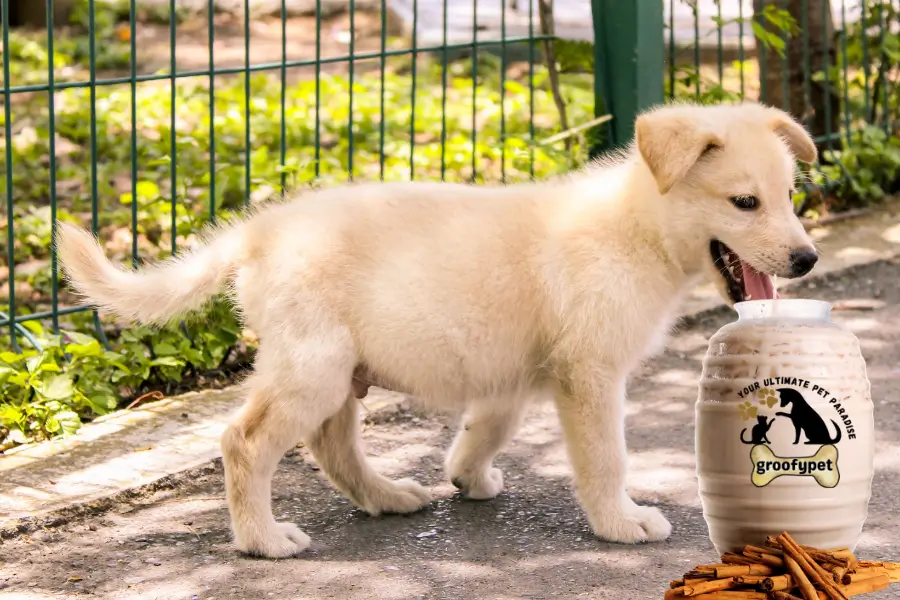
Sugar: Dogs don’t need added sugar in their diet at all. Regular exposure to sugary foods or drinks can contribute to obesity, tooth decay, and an increased risk of diabetes, especially in dogs who are already overweight or older.
Milk and lactose: Many adult dogs lose much of their ability to digest lactose as they grow out of puppyhood. Giving a lactose-intolerant dog milk-based horchata can lead to gas, bloating, diarrhea, or vomiting.
Condensed milk: This ingredient combines the worst of both worlds, very high sugar content and concentrated dairy, making it one of the least dog-friendly parts of a traditional horchata recipe.
Vanilla extract: Standard vanilla extract usually contains alcohol. Even small amounts of alcohol are unsafe for dogs, so recipes using real vanilla extract are best kept far away from pets.
What Happens If a Dog Drinks Horchata?
If your dog steals a few licks or laps up a small puddle of spilled horchata, here’s what you might realistically expect.
Mild Reactions (Most Common)
- Mild stomach gurgling
- Loose stool or mild diarrhea
- Slight gassiness
- No symptoms at all, especially with just a lick or two
Signs of a Bigger Problem
- Repeated vomiting
- Ongoing or severe diarrhea
- Noticeable lethargy or weakness
- Loss of appetite
- Signs of stomach pain, such as a hunched posture or restlessness
Most dogs who accidentally get a small taste of horchata will be just fine, but it’s still smart to watch them closely for the next 24 hours.
How Much Horchata Is Too Much?
There’s no officially “safe” amount of horchata for dogs, because it isn’t a recommended part of a dog’s diet in the first place. That said, context matters:
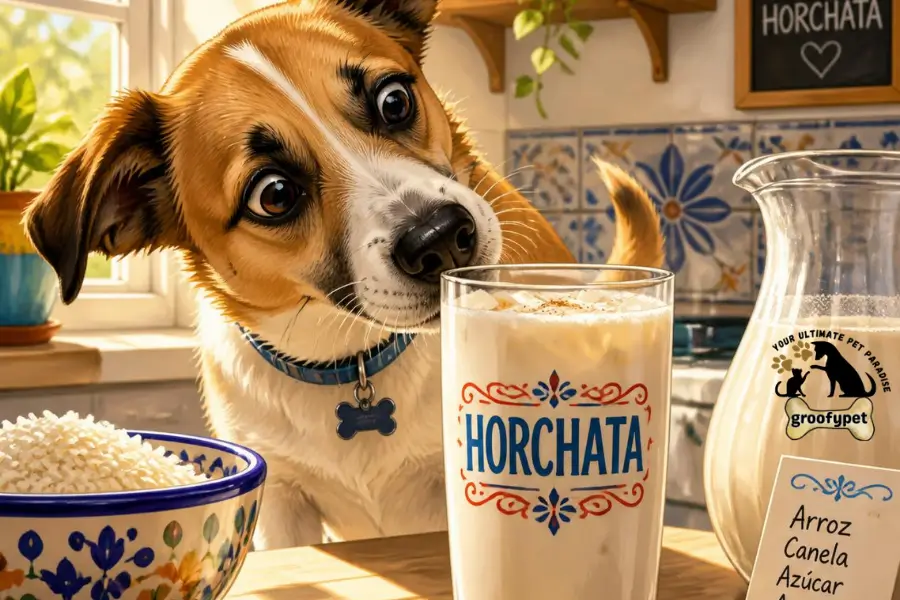
- A quick lick or accidental taste: Usually low risk for a healthy adult dog
- A few tablespoons: Could lead to mild digestive upset, especially in smaller dogs or dogs with sensitive stomachs
- A full cup or more: Higher risk of vomiting, diarrhea, or a sugar-related stomach reaction, and warrants closer monitoring
- Regular or daily servings: Not recommended under any circumstances, due to long-term sugar and dairy exposure
Smaller dogs, puppies, senior dogs, and dogs with existing health conditions like diabetes, pancreatitis, or dairy sensitivities are at higher risk from even modest amounts.
Benefits and Risks of Horchata for Dogs
Horchata is a sweet drink made with ingredients such as rice, water, cinnamon, sugar, and sometimes milk or other dairy products. While some ingredients may be harmless in small amounts, horchata is not a necessary or healthy drink for dogs.
Potential Benefits
| Ingredient | Possible Benefit |
|---|---|
| Rice | Provides carbohydrates and energy |
| Water | Helps with hydration |
| Cinnamon | Small amounts of plain cinnamon are generally not considered highly toxic to dogs |
Important: These potential benefits do not make horchata a recommended drink for dogs. Dogs get better nutrition from a balanced diet and fresh water.
Risks of Horchata for Dogs
| Risk | Why It Can Be a Problem |
|---|---|
| High sugar | Too much sugar can contribute to weight gain and dental problems. |
| Dairy | Milk-based horchata may cause diarrhea, gas, or stomach upset in lactose-intolerant dogs. |
| Too many calories | Regularly giving sweet drinks can contribute to unhealthy weight gain. |
| Artificial ingredients | Some commercial horchata products may contain ingredients that are unsuitable for dogs. |
| Xylitol | Some sugar-free products may contain xylitol, which is extremely toxic to dogs. |
| Stomach upset | A large amount may cause vomiting, diarrhea, or discomfort. |
Safe Alternatives to Horchata for Dogs
The best drink for dogs is plain, fresh water. If you want to offer something different occasionally, consider:
- Fresh water with a few ice cubes
- Plain, unsalted bone broth with no onion or garlic
- Water mixed with a small amount of dog-safe wet food
- A small amount of plain, unsweetened goat milk only if your dog tolerates dairy
- Vet-approved hydration products made specifically for dogs
Bottom line: Horchata offers little nutritional value for dogs and can contain too much sugar or other unsuitable ingredients. Fresh water is the safest everyday choice.
What to Do If Your Dog Accidentally Drinks Horchata
If your dog gets into some horchata, don’t panic. Here’s a simple plan to follow.
Step 1: Figure Out How Much They Drank
Try to estimate the amount. A small lick is very different from finishing half a glass.
Step 2: Check the Ingredients
If you made the horchata yourself or know the recipe, check whether it contained vanilla extract, artificial sweeteners, or anything else that could be more concerning than the basic rice-sugar-cinnamon mix.
Step 3: Watch for Symptoms
Keep an eye on your dog for the next several hours. Look out for vomiting, diarrhea, unusual tiredness, or refusal to eat.
Step 4: Offer Fresh Water
Make sure your dog has access to plenty of clean water. Staying hydrated helps their digestive system handle whatever they’ve eaten or drunk.
Step 5: Call Your Vet If Needed
If your dog shows ongoing symptoms, seems unusually unwell, or drank a large amount, call your veterinarian for guidance. This is especially important for puppies, senior dogs, or dogs with pre-existing health conditions.
Safer Drink Options for Dogs
Instead of horchata, there are plenty of dog-safe drinks that can offer a fun treat without the risks. These healthy drinks for dogs are much better choices:
- Fresh, clean water — Always the best and most important drink for your dog
- Plain bone broth (unsalted, no onion or garlic) — A tasty, hydrating treat many dogs love
- Coconut water (in small amounts, unsweetened) — Offers hydration without added sugar
- Ice cubes — A refreshing, low-calorie treat on hot days
- Plain, unsweetened goat’s milk (in small amounts) — Some dogs tolerate this better than cow’s milk, though it should still be given sparingly
- Frozen fruit “pupsicles” — Blend dog-safe fruits like watermelon or blueberries with water and freeze into small treats
These options give your dog the enjoyment of a special drink without the sugar crash or digestive risk that comes with horchata for dogs.
When to Contact a Veterinarian
While most horchata mishaps are mild, there are times when a call to the vet is the right move. Reach out to your veterinarian if your dog:
- Vomits more than once or twice
- Has diarrhea that lasts more than a day
- Seems unusually tired, weak, or “not themselves”
- Refuses food or water for more than a few hours
- Has a known health condition like diabetes, pancreatitis, or a dairy sensitivity
- Drank a large amount of horchata, especially a store-bought or restaurant version with unknown ingredients
When in doubt, it’s always safer to make a quick call to your vet or an emergency animal hospital rather than wait and see.
Frequently Asked Questions
Is horchata toxic to dogs?
Horchata isn’t considered toxic in the way that chocolate or grapes are, but it isn’t safe for regular consumption either. The main risks come from sugar and dairy content, not from a poisonous ingredient.
Can puppies drink horchata?
No. Puppies have more sensitive digestive systems than adult dogs, and the sugar and dairy in horchata are more likely to cause stomach upset in a young puppy.
My dog licked a spilled horchata puddle. Should I worry?
In most cases, a quick lick from a small spill is unlikely to cause serious harm to a healthy adult dog. Just keep an eye on them for the next several hours for any signs of an upset stomach.
Can dogs have horchata made with almond milk instead of dairy?
Almond milk-based horchata removes the lactose concern, but it still typically contains a large amount of added sugar and cinnamon, so it’s still not a recommended drink for dogs.
What if my dog has diabetes or pancreatitis?
Dogs with diabetes or pancreatitis should avoid horchata entirely. The sugar content can be especially risky for diabetic dogs, and the combination of sugar and dairy fat can be a concern for dogs prone to pancreatitis.
Is it okay to make a special “dog version” of horchata?
If you want to give your dog a fun treat, it’s better to stick to genuinely dog-safe recipes, like a small amount of plain rice water or a frozen fruit treat, rather than trying to recreate horchata itself.
Final Thoughts
So, can dogs drink horchata? Not really, and it’s best to treat it as a human-only drink. While a small accidental taste isn’t likely to cause a major emergency, horchata’s combination of sugar, dairy, and added ingredients makes it a poor choice for regular or even occasional feeding.
If your dog is curious about what you’re drinking, reach for one of the many dog-safe alternatives instead, like fresh water, unsalted bone broth, or a homemade frozen fruit treat. These options let your dog enjoy a special moment with you without the digestive risks that come with dogs and horchata.
As always, if your dog shows any concerning symptoms after drinking horchata, or if you’re unsure about their specific health needs, reach out to your veterinarian. They can give you advice tailored to your dog’s age, breed, weight, and health history, which is always more reliable than a general guide like this one.
Can Dogs Eat Bilimbi? Safety, Benefits, Risks, and Feeding Guide