
Pregnancy in dogs can be confusing. One common question dog owners ask is, does a dog’s water break? Like humans, dogs have a fluid filled sac around their puppies. When this sac bursts it is called water breaking. It signals that labor may start soon. Not all dogs show clear signs. Some dogs leak small amount while others have a sudden gush.
Knowing the signs help you stay calm and ready. This guide explains everything in simple words. You will learn what to look for when to worry and how to help your dog. Watching your dog carefully can make her birth safer.
Some dogs may have green or slightly brown fluid. It usually happens right before labor. Water breaking does not always mean puppies come out immediately. The dog may stay calm or start nesting. Some dogs never show a big gush and that is normal too. Watching your dog carefully helps you notice small changes.
Do all dogs’ water break before labor?
Not all dogs show their water breaking before labor starts. Some dogs release fluid slowly. Others have a sudden gush. Small breeds and large breeds may show different signs. First time mothers may behave differently from experienced dogs.
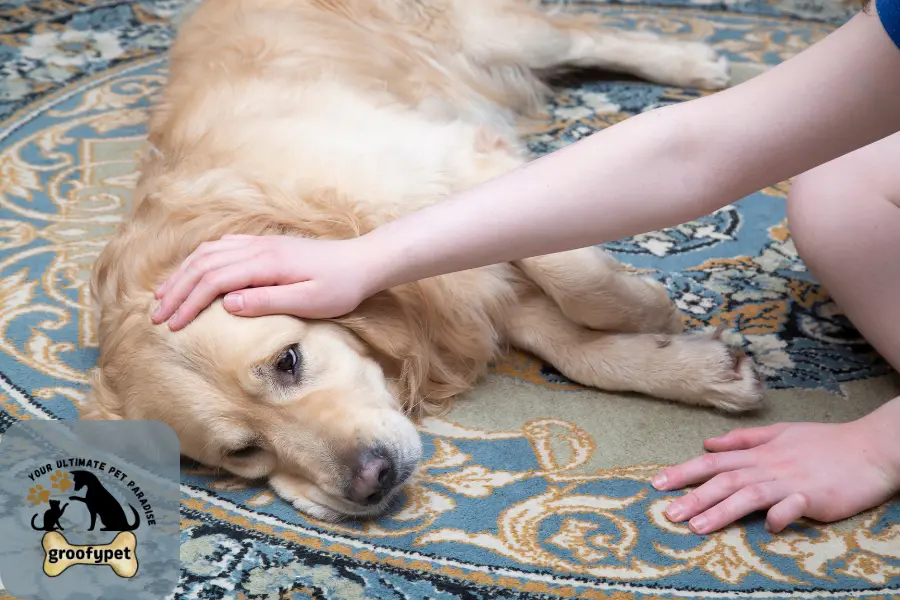
How to know if your dog’s water has broken?
You may notice a sudden small pool of clear or pale yellow fluid under your dog. The area around her back end may look wet. She may lick herself more because she feels the fluid coming out. She may also act restless and look for a quiet place to lie down. The fluid should look thin and watery. If the fluid smells bad or looks dark then she may need help from a vet.
1. Clear fluid from the birth canal
The most common sign is clear fluid. It may look like water. Sometimes it has a faint yellow tint. The fluid can come in a small puddle or in drips. You may notice wet spots under your dog. Check bedding or floor near her. This fluid is normal and healthy. It signals the start of labor soon.
2. Strong smell or no smell
Normally, the fluid has little smell. If it smells strong or bad it could signal infection. Pay attention to any foul odor. Healthy fluid is usually odorless.
3. Wet spot under the dog
A wet spot under the dog is a key sign. Sometimes the dog sits or lies down to release it. Check the area near the tail and hind legs. Clean bedding can help you notice fluid early.
4. Dog licking her vulva
After water breaks, dogs often lick the area. It is their way to clean themselves. This is normal behavior. Do not stop her unless she is injuring herself.
5. Restlessness after fluid release
Some dogs pace, pant or whine after their water breaks. This restlessness signals labor may start soon. Stay calm and watch her.
What color should the fluid be?
The fluid is usually clear or pale yellow and it should look thin and watery. If the fluid looks dark, thick, or bloody then your dog may need quick help from a vet.
1. Normal clear or pale yellow fluid
Clear or light yellow fluid is normal. It shows the puppies are healthy.
2. What green fluid means?
Green fluid may indicate meconium the first poop of the puppies. It usually means labor is progressing.
3. What brown or red fluid means?
Brown or red fluid can be a warning. It may signal bleeding or infection. Contact your vet immediately.
When to call the vet?
Call your vet if the fluid is dark, smells bad or labor is delayed. Early help can save puppies and mother.
How long after a dog’s water breaks should puppies come?
Labor usually starts within 12 to 24 hours after water breaks. Some dogs may take longer. First-time mothers may labor slower. Puppies should come out one by one. Watch for long gaps between births. Strong contractions are normal.
Weak contractions may need veterinary help. If more than 24 hours pass, call your vet. Being prepared with towels and a clean whelping box helps a lot.
Signs labor is about to start even if water does not break
Even if a dog’s water has not broken, labor may begin soon.Look for nesting behavior. She may scratchbedding or rearrange blankets.Some dogs start shaking or panting.This is normal and shows discomfort. Refusing food is another sign
.Her body temperature drops slightly before labor. Strong pushing or abdominal straining may begin.These signs help owners prepare even without fluid release.Watching behavior is more important than waiting for water to break.
1. Nesting behavior
Dogs often create a comfortable space for puppies. They may scratch floors or pull blankets. Nesting shows they are ready for birth. Watch for this behavior closely. It may start hours or a day before labor.
2. Shaking and panting
Panting and shaking are normal signs of stress and excitement. Dogs may pace around the whelping box. This behavior helps release tension. It is usually short-lived before labor begins.
3. Refusing food
Some dogs refuse food before labor. This is normal and natural. Appetite usually returns after puppies are born. Do not force her to eat. Offer water to keep her hydrated.
4. Body temperature drop
A dog’s temperature drops about 12 to 24 hours before labor. Normal temperature is 101 to 102.5°F. A drop below 100°F signals labor may start soon. Check temperature with a clean thermometer.
5. Strong pushing
Dogs may push or strain before water breaks. This is part of early labor. Monitor closely to ensure she is safe. Puppies should arrive within a few hours of strong contractions.
What happens if a dog’s water breaks but no puppies come out?
Sometimes water breaks but puppies do not follow immediately. This can worry dog owners. Delay can happen due to weak contractions or puppy position. Infection risk increases if fluid remains too long. Veterinary help may be needed.
Puppies may be stuck in the birth canal. First-time mothers may take longer. Keep the dog calm. Avoid pushing the puppy yourself unless instructed.
1. Possible delay in labor
Labor may take several hours after water breaks. Small amounts of fluid may leak slowly. Some dogs rest between contractions. Watch her closely and stay calm.
2. Puppy stuck
If a puppy is stuck, urgent help is needed. Signs include strong contractions without progress. Prolonged pushing may tire the mother. Contact the vet immediately.
3. Weak contractions
Weak contractions slow labor. Puppies may not move down the birth canal. Massage and calm presence can help. If labor does not improve, call the vet.
4. Wnfection risk
Fluid left in the uterus too long can cause infection. Watch for foul smell or unusual discharge. Fever and lethargy indicate infection. Prompt veterinary care is essential.
5. When emergency care is needed?
Call the vet if labor stops for more than 2 hours. Heavy bleeding or green/brown fluid is a danger. Rapid veterinary response can save both mother and puppies.
How to help a pregnant dog during labor?
Helping a dog during labor is mostly about observation. Prepare a clean and quiet place. Keep the dog calm and comfortable. Avoid unnecessary stress or loud noises. Have towels, gloves, and clean bedding ready. Offer water and encourage hydration. Monitor contractions but do not interfere. Stay nearby in case of emergencies. Watching her closely ensures puppies are safe.
1. Set a clean and quiet place
A whelping box is ideal. Keep it in a low-traffic area. Line with clean blankets or towels. Dogs feel safer in quiet surroundings.
2. keep the dog calm
Talk gently and stay calm. Avoid sudden movements. Pet her lightly if she allows. Stress can slow labor.
3. Watch for strong pushing
Monitor contractions and pushing. Puppies usually come one by one. Note timing and fluid color. Keep a record for the vet if needed.
4. Keep towels and gloves ready
Prepare to clean puppies if needed. Gloves help keep things hygienic. Towels help dry puppies quickly.
5. Stay close but do not stress her
Observe without crowding. Give space but remain alert. Avoid loud noises. Supportive presence is enough.
What to say to the vet if your dog’s water breaks?
When contacting the vet, give clear information. Mention color of fluid and time of water breaking. Describe contractions or pushing. Include any past pregnancy problems. Note the number of expected puppies.
Mention any abnormal behavior or smell. This helps the vet decide if emergency care is needed. Stay calm and follow instructions.
1. Color of the fluid
Clear or pale yellow is normal. Green, brown, or red fluid may indicate problems. Provide this detail to the vet.
2.Time of the fluid release
Let the vet know when the water broke. Timing helps assess labor progress.
3. Any straining or pain
Describe pushing or signs of discomfort. Weak or prolonged straining is important to report.
4. Past pregnancy problems
If your dog had complications before, inform the vet. History helps them prepare.
5. Number of expected puppies
Mention how many puppies are expected. This helps the vet know if all are delivered safely.
Difference between pee and water breaking
Sometimes owners confuse urine with water breaking. Water is usually clear or pale yellow. Urine has a stronger smell. Water comes in small or large amounts suddenly. Dogs may lie down when water breaks. Urine often occurs when standing or walking.
Mucus may appear with water breaking. Checking the fluid color, smell, and behavior helps distinguish them. Correct identification prevents unnecessary worry.
1. Smell test
Water breaking has little or no odor. Urine has a stronger smell. Smell helps identify the source.
2. Color test
Water is usually clear or light yellow. Urine may be darker yellow. Color helps tell the difference.
3. Behavior test
Dogs may nest, pant, or push with water breaking. Urine is usually a quick release without other signs.
4. Amount of liquid
Water can be a small puddle or gush. Urine usually comes in smaller, controlled amounts. Watch carefully to identify properly.
What false water breaking looks like?
Sometimes fluid leaks, but it is not true water breaking. This is often small drips of urine. Vaginal mucus may also appear during late pregnancy. The discharge is usually clear or slightly whitish. Dogs may lick themselves frequently, but show no contractions.
There is no strong pushing. Bedding may stay mostly dry. False water breaking does not signal immediate labor. Knowing this helps owners stay calm. Monitor the dog’s behavior carefully.
Common problems linked to water breaking
Water breaking is usually safe, but problems can occur. Early labor may cause fluid to leak too soon. Puppies may be in a bad position, making delivery hard. Infection risk rises if fluid is left in the uterus. Weak or first-time mothers may struggle with contractions.
Sometimes puppies are too large or small, causing delays. Watching for green, brown, or foul-smelling fluid is important. Knowing when to call the vet prevents emergencies. Quick action can save both mother and puppies.
1. Early labor
Early labor can cause water to break before puppies are ready. Puppies may be premature. Provide warmth and veterinary care if needed.
2. Puppy in a bad position
Sometimes puppies are sideways or upside down. Labor slows if this happens. The vet may assist delivery.
3. Infection
Fluid left in the uterus too long may cause infection. Watch for fever, unusual smell, or lethargy. Seek immediate care.
4. Weak mother
Some dogs may struggle due to exhaustion or weak contractions. Offer calm support. Veterinary help may be needed.
What happens if a dog’s water breaks early?
Early water breaking can be risky. Puppies may be underdeveloped. Labor may not progress properly. The mother may need extra care. Monitor for green, brown, or foul-smelling fluid. Keep her warm and hydrated. Veterinary attention is critical. Early intervention improves chances of healthy puppies.
1. Signs of early labor
Fluid leaking before contractions is a key sign. Panting, restlessness, and nesting may also appear. Puppies may not be ready to be born.
2.Why early water break is dangerous
Premature puppies may have weak lungs. Infection risk increases. Labor may stall or stop completely.
3.When to rush to the vet
Call the vet if fluid is unusual or no puppies are born after several hours. Quick response can save lives.
Water breaks but the dog acts normal
Sometimes dogs’ water breaks, but they act calm. This is usually normal. Contractions may start later. Puppies may arrive hours after fluid release. Watch for mild restlessness, panting, or nesting. Provide a safe, quiet area.
Keep water and towels nearby. Avoid disturbing the dog unnecessarily. Many dogs deliver normally even after calm water breaking. Being patient and observant is key.
How to prepare for whelping day?
Preparation makes birth safer for mother and puppies. Set up a clean whelping box in a quiet area. Have towels, gloves, and blankets ready. Keep a thermometer to monitor temperature. Know your vet’s contact in case of emergency.
Prepare a notebook to record labor progress. Remove distractions and keep pets away. Offer water and keep the dog calm. Monitoring carefully helps detect problems early.
1. Whelping box setup
A whelping box keeps puppies contained and safe. Line with soft, clean towels. Place in a low-traffic area. Dogs feel secure in this space.
2. Emergency kit
Keep gloves, scissors, towels, and a bulb syringe ready. These help if a puppy needs help breathing or cleaning.
3. Contact of the vet
Keep the vet’s phone number handy. Include after-hours emergency contact. Quick help may save lives.
4. Clean bedding
Use fresh towels and blankets. Change if wet or soiled. Clean bedding prevents infection.
5. Temperature checks
Check your dog’s temperature before labor. A drop below 100°F signals labor may start soon. Monitor frequently.
Natural birth vs assisted birth
Many dogs deliver puppies naturally. Some may need help. Assisted birth occurs if a puppy is stuck or mother is weak. C-section may be needed in emergencies. Know the signs of trouble, like prolonged labor or abnormal fluid. Natural birth is safest when puppies are healthy and mother is strong. Assisted birth ensures survival when complications occur. Understanding both helps owners act promptly.
Does a dog’s water break before labor?
A dog’s water may break before labor, but not always. The sac around the puppies can burst before contractions start. Some dogs show a sudden gush of clear or pale yellow fluid. Others leak only a little or no fluid is seen. Water breaking signals labor may start soon. It is a normal part of pregnancy. Watch your dog for other signs like panting, nesting, and temperature drop. Even if water breaks, puppies may arrive hours later.
Does a dog’s water break before birth?
Yes, sometimes it breaks before the first puppy is born. The fluid protects puppies in the womb. When the sac opens, the fluid leaks out. Not all dogs show a big gush. Some dogs have only small drips.
This helps the dog’s body prepare for delivery. Labor contractions usually follow within a few hours. Monitoring behavior and fluid color is important.
Does a dog’s water break before she has puppies?
Water breaking often happens shortly before the first puppy comes. Some dogs start labor without obvious fluid release. The fluid may appear as a puddle or small wet spots. It signals the body is ready to deliver puppies.
Puppies can take several hours to appear after water breaks. Keep the whelping area clean and calm. Note the time of fluid release. Always be ready to contact a vet if needed.
Does a dog’s water break when pregnant?
Yes, it usually breaks near the end of pregnancy. The amniotic sac around the puppies bursts to allow birth. The fluid keeps puppies safe inside the womb. Not every dog shows visible fluid. Some have small leaks or fluid remains inside.
Water breaking is a natural sign labor is starting. Watch for other pregnancy signs like nesting, restlessness, and panting. Keep the dog comfortable during this time.
What does a dog’s water break look like?
It usually looks like clear or pale yellow liquid. Sometimes it has a light green tint. The fluid can come in a small puddle or a sudden gush. Wet spots appear under the dog or on bedding. There is usually no strong odor.
The dog may lick her vulva to clean herself. Watching for contractions after fluid release is important. Fluid color can signal healthy puppies or problems.
How many times does a dog’s water break?
A dog’s water usually breaks once per pregnancy, right before labor. Some fluid may continue to leak in small amounts. Not all dogs show a visible gush. After the first sac breaks, each puppy may have its own sac.
Owners usually notice only the first big release. Multiple leaks may confuse owners but are normal. The main point is to watch behavior and contractions.
What does a pregnant dog’s water break look like?
It looks like a thin, clear liquid or slightly yellow fluid. Sometimes it is light green or tinged with brown if labor has started. Wet spots may appear under the dog. She may lick the area to clean herself. Small puddles or slow leaking is normal.
The dog may start panting or nesting at the same time. Fluid signals that the uterus is ready to deliver puppies. Watching carefully ensures safe labor.
How long does it take for a dog’s water to break?
Water breaking can happen suddenly or slowly. Some dogs have a single gush. Others leak fluid over hours. Usually, it happens a few hours before labor begins. Puppies may arrive 12–24 hours later. Timing varies by breed and experience. First-time mothers may take longer. Always monitor the dog and have a vet contact ready.
Does a dog’s water always break?
No, it does not always break visibly. Some dogs deliver puppies without noticeable fluid. Fluid may leak slowly or remain inside the sac. Owners should watch for nesting, panting, or temperature drop. Visible water breaking is helpful but not required for normal labor. Focus on other labor signs as well.
Does a dog’s water breaking smell like pee?
Usually, it does not smell like urine. Healthy fluid is mostly odorless or very mild. Urine has a strong smell and often occurs while standing. If fluid smells foul, it may indicate infection. Correct identification helps prevent confusion. Watch the dog’s behavior and bedding.
What does a dog’s water breaking smell like?
It usually has no strong smell. Clear or pale yellow fluid is normal. If you notice a strong or bad odor, contact a vet. Foul-smelling fluid can signal infection or complications. Puppies may be at risk if fluid is left too long. Healthy water breaking is safe and natural.
How long after a dog’s water breaks does she give birth?
Most dogs give birth within 12–24 hours after water breaks. First-time mothers may take longer. Puppies are usually delivered one by one. Watch for contractions and restlessness. Delays longer than 24 hours need veterinary attention. Early intervention can save the mother and puppies. Keep towels, clean bedding, and vet contacts ready.
What does a dog’s water breaking look like?
It is a clear or pale yellow liquid that comes from the vulva. Sometimes there are small puddles or a gush. Light green or brown tinge may occur if labor has started. Dogs may lick themselves after fluid release.
Wet bedding or floor is a common sign. There is usually no strong odor. Contractions usually follow within hours. This fluid signals that the body is preparing for safe puppy delivery.
Frequently Asked Questions
When dogs deliver on their own?
Dogs with experience or healthy puppies often deliver without help. Water breaking signals labor will progress naturally.
When you need a vet?
Call the vet if labor stalls for more than 2 hours after water breaks. Puppies in a bad position also need help.
What signs a c-section may be needed
Green or foul-smelling fluid, strong contractions without puppy delivery, or exhaustion are signs. Quick vet response is essential.
Final Thoughts
Watching your dog during pregnancy and labor is very important. Knowing does a dog’s water break helps you stay prepared. Not all dogs show clear water breaking. Look for fluid color, behavior, and timing. Nesting, panting, and temperature drop are key signs.
Preparing a whelping area, emergency kit, and vet contact makes birth safer. Most dogs deliver naturally. Stay calm, supportive, and observant. Early action in emergencies protects both mother and puppies. Careful attention ensures a smooth and safe birth.
Can Dogs Eat Ahi Tuna? A Caring Guide For Worried Pet Parents!
Can Dogs Eat Carne Asada? Simple Safety Tips You Cannot Ignore!