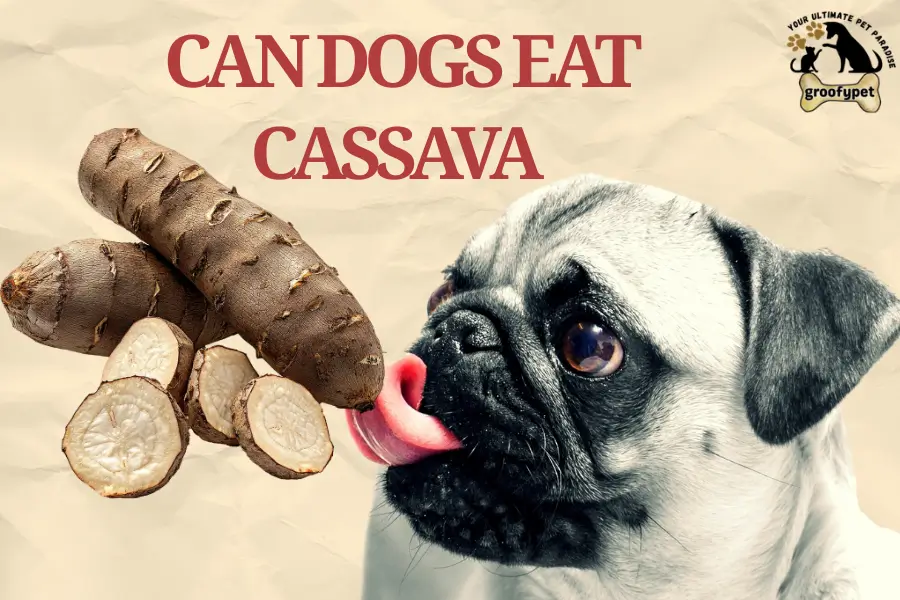
Many caring owners ask can dogs eat cassava when they cook this root at home for their family meals. Cassava is not a common dog food ingredient but it appears in many tropical kitchens and sometimes in gluten free products. The safe answer depends fully on preparation because raw cassava contains cyanogenic glycosides that can harm your pet.
When cooked the toxin level drops and the root becomes less dangerous for dogs. Still it should remain an occasional snack and not a daily meal addition. Dogs need balanced protein healthy fats and proper vitamins from complete dog food formulas.
Cassava mainly provides carbohydrates and energy but not complete nutrition. You should always focus on dog food safety before adding new items to your pet bowl.
Many families grind cassava into flour and use it in bread cakes and tapioca recipes. It serves as a major energy source for millions of people worldwide because it contains high carbohydrates. However this root also carries natural plant defenses that can affect animals.
- Dogs can eat cassava only when it is cooked properly.
- Raw cassava is dangerous because it contains harmful toxins.
- Cassava has natural compounds that can turn into cyanide if not prepared well.
- Always peel and cook cassava before giving it to your dog.
- Plain cassava is safer than fried or seasoned versions.
- Cassava gives energy because it is rich in carbohydrates.
- It does not offer many vitamins or nutrients for dogs.
- Feeding too much cassava can cause stomach upset.
- Avoid giving cassava leaves or skin to dogs.
- Always talk to a vet before adding new foods to your dog’s diet.
Dog owners often search is cassava safe for dogs because they see it in their kitchens. Understanding what cassava is helps you decide wisely when thinking about can dogs eat cassava.
Is cassava toxic to dogs?
Cassava can become harmful to dogs when served raw or undercooked because of natural toxin compounds. These compounds release small amounts of cyanide in cassava during digestion which can disturb your dog digestive health.
Mild exposure may cause stomach upset while higher exposure may lead to serious cyanide poisoning in dogs. Symptoms can include drooling weakness vomiting rapid breathing and confusion. Small dogs face greater danger because their bodies process toxins more slowly.
This plant is sometimes listed among toxic foods for dogs when not prepared properly. Cooking reduces much of the harmful content but careful handling still matters. When people ask can dogs eat cassava they must understand this safety concern clearly.
How cyanogenic glycosides affect dogs?
The natural chemicals inside cassava protect the plant from insects but they can affect dogs negatively. During digestion these chemicals break down and release substances that interfere with oxygen use in the body. When oxygen flow becomes limited dogs may show signs of weakness or fast breathing.
The digestive system may also react with vomiting or loose stool shortly after eating. In rare severe cases the nervous system may show tremors or coordination problems. This reaction explains why raw cassava should never appear in a canine diet safety plan.
Proper cooking lowers these risks but does not make large portions safe. Learning about these effects helps you answer can dogs eat cassava responsibly.
Can dogs eat raw cassava?
Dogs should never eat raw cassava because it carries the highest toxin concentration. Peeling the outer layer does not remove the dangerous compounds inside the flesh. Raw texture is also hard and may create choking hazards for small breeds.
After ingestion dogs may experience digestive distress within a short period. Signs such as vomiting drooling or weakness require immediate attention. If you suspect exposure contact emergency vet care without delay.
Waiting may increase health complications and discomfort for your pet. This strong warning gives a clear answer when someone asks can dogs eat cassava in raw form.
Can dogs eat cooked cassava?
Cooked cassava is safer than raw cassava when prepared correctly and served in small amounts. Boiling helps remove much of the toxic content and softens the texture for easier digestion. You must never add salt spices butter or oil because these extras harm dogs.
Plain preparation supports better dog digestive health and lowers stomach irritation risk. Offer only a small portion and treat it as an occasional snack. Observe your dog for any unusual behavior after feeding this new food. If diarrhea or vomiting appears stop feeding immediately and consult your veterinarian. This cautious method provides a balanced answer to can dogs eat cassava safely.
Proper way to prepare cassava for dogs
Start by peeling the thick brown skin completely because toxins concentrate near the surface. Wash the root thoroughly under clean water to remove dirt and residue. Cut the cassava into smaller pieces so heat reaches every part evenly.
Boil it in plain water until the pieces become very soft and easy to mash. Never fry the root because added oil increases fat intake and may trigger pancreatitis. Allow the cooked cassava to cool fully before serving your pet.
Offer only a small amount and mix it with regular dog food if needed. This simple preparation process improves safety when considering can dogs eat cassava.
Nutritional value of cassava for dogs
Cassava mainly provides carbohydrates which act as an energy source for active dogs. It contains small amounts of vitamin C potassium and dietary fiber. The fiber may support bowel movement when served in limited quantities.
However cassava lacks protein essential amino acids and healthy fats required for a balanced canine diet. Dogs need nutrients that support muscle growth immune strength and coat health. Commercial dog food formulas usually meet these nutritional needs more effectively.
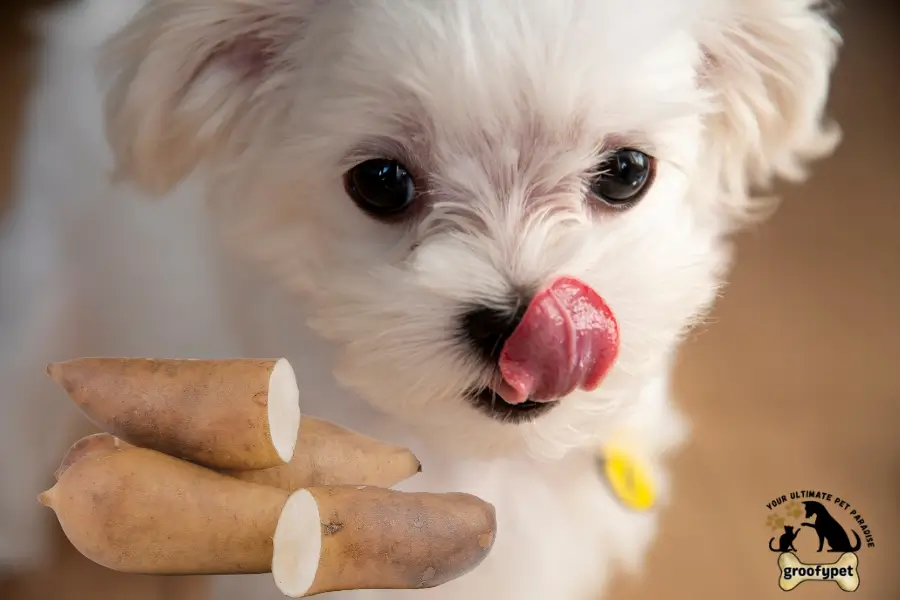
Cassava cannot replace complete meals designed for pets. Its limited nutrition explains why moderation matters when asking can dogs eat cassava.
Risks of feeding cassava to dogs
The biggest risk involves toxin exposure from improper preparation or raw feeding. Digestive upset such as diarrhea gas and bloating may occur even with cooked portions.
1. Cyanide poisoning
The uncooked cassava has natural cyanogenic glycoside compounds. These substances have the potential of releasing cyanide to the body of a dog when consumed raw or undercooked. Cyanide does not allow oxygen to get to your cells so that your dog gets very weak or may even have serious health issues.
2. Digestive issues
Dogs can vomit or develop diarrhea following eating cassava particularly when they consume them raw or in large quantities. The digestive system is not able to digest the high starch and possible toxins.3. Choking hazard
Raw cassava is thick and tough. Pieces that have not been cooked or cut properly may end up choking small dogs or puppies. To minimize this, it is advisable to always peel and boil before serving.
4. Allergic reactions
There is a possibility of skin irritation, itching or slight digestive problems in some dogs that ingested cassava. Rarely allergic responses may occur, therefore, observe after the initial feeding.
5. Nutrient imbalance
Cassava contains high carbohydrates and has very little protein, healthy fats, vitamins and minerals. When your dog consumes cassava in excess, then it can substitute important foods leading to an unbalanced nutrition.
6. Weight gain
Cassava is high in carbohydrates and energy. Overfeeding may result in weight gain and obesity among dogs particularly in case they are small and lazy breeds.
7. Pancreatitis risk
Fried cassava snacks such as chips are high in fat. Excessive fat may cause pancreatitis among sensitive dogs, and this is painful and dangerous.
8. Sensitivity of puppies
Puppies are very sensitive when it comes to digestive system. They can be fed on cassava, even cooked, but in large amounts, and this will upset their stomach, and will interfere with their growth.
9. Leaf or peel toxicity
Cassava leaves and thick peel of the root have more toxins. Its feeding can lead to serious poisoning, and it is necessary to resort to a veterinary expert.
10. Long-term digestive problems
When fed regularly, cassava can lead to chronic diarrhea, gas or bloating in dogs. With time, their digestive system will be sensitive to starchy food.
These risks must guide every decision related to can dogs eat cassava.
Potential benefits of cassava for dogs
When properly cooked cassava may offer mild digestive comfort for some dogs. Its soft texture can work as a bland food option during minor stomach upset. The carbohydrate content supplies quick energy for active breeds.
1. Energy source
Cassava contains high amounts of carbohydrates, which give quick energy to the active dogs. It is able to assist working dogs or highly playful breeds temporarily.
2. Gluten-free option
Cassava is naturally gluten-free and as such, is a good option to use on dogs with sensitivity to wheat or gluten in standard foods.
3. Simple to digest
Well cooked cassava is soft and kind to the stomach of a dog particularly those that are recovering after slight digestive complications.
4. Bland food option
Boiled cassava may be used as a bland food in case of nausea or diarrhea in dogs. It is light, relaxing and will not irritate their stomach so much as foods that are highly seasoned.
5. Carbohydrate diversity
Cassava provides diversity to the diet of the dog when it is offered once every now and then as an alternative source of carbs (as opposed to rice or potatoes).
6. Weight gain energy
In underweight dogs, starchy constituent of cassava can make them gain weight safely provided that they are fed in low quantity and combined with the adequate protein and fats.
7. Simple to prepare
It is simple to boil cassava without spices and oils, which means that this meal can be cooked by pet owners at home without any difficulties.
8. Temporality dietary relief
Cassava can be used temporarily as a dietary supplement in dogs who are on a bland diet or vomited, to the point that it is easy to digest.
9. Low allergen risk
Cassava has a lower tendency of causing common food allergies in dogs than wheat, corn or soy. This is why it is a safer variant in case of sensitive dogs.
10. Natural caffeine-free energy
In contrast to snacks that are made by humans, plain cassava is an energy source with no harmful additives, caffeine, or even sugar, which makes it a natural choice to have as a snack.
Even with these points benefits remain limited compared to safer vegetables. This balanced view helps owners understand can dogs eat cassava without exaggeration.
Can puppies eat cassava?
Puppies have delicate digestive systems that react strongly to new foods. Their growing bodies need high quality protein and balanced minerals for development. Cassava does not provide these essential nutrients in adequate amounts.
Even small exposure to toxins may create stronger reactions in young dogs. Most veterinarians recommend avoiding unnecessary starchy treats during puppy growth stages. Safer alternatives like plain rice or pumpkin support sensitive stomach needs better.
Always consult a professional before introducing unfamiliar foods to puppies. This guidance offers clarity when owners wonder can dogs eat cassava at a young age.
Can dogs eat cassava flour or tapioca?
Cassava flour and tapioca come from processed cassava root and appear in many gluten free products. When fully processed the toxin levels become much lower than raw root. Some grain free dog food brands include tapioca as a carbohydrate source.
You should still check labels carefully to avoid added salt sugar or artificial flavoring. Offer homemade items only in small portions and observe tolerance. Excess carbohydrates may still lead to weight gain if fed frequently.
Balance remains essential in any dog nutrition guide plan. These details help answer can dogs eat cassava in flour form.
What happens if my dog eats cassava?
If your dog eats raw cassava monitor behavior closely for early warning signs. Vomiting drooling weakness or unusual breathing require urgent action. Contact your veterinarian immediately and describe the amount consumed.
Quick response improves treatment success in toxin exposure cases. If the cassava was cooked and plain the risk becomes lower but observation still matters. Provide fresh water and keep your dog calm during monitoring. Never attempt home remedies without professional advice. This action plan supports responsible answers to can dogs eat cassava emergencies.
Safer alternatives to cassava for dogs
- Many vegetables offer safer nutrition than cassava for dogs.
- Plain sweet potatoes provide fiber vitamins and gentle digestion support.
- Pumpkin helps regulate bowel movement and appears often in sensitive stomach diets.
- Boiled white rice serves as a mild carbohydrate during stomach upset.
- Carrots deliver natural crunch and beneficial nutrients without toxic risk.
- Oatmeal also works as a simple grain option in moderation.
- These alternatives appear commonly in safe human foods for dogs lists.
- Choosing these options reduces worry when deciding can dogs eat cassava.
Can dogs eat cassava flour?
Cassava flour comes from ground cassava root and is used in baking and gluten free cooking. It is safer than raw cassava but it is still not ideal for dogs. It may contain small traces of natural toxins. Plain cassava flour in tiny amounts may not harm dogs but it offers very little nutrition.
Many flour products also have sugar, salt, or preservatives which are unsafe. It is better to avoid feeding cassava flour directly. If you want to give treats, make sure they are homemade with dog-friendly ingredients. Always introduce new foods slowly and watch how your dog reacts.
Can dogs eat cassava cake?
Cassava cake is usually sweet and may contain sugar, milk, or butter. Dogs should not eat cassava cake because sugar and fat can upset their stomach and cause weight gain. Some cakes also have eggs or flavorings that are hard for dogs to digest.
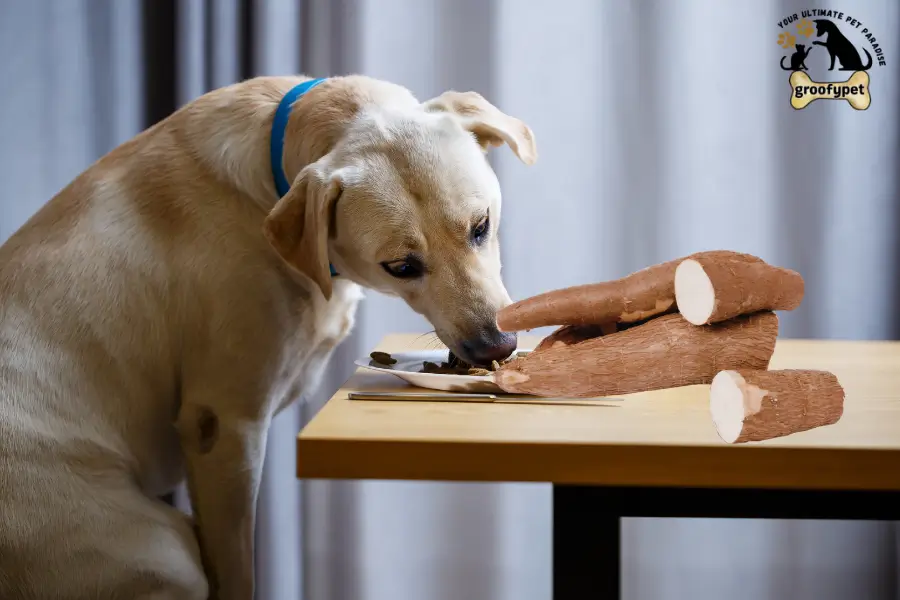
The cassava itself is not toxic when cooked but combined with other ingredients it becomes unhealthy. Feeding cassava cake occasionally may not be life-threatening but it is not recommended.
Dogs need protein and nutrients that support growth and health, not sugary treats. Stick to plain boiled vegetables or lean meat if you want to give a treat.
Can dogs eat cassava chips?
Cassava chips are crunchy and often fried or salted. They are not safe for dogs because fried foods have unhealthy oils and too much salt. Chips can cause vomiting, diarrhea, or stomach upset. Feeding them frequently may lead to obesity or pancreatitis.
Even baked cassava chips should only be given very rarely in tiny amounts. Dogs do not need processed snacks like chips. Safe alternatives include plain cooked cassava or sweet potatoes. Never add spices or seasonings.
Can dogs eat cassava root?
Raw cassava root is toxic to dogs because it contains natural compounds that can release cyanide in the body. Eating raw cassava can cause vomiting, drooling, weakness, or severe poisoning. Cooking the root thoroughly removes most toxins but it must be plain with no salt or spices.
Small boiled pieces of cassava root can be an occasional treat. Always peel the thick skin completely before cooking. Dogs should never eat raw or partially cooked cassava root. Proper preparation is very important for safety.
Can dogs eat cassava cooked?
Cooked cassava is safer than raw cassava because boiling removes most toxins. Only small portions of plain boiled cassava are suitable for dogs. Do not add salt, butter, or spices because they can harm your dog.
Cooked cassava provides a mild source of carbohydrates and energy but not complete nutrition. Serve it occasionally as a treat and watch for stomach upset. Cooking makes it soft and easier to chew. Proper preparation ensures it is safer for dogs.
Can dogs eat cassava starch?
Cassava starch is a processed product used in cooking and baking. It is usually safe in very small amounts but provides almost no nutrients for dogs. High carbohydrates can lead to weight gain if fed regularly. Some starch products contain additives or preservatives which are unsafe.
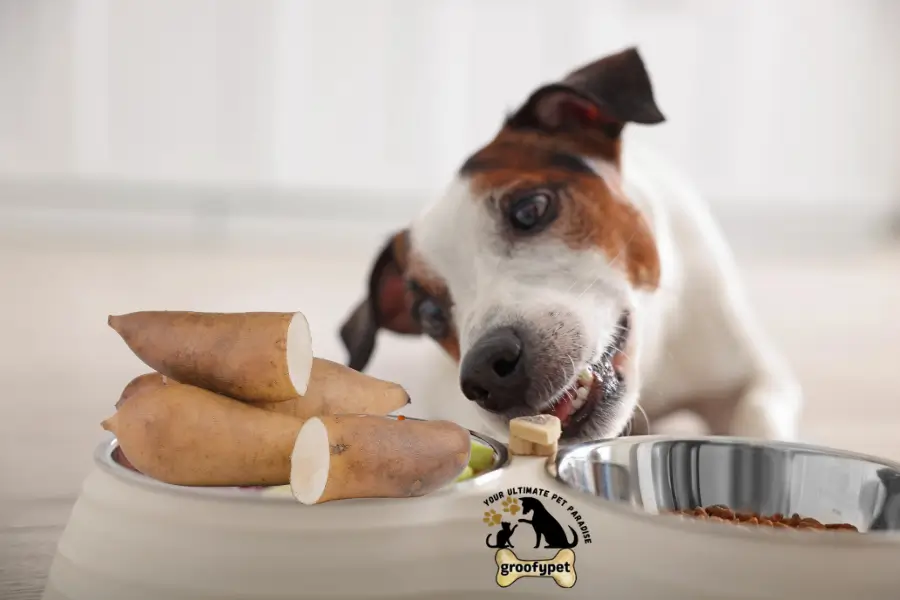
Feeding cassava starch occasionally is not dangerous but it should not replace dog food. Dogs need protein, fiber, and healthy fats for growth and energy. Homemade treats using plain starch are a safer option. Always feed small portions and monitor your dog.
Can dogs eat cassava leaves?
Cassava leaves are not safe for dogs because they contain natural toxins even after cooking. Eating leaves can cause cyanide poisoning and digestive upset. Dogs are more sensitive than humans to these compounds. Symptoms may include vomiting, weakness, or difficulty breathing.
Humans sometimes cook leaves for food but dogs should never eat them. Always remove leaves from cassava meals before sharing. Stick to dog-safe vegetables like pumpkin, carrots, or green beans. Avoid cassava leaves completely.
Can dogs eat cassava bread?
Cassava bread is made from cassava flour and may contain salt, sugar, or oil. Dogs should not eat it because these ingredients can upset their stomach. Even plain bread is mostly carbohydrates with little nutrition. Feeding cassava bread occasionally may not be dangerous but it is not healthy.
Dogs need protein, fiber, and vitamins to stay healthy. Plain boiled cassava or rice are better options. Bread should never replace a dog’s regular meals.
Can dogs eat cassava flour chips?
Cassava flour chips are baked snacks made from cassava flour. They are safer than fried chips but still not ideal for dogs. Some brands add salt, sugar, or flavoring which can upset the stomach. Even plain baked chips have little nutritional value.
Feeding them occasionally is okay in very small amounts but they should not replace healthy dog food. Dogs need protein and healthy fats for proper growth. Homemade snacks with plain cooked cassava are safer. Always watch your dog for any signs of digestive upset.
Frequently Asked Questions
Can dogs eat cassava every day?
No, dogs should not eat cassava every day. Even when cooked, it is mostly carbohydrates and has very few nutrients. Feeding it daily may cause weight gain, digestive upset, or nutrient imbalance. It is best as an occasional treat only.
Is raw cassava safe for dogs?
No, raw cassava is not safe. It contains cyanogenic compounds that release cyanide in the dog’s body. Eating raw cassava can cause vomiting, weakness, drooling, and serious poisoning. Always cook cassava before feeding.
Can puppies eat cassava?
Puppies should not eat raw or large amounts of cassava. Their digestive systems are delicate and they need protein, fats, and vitamins for growth. If you feed cassava, give only a tiny boiled portion occasionally.
Can cassava cause poisoning in dogs?
Yes, cassava can cause poisoning if raw or improperly cooked. The toxins may affect the digestive and nervous system. Symptoms include vomiting, diarrhea, weakness, fast breathing, and in severe cases, emergency vet care may be needed.
Can dogs eat cassava leaves?
No, cassava leaves are unsafe. They contain higher levels of natural toxins than the root and can be very dangerous for dogs. Avoid feeding leaves entirely.
Can dogs eat cassava chips or snacks?
Cassava chips, especially fried or salted, are not safe for dogs. They contain high fat, salt, and sometimes spices, which can upset digestion or cause pancreatitis. Occasionally giving plain boiled cassava is much safer.
Can dogs eat cassava flour or bread?
Cassava flour or bread is not ideal for dogs. These are mostly carbohydrates and may contain sugar, salt, or additives. They offer little nutrition and should not replace regular dog meals. Tiny plain portions are safer if you want to try.
What are the signs if a dog eats toxic cassava?
Symptoms may include vomiting, diarrhea, drooling, weakness, tremors, or difficulty breathing. If your dog shows any of these signs after eating cassava, contact a veterinarian immediately.
How should cassava be cooked for dogs?
Peel the cassava completely, cut it into small pieces, and boil until soft. Do not add salt, butter, or spices. Serve only a small portion as an occasional treat. Cool the pieces before giving to your dog.
What are safe alternatives to cassava for dogs?
Safe alternatives include plain boiled sweet potato, pumpkin, carrots, rice, or lean chicken. These options are gentle on the stomach and provide more nutrients than cassava.
Final Thoughts
The question can dogs eat cassava deserves careful and balanced explanation for responsible pet care. Raw cassava is unsafe due to natural toxin compounds that can harm your dog. Properly cooked plain cassava in small portions may be less risky but still unnecessary.
Dogs thrive best on complete balanced commercial diets designed for their needs. Occasional treats should support health rather than create avoidable danger. Always introduce new foods slowly and monitor your pet closely for reactions.
When in doubt seek advice from a trusted veterinary professional. Responsible feeding choices protect your dog and strengthen long term health and happiness.
Can Dogs Eat Pastrami? Risks, Benefits and Safe Alternatives!
Can Dogs Eat Bottle Gourd Safely The Complete Caring Pet Guide!