
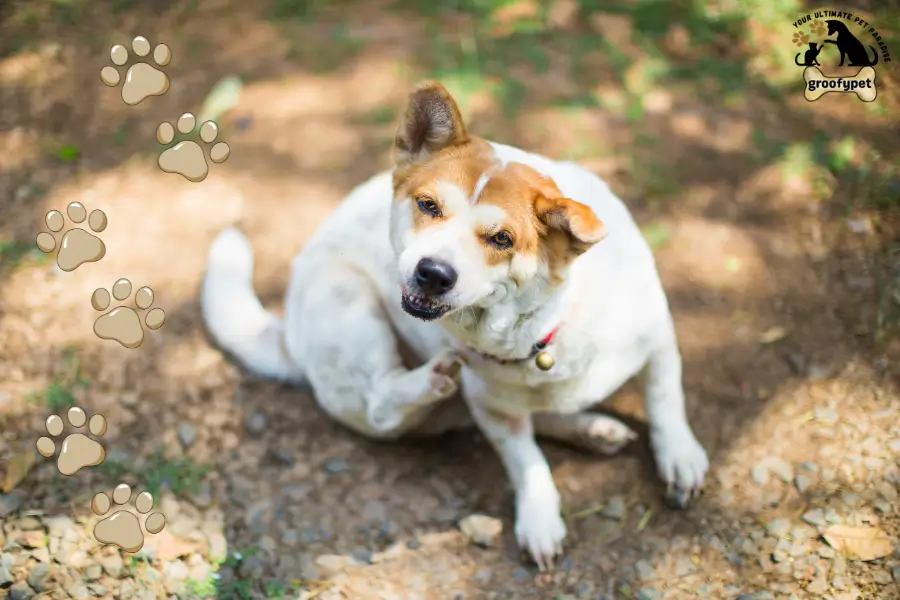
Your dog keeps scratching, biting, and rubbing against furniture all day long, and it really worries you. You have checked the fur many times, but you cannot find a single flea anywhere on the body.Why is my dog itchy but has no fleas, this situation is very common, and many dog owners face this exact same problem every single day around the world.
The truth is, fleas are not the only reason why dogs scratch, itch, and feel uncomfortable all the time. There are many other hidden causes that can make your dog feel itchy, restless, and very unhappy at home.
In this detailed guide, we will explain every possible reason why your dog is itchy but has no fleas. We will also share simple, easy home remedies, treatment options, and tips to help your furry friend feel better soon.
What does it mean when your dog is itchy but has no fleas?
When your dog scratches a lot but has no fleas, it means something else is irritating the skin badly. The itching could come from allergies, dry skin, infections, mites, or even stress and anxiety in dogs. Many pet owners think fleas are the only cause, but that is not true at all in most cases.
Your dog’s body is trying to tell you that something is wrong, and you need to pay close attention now. Ignoring the itch can lead to serious skin problems, open wounds, hair loss, and painful infections over time. So, it is very important to find the real cause, treat it properly, and give your dog some real relief.
Common reasons why is my dog itchy but has no fleas
Dogs can itch without fleas due to environmental allergies like pollen, dust mites, or mold, as well as food allergies triggered by ingredients like chicken, beef, or wheat in their diet. Skin conditions such as dry skin, yeast infections, mange, contact dermatitis or hormonal imbalances like hypothyroidism can also cause persistent itching with no fleas involved.
1. Environmental allergies (Atopic Dermatitis)
Dogs can be allergic to things in the environment, just like humans get hay fever during certain seasons. Pollen, dust mites, mold spores, and grass are some very common triggers that cause itching in many dogs. When your dog breathes in or touches these allergens, the immune system overreacts and causes skin irritation.
You may notice your dog scratching the face, paws, belly, ears, and armpits more than other body parts. Environmental allergies usually get worse during spring, summer, and fall when pollen counts are very high outside. Your vet can do allergy testing to find out exactly what is causing the reaction in your dog.
2. Food allergies and food sensitivities
Some dogs develop allergies to certain ingredients in their food, and this causes terrible itching all over. Common food allergens for dogs include chicken, beef, dairy, wheat, soy, eggs, and corn in many cases. Food allergies cause itching around the ears, paws, rear end, and belly, and they can also cause stomach problems.
Unlike environmental allergies, food allergies happen all year round because your dog eats the same food every day. An elimination diet is the best way to find out which food ingredient is causing the allergic reaction. Your vet will guide you through this process, and it usually takes about eight to twelve weeks to complete.
3. Dry skin
Dry skin is one of the most common reasons why dogs itch, scratch, and feel uncomfortable without any fleas. Cold weather, low humidity, too much bathing, and poor nutrition can all cause your dog’s skin to become dry. When the skin loses moisture, it becomes flaky, rough, and very itchy, which makes your dog scratch constantly.
You may see white flakes on your dog’s coat, which look like dandruff, and the skin may feel rough. Using a moisturizing shampoo, adding omega fatty acids to the diet, and using a humidifier can really help a lot. Make sure you are not bathing your dog too often, because that strips away the natural oils from the skin.
4. Mange (Mites)
Mange is a skin condition caused by tiny mites that burrow into your dog’s skin and cause intense itching. There are two main types of mange, which are demodectic mange and sarcoptic mange, and both cause different symptoms. Sarcoptic mange is very contagious, extremely itchy, and can even spread to humans and other pets in the home.
Demodectic mange is less itchy but causes hair loss, red patches, and scaly skin on the face and legs. Your vet needs to do a skin scraping test to check for mites under a microscope and confirm the diagnosis. Treatment usually includes medicated baths, special shampoos, oral medications, and sometimes injectable treatments from the vet.
5. Bacterial skin infections (Pyoderma)
Bacterial infections on the skin can cause redness, bumps, pus-filled sores, crusty patches, and a lot of itching. These infections often happen when your dog scratches too much, and bacteria enter through small breaks in the skin. Hot spots are a common type of bacterial infection, and they appear as red, moist, and very painful areas.
Pyoderma can affect any part of the body, but it is most common on the belly, groin, and skin folds. Your vet will prescribe antibiotics, medicated shampoos, or topical creams to clear up the infection and stop the itch. Keeping your dog’s skin clean, dry, and well-groomed can help prevent bacterial infections from coming back again.
6. Yeast infections
Yeast infections are another very common cause of itching in dogs, and they often affect warm, moist body areas. The ears, paws, skin folds, groin, and armpits are the most common places where yeast infections develop in dogs. You may notice a musty, unpleasant smell coming from your dog, along with greasy skin and brownish discharge in ears.

Yeast naturally lives on your dog’s skin, but it can overgrow when the immune system is weak or compromised. Allergies, antibiotics, moisture, and hormonal imbalances can all trigger yeast overgrowth and cause intense itching and discomfort. Your vet will prescribe antifungal medications, medicated wipes, ear drops, or special shampoos to treat the yeast infection.
7. Contact dermatitis
Contact dermatitis happens when your dog’s skin touches something irritating, and it causes a local allergic reaction. Cleaning products, laundry detergent, certain fabrics, pesticides, and some plants can all cause contact dermatitis in dogs. The itching and redness usually appear on the belly, paws, chin, or any area that touched the irritant directly.
You may notice small red bumps, blisters, or swollen skin in the affected area, and your dog will scratch a lot. Removing the irritant from your dog’s environment is the first and most important step to stop the reaction. Your vet may also prescribe anti-itch creams, antihistamines, or short-term steroids to reduce the inflammation and discomfort.
8. Hormonal Imbalances
Hormonal problems like hypothyroidism and Cushing’s disease can cause skin changes, hair loss, and itching in dogs. When hormones are out of balance, the skin becomes thin, dry, and more prone to infections, which causes itching.
Dogs with hypothyroidism often gain weight, feel tired, lose hair symmetrically, and have dull, dry, flaky skin overall. Cushing’s disease causes increased thirst, frequent urination, a pot belly, thin skin, and recurring skin infections in dogs.
Your vet will need to run blood tests to check hormone levels and determine the exact cause of the problem. Once the hormonal imbalance is treated with proper medication, the skin problems and itching usually improve a lot over time.
9. Parasites other than fleas
Fleas are not the only parasites that can make your dog itch, scratch, and feel miserable all day long. Ticks, lice, chiggers, and ear mites are other parasites that can cause intense itching and skin irritation in dogs.
Ear mites cause dark, crusty discharge in the ears, and your dog will shake the head and scratch ears constantly. Lice are tiny insects that attach to the hair and cause itching, and they are most common in young puppies.
Your vet can identify the specific parasite by examining your dog’s skin, fur, and ears under a magnifying tool. Treatment depends on the type of parasite, and it may include topical treatments, oral medications, or medicated ear drops.
10. Anxiety and stress
Believe it or not, stress, anxiety, and boredom can actually cause your dog to scratch, lick, and chew the skin. Dogs that are left alone for long periods, experience changes in routine, or feel anxious may develop compulsive scratching habits.
This behavior is similar to how some people bite their nails or pick at their skin when they feel nervous. Over time, the constant licking and chewing can cause hair loss, raw spots, and skin infections called lick granulomas.
Providing more exercise, mental stimulation, interactive toys, and quality time can help reduce stress-related itching in dogs. In severe cases, your vet may recommend behavioral training, calming supplements, or anti-anxiety medication to help your dog relax.
11. Ringworm (Fungal Infection)
Ringworm is not actually a worm, but it is a fungal infection that causes circular patches of hair loss on dogs. The affected areas may appear red, scaly, crusty, and slightly raised, and they can be mildly itchy for your dog.
Ringworm is contagious and can spread to other pets and even to humans in the household through direct contact. Puppies, older dogs, and dogs with weak immune systems are more likely to get ringworm infections than healthy adults.
Your vet will diagnose ringworm using a special UV light, fungal culture, or skin scraping test at the clinic. Treatment includes antifungal medications, medicated shampoos, and thorough cleaning of your home to prevent the infection from spreading.
12. Seasonal allergies
Many dogs experience seasonal allergies that come and go depending on the time of year and weather conditions outside. In spring, pollen from trees and flowers fills the air, and in fall, ragweed and mold spores become the problem.
Your dog may scratch more during certain months, and then the itching may calm down during winter months completely. Seasonal allergies often affect the paws, face, ears, belly, and armpits, and the skin may turn red and inflamed.
Wiping your dog’s paws and body after walks can help remove allergens and reduce the amount of itching significantly. Your vet may recommend antihistamines, allergy shots, or prescription medications like Apoquel or Cytopoint for seasonal relief.
Symptoms to watch for when your dog is itchy
Why is my dog itchy but has no fleas?Here are some important signs and symptoms you should watch for when your dog is itchy without fleas:
- Constant scratching, biting, licking, or chewing at the skin, paws, ears, or belly throughout the day
- Red, inflamed, or swollen skin in certain areas, especially on the belly, armpits, ears, and paws
- Hair loss or bald patches on the body, face, legs, or tail that seem to appear without any reason
- Flaky, dry, or scaly skin that looks like dandruff and falls off when you brush your dog’s coat
- Hot spots, which are red, moist, and painful areas that appear suddenly and grow bigger very quickly
- Bumps, pimples, or pus-filled sores on the skin that may crust over and look infected or irritated
- Dark, thick, or discolored skin, especially in areas where your dog scratches and licks the most
- Bad smell coming from the skin, ears, or paws, which usually indicates a yeast or bacterial infection
- Excessive ear scratching, head shaking, or brown discharge inside the ears that smells really bad
- Scooting the rear end on the floor, which may indicate anal gland problems or allergies causing irritation
How to diagnose the cause of itching in dogs?
A vet typically diagnoses the cause of itching in dogs through a physical examination, skin scrapings, allergy tests, and blood work to identify underlying conditions. Identifying the root cause — whether it’s allergies, parasites, fungal infections, or skin diseases — is essential before starting any treatment plan.
1. Visit your veterinarian first
Why is my dog itchy but has no fleas?The very first thing you should do when your dog is itchy without fleas is to visit your veterinarian. Your vet will do a full physical exam, check the skin, look at the ears, and ask about your dog’s history. They may also ask about your dog’s diet, environment, grooming routine and any recent changes in the household. A proper diagnosis is very important because different causes of itching need completely different treatments to work effectively.
2. Skin scraping test
A skin scraping test helps the vet check for mites, fungal infections, and other microscopic organisms on the skin. The vet gently scrapes a small area of skin and examines the sample under a microscope to look for parasites.
3. Allergy testing
Allergy testing can help identify the specific allergens that are causing your dog’s itching and skin problems. Blood tests and intradermal skin tests are two common methods that vets use to find out what triggers allergies.
4. Elimination diet trial
If your vet suspects a food allergy, they will recommend an elimination diet to identify the problem ingredient. This involves feeding your dog a special diet with limited ingredients for eight to twelve weeks and monitoring results.
5. Blood tests for hormonal issues
Blood tests can check thyroid levels, cortisol levels, and other hormones to rule out conditions like hypothyroidism and Cushing’s. If a hormonal imbalance is found, your vet will start the appropriate treatment to correct the problem.
6. Fungal culture
A fungal culture test helps diagnose ringworm and other fungal infections that may be causing your dog’s itching. The vet takes a sample of hair or skin and sends it to a lab, and results usually take a few days.
Home remedies to help your itchy dog
Bathing your dog with colloidal oatmeal shampoo, applying diluted coconut oil to irritated skin, and rinsing with cool water can provide quick natural relief from itching. Adding omega-3 fatty acids to your dog’s diet and using a diluted apple cider vinegar spray on non-broken skin are also popular home remedies that help soothe inflammation and reduce itching.
1. Oatmeal baths
Oatmeal baths are a very soothing, natural remedy that can help calm your dog’s itchy, irritated, and inflamed skin. You can grind plain oatmeal into a fine powder, mix it with warm water, and let your dog soak for about fifteen minutes.
Oatmeal has natural anti-inflammatory properties that help reduce redness, swelling, and itching on the skin very effectively. Make sure you use plain, unflavored oatmeal without any added sugar, salt, or artificial flavors for the bath.
2. Coconut Oil
Coconut oil is a wonderful natural moisturizer that can help soothe dry, flaky, and itchy skin on your dog. You can apply a thin layer of virgin coconut oil directly to the itchy areas, and it will help lock in moisture.
Coconut oil also has antibacterial and antifungal properties, which can help prevent minor skin infections from getting worse. You can also add a small amount of coconut oil to your dog’s food to improve skin health from the inside.
3. Apple cider vinegar spray
Apple cider vinegar has natural antibacterial and antifungal properties that can help relieve mild itching in dogs quickly. Mix equal parts of raw apple cider vinegar and water in a spray bottle, and spray it on itchy areas.
Do not spray apple cider vinegar on open wounds, raw skin, or broken skin because it will sting and cause pain. This remedy works best for mild itching caused by dry skin, minor irritations, or small yeast-related skin issues.
4. Omega fatty acid supplements
Adding omega-3 and omega-6 fatty acid supplements to your dog’s diet can greatly improve skin health and reduce itching. Fish oil is the most popular source of omega fatty acids, and most dogs love the taste of it in food.
Omega fatty acids help strengthen the skin barrier, reduce inflammation, and keep the coat shiny, soft, and healthy looking. You can find omega supplements in liquid form, capsule form, or in specially formulated dog foods at pet stores.
5. Aloe vera gel
Pure aloe vera gel is a natural, cooling, and soothing remedy that can help reduce itching and heal irritated skin. Apply a thin layer of pure, pet-safe aloe vera gel directly to the itchy or red areas on your dog’s skin.
Make sure you use aloe vera gel that does not contain any added chemicals, fragrances or alcohol that could irritate skin. Aloe vera helps moisturize the skin, reduce redness and promote healing of minor scratches and skin irritations naturally.
6. Regular brushing and grooming
Brushing your dog’s coat regularly helps remove dead skin cells, dirt, allergens, and loose fur that can cause itching. Regular grooming also helps distribute natural oils evenly across the skin and coat, keeping everything moisturized and healthy.
Use a gentle brush that is appropriate for your dog’s coat type, and brush at least two to three times per week. Grooming time is also a great opportunity to check your dog’s skin for any redness, bumps, rashes, or unusual changes.
Veterinary treatment options for itchy dogs
Vets may prescribe antihistamines, corticosteroids, or newer medications like Apoquel and Cytopoint to effectively control itching in dogs. In cases of underlying skin infections or allergies, medicated shampoos, antibiotics, antifungals, or allergen-specific immunotherapy may also be recommended as part of a complete treatment plan.
Antihistamines
Your vet may recommend over-the-counter or prescription antihistamines to help reduce allergic reactions and relieve itching. Common antihistamines for dogs include diphenhydramine, cetirizine, and loratadine, but always check with your vet first for dosing. Antihistamines work best for mild allergies, and they may not be strong enough for severe itching or chronic allergies.
Apoquel (Oclacitinib)
Apoquel is a prescription medication that works very fast to stop itching and inflammation caused by allergies in dogs. It targets specific itch signals in the body, and many dogs feel relief within four to twenty-four hours after taking it. Apoquel is commonly used for environmental allergies, atopic dermatitis, and other allergic skin conditions in adult dogs over one year.
Cytopoint Injections
Cytopoint is an injectable treatment that blocks itch signals in the body, and it provides relief for about four to eight weeks. It is a very safe and effective option for dogs with environmental allergies, atopic dermatitis, and chronic itching problems. Your vet will give the injection at the clinic, and you do not need to give your dog any daily pills at home.
Medicated Shampoos
Medicated shampoos containing ingredients like chlorhexidine, ketoconazole, benzoyl peroxide, or oatmeal can help treat skin infections and itching. Your vet will recommend the right shampoo based on whether the problem is bacterial, fungal, or allergy-related in nature. Follow the instructions carefully, and make sure to let the shampoo sit on the skin for the recommended contact time before rinsing.
Steroids and Corticosteroids
In severe cases of itching, your vet may prescribe short-term steroids like prednisone to quickly reduce inflammation and itching. Steroids are very effective, but they can have side effects like increased thirst, hunger, urination, and weight gain over time. Your vet will use steroids carefully and usually only for short periods to manage flare-ups and provide quick relief.
Antibiotics and Antifungals
If your dog has a bacterial or fungal skin infection causing the itch, your vet will prescribe appropriate antibiotics or antifungals. It is very important to complete the full course of medication, even if the skin looks better before the medicine runs out. Stopping antibiotics or antifungals too early can cause the infection to come back, and it may be harder to treat next time.
Immunotherapy (Allergy Shots)
For dogs with severe environmental allergies, your vet may recommend immunotherapy, which involves regular allergy shots or drops. Immunotherapy works by slowly exposing your dog’s immune system to small amounts of the allergen over time to build tolerance. This treatment takes several months to start working, but it can provide long-term relief and reduce the need for daily medications.
How to prevent itching in dogs?
Why is my dog itchy but has no fleas?Regular grooming, a balanced diet, and routine vet checkups are the best ways to prevent itching in dogs. Keeping your dog clean, avoiding known allergens, and using vet-recommended flea prevention products can go a long way in maintaining healthy, itch-free skin.
Feed a high-quality diet
A balanced, high-quality diet is one of the best ways to keep your dog’s skin healthy, moisturized, and itch-free. Look for dog foods that contain real meat, omega fatty acids, vitamins, and minerals, and avoid cheap fillers and by-products. If your dog has food allergies, work with your vet to find a limited-ingredient or hypoallergenic diet that works best.
Keep your home clean
Regular cleaning of your home can help reduce allergens like dust mites, mold spores, and pollen that cause itching. Vacuum carpets, wash dog bedding in hot water every week, and keep your home well-ventilated and dry to prevent mold growth. Using air purifiers with HEPA filters can also help remove airborne allergens and improve air quality in your home.
Bathe your dog properly
Bathing your dog with a gentle, moisturizing shampoo every two to four weeks helps remove allergens, dirt, and irritants from skin. Do not bathe your dog too often, because over-bathing strips away natural oils and makes the skin dry and itchy. Always use lukewarm water, and make sure to rinse the shampoo completely to avoid leaving any residue on the skin.
Use flea and parasite prevention year-round
Even though your dog does not have fleas right now, using year-round flea and parasite prevention is still very important. Monthly preventatives protect your dog from fleas, ticks, mites, and other parasites that can cause itching and skin problems. Talk to your vet about the best flea and tick prevention product for your dog’s size, age, and lifestyle needs.
Wipe paws after walks
Wiping your dog’s paws, belly, and face with a damp cloth after outdoor walks helps remove pollen, grass, and other allergens. Why is my dog itchy but has no fleas?This simple habit can significantly reduce the amount of allergens your dog brings inside the house after every walk. You can use pet-safe grooming wipes or a clean, damp towel to quickly clean your dog after each outdoor adventure.
Provide mental stimulation and exercise
Keeping your dog mentally stimulated and physically active helps reduce stress, boredom, and anxiety-related scratching and licking. Provide puzzle toys, interactive feeders, daily walks, playtime, and training sessions to keep your dog’s mind and body engaged. A happy, tired dog is much less likely to develop compulsive licking, chewing, or scratching habits out of boredom.
Regular vet check-ups
Taking your dog to the vet for regular check-ups at least once or twice a year helps catch skin problems early. Your vet can monitor your dog’s skin health, check for infections, adjust allergy treatments, and recommend preventive care measures.
Early detection and treatment of skin issues can prevent minor problems from turning into serious, painful, and expensive conditions.

When to see the vet immediately?
You should take your dog to the vet right away if you notice any of the following serious signs and symptoms:
- The itching is so severe that your dog cannot sleep, eat, rest, or enjoy normal daily activities anymore
- You see open wounds, bleeding sores, or large areas of raw, exposed skin from excessive scratching and chewing
- The itching has been going on for more than a week, and home remedies are not providing any relief at all
- Your dog has a fever, is lethargic, has lost appetite, or seems very sick along with the itching
- You notice sudden, rapid hair loss, large bald patches, or unusual skin color changes on your dog’s body
- The ears have a strong, bad smell, dark discharge, or your dog is shaking the head constantly and crying in pain
- Swelling of the face, lips, eyes, or throat, which could indicate a serious allergic reaction that needs emergency care
Frequently Asked Questions
Can I give my dog Benadryl for itching at home?
Yes, many vets say Benadryl is generally safe for dogs, but you should always check with your vet for the correct dosage. The typical dose is one milligram per pound of body weight, given two to three times per day as needed. Never give your dog any medication without consulting your vet first, because some dogs may have adverse reactions to it.
How do I know if my dog has a food allergy or environmental allergy?
Food allergies usually cause year-round itching, while environmental allergies often get worse during certain seasons of the year. Food allergies commonly cause itching around the ears, paws, and rear end, along with digestive problems like vomiting or diarrhea. Your vet can help determine the type of allergy through testing, elimination diets, and a thorough review of symptoms.
Can stress really make my dog itchy and cause skin problems?
Yes, stress and anxiety can absolutely cause excessive licking, scratching, chewing, and even hair loss in dogs over time. When dogs feel anxious, bored, or stressed, they may develop compulsive behaviors that damage the skin and cause infections. Addressing the root cause of stress, providing more exercise, and working with a behaviorist can help solve this problem.
Is coconut oil safe to put on my dog’s skin for itching relief?
Yes, virgin coconut oil is generally safe to apply to your dog’s skin, and it can help moisturize dry, itchy areas. Apply a small amount to the affected area, and monitor your dog to make sure they do not lick off too much. If your dog eats a large amount of coconut oil, it may cause an upset stomach or diarrhea, so use it sparingly.
How often should I bathe my itchy dog to help with the scratching?
For itchy dogs, bathing every one to two weeks with a gentle, medicated, or oatmeal-based shampoo is usually recommended. Over-bathing can strip natural oils from the skin and make the dryness and itching even worse over time. Always follow your vet’s specific bathing recommendations, because the ideal frequency depends on the cause of the itching.
Conclusion
Finding out why your dog is itchy but has no fleas can feel frustrating, confusing, and overwhelming as a pet owner. However, there are many possible causes, and the good news is that most of them are very treatable with proper care.
Why is my dog itchy but has no fleas?Allergies, dry skin, infections, mites, hormonal problems, and stress are some of the most common reasons for itching. The key is to visit your vet, get a proper diagnosis, and follow the recommended treatment plan for your specific dog. You can also use home remedies like oatmeal baths, coconut oil, omega supplements, and regular grooming to support your dog’s healing.
With patience, the right treatment, and lots of love, your furry friend will stop scratching and feel comfortable again soon. Remember, your dog depends on you to notice when something is wrong, so never ignore persistent itching or skin changes. Take action today, and help your best friend live a happy, healthy, itch-free life from now on.
Why Does Dog Grinding Teeth When Settling Down Sound So Alarming