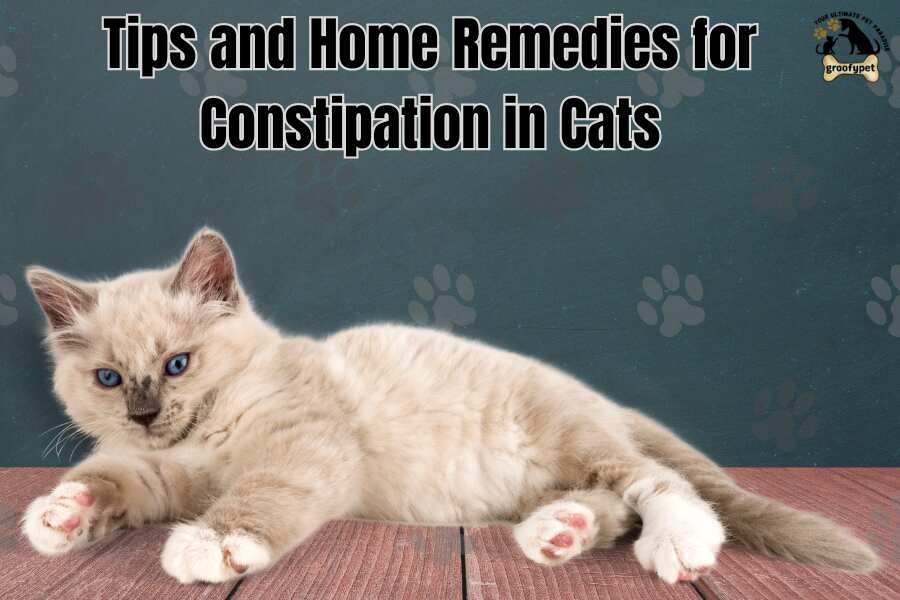
Natural Remedy for cat constipation is a common question and routine problem for cats. As a cat owner you must be aware that your pet suffers some of the same health issues you do. Are you a cat lover, yet another difficult problem that most cats get experienced with? Yes! off course : Constipation.
Although it may not be that serious initially, long-term constipation can cause discomfort to your cat and be a sign of health issues. You must act quickly and help your pet who is not feeling well as a responsible cat parent.Natural treatments for cat constipation
These solutions are secure, cost-free, and can frequently be located in the home. We are going to go through different methods you can use that will help your cat have normal fecal movements, supported by diet changes and even environmental ones.
- Fiber helps: Adding fiber, like plain canned pumpkin, can soften stool and improve bowel movements.
- Hydration is vital: Fresh water and wet food keep cats hydrated, which prevents constipation.
- Small amounts of oils: Tiny amounts of olive or coconut oil can lubricate the digestive system safely.
- Exercise aids digestion: Regular play and activity stimulate the intestines naturally.
- Probiotics support gut health: They improve digestion and make stools easier to pass.
- Tummy massage and warmth: Gentle abdominal massage or a warm bath can encourage bowel movements.
- Consistency matters: Regular diet, hydration, and activity prevent recurring constipation.
- Avoid human laxatives: Many are unsafe for cats and can cause harm.
- Monitor litter box habits: Early signs of constipation allow faster, safer intervention.
- Natural remedies work best gently: Slow, steady approaches are safer than quick fixes.
There are many ways to improve digestion for your cat, whether that means adding more fiber into their diet or eating and drinking water as well as using gentle herbal supplements.
Therefore, if you see any signs of your cat straining in the litter-box or their behavior has changed when it comes to going potty, keep on reading. Get tips and advice to help your cat at every stage of life, happy and healthy the natural way. So let’s begin the work to improve cat digestive health!
Natural Remedy For Cat Constipation-The Best Answer
For mild cat constipation, try increasing their water intake, adding fiber to their diet (like canned pumpkin), and encouraging more exercise. You can also offer a small amount of olive oil or plain Make sure their litter box is clean and accessible and consider massaging their abdomen gently. Consult with your vet if the situation doesn’t improve.
Symptoms of constipation
- Decreased appetite
- Lethargy
- Abdominal pain (Difficult or painful defecation (hunched posture in they want to poop)
- Straining or crying while passing feces
- Constipation
- Small Hard Dry Companies
Natural Remedy For Cat Constipation: Tips and Home Remedies
Here are some probable lifestyle changes at home that may help your cat fight against constipation
1.Dietary Changes
One of the best ways to help a constipated cat is by altering its diet. Prepare Different Strategies
Increase Fiber Intake
Fiber is important for keeping your cat regular, and a diet rich in fiber can help with constipation. So, here are some strategies to increase the fiber of your cat:
When it comes to fiber, a teaspoon of canned pumpkin or sweet potato can be blended into cat foods. Pumpkin and sweet potato are not only high in fiber, but they also tend to be easy on your cat’s stomach and with good smell so these may help encourage more frequent defecation.
This might entail changing your cat over to high-fiber cat food or administering psyllium supplements. If this is not practical, you can add a little bit of psyllium (Metamucil) to the diet of your cat. Never administer medication to your cat without consulting a veterinarian and making sure it is safe for their use.
Switch to Wet Food
If dry cat food is all that your cat will eat, it might be dehydrating him and making his constipation worse. Meanwhile wet food is higher in moisture, which provides some hydration for your cat and it can also lead to a softer stool.
Below are the reasons why wet food is beneficial:
- Wet food is higher in moisture content naturally has more water, so it can help keep her digestive system hydrated.
- Using enough liquid is extremely important in preventing and easing congestion as smooth stools will be maintained when hydrated.
- Applying a few of these changes in diet may easily lower your cat’s digestive disruptions and prevent constipation.
- Still, it is in your best interest to do so under the guidance of a veterinary professional if you want to make significant dietary modifications for your cat.
2.Supplements
Besides diet modification, there are also some helpful supplements that can aid in treating constipation for cats. You can take a look at them as they are some very useful possibilities.
Probiotics
Probiotics is helpful bacteria that promote a healthy microbial balance within the gut. Probiotics are beneficial bacteria that can help to regulate your intestinal environment and manage your bowel movements effectively for better digestive health.
Keep Your Gut Fit and Well Probiotics play an essential role in keeping the balance of good bacteria, which is vital for a normal intestinal function. They might be especially beneficial in your cat that has needed digestive upsets or antibiotic therapy
Consistent use of probiotics can help support healthy bowel movements and decrease constipation. The best probiotic supplement for cats are limitless, and there is also some cat food with probiotics.
3.Herbal Remedies
Some Natural Relief with Herbal Remedies for Constipation in Cats Yet, it is important to moderate their use and verify with your vet before adding new supplements.
Ginger
Used to stoke up digestive fire and also has mild laxative properties. Even if you are not sure as to whether your cat is constipated in the first place, adding a tiny bit may help!
Licorice Root
This herb helps to soothe the digestive tract and is a natural , mild laxative. But licorice root needs to be consumed in small amounts. Care should not overdo with it otherwise it will turn out the opposite way.
Aloe Vera Juice
Aloe vera juice can be taken in very small doses to help relax stools and promote bowel evacuations. Make sure the juice you use is non-additive and preservative-free suitable for cats.
4.Environmental Changes
A conducive environment to help with your cat’s hydration and reduce stress can make a world of difference in controlling constipation. Here are some actionable changes to start working on:
Increase Water Intake
One of the best ways to prevent constipation is by keeping your cat well-hydrated. As cats usually do not drink much water, here are some tips to help them combat this.
Establish several water bowls
Put a few different-sized water dishes around the house, so that your cat can find them easily. In cats, easier access to water is associated with an increased likelihood of drinking.
Get a pet fountain
A lot of cats are drawn to running water. By offering a consistent flow of fresh water, the pet fountain can encourage your cat to drink more.
Run a faucet
If your cat loves to drink from the tap, consider letting it run every once in a while so they can be enticed into increasing their fluids.
Also, you have a Hydra care device that encourages cats to drink more and better water. The first thing is that it has been made to be very appetizing and good for hydration – so you can add this in as a supplement to ensure your cat keeps up with the fluids.
5.Reduce Stress
Digestive
Stress can cause digestive problems such as constipation. By reducing stress in your cat’s life, it can help promote a healthier digestive system;
Keep changes to a minimum Cats enjoy routine
Make an effort to keep their environment and schedule constant so as not induce additional stress syndrome .Some of the calming aids available on market are Calming pheromone diffusers, sprays and collars Your veterinarian may prescribe calming supplements or medications.
6.Add More Litter Boxes
Steps you can take to encourage regular bathroom habits and reduce the chance of constipation involve providing enough, accessible litter boxes.
General rule
The more the merrier, but you should have at least one litter box per cat. This will keep it clean for your cats to use all the time
Separate areas
Have multiple litter boxes around your house so that the cat can find one easily.Some cats are critical about the type of little that they use. Mix up the variety of wet food styles to see what your cat would take.Finally, cats may prefer the layout of one type of cat toilet over another. There are good old open boxes, complete covered boxes and the self-cleaning styles.
Experiment with different forms to determine what works for your cat best. Altering these environmental factors can provide a safe and stress-free environment that will relieve constipation for your cat, ultimately allowing her to feel better from head to tail.
7.Grooming
Good grooming practices can really help stave off constipation, especially in longhaired breeds which are prone to developing hairballs. Brushing your cat will lead to less hair being ingested, in turn resulting in fewer hairballs and constipation.
Brush Regularly
All cats, but longhairs even more so. Regular brushing is a must! Benefits and Grooming Tips
Less hairballs
Brushing removes loose fur from your cat’s coat that they would have ingested otherwise while grooming. That helps stop hairballs and can prevent constipation.
Helps Maintain Healthy Skin and Coat
Regular grooming helps to distribute natural oils throughout your cat’s coat, keeping her skin healthy and fur shiny.
Time to bond
Grooming sessions are a wonderful way to spend some quality time with your cat. Most cats love being brushed, and it is relaxing for you as well.
Best if you brush your cat at least a few times per week. The coat of long-haired cats will require daily brushing and this is particularly important to prevent the occurrence of hairballs. If you brush him, use a good-quality bristle- or slicker-brush according to your cat coat and avoid pulling which could hurt the skin.
8.Exercise
Promote good digestion and a healthy gut by encouraging your cat to be more physically spontaneous. Physical activity also helps stimulate the intestines, allowing food to move more easily through your digestive tract.
Although these natural remedies work in handling mild constipation, then again you must visit your vet when the cat still experiences chronic constipation .If you believe your cat would benefit from these ingredients, please consult with a professional before changing anything in his meal.
Constipation Diet Chart for Cat
| Meal Time | Food | Description |
| Morning | High-Fiber Wet Cat Food | Choose grain-free, high-quality wet cat food that is supplemented with fiber. Search for pumpkin, psyllium husk, or prebiotics as ingredients. |
| Water or Broth | Make sure to keep your cat well-hydrated. No salt or seasoning chicken broth or fish can help to stimulate hydration. | |
| Mid-Morning | Small Pumpkin Puree Snack | Offer one teaspoon of plain canned pumpkin (not seasoned for pie filling) for additional fiber. |
| Afternoon | Wet Cat Food + Fiber Additive | A simple way to boost your cat’s fiber intake is mixing wet food with a small quantity of fiber like plain psyllium husk powder. |
| Fresh Water | Provide continuous access to fresh drinking water. | |
| Evening | High-Fiber Dry Cat Food | Provide a dry cat food that is high in fiber. Look for the “Add fiber to food” label. |
| Omega-3 Supplement | Include a quarter of a teaspoon of fish or flaxseed oil to their food, so the digestive tract can move smoothly. | |
| Bedtime | Wet Cat Food + Hydration | Give wet cat food along with a little extra water to create more hydration. |
| Anytime | Fresh Water | Make sure your cat always has access to fresh drinking water. |
Additional Tips
- Exercise: Encourage regular play and activity to stimulate bowel movements.
- Litter Box: Keep the litter box clean and in a quiet area to encourage use.
- Monitoring: Monitor your cat’s bowel movements and consult your vet if constipation persists.
Foods to Avoid
- Dairy products
- Bones
- High-fat foods
- Raw fish
Always make any dietary changes gradually to avoid upsetting your cat’s stomach. Regular vet check-ups are essential to manage and monitor your cat’s health effectively.
Best Natural Remedy for Cat Constipation
- One of the easiest natural remedies is adding fiber to your cat’s diet.
- Fiber helps move stool through the intestines and softens it.
- You can try a small amount of canned pumpkin (plain, not spiced) mixed into their food.
- Fiber works gently, so it’s safe for most cats. Always start with a small amount to see how your cat reacts.
Natural Home Remedy for Cat Constipation
Another home remedy is hydration. Constipation often happens when a cat does not drink enough water. Make sure fresh water is always available. You can also add a little water to wet food to increase moisture. Some cats prefer a water fountain, which encourages them to drink more naturally.
What Home Remedy for Cat Constipation?
A gentle olive oil or coconut oil massage can help. A tiny amount (like ¼ teaspoon) added to food can lubricate the digestive system. Be careful not to give too much oil, as it can cause diarrhea. This works best with fiber-rich food.
Natural Ways to Relieve Constipation in Cats
- Exercise is another natural way to relieve constipation.
- Active cats have better digestion.
- Encourage play with toys, climbing trees, or laser pointers.
- Movement stimulates the intestines and helps move stool naturally.
- Even short play sessions several times a day can help.
Natural Ways to Help Cat with Constipation
- Probiotics are good for cat digestion.
- Natural probiotics can be found in certain cat foods or supplements.
- They improve gut health and make stools softer.
- Always consult a vet before starting probiotics to choose the right type for your cat.
How to Cure Cats Constipation?
Sometimes a laxative recommended by a vet is necessary, but natural remedies can help prevent constipation. Avoid giving human laxatives, as many are unsafe for cats. Stick to fiber, hydration, and gentle oils as safe home options.
Cat Constipation Treatment at Home
- A warm bath or tummy massage can also help.
- The warmth relaxes abdominal muscles, and gentle circular massage encourages bowel movements.
- This is especially useful for older or less active cats who struggle with movement.
Is There a Natural Remedy for Cat Constipation?
Yes, there are several natural remedies. Pumpkin, hydration, oils, probiotics, and exercise are all safe options. The key is gentle, consistent care rather than quick fixes.
Cats Constipation Home Remedies
- Canned pumpkin: softens stool and adds fiber.
- Water: keeps your cat hydrated and stools soft.
- Olive or coconut oil: lubricates the intestines in small amounts.
- Exercise and play: stimulates digestion.
- Tummy massage or warm bath: relaxes muscles and encourages bowel movement.
- Probiotics: improve gut health and digestion.
Frequently Asked Questions
Are there any home remedies for constipation in cats?
Choose fiber-rich alternatives, a teaspoon of canned pumpkin (plain non-spiced one) twice daily or ginger as treatment Put the dog on an almost completely new diet (lamb, chicken, special limited ingredients and hypoallergenic diets) to stop inflammation so its intestines and colon can move things along.
Should I give my cat olive oil for constipation?
Olive oil works as a mild laxative, so it is ideal for cats with less severe constipation issues or IBS (Irritable Bowel Syndrome). When a cat is constipated, it can cause hard and dry stool. This will soften the stool right up for your kitty to be able pass through.
What happens when a cat does not poop?
Cats should normally have a daily to every other day bowel movement; however, the frequency of defecation will depend on diet and hydration. A cat that has not used the litter box in three days or more is constipated.
Final Thoughts
To naturally relieve cat constipation, try adding fiber-rich foods like pumpkin to their diet, make sure they drink plenty of water, and encourage regular exercise through play. If the problem continues, consult your vet. These steps can help keep your cat healthy and comfortable.