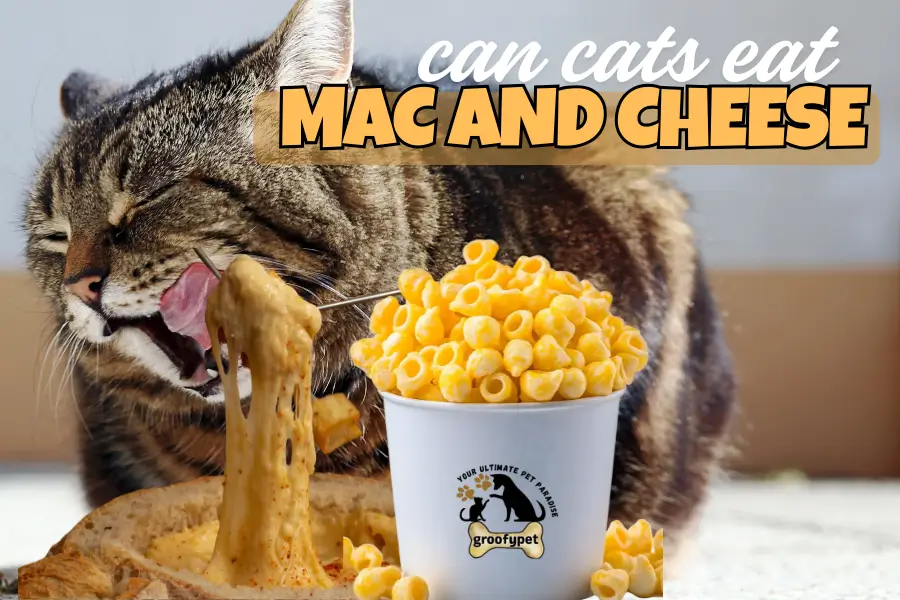
Mac and cheese is a favorite treat for many kids and sometimes they like to share it with their cat. .Can cats eat mac and cheese?But not all human foods are safe for pets. So, is mac and cheese okay for cats? Plain mac and cheese usually isn’t toxic, but it is far from healthy and should not be part of your cat’s regular diet.
Cats are curious animals. Sometimes they try human food. One food many cat owners wonder about is mac and cheese. You may ask, can cats eat mac and cheese safely? This article will explain all the risks, safe alternatives, and important tips. Knowing what cats can eat keeps them healthy. Cats have sensitive stomachs. Some human foods can cause digestive issues in cats. It is important to learn what is safe and what is not.
In this article, we’ll explain why feeding mac and cheese often can be harmful to your cat. We’ll also highlight some ingredients in homemade mac and cheese that can be dangerous. Finally, you’ll discover healthier human foods you can safely offer your cat as an occasional snack.
Can cats eat mac and cheese?
The short answer is no. Cats should not eat mac and cheese. Some cats may try a small bite, but it can cause problems. Cheese and milk contain lactose. Many cats are lactose intolerant. Eating mac and cheese can lead to vomiting and diarrhea.
High fat and salt are also bad for cats. Regular feeding of human food can lead to obesity. Your cat needs a balanced cat diet. Treats like mac and cheese should be avoided.
The trouble with mac and cheese
It’s easy to see why your cat might want a taste of warm, cheesy mac and cheese. .Can cats eat mac and cheese? The most mac and cheese recipes are packed with butter, milk, cream and cheese. These ingredients are full of calories, fat and salt.
High-fat and high-salt foods are not healthy for cats, just like they aren’t good for people. Eating too much mac and cheese can cause weight gain, which puts your cat at risk for health problems and can even shorten their life.
On top of that, most adult cats are lactose intolerant. This means their bodies don’t have the enzymes needed to properly digest lactose, the sugar found in dairy. Eating mac and cheese can upset their stomach, causing vomiting, diarrhea, and gas. Even a small amount can make them feel uncomfortable.
Risks of feeding mac and cheese to cats
There are many risks when feeding mac and cheese to cats.
1. Digestive upset
Most adult cats are lactose intolerant. Cheese, milk and cream in mac and cheese contain lactose which cats cannot digest properly. Eating it leads to vomiting, diarrhea, gas and stomach pain even if they eat only a small portion.
2. Weight gain and obesity
Mac and cheese is high in fat and calories. Feeding it to cats cause weight gain over time. Obesity increases the risk of arthritis, heart problems and urinary issues in cats. It also shorten their expected lifespan.
3. High salt
Cheese and butter contain a lot of salt. Too much salt affect your cat kidneys and heart. It also lead to dehydration and make your cat feel unwell.
4. Toxic ingredients
Some mac and cheese recipes include garlic, onion, chives or leeks. These are toxic to cats and cause serious health issues like anemia or digestive upset.
5. Nutritional imbalance
Cats need a diet high in protein and specific nutrients like taurine. Mac and cheese provides carbs and fat but lacks essential nutrients. Regularly feeding it interfere with a balanced cat diet and cause health problems.
6. Pancreatitis risk
The high fat content in mac and cheese can stress a cat pancreas. This may lead to pancreatitis a painful inflammation of the pancreas that requires veterinary care.
7. Dental issues
Sticky, cheesy foods cling to a cat teeth. This may promote plaque buildup and dental problems leading to bad breath or gum disease.
8. Behavioral problems
Cats fed human food may start picking at your meals or refusing their own food. This can make them picky eaters and harder to manage.
9. Allergic reactions
Some cats are sensitive to dairy or other ingredients in mac and cheese. This can cause skin rashes, itching or gastrointestinal upset.
10. Long-term organ stress
High salt and fat put strain on the heart and kidneys potentially leading to serious long-term health problems in cats.
Benefits of feeding mac and cheese to cats
While mac and cheese is not a regular cat food but giving a small bite occasionally provide a small treat. It may let your cat enjoy a new flavor and create a small bonding moment with you.
1. Variety in diet
A small , plain bite of mac and cheese can introduce cats to a new texture, giving them a small sense of variety in taste safely.
2. Occasional enjoyment
Cats may enjoy the flavor and texture of cheese. It ia a fun, occasional treat that makes them happy.
3. Bonding with humans
Sharing a safe little nibble allows you to interact with your cat during family meals, strengthening the bond between you.
4. Positive reinforcement
Small amounts are used occasionally as a reward for training or good behavior if your cat responds well.
5. Safe experimentation
Giving one small, plain bite help you observe how your cat reacts to human foods teaching you what is safe and what is not for future.
6. Occasional treat bonding
Giving a small bite of plain mac and cheese can be a fun way to bond with your cat. Sharing treats occasionally can make your cat feel included in family meals.
7. Palatability
Some cats enjoy the taste of cheese. A small nibble of plain pasta with a little cheese can encourage picky cats to try new textures and flavors safely.
8. Energy boost
The carbs and fat in mac and cheese provides a quick energy boost for a very active cat. This is only helpful in extremely small amount and not a regular source of energy.
9. Training incentive
A small piece of plain mac and cheese (without harmful ingredients) sometimes be used as a very occasional training reward for cats that are motivated by taste.
10. Safe social exposure
Giving a cat a small bite of plain, unseasoned mac and cheese introduces them to human food safely as long as it is rare
Occasional treat vs regular food
Mac and cheese should only be an occasional treat. It should never replace a cat main food. Cats need protein from meat or fish. Human food lacks essential nutrients. Giving treats cause nutritional imbalance.
A small taste may not harm but regular feeding is dangerous. Always keep portion small if you decide to give it. Avoid adding butter, milk or seasoning. Your cat main meals should always be safe cat food.
Ingredients to avoid in mac and cheese for cats
.Can cats eat mac and cheese?Some ingredients are very dangerous. Garlic and onion can damage red blood cells. Salt can increase blood pressure. Creamy sauce additives that upset stomach. Butter is high in fat. Milk and cheese cause lactose intolerance. Processed cheese has chemicals.
Some recipes use spices that are unsafe. Cats should never eat seasoned or spicy mac and cheese. Knowing ingredients helps protect your cat from health problems.
Safe alternatives to mac and cheese for cats
You give safe treats instead. Plain boiled pasta is safe in small amount. Small pieces of cooked chicken or fish are better. Cat friendly treats from the store are safest. You make homemade treats without dairy. Avoid any seasoning or salt. Giving water with meals helps digestion. Always watch how your cat reacts to new food. Healthy snacks support cat nutrition.
Signs your cat ate something bad
Watch for vomiting or diarrhea. Loss of appetite is another sign. Lethargy or unusual behavior may appear. Gas or bloating can occur. Drooling may happen if food tastes bad. Constipation is possible from rich foods. Any of these signs require attention. Early detection helps prevent serious digestive issues in cats.
What to do if your cat eats mac and cheese?
Can cats eat mac and cheese? If your cat eats mac and cheese, stay calm. Remove the food immediately. Observe your cat for symptoms like vomiting or diarrhea. Give fresh water to help digestion. Do not induce vomiting unless your vet says so.
If symptoms are severe, contact your veterinarian. Keep a note of what your cat ate and how much. Quick action can prevent serious health problems. Knowing safe foods keeps cats healthy and happy.
Why cats are sensitive to dairy?
Most adult cats cannot digest lactose. Lactose is in milk and cheese. Feeding dairy causes diarrhea and stomach upset. Some cats tolerate small amount but many do not. Cats naturally get nutrients from meat.
Dairy is not necessary for them. Even low fat or lactose-free cheese causes problems in some cats. Understanding dairy sensitivity is key to preventing cat health issues.
Homemade cat-friendly mac and cheese
You can make a safe version for cats. Use plain pasta without salt. Avoid cheese or butter. Mix cooked chicken or fish for protein. You can mash a little pumpkin or sweet potato for flavor. Do not use milk or cream. Serve small portions as a treat. Homemade treats allow control over ingredients. This keeps your cat safe and nourished.
Understanding cat nutrition
Cats are obligate carnivores. They need protein from meat. Human food is not a complete diet. Essential nutrients like taurine are found in meat. Carbs in pasta do not provide these nutrients. Feeding mac and cheese harm your cat.
Balanced cat diet ensures long-term health. Treats should never replace meals. Proper nutrition prevents obesity, digestive issues in cats, and other health problems.
Common mistakes cat owners make with human food
Many cat owners give human food as treats. They may think cats enjoy it. Foods like mac and cheese are harmful. High fat and lactose cause health problems. Giving leftovers reduces appetite for healthy food. Treats should be limited. Avoid giving food with garlic, onion, or seasoning. Know which foods are toxic. Mistakes happen out of love but knowledge keeps cats safe.
How to introduce new foods safely to cats?
Always introduce new foods slowly. Start with small portions. Observe your cat reaction. Avoid mixing with regular meals. Only give human foods that are safe. Avoid anything rich, salty or spicy. Offer water with new foods. If your cat shows signs of upset stop immediately. This helps your cat adapt safely.
Can cats eat mac and cheese bites?
Mac and cheese bites are usually fried and may have seasonings, breadcrumbs or oils. These ingredients are not safe for cats. Fried foods are high in fat and salt. Even a small bite cause vomiting, diarrhea or stomach upset. Plain pasta without cheese or seasoning is safe. Treat your cat with small piece of plain cooked chicken or cat friendly treats instead.
Can cats eat kraft mac and cheese?
Kraft mac and cheese contains pasta, cheese powder, milk and butter. The cheese and milk cause lactose intolerance issues in most cats. Butter and processed cheese are high in fat and salt which hurt their stomach or kidney. It is not safe to feed Kraft mac and cheese to cats. Plain pasta without cheese is safe but avoid the cheese mix.
Can cats eat velveeta mac and cheese?
Velveeta mac and cheese is highly processed. It contains lots of cheese, salt and additives. Cats cannot digest these safely. Feeding Velveeta mac and cheese cause vomiting, diarrhea or long term health problems. It is not recommended under any circumstances. Stick to cat safe foods for treats.
Can cats eat baked mac and cheese?
Baked mac and cheese often has cheese, butter and sometimes breadcrumbs. Baking does not remove lactose or high fat Even a small piece upset a cat stomach. It is not safe. Cats should only get plain, fully cooked pasta if you want to share a tiny taste but avoid baked versions completely.
Can dogs and cats eat mac and cheese?
Dogs can sometimes handle small amounts of plain pasta or cheese but cats are usually more sensitive to dairy. Both dogs and cats should not eat mac and cheese regularly. Cheese, butter and salt cause digestive problems, obesity and other health issues. Always feed pets treats made specifically for them or plain cooked meat or pasta without seasoning.
Can stray cats eat mac and cheese?
.Can cats eat mac and cheese? Stray cats may eat anything available but mac and cheese is not safe for them. Dairy and high fat ingredients upset their stomach. Feeding stray cats human food cause vomiting, diarrhea or nutritional imbalance. If you feed stray cats stick to safe options like dry or wet cat food, plain cooked chicken or safe cat treats.
Can cats eat a little mac and cheese?
A very tiny bite may not immediately harm a cat, but it is not recommended. Even a small amount of cheese or milk cause stomach upset or diarrhea. Cats bodies are not made for human cheese or butter. Tiny bites should be an extremely rare exception and only if your cat has eaten dairy before without problems.
Can cats eat chick fil a mac and cheese?
Chick fil A mac and cheese contains cheese, milk, butter, and sometimes seasonings. Like other mac and cheese it is high in fat, salt and lactose. Cats cannot safely eat it. Feeding this to cats may cause vomiting, diarrhea and long term health problems. It is safest to avoid fast food mac and cheese entirely.
Can my cats eat mac and cheese?
In general cats should not eat mac and cheese. Cheese, milk, butter and seasonings all cause digestive upset or long term health problems. Even small amount cause lactose intolerance or digestive issues. If you want to share a treat, stick to plain pasta in very small amount or safe cat friendly snacks.
Frequently Asked Questions
Can cats eat plain pasta?
Yes, small amounts are safe. Avoid adding butter or salt.
can cheese harm all cats?
Most adult cats are lactose intolerant. Cheese cause vomiting and diarrhea.
How much mac and cheese is safe?
It is better to avoid completely.
Are lactose free options safe?
Yes but some cats may still have issues. Monitor closely.
Can occasional mac and cheese treat hurt my cat?
A very small bite not harm. Regular feeding is dangerous.
Final Thoughts
Cats need safe, balanced food.Can cats eat mac and cheese? Learn the risks, safe alternatives, and expert tips to keep your kitty healthy, happy, and safe from harmful ingredients.
Mac and cheese is not recommended. Cheese, milk, butter and seasonings cause health problems. Small, plain treats are better. Homemade options with safe ingredients are safest.
Always monitor your cat for digestive problems. Protecting your cat health ensures happiness. Giving proper meals and safe treats keeps your cat active and healthy. Always remember prevention is better than cure.
Can Cats Eat Funyuns? Discover the Startling Risks Behind This Snack!
Can Cats Eat Licorice? Important Facts Every Pet Parent Overlooks!