When I adopted my cat a few months ago, I quickly noticed his strange behavior. Unlike other cats, he has a knack for keeping secrets and acting in unexpected ways. He often starts hiding in quiet, dark spaces, which I learned is his instinct to feel safe from predators, just like in the wild. If he’s unwell, he becomes very quiet, and I can see the warning signs when he manages pain and discomfort by hiding. He is quite clever and has changed my perception of a normal pet.
Are you worried about your cat’s unusual behavior? These actions can be challenging for any pet owner. But there is a solution. By learning about your cat’s instincts and behavior patterns, you can better manage their needs and ensure their well-being. Addressing these behaviors early can make your cat feel more comfortable and secure at home.
My cat is a bit different but why?
Cats may hide in dark spaces or become quiet when unwell as instincts to feel safe and manage pain. Understanding these behavior patterns can help you address them early, ensuring your cat’s comfort and security at home.
Cats often exhibit behaviors that are rooted in their wild instincts. Hiding in dark spaces helps them feel safe from potential threats. When your cat is unwell, they may become very quiet to avoid drawing attention from predators. Recognizing these warning signs early can help you provide the necessary care.
If your cat is hungry, they might exhibit aggressive behaviors like biting or attacking ankles. By understanding these actions, you can create a more harmonious environment for your pet. Start observing your cat’s behavior today and ensure they are happy and healthy!
Signs of why my cat is a bit different?
If your cat is behaving strangely, it’s natural to be concerned and want to understand the reasons behind it. Here are some key things to watch for:
Unusual Drinking and Eating Habits
My cat, Whiskers, has been showing some unusual behavior lately. I’ve noticed a significant increase in her drinking and eating habits. At first, I thought it was just a phase, but then I started to worry because these changes can be early signs of health issues like diabetes or hyperthyroidism. Both conditions can cause an increased appetite in cats.
Another common reason for these symptoms could be inflammatory bowel disease, which affects their digestion. It can be concerning when your pet starts hiding or becomes aggressive. Seeing my cat eating more than usual and always being thirsty made me realize that these symptoms shouldn’t be ignored. It’s important to monitor these changes because they can be an early sign of serious health problems.
Reduce eating
My cat started showing reduced eating behavior, and it set off alarm bells in my mind. I knew a serious condition could be behind the loss of appetite, so I watched for other signs. Environmental changes like moving to a new home can sometimes cause stress, but it wasn’t just that.
A rapid response was needed when her body began to look thinner, as fat was being consumed too quickly. I worried about her liver potentially shutting down. After taking her to the vet, I learned she needed updated vaccinations to protect against cat flu and leukemia. The response from the vet was quick, ensuring she got the care she needed.
Recognizing Your Special Cat Friend
The unique characteristics of each cat contribute to their fascination. You can bond with your cat more easily and give them the care they require if you are aware of their special characteristics. Every cat is unique, with traits ranging from physical attributes to peculiarities in disposition.
Cats’ Unique Personalities
Similar to people, cats have different personalities. Let’s examine some typical personality types:
The Inquisitive Feline
These are the cats’ world explorers. They enjoy exploring all of the little details and frequently end up in areas they shouldn’t be. They could be peeping into belongings or perched atop cabinets. They are lively and involved because of their curiosity, but occasionally it may get them into trouble.
To ensure your inquisitive feline stays safe, make sure your house is cat-proof. Keep little items out of reach, cover up cupboards, and make sure there are no toxic plants nearby.
The Nervous Cat
A more relaxed, less noisy atmosphere is what shy cats like. They may go under the bed or sometimes cat is meowing excessively and shy away from unfamiliar people and situations. For these cats to feel at ease, they require time and space.
It takes time and a peaceful setting to make these cats feel safe. Their comfort levels can be greatly improved by creating safe places they can hide away or retreat to, like a quiet area. Their confidence can also be boosted by progressively exposing them to new things.
The Cheerful Feline
Cats that are playful are always up for a game. They add happiness and vitality to any house, whether they are chasing a laser pointer or jumping on a feather toy. For these cats to be happy and let off some steam, they require a lot of playtime. Frequent playdates can also help your relationship get stronger. Various toys and interactive play can keep kids engaged and help them avoid boredom.
Why Your Cat Might Be Smaller Than Other Cats
Cats come in a wide range of sizes, even within the same breed. Your cat might be smalle to:
- Genetics: Just like humans, cats inherit size traits from their parents. Some cats are naturally petite.
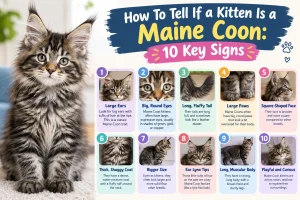
- Breed: Different cat breeds have different size ranges. Maine Coons are typically large (up to 18 pounds), while Singapuras are naturally small (4-8 pounds).
- Age: Your cat might still be growing if under 2 years old. Some cats continue developing until 3-4 years of age.
- Gender: Male cats are typically larger than females of the same breed.
- Early nutrition: Kittens who experienced malnutrition early in life may remain smaller as adults.
- Health conditions: Certain medical issues can affect growth and development.
If you’re concerned about your cat’s size, it’s always best to consult with a veterinarian. They can determine if your cat’s size is healthy based on their specific circumstances.
Physical Features That Are Particular
Certain cats are genuinely distinctive due to their physical characteristics. These might be anything, like their eyes or fur. Let’s investigate a few:
Unusual Colors and Patterns in Fur
Cats can have a wide variety of colors and patterns, ranging from the sleek black of a panther to the swirling marbled colors of a tabby. Every pattern on your cat’s fur adds to its attractiveness and tells a tale. The Bengal’s rosettes resemble those of a leopard, but the Ragdoll’s fascinating color-point coat and stunning blue eyes are unmissable.
Distinctive Physical Features
Some cats have distinct physical characteristics beyond their fur. For instance, cats that are polydactyl have additional toes, giving their paws the appearance of tiny gloves. Folded ears give cats, such as the Scottish Fold, a lovely owl-like appearance. Not only do these physical characteristics make your cat stand out, but they also frequently require special attention. For example, the Munchkin cat’s short legs may need extra care in terms of joint and mobility.
Unusual Behavioral
Every cat has a unique set of behaviors, some of which may come off as funny or cute. You can better meet their demands if you are aware of these peculiarities.
Unusual Sleeping Patterns
Although cats are known to love to sleep, some of them have odd sleeping patterns. Perhaps your cat would rather sleep in a little box or under the sink than in a cozy bed. They frequently make these decisions out of a need for warmth and safety. Accept these eccentricities as facets of your cat’s character. Giving cats a variety of sleeping places to choose from, such as soft cardboard boxes or nice cat beds, will keep them happy.
Strange Food Preferences
Does your cat only consume a specific brand of food or does it have an odd fondness for it? While some cats may develop strange tastes, others may be extremely picky eaters. It’s critical for your cat’s health to know what foods they prefer to eat and to make sure they get a balanced diet. It’s crucial to keep an eye on how much food they consume and see a veterinarian if their feeding patterns seem strange or if they have particular nutritional requirements.
Strange Communication Approaches
Meows and body language are only two of the many ways that cats express themselves. Certain cats may have a distinct meow that sounds nearly like speech, or they may chirp like birds. You can learn more about your cat’s communication style by observing these distinct ways of expressing themselves. Their expressive language includes vocalizations, tail movements, and ear positions. Gaining an understanding of these cues can strengthen your relationship with your cat.
Well-being and Health
Distinctive qualities frequently require particular health care. You can maintain the greatest possible health for your cat by being aware of these.
Unique Medical Requirements
Cats with distinctive characteristics, such as coat patterns or additional toes, may require special medical attention. For instance, deafness is more common in white cats with blue eyes. Getting regular veterinary examinations and being aware of possible health problems can help a lot. Cats with distinct physical traits may need special accommodations, including ear care for folded-ear breeds or soft bedding for cats with joint problems.
Tips for Grooming Unusual Cats
Different grooming regimens are needed for various fur kinds and physical characteristics. Regular brushing is necessary to prevent mats in long-haired cats like Persians, whereas frequent bathing is necessary to eliminate oil buildup in hairless species like Sphynx.
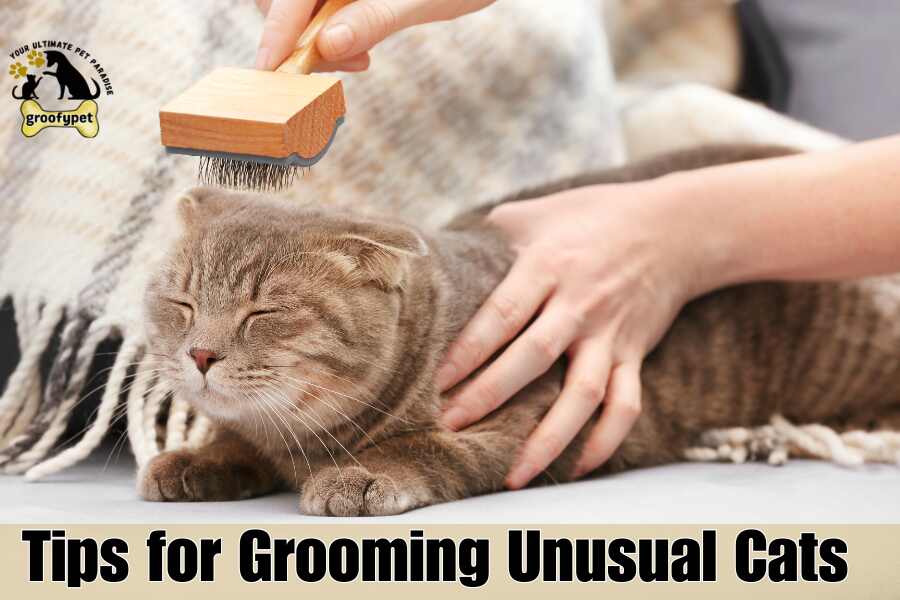
Your cat will look and feel their best if you customize your grooming routine to suit their needs. For example, keeping their skin and coat healthy can be achieved by giving hairless cats mild wipes or thick-coated breeds a de shedding tool.
Developing Their Special Qualities
Your cat’s quality of life and your relationship with them can both be improved by accepting and fostering their distinct qualities.
Promoting Positive Attitudes
Cats that behave well are best encouraged with positive reinforcement. Giving your cat affection, toys, or prizes for good deeds will encourage them to repeat those same habits. Training your cat more effectively can be achieved by understanding what motivates them.
Consistently providing positive reinforcement, such as praise for using the scratching post or goodies for coming when called, can help reinforce desired behaviors.
Preparing for Specialized Tasks
Handling the inquisitiveness or timidity of certain cats might provide distinct training difficulties. The finest training outcomes can be achieved by modifying your strategy to your cat’s nature and by employing gentle, reliable techniques.
For example, curious cats can benefit greatly from clicker training, but introverted cats may benefit more from a more progressive approach. Certain behavioral difficulties can be addressed with the use of positive reinforcement and a calm, structured setting.
Honoring Your Cat’s Uniqueness
Since every cat is different, it might make you and your kitty happy to acknowledge and value their originality.
Accepting Their Individuality
The greatest method to create a solid bond with your cat is to love them for who they are, flaws and all. Accepting your cat’s uniqueness encourages them to flourish, whether they are a shy, quiet friend or an energetic, playful ball of joy. A closer bond and a healthier, happier cat might result from recognizing their special qualities and adjusting your care to meet their need.
Frequently Asked Questions
Why does my cat behave in such an odd way?
Like people, cats each have unique personalities and tastes. Their peculiar behaviors frequently mirror their individual characteristics and inclinations. Every cat is unique, and part of what makes them unique is the way they interact with the outside world.
How can I make my special cat feel more at ease?
Creating a secure and stress-free space for your special cat and being aware of their individual requirements will make them feel more at ease. The secret is to introduce new things gradually and to have lots of love and patience. They can be more comfortable if they have comfortable places to hide out and if they follow a regular schedule.
How can a cat with peculiar habits be trained?
It’s important to recognize each cat’s unique motives while training a pet with unusual behavior and to praise good behavior. It’s important to be persistent and patient. Whether you use gradual desensitization or clicker training, you can adjust your training techniques to your cat’s personality in order to effectively address particular behaviors.
How can I get in touch with other people who own unusual cats?
Local pet communities, social media groups, and internet forums are good places to meet other cat owners. It can be fun and beneficial to exchange stories and advice with other people who value the distinctive qualities of their feline companions. To get support and companionship, look for forums devoted to cats with particular traits or join general groups of cat lovers.
Final Thoughts
Our cats are amazing companions because of their own characteristics. We may improve their quality of life and strengthen our relationship with them by acknowledging and appreciating these differences. Cherish your cat’s unique features, whether they be odd habits, quirky appearances, or unique personalities.
Ultimately, it’s these tiny characteristics that genuinely distinguish your cat from others. By embracing our feline friends’ personality and their special charm and company, we not only respect their originality but also make our own lives better.