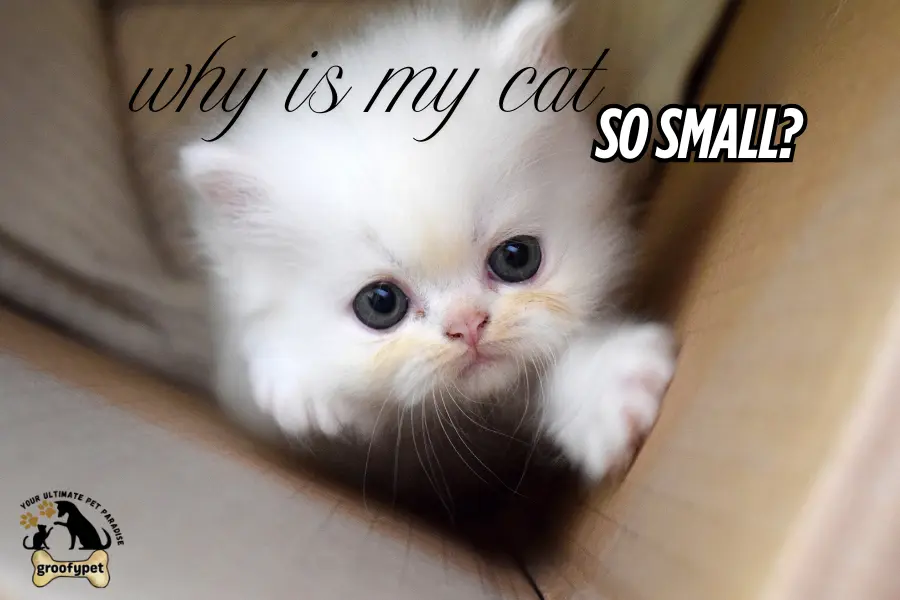
Small cats are cute. Honestly, though, so are medium cats and large cats; really, all cats are cute! But if you’re a proud cat parent to a tiny kitty, you might be wondering, “Why is my cat so small?” This is a pretty common thought, especially when you’re comparing your cat to others that seem bigger or more “average” in size.
Did you ask yourself, “Why is my cat so small?” Maybe your cat looks smaller than others, or someone has mentioned how tiny they are. It’s natural to adore your little cat just as much as a bigger one, but it’s also smart to understand why your cat is small. There’s no need to worry — it’s just the way they are. Other times, though, a small size can be a sign of an underlying issue. Here, we’ll explore six possible reasons why a cat might be small. Some are harmless, while others may require a vet’s attention.
If you’ve ever looked at your cat and wondered, “Why is my cat so small?” you’re not alone. Many cat owners notice their feline companions are noticeably smaller than average — and there are several legitimate reasons why this happens. Some are completely normal, while others may warrant a visit to your vet.
The average domestic cat weighs between 8 and 10 pounds (3.6–4.5 kg). If your cat falls significantly below this range, read on to find out why.
Read on to learn more about small cats, what’s considered normal, and when you might want to be a little more concerned.
10 Reasons for why is my cat so small?
There are a few reasons why your cat might be on the smaller side. Breed, sex, age, and genetics all play a part in how big (or small) a cat will be. Sometimes, things like nutrition or certain medical conditions can also affect your cat’s size.
1. Breed
Just like some dogs are bred for certain traits, some cats are naturally small because of selective breeding. Breeders have developed certain cat breeds to have specific sizes and looks.
For example, Maine Coons and Savannah Cats are known for being large, while breeds like the Singapura and Munchkin are famous for their tiny size. When these small cats have kittens, their babies can be even smaller than the average house cat.
2. Poor diet
Is it for a poor diet? If a kitten doesn’t get proper nutrition or diet, it may not grow as big or strong as it should, especially if it lacks good food during its early weeks. These days, it’s uncommon for poor growth to happen just from bad food since most store-bought kitten food meets AAFCO standards and has the right nutrients.
However, if a kitten isn’t eating enough or the food lacks what it needs, its growth can be affected. Kittens need plenty of protein for healthy muscles, calcium for strong bones, and enough energy from their food to support proper growth and development.
3. Dwarfism
Why is my cat so small? Some cats are small because they have a condition called dwarfism, which affects their bone growth and makes them look different from other cats. Certain breeds, like the Munchkin cat, are different because of their short legs.
A specific type called achondroplasia, which happens due to a genetic change that causes the cat’s bones to stop growing too early, leaving them with short legs and a small size, which is normal for their breed. If you notice your cat has unusual features or dwarfism, it’s best to visit the vet for proper care of your cat.
4. Parasites
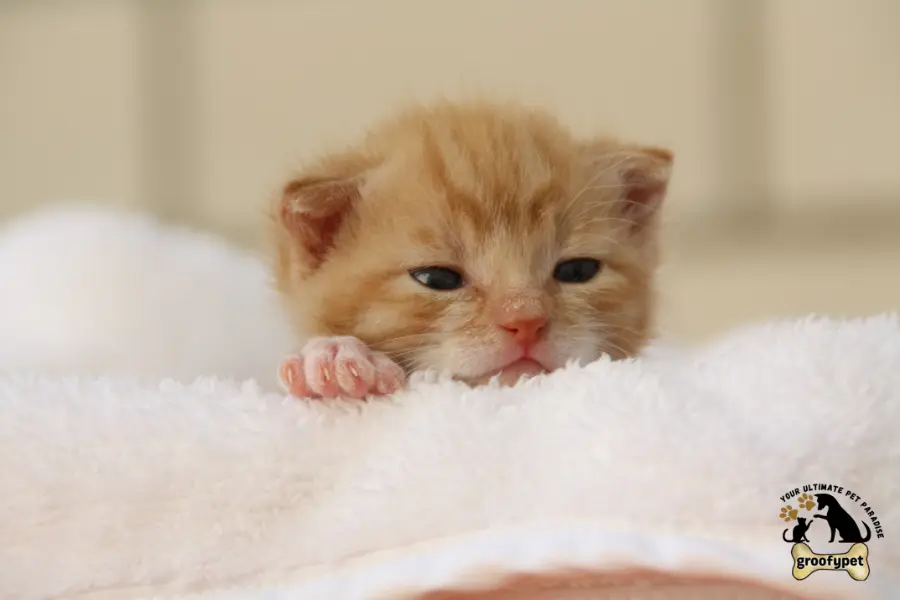
Parasites like intestinal worms lead to weight loss in adult cats and kittens. Common internal parasites include tapeworms, roundworms, pinworms, and hookworms, and some of these can be passed to humans. Cats with parasites may also show symptoms like changes in appetite, vomiting, diarrhea, and a swollen abdomen. Veterinarians recommend giving your cat regular anti-parasite treatments and keeping them healthy.
5. Fleas
When a kitten has fleas, it uses up a lot of energy to fight off the effects of the infestation. You’ll likely notice your kitten scratching frequently, and their skin may have small red bumps. If you look closely, you might even see tiny fleas moving through the fur — they often look like little specks of black pepper.
To treat a flea problem, it’s best to consult your veterinarian for the right medication. Be especially careful with over-the-counter products, as many are not safe for very young or lightweight kittens.
6. They’re Female
In many animals, males and females often look different, and cats are no exception. Male cats are usually larger and heavier than females. But this isn’t always the case — sometimes, even within the same breed, female cats are just naturally smaller.
Male cats that haven’t been neutered often grow bigger because of the hormone testosterone, which builds muscle. Interestingly, male kittens usually start off smaller than females but later outgrow them as they mature.
7. They’re Still Growing
Why is my cat so small? If your cat is young, it may simply not have reached its full size yet. Most cats finish their main growth by around one year old, but they don’t fully mature until they’re about 18 months.
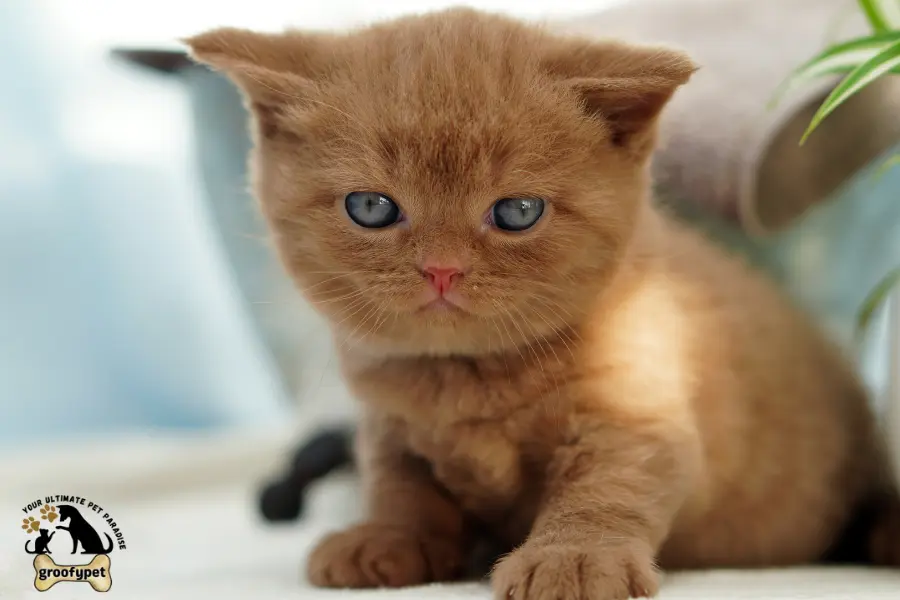
Some larger breeds, like the Maine Coon, can keep growing for up to two years. Kittens grow quickly between 6 and 8 months, but after their first birthday, their growth slows down. How big your cat will get largely depends on its breed.
8. Medical Issues
If you’re worried about your cat’s size or weight, it is important to visit a veterinarian to check for any underlying health issues. Certain genetic factors affect your cat’s growth, and various illnesses may lead to weight loss or poor condition. A thorough vet checkup is an important step to ensure your cat’s health.
9. liver shunt
A liver shunt is a congenital condition in kittens where blood bypasses the liver, stopping it from carrying out essential tasks like metabolism needed for healthy growth. Your veterinarian can diagnose a liver shunt using X-rays or an ultrasound, and treatment often requires surgery. Work closely with your vet to create the best care plan for your kitten.
10. Not give proper feeding
For Feeding cats the wrong food affects their growth during kittenhood, when proper nutrition is important for healthy development. Once kittens are around 8 weeks old, it’s the owner’s responsibility to provide a balanced, meat-based diet suited to their age, health, and activity level.
If you’ve adopted a small adult cat, their size may be linked to poor nutrition earlier in life, whether from lack of food or an unbalanced diet. Even now, if your cat’s current food isn’t meeting its nutritional needs, it can result in weight loss or stunted growth.
Also Read : Chinchilla British Shorthair
Are Some Cats Always Small?
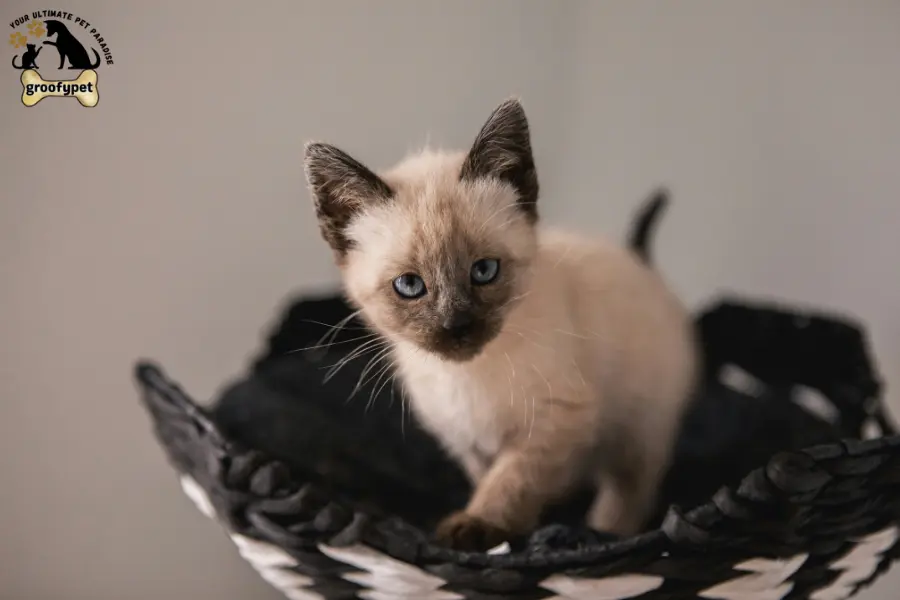
Yes — certain breeds like Singapura and Siamese are naturally small and will stay that way for life. If your cat has small-breed parents or mixed genes from them, it may also stay petite. While many factors affect a cat’s final size, genetics usually play the biggest role.
Is it okay if my cat is small?
Why is my cat so small? If your cat is small but seems healthy and happy, there’s usually no need to worry. However, if you notice signs like poor growth or weight loss, it’s a good idea to visit the vet. Some medical conditions, especially in kittens, can slow down growth or prevent weight gain.
When should you see a vet?
See a vet promptly if your cat is small AND shows any of the following signs:
— Eating well but not gaining weight
— Vomiting or diarrhoea
— Lethargy or low energy
— Visible ribs, spine, or hip bones
— Dull, patchy, or rough coat
— Sudden weight loss in an adult cat
| Cause | Description | Severity | Affects | Action |
|---|---|---|---|---|
| Genetics / breed | Naturally small breeds like Singapura, Devon Rex, or Cornish Rex are petite by design. | Low | All ages | No action needed |
| Still growing | Cats fully mature at 18–24 months. Large breeds may take up to 4 years. | Low | Kittens | Monitor monthly weight |
| Runt of litter | Poor position in the womb leads to less nutrition before birth. This causes smaller size. | Low | Kittens | Extra monitoring early on |
| Poor nutrition | Low-quality or unbalanced diet during kitten stage can stunt growth. | Medium | Kittens | Switch to quality food |
| Early weaning | Kittens weaned before 8 weeks miss key nutrients from mother’s milk. | Medium | Kittens | Consult vet for supplements |
| Intestinal parasites | Worms take nutrients and cause poor growth. | Medium | All ages | Deworm and do stool test |
| Hyperthyroidism | Overactive thyroid leads to weight loss even with good appetite. | High | Adult / senior | Visit vet urgently |
| IBD | Inflammatory bowel disease blocks proper nutrient absorption. | High | Adults | Vet diagnosis needed |
| Heart disease | Congenital heart issues can limit growth in young cats. | High | Kittens / young | Get cardiac exam |
| Kidney / liver disease | Organ problems reduce nutrient processing. | High | Adults / seniors | Blood tests and vet care |
Tips to help your cat grow healthy
Feed your cat a high-quality, balanced diet rich in protein and give fresh water every day to support strong growth and good health.Keep regular vet checkups, deworm on time, and provide daily play to ensure proper development and a healthy body.
1. Feed high-quality cat food
Good food helps your cat grow strong. Choose food that lists real meat as the first ingredient. Avoid cheap fillers that do not give enough nutrients. Kittens need food made just for them because it has more protein and fat. When you focus on cat nutrition, your cat gets the fuel it needs to grow well. Feed at the same time each day. This builds a healthy routine and supports steady growth.
2. Provide fresh water every day
Water is just as important as food. Your cat needs clean water to stay hydrated and healthy. Dehydration can slow growth and harm organs. Change the water daily and keep the bowl clean. Some cats like running water, so a fountain can help. Good hydration supports cat health and helps the body use nutrients better.
3. Follow a proper feeding schedule
A feeding routine helps your cat grow at a steady pace. Kittens need small meals many times a day. Adult cats can eat two meals daily. Do not leave food out all day without control. This can cause poor eating habits. A good schedule supports healthy digestion and better pet care habits.
4. Keep up with vet checkups
Regular vet visits help you track your cat’s growth. The vet can check weight, teeth, and overall health. Early checks can catch problems before they get worse. When you ask “why is my cat so small,” a vet can give clear answers. Routine exams are a key part of strong cat wellness.
5. Deworm your cat on time
Parasites can steal nutrients from your cat’s body. This can stop proper growth. Follow a regular deworming plan as advised by your vet. Watch for signs like a bloated belly or dull coat. Keeping your cat parasite-free supports better kitten growth and energy levels.
6. Give enough play and exercise
Playtime keeps your cat active and strong. Exercise helps build muscles and improve appetite. Use toys like balls or feather wands to keep your cat moving. Active cats grow better and stay fit. Daily play also supports mental health and reduces stress.
7. Create a stress-free home
Stress can affect your cat’s growth and appetite. Loud noise or sudden changes can make your cat anxious. Give your cat a quiet space to rest. Keep routines stable and gentle. A calm home helps your cat feel safe and supports healthy development.
8. Avoid early weaning mistakes
If you have a kitten, make sure it stays with its mother for at least 8 weeks. Mother’s milk gives key nutrients and antibodies. Early weaning can slow growth and weaken the immune system. Proper early care is very important for long-term cat development.
9. Monitor weight and growth
Track your cat’s weight every month. This helps you see if your cat is growing well. Use a simple scale and keep a record. Sudden weight loss or no growth can signal a problem. Monitoring helps you act early and protect your cat’s health.
10. Provide supplements only if needed
Some cats may need extra vitamins or minerals. Do not give supplements without vet advice. Too many supplements can harm your cat. If your cat has a deficiency, a vet can guide you. Proper support can improve growth and overall pet health.
Must Read : Persian Mix Maine Coon
Final Thoughts
Some cats are just naturally small, while others may be affected by health issues that limit growth. Why is my cat so small? You can often guess your cat’s adult size by looking at its parents or breed. Remember, being smaller than average isn’t a problem as long as your cat is healthy.
If you’re ever unsure, check in with your vet for peace of mind.We all love our cats, no matter their size or shape. Why is my cat so small? If you ever think about it, If you have a small cat, it’s usually just due to their age, breed, or sex and is often completely normal.
But if you’re worried that your kitten isn’t growing as expected or notice changes in your adult cat’s weight, appetite, or eating habits, it’s always wise to visit a veterinarian for a check-up.
Frequently Asked Questions
Are There Calico Male Cats: A Rare and Magical Wonder of Nature!