If your dog skipped a meal or two, you’re probably wondering how much time you actually have before it becomes a real problem. A healthy adult dog can sometimes survive five to seven days without food, but surviving isn’t the same as being safe. Water matters far more than food in the short term, and a dog refusing to eat is often a sign that something else is going on.
You set out food, walk away, and come back twenty minutes later to find the bowl untouched. No sniffing, no tail wagging, nothing. Most dog owners have been there, and that moment of confusion quickly turns into worry.
Is something wrong? Should you call the vet? Or is your dog just being dramatic? Before the anxiety spirals, there are some clear, science-backed answers to how long can dogs go without food and what your window actually looks like before it becomes a genuine medical concern.
This guide breaks down exactly what the research and veterinary experience say, how different dogs handle food refusal differently, and when you genuinely need to act.
How long can dogs go without food actually?
How long can dogs go without food? A healthy adult dog can go roughly three to five days without eating, provided they are drinking water consistently throughout. That is the medically accepted range, and it holds up across most veterinary literature.
That said, surviving and thriving are two very different things. The fact that a dog can go five days without food does not mean you should wait that long before stepping in. Most veterinarians recommend contacting a clinic if your dog has not eaten anything in 48 hours, even if they seem otherwise normal.
Why does the three-to-five-day exist?
Dogs, like most mammals, store energy in body fat and muscle tissue. When food intake drops to zero, the body gradually shifts into a fasting metabolic state, drawing first on glycogen reserves, then on fat stores, and eventually on muscle mass. This process can sustain life for several days, but it comes at a cost.
After roughly 72 hours without food, the gastrointestinal tract begins to suffer. The gut lining, which depends on a constant supply of nutrients to maintain its barrier function, starts to deteriorate. Prolonged fasting also puts strain on the liver, kidneys, and immune system. The longer it continues, the harder the recovery.
Water, however, is a different story entirely. A dog that stops drinking water is in far more immediate danger than one that skips meals. Most dogs cannot survive more than two to three days without water, and going just 24 hours without drinking can cause measurable dehydration and begin affecting organ function.
Factors That Affect How Long a Dog Can Go Without Food
The three-to-five-day figure is a general guideline, not a universal rule, but the question is how long dogs can go without food. Several factors significantly shift how long a particular dog can safely go without food.
1. Age
Age is one of the most important variables in this conversation.
- Puppies have almost no fat reserves and burn through energy at a rapid rate to support growth and development. A puppy that has not eaten in 12 to 24 hours warrants a vet call without delay. They are highly susceptible to hypoglycemia, a dangerous drop in blood sugar and can deteriorate quickly without adequate nutrition.
- Adult dogs in good health have more metabolic resilience. While 48 hours is still the recommended contact point, a healthy adult can typically handle a missed meal or two without immediate consequence.
- Senior dogs fall into a more vulnerable category. Age-related health conditions, reduced organ function, and greater susceptibility to dehydration mean that food refusal in an older dog should be taken seriously within the first 24 hours.
2. Body size and breed
This is where size genuinely matters.
- Small and toy breeds—Chihuahuas, Yorkshire Terriers, and Miniature Dachshunds have faster metabolisms relative to their body mass. Their energy reserves run out faster, and they are at elevated risk of hypoglycemia within just one to two days of not eating. If you notice shaking, weakness, or unusual lethargy in a small dog that has skipped meals, do not wait.
- Large and giant breeds—Labrador Retrievers, German Shepherds, and Great Danes have slower metabolisms and more body mass to draw from. They can generally sustain the full three-to-five day window more safely, though this is still not a reason to delay veterinary attention.
3. Underlying health conditions
A dog with pre-existing medical conditions is not operating from the same baseline as a healthy one.
- Diabetic dogs face the most significant risk. Food intake is directly tied to insulin regulation. When a diabetic dog stops eating, blood glucose levels can become dangerously unstable potentially leading to hypoglycemia, seizures, or a life-threatening condition called diabetic ketoacidosis. If your diabetic dog skips even a single meal, contact your vet the same day.
- Dogs recovering from surgery or illness often have compromised organ function and reduced nutritional reserves. Even one day of food refusal post-surgery may warrant a call to your clinic, particularly if vomiting or lethargy accompanies it.
- Dogs with gastrointestinal disease, liver conditions, or kidney disease should be monitored very closely, as their ability to compensate for nutritional deficits is already limited.
Recognizing the warning signs: When to stop waiting?
The challenge with dogs is that they are evolutionary masters at masking illness. In the wild, showing weakness invited predation or social displacement, so dogs instinctively conceal symptoms until they can no longer hide them. But how long can dogs go without food? By the time obvious signs appear, the condition may already be well advanced.
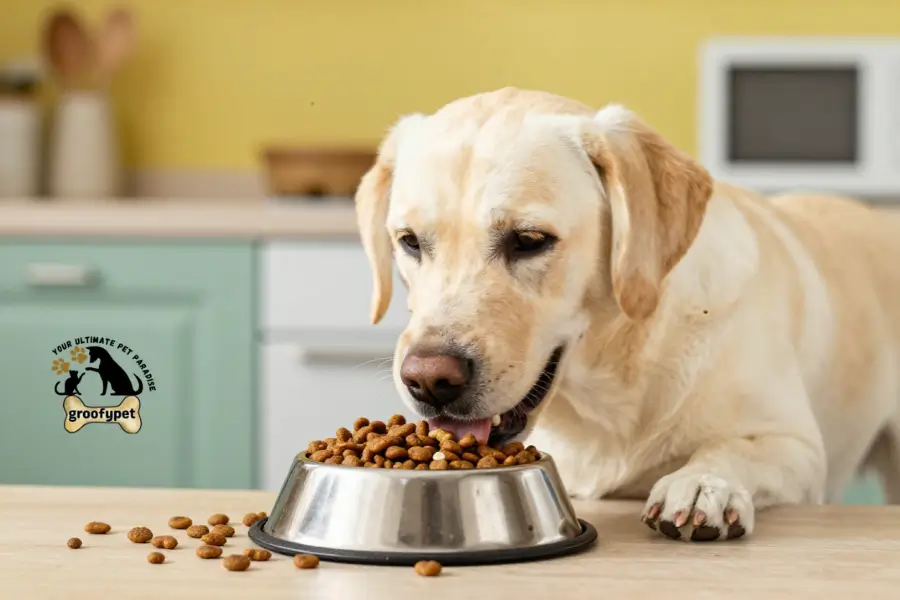
Here are the warning signs that mean you should not wait for the 48-hour mark:
Physical symptoms that require immediate attention
- Vomiting alongside food refusal — especially repeated or prolonged
- Diarrhea combined with not eating—a sign the digestive system is significantly compromised
- Visible bloating or a hard, distended abdomen —can indicate a life-threatening condition like gastric dilatation-volvulus (GDV), which requires emergency care
- Straining, obvious discomfort, or a hunched posture
- Gums that appear pale, white, grey, or tacky to the touch—healthy gums should be moist and pink
- Shaking, trembling, or sudden collapse in small breeds — potential hypoglycemia
- Not drinking water alongside not eating this significantly accelerates the danger timeline
Behavioral and neurological signs
- Unusual lethargy or reluctance to move
- Disorientation or confusion
- Hiding more than normal or avoiding interaction
- Signs of pain when the abdomen is touched
If two or more of these signs appear together, do not monitor at home go to a vet or emergency clinic.
Safe Fasting Window by Dog Type
| Dog Type | When Food Refusal Becomes Concerning | Recommended Urgency | Key Risk Factor |
|---|---|---|---|
| Healthy adult dog | Around 24 hours without eating deserves attention, especially if appetite does not return | Contact your vet if refusal continues or other symptoms appear | Underlying illness, pain, dehydration, and prolonged calorie deficiency |
| Puppy under 6 months | Even a missed meal can be concerning, particularly in very young or small puppies | Same-day veterinary advice if the puppy refuses food | Low energy reserves and risk of low blood sugar |
| Senior dog | A noticeable change in appetite should not be ignored | Contact your vet promptly if the dog refuses food for about 24 hours or has other symptoms | Chronic disease, dental problems, and dehydration |
| Small or toy breed | Prolonged food refusal can become concerning quickly | Veterinary advice within 24 hours, or sooner with symptoms | Small energy reserves and potential low blood sugar |
| Large or giant breed | Persistent refusal to eat requires attention even if the dog otherwise appears well | Contact your vet if it continues or symptoms develop | Underlying illness, dehydration, and inadequate nutrition |
| Diabetic dog | Any significant change in normal eating can affect diabetes management | Contact your veterinarian promptly for guidance | Blood glucose instability and complications from diabetes |
| Post-surgery dog | Appetite may temporarily decrease after anesthesia, but persistent refusal should be reported | Follow the surgical team’s instructions; call if appetite does not return as expected | Pain, nausea, medication effects, or postoperative complications |
What happens inside the body during prolonged food refusal?
Understanding the physiological cascade that unfolds during extended fasting helps explain why veterinarians take dog anorexia seriously even when an owner thinks the dog “seems fine.”
The first 24 hours
During the first day without food, the body draws on glycogen, stored glucose held in the liver and muscles. Blood sugar remains relatively stable, and the dog may show little outward change beyond low interest in food.
24 to 48 hours
Glycogen stores become depleted. The body begins breaking down fatty acids for fuel, a process called lipolysis. In dogs with underlying conditions, particularly diabetic dogs or those with liver disease, this shift can cause metabolic problems relatively quickly. In healthy dogs, this phase is generally manageable.
48 to 72 hours
The gut lining begins to degrade. The intestinal barrier, which normally prevents harmful bacteria from entering the bloodstream, weakens as it is deprived of nutrients. This increases the risk of bacterial translocation, a process where pathogens migrate from the gut into systemic circulation, potentially leading to sepsis. The immune system also begins to lose efficiency.
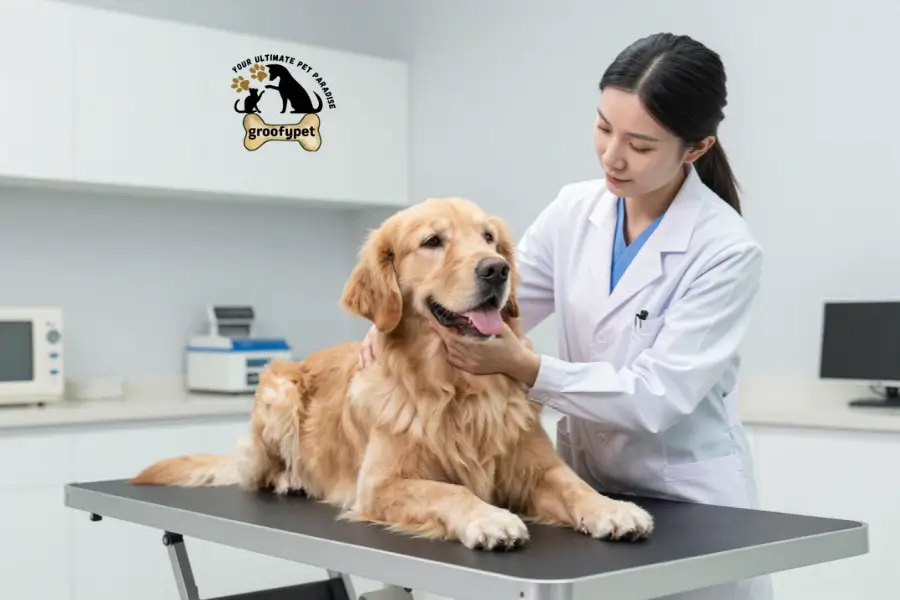
Beyond 72 hours
Muscle breakdown accelerates as the body begins cannibalizing protein for fuel. Organ stress becomes pronounced. The kidneys, liver, and heart are all affected by prolonged caloric deficits. At this stage, even if the dog begins eating again, recovery requires time and often veterinary support.
Also Read : How to Care for a Dog: A Complete Beginner Guide
What Happens to a Dog When It Stops Eating?
The body’s response follows a fairly predictable pattern, even though the timing varies by dog:
- Reduced energy intake — the dog isn’t taking in calories to fuel normal activity.
- Use of stored energy — the body pulls from glycogen stores in the liver and muscles first.
- Fat breakdown — once glycogen runs low, the body starts breaking down fat for energy.
- Muscle loss — with prolonged inadequate nutrition, the body starts breaking down muscle tissue too, which is much harder to recover.
- Weakness and dehydration risk — as energy and fluid balance decline together, the dog becomes noticeably weaker and more prone to dehydration.
Why is my dog not eating? Common causes of food refusal
Loss of appetite, clinically termed “anorexia“ in dogs (which differs significantly from the human eating disorder), has a wide range of causes. Identifying which category applies to your dog shapes how urgently you need to respond.
Physical and medical causes
These are conditions that make eating physiologically difficult or painful:
- Dental disease, broken teeth, or gum abscesses — chewing becomes painful, so the dog avoids food entirely rather than tolerating discomfort. Check the mouth for foul odor, visible decay, or reluctance to let you near their face.
- Gastrointestinal illness—nausea, gastritis, intestinal obstruction (often from swallowing a foreign object), or inflammatory bowel disease all suppress appetite significantly.
- Systemic illness — kidney disease, liver disease, pancreatitis, and various infections commonly present with food refusal as one of the first visible signs.
- Cancer — Certain tumors, particularly those affecting the stomach, liver, or digestive tract, directly impair appetite. Any cancer can reduce a dog’s general sense of well-being, which further suppresses interest in food.
- Post-anesthetic nausea—it is entirely normal for a dog to have little appetite the evening following surgery. This usually resolves within 24 hours; if it persists into the following day, contact your vet for guidance on anti-nausea medication.
Must Read : How Much Water Should a Small Dog Drink a Day?
Behavioral and psychological causes
Not all food refusal has a physical basis. Dogs are sensitive, emotionally responsive animals, and their appetite is directly tied to their psychological state.
- Stress and anxiety — moving house, a new pet or family member, loud noises, or disruption to routine can all suppress a dog’s desire to eat, sometimes for several days.
- Recently adopted dogs — settling into a new environment takes time. Some dogs refuse food for the first two to four days in a new home purely due to the stress of transition. Monitor closely, but try not to force the issue.
- Boredom with current food — dogs do develop food preferences, and switching abruptly to a lower-quality or less palatable food sometimes triggers refusal. If your dog is otherwise healthy and energetic but uninterested in the bowl, consider whether the food itself might be the issue.
- Food gone off — dogs have a far keener sense of smell than humans. Food that smells acceptable to you might register as rancid to them. Check the expiry date and whether the bag or tin has been stored correctly.
What can you do when your dog refuses to eat?
Before calling the vet or while waiting for your appointment, there are several measured steps you can take.
Practical steps to encourage eating
- Offer something more palatable—plain cooked chicken, turkey, or a small amount of low-sodium meat broth can help stimulate appetite in a dog that is slightly off their food. Keep portions modest to avoid overwhelming a sensitive stomach.
- Warm the food slightly — warming wet food or adding warm water to dry kibble releases more aroma and can make it more appealing, especially for dogs recovering from illness.
- Change the feeding location — sometimes a dog that is stressed by a particular environment will eat more readily in a different room or outdoors.
- Try smaller, more frequent meals — instead of one or two large portions, offer three to four smaller servings throughout the day.
- Switch food gradually — if you suspect food boredom or a quality issue, transition to a new food over seven to ten days by mixing increasing proportions of the new food with the old.
Hydration Support
If your dog is not drinking, maintaining hydration is more urgent than encouraging food intake.
- Try syringing small amounts of water into the side of the mouth
- Add a small amount of low-salt bone broth or meat stock to their water bowl to make it more inviting
- Ask your vet about electrolyte or rehydration solutions formulated for dogs
- Check for dehydration using the skin tent test: gently pinch the skin at the back of the neck and release. In a well-hydrated dog, the skin springs back immediately. If it stays tented or returns slowly, dehydration is likely.
The vet visit: What to expect?
When your dog has not eaten for 48 hours or sooner if warning signs are present, a veterinary examination is the right next step. Arriving well-prepared makes the consultation more efficient.
Your vet will typically want to know:
- When the dog last ate and approximately how much
- Whether water intake has changed
- Any other symptoms—vomiting, diarrhea, lethargy, behavior changes
- Recent life changes—new food, new household members, recent travel, or stress
- Current medications or known health conditions
Depending on findings, the diagnostic workup may include the following:
- Blood panel to assess organ function and blood sugar and rule out systemic disease
- Fecal examination to identify parasites or gastrointestinal infection
- Urinalysis to evaluate kidney function and hydration status
- Abdominal imaging (X-ray or ultrasound) if obstruction or bloating is suspected
The sooner this information is gathered, the faster appropriate treatment, whether that is anti-nausea medication, fluid therapy, or something more involved, can begin.
Prevention and long-term appetite management
The best time to establish healthy eating habits is before a problem develops.
Building a consistent feeding routine
- Feed your dog at consistent times each day—morning and evening work well for most adult dogs
- Measure portions by weight using a kitchen scale rather than scooping from the bag, which tends to result in inaccurate serving sizes
- Avoid leaving food out all day if your dog tends to grazemscheduled meals make it much easier to notice when appetite drops
- Keep a mental note of what your dog typically eats in a sitting, so deviations stand out clearly
Monitoring body condition
Weight and muscle condition are reliable indicators of long-term nutritional adequacy. A dog in good condition will have the following:
- Ribs that are easily felt but not visually prominent
- A visible waist when viewed from above
- Good muscle tone along the hindquarters and spine
Any gradual, unexplained weight loss, even in a dog that appears to be eating normally, warrants a veterinary check-up. Subtle changes in appetite over weeks are easier to miss than a sudden refusal, but they can signal early-stage conditions that are far more treatable when caught early.
Why Is My Dog Not Eating?
| Possible Cause | What It Looks Like | Urgency |
|---|---|---|
| Food transition or new brand | Sniffing food but not eating, no other symptoms | Low — try mixing old and new food |
| Mild stress or routine change | Skipped meal, normal energy and behavior otherwise | Low — usually resolves in a day |
| Dental pain or gingivitis | Dropping food, chewing on one side, bad breath | Moderate — schedule a vet visit |
| Upset stomach | Skipped meal, mild vomiting or gas, otherwise active | Moderate — monitor closely for 24 hours |
| Parasites | Appetite loss, weight loss, visible worms or irregular stool | Moderate to high — vet visit recommended |
| Infection or fever | Lethargy, warm ears, appetite loss | High — same-day vet contact |
| Kidney or liver disease | Increased thirst, vomiting, appetite loss, lethargy | High — vet evaluation needed |
| Cancer or organ failure | Ongoing weight loss, appetite decline over time | High — vet workup needed |
| Pain (arthritis, injury) | Reluctance to move toward food bowl, stiffness | Moderate — vet can assess pain management |
Frequently Asked Question
How long can a healthy dog go without food?
Most healthy dogs can survive for about 3 to 5 days without food. However, this is not safe or healthy. Dogs need daily nutrition and water to stay strong and active.
Can dogs go one day without eating?
Yes, many dogs can miss one meal or even go 24 hours without food. Some dogs lose their appetite because of stress, heat, or mild stomach upset. If your dog still refuses food after one day, contact a vet.
How long can puppies go without food?
Puppies should not go long without eating. Small puppies may become weak very fast if they skip meals. A puppy that refuses food for more than 12 hours may need veterinary care.
Can a sick dog go without food?
Sick dogs often stop eating because they feel pain nausea or weakness. If your sick dog avoids food for more than 24 hours you should call your vet right away.
What happens if a dog does not eat for several days?
Dogs may become weak, tired, dehydrated, and sick. Long periods without food can lead to weight loss low energy and serious health problems.
Should I force my dog to eat?
No you should never force food into your dog’s mouth unless your vet tells you to do so. Instead try bland foods, warm meals, or wet food to encourage eating.
When should I worry if my dog stops eating?
You should worry if your dog skips food for more than one day or shows signs like vomiting, diarrhea, weakness, or trouble breathing.
Can dogs drink water if they are not eating?
Yes, dogs should always drink water even if they refuse food. Water helps prevent dehydration and supports body function.
Why do dogs suddenly stop eating?
Dogs may stop eating because of stress illness dental pain stomach problems or changes in food. Some dogs also become picky eaters.
Final Thoughts
How long can dogs go without food? A dog that skips one meal is rarely a cause for alarm. A dog that has gone two days without eating anything, or one that is showing other signs of illness alongside food refusal, is a different situation entirely.
The three-to-five-day survival window that healthy adult dogs possess offers some buffer, but it is not an invitation to wait. Organ stress, gut lining deterioration, and the compounding effects of dehydration accumulate well before that window closes.
Acting within the first 48 hours gives your dog the best chance at a straightforward recovery. Know your dog’s normal. Watch the bowl. And when something feels off, trust that instinct; it usually is.
What to Give a Sick Dog? 10 Foods That Can Help Your Pup Feel Better!
Can Dogs Eat Curry Powder Health Benefits Real Risks and Safe Food Alternatives