Dogs have up to 300 million olfactory receptors in their noses — compared to just 6 million in humans. This makes their sense of smell extraordinarily powerful, and certain scents genuinely overwhelm or repel them. If your dog keeps urinating in the wrong places, the right smell can work as a powerful, humane deterrent.
Why do some smells dogs hate to pee on? In addition to any other sense, dogs rely on their sense of smell. Their powerful noses guide them in marking territory and recognizing safe spaces. However, certain smells repel dogs and discourage them from urinating in unwanted areas.
These scents trigger their ability to cause danger or discomfort. By knowing which smells turn off dogs, you keep your house or yard clean.Are you tired of cleaning up after your dog mishaps? Strong scents that repel dogs should be beneficial. Many pet owners struggle with dogs peeing in the wrong places.
This can damage furniture, carpets, and outdoor spaces. But there’s a simple solution using natural scents dogs hate. By placing these scents strategically, you have to train your pet to pee in designated spots.
Some of the effective dog-repellent smells include citrus, vinegar, and chilli pepper. Dogs find citrus peels, lemon, and orange oils overwhelming. Vinegar’s strong acidity disrupts their scent-marking habits. Chilli pepper and ammonia also work as natural deterrents.
Scent deterrents are among the most effective, humane, and inexpensive tools available to dog owners dealing with marking problems. The key to success is a systematic approach: clean first, apply the right deterrent for the location, reapply consistently, and combine with positive reinforcement training.
- ✓Always use enzymatic cleaner before any deterrent — without this, nothing works fully
- ✓Citrus and white vinegar are the safest, most effective first choices
- ✓Reapply every 2–3 days for at least 6 weeks — don’t stop too early
- ✓Match deterrent to location: indoor vs outdoor, fabric vs hard surface
- ✓Combine deterrents with positive reinforcement for correct behaviour
- ✓Consider breed-specific tendencies — some dogs need stronger or longer deterrence
- ✓Keep all toxic options (mothballs, concentrated ammonia) completely away from pets
- ✓If marking persists beyond 6 weeks, consult your vet to rule out medical cause
.
These scents should be used safely and in moderation. Try spraying diluted solutions or placing scented cotton balls in problem areas. Want to stop unwanted accidents? Use these scents to keep your home clean and odor-free!
Why do some smells dogs hate to pee on? How do dogs use their nose?
Dogs use their sense of scent to recognize things, people, and feelings. They make decisions and mark regions based on pheromones that are identified by their noses. Certain scents interfere with this process, discouraging them from urinating in specific areas.Why do dogs avoid certain smells?
Some scents are unpleasant or overwhelming for dogs, making them avoid marked areas. Strong odors disrupt their ability to process scent markers, discouraging urine marking. Natural deterrents like citrus, vinegar, and ammonia are useful for preventing unexpected accidents.
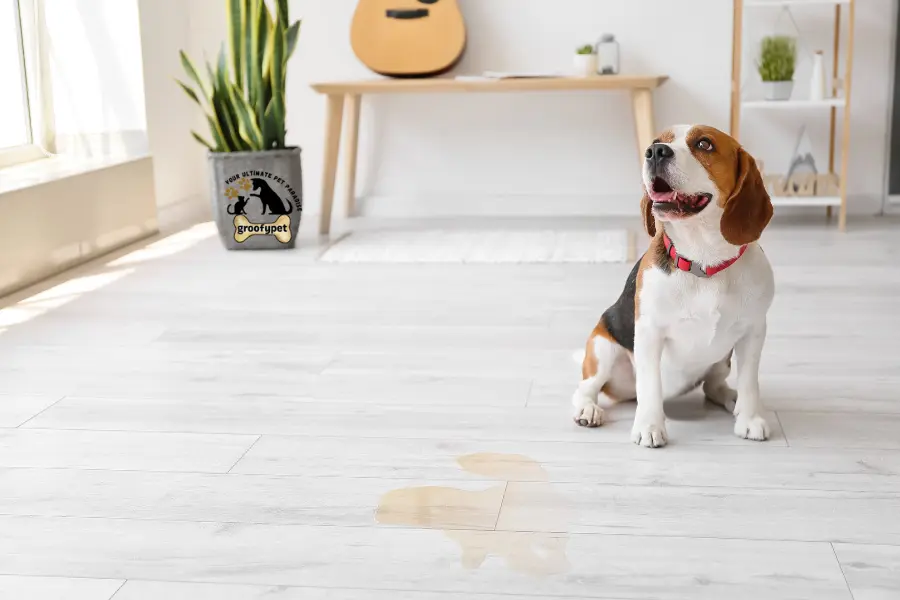
Dogs dislike the sharp aroma of citrus fruits like lemons, oranges, and grapefruit, which affect their senses and make them avoid certain areas. From personal experience, I’ve seen how placing treated peels or using natural sprays near problem spots keeps dogs from marking their areas.
The intense scents stay, creating an invisible shield that discourages repeat accidents. The presence of these natural obstacles, whether indoors or out, gently suggests they find a different spot, making it an easy yet effective way to keep the environment clean.
The Top 10 smells dogs hate to pee on
Dogs have a strong sense of smell, and certain scents like citrus, vinegar, or spicy odors can deter them from peeing in specific areas. These smells are often used as natural repellents to keep dogs away from unwanted spots.

1-Vinegar Strong Barrier
Why smells dogs hate to pee on? The strong, acidic smell of vinegar instantly disrupts a dog’s ability to detect familiar scents, making it an effective way to stop unexpected accidents. I’ve found that mixing white vinegar with water creates a powerful dog-repellent spray that works both indoors and outdoors.
Spraying it in problem areas helps keep dogs away without harming them, making it a simple yet natural solution for pet owners who want to maintain a clean space.
2-Ammonia Misleading Effect
Ammonia is just like the scent of urine, making it confusing for dogs and discouraging them from peeing in the same spot. I’ve learned through experience that its excessive use irritates, so it must be applied with caution. Pet owners should use it carefully to protect their dog’s comfort and safety, even though it works well as a prevention.
3-Spicy Chili as a Natural Deterrent
Dogs are highly sensitive to the compound in chilli peppers that irritates them. I’ve found that sprinkling crushed red pepper or chilli powder effectively detects excessive urination. This method keeps pets from marking spots without using chemicals, making it a simple and natural way to protect your home.
4-Coffee Strong Scent as a Natural Barrier
The bitter scent of coffee grounds easily overcomes a dog’s nose, making it a great way to prevent accidents in pee-prone areas. I’ve found that used coffee grounds spread in gardens or near entryways to keep pets from marking spots. This simple method works without harming plants while acting as a natural repellent.
5-Strong Alcohol Smell That Keeps Dogs Away
The sharp scent of rubbing alcohol is highly unpleasant for dogs, making it an easy way to keep pets from peeing indoors. I’ve found that wiping surfaces with isopropyl alcohol not only disinfects but also deters marking behavior. This method works well for furniture, floors, and other spots dogs frequently target.
6-Natural Oil Scents That Keep Dogs Away
Essential oils like tea tree and peppermint produce strong aromas that dogs dislike, making them an effective natural repellent. I’ve found that diluting oils in water and spraying problem areas helps prevent unexpected accidents indoors and outdoors. This method not only keeps spaces fresh but makes sure that pets stay away from marked spots.
7-Strong Chemical smells dogs hate to pee onThat Keep Dogs Away
Dogs hate the bad odor of mothballs. Since they are toxic, they should be used with extreme caution to protect pets from accidental ingestion. Without risking their health, you may help keep unpleasant wastes away by placing them in safe locations that pets should access.
8-Natural Herbal Scents That Repel Dogs
Dogs dislike the strong scent of certain herbs like rosemary and thyme, making them a great natural deterrent. Placing dried herbs in pee-prone spots helps keep dogs away without using chemicals. Their fragrance lingers, creating a fresh-smelling area while discouraging unwanted messes.
9- The Power of Strong Cleaning Products
Dogs tend to avoid areas that have been cleaned with strong chemical products like bleach and detergents. These products leave behind a strong smell that dogs dislike, effectively discouraging urine marking in those areas. Due to the long-lasting chemical odor, dogs are less likely to come back and urinate.
10-Effective Homemade Remedies for Dogs
When you’re looking to keep your dog from marking areas in your home, homemade dog deterrents are a game changer. I’ve found that mixing vinegar, citrus, and essential oils with water creates an effective spray that helps in preventing accidents. The ingredients are simple yet powerful enough to make sure your dog stays away from spots you don’t want them to pee on.
In my experience, the citrus scent works especially well, while the vinegar gives it that extra punch, ensuring your dog doesn’t get too close to those areas. Whether you’re dealing with stubborn spots or trying to keep your dog on track, this natural method is a must-try for any pet owner.
Also Read : dog swallowed collagen stick
What smell do dogs hate to pee on?
Dogs typically avoid peeing in areas with strong citrus smells like lemon, orange, or grapefruit. They also dislike the scents of vinegar, cayenne pepper, and ammonia. Many dogs will avoid areas treated with commercial dog repellents that contain these scents. Dogs have much stronger noses than humans, so these smells can be overwhelming to them.
Some dogs also avoid spots where other dogs have marked their territory, especially if that dog is dominant or unfamiliar. Using these scents strategically around your yard or specific areas can help deter your dog from peeing there, though effectiveness varies depending on the individual dog’s preferences and training.
Handmade dog deterrents as a game-changer
Handmade dog deterrents are a game-changer when it comes to preventing your dog from marking places in your home. I’ve discovered that combining water, vinegar, citrus, and essential oils produces a powerful spray that reduces the possibility of accidents. The ingredients are simple yet powerful enough to make sure your dog stays away from spots you don’t want them to pee on.
In my experience, the citrus scent works especially well, while the vinegar gives it that extra punch, ensuring your dog doesn’t get too close to those areas. Whether you’re dealing with stubborn spots or trying to keep your dog on track, this natural method is a must-try for any pet owner.
| Deterrent | Indoor safe | Outdoor | Pet-safe | Lasts (days) | Cost |
|---|---|---|---|---|---|
| Citrus spray | Yes | Yes | Yes | 2–3 | Very low |
| White vinegar | Yes | Yes | Yes | 2–3 | Very low |
| Cayenne pepper | With care | Yes | With care | 3–5 | Very low |
| Eucalyptus oil | Yes | Yes | Yes | 5–7 | Low |
| Rubbing alcohol | Yes | No | With care | 1–2 | Very low |
| Coffee grounds | No | Yes | Yes | 3–5 | Free |
| Peppermint oil | Yes | OK | Yes | 3–4 | Low |
| Ammonia | No | Yes | With care | 2–4 | Low |
| Mustard oil | Yes | Yes | Yes | 5–7 | Low |
| Mothballs | No | Enclosed only | No | 30+ | Low |
How and Where to Use the Repellent Scents?
some smells dogs hate to pee on. If you’re trying to keep your dog from peeing in certain spots, knowing where and how to apply dog-repelling scents can make all the difference. I’ve had great success applying these scents near entryways and around furniture areas that dogs naturally tend to mark.
You want to avoid using excessive amounts of strong-smelling chemicals, though, as this could compromise your pet’s safety. Instead, focus on applying the scents to areas where your dog frequently pees, ensuring you don’t overwhelm them with harsh odors, while still keeping those spaces off-limits.
Training Your Dog for Better Bathroom Habits
When it comes to stopping your dog from peeing in unwanted places, teaching dogs the right bathroom habits is essential. I’ve found that consistent training paired with rewards helps to shape positive behavior. By encouraging good behavior from the start, you reduce the need for using deterrents.
Creating a Specific Spot for Your Dog
One of the best ways to keep your dog from peeing is by setting up a designated pee area. I’ve found that using attractants like pee pads or grass patches can help guide dogs to the right spot. Positive reinforcement is key here; it’s all about rewarding your dog for choosing the proper place to go.
Also Read : dog heat stroke tongue
Frequently Asked Questions
Final Thoughts
Why do smells dogs hate to pee on. Your dog will learn where it’s okay to go, and you’ll notice unexpected accidents as the training takes effect and the rewards encourage success. The combination of patience, consistency, and positive reinforcement makes a huge difference.
This not only helps in the short term but also leads to improving training success over time. By creating this specific space, you’re teaching your dog exactly where to go, and they’ll naturally start to prefer that spot, reducing accidents in other areas.
Are Bark Collars Bad for Dogs? Heartbreaking Truth Every Pet Owner Must Know
Can Dogs Eat Fish Cakes? Healthy Treat Ideas for Dogs!
Does Spaying a Dog Help With Potty Training? Surprising Benefits You Can’t Ignore!”