How to prepare deer bone for dog? Preparing deer bone for your dog requires careful attention to ensure it is both safe and beneficial. Many pet owners assume that bones are a natural part of a dog diet, but not all bones are the same. The legs of a deer, for instance, offer a sturdy option, but knowing whether they are dangerous or wholesome depends on how they are prepared.
Cooking bones can make them dangerous, as they often splinter, causing potential blockages in the throat or bowel. Boiled or fried bones may also lead to choking hazards or even broken teeth. To ensure the bone is right for your dog, avoid cooking it and instead provide it raw. This keeps the bone strong enough to chew without splintering, while still offering essential nutrients.
Some common facts about feeding dogs bones were previously covered in this blog, such as avoiding small bones like chicken or feet, which pose a choking risk. Deer bones, on the other hand, can provide important nutrients if prepared the right way.
Make sure to remove small strips of meat or bone that could break off and be swallowed. It’s important to know the bone is made to offer the full benefits without the risk of blockages or hazards. Keeping these details in mind, your dog can safely enjoy a wholesome treat that is both nutritious and enjoyable.
How to Prepare Deer Bone for a Dog?
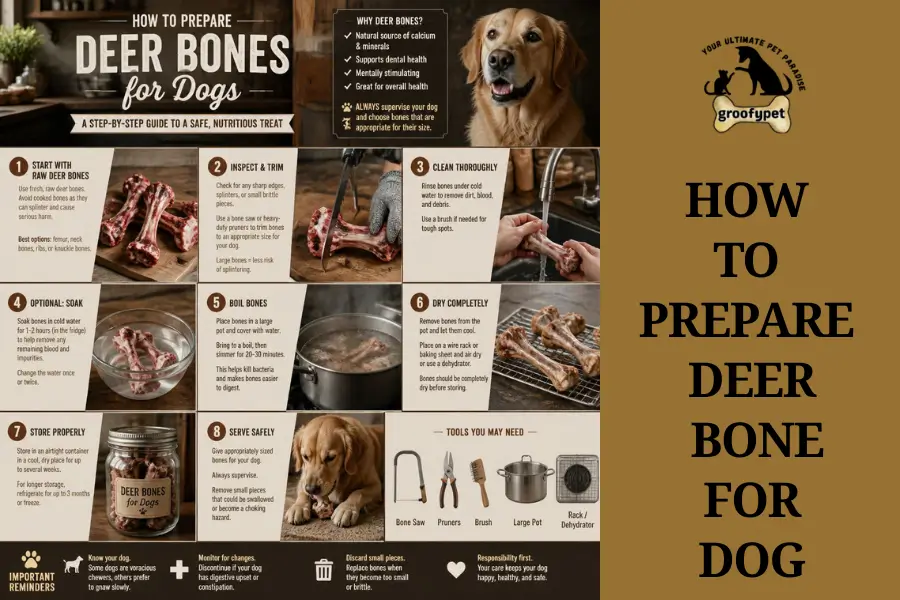
To prepare deer bone for your dog, follow these steps:
- Select a fresh deer bone – Ensure it’s from a reliable source and free from preservatives or chemicals.
- Freeze the bone – Freezing for a few days can kill any parasites or harmful bacteria.
- Thaw the bone – Let the bone thaw in the fridge before giving it to your dog to avoid it being too hard.
- Inspect the bone – Check for any sharp edges or cracks that could pose a risk.
- Supervise – Always supervise your dog while chewing, as bones can splinter.
- Limit chew time – Allow your dog to chew for about 15-20 minutes to prevent excessive wear on their teeth.
Following these steps ensures that the deer bone is safe and enjoyable for your dog!
Deer Bone for Dog: A Safe and Nutritious Approach
When preparing deer bones for your dog, it’s essential to ensure they are safe and beneficial. First, avoid giving cooked bones, as they can become hard and brittle like glass, which can cause injuries. Instead, opt for air drying the leg bone, which helps it retain its natural nutrients and marrow inside. This process also prevents the bone from becoming too fragile or sharp.
When offering chews, allow your dog to munch slowly and chew gently, especially since bones from deer can be dense. Ensure the tendons and ligaments are still attached, as these provide added benefits for dental health and joint support.
- Use raw deer bones to avoid splintering that can happen with cooked bones.
- Clean the bone well, removing any leftover meat or tissue for safety.
- Freeze the bone for a few days to kill off any potential parasites.
- Thaw the bone completely before giving it to your dog to ensure it’s safe to chew.
- Always supervise your dog while chewing to prevent choking or accidents.
- Limit chewing sessions to protect your dog’s teeth from excessive wear.
- Pick larger bones like leg or knuckle bones, as they are less likely to splinter.
It’s important not to let your dog consume the whole bone, as larger pieces can cause issues. Offer the bone in short sittings, limiting chewing time to a maximum of 30 minutes. This helps prevent over-consumption and protects your dog from ingesting unsafe fragments.
While chewing, always supervise your dog to ensure they handle it safely. Deer bones are a great way to engage dogs, but the goal is for them to enjoy the experience rather than devouring the entire bone. Keep it safe, slow, and balanced for your pet’s health.
Is Deer Bone Important for Dogs?
When giving deer legs to dogs, it’s important to consider their unique needs and chewing habits. Not all dogs will handle these bones the same way, so matching the treat to their personality is crucial. While some dogs might devour a deer leg in seconds, it is important for them to chew slowly to avoid any risk of choking.
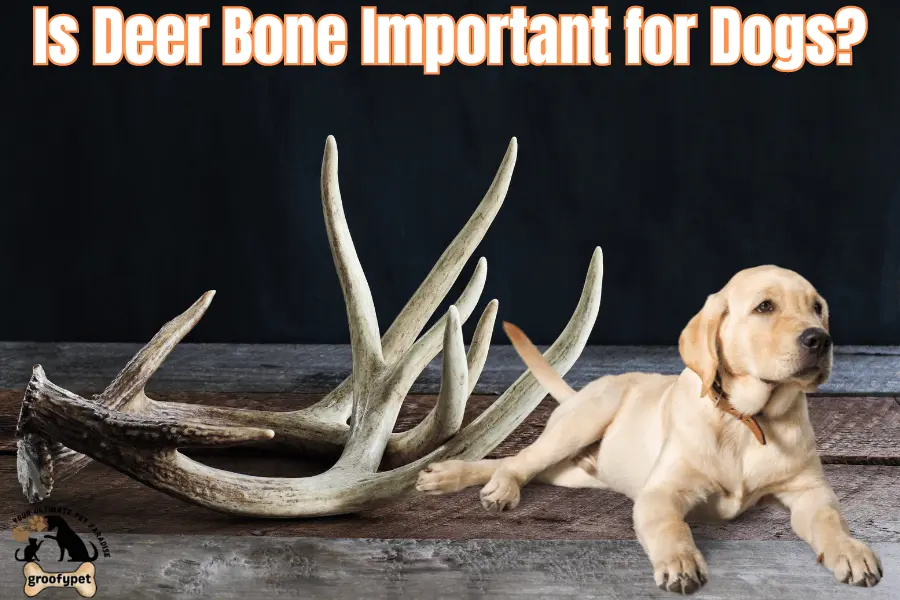
This is especially true for small dogs and puppies where the size of the bone may not be suitable. Small parts of the bone can break off and swallowing these can lead to a risk of choking or digestive issues. Fast eaters need extra caution, as they might gulp down a large portion too quickly.
For larger dogs, deer bones can be a natural protein-rich treat they’ll cherish. However, ensure the size of the bone is appropriate and matches their chewing habits. Giving them bones for too long periods can cause tooth damage, so it’s better to let them gnaw and bite at it under supervision.
The treat should be removed if the dog starts breaking it into smaller pieces. While safe for most dogs, it’s not recommended to give deer legs to dogs that are too small or puppies due to the risk of choking or swallowing pieces that could cause harm.
Health Benefits of Deer Legs for Dogs
Preparing deer bone for your dog involves using deer legs, which are long bones with a hard, smooth surface and marrow and meat inside and outside. These bones offer significant benefits for your dog’s health, including being long-lasting and a natural dental aid that helps clean teeth and remove tartar.
They improve bone, joint, and coat health with their delicious nutrients like calcium, iron, and high protein.
1-Long Lasting
To prepare deer bone effectively, especially deer legs, you’ll find they are long-lasting due to their firm and tasty texture. These bones are perfect for dogs with strong, powerful jaws, offering a good challenge that keeps them happy and entertained.
2-Deer Bone as a Dental Aid
When preparing deer bone for your dog, consider how it acts as a natural dental aid. The chewing process of deer bones is excellent for cleaning your dog’s teeth by removing tartar and plaque build-up. The firm consistency of the bone helps in strengthening your dog’s jaws, which is vital for their overall health and well-being.
3-Deer Bones as a Boredom Buster
Using deer bone can effectively combat boredom in dogs. Their natural instinct to chew and gnaw on these bones helps to relieve stress and anxiety. By providing a durable chew, you engage your dog in a satisfying activity that keeps them entertained and focused.
4-Beneficial for Bone, Joint, & Coat Health
Using deer bone is beneficial for your dog’s bone, joint, and coat health. The cartilage and soft tissue in the bone are rich in collagen, which supports an improved diet and overall wellness. Chewing on these bones helps improve these aspects of health, making them a great addition to your dog’s routine
5-Full of Nutrients
Deer bone is packed with delicious nutrients that can greatly benefit your dog. It contains fat, calcium, manganese, iron, and a high protein content. These nutrients are essential and complimentary to your dog’s diet, offering more calcium phosphate than standard kibble. The bone helps your dog digest nutrients more effectively, making it a nutritious choice for their health.
6-Hypoallergenic
When preparing deer bone for your dog, it’s worth noting that deer meat is hypoallergenic and a great alternative for dogs with common protein allergies or sensitivities. As a single protein source, deer is less likely to cause an allergic reaction compared to more common options like chicken or beef. This makes it a good choice for dogs with specific dietary needs.
7-Low in Cholesterol and Fat
When choosing deer bone for your dog, it’s important to know that it is low in cholesterol and ideal for low-fat diets. This makes it a perfect treat compared to commercial pet foods, which often contain high fat and can lead to weight gain. By selecting deer bones, you help keep your dog’s diet balanced and healthy.
8-100% Natural
When preparing deer bone for your dog, you’ll appreciate that it is 100% natural. These bones are gluten-free and grain-free, making them a great option for dogs with sensitivities or intolerances. They contain no artificial ingredients, preservatives, or flavors, ensuring a pure treat that supports your dog’s health.
9-Supports Digestive Health
In addition to being natural, deer bone helps support digestive health. The natural chew helps with the digestive process, making it easier for your dog to absorb nutrients.
10-Boosts Immune System
Moreover, deer bone can also boost your dog’s immune system. The nutrients in the bone contribute to overall health, helping your dog stay strong and resilient.
Deer Bones Are Safe for Dogs
When considering deer bones for your puppy or medium breeds, it’s important to focus on safety and health. Deer legs can be a recreational bone providing long-lasting treats for large breeds with powerful jaws. These bones are non-toxic and a natural option for dogs to gnaw on.
They help with teeth and jaw maintenance, offering significant value for their diet and overall well-being. However, always supervise your dog while chewing on these bones to ensure they don’t break off into dangerous pieces. While deer legs are a good choice, you might also consider other options like veal bone, sow ear, buffalo ear, or camel skin as alternatives.
These items, including dog chews, provide similar benefits and can be part of a varied diet. By choosing appropriate treats and toys, you ensure your toy dog or puppy enjoys safe and healthy chewing experiences.
Benefits of Deer Bones
- Deer bones (or venison bones) are durable chews and a natural source of calcium, promoting bone health.
- They are rich in nutrients that can help strengthen a dog’s immune system.
- Chewing on deer bones aids in cleaning teeth and gums which improves dental health.
- They provide an excellent alternative for dogs allergic to more common animal proteins.
Risks of Deer Bones
- Cooked deer bones can become brittle and break into sharp pieces.
- These sharp pieces may cause damage to a dog’s mouth, teeth, and digestive tract.
- Swallowed shards can lead to choking hazards or intestinal blockages.
- The splintered bone fragments may also cause internal injuries or perforations in the digestive system.
Servings
- Deer bones are best given to dogs raw; air-dried deer bones or venison marrow bones are also available at pet stores.
- Always supervise your dog when they are eating bones.
- Consider making bone broth from deer bones and adding it to your dog food for extra nutrients.
- If your dog’s diet already includes enough calcium, limit edible bones or offer them as occasional treats.
- Always remove the bones after your dog has finished eating.
Nutritional Benefits of Deer Bone for Dogs
| Nutrient | Amount per 100 g | Benefits for Dogs |
| Calcium | 500-600 mg | Supports bone health, teeth, and muscle function. |
| Phosphorus | 300-400 mg | Aids in bone formation and energy metabolism. |
| Collagen | Varies | Enhances joint health and skin elasticity. |
| Protein | 20-30 g | Essential for muscle repair and growth. |
| Magnesium | 10-20 mg | Supports enzyme function and bone structure. |
| Chondroitin | Varies | Helps maintain cartilage health and joint function. |
Frequently Asked Questions
Can you give raw deer bones to my dog?
You can give raw deer bones to dogs. Deer legs are safe, natural, and offer numerous health benefits for your dog. These recreational bones are excellent for your dog’s overall well-being, contributing positively to their diet, dental health, and jaw strength.
What should I do if my dog ate deer bones?
If your dog has eaten deer bones, especially if it’s a piece of a recreational bone or weight-bearing bone from a large animal, it’s crucial to contact your vet immediately. Cooked bones pose a greater risk because they become more brittle and harder to digest due to the cooking process, increasing the likelihood of splintering and causing potential harm.
Should I boil deer bones for my dog?
Boiling deer bones for dogs is not recommended. Cooked bones, whether boiled or fried, can be dangerous. They pose a choking hazard, can lead to serious bowel blockages, and may cause broken teeth. Additionally, the cooking process removes essential nutrients from the bones, making them less beneficial for your dog’s diet.
Final words
To prepare a deer bone for your dog, start by giving it a good cleaning to remove any leftover meat and fat. This helps prevent spoilage and digestive issues. Boil the bone in water for a few hours; this not only gets rid of bacteria but also softens it a bit, making it safer for your dog to chew.
Once it’s boiled, let the bone cool completely before handing it over. Always supervise your dog while they’re enjoying their new chew toy to avoid any choking hazards or splintering. Regularly check the bone for any damage and throw it away if it starts to break down. This way, you can ensure your dog has a safe and enjoyable treat!
Can Dogs Get Ingrown Toenails? Prevent Pain with Simple Care!
Amazing! Puppy Holds Pee All Night But Not During Day: Breakthrough