Why Does My Maine Coon Bite Me? When it comes to our feline friends, Maine Coons are a stunning and loving cat breed. However, their behavior can sometimes leave us confused as owners. We may find ourselves in situations where our beloved Maine Coons bite, and it can make us feel hopeless. But fret not, there are plenty of reasons why Maine Coons engage in biting behaviors, and understanding these reasons is crucial for addressing the issue and strengthening the bond with our furry companions.
Biting from our Maine Coons could indicate a health problem, but most of the time, the reasons are simple and easy to address. One common cause behind biting is their desire for attention. Maine Coons are known to seek out attention from their owners, and sometimes, they resort to biting as a way to get noticed. Another reason could be their need for food. When they feel hungry, they may resort to biting to remind us that it’s mealtime. By acknowledging and fulfilling their needs, we can minimize biting incidents.
Why does my Maine coon bite me excessively?
.
Maine Coons may bite excessively if their grooming needs are neglected, leading to frustration. They are generally relaxed and independent but may bite to assert their independence if they feel overwhelmed or confined
Understanding the nature of Maine Coons is essential in addressing their biting tendencies. These cats are known for their majestic appearance, with their large and thick coat of hair requiring regular care and attention. Neglecting their grooming needs can lead to frustration, which they may express through biting. Maine Coons are generally relaxed and independent. They enjoy their alone time and thrive in calm environments. However, if they feel overwhelmed or confined, they may resort to biting as a way to assert their independence.
Why does my maine coon bite me and become so agressive?
Maine Coon cats are known for their fluffy fur and big ears, but sometimes they can display aggressive behavior. If you’re wondering, “Why does my Maine Coon bite me?” there are several factors to consider:
Unusual stress
As a Maine Coon owner, I’ve noticed that stress and aggression often go hand in hand. There are many causes that can make your Maine Coon feel uneasy, such as changes in their environment like loud noises or the presence of unfamiliar people and unfamiliar animals. When my cat feels a lack of attention or has health issues, she becomes anxious and fearful, which can lead to defensive actions like biting, scratching, and hissing.
The solution: To help reduce these behaviors, I make sure she has a safe place like a cat tree, cardboard box, or cozy bed. Using calming products such as pheromone sprays, diffusers, and collars can also help. Providing distraction through playing with toys, giving treats, and petting can alleviate territorial tension. Regular check-ups with the vet are essential to rule out health problems that could cause violence or attack.
Daily Activities to Keep Your Maine Coon Happy
Maine Coon cats often bite due to boredom, frustration, or a lack of daily engagement. These intelligent cats require more stimulation than many other breeds. Biting can be a way for them to express aggression or to get your attention.
The solution: To reduce this behavior, ensure your Maine Coon gets plenty of interactive playtime and a variety of toys that keep them happy and healthy. Engaging with them through fishing poles, wand toys, or puzzles can help burn their excess energy and fulfill their need to hunt and explore.
Loneliness
Understanding why Maine Coons bite can often be linked to feelings of loneliness. As highly social creatures, these cats thrive on companionship from both humans and other animals. When left alone for extended periods, they may experience isolation, depression, or boredom, leading to behavioral issues like aggression, scratching, or spraying.
The Solution: Providing consistent social interaction and ensuring they have company can significantly reduce the likelihood of biting behaviors in Maine Coons.
When Overstimulation Leads to Aggression
My Maine Coon sometimes bites or scratches me unexpectedly, especially during play. Understanding sensory input is crucial. Cats like tabby maine coon get overwhelmed by too much touch, sound, or movement. When irritated, they may show aggressive behavior—hissing, biting, or scratching. Respecting their boundaries is key.
Watching for body language signals such as flattened ears, twitching tail, dilated eyes, or whiskers pulled back can signal discomfort. It’s important to recognize when your Maine Coon has had enough interaction.
The Solution: To prevent aggressive behavior, learn your cat’s limits. Allow breaks during play and avoid excessive noise or sudden movements. Respect their need for space and quiet times, especially around bedtime.
Hormonal disorders
Maine Coons are known for their territorial and dominant behavior, often asserting their status and protecting their resources. Hormone levels can influence these traits, leading to restlessness, irritability, and occasional aggression. Spaying or neutering can reduce or eliminate these issues by preventing pregnancies and certain diseases, potentially increasing their lifespan.
The Solution: If your Maine Coon displays moody or aggressive tendencies, consult a veterinarian or behaviorist to address these learned habits and find coping mechanisms.
How to stop Maine Coon from Biting?
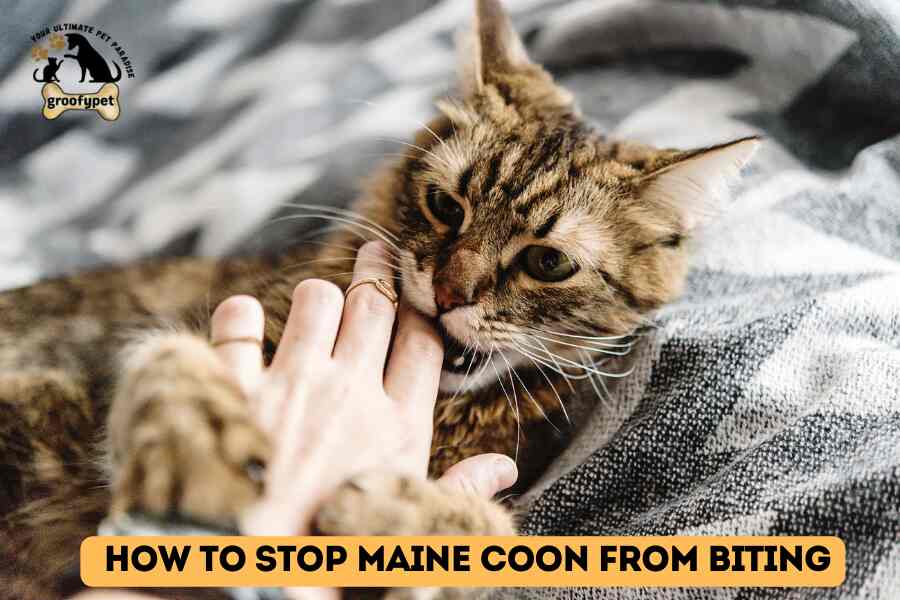
Decoding the reasons behind biting behaviors in cats, especially Maine Coons, is crucial for creating a harmonious relationship. Whether it’s their desire for attention, need for food, or the importance of a relaxed and calm environment, understanding their needs is key. By providing proper care, attention, and addressing any potential health issues, we can ensure a happy and bite-free companionship with these majestic and playful creatures.
Managing an Aggressive Maine Coon
Dealing with an aggressive Maine Coon involves understanding their need for playtime and positive reinforcement. Engage them in play that mimics hunting to satisfy their instinct. Ensure they feel safe and provide an effective environment for socialization. If your cat bites, avoid anesthesia without a vet’s advice as it might be due to overstimulation or asserting dominance.
Provide ample pets and be attentive to their behavioral traits. If your cat shows signs of aggression like growls or hiss, it might be stressed or dealing with a health issue. Regular vet check-ups can help rule out any medical issues. By understanding their breed and ensuring they have proper interaction, you can manage their aggressive behaviors effectively.
Creating a Safe and Comfortable Space for Your Maine Coon
- Safe and comfortable environment to reduce fear and stress.
- Ensure surroundings meets Maine Coon’s physical and emotional needs.
- Provide a clean, spacious litter box in a quiet, accessible place.
- Keep a fresh water bowl and food with a nutritious, balanced diet suited to the age, size, and health condition of your cat.
- Serve measured portions at regular intervals.
- Offer a cozy, warm bed in a high, secluded spot like a tree, shelf, or windowsill.
- Place a scratching post near a convenient entrance or near the sofa.
- Supply a variety of toys to stimulate their hunting, chasing, and pouncing instincts with balls, feathers, mice, and puzzles.
- Allow outdoor access in a fenced, screened, or enclosed garden for them to explore, play, and sunbathe without danger.
- Create a relaxed, secure place with visible elements like a chair for your cat to express its natural behavior.
Get Professional Guidance: Vet and Behaviorist Solutions
- Consult a professional to diagnose and treat the issues causing the aggression. A veterinarian can check for medical problems, while a behaviorist can look into psychological reasons.
- Their help is crucial in designing and implementing a modification plan that is tailored to your cat’s specific needs and goals.
- It’s important to identify potential triggers, especially if the biting is sudden, severe, unprovoked, persistent, frequent, and escalating.
- Biting has serious consequences, including the risk of injury, damage to property, and it can negatively affect the quality of life and your relationship with your pet.
- It’s essential to address the root cause to provide the best possible solution for your cat’s behavior.
When Do Maine Coon Cats Calm Down?
Maine Coon cats are known for their playful and curious nature. However, at what age do Maine Coon cats calm down? Understanding this can help owners manage their cat’s behavior better.Maine Coon cats are slow maturing compared to other breeds. They remain hyperactive and restless well into their 3 to 5 years of age.
While they may never completely calm down, they gradually become more calm, gentle, and enjoy relaxing and cuddling as they grow older. Owners should create a safe, comfortable environment that respects the cat’s individual living conditions and lifestyle. Forcing a change in their routine can cause stress and lead to undesirable behavior, such as biting.
Also Read: kitten and puppy at the same time
Frequently Asked Questions
How to prevent a Maine coon cat from biting?
Maine Coon cats are highly intelligent and rewarding companions, but sometimes they can exhibit aggressive behavior like biting. Understanding their triggers is key to doing the best for your cat. Reward them for right actions to change their behavior. Quickly they learn what actions lead to rewards.
Why does my Maine Coon cat keep attacking me?
When Maine Coon cats react violently towards their owners, it can be confusing and concerning. This behavior might not always stem from aggression but could indicate underlying health problems or discomfort.
Why is my Maine Coon cat obsessed with me?
Maine Coons are known for their loyal and friendly nature, but sometimes they might bite. This obsession with biting can happen for different reasons. Often, it’s a way to show devotion or because they need constant attention.
Final Thoughts
Maine Coon cats are known for their loyal and devoted nature, making them excellent companions. However, their extreme attachment to their owners often leads to obsession with being close and constantly demanding attention. This can be both endearing and challenging. Biting is usually a way for them to express their needs, emotions, or sometimes playfulness.
Is it Normal for Cats to Bite their Nails?Explore Amazing Answers!