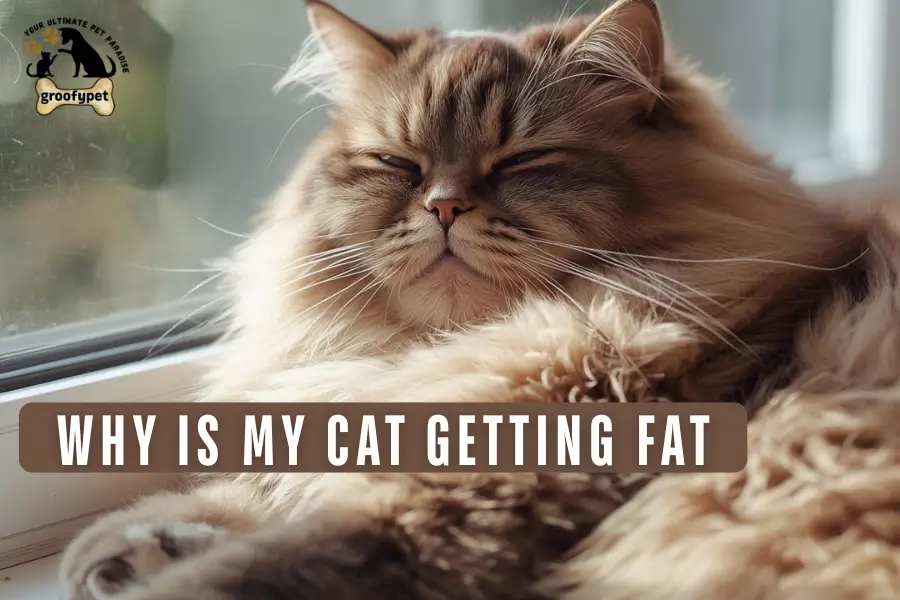
Many loving pet owners feel confused and ask why is my cat getting fat even when they believe they care properly. Weight gain in cats usually happens slowly and quietly over many months without clear warning signs.
Your cat may look cute and round but extra body fat can create serious long term health problems. An overweight cat often becomes less active and sleeps more during the day than usual. You may notice a hanging belly or a wider body shape that looks different from before. Indoor cats face higher risk because they move less and burn fewer calories daily.
Overfeeding large portions and offering frequent cat treats also increase daily calorie intake without owners realizing it. This article will explain why is my cat getting fat and guide you with safe practical solutions that support healthy weight management and long life.
How to tell if your cat is overweight?
You can check your cat body condition at home by observing shape movement and energy level carefully. Look at your cat from above and notice whether a visible waistline appears behind the ribs. If the body looks round without a defined waist then excess fat may be present.
Gently touch your cat ribs using light pressure and see if you can feel them easily under the skin. When ribs feel hard to detect without pressing strongly then extra fat likely covers them. Watch how your cat jumps climbs or runs because overweight cats often avoid high places.
Heavy breathing after small activity can also signal poor feline fitness and extra body fat. These simple steps help you understand early signs of feline obesity before more serious medical issues develop.
Healthy cat weight chart by age and breed
Every cat breed has a natural body size that affects what healthy weight looks like. Small breeds usually weigh between three to five kilograms while large breeds weigh more naturally. Kittens gain weight quickly during growth stages and need balanced kitten nutrition to support muscle development.
Adult cats should maintain stable weight once they reach full physical maturity. Senior cats may gain fat easily because metabolism slows and activity decreases with age. A healthy cat weight chart gives average ranges but each cat has unique body structure.
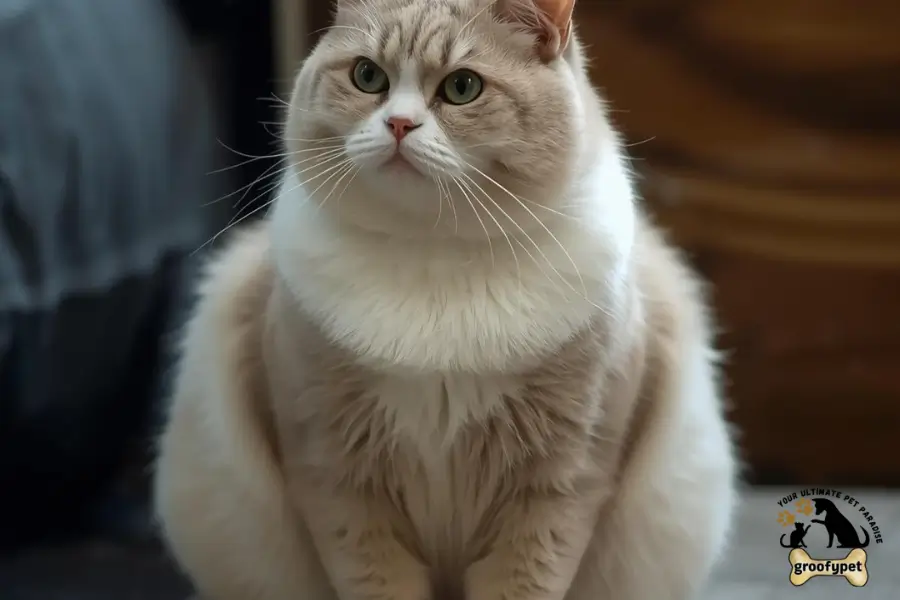
Comparing your pet with breed standards helps you avoid unhealthy weight gain. Always consult a veterinarian for accurate body condition score assessment and personalized feeding advice.
Common reasons why is my cat getting fat
Many daily lifestyle factors explain clearly why is my cat getting fat over time. Overfeeding without measuring portions leads to steady calorie surplus every single day. Indoor cats move less and experience lower calorie burning compared to outdoor cats.
Frequent treats and snacks add hidden calories that owners often forget to count. Hormonal changes after spaying or neutering increase appetite and reduce energy use. Aging slows metabolism which makes weight control harder for senior cats.
Stress boredom and emotional eating also contribute to gradual fat accumulation. Understanding these causes helps prevent long term pet obesity and related diseases.
1. Overfeeding and large portion sizes
Overfeeding remains the most common cause behind unhealthy feline weight gain in homes. Many owners fill the bowl freely without checking recommended serving size guidelines. Even small extra scoops of dry cat food increase total daily calories significantly.
Free feeding encourages constant grazing behavior instead of controlled meal times. Cats may ask for food out of habit rather than true hunger signals. Measuring food using a cup or kitchen scale ensures accurate portion control daily.
Reducing portion size slowly supports safe weight loss without causing stress. Balanced feeding habits protect your cat from future weight management struggles.
2. Too many treats and table scraps
Cat treats appear harmless but contain concentrated calories and flavor enhancers that increase appetite. Giving multiple treats throughout the day adds extra energy beyond regular meals. Human table scraps often contain unhealthy fats and salt that disturb balanced pet nutrition.
Even small pieces of chicken or cheese raise total calorie intake quietly. Treats should never exceed ten percent of daily calorie needs. Replace high calorie snacks with healthy low calorie treat options. Consistent control prevents slow fat gain and supports proper cat diet plan results.
3. Lack of physical activity
Indoor cats live safe lives but often lack enough daily physical movement. Without hunting climbing and exploring they burn very few calories each day. Long sleeping hours combined with high calorie meals create positive energy balance. Cats need interactive toys scratching posts and climbing trees for active stimulation.
Scheduled play sessions increase heart rate and improve overall feline fitness. Laser toys feather wands and puzzle feeders encourage natural hunting behavior. Regular activity helps answer why is my cat getting fat by reducing stored body fat effectively.
4. Age related weight gain
As cats grow older their metabolism slows and muscle mass gradually decreases. Reduced muscle lowers daily calorie needs but appetite may remain the same. Senior cats also prefer resting which reduces natural calorie burning activities.
Hormonal shifts influence fat storage especially around abdomen area. Adjusting food quantity according to age supports healthy weight control. Switching to senior formula with proper low calorie cat food helps maintain lean body mass. Regular health checks ensure aging does not lead to dangerous obesity in cats.
5. Spaying or neutering effects
Spaying or neutering changes hormone levels that control hunger and metabolism. After surgery many cats experience increased appetite and reduced physical activity. Calorie needs drop by nearly twenty percent in some cases. If owners continue feeding previous portion sizes weight gain may start quickly.
Monitoring food intake after surgery prevents sudden fat accumulation. Choosing specially formulated weight control cat food supports hormonal balance. Responsible feeding after sterilization answers why is my cat getting fat in many households.
Medical reasons why is my cat getting fat
Sometimes weight gain happens due to hidden medical conditions that require treatment. Hormonal disorders affect metabolism and cause unusual fat storage patterns. Fluid retention may look like fat but results from internal health issues. Diabetes and thyroid imbalance disturb energy use inside the body.
Sudden unexplained weight increase demands immediate veterinary examination. Blood tests and physical evaluation help identify root cause early. Treating medical problems supports safe healthy weight restoration. Never ignore rapid changes because they may signal serious disease.
1. Hypothyroidism in cats
The thyroid gland controls metabolism and energy use in the body. When hormone levels drop metabolism slows and fat accumulates quickly. Affected cats show weight gain despite normal eating habits. They may appear tired and less playful than usual.
Blood testing confirms thyroid hormone imbalance accurately. Early treatment with medication restores metabolic function safely. Managing thyroid health prevents long term feline weight gain complications.
2. Diabetes and insulin problems
Diabetes affects blood sugar regulation and influences appetite and weight. Some diabetic cats feel constantly hungry and overeat daily meals. Excess glucose converts into fat when energy remains unused. Increased thirst and frequent urination often accompany weight changes.
Early diagnosis through laboratory testing protects organ function. Controlled diet and insulin therapy support balanced blood sugar levels. Proper care improves overall cat health and prevents further obesity.
3. Fluid retention and bloating
Not every large belly indicates true fat accumulation in cats. Fluid buildup inside abdomen can cause sudden swelling and discomfort. This condition often relates to heart liver or kidney problems. Swelling appears quickly unlike gradual fat gain over months.
Cats may show pain weakness or breathing difficulty. Immediate veterinary care remains essential in such cases. Early treatment prevents serious complications and protects life.
4. Is my cat really fat or just fluffy
Long haired breeds often look larger because thick fur adds visual volume. Touching the body helps determine real fat under the coat. If ribs feel hidden beneath soft padding then fat exists. Grooming regularly reduces fur bulk and reveals body shape clearly.
Body condition scoring provides reliable measurement beyond visual guess. Owners sometimes mistake healthy build for obesity. Careful observation answers why is my cat getting fat or if appearance only seems misleading.
Risks of obesity in cats
- Obesity increases risk of arthritis joint pain and limited movement.
- Extra weight strains heart and lungs during normal activities.
- Overweight cats face higher chance of developing feline diabetes.
- Fat tissue creates inflammation that harms internal organs gradually.
- Grooming becomes difficult leading to poor coat hygiene.
- Life expectancy decreases when obesity remains unmanaged.
- Preventing excess weight ensures longer happier and healthier cat life.
How to help your cat lose weight safely?
Safe weight loss requires patience consistency and structured feeding plans. Sudden food restriction can cause liver disease in cats. Gradual calorie reduction protects metabolism and prevents stress. Increase daily activity with engaging toys and climbing structures.
Choose high protein balanced cat nutrition formulas designed for weight control. Monitor progress weekly and record changes carefully. Veterinary guidance ensures safe and effective cat weight loss journey.
Best diet plan for overweight cats
A proper diet plan focuses on high protein moderate fat and limited carbohydrates. Protein preserves lean muscle mass during calorie reduction phases. Fiber increases fullness and reduces begging behavior between meals.
Wet food contains more moisture and fewer calories than dry kibble. Splitting meals into smaller portions improves metabolism stability. Fresh water supports digestion and overall organ function. Consistent feeding routine improves long term weight management in cats.
How long does it take for a cat to lose weight?
Healthy weight loss in cats happens slowly over several months. Safe target equals one percent of body weight per week. Rapid weight loss increases risk of fatty liver disease. Regular weigh ins track progress accurately and safely.
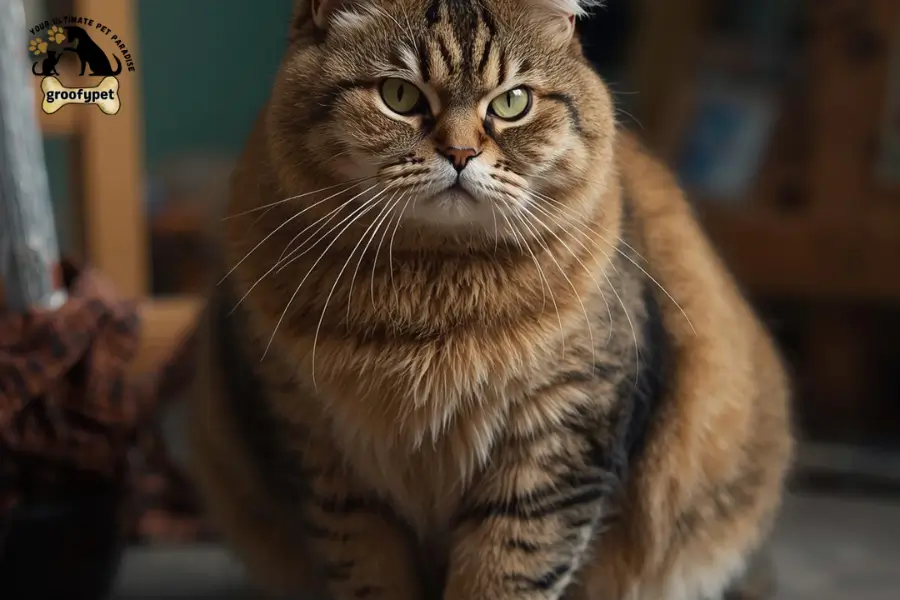
Patience remains important during controlled cat diet programs. Steady results ensure long lasting improvement in overall health. Consistency answers why is my cat getting fat and how to reverse it safely.
Mistakes to avoid when managing cat weight
- Many owners reduce food drastically which harms metabolism and energy levels.
- Ignoring treat calories often sabotages weight loss efforts.
- Inconsistent feeding schedules confuse hunger signals and routine habits.
- Skipping play sessions limits calorie burning opportunities.
- Failing to consult veterinarian delays proper diagnosis of health problems.
- Avoid crash dieting and focus on gradual healthy lifestyle changes.
- Smart decisions protect long term feline wellness.
When to see a veterinarian?
Sudden rapid weight gain requires professional medical evaluation immediately. Behavioral changes and appetite shifts also signal possible illness. Lethargy vomiting or excessive thirst demand urgent attention. Annual health checkups monitor body condition score properly.
Blood tests identify hidden hormonal or metabolic disorders. Early diagnosis ensures effective treatment and recovery. Veterinary support strengthens overall preventive pet care approach.
Indoor cats vs outdoor cats weight gain?
Indoor cats face higher obesity risk because daily movement stays limited. Outdoor cats explore climb and hunt which increases calorie burning. Indoor lifestyle often includes boredom eating and long sleep hours. Providing environmental enrichment improves physical and mental stimulation.
Scratching posts climbing trees and puzzle feeders boost activity indoors. Balanced diet combined with exercise reduces indoor weight gain. Understanding lifestyle differences helps answer why is my cat getting fat clearly.
Does dry food make cats gain weight?
Dry food contains higher calorie density compared to wet food formulas. Cats may overeat dry kibble because it stays available all day. Portion control becomes difficult during free feeding routines. Wet food supports hydration and usually offers lower calorie content.
Reading nutrition labels helps compare calorie amounts accurately. Combining wet and dry food in measured portions improves balance. Responsible feeding prevents unwanted cat weight gain.
Emotional eating in cats
Cats may eat more when bored stressed or seeking attention. Lack of stimulation encourages comfort eating behavior regularly. Changes in home environment can trigger anxiety driven appetite increase. Interactive toys and play sessions reduce emotional hunger patterns.
Creating safe quiet spaces lowers stress and improves behavior. Monitoring mood changes helps prevent unnecessary snacking habits. Emotional balance supports healthy body weight naturally.
Many owners ask why is my cat getting fat despite feeding small portions daily. The answer often lies in hidden treat calories and low physical activity levels. Some ask whether stress causes weight gain and the answer is yes it can. Others wonder how much a cat should weigh which depends on breed and body frame.
People also question if older cats normally gain weight due to slow metabolism. Many consider starting a diet without advice but veterinary guidance remains safest option. These common concerns highlight importance of balanced feeding and regular health checks.
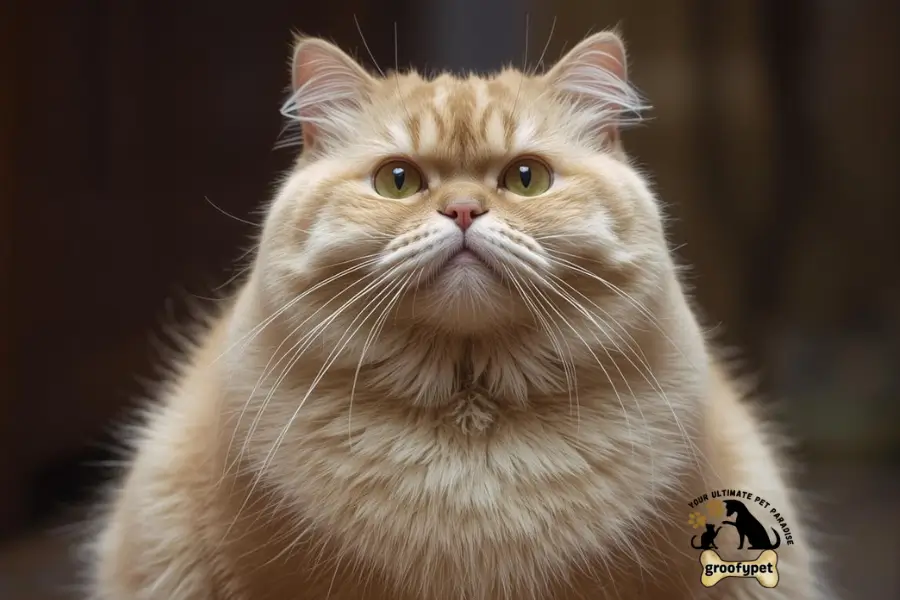
Final Thoughts
Understanding why is my cat getting fat helps you protect your pet from serious illness. Weight gain usually results from overfeeding low activity or hormonal changes. Simple lifestyle adjustments create powerful long term health benefits.
Balanced diet portion control and daily play remain key solutions. Monitor weight regularly and act early before obesity develops. Consult professionals whenever sudden changes appear. With care attention and patience your cat can enjoy a healthy active and happy life.
Can Cats Eat Hash Browns? Risks, Facts And Safe Alternatives!
Can Cats Eat Hot Dogs Benefits, Risks and Safe Serving Tips!