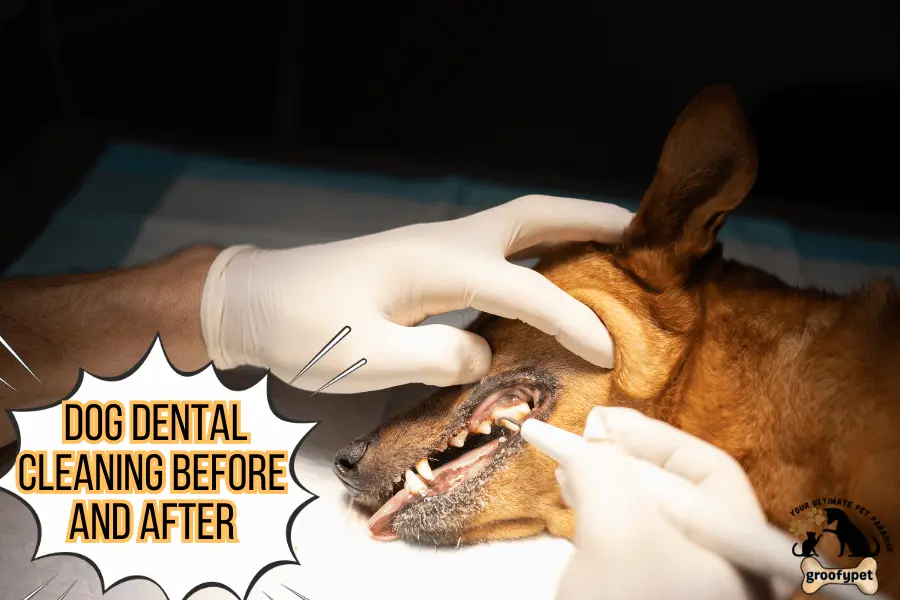
Dog dental cleaning before and after is an essential aspect of maintaining your pet’s overall health which is often looked at by many pet owners. Just like humans, dogs also suffer from dental issues that go beyond bad breath. Plaque and tartar build up infections like tooth loss and even affect vital organs like the heart and kidneys .
Regular dental cleanings not only enhance your dog’s oral hygiene but also maintain its health. Before scheduling it’s important to understand what the process involves both for your pet safety and for your peace of mind. Whether you are dealing with a young puppy or an older dog. Your right approach to dental care is important for preventing future health issues.
This article will walk you through everything you need to know about dog dental cleaning—before, during, and after—so you can keep your furry friend’s teeth in top shape and make sure they live a healthier and happier life.
Common Complications After Dog Dental Cleaning
Dog dental cleaning whether performed under anesthesia can lead to various complications. Understanding these potential issues can help pet owners monitor their dogs post procedure and seek veterinary assistance if necessary.
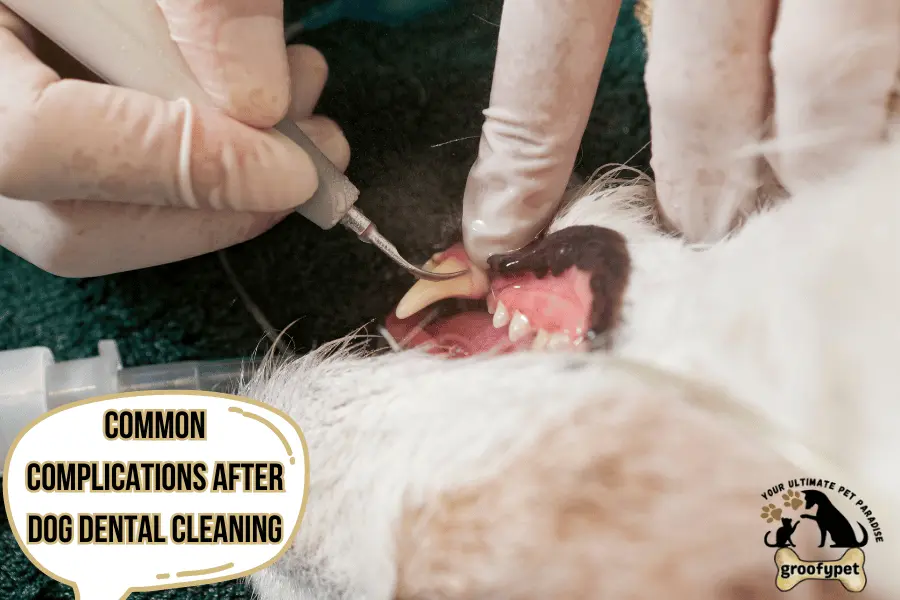
1) Oral Infections
Post-Dental Oral Infections: Dogs with post dental disease develop infections after dental cleaning due to harmful influence of gums and teeth during the procedure.
Signs: Look for swelling, redness or discharge from the gums.
2) Pain and Discomfort
Mild Oral Pain: It’s common for dogs to experience some soreness after dental cleaning especially if extractions were performed. This discomfort typically resolves within a few days.
Increased Thirst and Vomiting: Some dogs may show increased thirst or vomit due to the taste of prophy paste used during cleaning.
3) Anesthesia-Related Risks
Breathing Issues: sometimes Anesthesia can cause complications like allergic reactions or respiratory problems particularly in dogs with pre existing conditions.
Monitoring Required: Close monitoring during and after the procedure is essential to manage any side effects from anesthesia.
4) Surgical Complications
Tooth Extraction Issues: Complications like fractured tooth or jaw fractures occur during extractions due to the excessive force or improper technique.
Oronasal Fistulas: These can develop if the extraction site does not heal properly leading to a connection between the mouth and nasal cavity
5) Recovery Challenges
Delayed Recovery: If a dog does not return to normal behavior within 24 hours post cleaning it indicates a complication requiring veterinary attention.
Behavioral Changes: Some dogs may exhibit anxiety or stress during non anesthetic cleanings which could lead to sudden movements that might cause injury.
6) Long-Term Dental Health Issues
Untreated Periodontal Disease: Non-anesthetic cleanings often fail to address deeper dental issues, potentially leading to worsening oral health over time3.
Higher Future Costs: Neglecting comprehensive dental care can result in more serious health issues that require expensive treatments later on
Preparation Steps Before Dental Cleaning
Preparation Steps
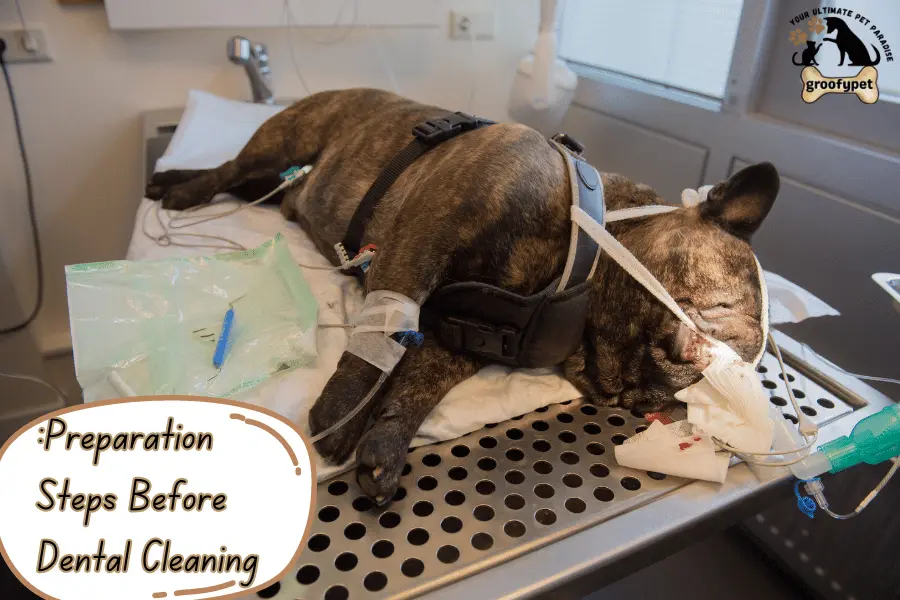
Fasting:
Do not give food or water for 12 hours to your dog before the procedure to reduce the risk of vomiting during anesthesia. Make sure no eating or drinking occurs during this time.
Bloodwork:
A blood test is essential particularly for older dogs or those with health conditions. This test checks liver and kidney functions to confirm that they can safely handle anesthesia.
Antibiotics:
Those dogs who have severe dental issues or infections, antibiotics may be prescribed a few days before the procedure. This helps prevent bacteria from spreading into the bloodstream during cleaning.
With these preparation steps your dog is ready for a safe dental cleaning. The Initial Examination at the vet to ensure everything is in order for the procedure.
Initial Examination
Arrival at the vet:
The veterinarian conducts a complete physical examination to make sure that your dog is fit for the procedure.
Vital checks:
The vet will check the dog’s temperature, weight and heart rate. These checks help determine the most suitable anesthetic protocol for your dog.
Anesthetic evaluation:
Based on the exam results and pre anesthetic bloodwork the veterinarian will finalize the type and dosage of anesthesia to ensure your dog’s safety during the cleaning.
What should do During Dental Cleaning?
Anesthesia
General anesthesia keep your dog comfortable throughout the procedure. This ensures that the vet can safely and properly clean the teeth without causing distress or pain.
Teeth cleaning
Ultrasonic scaler is used to remove plaque and tartar from above and below the gum line preventing infections and gum disease. This deep cleaning is essential for not just the oral health of the dog but also preventing bacteria from affecting other teeth.
Additional treatments
Dental X-rays performed to detect some dental issues like bone loss or infections below the gum line. Fluoride treatment helps strengthen tooth enamel and reduce sensitivity and make sure your dog teeth will be strong after cleaning.In severe cases extractions may be necessary for teeth that are too damaged or infected to save other teeth. The dental cleaning process makes your dog’s mouth free of harmful plaque and any underlying issues.
What should do After Dental Cleaning
Monitoring Recover
After the procedure your dog will be closely monitored as they wake from anesthesia. Most dogs are ready to go home on the same day though they feel comfortable for up to 48 hours.
Feeding Guidelines
Avoid feeding your dog for 2-3 hours after post-surgery to prevent stomach disorders from anesthesia. After this period, small amounts of food can be introduced. If extractions were performed a soft diet is recommended to avoid irritating the gums.
Signs of Complications After Dental Surgery
Watch for these signs that may indicate complications:
- Inability to stand or walk within 12 hours.
- Lack of appetite or refusal to drink after 24 hours.
- Persistent discomfort or lethargy beyond 48 hours.
These signs could suggest a need for further medical attention, so be vigilant in monitoring your dog’s recovery.
Testimonials from pet owners:
- Many pet owners share success stories of how their dog’s overall health, breath and even energy levels improved after a professional dental cleaning.
- Regular dental cleaning plays a vital role in preventing more serious health conditions.
- These before-and-after comparisons and success stories reinforce the value of routine dental care for dogs, ensuring they enjoy a healthier and happier life.
Essential precautions for your dog following before and after Dental Surgery
Here’s a precaution chart in tabular form for dog dental cleaning, outlining key precautions to take before and after the procedure:
| Stage | Precautions |
| Before Dental Cleaning | |
| Fasting | – Withhold food and water for 12 hours before the procedure.
– Ensure your dog doesn’t eat or drink during this time. |
| Bloodwork | – Conduct a pre-anesthetic blood test, especially for older dogs.
– Assess liver and kidney functions to ensure safety for anesthesia. |
| Antibiotics | – Administer antibiotics if prescribed, especially for dogs with severe dental issues.
– Follow the vet’s instructions regarding dosage and duration. |
| Initial Examination | – Ensure the vet checks the dog’s temperature, weight, and heart rate upon arrival.
– Confirm the anesthetic protocol based on examination results. |
| After Dental Cleaning | |
| Monitoring Recovery | – Keep an eye on your dog as they wake from anesthesia.
– Most dogs can go home the same day but may feel drowsy for up to 48 hours. |
| Feeding Guidelines | – Do not feed your dog for 2-3 hours post-surgery.
– Afterward, offer small amounts of food, preferably a soft diet if extractions were performed. |
| Signs of Complications | – Watch for inability to stand or walk within 12 hours.
– Monitor for lack of appetite or drinking after 24 hours. – Look for significant discomfort or lethargy persisting beyond 48 hours. |
This chart provides a clear overview of the precautions to be taken during the stages of dog dental cleaning, ensuring a safer and more effective experience for your pet.
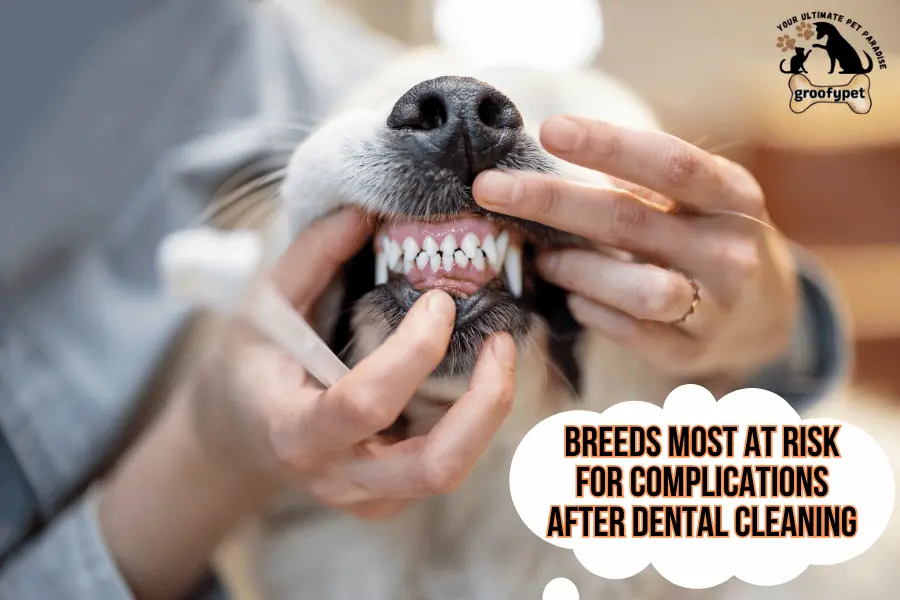
Breeds Most at Risk for Complications After Dental Cleaning
Certain dog breeds are more likely to have some complications like predispositions, jaw structure and dental health issues. Understanding these risks can help pet owners take proactive measures for their pets’ oral care.
1-Toy Breeds
Examples: Yorkshire Terriers, Poodles, Maltese, Pomeranians
Crowded Teeth: Their small jaws often lead to making it difficult to clean teeth effectively.
Periodontal Disease: Higher likelihood of developing gum disease and tooth decay due to plaque.
2-Brachycephalic Breeds
Examples: Bulldogs, Pugs, Shih Tzus, Boxers
Breathing Issues: Their short muzzles can increase risk of respiratory problems during dental treatment. Gum Disease: Crowded teeth lead to a higher risk of periodontal disease.
3-Small Breeds
Examples: Chihuahuas, Shih Tzus, Pomeranians
Delayed Tooth Eruption: These breeds may experience issues with teeth coming in correctly leading to increase dental problems. Increased Food Entanglement: Crowd teeth trap food particles promoting bacterial growth and gum disease.
4-Spaniel Breeds
Examples: Cavalier King Charles Spaniels, King Charles Spaniels
Higher Incidence of Dental Disease: Research indicates that spaniel breeds are particularly suffer to dental issues compared to others.
5-Larger Breeds with Specific Risks
larger breeds like Labradors and Great Danes are less suffer to periodontal disease they are at risk for.
Tooth Fractures: Active play can lead to injuries that require dental intervention.
Concerns related to dog dental cleaning and the corresponding actions
| Concern | Action |
| Anxiety About Anesthesia | – Discuss anesthesia options with your veterinarian.
– Ensure the vet explains the monitoring process during the procedure. |
| Dietary Restrictions | – Avoid feeding your dog the night before to prevent nausea.
– Consult your vet about reintroducing food after the cleaning. |
| Dental Health Awareness | – Educate yourself on the importance of regular dental check-ups.
– Schedule routine cleanings based on your dog’s dental health needs. |
| Behavioral Changes Post-Procedure | – Observe your dog for any unusual behavior after returning home.
– Be prepared to provide comfort and a quiet environment for recovery. |
| Pain Management | – Ask your veterinarian about pain relief options after dental cleaning.
– Follow the vet’s instructions regarding any prescribed medications. |
| Follow-Up Appointments | – Schedule a follow-up visit if needed, especially for dogs with extractions.
– Monitor healing progress and discuss ongoing dental care with your vet. |
This chart emphasizes various concerns related to dog dental cleaning and the corresponding actions that pet owners should take to ensure their dog’s safety and well-being throughout the process.
Dental disease dog teeth cleaning before and after
Dental disease in dogs happens when plaque and tartar build up on the teeth. This can cause bad breath, swollen gums, and pain while eating. Before cleaning, a dog’s teeth often look yellow or brown because of tartar. The gums may also bleed or look red.
After professional dental cleaning, the teeth look white and smooth again. The vet removes plaque and tartar using special tools. The gums become healthier and the dog’s breath improves. Regular cleaning helps prevent tooth loss and infection. It also keeps your dog comfortable and happy.
Dog teeth before and after dental cleaning?
Before dental cleaning, many dogs have plaque on their teeth. Plaque is a sticky layer that forms after eating. If it stays too long, it turns into hard tartar. This makes teeth look dirty and rough. After dental cleaning, the teeth look much brighter.
The vet polishes the teeth so bacteria cannot stick easily. The gums also look pink and healthy again. Dogs often feel better because pain and pressure from tartar are gone.
How to prepare dog for dental cleaning?
Preparing your dog for dental cleaning is important. The vet usually checks your dog’s health first. This may include blood tests to make sure anesthesia is safe. Most dogs must stop eating several hours before the procedure.
This prevents vomiting during anesthesia. You should also share your dog’s medical history with the vet. Bring your dog calm and relaxed to the clinic. A short walk before the visit can help reduce stress. Following the vet’s preparation steps keeps your dog safe during the procedure.
How long does dog dental cleaning take?
Dog dental cleaning usually takes 45 minutes to 2 hours. The exact time depends on the dog’s dental condition. If the teeth only need basic cleaning, it will be faster. Dogs with heavy tartar or gum disease may need more time. The vet must remove plaque carefully from each tooth. X-rays or tooth removal can also add time. After cleaning, the dog stays at the clinic until anesthesia wears off. Most dogs go home the same day.
Dog fasting before dental cleaning
Dogs usually need to fast for about 8 to 12 hours before dental cleaning. Fasting means no food during that time. Water may still be allowed until a few hours before the procedure. This step is important because the dog will receive anesthesia.
Food in the stomach can cause vomiting during sedation. Vomiting can lead to breathing problems. Always follow the exact fasting instructions from your vet. This helps keep your dog safe.
Dog dental cleaning procedure
A professional dog dental cleaning has several steps. First the dog receives anesthesia so it stays calm and pain-free. The vet then examines the mouth and teeth carefully. Special tools remove plaque and tartar from the teeth and below the gum line.
Dental X-rays may be taken to check hidden problems. After scaling, the teeth are polished to make the surface smooth. The vet may also treat infected teeth or remove damaged ones. Finally the dog wakes up and rests while the staff monitors recovery.
How to care for your dog after dental cleaning?
After dental cleaning, your dog may feel sleepy for a few hours. This happens because of anesthesia. Offer soft food if the vet recommends it. Make sure your dog drinks water and rests in a quiet place. Some dogs may have mild gum sensitivity for a day or two.
Follow any medication instructions from the vet. Avoid hard toys until the mouth heals. Watch for unusual swelling or bleeding. Proper aftercare helps the mouth heal quickly.
Dog teeth cleaning ball
A dog teeth cleaning ball is a special toy that helps clean teeth. It has small ridges or bumps on the surface. When a dog chews the ball, the ridges rub against the teeth. This action helps remove some plaque. Many of these toys also hold toothpaste or treats.
The chewing action can massage the gums. While helpful, these toys do not replace professional dental cleaning. They work best as part of daily dental care.
Dog dental cleaning instructions
- Basic dog dental cleaning instructions are simple.
- Brush your dog’s teeth regularly with dog toothpaste.
- Use a soft toothbrush designed for pets.
- Start slowly so your dog feels comfortable.
- Offer praise or a treat after brushing.
- Provide dental chews or toys that support oral health.
- Schedule regular dental checkups with a vet.
- Watch for signs like bad breath or swollen gums.
- Consistent care keeps teeth healthy.
Dental cleaning for dogs before and after
Before dental cleaning, dogs may have tartar buildup and gum irritation. Their breath may smell bad. Some dogs even avoid hard food because of tooth pain. After cleaning, the teeth become smoother and cleaner. The gums often return to a healthy pink color. Dogs can chew more comfortably again. Breath usually smells fresher. Regular cleanings help prevent serious dental disease.
Dental cleaning for dogs at home?
Dog dental care at home can help maintain healthy teeth. The most effective method is brushing your dog’s teeth daily. Use toothpaste made only for dogs. Human toothpaste can harm dogs. Dental wipes and sprays can also help reduce bacteria. Chew toys and dental treats support cleaning through chewing. However home care cannot remove hard tartar. Professional vet cleaning may still be needed.
How to keep dogs teeth clean after dental cleaning?
Keeping teeth clean after a dental procedure is important. Regular brushing is the best habit. Dental chews can also help reduce plaque buildup. Feed a balanced diet that supports oral health. Some special dog foods are made to clean teeth while chewing. Schedule routine dental checkups with the vet. Watch for signs like bad breath or gum redness. Early care prevents new tartar from forming.
Dog cleaning teeth
Cleaning your dog’s teeth keeps the mouth healthy. It prevents plaque from turning into tartar. Healthy teeth help dogs chew food easily. Regular cleaning also protects the gums from infection. Dogs with good dental care often have fresher breath. Start dental care when the dog is young if possible. Make brushing a calm and positive routine. Consistent care leads to better overall health.
Frequently Asked questions
What is a professional dental cleaning for pets?
A professional dental cleaning involves scaling and polishing teeth, cleaning below the gumline and taking X-rays possibly removing teeth issues.
Why is anesthesia necessary for dog dental cleaning?
Anesthesia allows for deep cleaning of your dog teeth including areas below the gumline where most dental disease occurs.
Is dental cleaning safe for older dogs?
Yes, modern anesthesia is much safer. Pre anesthetic blood test make help that older pets can undergo procedures with minimal risk .
How often should my dog have dental cleaning?
Most pets needs dental cleaning at the age of 2 or 3. Regular check-ups can help to determine pet oral health .
What happens during dental cleaning?
The procedure typically includes oral assessment, scaling, polishing, X-rays . It usually takes about two hours .
Can I clean my dog teeth at home?
Yes, It is recommended to brush at least three times in week using pet safe toothpaste and toothbrush.
Sum Up!
In conclusion, dog dental cleaning is vital for maintaining your pet’s overall health. Before the procedure, proper preparation, including fasting and a vet consultation, ensures your dog is ready for anesthesia. Regular dental care and follow-up checkups can help maintain these results, preventing future dental issues and enhancing your dog’s quality of life.
Dog Having Trouble Walking After Shots: Heartbreaking and Alarming!
How Long Can A Dog Wear A Diaper In Heat? With Proven Comfort!