
Many dog owners often wonder can dogs eat chicken thighs. Dogs love meat and chicken is one of the easiest proteins to feed. Chicken thighs are soft juicy and flavorful which dogs usually enjoy. They have more fat than chicken breast but still provide important nutrients for dogs.
Feeding chicken thighs gives your dog energy and supports a healthy coat. Not all chicken thighs stay safe. Cooking method bones and seasonings affect safety. In this article we explain the benefits risks and safe ways to feed chicken thighs to your dog.
You will also learn how much to give and what to avoid. By the end you will know how to safely include chicken thighs in your dog diet.
Are chicken thighs safe for dogs?
Plain cooked chicken thighs remain safe for most dogs. Dogs digest protein rich meat easily. Raw chicken carries bacteria so cooking it first ensures safety. Bones may splinter and cause choking or injuries. Seasoned chicken with garlic onion or spices upsets the stomach.
Chicken skin has high fat which may lead to diarrhea if fed in excess. The safest approach involves removing bones and extra skin. Small pieces of plain cooked chicken work best. Most dogs enjoy it and eat it happily.
Nutritional value of chicken thighs for dogs
Chicken thighs provide many nutrients that dogs need. They contain protein which builds strong muscles and keeps organs healthy. The fat in chicken thighs provides energy and supports healthy skin and a shiny coat. They also contain vitamins like B vitamins which help with metabolism.
Minerals such as phosphorus and selenium strengthen bones and improve immunity. Compared to chicken breast thighs have slightly more fat and stronger flavor. Fat intake should stay limited for dogs with weight issues. Feeding chicken thighs occasionally adds variety and nutrition to a dog diet.
Benefits of feeding chicken thighs to dogs
Chicken thighs offer multiple benefits for dogs. Protein strengthens muscles. Fat provides energy for active dogs. Dogs usually enjoy the taste making it a perfect treat. It supports healthy skin and a shiny coat. Chicken thighs remain easy to chew and digest for most dogs.
Feeding chicken helps picky eaters enjoy meals. Thighs provide amino acids essential for growth. Adding chicken thighs occasionally makes meals more interesting. Overall chicken thighs remain nutritious and tasty for dogs.
Risks of feeding chicken thighs to dogs
Even healthy foods have risks. Bones may splinter and injure the throat or intestines. Too much fat from skin triggers stomach upset or pancreatitis. Seasoned chicken with garlic onion or spices harms dogs. Raw chicken may carry bacteria causing vomiting or diarrhea.
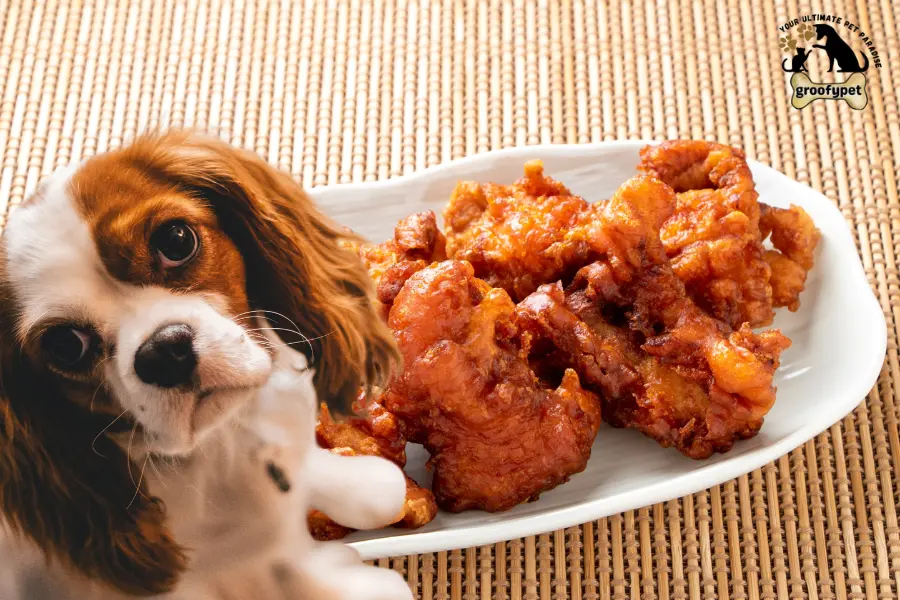
Some dogs develop chicken allergies leading to itching or digestive problems. Overfeeding chicken unbalances a dog diet. Observing the dog after feeding reduces risks. Fried or processed chicken always stays unsafe. Proper preparation and moderation increase safety.
Benefits of chicken thighs for dogs
Chicken thighs offer rich protein that supports strong muscles and steady growth. Dogs receive natural energy from the healthy fat in chicken thighs which helps them stay active throughout the day .1. High Quality Protein
Chicken thighs provide excellent protein for dogs. Protein helps build strong muscles repair tissues and keep organs healthy. It also supports the immune system helping dogs stay active and healthy. Protein is especially important for growing puppies and active adult dogs.
2. Energy Source
natural fat in chicken thighs gives energy to dogs. This is useful for active dogs or dogs that need extra calories to maintain a healthy weight. Energy from chicken thighs helps dogs stay playful and alert throughout the day.
3. Healthy Skin and Coat
Chicken thighs contain omega 3 and omega 6 fatty acids. These healthy fats improve skin health reduce dryness and make the coat shiny and soft. A healthy coat also shows good overall nutrition and wellness in dogs.
4. Essential Amino Acids
Chicken thighs provide amino acids like lysine and methionine. These nutrients are important for growth metabolism and energy production. They also help dogs maintain strong muscles and healthy organ function.
5. Digestible Food
When cooked properly and served boneless chicken thighs are easy to digest. This reduces the risk of stomach upset vomiting or diarrhea. Dogs with sensitive stomachs often tolerate chicken thighs better than other protein sources.
6. Rich in Vitamins and Minerals
Chicken thighs contain B vitamins phosphorus and selenium. These nutrients support energy production bone health and immunity. Feeding chicken thighs occasionally ensures dogs get important vitamins and minerals naturally.
7. Palatable for Dogs
Most dogs enjoy the taste of chicken thighs. This makes it a perfect choice for picky eaters or as a reward during training sessions. A flavorful meal encourages dogs to eat and enjoy their food.
8. Supports Homemade Diets
Chicken thighs are a great ingredient in homemade dog meals. They mix well with vegetables rice or grains to create balanced nutritious food. Homemade meals with chicken thighs provide variety and freshness.
9. Versatile in Cooking Methods
Chicken thighs can be boiled baked or grilled. Dog owners can choose a cooking method that preserves nutrients and suits their dog’s preferences. This makes it easier to include chicken thighs in different types of meals.
10. Encourages Healthy Eating Habits
Including chicken thighs occasionally keeps meals interesting. Dogs are more likely to finish their food and enjoy mealtime. It also introduces new textures and flavors safely.
Risks of chicken thighs for dogs
Chicken thighs bring some risks when dogs eat the wrong form or wrong amount. Cooked bones from chicken thighs break into sharp pieces that hurt the mouth and the stomach of a dog.
1. Bones Can Be Dangerous
Cooked chicken bones may splinter and cause serious injuries. Dogs may choke or get cuts in their mouth throat or digestive tract. Always remove bones completely before serving.
2. High Fat
Chicken thighs contain more fat than other cuts. Excess fat may lead to stomach upset diarrhea or pancreatitis. Dogs with weight or digestive issues should eat only lean portions.
3. Allergic Reactions
Some dogs have chicken allergies. Symptoms may include itching redness vomiting or diarrhea. Introduce chicken slowly and observe your dog for any signs of allergy.
4. Seasonings Are Harmful
Garlic onions salt or spices added to chicken harm dogs. These ingredients may upset digestion or cause poisoning. Always serve chicken plain and unseasoned.
5. Overfeeding Causes Weight Gain
Chicken thighs are calorie dense. Feeding too much may lead to obesity and health problems. Portion control is essential to keep dogs healthy.
6. Digestive Upset
Some dogs have sensitive stomachs. Introducing chicken too quickly may cause diarrhea bloating or gas. Gradual introduction reduces the risk of digestive problems.
7. Raw Chicken Risks
Raw chicken may contain harmful bacteria like salmonella. This may cause vomiting diarrhea or other stomach problems. Cooking chicken fully kills bacteria and ensures safety.
8. Individual Sensitivities
Every dog reacts differently to food. Some may experience intolerance to chicken even if cooked properly. Monitor your dog closely for signs of discomfort after feeding.
9. Excess Fat Leads to Chronic Issues
Dogs with pancreatitis obesity or liver problems may develop complications from fatty chicken. Always trim excess fat to reduce health risks.
10. Choking Hazard from Improper Pieces
Large or uneven pieces of chicken thighs may cause choking. Dogs with small mouths or dental issues need smaller manageable bites. Properly cutting chicken reduces this risk.
How to safely prepare chicken thighs for dogs?
Cooking chicken thighs thoroughly keeps dogs safe. Boiling or baking without oil works best. Remove all bones carefully to prevent choking. Cut the chicken into small bite sized pieces. Avoid adding salt spices or sauces. Skin can appear occasionally but only in small amounts.

Mixing chicken with plain rice vegetables or sweet potato creates a complete meal. Store leftovers in the fridge for a day or two. Serve chicken at a safe temperature. This method provides a tasty and safe meal for dogs.
Raw vs cooked chicken thighs for dogs
Some owners feed raw chicken but it carries risks. Raw chicken may contain salmonella or other harmful bacteria. Cooking kills bacteria and softens the meat. Cooked chicken digests easily. Vets sometimes recommend raw chicken under supervishttps://en.wikipedia.org/wiki/Salmonellaion.
For most dogs cooked chicken remains safer and easier. Always remove bones whether raw or cooked. Raw chicken without care causes vomiting or diarrhea. Cooked chicken thighs stay safe convenient and healthy for dogs.
How much chicken thigh a dog should eat?
Portion size depends on the dog weight. Small dogs get a few small pieces. Medium dogs eat half a thigh occasionally. Large dogs may receive one whole thigh sometimes. Chicken does not replace regular dog food.
Too much triggers stomach upset or diarrhea. Introduce chicken slowly to check reactions. Observe the dog after feeding. Feeding chicken in moderation keeps dogs healthy and safe.
Puppies and chicken thighs
Puppies eat chicken thighs with caution. Bones pose danger. Feed only soft plain meat. Introduce slowly to avoid upset stomachs. Cut into small bite sized pieces. Chicken supports protein intake for growth and energy. Avoid fried or seasoned chicken.
Use chicken as a treat not a meal replacement. Watch for allergies such as itching or diarrhea. Supervision ensures safety. Chicken thighs remain a healthy treat for puppies.
Chicken thighs and dog health issues
Some dogs require extra care. Dogs with pancreatitis or obesity avoid fatty chicken skin. Dogs with allergies may skip chicken entirely. Sensitive stomachs react to new foods. Watch for vomiting diarrhea or bloating.
Overfeeding chicken harms digestion. Consulting a vet helps with chronic health issues. Moderation plays a key role. Chicken thighs stay safe for most dogs when fed properly.
Chicken thigh treat ideas for dogs
Chicken thighs make healthy treats. Bake small pieces for a chewy snack. Mix with plain rice or vegetables for a meal. Freeze small chunks for a cooling snack. Homemade dog treats with chicken and oat flour remain safe. Use as a reward during training. Avoid salt or spices. Treats do not replace a balanced diet. Chicken thighs provide tasty healthy snacks for dogs
Signs dogs should not eat chicken thighs
- Observe the dog after feeding chicken.
- Vomiting or diarrhea shows intolerance. Itching or rash indicates an allergy.
- Choking on bones is dangerous.
- Refusal to eat signals health issues.
- Contact a vet if symptoms appear.
- Stop feeding chicken until the dog recovers.
- Proper observation keeps dogs safe.
- Most dogs tolerate plain chicken thighs when fed correctly.
Can dogs eat chicken thighs raw?
Raw chicken thighs hold harmful germs that upset the stomach of a dog. The meat also holds soft bones that break inside the mouth or throat. Raw food gives weak dogs slow healing and more risk of sickness. Cooked meat stays safer for most dogs because heat removes germs. Raw meat should stay away from dogs that have a weak stomach.
Can dogs eat chicken thighs boiled?
Boiled chicken thighs stay safe when the bones stay out of the meal. Boiling gives soft meat that supports the stomach of the dog. The simple taste helps sick dogs eat without stress. Boiled chicken gives steady energy and keeps the body strong. Always serve the meat plain and soft.
Can dogs eat chicken thighs cooked?
Cooked chicken thighs give healthy protein and soft meat for dogs. The cooking heat makes the food safe for the stomach. The meal works well for dogs that need easy food. The bones must stay out of the food because cooked bones break fast. Plain cooked chicken gives gentle support to overall health.
Can dogs eat chicken thighs with bones?
Bones inside cooked chicken break into sharp pieces that hurt the throat or stomach of a dog. Even raw bones create choking risk for many dogs. Small dogs face more danger due to the size of the bones. Soft meat without bones stays safe for all dogs. Bone free meals support safe feeding.
Can dogs eat chicken thighs everyday?
Daily chicken thighs lead to health issues when the meal stays unbalanced. Dogs need more than chicken meat to stay strong and healthy. Too much fat from the skin leads to stomach trouble over time. A mixed diet gives steady energy and strong body support. Chicken works well as part of a full plan not the whole plan.
Can dogs eat chicken thighs when sick?
Soft cooked chicken thighs help some sick dogs eat better. Dogs with weak stomachs feel calm with gentle food. The soft meat gives strength during slow recovery. Remove the bones to keep the food safe. Sick dogs need simple safe meals that do not hurt the stomach.
Can dogs eat chicken thighs with skin?
Chicken skin holds heavy fat that upsets the stomach of many dogs. Dogs with weight issues feel worse after eating fatty skin. Dogs with weak health feel slow and tired after fatty meals. The soft meat without skin stays much safer. Skin free meals help digestion stay stable.
Can dogs eat chicken thighs raw or cooked?
Cooked chicken thighs stay safer because heat removes harmful germs. Raw chicken holds germs that give stomach trouble for many dogs. Cooked meat gives soft texture and steady energy. Bones must stay out of the meal in both forms. The cooked option supports better health in most cases.
Can dogs eat chicken thighs boneless?
Boneless chicken thighs give soft safe food that helps the stomach stay calm. Dogs enjoy the taste and eat with ease. Boneless meat removes the danger of choking or sharp bone harm. The soft texture suits sick dogs or picky dogs. Boneless chicken supports healthy digestion.
Can small dogs eat chicken thighs?
Small dogs need soft boneless pieces to stay safe. Large pieces make swallowing hard for small dogs. Raw or cooked bones hurt small dogs faster because the throat stays narrow. Soft cooked boneless chicken gives safe nutrition. Always serve small bite sized pieces for small dogs.

Can dogs eat chicken breast?
Chicken breast gives light soft meat that supports healthy digestion in dogs. The meat holds strong protein that builds muscles and keeps energy steady. The low fat level helps dogs with weak stomachs or weight issues. Plain cooked chicken breast stays gentle and safe. It works well as part of a balanced meal for most dogs.
How to cook chicken thighs for dogs?
Chicken thighs stay safest when cooked plain in water. Boil the thighs until the meat turns soft and remove all bones before serving. Skin removal helps lower the fat and keeps the stomach calm. Break the meat into small soft pieces for easy eating. Always let the meat cool before feeding so the dog avoids mouth burns.
Is chicken breast or thigh better for dogs?
Chicken breast gives light lean meat that supports dogs with weak stomachs. Chicken thigh gives richer meat with more fat that helps active dogs feel full and strong. Breast supports weight control while thigh gives steady energy. Both choices help dogs but the right pick depends on the health needs of the dog. The safest option stays plain cooked meat without skin and without bones.
Frequently Asked Questions
Can dogs eat chicken thighs every day?
No. Feed in moderation to avoid stomach issues
Can dogs eat chicken thighs with skin?
Yes occasionally but limit fat intake
Is cooked chicken better than raw for dogs?
Yes. Cooked chicken digests easily and stays safe
Can chicken thighs help dogs gain weight?
Yes. Fatty chicken provides energy but feed carefully
Can dogs eat leftover chicken?
Yes if it is plain cooked and stored properly
What should i do if my dog chokes on a chicken bone?
Seek immediate vet care. Avoid removing it yourself
Final Thoughts
Can dogs eat chicken thighs Yes when cooked plain and served without bones. Chicken thighs provide protein fat and essential nutrients. They support energy muscles and a shiny coat. Avoid seasoning fried chicken and bones.
Feed in moderation and balance with dog food vegetables and grains. Watch for allergies or digestive problems. Chicken thighs offer a tasty treat or part of a meal. Proper care allows dogs to enjoy chicken thighs safely while benefiting from their nutrition.
Can Dogs Eat Capers? A Caring Guide to Keep Your Pup Safe and Happy!
Can Dogs Eat Grape Jelly? A Caring Guide for Worried Dog Parents!