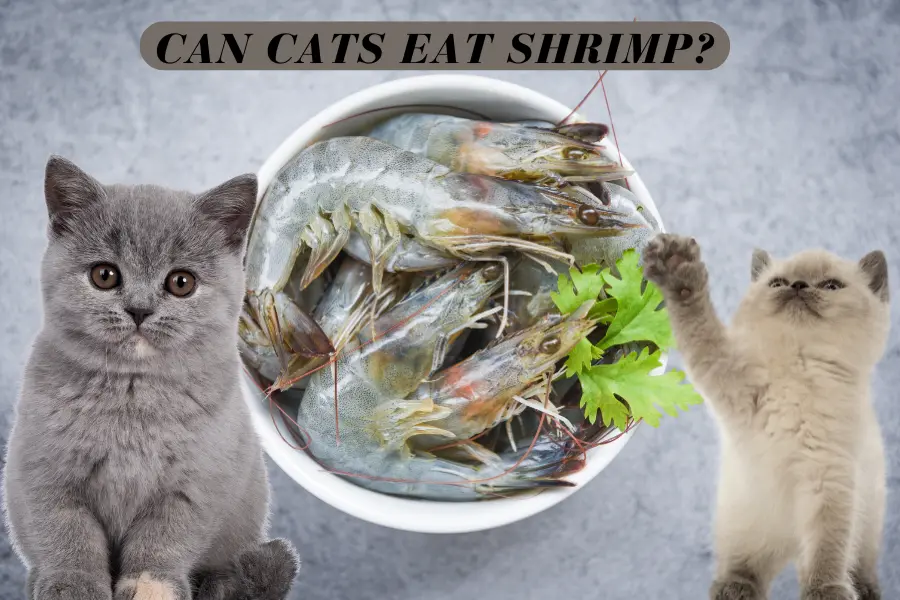
Can Cats Eat Shrimp? Cats are naturally curious, especially about foods with a savory aroma and tender texture, making shrimp an intriguing option for our feline friends. While plain shrimp offer nutritional benefits and are a delicious treat for your feline companion, shrimp chips are another story.
These crispy snacks, though appealing, contain unhealthy ingredients like salt, spices, or artificial additives that pose risks to a cat’s health and safety. If you want to indulge your cat’s curiosity, focus on proper portion control and safe preparation methods.
Opt for plain, unsalted variations if you’re sharing shrimp-based treats and avoid flavored or processed options like shrimp chips entirely. Always follow expert recommendations to ensure your cat’s well-being. While occasional plain shrimp can be a delightful addition to their diet, stick to cat-safe options and avoid foods that compromise their safety and nutritional value.
Is Shrimp Safe for Cats?
Shrimps are a safe and enjoyable treat for cats if it is prepared and handled properly. The shrimp must be cooked properly to eliminate harmful bacteria or parasites. Raw shrimp is strictly avoided due to health risks, while shells and tails must be removed before serving to prevent digestion issues.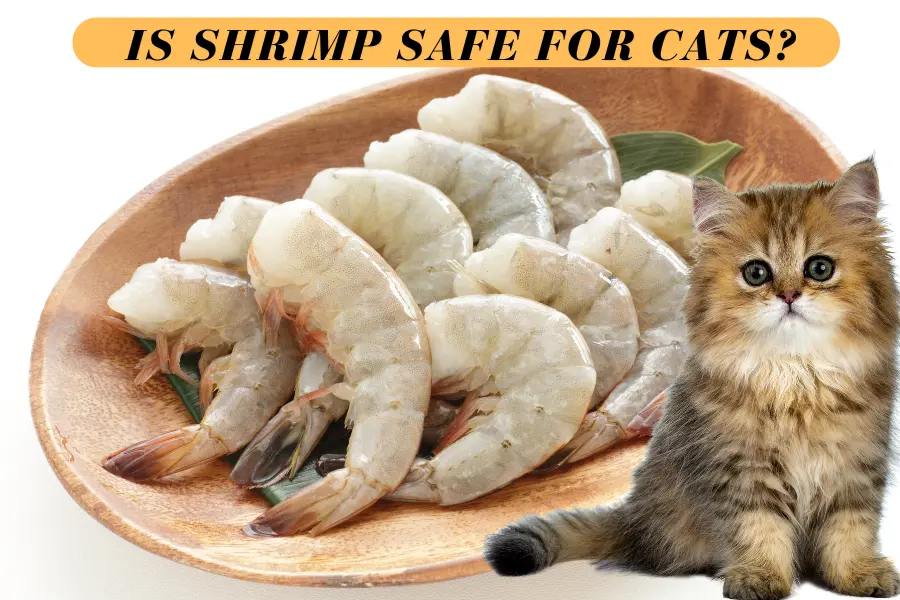
Although shrimp is a nutritious option, adding it to your cat’s diet requires moderation and precautions to avoid potential health risks. Shrimp like many other human foods, is nontoxic when prepared correctly making it a healthy addition for cats, as long as it is given in small amounts and not as a replacement for their main meals.
Why Cats Love Seafood?
Cats natural diet is primarily meat-based. Seafood like shrimp appeals to them due to its strong scent and high protein content. The omega-3 fatty acids and fish oils found in shrimp are important for cats due to their fishy flavors and aromas.
Nutritional Benefits of Shrimp for Cats
1) A Protein-Packed Snack for Cats
Shrimp is a nutritious and low-calorie treat that is a delightful addition to a cat diet when offered sparingly. Known for its high-protein content, shrimp helps support muscle development and contributes to a cat’s overall health without adding unnecessary calories.
From my experience, introducing such a snack occasionally can make your cat’s mealtime more exciting while still maintaining their dietary balance. However, it’s important to ensure the shrimp is plain and not part of processed foods like shrimp chips, which might contain harmful ingredients for felines.
2) Rich Source of Vitamin B12
Shrimp is packed with Vitamin B12, an essential nutrient that supports a cat’s nerve function and aids in energy production, which is crucial for maintaining their overall vitality and active lifestyle. From my experience, offering plain shrimp occasionally can be beneficial, as its natural goodness enhances your cat’s energy levels.
3) Beneficial Omega Fatty Acids Nutrients for a Shiny Coat
Shrimp is naturally rich in omega-3 and omega-6 fatty acids, which are known to promote healthy skin and a shiny coat in your feline friend. These nutrients also have anti-inflammatory properties that support overall skin health benefits, making plain shrimp an occasional treat worth considering.
However, shrimp chips often contain additives that strip away these benefits and may not be safe for your cat. Based on my experience, sticking to natural shrimp is the best choice to keep your cat’s coat glowing and their health intact.
4) Choline for Nervous System and Liver Health
Shrimp contains choline, a vital nutrient that plays a key role in supporting a cat’s nervous system and ensuring proper liver function. From my experience, plain shrimp is a valuable addition to an occasional treat list for cats, offering natural health benefits.
However, shrimp chips, being processed and laden with additives, lack these advantages and should not be included in a cat’s diet.
5) An Occasional Supplement
While shrimp offers numerous nutritional benefits like high protein and essential fatty acids, it should only be offered as a supplementary snack and not as a replacement for balanced nutrition from a complete cat diet.
From my experience, plain shrimp can be given in moderation to enhance your cat’s health. However, shrimp chips are processed and lack these benefits, so they cannot replace a balanced diet and should be avoided.
Also Read : is crab good for cats
How Much Shrimp Can Cats Eat?
When considering shrimp for cats, it’s important to focus on how much they consume safely. Cats are obligate carnivores and require a diet rich in animal-based protein, but shrimp should only be given as an occasional treat rather than a main dietary component.
Feeding too much shrimp leads to excessive calorie intake. Through this cat gains potential weight, especially if cats are already consuming high-calorie foods. The nutritional benefits of shrimp for cats include providing a source of protein, but they should not replace other essential nutrients in their diet.
It’s essential to monitor a cat’s response to shrimp and ensure portion control to avoid diet imbalances. Overfeeding shrimp leads to caloric intake imbalances, potentially impacting their overall health. When incorporating shrimp into a cat diet, small, controlled portions are recommended, they remain a safe and beneficial treat.
How to Serve Shrimp to Cats?
1- Cooking Method
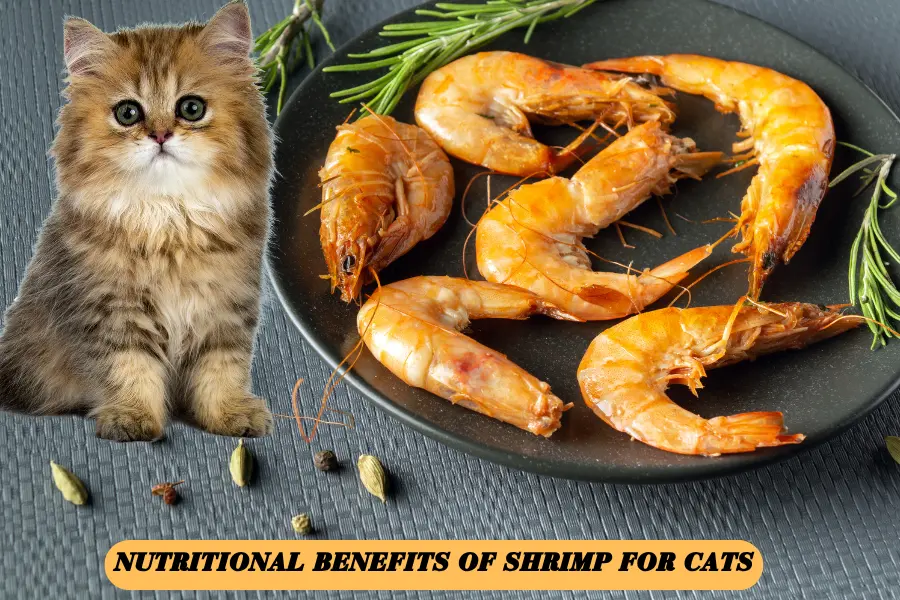
Proper preparation of shrimp is important to your cat’s safety and enjoyment. The first step is to cook raw shrimp properly so that it is free from harmful bacteria or parasites that make your cat sick. Boiling or steaming shrimp without adding oils or seasonings is the safest way for your feline friend.
2- Shell and Vein Removal
Before serving, remove the shells, tails, and veins, as these parts are difficult to digest. Avoid using any seasonings, including salt, garlic, onion, or spices, as these are toxic to cats. Shrimp is always served plain, free from additives or marinades to keep it safe and healthy.
3- Portion Size
Shrimp is always served in the proper amount to prevent any digestive issues. Providing too much shrimp leads to gastrointestinal discomfort or obesity in cats. Shrimp is an occasional treat and doesn’t make up a large portion of their diet.
4- Frequency of Serving
Shrimp is offered as an occasional treat, not a regular part of your cat’s diet. Shrimp is a safe snack when it is properly cooked, but it doesn’t provide all the essential nutrients that cats need. Serve shrimp once or twice a week depending on your cat’s dietary needs.
By following these preparation tips, you have confidently provided shrimp as a nutritious treat for your cat.
Can Cats Eat Shrimp Chips?
Although shrimp itself is a safe and nutritious treat, shrimp chips are not recommended for some cats. These snacks contain high levels of sodium, which is harmful to a cat’s delicate system. Shrimp chips include toxic seasonings like garlic, onion and tapioca flour, a source of carbohydrates that cats do not require in their diet.
The combination of these unhealthy ingredients makes shrimp chips unsuitable for feline consumption .For pet owners who wish to offer something similar, homemade alternatives are considered. Shrimp chips prepared at home without harmful ingredients or seasonings should be an occasional option, but extreme caution should be exercised.
Make sure that the ingredients fulfil your cat’s dietary needs which is important for their safety. However, due to the potential risks, it’s best to avoid raw shrimp chips while cooked shrimp as a safer treat.
Also Read : how much does a cat need to eat before insulin
Can cats eat fried shrimp?
Yes, cats can eat fried shrimp in small amounts as an occasional treat, but it’s not an ideal food for them. The shrimp itself is actually quite nutritious for cats, containing protein and omega-3 fatty acids that support their health. However, the frying process adds oils and fats that can be difficult for cats to digest, potentially leading to stomach upset or diarrhea.
Additionally, many fried shrimp dishes contain seasonings like garlic, onion powder, or excessive salt, which can be harmful to cats. If you want to share shrimp with your feline friend, it’s better to offer plain, cooked shrimp without any breading or seasoning.
Always remove the shell and tail, introduce new foods gradually, and keep portions small – remember that treats should make up no more than 10% of your cat’s daily caloric intake. When in doubt, stick to cat-specific treats or consult your veterinarian about safe human foods for your pet.
Cooked vs. Raw Shrimp
Cooked shrimp high is safer than uncooked shrimp, as there’s a lower risk of contamination with bacteria. Cooking also kills harmful parasites and toxins present in raw shrimp.
Condiments and Additives to Stay Away From
Do not use any salt, garlic, onion, or butter when cooking shrimp for cats. Such seasonings can be toxic and may induce digestive issues or even toxicity.
How Much Should I Serve?
Shrimp should be an infrequent treat for cats, only in small amounts. As a general rule, limit shrimp to two or three small pieces once or twice a week, based on the size of the cat and what else is in its overall diet.
Sustainable Seafood Alternatives for Cats
If shrimp isn’t to your cat’s taste, other seafood possibilities are safe and nutritious.
Salmon, Tuna And Sardines
You can also substitute shrimp with salmon, tuna, and sardines. They are a good source of omega-3 fatty acids, high protein, and essential vitamins that help support heart health and skin/coat condition.
Tihjahta: Shellfish and Other Crustaceans
Other safe shellfish, including lobster or crab, will also be appropriate as long as they don’t have harmful seasonings and are properly prepared.
How to Know if Your Cat Likes or Dislikes Shrimp?
You’ll need to watch your cat’s reaction to shrimp to determine whether or not it’s a good treat.
Behavioral Clues
Shrimp-loving cats tend to show eagerness and excitement at being offered shrimp; indifferent cats may not care.
Digestive Reactions
If your cat is showing signs such as vomiting, diarrhea, or lethargy, she may be having digestive issues, and shrimp may be best avoided if this is the case.
Reasons Why Cats Avoid Shrimp?
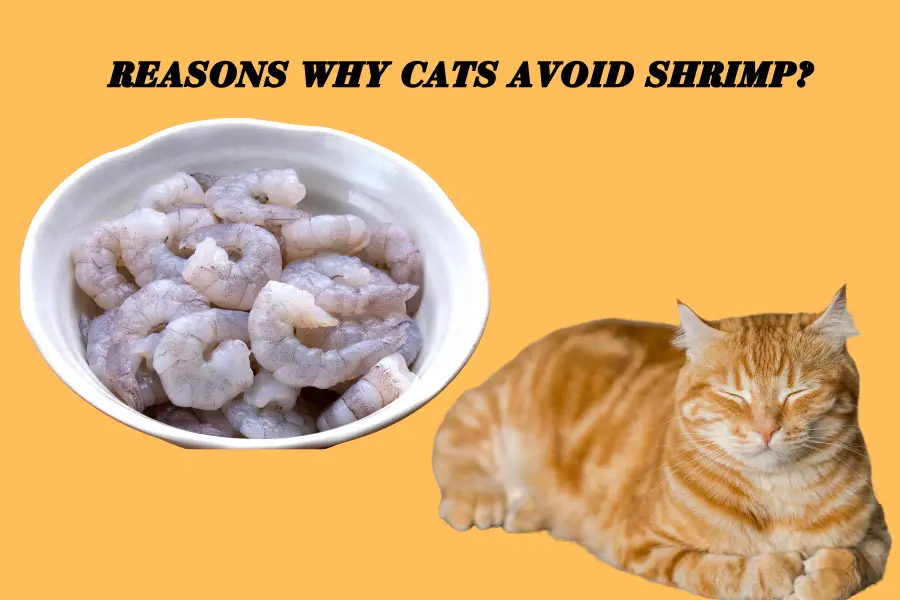
High In Sodium
Shrimp chips are generally high in sodium and can result in dehydration, vomiting, and diarrhea in cats. High salt consumption can throw the balance of electrolytes out of whack, potentially resulting in conditions such as kidney damage.
Toxic Ingredients
Some shrimp chips contain seasonings such as garlic and onion powder which are both toxic to cats. Even the smallest quantities of these substances can cause serious health issues such as anemia, weakness and gastrointestinal distress.”
High in Fats
The elevated fat concentration found in shrimp chips may cause your kitty conditions, like pancreatitis. Pancreatitis is an inflammatory disease of the pancreas, it can be painful, serious and even life-threatening if not properly detected and managed.
Lack of Nutrients
Shrimp chips are heavily processed, depriving them of essential nutrients and many also contain artificial preservatives, flavorings, and other additives that are not healthful for a kitty diet. Cats must get their protein and nutrients from their food and these snacks do not provide them.
Recommended Amounts of Shrimp for Cats
| Cat Weight (lbs) | Cat Age | Shrimp Frequency (per week) | Recommended Portion (cooked shrimp) | Notes |
|---|---|---|---|---|
| 4-6 lbs | Kitten (<1 year) | Once or twice | 1 small shrimp (chopped) | Introduce gradually to avoid stomach upset. |
| 7-10 lbs | Adult (1-7 years) | 2-3 times | 1-2 medium shrimp | Treat only; not a meal replacement. |
| 11-15 lbs | Senior (>7 years) | Once a week | 1 large shrimp | Limit intake due to reduced metabolism. |
| Over 15 lbs | Overweight | Rare (once a month) | ½ medium shrimp | Monitor weight; avoid overfeeding. |
Key Notes:
- Always consult a veterinarian before introducing shrimp to your cat’s diet.
- Avoid raw shrimp as it may contain harmful bacteria.
- Shrimp should account for less than 10% of your cat’s weekly caloric intake.
Recommendations for Cat How to Eat Shrimp Chips
Follow a Cat Diet as Best
Cats require high-quality, nutritious diets; a diet rich in white-tail deer would be best. These foods supply us with the proteins, vitamins, and minerals necessary for living well.
Fried Foods
Always consult your veterinarian if you are concerned about what your cat is eating — fried foods are in this category also. A vet can give personalized recommendations based on your cat’s individual needs and dietary requirements.
Skip Human Food
Human food is not designed for cats, and shrimp chips are no exception — they can lead to several health issues. So the food that cats eat is not the same as what humans eat.
Additional Considerations
Long-Term Risks Outweigh Short-Term Enjoyment
Even if a cat is not in immediate distress after eating shrimp chips, the long-term implications on their health are not worth the minimal pleasure they might experience from such unhealthy treats.
Watch Your Cat Carefully
You should be on the lookout for any signs of an upset stomach with symptoms like vomiting, diarrhea, or lethargy. It is important to detect these symptoms early to avoid serious health issues later on.
Be Wary
Any food not made specifically for cats has the potential to cause harm, and shrimp chips are no exception. A diet tailored to their particular nutritional needs is far better for kitty’s long-term health and enjoyment.
Frequently Asked Questions
Can Kittens Eat Shrimp?
Kittens can also eat shrimp, but only in limited amounts, as their digestive systems are not yet fully developed.
How Many Times Per Week Can Cats Eat Shrimp?
To provide a well-rounded diet and minimize health hazards, shrimp should only be given once or twice a week.
What to Do If Your Cat Eats Too Much Shrimp?
Monitor for digestive symptoms, including vomiting or diarrhea, if a cat eats too much shrimp. If things don’t improve, go see the vet.
Conclusion
Moderation is the key to safely enjoying shrimp with your cats. However, there are important considerations — preparation, allergies, and contaminants. A Well-Rounded Nutritional Diet With Seafood Alternatives For Your Cat.
Are Maine Coon Kittens Hypoallergenic? Shocking Facts Revealed!