Ferns are one of the most common indoor plants. Many homes and gardens have them because they look fresh and green. But if you own a cat, you may ask can cats eat ferns without risk. The truth is some ferns are safe while others can be toxic. Knowing which type you have at home is very important for your cat safety.
You may see your cat chewing on leaves and wonder can cats eat ferns safely or will it hurt them. This question confuses many pet owners because not all ferns are the same. Some are safe while others are harmful. Understanding the difference can help you protect your cat and avoid health problems.
As a cat owner, you want your home to look green and cozy, but you also worry about plants that could harm your pet. The big concern is, can cats eat ferns without getting sick. Cats are curious and may chew leaves at any time. This can make you feel stressed, not knowing if the plant in your home is safe.
A sunny window a fresh pot of green ferns and your playful cat nearby. It looks peaceful until your cat starts chewing the leaves. Then the thought hits, can cats eat ferns or will it cause trouble. The answer depends on the type of fern you keep at home.
Many cat owners enjoy keeping plants inside their homes. Green plants make the space fresh and calm. But if you have cats, you may worry about safety. Cats often chew leaves when they are curious. One common plant people keep is the fern. You may ask yourself, can cats eat ferns without harm. The answer depends on the type of fern.
Some ferns are safe while others can be toxic. In this guide we will explain which ferns are safe, which are harmful, and what to do if your cat eats them.
Can cats eat ferns?
Many cat owners wonder, can cats eat ferns safely. The truth is not all ferns are the same. Some are non-toxic plants and will not hurt your cat if eaten. But some are toxic plants that can cause sickness. Safe ferns like Boston fern may only cause mild stomach upset if your cat chews them.Toxic types like asparagus fern or bracken fern can be harmful.
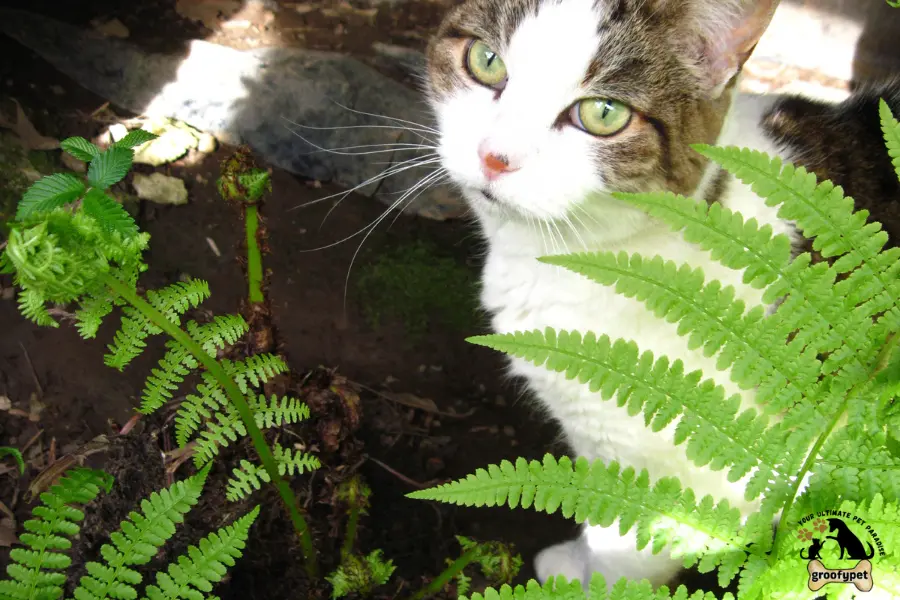
Are ferns toxic to cats?
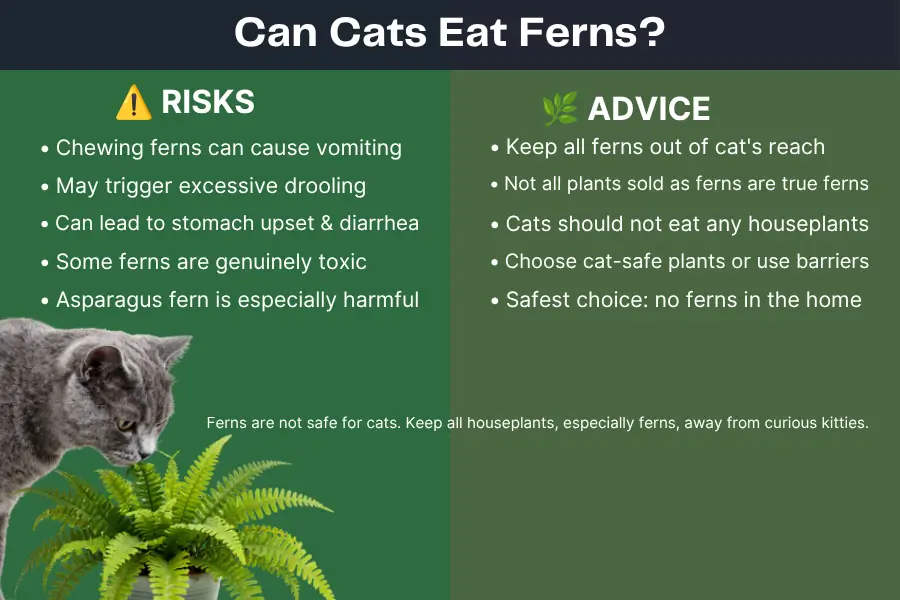
Not all ferns are toxic, but some can make cats sick. Toxic ferns may contain chemicals that upset your cat’s stomach. If your cat eats a toxic fern, you may see vomiting, drooling, or diarrhea. Some toxic plants can even cause weakness or pain.
The asparagus fern is one of the most common harmful types. The leaves and berries of this plant can hurt your cat. Bracken fern is also dangerous. Knowing which ferns are toxic is important. Always check plant names before you bring them into your home.
Safe types of ferns for cats?
Some ferns are safe for cats. The Boston fern is the most popular safe fern. It is listed as a non-toxic plant by pet safety groups. Other safe types are the maidenhair fern and the bird’s nest fern. These plants do not have harmful chemicals that poison cats.
Still, eating too many leaves can upset a cat’s stomach. If your cat nibbles a small amount, it may not be serious. But it is still best to keep even safe ferns out of reach. Giving your cat toys or safe plants is a better option.
Toxic types of ferns for cats?
Some ferns are toxic and should not be near cats. The asparagus fern is one of the most common toxic ferns. Its berries and leaves can cause stomach pain, vomiting, and skin irritation. Another toxic type is the bracken fern, which grows outdoors.
Eating it can lead to serious health problems in animals. Cats may also get sick from foxtail fern and sprengeri fern. Always learn the exact name of a fern before you bring it home. If a plant is toxic, choose a safe alternative to protect your pet.
Why do cats eat ferns?
Cats eat plants like ferns for many reasons. Sometimes they are curious and chew leaves to explore. Some cats enjoy the texture of leaves when they chew. Others may eat plants because they are bored. Some cats chew plants to help with digestion.
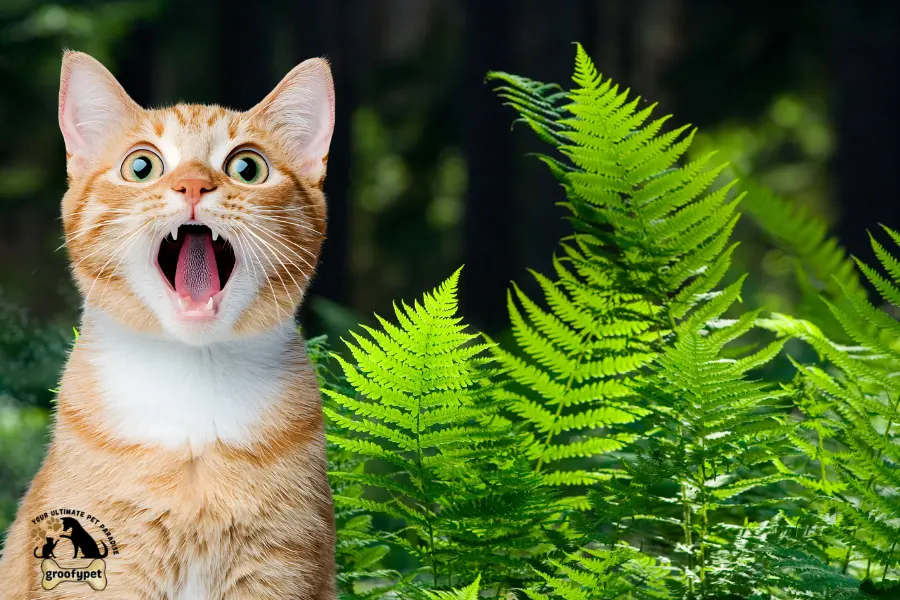
In nature, cats may eat grass for this reason. Indoor cats may see a fern and think it is grass. Cats are carnivores and need meat, not plants.
Health benefits of cats eating ferns
Even if a fern is safe, it is not good for cats to eat many leaves.
1. Satisfies chewing habit
When asking can cats eat ferns, one small benefit is chewing satisfaction. Cats often chew plants because they feel curious or bored. Safe ferns like the Boston fern may let cats enjoy this habit without major harm.
Chewing helps them release energy and stay active indoors. It can also stop them from chewing dangerous items. Still, chewing ferns does not give real nutrition. It is only a way for them to explore.
2. Helps with hairballs
Cats may chew safe ferns when they try to bring up hairballs. Some cats eat greenery to make digestion easier. A little nibble on a non-toxic fern can help in this process. It may act like grass, which cats often eat for the same reason. This can make your cat feel some relief. But not all cats get this benefit, and it is not always safe.
3. Provides mental stimulation
Indoor cats sometimes get bored. Having a plant around can give them something new to explore. Safe ferns can provide mental stimulation for cats. They may sniff, paw, or nibble at the leaves. This activity keeps them curious and busy. Cats need stimulation to stay happy indoors. But owners should offer cat-safe plants like cat grass or catnip for safer play.
4. Natural play and fun
Cats love to play with moving objects. The soft fronds of ferns may attract their attention. A cat may tap, paw, or bat at fern leaves. This offers some natural play and fun. While this is not a true health benefit, it can improve mood. Still, safe toys are always a better choice than plants. Ferns can only act as a short distraction.
5. Mild stomach relief
Some cats chew safe leaves when they feel stomach discomfort. Nibbling a safe fern may give mild relief. It works in a similar way as chewing grass. Cats do not need ferns for health, but some may feel better after chewing. This can sometimes help them vomit something they need to clear. Still, not all cats react the same. It is not a reliable benefit.
Health risks of cats eating ferns
You should never let your cat chew plants freely. Even safe ferns may cause mild diarrhea if your cat eats too much. Always watch your pet around plants.
1. Toxic plant poisoning
The biggest risk when asking can cats eat ferns is poisoning. Many ferns like the asparagus fern or bracken fern are toxic plants. If a cat eats these, it can get very sick. Symptoms include vomiting, diarrhea, and drooling. In some cases, it may even affect energy levels. Toxic ferns should never be kept near pets.
2. Stomach upset
Even safe ferns like the Boston fern can cause problems if eaten too much. A cat may get diarrhea or vomiting. The stomach of a cat is very sensitive. Eating plants is not natural for them. Too much chewing can upset the stomach. This makes even safe ferns risky in large amounts.
3. Skin and mouth irritation
Some toxic ferns can cause irritation in the skin or mouth. If your cat chews a leaf, the mouth may swell or feel sore. The skin can also get red or itchy if touched. This can make your cat uncomfortable. Some cats may stop eating food after chewing these plants. It is a clear sign of risk.
4. Risk from soil and chemicals
Plants in pots often use soil with fertilizers or sprays. These can be dangerous for cats. Even if the fern itself is safe, chemicals in the soil may cause harm. Cats sometimes dig or lick soil when near plants. This brings more risk to their health. Using pet safe gardening methods is important.
5. Risk from repeated chewing
Cats that chew ferns often may develop a habit. Over time, this can cause repeated stomach issues. It may also expose them to toxic plants if owners are not careful. Habits are hard to break once they start. This can become a long-term health risk. Providing safe toys and cat-safe plants is the better choice.
How Much Fern Can Cats Eat?
| Cat’s Weight | Suggested Amount | Frequency |
|---|---|---|
| Under 5 lb (2.3 kg) | 1–2 small bites | Rarely |
| 5–10 lb (2.3–4.5 kg) | 2–3 small bites | Occasionally |
| 10–15 lb (4.5–6.8 kg) | 3–4 small bites | Occasionally |
| Over 15 lb (6.8 kg) | 4–5 small bites | Occasionally |
These amounts are only a cautious guideline for a known, cat-safe fern species. Ferns should not replace your cat’s normal complete diet. If you are unsure which fern your cat ate, avoid giving more and contact a veterinarian, especially if vomiting, diarrhea, drooling, weakness, or unusual behavior develops.
Symptoms if a cat eats a toxic fern?
- If your cat eats a toxic fern, you may notice signs within hours.
- The most common symptoms are vomiting and diarrhea.
- Your cat may drool more than normal. Some cats may feel weak or tired.
- Others may stop eating food.
- You may also notice stomach pain or changes in behavior.
- In serious cases, toxic plants can cause skin rashes or swelling around the mouth.
- If you see these signs, call your vet right away.
- Do not wait because some toxic plants can cause lasting harm.
What to do if your cat eats a fern?
If your cat eats a fern, stay calm and act quickly. First, move your cat away from the plant. Remove any leaves left in the mouth. Next check which type of fern it is. If it is a toxic fern call your vet at once. Do not try home remedies without advice. Give your vet all details about what and how much your cat ate. If your vet asks, bring the plant sample with you. Quick action can prevent serious health problems.
How to keep cats away from ferns?
You can protect your plants and cats by keeping ferns out of reach. Place them on high shelves or hanging pots where cats cannot reach. Use catsafe deterrents like citrus sprays since cats dislike the smell. Give your cat safe toys or cat grass to chew instead.
Training your cat to stay away from plants also helps. Covering the soil with pebbles may make plants less tempting. Always give your cat enough playtime so they do not look for plants out of boredom.
Also Read : can cats eat quesadillas
Cat safe plant alternatives
Catnip, cat grass, and spider plants are safe choices. These plants are non toxic and even healthy for cats. Catnip can make cats playful and happy. Cat grass helps with digestion and hairballs.
Spider plants are safe but may cause mild stomach upset if eaten in large amounts. Always research before buying plants. Choosing safe options lets you enjoy greenery at home while keeping your cat safe.
Can indoor ferns make cats sick?
Even safe ferns may sometimes make cats sick. This can happen if your cat eats too much at once. Eating many leaves may cause mild stomach upset. Also soil in pots can carry bacteria or mold. Fertilizers or chemicals used on plants can also be harmful.
Even if the fern itself is safe the products used for care may not be. Always use pet safe gardening methods. Wash leaves often and avoid harsh sprays. Keeping things clean reduces risks for your cat.
Vet advice on cats eating plants
Vets often warn pet owners about plants in homes. They explain that cats are curious and may chew anything green. Some vets say safe plants are fine if cats chew a little. But most recommend removing toxic plants fully. If your cat eats plants often your vet may check for stomach problems or boredom.
Vets may suggest safe alternatives like catnip or special grasses. They also advise keeping emergency vet numbers ready. It is always best to ask a vet if you are unsure about any plant.
Is male fern toxic to cats?
The male fern is considered unsafe for cats. It contains chemicals that can upset the stomach if eaten. A cat that chews on male fern leaves may show signs like vomiting, diarrhea, or drooling. The plant is not the most toxic type, but it can still cause discomfort.
Since cats have small bodies, even a little bite can affect them. If your cat eats male fern, it is best to call a vet for advice. Keeping this plant away from cats is a safe choice. Replacing it with cat-safe plants is always better.
Are heart ferns toxic to cats?
The heart fern is generally not listed as toxic to cats. This means it is considered safe in most cases. Still, if your cat eats too many leaves, it may cause a mild upset stomach. Safe plants do not have poison, but they are not meant for a cat’s diet.
Cats that chew often may get diarrhea from eating leaves. So, even with heart fern, you should keep it out of reach. Offering cat grass or catnip is a better way to satisfy chewing habits. Always watch your cat’s reaction to any new plant.
How to stop a cat from eating fern?
To stop a cat from eating fern, first place the plant where your cat cannot reach it. Hanging baskets or high shelves work well. You can also use safe deterrents like citrus spray, since cats dislike the smell. Covering soil with pebbles makes plants less attractive.
Give your cat safe options like catnip, cat grass, or chew toys. This keeps them busy and away from ferns. Training also helps. Say a firm “no” and redirect your cat to a toy when it goes near the plant. Consistency makes a difference.
Are ferns toxic for animals?
Not all ferns are toxic, but some can harm animals. Cats, dogs, and other pets may chew plants out of curiosity. Toxic ferns like asparagus fern or bracken fern can cause vomiting, stomach pain, or skin irritation in pets. Non-toxic ferns like Boston fern are safer but may still cause mild stomach upset if eaten in large amounts.
Will eating a fern make a cat sick?
Eating a fern can make a cat sick depending on the type of fern. If it is a toxic fern, your cat may vomit, drool, or feel weak. Even a small bite can cause discomfort. If it is a safe fern like the Boston fern, your cat may only have mild stomach upset.
Some cats may not react at all. But since cats are sensitive, it is best not to let them chew plants. If your cat eats a fern and then shows strange behavior, you should call your vet.
How poisonous are ferns?
The level of poison in ferns depends on the type. Asparagus ferns and bracken ferns are among the most poisonous for cats and other animals. They can cause vomiting, diarrhea, and in some cases skin problems. Other ferns like Boston ferns are safe and not poisonous.
The risk also depends on how much a cat eats. A small lick may cause mild upset, but large amounts can be more serious. This is why knowing the plant type is key. When in doubt, keep all ferns out of reach from cats.
Do any animals eat ferns?
Yes, some animals do eat ferns. In the wild, deer, rabbits, and insects sometimes chew on fern leaves. They may use them as food when other plants are not available. Some birds also use fern fronds to build nests. While certain animals can handle ferns, not all ferns are safe for pets like cats and dogs.
Cats may nibble on ferns out of curiosity, but this does not mean ferns are good for them. Many ferns can upset the stomach of pets. This is why it is better to keep ferns away from house animals.
What is the most toxic plant to animals?
There are many toxic plants for animals, but some are more dangerous than others. The lily plant is one of the most toxic for cats. Even a small bite of a lily leaf, flower, or pollen can cause kidney failure in cats. For dogs and other animals, plants like sago palm, oleander, and foxglove are also highly poisonous.
These plants can affect the heart, liver, or stomach. The level of danger depends on the animal and how much is eaten. Because of this, pet owners should always choose pet safe plants for their homes and gardens.
Frequently Asked Questions
Can cats eat boston ferns?
Yes, cats can eat Boston ferns because they are safe plants. But too much chewing may still upset the stomach. Always offer safer options like cat grass.
Are all ferns poisonous to cats ?
No, not all ferns are poisonous. Some are safe like Boston ferns. Others like asparagus fern are toxic and dangerous. Always check the type first.
What happens if my cat licks a fern?
If your cat licks a safe fern it may not be serious. But if it is a toxic fern even licking can cause mild signs like drooling or stomach upset.
Can cats eat fern leaves safely?
Cats should not eat fern leaves even if they are safe. Eating too many leaves can cause stomach upset. It is better to give safe alternatives.
Do cats grow out of chewing plants?
Some cats chew plants less as they grow older. Others may always stay curious. Giving toys and safe plants helps reduce chewing.
Final Thoughts
So, can cats eat ferns. The answer is that some ferns are safe but others are harmful. Safe types like Boston fern will not poison your cat. But toxic types like asparagus fern can cause sickness. Even safe plants can upset a cat stomach if eaten too much.
The best choice is to keep toxic plants out of your home. Offer safe plants like catnip or cat grass instead. Always watch your pet and keep your vet number ready. A safe home means a happy cat.
Can Cats Eat Dill? The Simple Answer That Will Ease Your Worries!