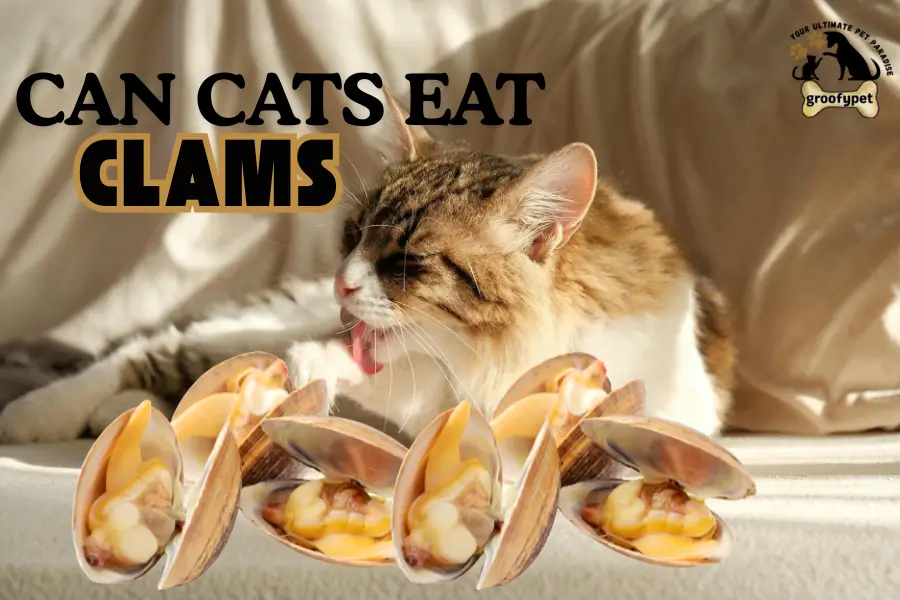
Many pet owners often wonder can cats eat clams when they cook seafood at home. Cats are curious animals and they love the smell of meat based foods. Clams come from the sea and they contain protein which makes them attractive to cats. This creates confusion for owners who want to share food safely.
The truth is that clams are not a natural food for cats. Some forms of clams may be safe while others can cause serious health problems. Understanding preparation safety portion size and risks helps protect your cat.
This guide explains everything clearly so you can make informed choices. Knowing what to feed and what to avoid keeps your cat healthy and comfortable.
Clams are rich in protein and contain iron zinc and vitamin b12. These nutrients support human health when eaten correctly. Cats however digest food differently than humans. Clams are not part of a cat natural diet in the wild. Because of this difference clams must be treated with caution when feeding cats.
Can cats eat clams safely?
The question can cats eat clams has a careful answer. Cats can eat clams only when they are fully cooked plain and served in very small amounts. Raw clams are dangerous and should never be given. Seasoned clams can harm a cat stomach kidneys and liver.
Shell pieces can cause choking or internal injury. Even cooked clams should not be fed often. Clams should never replace balanced cat food. Safety depends on preparation portion size and frequency. When unsure it is always best to consult a veterinarian.
Are clams good for cats?
- Clams contain nutrients that sound beneficial such as protein and minerals.
- Protein helps maintain muscle strength and body repair in cats.
- Minerals like iron help support blood health.
- Cats already receive these nutrients from high quality cat food.
- Adding clams does not improve health for most cats.
- Too much seafood can upset digestion and cause imbalance.
- Cats do not need variety from human foods.
- Commercial cat food is designed to meet all feline nutritional needs.
- Clams therefore are not necessary for a healthy diet.
Cats and seafood
Cats and seafood often seem like a natural match. Many people picture cats enjoying fish, and stores sell many seafood flavored cat foods. Because of this, cat owners often wonder if clams are also safe. Clams come from the ocean and have a strong smell that attracts cats.
Even though seafood is appealing, not every type is safe for cats. It is important to understand both the benefits and the risks before feeding clams.
Cats and their carnivorous behavior
Cats are obligate carnivores, which means they must eat meat to stay healthy. In the wild, cats hunt small animals and birds, and sometimes fish. Their bodies are designed to digest animal protein very well.
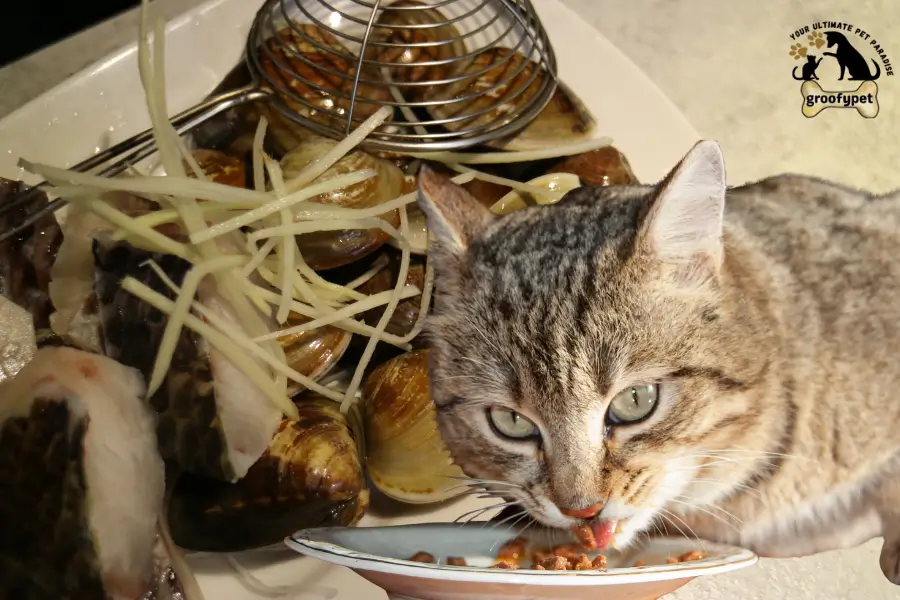
This natural instinct explains why cats are drawn to meat and seafood smells. However, a cat digestive system is sensitive. Not all meats that humans eat are suitable for cats.
- Cats rely on animal protein for survival
- Meat supports muscle energy and body function
- Seafood smells attract cats naturally
- Sensitive digestion requires careful food choices.
Nutritional value of clams
Clams contain several nutrients that can support the body when fed correctly. These nutrients sound helpful, but they do not replace a balanced cat diet. Cats already receive what they need from quality cat food.
- protein that supports muscle strength and repair
- taurine which supports heart health vision and normal function
- vitamins and minerals like B vitamins iron and selenium
- omega 3 fatty acids that support skin coat and brain health.
Guidelines for offering clams to cats
If you decide to offer clams, they must be prepared carefully. Clams should only be an occasional treat and never a regular meal. Following safety rules helps reduce risk.
In a nutshell
Clams can be eaten by cats in very small amounts when they are cooked plain and served safely. They offer protein taurine and minerals, but they are not necessary for good health. Raw or seasoned clams should always be avoided. When trying new foods, safety should come first. If you are unsure, a veterinarian can help guide the best choice for your cat diet and health.
Benefits of clams for cats
When fed correctly clams may offer limited benefits. Cooked clam meat provides animal protein that supports muscle maintenance.
1. High quality protein
Clams contain animal protein that supports muscle strength tissue repair and daily energy needs in cats.
2. Natural taurine source
Clams provide taurine which is essential for heart health vision and normal brain function in cats.
3. Supports muscle maintenance
Protein from clams helps maintain lean muscle especially in active adult cats when given occasionally.
4. Rich in vitamins
Clams contain B vitamins that support metabolism nerve health and energy production in the body.
5. Iron for blood health
Iron in clams helps support oxygen flow in the blood and may help prevent weakness when given in small amounts.
6. Selenium for immune support
Selenium helps protect cells and supports immune function when fed in very limited quantities.
7. Omega 3 fatty acids
Clams contain omega 3 fatty acids that help support healthy skin and a shiny coat.
8. Palatable taste
Many cats enjoy the smell and taste of clams. This can help picky eaters try new textures occasionally.
9. Variety enrichment
Small amounts of safe seafood can add mental stimulation and variety to a cat routine diet.
10. Low fat when plain cooked
Plain cooked clams are low in fat which makes them easier to digest compared to fried or oily foods.
These benefits only apply when clams are given rarely. Overfeeding removes any benefit and increases risk. Cats do not depend on clams for nutrition. Benefits are small compared to risks. This is why clams should stay an occasional treat only.
Risks of feeding clams to cats
Feeding clams to cats carries several risks. Shell fragments can damage teeth or block the throat. Raw clams may carry bacteria and parasites that cause serious illness.
1. Choking hazard
Small pieces of clam meat or sharp shell fragments can easily get stuck in a cat throat. Cats do not chew food well, which increases the risk of choking or internal injury.
2. Shell injuries
Even tiny shell pieces can cut the mouth gums or throat. These injuries may cause pain bleeding or infection if not treated quickly.
3. Bacterial contamination
Raw clams may contain harmful bacteria like salmonella. These bacteria can cause vomiting diarrhea fever and serious stomach infections in cats.
4. Parasites in raw clams
Clams from natural waters can carry parasites. These parasites may survive in raw seafood and cause digestive illness in cats.
5. High sodium levels
Clams preserved in salty water or canned clams contain too much sodium. High sodium can damage kidneys and increase blood pressure in cats.
6. Allergic reactions
Some cats are allergic to shellfish. Allergies may cause itching swelling vomiting diarrhea or breathing trouble.
7. Digestive upset
Cats have sensitive stomachs. Even cooked clams can cause vomiting gas or loose stool when the stomach cannot handle seafood.
8. Seasoning toxicity
Clams cooked with garlic onion butter or spices are dangerous. These ingredients can harm red blood cells and organs in cats.
9. Heavy metal exposure
Clams may absorb heavy metals from polluted water. Long term exposure can damage organs and affect overall health.
10. Nutritional imbalance
Feeding clams often may reduce appetite for proper cat food. This can lead to missing essential nutrients over time.
These risks make clams unsafe for frequent feeding.
Can cats eat raw clams?
Raw clams are never safe for cats. They often carry harmful bacteria like salmonella. Parasites can survive easily in uncooked shellfish. Cats have sensitive digestive systems and low tolerance for germs. Eating raw clams can cause vomiting diarrhea and dehydration.
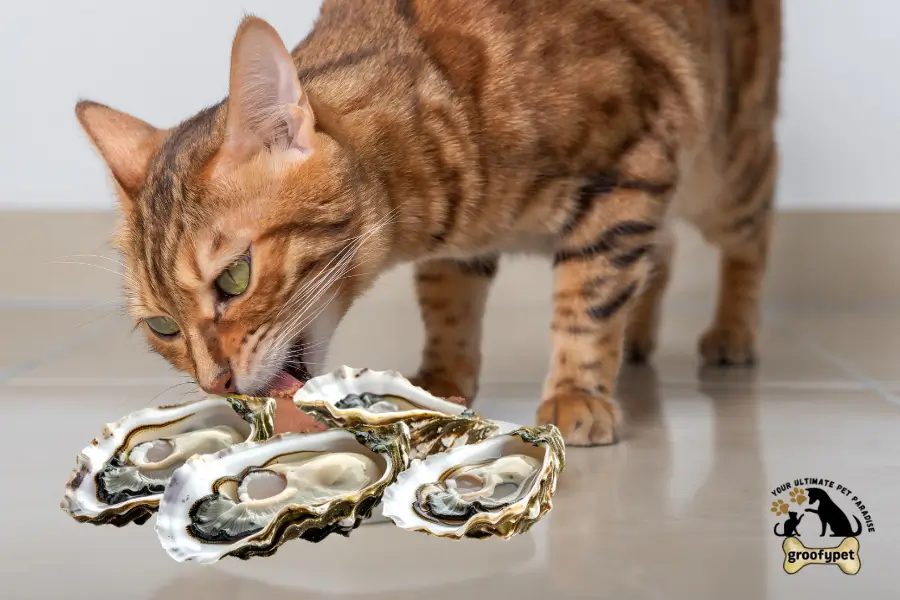
Infections may become severe quickly. Raw seafood can lead to emergency vet visits. Cooking reduces many dangers but does not remove all risk. Raw clams should always be avoided completely.
Can cats eat cooked clams?
Cooked clams are safer than raw clams but they still need caution. They must be cooked without oil salt butter or seasoning. Steaming or boiling plain clams works best. All shell pieces must be removed carefully. Only a very small amount should be offered.
Feeding should happen rarely not daily. Watch your cat closely after feeding. If symptoms appear stop feeding immediately. Cooked clams should never become a regular treat.
Can cats eat canned clams?
Canned clams are not recommended for cats. They usually contain high salt levels which stress the kidneys. Preservatives and additives may upset digestion. Some canned clams are packed in oil or broth. These ingredients are unsafe for cats.
Rinsing canned clams does not remove all sodium. Long term exposure can cause serious health issues. Fresh plain food is always safer. Avoid canned seafood for cats whenever possible.
Can kittens eat clams?
Kittens should not eat clams in any form. Their digestive systems are still developing. Their immune systems are weaker than adult cats. Even small amounts can cause illness. Kittens need precise nutrition for growth.
Human foods interfere with balanced development. Seafood snacks offer no benefit to kittens. Feeding clams may cause diarrhea or dehydration. Stick to kitten specific food only.
How much clam can a cat eat?
Portion size is critical when feeding clams. A cat should eat no more than one very small bite. This should happen once every few weeks at most. Clams should never be fed daily. Treats should stay under ten percent of total diet.
Overfeeding seafood causes nutritional imbalance. Cats thrive on routine diets. Less food always reduces risk. Moderation protects long term feline health.
Signs of clam allergy or poisoning in cats
Cats may show symptoms after eating clams. Vomiting is a common early sign. Diarrhea may follow within hours. Lethargy and weakness indicate stomach distress. Drooling can signal mouth irritation. Facial swelling suggests an allergic reaction. Loss of appetite may last several days. Breathing trouble requires immediate vet care. Monitoring after new foods is very important.
What to do if your cat eats clams?
If your cat eats clams stay calm and act quickly. Remove any remaining clams from reach. Check your cat mouth for shell fragments. Observe behavior closely for twenty four hours. Offer fresh water to prevent dehydration.
Do not induce vomiting without vet advice. Call the veterinarian if symptoms appear. Early care prevents complications. Quick response keeps your cat safe.
Better seafood alternatives for cats
Some seafood options are safer than clams. Plain cooked salmon provides protein and healthy fats. Tuna in water works in very small portions. Sardines without salt support heart health. Commercial cat food with seafood flavors is safest. These foods are balanced for cats. They avoid harmful seasoning. Portion control remains important. Always choose cat specific options first.
Can cats eat clams and mussels?
Cats can eat clams and mussels only in very limited situations. Both clams and mussels are shellfish and share similar risks for cats. When cooked plain and served in very small amounts, they may be safe for some adult cats. Raw clams or mussels are dangerous because they can carry bacteria and parasites.
Seasoned or salted shellfish can harm a cat kidneys and stomach. Shell pieces can also cause choking or mouth injuries. These foods should never replace regular cat food. Clams and mussels should remain rare treats only. Most cats do not need shellfish to stay healthy.
Can cats eat razor clams?
Razor clams are not recommended for cats. These clams have long sharp shells that easily break into dangerous pieces. Shell fragments can cut the mouth throat or stomach. Razor clams also carry the same bacteria and parasite risks as other clams. When cooked plain the meat may still be tough for cats to digest.
Their strong ocean taste may upset sensitive stomachs. Because of the added physical risk razor clams are more dangerous than other types. It is best to avoid feeding razor clams to cats. Safer protein options are always better.
Can cats eat baby clams?
Baby clams may seem safer because they are small and soft. However they still carry risks similar to larger clams. Raw baby clams are unsafe due to bacteria and parasites. Cooked baby clams without seasoning may be safer in tiny amounts.
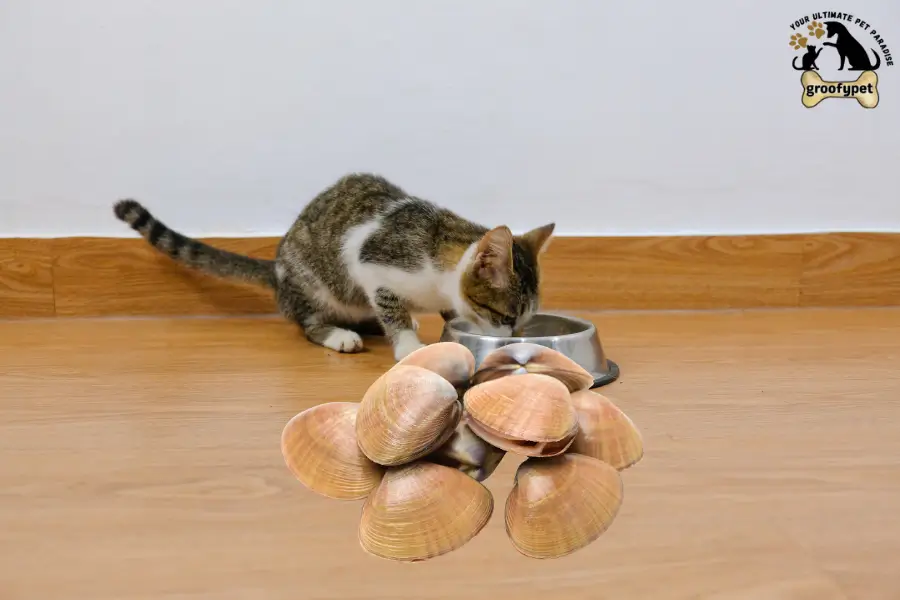
Shells must be fully removed before feeding. Even small clams can cause digestive upset. Baby clams should never be given often. Cats do not need them for nutrition. Treat them as an occasional food only.
Can cats eat minced clams?
Minced clams can reduce choking risk but they are not fully safe. Raw minced clams are dangerous and should never be fed. Cooked minced clams may be easier to chew and digest. They must be plain without salt oil or seasoning.
Minced clams from cans often contain sodium and preservatives. These additives can harm cat kidneys. Always check the source before feeding. Fresh cooked minced clams should be given rarely. Small portions are very important.
Can cats eat clams raw or cooked?
Cats should never eat raw clams. Raw clams can carry harmful bacteria and parasites that may cause serious stomach infections in cats. A cat digestive system is very sensitive and cannot safely handle raw seafood.
Eating raw clams can lead to vomiting diarrhea dehydration and weakness. In some cases these infections may become severe and require veterinary care. Because of these risks raw clams should always be avoided.
Can cats eat clams and oysters?
Cats can eat clams and oysters only in rare and controlled situations. Both clams and oysters are shellfish and share similar risks for cats. Raw clams and raw oysters are unsafe because they may contain bacteria parasites and toxins.
Seasoned or smoked shellfish can harm a cat kidneys and digestive system. Shell fragments from clams and oysters can cause choking or internal injuries.
Can cats eat chopped clams?
Chopped clams are similar to minced clams in safety concerns. Large chopped pieces can still cause choking. Small chopped pieces may be easier for cats to eat. They must be cooked fully and served plain. No spices butter or garlic should be added.
Chopped clams from canned products are unsafe due to salt. Feeding chopped clams too often can upset digestion. Cats should eat only a few small bites at most. Regular feeding is not recommended.
Can cats eat clams everyday?
Cats should not eat clams every day. Clams are not a complete food for cats and they do not provide balanced nutrition. Feeding clams daily can cause digestive problems and reduce interest in proper cat food. Too much seafood may lead to stomach upset and nutrient imbalance.
Some clams may contain sodium or traces of heavy metals. Daily feeding also increases the risk of allergies. Cats need consistent meals designed for their species. Clams should only be an occasional treat. Regular feeding is not safe or recommended.
Can cats eat clam chowder?
Cats should never eat clam chowder. Clam chowder contains milk butter flour salt and spices. Dairy products can cause stomach upset in cats. Garlic and onion used in chowder are toxic to cats. Thick soups are also hard to digest.
The high fat and sodium levels can harm the kidneys and digestive system. Even small amounts can cause vomiting or diarrhea. Clam chowder offers no nutritional benefit to cats. Human soups should never be shared with pets.
Can cats have clam juice?
Cats should not have clam juice. Clam juice is very high in sodium which is dangerous for cats. Too much salt can cause dehydration increased thirst and kidney stress. Some clam juices also contain preservatives or added flavoring.
These ingredients can upset digestion. Cats do not need flavored liquids in their diet. Fresh clean water is the best drink for cats. Offering clam juice can do more harm than good. It should always be avoided.
Can dogs and cats eat clams?
Dogs and cats can eat clams under very strict conditions. Both animals must only eat fully cooked plain clams. Raw clams are unsafe for both due to bacteria and parasites. Dogs usually tolerate seafood better than cats.
Cats have more sensitive digestive systems and higher allergy risk. Salt and seasoning are harmful to both pets. Portion size must be very small for cats and slightly larger for dogs. Clams should never replace pet food. Treat clams as an occasional snack only.
Foods to avoid when feeding seafood to cats
Certain seafood foods should always be avoided. Fried seafood contains unhealthy oils. Seasoned seafood irritates the stomach. Shellfish with shells cause choking. Smoked seafood has high sodium. Seafood with sauces harms organs. Raw fish and shellfish are unsafe. Human leftovers should never be shared. Stick to plain safe foods only.
Vet opinion on cats eating clams
Most veterinarians do not recommend feeding clams to cats. They prefer nutritionally balanced cat food. Seafood treats should be rare and controlled. Health risks often outweigh benefits. Vets warn about bacteria salt and allergies. Cats need consistent daily nutrition. Human foods disrupt balance. Professional advice supports safer feeding habits.
Frequently Asked Questions
Can cats eat clams occasionally?
Yes cats can eat clams occasionally if they are cooked plain. The portion must be very small. Feeding should be rare. Shells must be removed fully. No seasoning should be added. Watch for digestive reactions. Stop feeding if symptoms appear. Safety depends on moderation.
Are clams toxic to cats?
Clams are not naturally toxic to cats. Risk depends on preparation. Raw clams carry harmful bacteria. Seasoned clams stress organs. Shell fragments cause injury. These factors make clams unsafe often. Plain cooking lowers risk slightly. Toxicity depends on handling and amount.
Can cats eat clam soup?
Clam soup is unsafe for cats. It contains salt spices and additives. Broth stresses kidneys quickly. Dairy ingredients upset digestion. Soup offers no benefit to cats. Avoid all soups. Cats should drink water only. Human meals should stay separate.
Can cats eat clam meat only?
Plain clam meat is safer than whole clams. It must be fully cooked. All shell fragments must be removed. Serve a very small amount. Do not mix with other foods. Observe your cat carefully. Stop if discomfort appears. Use this treat very rarely.
Can cats eat shellfish other than clams?
Most shellfish carry similar risks for cats. Shrimp mussels and lobster may cause allergies. Raw shellfish is dangerous. Cooked shellfish still contains sodium. Cats do not need shellfish nutrition. Commercial cat food is safer. Treats should stay minimal. Avoid shellfish as regular food.
Final Thoughts
The question can cats eat clams requires careful consideration. Clams are not toxic but they are risky. Raw and seasoned clams should never be fed. Cooked plain clams may be safe in tiny amounts. Cats do not need clams for health.
Balanced cat food meets all nutritional needs. Seafood treats should remain rare. Safe feeding choices keep cats healthy and happy long term.
Can Cats Eat Beets? Discover the Benefits and Risks Before You Feed!
Can Cats Eat Prosciutto or Is It Dangerous for Their Health?