
Can dogs eat dehydrated apples? yes they absolutely can and most dogs love the taste too. Dehydrated apples are simply fresh apples that have had their water removed through a drying process. This makes them chewy crunchy and easy to store for a long time without going bad. Dogs can enjoy plain dehydrated apples as a treat when you remove the seeds and core first.
The key rule is simple and straightforward for every pet owner to follow at home. You must choose dehydrated apples that have zero added sugar salt or artificial ingredients inside them. Store bought chips often contain things that are not safe for your dog to eat at all.
If you keep the treat small and plain then your dog will stay happy and healthy always. This article covers everything you need to know about feeding dehydrated apples to your dog safely.
Table of Contents
ToggleWhat exactly are dehydrated apples and how are they made?
Dehydrated apples are apple slices that have been dried using low heat over several hours. The drying process removes most of the water content from the fruit leaving behind concentrated flavor. This is what gives dehydrated apples their chewy and slightly crunchy texture that dogs enjoy so much.
You can make them at home using a food dehydrator or even your regular kitchen oven. To make them you wash the apples well and slice them into thin even pieces every time. Then you remove all the apple seeds and the core because these parts are not safe.
You place the slices on a tray and dry them at a low temperature for many hours. The result is a healthy snack that your dog can enjoy without any extra ingredients added. Many pet owners prefer homemade versions because they know exactly what goes into every single piece.
Are dehydrated apples safe for dogs? The complete safety breakdown.
Yes, dehydrated apples are safe for dogs when you follow a few important safety guidelines at home. The biggest concern is the seeds and the core because they contain trace amounts of cyanide. Eating a few seeds by accident will not harm most dogs, but you should still remove them.
Always check the label if you buy store-bought chips to make sure nothing harmful is inside. Look out for xylitol, which is an artificial sweetener that is extremely toxic to dogs and cats. Also watch for added sugar, salt, and preservatives because these can cause health problems over a long time.
Some dried apple products contain sulfites, which can trigger allergic reactions in sensitive dogs very easily. The safest option is always to make your own homemade dehydrated apples at home with zero additives. When you control the ingredients, you protect your dog from unnecessary risks every single time you serve them.

Health benefits of dehydrated apples for dogs
Dehydrated apples contain dietary fiber, which helps keep your dog’s digestive system working smoothly every day. Fiber adds bulk to the stool and helps prevent both constipation and loose stools in dogs naturally.
- Rich in fiber for healthy digestion
Dehydrated apples contain natural fiber that helps improve your dog’s bowel movement and supports smooth digestion. - Supports healthy weight management
They are low in fat and calories, making them a good treat option for dogs that need to maintain a healthy weight. - Boosts immune system
Apples are packed with antioxidants and vitamin C that help strengthen your dog’s immune system. - Improves gut health
The fiber in dehydrated apples supports good bacteria in the gut, which helps overall digestive health. - Promotes healthy skin and coat
Nutrients like vitamins A and C help keep your dog’s skin healthy and their coat shiny. - Natural dental support
Chewing dehydrated apple pieces can help reduce plaque buildup and support better oral hygiene. - Provides natural energy
Natural sugars in apples give a gentle energy boost without harmful additives. - Hydration support in a dry form
Even though they are dried, they still retain nutrients that support overall body hydration balance. - Low-fat treat alternative
Unlike many commercial treats, dehydrated apples are naturally low in fat and safe for regular snacking in moderation. - Rich in essential vitamins and minerals
They contain vitamins like A, C, and small amounts of potassium, which support overall body function.
You can break them into tiny pieces and use them as training rewards without guilt at all. Just remember that dried fruit has more natural sugar per bite, so moderation is still very important.
Risks and side effects of feeding dehydrated apples to dogs
Dehydrated apples can be quite hard and this creates a choking hazard for many dogs especially small ones.
- Choking risk – Hard dried apple pieces can get stuck in a dog’s throat, especially in small breeds or puppies.
- Upset stomach – Too many dehydrated apples can cause vomiting, diarrhea, or gas due to high fiber and sugar concentration.
- High sugar intake – Dehydration increases sugar concentration, which can be harmful if eaten in large amounts.
- Blood sugar spikes – Not safe for diabetic dogs as it can quickly raise glucose levels.
- Weight gain – Excess calories and natural sugars may lead to obesity over time if overfed.
- Dental issues – Sticky or hard pieces may contribute to plaque buildup or tooth discomfort in some dogs.
- Allergic reactions – Some dogs may react with itching, swelling, or skin irritation.
- Digestive blockage (rare) – Large or poorly chewed pieces can cause intestinal discomfort or blockage.
- Additives in store-bought products – Some contain sugar, preservatives, or sulfites that can be harmful.
- Overfeeding risk – Owners may treat them like “healthy snacks” and unintentionally exceed safe daily limits.
How much dehydrated apple can a dog eat? Serving size guide
The general rule is that treats should make up no more than ten percent of your dog’s daily calories. This means dehydrated apples should only be a small part of your dog’s total food intake each day. For a small dog under twenty pounds start with just one or two small pieces as a test.
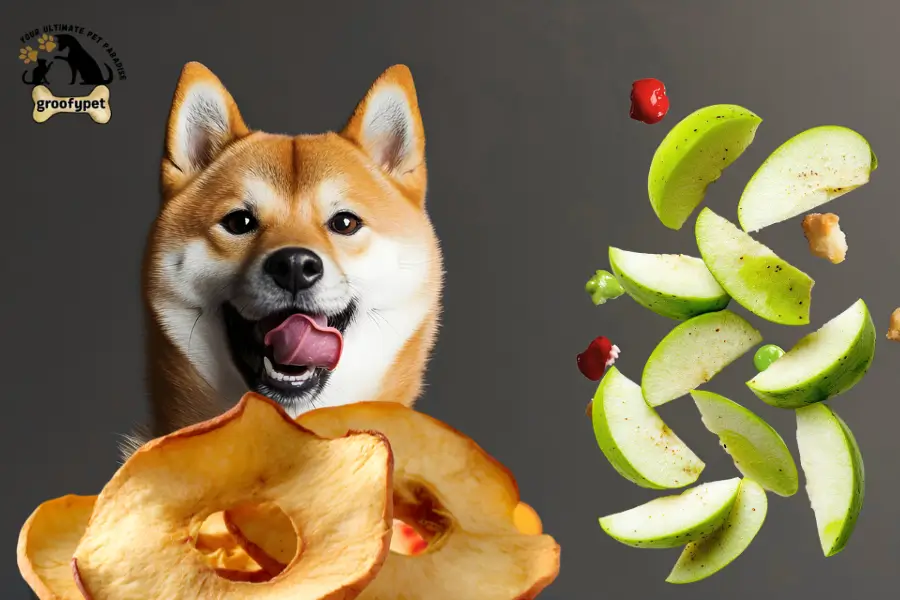
Medium dogs between twenty and fifty pounds can handle two to four pieces on a normal day. Large dogs over fifty pounds may eat four to six pieces without any problems at all usually. Always watch your dog for the first twenty four hours after trying any new treat for signs of trouble.
| Dog Size | Weight Range | Safe Serving (Per Day) | How Often | Notes |
|---|---|---|---|---|
| Small Dog | Under 20 lbs (9 kg) | 1–2 small pieces | 2–3 times per week | Break into tiny bits to avoid choking |
| Medium Dog | 20–50 lbs (9–23 kg) | 2–4 pieces | 2–3 times per week | Start with lower amount first |
| Large Dog | 50–90 lbs (23–41 kg) | 4–6 pieces | 2–3 times per week | Can be used as training treats |
| Extra Large Dog | 90+ lbs (41+ kg) | 6–8 small pieces | 2–3 times per week | Still keep moderation important |
| Puppies (<6 months) | Any size | Not recommended or 1 tiny softened piece only | Rare / vet-approved only | High choking and digestion risk |
| Senior Dogs | Depends on weight | 1–4 softened pieces | 1–3 times per week | Soften in water for easier chewing |
If everything goes well then you can slowly increase the amount over several days at your own pace. Remember that every dog is different and some may need even smaller amounts depending on their health.
How often can dogs eat dehydrated apples without any health problems?
Most dogs can eat dehydrated apples two to three times per week without experiencing any health issues. This frequency keeps treats special while still allowing your dog to enjoy the health benefits of apples. Feeding dehydrated apples every day is not recommended because the sugar can build up over time.
It can also lead to nutritional imbalances if your dog starts choosing treats over their regular meals. Rotating treats is always a good idea because it keeps your dog interested and avoids boredom with snacks. You can alternate dehydrated apples with other safe options like carrots or blueberries throughout the week.
Watching your dog’s weight and energy level will help you decide if you need to reduce treat frequency. A quick chat with your vet can help you build a treat schedule that works for your specific dog.
Best dehydrated apples to buy for your dog: store-bought buying guide
When buying dehydrated apples for your dog, always choose unsweetened, single-ingredient, and preservative-free products that are made specifically for pets or clearly labeled as safe for dogs.
What to look for on the ingredient label before you buy?
When you shop for dehydrated apples for your dog, the ingredient list is the first thing you should check. The best products contain only apples with nothing else added to them at all inside the package. Avoid any brand that lists sugar, honey, syrup, or any type of sweetener in the ingredients list.
Also skip products that contain artificial preservatives because these chemicals are not good for your dog. Some brands use sulfites to keep the fruit looking fresh, and this can cause allergies in dogs.
Always choose organic dehydrated apples when possible because they have fewer pesticides and chemicals on them. Reading labels carefully takes just a few minutes, but it can protect your dog from serious health problems.
Brands and types to avoid when buying dehydrated apples for dogs
Never buy candied apple chips because they are coated in sugar syrup that is bad for dogs. Trail mix blends are also dangerous because they may contain raisins, which are highly toxic to dogs. Apple chips made for human snacking often have cinnamon, nutmeg, and other spices that can upset stomachs.
Flavored dehydrated apples with vanilla or caramel are not safe for dogs under any circumstances at all. Always stick to plain, unflavored, and unsweetened dehydrated apple products that are made with nothing but real fruit.
If you are not sure about a product, then call the manufacturer and ask about the ingredients directly. When in doubt, making your own dehydrated apples at home is always the safest and best option.
How to make dehydrated apples for dogs at home step by step?
Making dehydrated apples at home is simple and it gives you complete control over every ingredient.
- First wash your apples thoroughly under running water to remove any dirt or pesticide residue completely.
- Next slice the apples into thin even pieces about one eighth of an inch thick for best results.
- Remove all the apple seeds and the core because these parts contain small amounts of cyanide naturally.
- Place the slices on your dehydrator trays in a single layer with space between each piece for airflow.
- Set the temperature to around one hundred and thirty five degrees Fahrenheit and let them dry overnight.
- If you use an oven then set it to the lowest temperature and keep the door slightly open for moisture.
- Check the slices after several hours and remove them when they are dry but still slightly flexible inside.
- Let them cool completely before storing them in an airtight container in a cool and dry place at home.
Best ways to feed dehydrated apples to your dog at home
Dehydrated apple pieces make excellent training rewards because dogs love the natural sweet taste of them. Break them into very tiny pieces so you can give many rewards without overfeeding your dog extra calories.
Use dehydrated apple pieces as training rewards during daily practice sessions
This works great for puppy training because small rewards keep puppies motivated and focused on learning. Using real food treats often works better than manufactured treats because dogs prefer natural flavors most times.
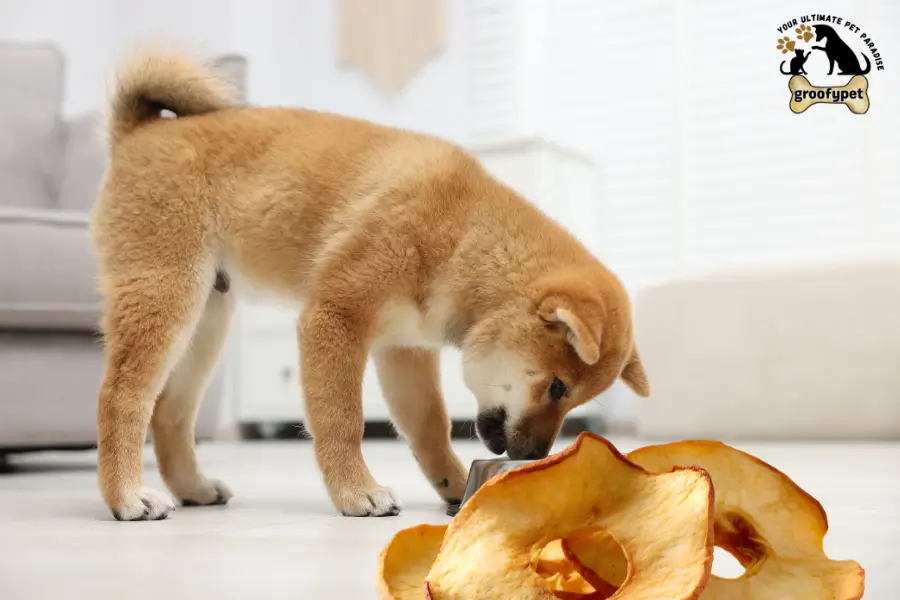
Keep a small bag of broken dehydrated apple pieces in your pocket during walks and training sessions always. This gives you a healthy option that your dog will work hard to earn every single time.
Mix dehydrated apple pieces with your dog’s regular meals for extra nutrition
You can crush dehydrated apple pieces into small bits and sprinkle them over your dog’s regular kibble. This adds flavor and texture to meals which can help dogs that are picky eaters sometimes at home. The extra fiber from the apple pieces can also help support better digestion after every meal.
Make sure the amount you add is small so it does not upset your dog’s stomach after eating. This works well for senior dogs that may have lost interest in their regular food lately over time. Always monitor your dog after adding anything new to their meals for the first few days carefully.
Rehydrate dehydrated apples in water for older dogs and puppies
Some dogs have trouble chewing hard dehydrated apple pieces because of age or dental problems at home. You can soak the pieces in warm water for ten to fifteen minutes to soften them up nicely. This makes them easier to chew and digest for puppies and senior dogs that need softer food.
Rehydrated apples also release some of their concentrated sugars back into the water which dilutes them. This creates a safer treat for dogs that need to watch their blood sugar levels closely every day. It is a simple trick that makes dehydrated apples accessible to almost any dog regardless of age.
Which dogs should avoid eating dehydrated apples completely?
Most dogs can safely eat dehydrated apples in small amounts, but some should avoid them completely. Dogs with diabetes or blood sugar problems should not eat them because natural sugars can affect glucose levels.
Dogs with diabetes should not eat dehydrated apples due to high sugar
Dogs that have been diagnosed with diabetes should avoid dehydrated apples because the sugar is too concentrated. The drying process makes every piece much sweeter than a fresh apple slice would normally be for dogs.
This concentrated sugar can cause dangerous spikes in blood sugar that are hard to control with medication. Diabetic dogs need strict diet management and adding high sugar treats can undo weeks of careful planning.
Always talk to your veterinarian before giving any fruit treat to a dog with blood sugar issues. There are lower sugar alternatives that work better for diabetic dogs and your vet can recommend them safely.
Puppies under six months should avoid dehydrated apples for safety reasons
Young puppies have very sensitive stomachs that are still developing and learning how to process new foods. Dehydrated apples can be too strong for their delicate digestive systems and cause vomiting or diarrhea easily.
The hard texture also creates a serious choking risk for puppies that do not chew their food well. Puppies under six months old should stick to their regular puppy food and vet approved treats only always.
Once your puppy gets older and stronger you can introduce tiny amounts of dehydrated apple to test tolerance. Always watch your puppy closely for any signs of discomfort after trying any new food for the first time.
Dogs with sensitive stomachs or allergies may need to skip dehydrated apples
Some dogs have food sensitivities that make even plain dehydrated apples problematic for their digestive systems overall. If your dog has a known allergy to apples or other fruits, then you should avoid this treat completely.
Dogs with pancreatitis or inflammatory bowel disease may also react poorly to dried fruit treats at home. Signs of an allergic reaction include itching, swelling, hives, and difficulty breathing after eating something new.
If you notice any of these symptoms, contact your veterinarian immediately for proper guidance and treatment advice. Not every treat works for every dog and that is perfectly normal for pet owners to understand clearly.
Dehydrated apples vs fresh apples: which is better for your dog
- Fresh apples and dehydrated apples both have their own advantages for dogs depending on the situation.
- Fresh apple slices have more water, which helps keep your dog hydrated during hot weather days.
- Fresh apples also have less concentrated sugar per piece, which makes them safer for diabetic or overweight dogs.
- However, dehydrated apples last much longer and they are easier to carry in a bag during trips.
- Dehydrated apples also have a stronger flavor that many dogs find more appealing than fresh slices sometimes.
- The best approach is to offer both types at different times based on your dog’s specific needs.
- Fresh apples work better as a daily snack while dehydrated apples make great occasional training rewards at home.
- Both options are healthy when you remove the seeds and core before serving them to your dog.
Safe alternatives to dehydrated apples for dogs who cannot eat them
- If your dog cannot eat dehydrated apples then there are many other safe treat options available for you.
- Dehydrated sweet potato chews are a great alternative that most dogs find very tasty and enjoyable.
- Plain carrots are another excellent choice because they are crunchy, low-calorie, and full of natural vitamins.
- Blueberries make perfect tiny treats that are packed with antioxidants and safe for almost all dogs.
- Plain pumpkin treats can help with digestion, and most dogs love the mild and slightly sweet taste.
- Watermelon without seeds is refreshing and hydrating, especially during hot summer months for your active dog.
- Always introduce one new treat at a time and watch your dog for any signs of stomach problems. Having multiple safe treat options keeps your dog happy and ensures they get a variety of nutrients regularly.
What to do if your dog eats too many dehydrated apples accidentally?
If your dog gets into the dehydrated apple bag and eats way too many, then stay calm first. The most likely outcome is an upset stomach with symptoms like vomiting or diarrhea for a day or two. Make sure your dog has access to plenty of fresh, clean water to help with hydration right away.
Do not give your dog any more food for several hours to let their stomach settle down naturally. Monitor your dog closely for the next twenty four hours and watch for any unusual behavior or symptoms.
If vomiting continues or if your dog becomes very lethargic, then call your veterinarian for professional advice immediately. In rare cases eating too many dried apples can cause more serious problems that need medical attention quickly.
Keeping dehydrated apples in a secure container out of your dog’s reach prevents this problem from happening.
Can dogs eat dehydrated apples with cinnamon or other spices?
- Plain dehydrated apples are the safest choice for dogs without any extra spices or flavors added.
- Small amounts of cinnamon are generally considered safe for dogs in very tiny quantities occasionally at home.
- However, too much cinnamon can irritate your dog’s mouth and digestive system, causing discomfort and pain for them.
- Spices like nutmeg are toxic to dogs and should never be added to any treat at all ever.
- Garlic and onion powder are also extremely dangerous and must be kept away from all dog treats completely.
- If you make homemade dehydrated apples, always keep them plain with absolutely no seasonings or additives of any kind.
- Plain treats are always the safest and healthiest option for your dog regardless of the food type.
- When it comes to your dog’s health, simple is always better than complicated and flavorful every single time.
Frequently Asked Questions
Can dogs eat apple chips from the store safely?
Yes, dogs can eat store-bought apple chips, but only if they are completely plain and unsweetened. Always check the label for hidden ingredients like sugar, salt, xylitol, or artificial preservatives before you buy them.
Are dehydrated apples better than fresh apples for dogs?
Neither is better than the other because both have their own advantages for different situations and needs. Fresh apples have more water, while dehydrated apples have a stronger flavor and longer shelf life available.
Can dehydrated apples cause diarrhea in dogs?
Yes, eating too many dehydrated apples can cause diarrhea because of the concentrated sugar and fiber content. Always start with small amounts and watch how your dog reacts before offering more treats next time.
How do I store homemade dehydrated apples for my dog?
Store them in an airtight container in a cool dry place away from direct sunlight for maximum freshness. Homemade dehydrated apples can last for several weeks when stored properly in sealed containers at home.
Can senior dogs eat dehydrated apples safely?
Yes, senior dogs can eat dehydrated apples, but you may want to rehydrate them first in warm water. This makes them softer and easier to chew for dogs that have worn down or missing teeth.
Is it okay to give my dog dehydrated apples every day?
It is better to give dehydrated apples just two to three times per week to avoid sugar buildup. Daily treats should be varied to ensure your dog gets balanced nutrition without any single food dominating.
Final thoughts
So can dogs eat dehydrated apples? The answer is a clear and confident yes with proper precautions always. Dehydrated apples are a healthy tasty and convenient treat that most dogs absolutely love to eat regularly. They provide dietary fiber vitamins and antioxidants that support your dog’s overall health and daily well-being naturally. J
ust remember to remove all seeds and core before serving and choose plain unsweetened products every single time. Portion control is the most important thing to remember because dried fruit has concentrated sugar in every piece. Keep treats under ten percent of daily calories and feed them just a few times per week only.
Always watch your dog after giving any new treat for the first time to check for reactions. Talk to your veterinarian if your dog has health conditions like diabetes or food allergies before trying this treat.
With the right approach dehydrated apples can be a wonderful addition to your dog’s treat rotation at home. Your dog deserves the best and with a little knowledge you can give them safe and healthy snacks always.
Can Dogs Eat Coconut Rice? A Safety Guide for Smart Pet Parents!