
Many pet owners often ask, Can dogs eat Honeycrisp apples safely at home? Honeycrisp apples taste sweet, juicy, and crunchy, which makes many dogs very curious. Dogs enjoy new smells and flavors and apples attract them quickly.
The good news is that dogs can eat Honey Crisp apples in moderation. Owners must prepare apples correctly and serve small portions for safety. This detailed guide explains benefits, risks, serving tips, and important safety advice clearly.
Are honeycrisp apples safe for dogs?
Honeycrisp apples are generally safe for healthy dogs when served properly. These apples do not contain toxic compounds, unlike grapes or chocolate. Fresh apple slices offer natural sweetness without unhealthy fats or artificial additives.
Owners must remove the core and seeds before giving apples to dogs. Proper preparation reduces choking hazards and prevents toxic seed exposure. Safe feeding habits help protect your dog from stomach problems.
Nutritional value of honeycrisp apples for dogs
Honeycrisp apples contain important vitamins and nutrients that support dog health. They provide vitamin A, which helps maintain healthy vision and skin. They also contain vitamin C, which supports the immune system. Apples offer dietary fiber, which improves digestion and supports healthy bowel movements. Natural antioxidants in apples protect body cells from damage . These nutrients make apples a smart occasional snack choice.
Apples also contain water, which helps keep dogs hydrated. Hydration supports healthy organs and overall body function. Honeycrisp apples contain low fat and low protein levels. This quality makes them suitable as a light treat between meals. Owners should still focus on balanced dog food as the main nutrition source.
How much Honeycrisp apple can a dog eat?
Portion control plays an important role when feeding apples to dogs. Small dogs should eat only two or three thin slices at once. Medium dogs can safely enjoy four or five small pieces occasionally. Large dogs may eat up to half a sliced apple without issues. Apples should never replace regular meals or balanced dog food.
Too many apples can cause stomach upset and loose stool. Apples contain natural sugars, which can increase calorie intake. Owners must treat apples as occasional snacks rather than daily meals. Moderation protects your dog from weight gain and digestive problems.
How to prepare Honeycrisp apples for dogs?
Preparation steps ensure complete safety when feeding apples to dogs. First, wash the apple thoroughly under running water. Washing removes dirt, bacteria, and pesticide residue from the surface. Next, remove the stem, core, and all seeds carefully. Apple seeds contain cyanide compounds that become toxic when chewed in large amounts.
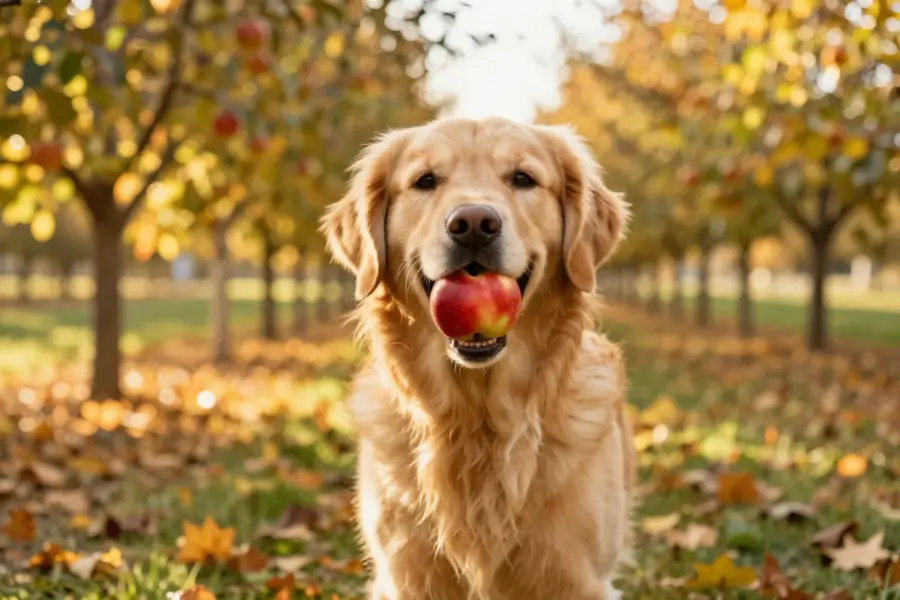
After removing unsafe parts, cut the apple into small bite-sized pieces. Small pieces prevent choking and make chewing easier. Always serve apples plain without sugar, salt, or spices. Avoid adding peanut butter with artificial sweeteners like xylitol. Simple preparation keeps your dog safe and healthy.
Can dogs eat apple skin?
Dogs can eat apple skin because it contains fiber and nutrients. Apple skin adds extra texture and vitamins to the snack. Some dogs have sensitive stomachs and may struggle with digesting skin. If your dog shows gas or mild discomfort, peel the apple first. Always monitor your dog after introducing new foods.
Why are apple seeds and cores dangerous?
Apple seeds contain a compound that releases cyanide when crushed or chewed. Small amounts usually do not cause serious harm immediately. Large quantities of seeds may cause breathing issues and weakness. The apple core also creates a serious choking hazard for dogs.
Hardcore pieces may block the throat or digestive tract. Owners must remove all core parts before serving apples. Careful removal reduces the risk of emergencies and vet visits.
Can puppies eat honeycrisp apples?
Puppies can eat Honeycrisp apples when owners follow strict portion control. Their digestive systems are still developing and remain sensitive. Cut apples into very tiny soft pieces for easier chewing. Introduce apples slowly and watch for loose stool or vomiting. Small portions keep puppies safe and comfortable.
Can senior dogs eat honeycrisp apples?
Senior dogs can enjoy small apple slices as a light treat. Older dogs may have dental problems or weaker teeth. Cut apples into thinner and softer slices for easier chewing. Fiber supports digestion in aging dogs. Always check with a veterinarian if your senior dog has medical conditions.
Can diabetic dogs eat honeycrisp apples?
Dogs with diabetes need careful sugar management in their diet. Honeycrisp apples contain natural sugars that affect blood sugar levels. Small portions may be safe, but always consult a veterinarian first. Never give large servings to diabetic dogs. Controlled feeding helps prevent sudden blood sugar spikes.
What Makes Honeycrisp Apples Different From Other Apple Varieties?
Not all apples are created equal. The Honeycrisp apple, developed at the University of Minnesota in the 1960s and released commercially in 1991, was specifically cultivated for its explosive juiciness, balanced sugar-acid ratio, and firm cellular structure. This is not your average Granny Smith or Red Delicious.
Nutritional Snapshot of a Honeycrisp Apple (Per 100g)
- Calories: 52 kcal
- Natural Sugar: 10.4g
- Dietary Fiber: 2.4g
- Vitamin C: 4.6mg
- Potassium: 107mg
- Quercetin: Present in skin
- Malic Acid: Present (contributes to tartness)
- Water Content: ~85%
These numbers matter because they directly determine how a Honeycrisp apple interacts with your dog’s digestive system, blood sugar regulation, and long-term metabolic health.
10 Proven Benefits of Honeycrisp Apples for Dogs
Feeding Honeycrisp apples in small amounts offers several health benefits. The fiber content supports better digestion and reduces constipation. The crunchy texture helps clean teeth surfaces slightly during chewing. Natural vitamins support skin health and shiny coats. Antioxidants help reduce harmful cell damage inside the body.
Apples can also work as a low-calorie treat option. Many commercial treats contain preservatives and added sugars. Fresh apple slices provide natural sweetness without artificial ingredients. Owners who want healthy treat options often choose apples for this reason.
1. Rich Source of Dietary Fiber That Supports Digestive Regularity
Honeycrisp apples contain a meaningful concentration of both soluble and insoluble dietary fiber. The soluble fiber — predominantly pectin — forms a gel-like substance in the gastrointestinal tract that slows digestion, moderates glucose absorption, and nourishes beneficial intestinal microbiota. Insoluble fiber, on the other hand, adds bulk to stool and promotes consistent bowel movement frequency.
For dogs experiencing irregular digestion, mild constipation, or soft stool inconsistency, a small quantity of apple flesh can act as a gentle, food-based digestive regulator without the need for pharmaceutical intervention.
2. Delivers Antioxidant Compounds That Combat Oxidative Cellular Damage
Honeycrisp apples, particularly the skin, contain quercetin, catechins, and chlorogenic acid. These are bioactive polyphenolic compounds that neutralize free radicals at the cellular level. In dogs, oxidative stress is implicated in accelerated cellular aging, inflammatory joint disease, and certain degenerative conditions that emerge in senior animals.
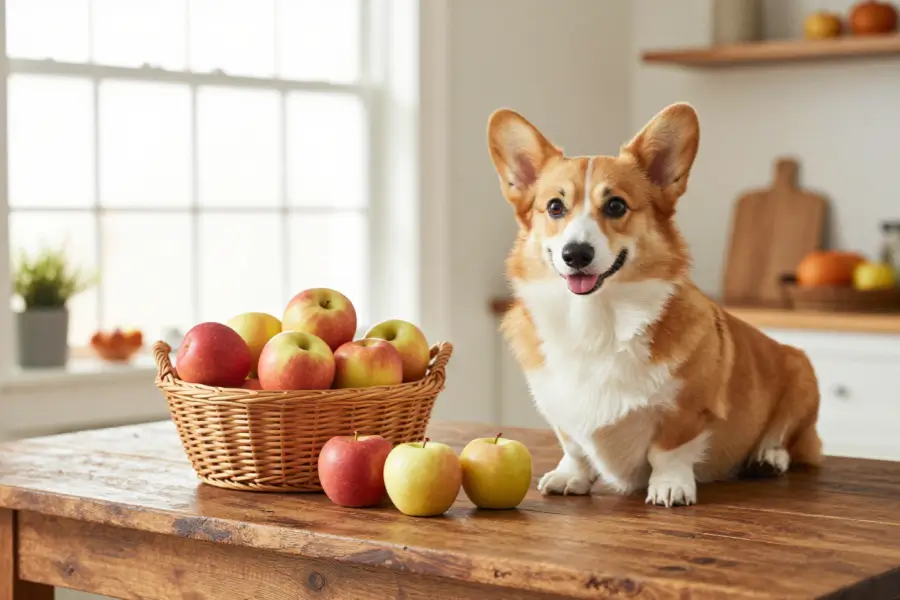
Quercetin has demonstrated anti-inflammatory and antihistamine properties in preliminary research, which is particularly relevant for dogs prone to seasonal environmental allergies or chronic low-grade systemic inflammation.
3. Vitamin C Contribution Supports Immune System Resilience
While dogs biosynthetically produce their own vitamin C through hepatic metabolism—unlike humans, who must obtain it exclusively through diet—supplemental dietary vitamin C can still provide meaningful immunological support, particularly in dogs under physical stress, recovering from illness, or in their senior years when endogenous synthesis tends to decline.
Honeycrisp apples offer a modest but legitimate vitamin C contribution that complements your dog’s existing immune function without the risks associated with synthetic supplementation.
4. High Water Provides Passive Hydration Support
With an approximate water composition of 85%, Honeycrisp apples are among the more hydrating whole foods you can offer a dog. This is particularly advantageous during warmer months, post-exercise recovery periods, or for dogs that are chronically resistant to drinking adequate water from their bowl.
Passive hydration through food consumption helps maintain plasma volume, supports kidney filtration efficiency, and contributes to healthy mucosal membrane moisture all without requiring behavioral modification from a reluctant drinker.
5. Low Caloric Density Makes It a Weight-Conscious Treat Option
For dogs managing their weight, an increasingly prevalent concern, with canine obesity affecting an estimated 56% of dogs in the United States, finding treats that deliver palatability without excessive caloric load is genuinely challenging. Honeycrisp apple flesh delivers approximately 52 kilocalories per 100 grams, making it one of the lower-calorie natural treat options available.
Compared to commercial dog biscuits that can carry 350–450 kcal per 100g, a measured portion of apple flesh represents a dramatically lighter caloric footprint while still satisfying the behavioral need for treat-based reward.
6. Malic Acid May Support Oral Hygiene Between Brushing
The malic acid naturally occurring in Honeycrisp apples has been associated with mild enzymatic stimulation of salivary production and surface-level abrasive cleansing during mastication. While this absolutely does not replace professional dental scaling or routine tooth brushing, the mechanical action of chewing firm apple flesh against the tooth surface can help dislodge superficial plaque deposits and debris.
Dogs with early-stage tartar accumulation or those resistant to toothbrushing may benefit from occasional apple consumption as a partial adjunct to dental hygiene routines.
7. Potassium Content Supports Cardiovascular and Muscular Function
Potassium is an essential electrolyte that governs nerve impulse transmission, cardiac rhythm regulation, and skeletal muscle contraction in dogs. Honeycrisp apples provide approximately 107mg of potassium per 100 g—a modest but meaningful contribution to your dog’s daily electrolyte intake.
For active dogs, sporting breeds, or animals recovering from bouts of vomiting or diarrhea that may have depleted electrolyte reserves, apple flesh offers a natural, food-sourced potassium supplement without the gastrointestinal distress that can accompany artificial electrolyte products.
8. Phytonutrient Diversity Offers Complementary Nutritional Support
Beyond the macronutrients and vitamins, Honeycrisp apples contain a broad spectrum of phytonutrients — plant-derived bioactive compounds that operate through mechanisms distinct from conventional vitamins and minerals. Ursolic acid, present in apple skin, has demonstrated anti-inflammatory and metabolic modulatory properties in research contexts.
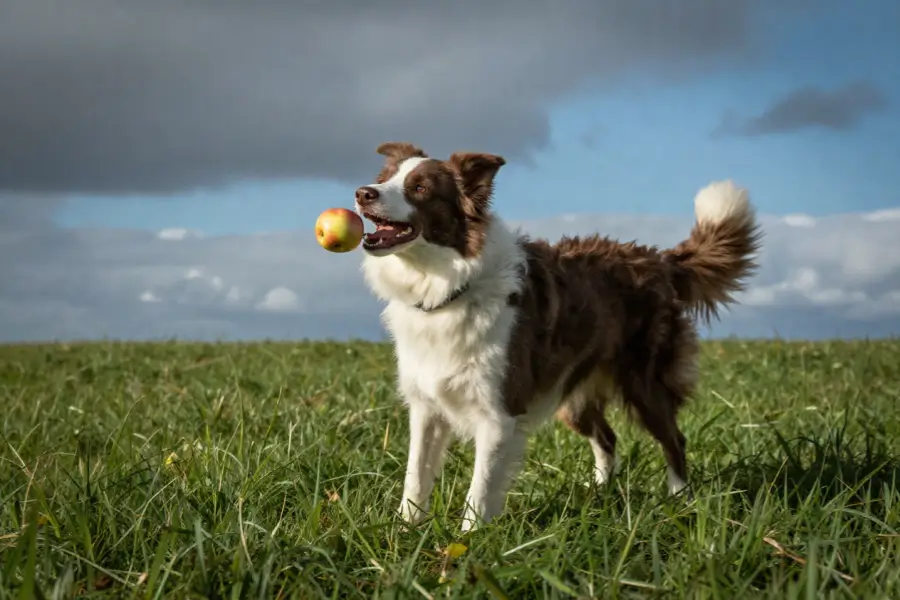
These phytonutrients, while not classified as essential nutrients for dogs, contribute to what nutritionists sometimes refer to as the “whole food matrix effect” — the synergistic benefit derived from consuming minimally processed whole foods rather than isolated supplements.
9. Natural Sweetness Can Reduce Reliance on Processed Commercial Treats
Many commercially manufactured dog treats rely on artificial sweeteners, synthetic flavor enhancers, or concentrated meat by-products to achieve palatability. Introducing naturally sweet whole foods like Honeycrisp apple slices as an occasional treat alternative reduces your dog’s cumulative exposure to artificial additives while simultaneously broadening their dietary experience.
Dogs with sensitivities to commercial treat ingredients, or those whose guardians prefer a more ingredient-transparent feeding approach, can benefit significantly from the substitution of whole fruit for processed snack products.
10. Behavioral Enrichment Through Novel Texture and Sensory Engagement
This benefit is frequently overlooked but carries genuine significance for canine psychological well-being. The distinctive crunch, moisture, and natural aroma of a Honeycrisp apple provide meaningful sensory stimulation for dogs.
Engaging a dog’s olfactory and gustatory systems with novel food textures and flavors is a recognized component of environmental enrichment—particularly important for indoor dogs or those with limited access to varied sensory experiences.
Treat-based enrichment, when conducted safely and proportionally, contributes to reduced stress behaviors, improved cognitive engagement, and a strengthened bond between guardian and animal.
Risks of feeding honeycrisp apples to dogs
Feeding too many Honeycrisp apples to dogs can cause stomach upset because apples contain natural sugar and fiber. Large pieces or apple seeds may also create choking risks or digestive problems for some dogs.
Dog owners should always remove the seeds and core before feeding Honeycrisp apples. Small apple slices are safer and help dogs enjoy this crunchy treat without unwanted health risks.
1. Apple Seeds Contain Amygdalin, a Cyanogenic Glycoside
Apple seeds, including those in Honeycrisp varieties, contain amygdalin, a naturally occurring cyanogenic glycoside that undergoes enzymatic hydrolysis in the gastrointestinal tract to release hydrogen cyanide.
While a single seed ingested by a large dog is unlikely to trigger acute toxicity, repeated seed ingestion or consumption of a larger quantity can precipitate genuine cyanide accumulation over time.
Symptoms of cyanide toxicity in dogs include dilated pupils, labored breathing, bright red mucous membranes, and, in severe cases, convulsions. Every seed must be meticulously removed before any apple portion is offered to a dog, without exception.
2. Elevated Natural Sugar Content Poses Risks for Diabetic and Pre-Diabetic Dogs
Honeycrisp apples carry a higher natural sugar concentration than many other common apple varieties, approximately 10.4 g per 100 g, which reflects their characteristically sweet flavor profile. For dogs with diabetes mellitus, insulin resistance, or documented metabolic dysfunction, this sugar load can interfere with glycemic regulation and contribute to postprandial blood glucose spikes.
Even in metabolically healthy dogs, habitual overconsumption of naturally sweet foods can gradually shift the palate toward high-sugar preferences and contribute to insulin desensitization over extended periods. Veterinary guidance should always be sought before introducing any fruit to a diabetic dog’s diet.
3. The Core and Stem Present Choking and Gastrointestinal Obstruction Hazards
The fibrous, dense core of a Honeycrisp apple, along with the woody stem, does not break down readily during canine chewing and digestion. In smaller breeds, these structures can become lodged in the esophagus, stomach, or intestinal tract, precipitating a mechanical obstruction that may require surgical intervention.
Even in larger dogs with more powerful jaw mechanics, the apple core should be considered a structural hazard rather than an edible component. The risk is compounded in dogs who are food-motivated and inclined to swallow large chunks without adequate mastication.
4. Overconsumption Causes Gastrointestinal Distress Including Diarrhea and Bloating
The fermentable fiber and fructose content in Honeycrisp apples, while nutritionally beneficial in small quantities, becomes osmotically disruptive in larger portions. When fructose and fermentable pectin reach the large intestine in concentrated quantities, they draw water into the intestinal lumen and feed gas-producing bacterial populations, leading to loose stool, flatulence, abdominal distension, and visible discomfort.
Dogs with inherently sensitive gastrointestinal tracts including breeds such as German Shepherds, Irish Setters, and Great Danes are particularly susceptible to apple-induced digestive upset even at quantities that would be well tolerated by other animals.
5. Pesticide Residue on Conventionally Grown Apple Skin Is a Toxicological Concern
Honeycrisp apples are consistently ranked among the apple varieties with the highest pesticide residue burdens in conventional commercial agriculture. The Environmental Working Group has historically placed apples on their “Dirty Dozen” list, a categorization reflecting elevated pesticide detection frequency and concentration in residue testing.
Dogs who consume apple skin from conventionally farmed, non-washed sources are exposed to organoleptic compounds, including thiabendazole, diphenylamine, and chlorpyrifos substances with documented neurotoxic and endocrine-disrupting properties in mammalian biology. Thorough washing is non-negotiable; organic sourcing is strongly preferable.
6. Xylitol Contamination Risk in Processed Apple Products Marketed as Dog-Safe
While Honeycrisp apples in their whole, unprocessed form do not contain xylitol, many commercially prepared apple-based products—including applesauce, apple chips, dried apple snacks, and blended treats—incorporate xylitol as a low-calorie sweetener. Xylitol is profoundly toxic to dogs even in trace quantities, capable of triggering severe hypoglycemia and acute hepatic necrosis.
Any processed apple product offered to a dog must have its ingredient label scrutinized comprehensively. The presence of xylitol, sorbitol, or any sugar alcohol warrants immediate disqualification of that product from canine consumption.
7: Allergic Responses, Though Uncommon, Can Manifest as Oral or Systemic Reactions
Canine food hypersensitivity disorders, while most commonly associated with protein-source antigens, can theoretically encompass fruit-based allergens including those found in apple varieties. Dogs with documented Rosaceae family sensitivities — which includes apples, pears, peaches, and cherries—may experience oral mucosal irritation, localized urticaria, facial edema, or in rare cases, anaphylactic responses following apple consumption.
First-time apple introductions should always begin with a minimal test portion, followed by a 24-to-48-hour observation window before escalating to any regular inclusion in the feeding regimen.
8. Frequency of Feeding Can Establish Maladaptive Behavioral Patterns
Dogs are operant conditioning subjects by nature they rapidly associate behaviors with rewarding outcomes. When apple slices are offered frequently or in response to begging behaviors, guardians inadvertently reinforce food-solicitation patterns that are difficult to extinguish. These patterns include persistent counter-surfing, food-resource guarding, and escalated demand vocalization at mealtimes.
Treating apple slices as a structured, intentional reward within a defined feeding schedule—rather than an impulse response to pleading body language—preserves behavioral boundaries while still delivering the nutritional benefit.
9. Specific Breed and Size Considerations Alter the Risk Calculus Significantly
A Honeycrisp apple slice that represents a negligible caloric fraction for a 35 kg Labrador Retriever constitutes a proportionally enormous sugar and fiber load for a 3 kg Chihuahua or Toy Poodle. Portion sizing for small and toy breed dogs must account for the dramatically compressed caloric requirements of smaller body masses.
Additionally, certain brachycephalic breeds — including Bulldogs, Pugs, and Boston Terriers — may have structural difficulty chewing firm apple flesh efficiently, increasing the mechanical aspiration risk associated with inadequately masticated food pieces entering the respiratory tract.
10. Rotting or Fermented Apple Flesh Produces Ethanol
This risk is frequently underestimated. Fallen or stored apples that have begun the fermentation process — particularly visible as softened, darkened, or juice-weeping flesh — contain measurable ethanol produced by yeast-driven sugar metabolism. Dogs are dramatically more sensitive to ethanol toxicity than humans on a per-kilogram body weight basis.
A dog consuming fermented apple material from a backyard apple tree, a compost pile, or inadequately stored fruit can develop symptoms including incoordination, central nervous system depression, hypothermia, vomiting, and in severe cases, respiratory compromise. Garden access to fallen apples and proper fruit storage are essential precautions for dog guardians.
Risks of Feeding Too Many Apples
Excess apple consumption may cause diarrhea and stomach cramps. Too much fiber can upset the digestive system. High sugar intake may lead to weight gain over time. Sticky fruit residue may also stick to teeth and increase plaque buildup.
Dogs with sensitive stomachs may show vomiting after overeating apples. Always introduce apples slowly to prevent digestive shock. Responsible feeding habits reduce these risks effectively.
Signs of Apple Allergy or Intolerance
- Most dogs tolerate apples well without problems.
- Some dogs may show signs of food intolerance.
- Symptoms may include itching, swelling, or stomach upset.
- Vomiting and diarrhea may also appear after apple consumption.
- If your dog shows severe symptoms, contact a veterinarian quickly.
- Stop feeding apples immediately if reactions occur. Early action prevents complications and keeps your dog safe.
Can Dogs Eat Cooked Honeycrisp Apples?
Dogs can eat plain cooked apples without added ingredients. Cooking softens the texture and makes chewing easier. Avoid sugar, butter, cinnamon, and nutmeg in cooked apples. Nutmeg is harmful to dogs and may cause serious issues.
Never give apple pie filling or sweetened canned apples. Processed apple products contain preservatives and high sugar levels. Fresh raw apples remain the safest choice for dogs.
Can Dogs Eat Dried Apples?
Plain dried apples without sugar may be safe in tiny portions. Drying removes water and increases sugar concentration. This makes dried apples higher in calories than fresh apples. Avoid flavored or sweetened dried apple products.
Offer very small pieces and monitor your dog carefully. Fresh apples remain a healthier and safer option overall.
Healthy Ways to Serve Honeycrisp Apples?
Owners can freeze small apple cubes for summer treats. Frozen apples provide cooling refreshment on hot days. You can mix tiny apple pieces with plain yogurt for flavor. Always choose unsweetened yogurt without artificial sweeteners.
Some owners blend apples with dog safe fruits like blueberries. Homemade fruit mixes offer natural nutrition and variety. Simple serving ideas keep treats fun and healthy.
Are Honeycrisp Apples Better Than Other Apples for Dogs?
Honeycrisp apples contain similar nutrients compared to other apple varieties. Green and red apples also offer vitamins and fiber. The sweetness level differs slightly between varieties. Honey Crisp apples taste sweeter, which dogs enjoy more.
All apple types follow the same safety rules. Remove seeds, cut small pieces and serve in moderation. The variety does not change the preparation method.
Alternatives to Honeycrisp Apples
Dogs can enjoy other safe fruits in small portions. Blueberries provide antioxidants and support immune health. Carrots offer crunch and low-calorie nutrition. Bananas supply potassium but contain more sugar.
Always research each fruit before feeding it to your dog. Safe fruit options create variety in healthy treat routines.
When Should You Avoid Giving Apples?
Avoid apples if your dog has severe digestive issues. Dogs with chronic diarrhea may not tolerate extra fiber well. Dogs with dental pain may struggle with crunchy foods. Always consult a veterinarian if your dog has ongoing health problems.
Professional advice ensures safe feeding decisions. Your veterinarian understands your dog’s medical history best.
Expert Tips for Safe Feeding
Always introduce new foods gradually and observe your dog carefully. Keep treats under ten percent of daily calorie intake. Store apples in the refrigerator to maintain freshness. Remove uneaten pieces quickly to prevent spoilage.
Teach children not to feed whole apples to pets. Supervision prevents choking accidents and unsafe feeding habits. Simple precautions protect your dog’s health long-term.
Final Thoughts
The clear answer to can dogs eat Honeycrisp apples is yes with moderation and proper preparation. Honeycrisp apples provide vitamins, fiber, hydration, and antioxidants. Owners must remove seeds, cut small slices, and serve plain fresh fruit. Apples work best as occasional treats within a balanced canine diet.
Responsible feeding habits protect dogs from digestive upset and choking hazards. Always watch your dog after introducing new foods. Safe portion control keeps your dog healthy, happy, and active. Honeycrisp apples can become a refreshing and nutritious treat when served correctly.
Can Dogs Eat Helicopter Seeds? Honest Benefits And Risks Guide!
Can Dogs Eat Coconut Rice? A Safety Guide for Smart Pet Parents!